
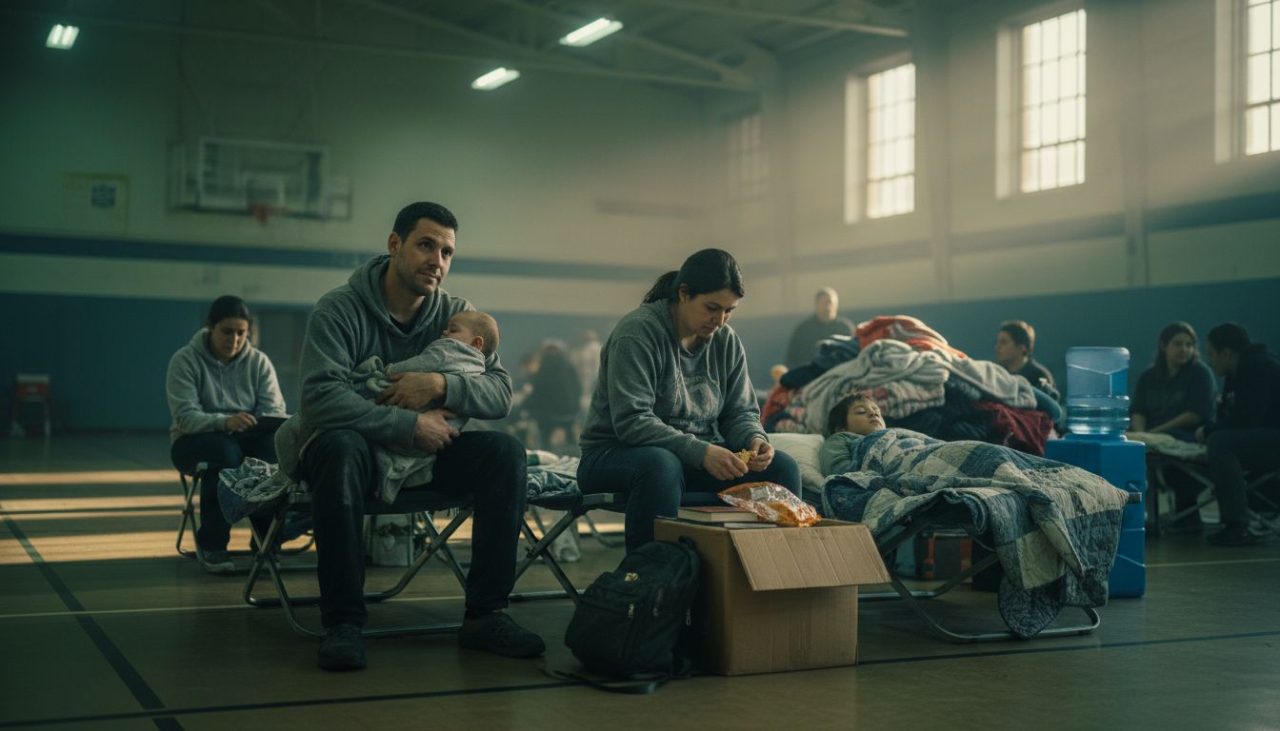
Over 60 million American families have faced the chaos of sudden disasters, whether from wildfires, hurricanes, or unexpected emergencies that shatter daily routines. When every minute counts, knowing where to find housing, food, financial support, and emotional guidance can mean the difference between crisis and stability. This guide reveals the most effective strategies and crucial resources for American survivors seeking help right when disaster strikes.
Table of Contents
- Immediate Emergency Housing Assistance
- Financial Support For Food And Essentials
- Insurance Claim Help And Guidance
- Government Disaster Relief Programs
- Nonprofit And Community Aid Resources
- Mental Health And Emotional Support Services
- Long-Term Recovery And Rebuilding Aid
Quick Summary
| Takeaway | Explanation |
|---|---|
| 1. Access Immediate Housing Resources | After a disaster, seek hotel reimbursement, rental assistance, or direct housing options for temporary shelter. |
| 2. Utilize Financial Support for Essentials | Apply for emergency food assistance and cash aid through local networks or government programs to meet basic needs. |
| 3. Get Help with Insurance Claims | Seek professional assistance to navigate your insurance claims process and maximize compensation for damages sustained. |
| 4. Register for Government Relief Programs | Contact FEMA immediately after a disaster to access comprehensive aid available for home repairs and personal expenses. |
| 5. Don’t Overlook Mental Health Support | Recognize that emotional recovery is critical; access counseling services and support groups to aid in trauma recovery. |
1. Immediate Emergency Housing Assistance
When disaster strikes, finding safe shelter becomes your top priority. Immediate emergency housing assistance provides critical support for families suddenly displaced by hurricanes, wildfires, floods, or other catastrophic events.
The emergency shelter process can involve multiple support mechanisms designed to help you quickly secure temporary housing. According to FEMA guidelines, survivors have several immediate housing options including financial support for hotel stays, rental assistance, and direct housing solutions like travel trailers or mobile homes.
Key emergency housing resources typically include:
- Hotel/Motel Reimbursement: Short term lodging expenses covered for families unable to return home
- Rental Assistance: Financial support to secure temporary apartments or rental properties
- Group Shelters: Managed by organizations like the Red Cross for immediate emergency placement
- Direct Housing Units: Temporary mobile homes or travel trailers provided directly by government agencies
To access these resources, contact local emergency management offices, dial 211, or reach out to FEMA immediately after a disaster event. Prompt action increases your chances of receiving timely housing support and beginning your recovery process.
Pro tip: Always carry important documents like identification, insurance information, and proof of residency to expedite your emergency housing application.
2. Financial Support for Food and Essentials
Disaster survivors often face immediate challenges in meeting basic nutritional needs during crisis situations. Financial support for food and essentials becomes a critical lifeline for families suddenly struggling to secure everyday necessities.
The emergency assistance process includes multiple resources designed to help families access emergency food and financial support. According to FEMA guidelines, survivors can receive financial assistance for immediate needs through programs like Serious Needs Assistance.
Key financial support resources include:
- Disaster Supplemental Nutrition Assistance Program (D-SNAP): Emergency food benefits for disaster impacted households
- Local Food Bank Networks: Free food distributions and emergency meal support
- Emergency Cash Assistance: Upfront payments to cover immediate food and essential supply needs
- Community Support Organizations: Additional resources for food and supply acquisition
To access these resources, contact local emergency management offices, dial 211, or reach out to government assistance centers. Most programs require proof of disaster impact and basic identification documents.
Pro tip: Keep copies of identification, proof of residence, and insurance documents in a waterproof, portable container to expedite emergency assistance applications.
3. Insurance Claim Help and Guidance
Navigating insurance claims after a disaster can feel overwhelming and complex for most families. Insurance claim help and guidance provides crucial support to ensure you receive the maximum compensation possible for your property damage and losses.
The insurance claim verification process involves several critical steps that can significantly impact your recovery. According to FEMA guidelines, disaster survivors must first file insurance claims before seeking additional government assistance.
Key insurance claim support resources include:
- Professional Claims Assistance: Expert guidance through complex claim documentation
- Damage Assessment Services: Objective evaluation of property destruction
- Documentation Support: Help gathering necessary proof of loss evidence
- Negotiation Representation: Advocacy for fair insurance settlement
- Appeals Assistance: Support for challenging unsatisfactory claim determinations
To maximize your claim potential, document everything thoroughly. Take extensive photographs of damage, keep all receipts, and maintain detailed records of repair estimates and personal property losses.
Pro tip: Contact your insurance provider immediately after a disaster. Many policies have specific timeframes for filing claims, and prompt action can expedite your recovery process.
4. Government Disaster Relief Programs
When catastrophic events devastate communities, government disaster relief programs become a critical lifeline for affected families. Government support systems provide essential financial and direct assistance to help survivors recover and rebuild.
The aid access process can be complex, but understanding available resources is crucial. According to the Department of Homeland Security, multiple federal programs offer comprehensive support for individuals, families, and businesses experiencing uninsured losses.
Key government disaster relief resources include:
- FEMA Individuals and Households Program: Financial assistance for necessary expenses
- Small Business Administration Disaster Loans: Low interest loans for property repairs
- Unemployment Assistance: Temporary financial support for job loss related to disasters
- Crisis Counseling Programs: Mental health support for disaster survivors
- Tax Relief Programs: Federal tax breaks and extended filing deadlines
To access these programs, register with FEMA immediately after a disaster. Have important documents like identification, insurance information, and proof of residence ready to expedite your application.
Pro tip: Do not wait to apply for assistance. Most government relief programs have specific application windows that close quickly after a disaster event.
5. Nonprofit and Community Aid Resources
When government assistance falls short, nonprofit and community organizations become lifelines for disaster survivors. Community support networks offer crucial resources that can help families bridge critical gaps during recovery.
The community resource directories provide comprehensive networks of support beyond traditional relief channels. Organizations like Feeding America coordinate extensive food bank and disaster relief partnerships to support impacted communities.
Key nonprofit and community aid resources include:
- Local Faith Based Organizations: Emergency supplies and emotional support
- Community Food Banks: Immediate nutritional assistance
- Volunteer Disaster Response Groups: Hands on recovery support
- Mental Health Support Networks: Counseling and trauma recovery services
- Local Mutual Aid Societies: Grassroots assistance and resource sharing
To maximize community support, connect with local emergency management centers, dial 211, or reach out to regional disaster response coordinators. Many nonprofits operate local chapters specifically designed to provide immediate assistance.
Pro tip: Document all assistance received from community organizations. These records can be valuable when applying for additional government aid or insurance claims.
6. Mental Health and Emotional Support Services
Disasters can leave deep emotional scars that extend far beyond physical damage. Mental health support becomes a critical component of holistic recovery, helping families process trauma and rebuild psychological resilience.
The crisis intervention fundamentals provide essential strategies for emotional healing. According to the Disaster Distress Helpline, survivors have access to 24/7 crisis counseling specifically designed to address emotional challenges triggered by traumatic events.
Key mental health and emotional support resources include:
- Crisis Counseling Hotlines: Immediate emotional support and trauma guidance
- Support Group Networks: Connecting with others who have similar experiences
- Professional Trauma Counseling: Individual and family psychological recovery services
- Telehealth Mental Health Resources: Remote counseling and therapy options
- Community Resilience Programs: Structured emotional recovery workshops
To access these services, contact local mental health centers, reach out to community support coordinators, or call national helplines. Many services are free or low cost for disaster survivors.
Pro tip: Recognize that emotional recovery is as important as physical recovery. Seeking help is a sign of strength, not weakness.
7. Long-Term Recovery and Rebuilding Aid
Recovering from a disaster is a marathon, not a sprint. Long-term recovery resources provide critical support for families seeking to rebuild their lives and restore their communities after devastating events.
The long-term disaster recovery process involves complex and strategic rebuilding efforts. According to FEMA guidelines, comprehensive assistance is available for home repairs, replacement, and addressing other essential needs for individuals and communities.
Key long-term recovery and rebuilding resources include:
- Community Development Block Grant Disaster Recovery Funds: Large scale infrastructure and housing rebuilding support
- Small Business Administration Disaster Loans: Low interest financing for property and business reconstruction
- Home Repair and Replacement Assistance: Direct financial support for structural rebuilding
- Infrastructure Restoration Programs: Community wide recovery and redevelopment initiatives
- Professional Reconstruction Guidance: Technical support for safe and effective rebuilding
To access these resources, work closely with local emergency management offices, document all damages thoroughly, and apply for assistance as early as possible.
Pro tip: Create a comprehensive recovery plan that prioritizes immediate needs while strategically addressing long-term rebuilding goals.
Below is a comprehensive table summarizing the emergency assistance strategies and resources available for disaster survivors as discussed in the article.
| Assistance Type | Description | Key Resources |
|---|---|---|
| Immediate Emergency Housing Assistance | Quick support for displaced families due to disasters | Hotel/Motel Reimbursement, Rental Assistance, Group Shelters, Direct Housing Units |
| Financial Support for Food and Essentials | Helps families secure basic necessities during crises | D-SNAP, Local Food Bank Networks, Emergency Cash Assistance, Community Support Organizations |
| Insurance Claim Help and Guidance | Supports families in navigating insurance claims post-disaster | Professional Claims Assistance, Damage Assessment Services, Documentation Support |
| Government Disaster Relief Programs | Provides essential financial and direct assistance for recovery | FEMA Individuals and Households Program, SBA Disaster Loans, Unemployment Assistance |
| Nonprofit and Community Aid Resources | Community support to fill gaps in government aid | Local Faith Based Organizations, Community Food Banks, Volunteer Disaster Response Groups |
| Mental Health and Emotional Support Services | Offers emotional support and counseling to disaster survivors | Crisis Counseling Hotlines, Support Group Networks, Professional Trauma Counseling |
| Long-Term Recovery and Rebuilding Aid | Aids in rebuilding and restoring communities after disasters | Community Development Block Grant Disaster Recovery Funds, SBA Disaster Loans, Home Repair Assistance |
Discover the Disaster Aid You Deserve with Expert Support
Facing the overwhelming challenge of disaster recovery means navigating immediate housing needs, insurance claims, and long-term rebuilding efforts. This article highlights the 7 key types of disaster aid every family must know to regain stability and peace of mind. If you are feeling unsure about how to secure emergency shelter or handle complex insurance processes, you are not alone. Common pain points like finding safe temporary housing, accessing vital financial support, and connecting with trusted recovery resources demand fast, guided action.
At DisasterVictimServices.com, we specialize in making recovery simpler and more effective. Our dedicated team works closely with government programs, insurance carriers, and first responders to connect you quickly with emergency housing solutions and comprehensive aid. Whether you need help understanding the Uncategorized support options available after a disaster or want to explore streamlined recovery project strategies at Project Design, we provide compassionate, around-the-clock assistance.
Don’t wait to take control of your recovery journey. Visit DisasterVictimServices.com now to access trusted help that transforms uncertainty into action. Your path to security and rebuilding starts here.
Frequently Asked Questions
What is immediate emergency housing assistance?
Immediate emergency housing assistance provides temporary shelter and support for families displaced by disasters like hurricanes or floods. To access this type of assistance, contact local emergency management offices or dial 211 promptly after a disaster to receive information on available resources.
How can I get financial support for food and essentials after a disaster?
You can receive financial support for food and essentials through programs like the Disaster Supplemental Nutrition Assistance Program (D-SNAP) and local food banks. Gather necessary identification documents and contact local emergency management offices to apply for assistance as soon as possible.
What should I do to file an insurance claim after a disaster?
To file an insurance claim after a disaster, document all damage, take photos, and contact your insurance provider immediately. Ensure you keep detailed records of all communications and claims to expedite the process and maximize your compensation.
What government disaster relief programs are available for families?
Government disaster relief programs like the FEMA Individuals and Households Program provide financial aid for necessary expenses after a disaster. To access these programs, register with FEMA right after a disaster and have important documents like proof of residence ready to speed up your application.
How can I find nonprofit and community aid resources for disaster recovery?
You can find nonprofit and community aid resources by connecting with local emergency management centers or dialing 211 for information. Many community organizations offer immediate assistance, so reach out to them for help as soon as you are affected by a disaster.
What mental health support services are available after a disaster?
Mental health support services include crisis counseling hotlines and community support networks aimed at helping disaster survivors cope with trauma. To access these services, contact local mental health centers or national helplines to find available resources that can assist you in the recovery process.
Recommended
- 7 Steps for a Complete Disaster Preparedness Checklist 2025 – Disaster Victim Services | Helping You Recover After Disaster
- 6 Essential Public Safety Tips for Disaster Preparedness – Disaster Victim Services | Helping You Recover After Disaster
- 8 Essential Steps for Your Emergency Preparedness Checklist – Disaster Victim Services | Helping You Recover After Disaster
- 7 Essential Tips for Your Emergency Response Checklist 2025 – Disaster Victim Services | Helping You Recover After Disaster