
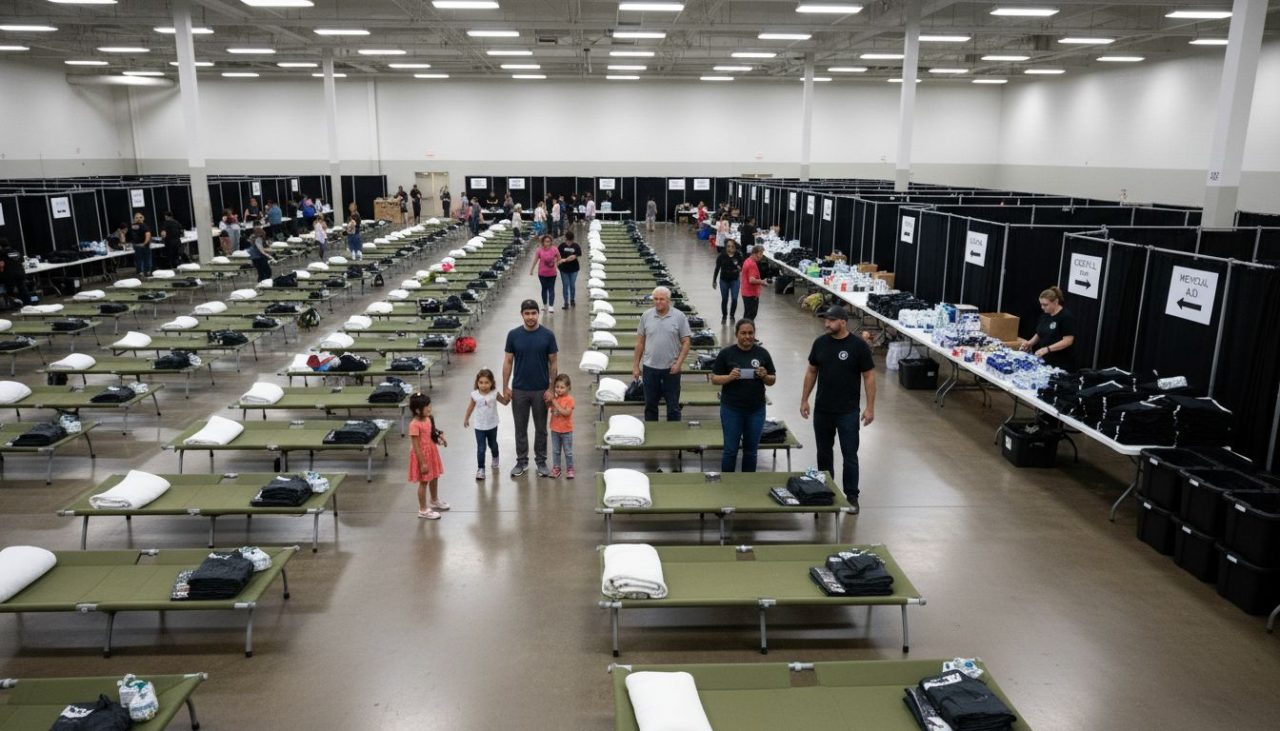
Did you know that more than 1.5 million Americans rely on emergency shelters each year? When crisis strikes, having access to safe, temporary housing can make all the difference. Many people misunderstand what emergency shelters offer or believe harmful myths that put lives at risk. Understanding how these shelters work, who they serve, and how they keep people safe can mean faster, safer decisions during a disaster or urgent situation.
Table of Contents
- Defining Emergency Shelter And Common Myths
- Types Of Emergency Shelter Available Nationwide
- The Emergency Shelter Intake And Placement Process
- Key Eligibility Requirements And Documentation
- Safety, Security, And Support Services Provided
- Costs, Funding, And Common Pitfalls To Avoid
Key Takeaways
| Point | Details |
|---|---|
| Emergency Shelter Role | Emergency shelters provide immediate refuge during crises, serving diverse populations beyond just the chronically homeless. |
| Types of Shelters | Various shelter types exist, including congregate and non-traditional shelters, each tailored to specific needs and circumstances. |
| Intake Process Importance | A structured intake process is essential for matching individuals effectively with suitable shelter resources to address specific needs. |
| Funding Challenges | Emergency shelter funding is complex, requiring strategic planning to avoid common financial pitfalls and ensure sustainable support. |
Defining Emergency Shelter And Common Myths
Emergency shelters are critical lifelines during times of crisis, providing immediate, temporary refuge for individuals displaced by disasters, homelessness, or urgent circumstances. According to the Department of Health, these shelters offer a safe haven without requiring leases or rent payments, specifically designed to reduce harm associated with being unsheltered.
Contrary to popular misconceptions, emergency shelters are not one-size-fits-all solutions. They range from community centers and gymnasiums to specialized facilities that cater to specific populations like families, veterans, or those with unique needs. Myth Alert: Many people incorrectly assume that shelters are only for individuals experiencing chronic homelessness, when in reality, they serve diverse groups during emergencies such as natural disasters, domestic violence situations, or sudden housing loss.
One dangerous myth that demands immediate clarification involves disaster response strategies. As noted by research sources, seeking shelter under highway overpasses during tornados is not just ineffective but potentially fatal. Contrary to popular belief, these structures do not provide protection and can actually increase risk due to accelerated wind speeds and flying debris.
When exploring emergency shelter options, understanding the core principles is crucial. These facilities prioritize:
- Immediate safety
- Basic human dignity
- Temporary protection
- Connection to additional support services
By learning more about shelter selection strategies, individuals can make informed decisions during challenging times and access the critical support they need.
Types Of Emergency Shelter Available Nationwide
According to the National Mass Care Strategy, emergency shelters across the United States are diverse and strategically designed to meet various urgent needs. These shelters are categorized into two primary types: congregate shelters and non-traditional shelters. Congregate shelters represent large open settings with minimal privacy, while non-traditional shelters offer expanded infrastructure and comprehensive support services to accommodate significant numbers of evacuees.
Beyond traditional housing solutions, specialized emergency shelters address unique situations and vulnerable populations. Warming centers, for instance, provide critical short-term refuge during dangerously cold conditions, preventing hypothermia and protecting individuals who might not typically access standard homeless shelters. These specialized facilities demonstrate the nuanced approach emergency response systems take to protect community members.
The range of emergency shelter types is extensive and includes:
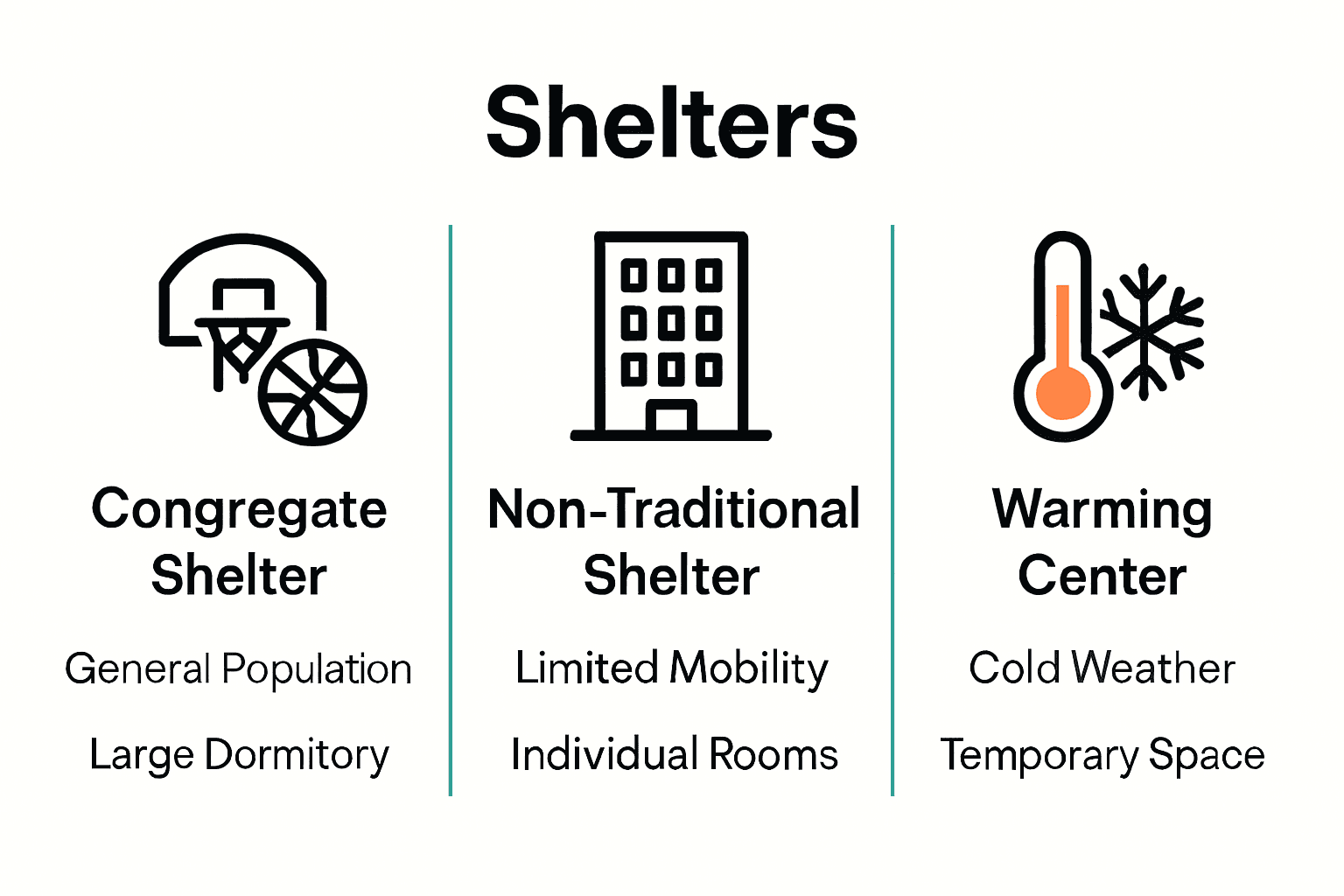
Here’s a comparison of key emergency shelter types and their main features:
| Shelter Type | Typical Setting | Target Population | Key Features |
|---|---|---|---|
| Congregate Shelter | Gymnasium Community center |
General evacuees | Large open area Minimal privacy |
| Non-Traditional Shelter | Hotels Converted facilities |
Large groups Special populations |
More privacy Expanded services |
| Warming Center | Temporary indoor space | Individuals at risk of hypothermia | Short-term refuge Cold weather |
| Religious Institution Shelter | Church Synagogue Mosque |
Community members Families |
Volunteer staff Basic amenities |
| Government Response Center | Designated government building | Disaster evacuees | 24/7 support Official management |
| Mobile Unit / Trailer Park | Mobile homes Trailer parks |
Displaced families Disaster areas |
Temporary housing Portable units |
| Specialized Facility | Medical-equipped center | Medical needs Veterans Families |
On-site care Tailored services |
- Community centers and gymnasiums
- School facilities converted for temporary housing
- Religious institution spaces
- Dedicated government emergency response centers
- Mobile housing units
- Temporary trailer parks
- Specialized facilities for families, veterans, and medical needs
By exploring comprehensive shelter options, individuals can better understand the complex network of emergency housing solutions available during times of crisis. Each shelter type is designed with specific considerations to ensure safety, dignity, and basic human needs are met across diverse emergency scenarios.
The Emergency Shelter Intake And Placement Process
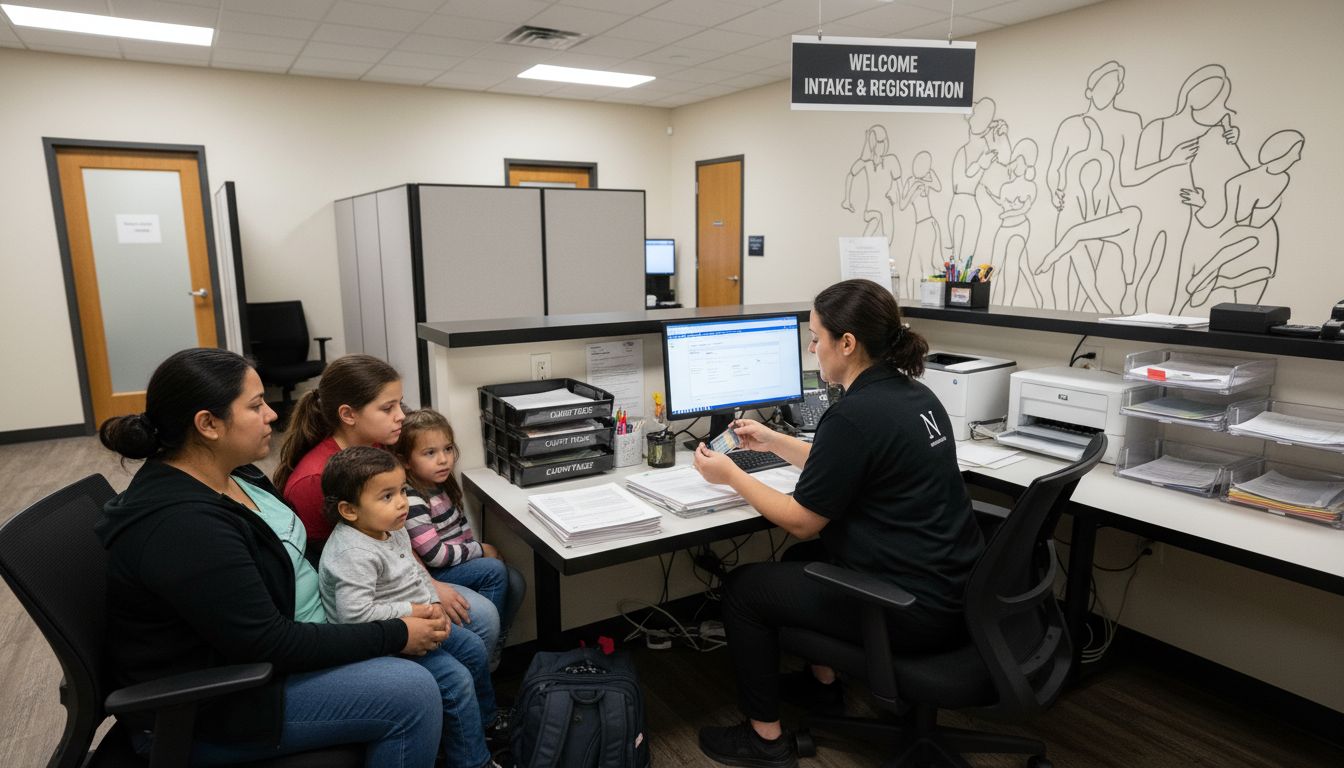
According to United Way Southeastern Minnesota, the emergency shelter intake process is a critical first step in connecting displaced individuals with temporary housing. The process involves a comprehensive assessment of an individual’s current housing situation to determine their eligibility and specific needs. This initial evaluation helps shelter staff match applicants with the most appropriate temporary housing solutions.
Research from Associated Press reporting on Vermont shelters highlights the importance of a structured intake process that ensures shelter resources are allocated to those most in need. The assessment typically includes evaluating factors such as:
- Current housing status
- Immediate safety concerns
- Family composition
- Medical or special needs
- Income and employment situation
- Support system availability
The placement process follows a structured approach designed to match individuals with the most suitable shelter environment. Intake specialists work to understand each person’s unique circumstances, considering factors like family size, potential vulnerability, and specific support requirements. This personalized approach ensures that shelter resources are distributed efficiently and effectively.
For those navigating this challenging process, understanding the emergency housing placement steps can provide crucial guidance. The goal is always to provide not just a temporary roof, but a supportive environment that helps individuals stabilize and begin their path to long-term housing security.
Key Eligibility Requirements And Documentation
According to Cornell Law, emergency shelter eligibility often requires individuals to provide specific documentation demonstrating their circumstances, particularly for those experiencing domestic violence or displacement. Documentation requirements are crucial in ensuring that shelter resources are allocated appropriately and efficiently to those most in need.
Research from Associated Press reporting on Massachusetts shelter policies highlights the comprehensive nature of eligibility verification. Typical documentation needed for emergency shelter placement typically includes:
- Government-issued photo identification
- Proof of residency or displacement
- Verification of household composition
- Income documentation
- Documentation of domestic violence or emergency situation
- Immigration status verification (where applicable)
The documentation process serves multiple critical purposes. It helps shelter providers:
- Confirm the individual’s identity
- Assess immediate housing needs
- Determine appropriate support services
- Prevent potential fraud
- Ensure equitable resource allocation
For individuals navigating these complex requirements, understanding housing eligibility guidelines can provide crucial guidance through this challenging process. Each piece of documentation represents a step toward finding safe, temporary housing during a critical moment of transition.
Safety, Security, And Support Services Provided
According to FEMA, emergency shelters provide far more than just a roof over one’s head. These facilities offer comprehensive services designed to address immediate physical and emotional needs during crisis situations. Core services typically include safe lodging, meals, restrooms, and basic first aid, creating a holistic support environment for displaced individuals.
Research on homeless support systems reveals that emergency shelters go beyond basic necessities, providing critical support services such as:
- Case management
- Emotional support counseling
- Connection to long-term housing programs
- Family reunification assistance
- Health and medical referrals
- Personal safety assessments
- Legal advocacy support
Security is paramount in emergency shelter environments. Professional staff implement strict protocols to ensure resident safety, including controlled access, background checks for staff and residents, separate accommodation for vulnerable populations, and 24/7 monitoring. These comprehensive security measures help create a protective environment where individuals can begin their recovery process with dignity and peace of mind.
By understanding how to conduct comprehensive safety assessments, individuals and support organizations can better navigate the complex landscape of emergency shelter support, ensuring that every person receives the comprehensive care they need during challenging times.
Costs, Funding, And Common Pitfalls To Avoid
According to Associated Press reporting on Massachusetts’ emergency shelter challenges, funding emergency shelter systems represents a complex and dynamic challenge for government agencies. Funding sources typically include a mix of federal grants, state allocations, nonprofit contributions, and local government budgets, each with unique requirements and limitations.
Vermont’s emergency shelter expansion efforts highlight the critical importance of strategic resource allocation. Common financial pitfalls in emergency shelter management include:
- Underestimating operational costs
- Insufficient long-term funding strategies
- Inadequate infrastructure investment
- Lack of flexible budget adjustments
- Limited contingency funds
- Inefficient resource distribution
Navigating the financial landscape of emergency shelters requires careful planning and proactive management. Organizations must develop robust funding models that balance immediate needs with sustainable long-term support. This involves creating diversified funding streams, maintaining transparent financial reporting, and continuously adapting to changing demographic and economic conditions.
For individuals and organizations seeking to understand the nuanced financial aspects of emergency housing, exploring housing placement process guidelines can provide crucial insights into effective resource management and strategic funding approaches.
Find Immediate Safety and Support With Expert Emergency Shelter Solutions
Understanding how emergency shelters work can be overwhelming when facing sudden displacement or crisis. The article highlights real challenges such as navigating the intake and placement process, meeting eligibility requirements, and accessing the right type of shelter tailored to your needs. These moments demand quick decisions and trusted guidance to ensure your safety and dignity.
At DisasterVictimServices.com, we specialize in connecting disaster victims to immediate emergency housing and critical support services. Our team works closely with government agencies, first responders, and insurers to streamline your recovery. When time and safety are paramount, trust our compassionate experts to help you access appropriate shelters and navigate complex processes efficiently.
Learn more about the full range of options and how we can help by visiting our Uncategorized resource center. Don’t wait until the situation escalates. Visit DisasterVictimServices.com now and take the first step toward a safer, supported future.
Frequently Asked Questions
What is an emergency shelter?
Emergency shelters provide immediate, temporary refuge for individuals displaced due to disasters, homelessness, or urgent situations, prioritizing safety and basic human dignity without requiring rent or leases.
What types of emergency shelters are available?
Emergency shelters can be categorized into congregate shelters like gymnasiums, non-traditional shelters such as hotels, warming centers for cold weather, and specialized facilities that cater to specific populations like families or veterans.
How does the emergency shelter intake process work?
The intake process involves a comprehensive assessment of an individual’s housing situation to determine eligibility and specific needs, ensuring that resources are allocated to those in the most urgent need.
What support services are provided at emergency shelters?
Emergency shelters offer a range of services, including safe lodging, meals, restrooms, case management, emotional support counseling, health referrals, and legal advocacy, helping individuals stabilize and find long-term housing solutions.
Recommended
- 7 Types of Emergency Shelter You Need to Know – Disaster Victim Services | Helping You Recover After Disaster
- Understanding Disaster Shelter Selection Guide: Key Insights – Disaster Victim Services | Helping You Recover After Disaster
- Emergency Housing Workflow Guide 2025: Steps and Solutions – Disaster Victim Services | Helping You Recover After Disaster
- Emergency Housing Referral Workflow: A 2025 Guide for Disaster Relief – Disaster Victim Services | Helping You Recover After Disaster