
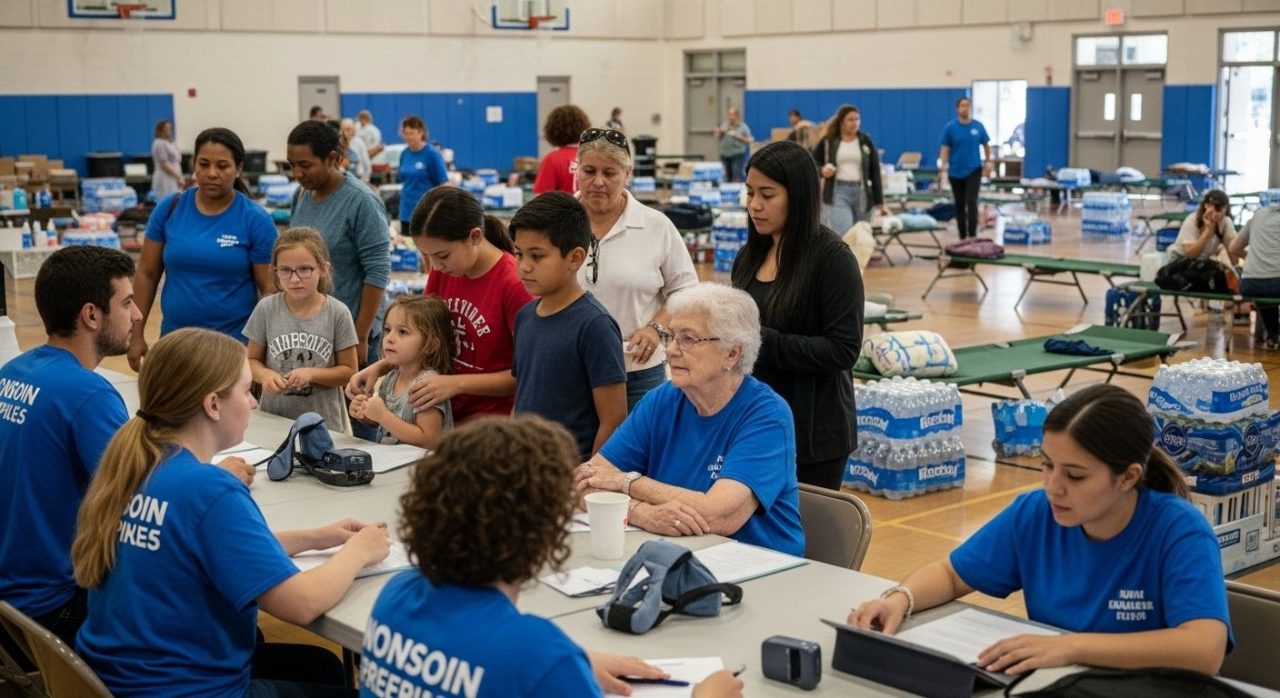
Disaster shelters can be the difference between chaos and comfort when catastrophe hits. Most people think of shelters as simple places with cots and canned food, but there is far more going on behind those doors. Some facilities handle hundreds at once and must provide safe housing, medical care, and psychological support all in one coordinated effort. That kind of operation turns a shelter into a real lifesaver, and what happens inside might surprise you.
Table of Contents
- What Is A Disaster Shelter And Its Types?
- Why Disaster Shelter Selection Is Critical For Safety
- How Disaster Shelters Operate During Emergencies
- Key Factors Influencing Shelter Selection Decisions
- Real-World Examples Of Successful Shelter Implementations
Quick Summary
| Takeaway | Explanation |
|---|---|
| Choose the right shelter type | Understand the differences between mass care shelters, short-term shelters, and community evacuation centers for your specific needs. |
| Assess critical factors for selection | Consider factors such as facility capacity, medical support, and accessibility when choosing a disaster shelter. |
| Prioritize safety and resource access | Ensure the shelter you select offers physical protection and easy access to essential supplies like food and medical care. |
| Implement a holistic approach | Evaluate multiple interconnected factors during the shelter selection process to enhance safety and recovery outcomes. |
| Learn from real-world examples | Analyze successful shelter implementations to improve your understanding of effective disaster response strategies. |
What is a Disaster Shelter and Its Types?
A disaster shelter is a designated safe space providing temporary housing and critical support services for individuals and families displaced by natural or human-made emergencies. These facilities serve as crucial lifelines during challenging times, offering protection, essential resources, and immediate assistance when traditional living environments become unsafe or uninhabitable.
Types of Disaster Shelters
Disaster shelters are strategically designed to address various emergency scenarios and population needs. Learn more about emergency housing options to understand the comprehensive support available during crisis situations.
According to Ready.gov, disaster shelters can be categorized into several primary types:
Below is a comparison table highlighting the key features and functions of different types of disaster shelters described in the guide.
| Shelter Type | Capacity | Primary Services Provided | Typical Use Case |
|---|---|---|---|
| Mass Care Shelters | High | Food, water, medical assistance, sanitary facilities | Large-scale displacement due to major disasters |
| Short-Term Emergency Shelters | Moderate | Immediate housing, rapid deployment, basic needs | Sudden events like hurricanes or wildfires |
| Community Evacuation Centers | Variable | Temporary refuge, coordination of response efforts | Localized evacuation, community-led responses |
-
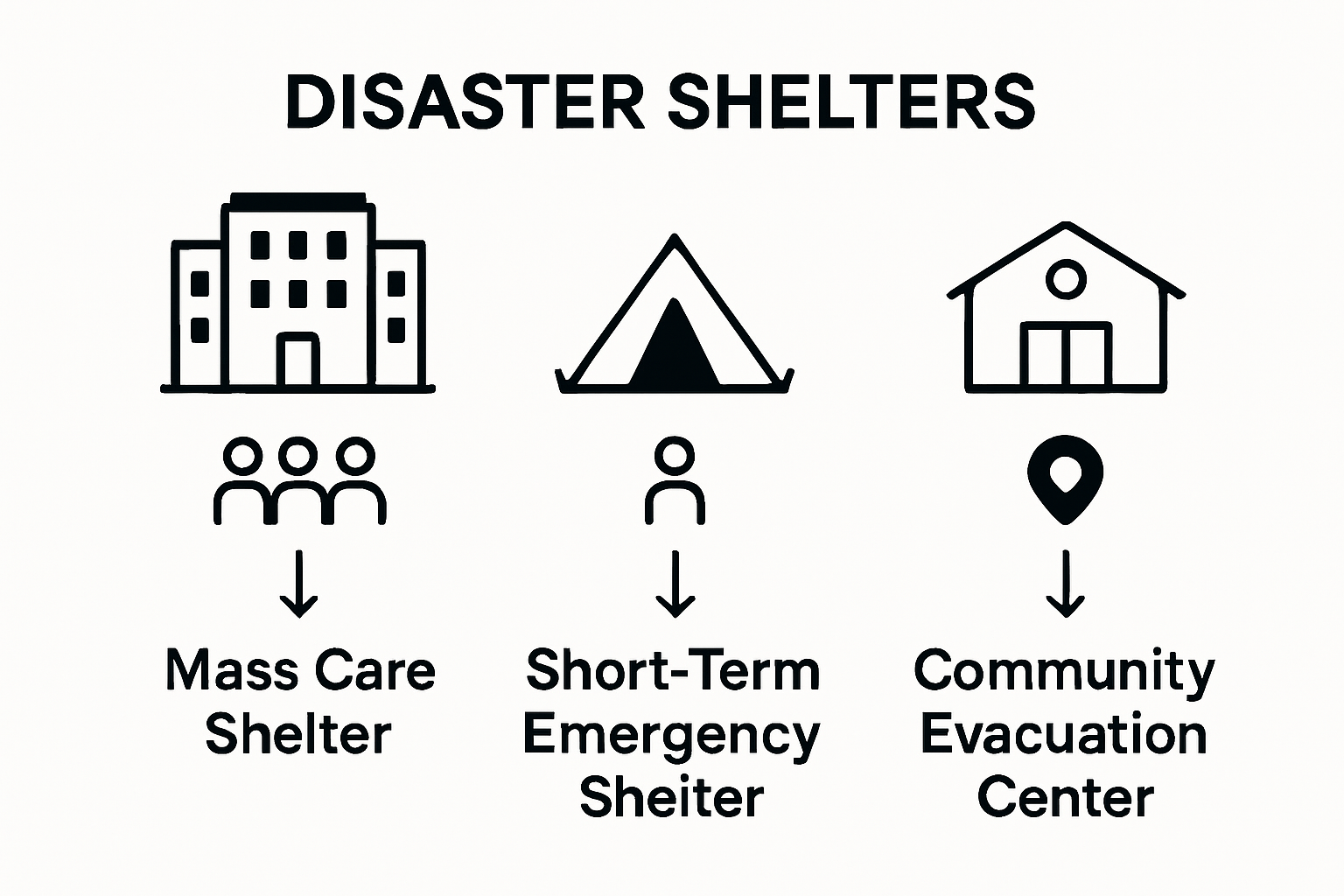
Mass Care Shelters: Large facilities providing comprehensive services including food, water, medical assistance, and basic sanitary facilities for numerous displaced individuals.
-
Short-Term Emergency Shelters: Immediate housing solutions designed for rapid deployment during sudden disasters like hurricanes, floods, or wildfires.
-
Community Evacuation Centers: Strategically located facilities offering temporary refuge and coordinating broader emergency response efforts.
Critical Shelter Selection Considerations
Selecting an appropriate disaster shelter involves evaluating multiple factors to ensure safety and comfort. Key considerations include facility capacity, medical support availability, accessibility for individuals with disabilities, and proximity to essential services.
The primary objectives of disaster shelters extend beyond mere physical protection. These facilities aim to:
-
Provide a secure environment during emergency situations
-
Offer basic necessities like food, water, and medical care
-
Facilitate communication with emergency responders and relief organizations
-
Support psychological well-being through structured community environments
Understanding the nuanced role of disaster shelters helps individuals make informed decisions during emergencies, potentially mitigating risks and ensuring more effective personal and community resilience.
This table summarizes the main factors to consider when selecting a disaster shelter, helping to organize the critical considerations for safety, access, and well-being.
| Selection Factor | Description |
|---|---|
| Facility Capacity | Ability to accommodate the expected number of displaced individuals |
| Medical Support Availability | Access to on-site or nearby health care and support for those with medical needs |
| Accessibility | Suitability for individuals with disabilities and ease of access for all populations |
| Proximity to Services | Distance from essential resources like food, water, and emergency services |
| Psychological Support | Provision of structured environments to aid mental well-being |
| Emergency Communications | Ability to connect with responders and coordinate with relief organizations |
| Safety and Security | Structural integrity and ability to protect against environmental hazards |
Why Disaster Shelter Selection is Critical for Safety
Disaster shelter selection represents a critical decision that can directly impact human survival and recovery during emergency situations. Choosing an appropriate shelter is not merely about finding temporary housing but about creating a strategic approach to personal and collective safety during unpredictable and potentially life-threatening events.
Safety and Protection Fundamentals
Explore our comprehensive disaster safety guidelines to understand the nuanced approach required for effective emergency preparedness. According to U.S. Department of Homeland Security, proper shelter selection can dramatically reduce risks associated with various emergency scenarios.
The critical nature of shelter selection stems from several crucial factors:
-
Immediate Physical Protection: Shelters must provide robust defense against environmental hazards like extreme temperatures, high winds, flooding, or potential structural collapse.
-
Resource Accessibility: An ideal shelter ensures access to essential survival resources including clean water, food, medical supplies, and communication networks.
-
Psychological Safety: Beyond physical protection, shelters play a vital role in maintaining mental well-being during traumatic emergency situations.
Comprehensive Risk Mitigation
Effective disaster shelter selection involves a holistic assessment of potential risks and individual needs. This process requires careful evaluation of multiple variables that can significantly influence survival and recovery outcomes.
Key risk mitigation considerations include:
-
Assessing the specific type of disaster and corresponding environmental threats
-
Understanding the shelter’s structural integrity and designed protective capabilities
-
Evaluating the facility’s capacity to support vulnerable populations such as children, elderly, or individuals with medical requirements
-
Determining proximity to emergency response teams and medical facilities
The ultimate goal of strategic shelter selection extends far beyond immediate survival. It represents a comprehensive approach to resilience, ensuring that individuals and communities can effectively navigate and recover from potentially devastating emergency scenarios. By making informed, calculated decisions about shelter, people can significantly enhance their chances of safety, comfort, and eventual restoration.
How Disaster Shelters Operate During Emergencies
Disaster shelters function as complex, dynamic systems designed to provide immediate response and comprehensive support during emergency situations. These facilities transform from standard buildings into lifeline infrastructure that coordinates multiple critical services simultaneously, ensuring survivor safety and facilitating efficient recovery processes.
Emergency Activation and Coordination
Learn about our emergency displacement response protocols to understand the intricate mechanisms behind shelter operations. According to the Federal Highway Administration, effective shelter operations require sophisticated pre-planning and multi-agency coordination.
The operational framework of disaster shelters involves several interconnected stages:
-
Initial Activation: Rapid mobilization of shelter resources triggered by emergency declarations
-
Resource Allocation: Strategic distribution of essential supplies and medical support
-
Population Management: Systematic intake, registration, and care coordination for displaced individuals
Critical Service Delivery Mechanisms
Disaster shelters operate through meticulously structured service delivery systems that address immediate human needs while maintaining organizational efficiency. These mechanisms encompass several vital functional domains:
-
Establishing secure entry and registration processes
-
Implementing health and safety screening protocols
-
Coordinating communication with emergency response teams
-
Managing food, water, and medical supply distributions
The operational complexity of disaster shelters extends beyond physical infrastructure. These facilities represent dynamic ecosystems that adapt rapidly to changing emergency conditions, prioritizing human safety through systematic, compassionate service delivery. By integrating logistical precision with humanitarian support, disaster shelters transform potential crisis scenarios into managed, recoverable experiences for affected populations.
Key Factors Influencing Shelter Selection Decisions
Shelter selection represents a complex decision-making process involving multiple interdependent variables that determine the effectiveness of emergency housing solutions. These decisions require comprehensive analysis of environmental, logistical, and human factors to ensure maximum safety and support for displaced populations.
Environmental and Geographic Considerations
Explore our comprehensive housing capacity assessment guide to understand the nuanced approach to shelter site evaluation. According to a systematic research review, shelter selection involves intricate assessments across six critical domains.
Key environmental factors influencing shelter decisions include:
-
Geological Stability: Assessing terrain for potential landslide, flood, or earthquake risks
-
Climate Resilience: Evaluating shelter’s capacity to withstand local weather conditions
-
Natural Hazard Proximity: Determining safe distance from potential disaster-prone areas
Operational and Social Infrastructure Factors
Beyond physical location, shelter selection demands comprehensive analysis of operational capabilities and social dynamics. Critical considerations encompass:
-
Proximity to essential services like medical facilities
-
Transportation accessibility for emergency response teams
-
Cultural and community integration potential
-
Capacity to support vulnerable population groups
The shelter selection process transcends simple geographic placement. It represents a strategic approach to creating resilient, adaptive spaces that can transform from standard buildings into comprehensive support ecosystems. By meticulously evaluating multiple interconnected factors, emergency management professionals can design shelter solutions that not only protect physical safety but also support psychological recovery and community restoration.

Real-World Examples of Successful Shelter Implementations
Real-world disaster shelter implementations demonstrate the critical importance of strategic planning, innovative design, and adaptive response mechanisms. These case studies provide invaluable insights into how communities can effectively transform potential crisis scenarios into resilient, supportive environments.
Community-Driven Shelter Solutions
Discover our emergency housing workflow strategies to understand practical implementation approaches. According to FEMA’s Building Science Success Stories, several communities have developed groundbreaking shelter strategies that significantly enhance disaster resilience.
Notable examples of successful shelter implementations include:
-
Hurricane-Resistant Community Design: Hunters Point in Cortez, Florida, developed homes that withstood multiple hurricane events without structural damage
-
Collaborative Urban Sheltering: Portland, Oregon’s innovative partnership with local residents to create distributed emergency housing options
-
Integrated Safe Room Strategies: Texas Department of Emergency Management’s comprehensive approach to constructing community protection facilities
Innovative Shelter Adaptation Techniques
Successful shelter implementations demonstrate several key characteristics that distinguish them from traditional emergency housing approaches:
-
Flexibility in accommodating diverse population needs
-
Integration of technological solutions for real-time monitoring and support
-
Strong emphasis on psychological well-being alongside physical protection
-
Proactive community engagement and preparedness training
These real-world examples illustrate that effective shelter implementation transcends mere physical infrastructure. They represent complex ecological systems that combine architectural design, social dynamics, technological innovation, and human-centered approaches to create comprehensive support environments. By studying and learning from these successful models, emergency management professionals can continue to evolve and improve disaster response strategies.
Take the Next Step Toward Confident Disaster Shelter Selection
Choosing the right disaster shelter can mean the difference between confusion and safety when everything changes in an instant. If you are struggling to balance immediate safety, suitable facilities, and long-term comfort, you are not alone. The guide you just read highlights the critical steps and factors to consider—like risk mitigation, structural integrity, and support for vulnerable family members. At Disaster Victim Services, we understand the overwhelming decisions you face during a crisis, and we specialize in turning urgent needs into smooth transitions.
Ready to put expert guidance into action? Visit our Developing solutions or browse our Project design strategies to see how your emergency shelter selection can be supported by experienced professionals. Do not wait until uncertainty becomes a barrier. Take the first step at DisasterVictimServices.com to secure personalized support and immediate housing options you can trust.
Frequently Asked Questions
What is a disaster shelter?
A disaster shelter is a designated safe space providing temporary housing and critical support services for individuals and families displaced by emergencies like natural disasters or human-made crises.
What types of disaster shelters are available?
Disaster shelters can be categorized into mass care shelters, short-term emergency shelters, and community evacuation centers, each serving different needs during emergencies.
Why is shelter selection important during a disaster?
Shelter selection is critical for safety and recovery as it ensures immediate physical protection, resource accessibility, and psychological safety for displaced individuals.
What factors should be considered when selecting a disaster shelter?
Key considerations include environmental stability, accessibility to essential services, the shelter’s capacity to support vulnerable populations, and the facility’s overall safety and resource availability.