
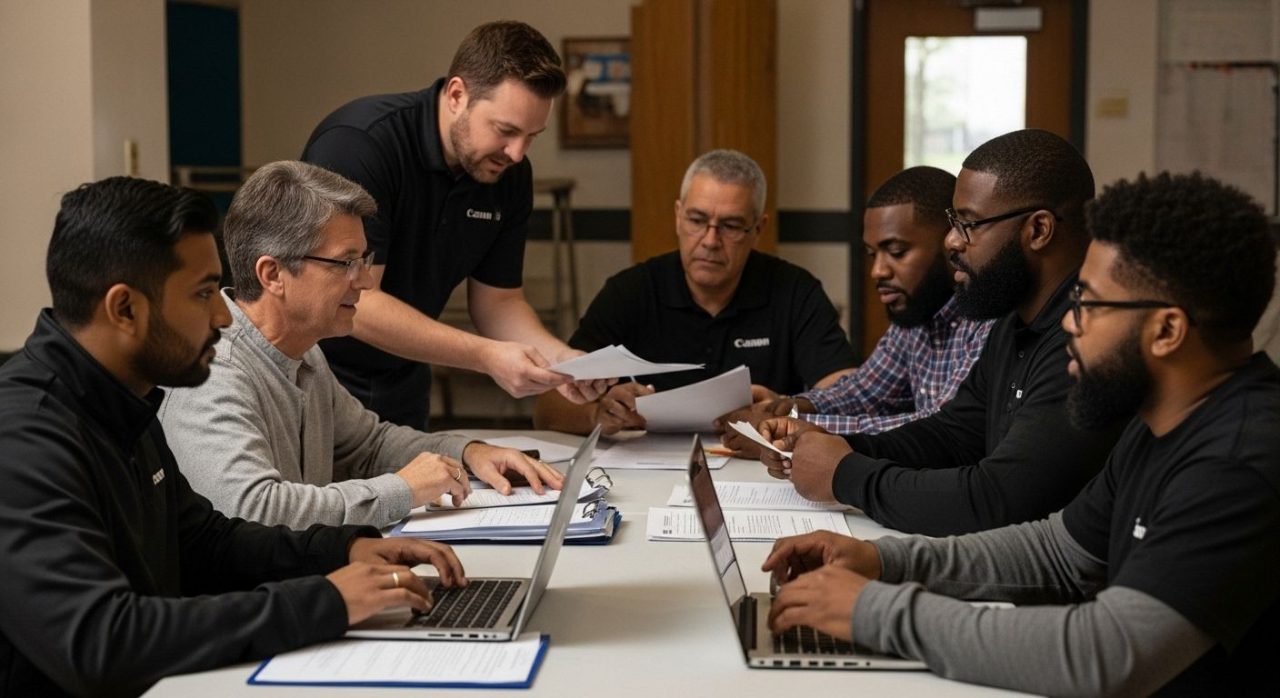
Disaster strikes and suddenly thousands of families are searching for a roof over their heads. Relying on luck is not enough. More than 1.3 million Americans relied on housing assistance after Hurricane Katrina alone. Most people expect help to arrive on its own, but the truth is that coordination and communication between agencies, nonprofits, and local support makes all the difference in who gets real shelter fast.
Table of Contents
- Understanding Key Agencies And Programs
- Effective Communication Between Stakeholders
- Streamlining The Application And Referral Process
- Best Practices For Ongoing Support And Monitoring
Quick Summary
| Takeaway | Explanation |
|---|---|
| Understand available housing assistance programs. | Familiarize yourself with FEMA, state, local programs, and nonprofits for disaster housing support. |
| Establish clear communication among stakeholders. | Create standardized protocols for agencies to share vital information and resources effectively during disaster recovery. |
| Streamline application processes for assistance. | Implement ‘no wrong door’ strategies to simplify access and reduce confusion in obtaining housing help. |
| Focus on long-term support and stability. | Develop comprehensive plans to ensure families transition from temporary housing to permanent solutions effectively. |
| Leverage technology for resource tracking. | Utilize digital tools for real-time monitoring of housing resources and needs, enhancing coordination efficiency. |
Understanding Key Agencies and Programs
Navigating housing assistance during a disaster requires understanding the complex network of agencies and programs designed to support displaced individuals and families. Multiple organizations play critical roles in coordinating emergency housing solutions, each with unique responsibilities and resources.
Federal Emergency Management Agency (FEMA) Support
FEMA stands as the primary federal agency responsible for disaster housing assistance. The Individuals and Households Program (IHP) provides crucial support for disaster victims, offering financial assistance and direct housing solutions. Eligible individuals can receive temporary housing, home repairs, and replacement assistance when their primary residence has been damaged or destroyed.
The agency works closely with state and local governments to assess damage, determine eligibility, and distribute resources efficiently. Disaster victims must apply for assistance within a specific timeframe after a federal disaster declaration, typically within 60 days of the incident. Key considerations include providing proof of residence, documenting property damage, and demonstrating the inability to secure safe housing through other means.
State and Local Housing Assistance Programs
While federal programs provide critical support, state and local agencies often offer additional housing assistance tailored to specific regional needs. These programs complement federal efforts by addressing unique challenges in different geographical areas. The National Low Income Housing Coalition highlights that local housing authorities frequently develop specialized programs to support disaster victims, including:
- Emergency Rental Assistance: Providing temporary financial support for displaced families
- Housing Rehabilitation Grants: Offering funds to repair damaged homes
- Relocation Support: Helping families find alternative housing options
Local programs often have more flexible criteria and can provide more personalized assistance compared to federal programs. Disaster victims should contact their local housing authority or emergency management office to understand specific regional support options.
Nonprofit and Charitable Organizations
Beyond government agencies, numerous nonprofit organizations play a crucial role in housing assistance coordination. Organizations like the American Red Cross provide immediate temporary housing support, emergency shelter, and critical resources for displaced individuals.
These organizations often fill gaps in government assistance, offering more immediate and flexible support. They collaborate with local governments, community groups, and volunteer networks to create comprehensive housing solutions. Some nonprofits specialize in long-term recovery, helping families rebuild and secure stable housing months after the initial disaster.
To help readers quickly compare the roles and features of various housing assistance providers, the following table summarizes the key functions of FEMA, state/local programs, and nonprofit organizations during disaster recovery:
| Provider Type | Key Role in Disaster Housing Assistance | Example Features/Support |
|---|---|---|
| FEMA (Federal Agency) | Primary federal disaster housing support | Temporary housing, home repairs, replacement assistance |
| State & Local Programs | Regional, tailored housing support complementing federal aid | Emergency rental assistance, rehab grants, relocation |
| Nonprofit Organizations | Immediate, flexible shelter and long-term support | Emergency shelters, resource distribution, rebuilding |
For those seeking comprehensive support, our guide on emergency housing resources can provide additional insights into navigating these complex assistance programs.
Successful housing assistance coordination requires understanding these interconnected support systems. Disaster victims must be proactive, document their losses thoroughly, and engage with multiple agencies to maximize available resources. Each program has unique requirements, so careful research and timely application are essential in securing the necessary housing support during challenging times.
Effective Communication Between Stakeholders
Effective communication serves as the critical backbone of successful housing assistance coordination during disaster recovery. Multiple stakeholders including government agencies, relief organizations, insurance providers, and affected families must work together seamlessly to ensure rapid and comprehensive support.
Establishing Clear Communication Channels
Coordinating housing assistance requires robust communication infrastructure that allows quick information sharing and real-time updates. The National Institute of Standards and Technology emphasizes the importance of creating standardized communication protocols that enable different agencies to exchange critical information efficiently.
Key communication strategies include developing centralized communication platforms, utilizing secure digital reporting systems, and establishing dedicated emergency contact networks. These approaches help reduce miscommunication, streamline resource allocation, and ensure that disaster victims receive timely and accurate assistance.
Technology-Enabled Coordination Mechanisms
Modern communication technologies play a transformative role in disaster housing assistance coordination. Emergency Management Magazine reports that digital platforms now enable real-time tracking of housing resources, victim locations, and support needs.
Technological tools such as integrated database systems, mobile communication applications, and cloud-based collaboration platforms allow stakeholders to:
- Track Housing Availability: Monitor temporary and permanent housing options in real-time
- Share Victim Information: Securely exchange critical data across agencies
- Coordinate Resource Deployment: Quickly identify and address specific community needs
Implementing these technological solutions requires careful planning, staff training, and commitment to data privacy and security standards.
Collaborative Approach and Information Sharing
Successful housing assistance coordination depends on a collaborative approach where all stakeholders prioritize transparent and timely information exchange. This involves creating memorandums of understanding between different agencies, establishing joint training programs, and developing shared communication protocols.
Insurance companies, government agencies, nonprofit organizations, and local authorities must work together, breaking down traditional communication barriers. Regular coordination meetings, shared digital dashboards, and cross-agency training sessions help build trust and improve overall response efficiency.
For more insights into developing effective communication strategies, explore our comprehensive guide on emergency response coordination.
Ultimately, effective communication is not just about exchanging information but creating a supportive ecosystem that prioritizes the needs of disaster victims. By investing in robust communication infrastructure, leveraging technology, and fostering a collaborative spirit, stakeholders can significantly improve housing assistance outcomes and help communities recover more quickly and effectively.
Streamlining the Application and Referral Process
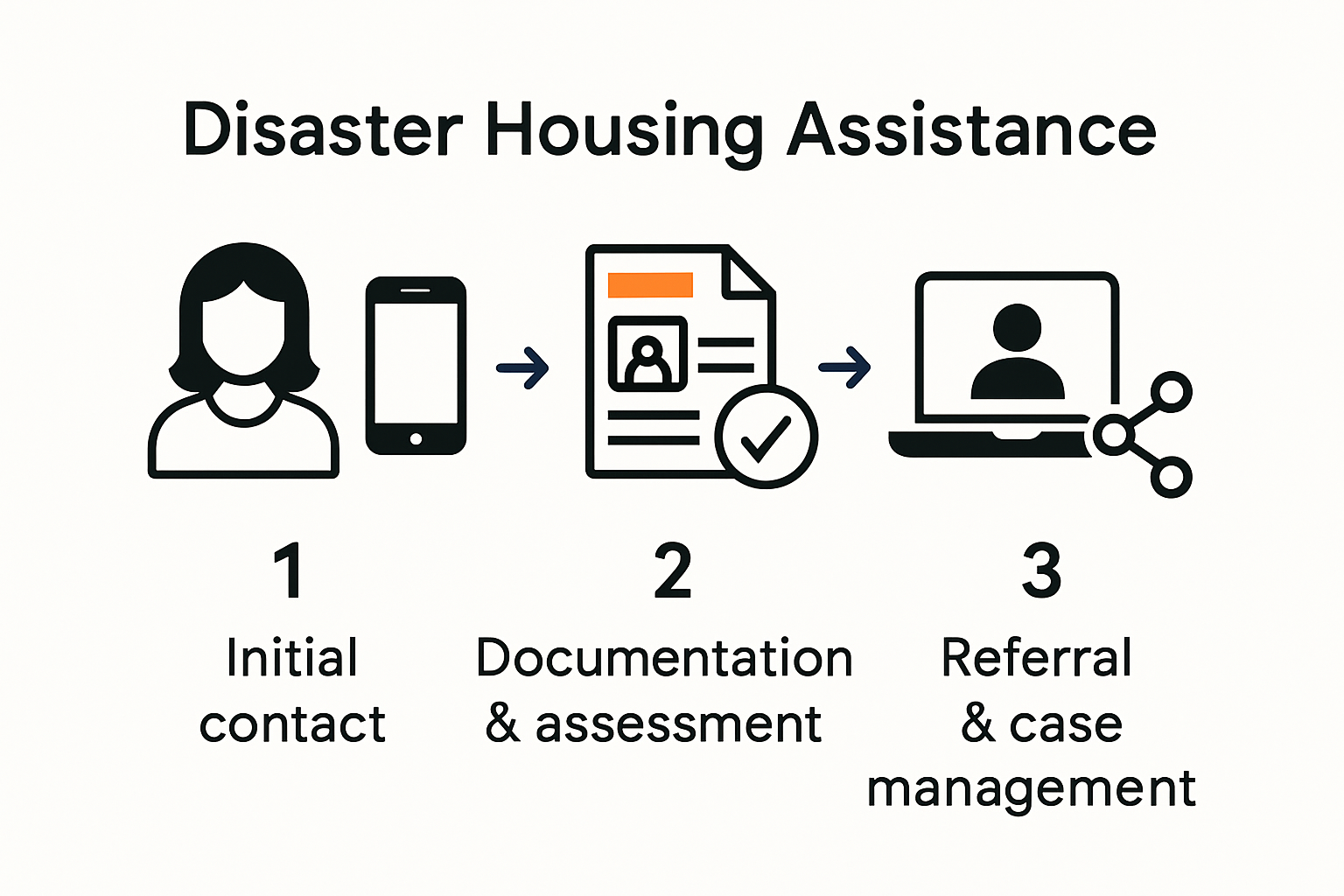
Effective housing assistance during disaster recovery hinges on creating an efficient, user-friendly application and referral process. Complicated bureaucratic procedures can significantly delay critical support for displaced families, making streamlined systems essential for rapid recovery.
Simplifying Application Procedures
The Government Accountability Office recommends implementing a ‘no wrong door’ approach to disaster housing assistance. This strategy allows disaster survivors to access multiple forms of assistance through a single point of entry, reducing administrative barriers and confusion.
Key strategies for simplifying applications include:
- Standardized Documentation: Creating uniform requirements across agencies
- Digital Application Platforms: Enabling online submissions with user-friendly interfaces
- Multilingual Support: Providing application materials in multiple languages
- Simplified Eligibility Criteria: Reducing complex qualification requirements
Technological innovations play a crucial role in streamlining these processes. Mobile-responsive applications, automated document verification, and real-time status tracking help applicants navigate the assistance landscape more effectively.
To better visualize the various strategies for simplifying the disaster housing application process, this table outlines key methods and their main purposes as discussed in the article:
| Simplification Strategy | Purpose |
|---|---|
| Standardized Documentation | Uniform requirements reduce complexity |
| Digital Application Platforms | Enable user-friendly and accessible submission |
| Multilingual Support | Increases access for non-English speakers |
| Simplified Eligibility Criteria | Makes qualification easier and less confusing |
Integrated Case Management Systems
The Federal Emergency Management Agency emphasizes the importance of integrated case management systems that allow seamless information sharing between different support agencies. These systems enable faster processing, reduce duplicate documentation, and provide a more comprehensive view of an individual’s recovery needs.
Effective integrated systems typically include:
- Centralized data repositories
- Secure information sharing protocols
- Real-time tracking of application status
- Automated referral mechanisms
Case managers can use these systems to quickly identify and address potential gaps in housing assistance, ensuring more targeted and efficient support.
Proactive Referral Mechanisms
Beyond simplifying applications, creating proactive referral mechanisms can significantly improve housing assistance coordination. This approach involves actively connecting disaster victims with appropriate resources based on their specific needs, rather than waiting for individuals to navigate complex systems independently.
Proactive referral strategies include:
- Automated matching algorithms
- Personalized support counseling
- Immediate connection to local housing resources
- Comprehensive needs assessment tools
Learn more about our comprehensive emergency housing referral process to understand how technology and human expertise can work together to support disaster victims.
Ultimately, streamlining the application and referral process is about removing barriers and creating a compassionate, efficient pathway to housing assistance. By focusing on user experience, leveraging technology, and maintaining a victim-centered approach, agencies can significantly reduce the stress and complexity of accessing critical support during challenging times.
Best Practices for Ongoing Support and Monitoring
Ongoing support and monitoring are critical components of effective housing assistance during disaster recovery. Beyond initial placement, agencies must develop comprehensive strategies that ensure long-term stability and address the evolving needs of displaced families.
Comprehensive Needs Assessment and Tracking
The U.S. Department of the Treasury emphasizes the importance of establishing a robust network of support services to help households transition from housing instability to long-term financial stability. This requires implementing systematic approaches to continuously evaluate and address individual and family needs.
Key elements of comprehensive needs assessment include:
- Regular Check-in Protocols: Scheduled follow-up interviews and assessments
- Holistic Support Tracking: Monitoring not just housing but also employment, education, and mental health resources
- Individualized Support Plans: Developing tailored strategies for each displaced family
- Progress Measurement: Creating metrics to evaluate recovery and stabilization
Effective tracking systems allow agencies to identify potential challenges early and provide targeted interventions before situations become critical.
Interagency Collaboration and Information Sharing
The Government Accountability Office recommends enhanced coordination between federal agencies like FEMA and HUD to improve disaster shelter and housing assistance. This collaborative approach ensures more comprehensive and efficient support for displaced individuals.
Successful interagency collaboration involves:
- Establishing shared data platforms
- Creating joint case management protocols
- Developing cross-agency training programs
- Implementing unified reporting mechanisms
By breaking down traditional organizational silos, agencies can create a more responsive and adaptive support ecosystem that can quickly address emerging needs.
Long-Term Stability and Transition Support
Transitioning from emergency housing to permanent solutions requires strategic, sustained support. This goes beyond immediate shelter, focusing on helping families rebuild their lives and achieve sustainable independence.
Long-term stability strategies include:
- Financial Counseling: Providing guidance on budgeting and economic recovery
- Job Training and Employment Support: Connecting individuals with career resources
- Mental Health Services: Offering counseling and psychological support
- Educational Continuity: Ensuring children maintain educational progress
Explore our comprehensive guide to disaster recovery support for deeper insights into creating resilient recovery pathways.
Successful ongoing support is fundamentally about maintaining human dignity and providing meaningful pathways to recovery. By adopting a holistic, proactive approach that prioritizes individual needs and potential, agencies can transform temporary housing assistance into genuine opportunities for rebuilding and renewal.
Frequently Asked Questions
What types of housing assistance are available during a disaster?
Disaster victims can access various forms of housing assistance, including FEMA’s Individuals and Households Program (IHP), state and local housing assistance programs, and support from nonprofit organizations. Each program has unique features, addressing immediate shelter, financial aid, and long-term recovery needs.
How can I streamline the application process for housing assistance after a disaster?
To streamline the application process, agencies should implement a ‘no wrong door’ approach, allowing applicants to access multiple assistance options from a single entry point. Simplifying documentation requirements and providing digital application platforms can further enhance user experience.
What is the role of technology in coordinating housing assistance?
Technology plays a vital role in coordinating housing assistance by enabling real-time tracking of resources, facilitating secure data sharing between agencies, and allowing for automated referral mechanisms to connect victims with appropriate support based on their needs.
How can agencies ensure long-term stability for families after providing disaster housing assistance?
Agencies can ensure long-term stability by offering comprehensive follow-up support, including financial counseling, job training, mental health services, and continuous education support for children, thus helping families transition from temporary housing to permanent solutions.
Ready to Simplify Your Disaster Housing Coordination?
Coordinating emergency housing can be overwhelming when a disaster uproots your life. The need for clear communication, fast applications, and reliable support can make or break your recovery. This article has shown that organizations working together, using technology, and streamlining applications are vital to avoid delays and extra stress for disaster victims.
Take the guesswork out of finding emergency housing solutions. Reach out to Disaster Victim Services, where we leverage proven coordination tips, work directly with agencies and insurance providers, and put your needs first. Whether you need immediate housing or support for the weeks ahead, our expertise bridges the gap between emergency and recovery. Visit our Uncategorized – Disaster Victim Services | Helping You Recover After Disaster section for resources, or go to DisasterVictimServices.com and let us help you start your secure transition now.
Recommended
- Housing Placement Process Guide for Disaster Relief 2025 – Disaster Victim Services | Helping You Recover After Disaster
- Navigating Housing Assistance in 2025: A Guide for Disaster Recovery – Disaster Victim Services | Helping You Recover After Disaster
- Safe Housing Placement Steps for Disaster Response 2025 – Disaster Victim Services | Helping You Recover After Disaster
- Direct Housing Process Guide 2025: Steps, Eligibility & Tips – Disaster Victim Services | Helping You Recover After Disaster