
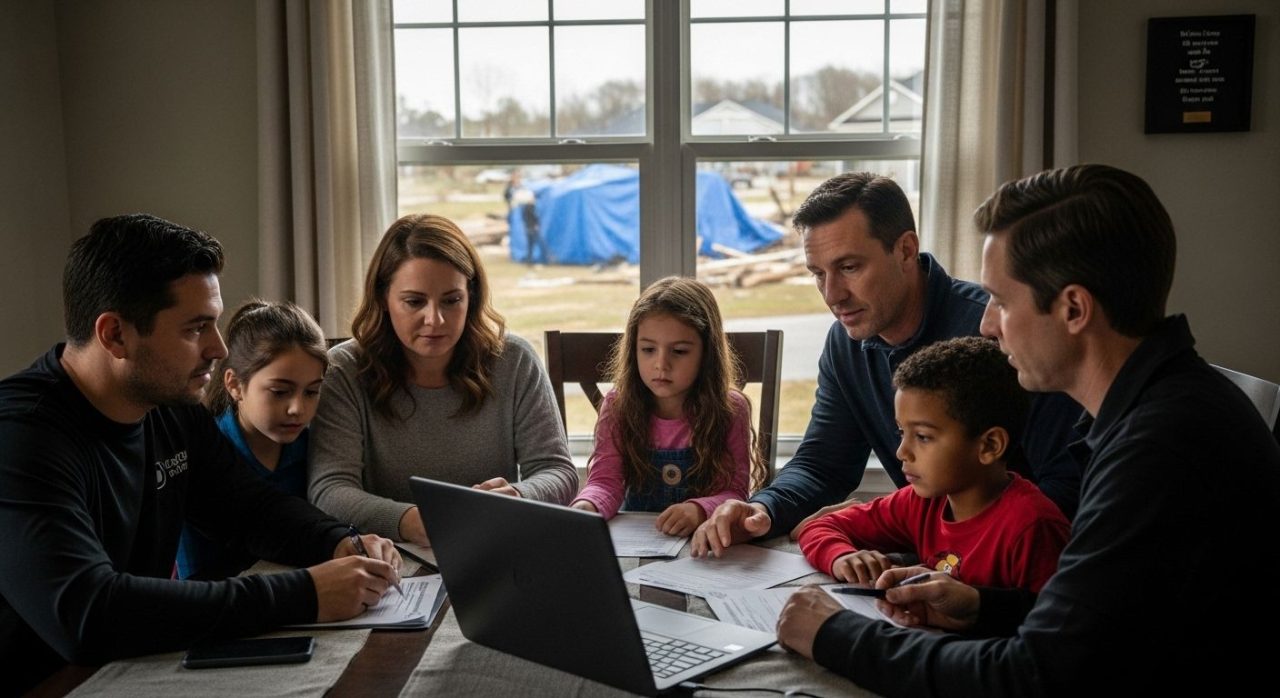
Disaster survivors face more than lost belongings and damaged homes. Entire neighborhoods can be uprooted overnight and in some recent major disasters, nearly 1 million Americans needed emergency housing support in a single year. Most people assume signing up for aid is quick and straightforward, yet complex steps and hidden requirements trip up even the most organized applicants. But smart planning and knowing which documents and agencies to tap first can make the difference between weeks of waiting and rapid help when you need it most.
Table of Contents
- Understanding Housing Assistance Options
- Steps to Secure Emergency Housing Support
- Working with Agencies and Community Partners
- Best Practices for Long-Term Stability
Quick Summary
| Takeaway | Explanation |
|---|---|
| Understand housing options thoroughly | Knowing available federal, state, and local programs is crucial for effective recovery after a disaster. |
| Document all damage and expenses | Keep organized records of property damage and related costs to support your housing assistance applications. |
| Engage with multiple assistance channels | Explore federal, state, local, and nonprofit resources simultaneously to enhance your chances of receiving help. |
| Collaborate with agencies and community partners | Effective communication with recovery teams and community organizations can provide critical support and resources for rebuilding. |
| Develop a comprehensive recovery plan | A clear strategy including financial, mental health, and job support is essential for sustainable long-term recovery. |
Understanding Housing Assistance Options
Disaster recovery requires comprehensive housing assistance strategies that address immediate shelter needs and long term resilience. When catastrophic events displace families, understanding available housing options becomes critical for effective recovery and rebuilding.
Federal Emergency Housing Support Programs
The federal government provides multiple housing assistance pathways for disaster victims. The Federal Emergency Management Agency (FEMA) offers critical support through several targeted programs designed to help individuals and families restore housing stability after emergencies.
According to FEMA’s official guidelines, disaster survivors can access several key housing assistance options:
- Temporary Housing Assistance: Financial support for rental payments or temporary lodging when primary residences become uninhabitable
- Home Repair Grants: Funds to repair primary residences and restore basic livability
- Home Replacement Assistance: Support for rebuilding or purchasing alternative housing when repair is not feasible
These programs recognize that housing displacement creates complex challenges requiring nuanced, flexible solutions. Each option targets specific recovery scenarios, ensuring comprehensive support for disaster victims.
State and Local Housing Recovery Resources
Beyond federal programs, state and local governments frequently develop specialized housing assistance frameworks. The Administration for Children and Families highlights additional support mechanisms through programs like the Low Income Home Energy Assistance Program (LIHEAP) and Temporary Assistance for Needy Families (TANF).
These localized resources often complement federal assistance, providing targeted support for utility reconnection, emergency shelter, and transitional housing. Disaster victims should proactively investigate state specific programs, as funding and eligibility can vary significantly between jurisdictions.
Navigating Complex Housing Assistance Processes
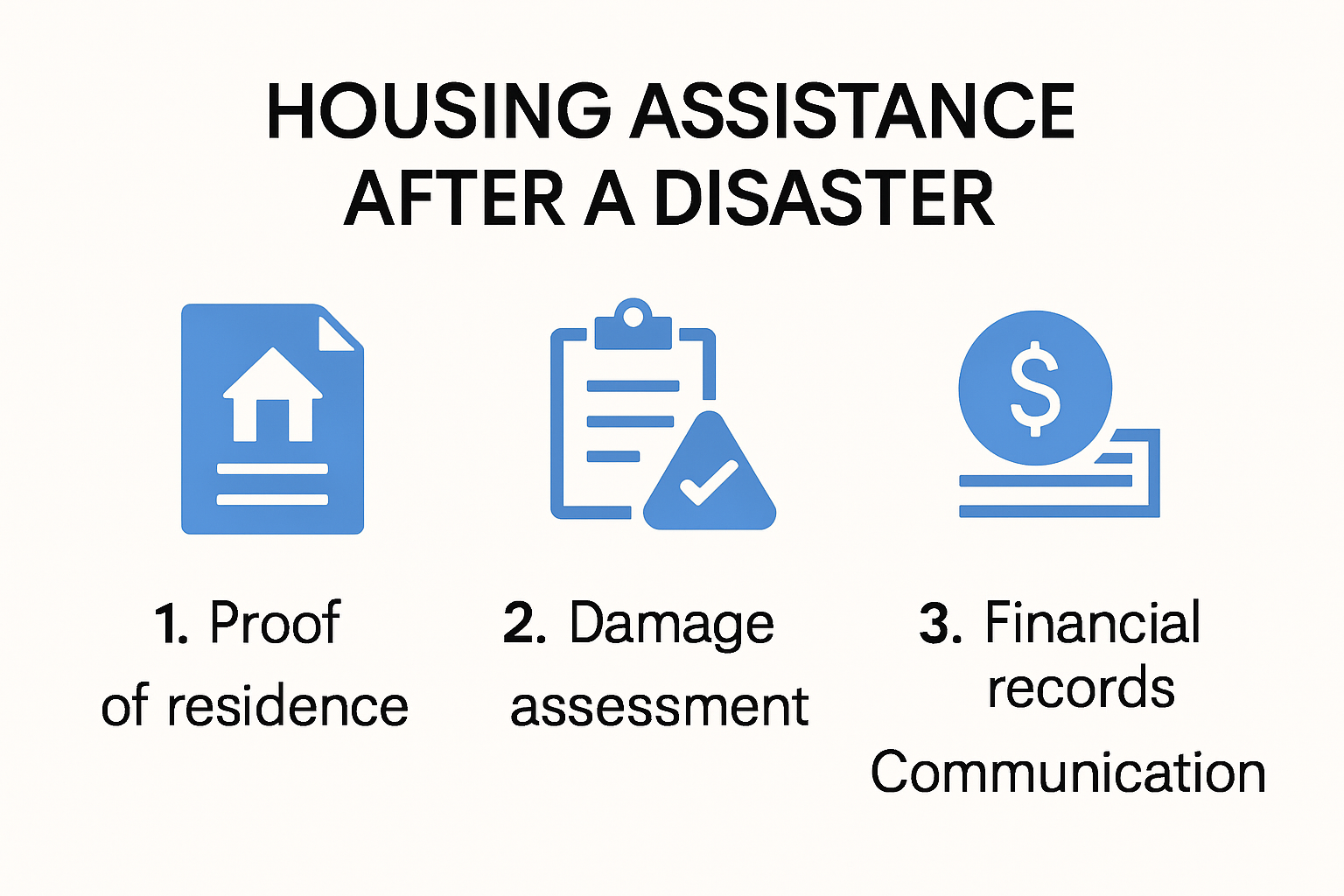
Successful housing assistance requires strategic navigation of multiple bureaucratic systems. Disaster victims must carefully document property damage, maintain comprehensive records, and understand precise application requirements for different assistance programs.
Key strategies include:
- Documenting all property damage thoroughly with photographs and professional assessments
- Maintaining organized financial records demonstrating pre disaster housing expenses
- Understanding specific eligibility criteria for different assistance programs
- Communicating promptly with insurance providers and government agencies
Our comprehensive guide to rehousing steps can help disaster victims understand the intricate process of securing housing assistance and rebuilding after catastrophic events.
Navigating housing assistance is complex but achievable with proper information, strategic planning, and persistent advocacy. By understanding available resources and maintaining thorough documentation, disaster victims can effectively restore housing stability and begin the critical journey toward recovery.
To help clarify the key federal housing assistance options and their purposes, the following table summarizes them for easy reference:
| Program | Purpose |
|---|---|
| Temporary Housing Assistance | Financial support for rent or lodging when homes are uninhabitable |
| Home Repair Grants | Provides funds to repair primary residence and restore basic livability |
| Home Replacement Assistance | Support for rebuilding or buying alternative housing if repair isn’t feasible |
Steps to Secure Emergency Housing Support
Securing emergency housing support requires strategic planning and prompt action. Disaster victims must navigate complex bureaucratic processes quickly and efficiently to access critical resources during challenging times.
Initial Application and Documentation
The first critical step in obtaining emergency housing support involves comprehensive documentation and precise application submission. According to FEMA’s official guidance, disaster survivors must gather specific documentation to initiate their housing assistance request.
Essential documentation includes:
- Proof of Primary Residence: Property deed, lease agreement, or utility bills demonstrating your pre disaster address
- Damage Assessment: Detailed photographs and professional evaluations of property damage
- Personal Identification: Government issued photo ID, social security documentation
- Insurance Information: Current homeowners or renters insurance policy details
Our safe housing placement guide provides comprehensive insights into preparing these critical documents for emergency housing applications.
Eligibility Verification and Application Process
Once documentation is prepared, disaster victims must navigate the eligibility verification process. Research from the National Emergency Management Association indicates that eligibility criteria vary depending on the specific housing assistance program and type of disaster.
Key eligibility considerations include:
- Demonstrating that your primary residence is uninhabitable
- Proving US citizenship or eligible non citizen status
- Verifying that you have exhausted other available housing resources
- Providing evidence of financial need
Applicants should be prepared for potential interviews and additional documentation requests during the verification process. Transparency and prompt communication significantly improve the likelihood of successful assistance.
To organize the process of securing emergency housing support, the following table breaks down the main steps and what each entails:
| Step | Description |
|---|---|
| Gather Essential Documents | Collect proof of residence, damage, ID, and insurance information |
| Submit Initial Application | Apply through the appropriate agency (FEMA, state, or local) |
| Undergo Eligibility Verification | Provide evidence and participate in interviews/document requests |
| Explore Multiple Assistance Channels | Register with federal, state, local, and nonprofit aid programs |
| Maintain Communication and Follow-ups | Respond promptly to requests and track all agency interactions |
Navigating Multiple Assistance Channels
Successful emergency housing support often requires exploring multiple assistance channels simultaneously. Disaster victims should not rely exclusively on federal programs but also investigate state, local, and nonprofit resources.
Strategic approaches include:
- Registering with FEMA within 60 days of the disaster declaration
- Contacting local emergency management offices
- Reaching out to nonprofit organizations specializing in disaster relief
- Exploring state specific housing assistance programs
Persistence and proactive communication are crucial. Each additional resource increases the probability of securing comprehensive housing support during challenging recovery periods.
By understanding these critical steps, documenting thoroughly, and pursuing multiple assistance channels, disaster victims can effectively navigate the complex emergency housing support landscape. The journey toward housing stability begins with informed, strategic action.
Working with Agencies and Community Partners
Successful disaster recovery hinges on effective collaboration between disaster victims, government agencies, and community organizations. Understanding how to strategically engage with these partners can significantly accelerate housing recovery and provide comprehensive support during challenging times.
Coordinating with Federal and State Recovery Teams
FEMA’s Housing Recovery Support Function plays a critical role in developing comprehensive housing recovery strategies. These teams coordinate efforts across federal, state, local, and territorial partners to create robust rebuilding frameworks.
Effective coordination involves:
- Understanding each agency’s specific recovery mandate
- Maintaining clear communication channels
- Providing accurate and timely documentation
- Tracking interactions and maintaining comprehensive records
Disaster victims should recognize that these agencies work collaboratively to address complex housing challenges. Patience, persistence, and proactive communication are essential in navigating these bureaucratic systems.
Leveraging Nonprofit and Community Support Networks
Research from the National Center for Biotechnology Information highlights the critical role nongovernmental organizations play in disaster recovery. These organizations often fill crucial gaps in government assistance programs, representing community voices and providing targeted support.
Key community partnership strategies include:
- Connecting with local disaster relief organizations
- Participating in community recovery meetings
- Seeking support from faith based and neighborhood groups
- Exploring philanthropic housing assistance programs
These community partners offer more than financial assistance. They provide emotional support, localized expertise, and personalized guidance through the complex recovery process.
Building Comprehensive Support Ecosystems
Successful housing recovery requires building a comprehensive support ecosystem that extends beyond traditional housing assistance. Treasury Department research emphasizes the importance of holistic partnerships that address interconnected needs.
A robust support ecosystem integrates:
- Housing stability resources
- Financial counseling services
- Mental health support
- Job training and employment assistance
- Legal aid and advocacy support
Learn more about our emergency housing referral process to understand how interconnected support networks can streamline your recovery journey.
By approaching recovery as a collaborative effort and actively engaging with agencies and community partners, disaster victims can transform challenging circumstances into opportunities for resilient rebuilding. The key is maintaining open communication, being proactive, and recognizing that no one recovers alone.
Best Practices for Long-Term Stability
Recovering from a disaster extends far beyond immediate housing assistance. Long-term stability requires strategic planning, comprehensive support services, and a holistic approach to rebuilding lives and communities.
Creating a Comprehensive Recovery Plan
The U.S. Department of the Treasury emphasizes the importance of developing a robust network of support services that transition households from housing instability to financial resilience.
Key elements of a comprehensive recovery plan include:
- Detailed financial assessment and budgeting
- Credit counseling and financial rehabilitation
- Job training and employment support
- Mental health and emotional wellness resources
- Ongoing case management
These interconnected strategies address the multifaceted challenges disaster victims face, creating a foundation for sustainable recovery.
Integrated Support Services
Research from the National Academies Press highlights the critical importance of integrating disaster housing assistance with comprehensive community support services. This approach ensures that assistance goes beyond physical housing and addresses the complex needs of disaster victims.
Strategic support integration involves:
- Coordinating healthcare access
- Providing educational resources
- Offering legal support and advocacy
- Developing community reconnection programs
- Supporting vulnerable population groups
By treating recovery as a holistic process, communities can build more resilient and adaptive support systems.
Sustainable Rebuilding Strategies
FEMA’s Housing Recovery Support Function emphasizes the importance of developing comprehensive recovery plans that consider long-term community resilience.
Sustainable rebuilding strategies include:
- Implementing climate resilient housing designs
- Developing community infrastructure improvements
- Creating disaster preparedness education programs
- Establishing local economic recovery initiatives
- Building stronger inter-agency collaboration mechanisms
Learn more about rebuilding safely after a disaster to understand the comprehensive approach needed for effective long-term recovery.
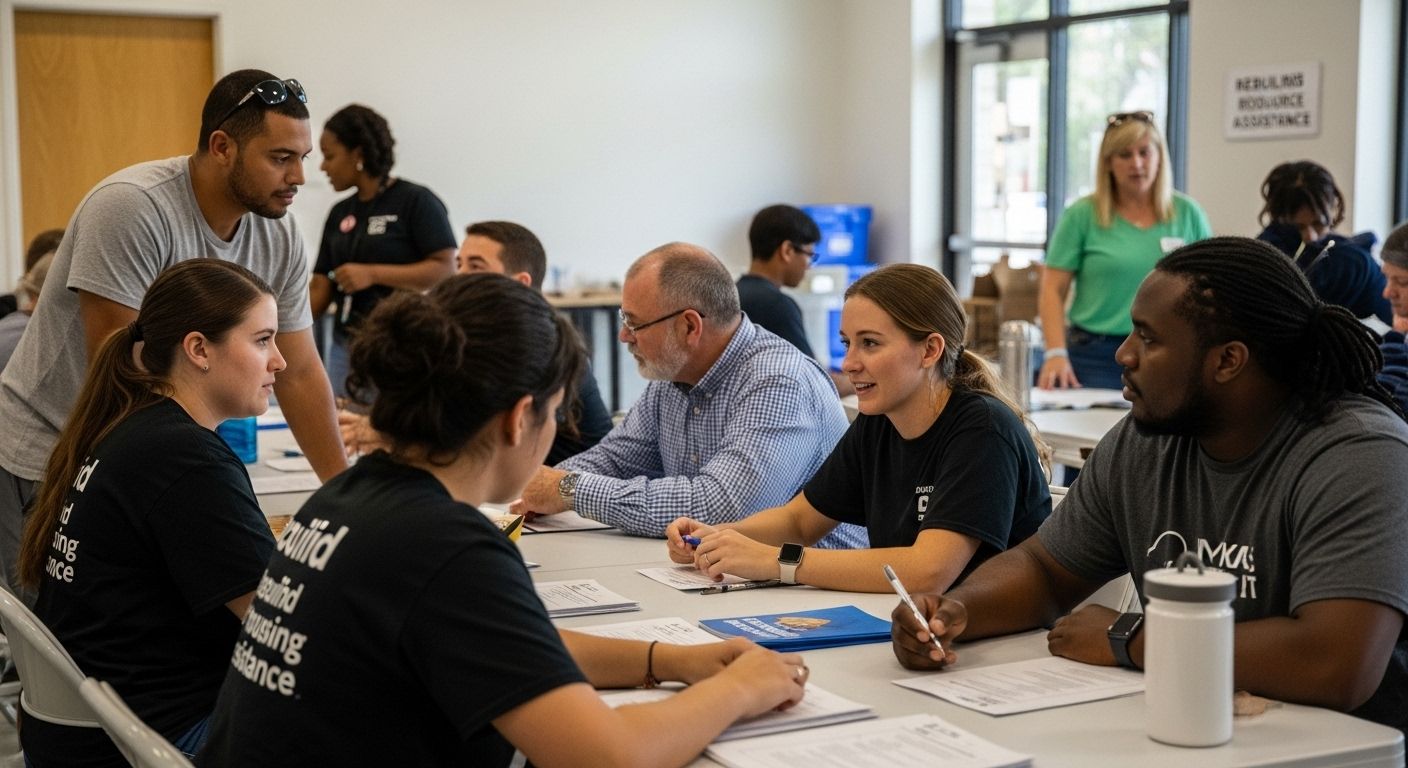
Long-term stability is not just about rebuilding structures but reconstructing lives. It requires patience, strategic planning, and a commitment to holistic community support. By adopting these best practices, disaster victims can transform challenging experiences into opportunities for growth, resilience, and renewed hope.
Frequently Asked Questions
What types of housing assistance programs are available after a disaster?
Disaster survivors can access federal housing assistance programs such as Temporary Housing Assistance for rental payments, Home Repair Grants for repairing primary residences, and Home Replacement Assistance for rebuilding or purchasing alternative housing when repairs are not feasible.
How can I secure emergency housing support after a disaster?
To secure emergency housing support, gather essential documents such as proof of residence, damage assessments, and personal identification. Then, submit your application to the appropriate agency and maintain communication throughout the eligibility verification process.
What documentation is needed to apply for housing assistance?
Key documentation needed includes proof of primary residence (like a deed or lease), a damage assessment documenting property damage, personal identification (government ID), and insurance policy details to demonstrate your situation and eligibility.
How can I collaborate effectively with agencies and community partners for assistance?
Effective collaboration involves understanding the roles of federal, state, and local agencies, maintaining clear communication, and actively engaging with community organizations. Document interactions and stay proactive in your outreach to enhance support for your recovery efforts.
Take Immediate Action for Fast Disaster Housing Assistance
Finding safe and stable housing after a disaster can feel overwhelming, especially when you face complicated application processes and strict documentation requirements. The steps outlined in this guide highlight how missing paperwork, delays between agencies, and unclear eligibility rules can stand between your family and a secure roof over your head. When everything familiar feels uncertain, you deserve expert support that takes stress off your shoulders and puts you on the quickest path to recovery.
If the journey through red tape and emergency housing options is keeping you awake at night, DisasterVictimServices.com is ready to help right now. Our team specializes in working with families in crisis, providing around-the-clock emergency housing solutions and direct coordination with insurance, contractors, and government officials. Explore what our comprehensive recovery and rebuilding services can offer in your situation. Do not let a lack of support or confusion delay your return to stability. Reach out today for trusted answers and take your next step to a safe, stable future.
Recommended
- Direct Housing Process Guide 2025: Steps, Eligibility & Tips – Disaster Victim Services | Helping You Recover After Disaster
- Rehousing Process Steps: A Complete Guide for 2025 – Disaster Victim Services | Helping You Recover After Disaster
- Housing Placement Workflow Guide 2025: Steps for Disaster Recovery – Disaster Victim Services | Helping You Recover After Disaster
- Safe Housing Placement Steps for Disaster Response 2025 – Disaster Victim Services | Helping You Recover After Disaster