
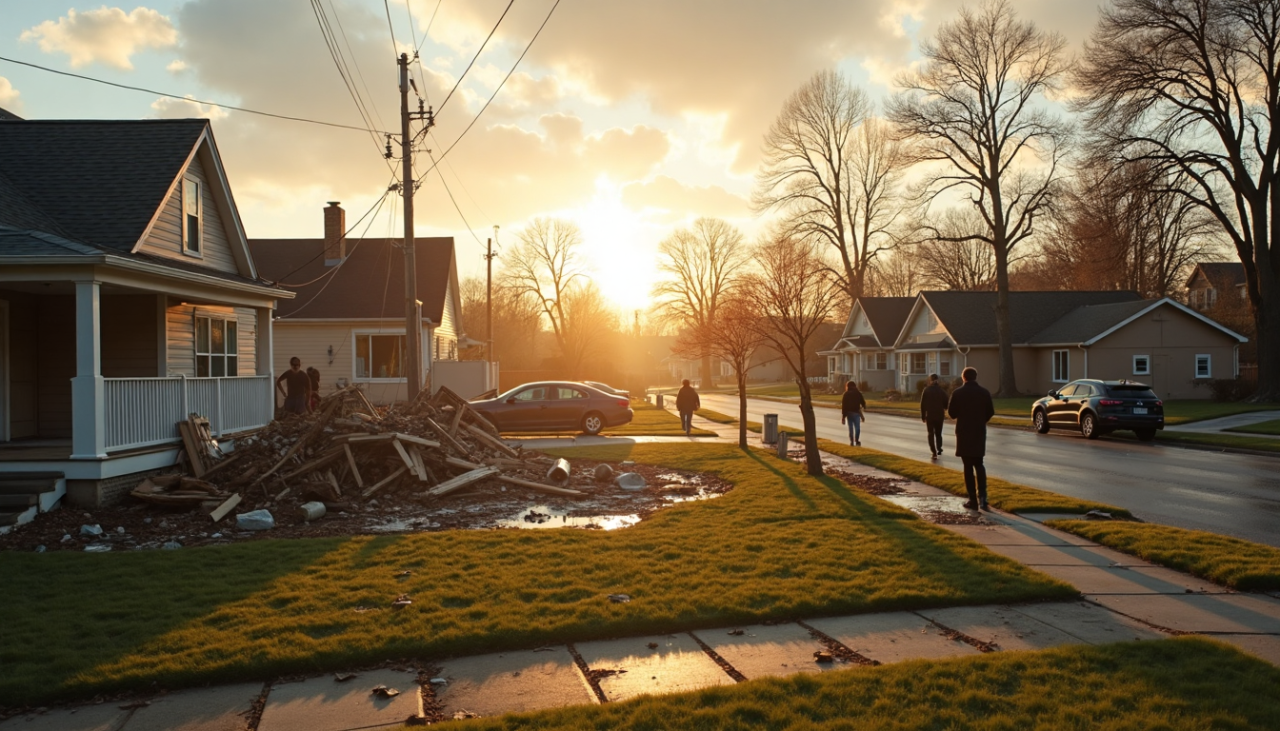
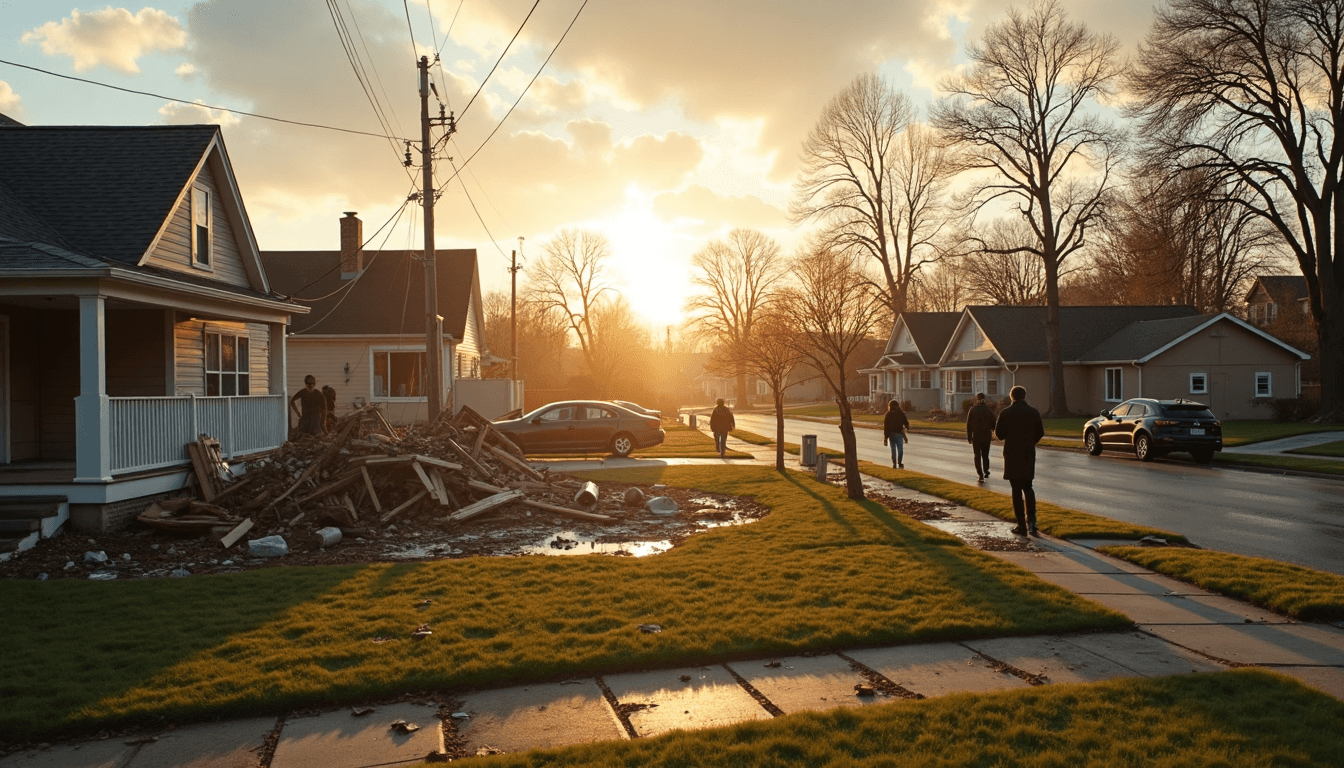
Disaster can strike overnight and leave behind chaos that feels impossible to fix. Yet, even when hope feels thin, a powerful fact stands out. Homeowners now qualify for disaster recovery loans up to $200,000 thanks to recent federal reforms. Most people think recovery is all about patching up walls and roofs. The real secret is knowing how to take the very first steps—meticulous damage assessment and safety checks that decide whether you’re setting yourself up for success or facing even greater risks later. Here’s what most guides don’t tell you about making your comeback safer, quicker, and smarter.
Table of Contents
- Assessing Damage And Ensuring Immediate Safety
- Navigating Insurance And Financial Recovery Options
- Choosing Safe Building Materials And Practices
- Collaborating With Agencies And Local Support
Quick Summary
| Takeaway | Explanation |
|---|---|
| Conduct a Thorough Initial Assessment | Assess structural damage, utility systems, and environmental hazards immediately after a disaster to ensure safety and establish a basis for recovery planning. |
| Navigate Insurance and Financial Options Diligently | Document damage meticulously and communicate proactively with insurers and financial institutions to maximize assistance opportunities and streamline recovery. |
| Choose Resilient and Sustainable Materials | Select building materials that provide durability against environmental stressors while incorporating sustainable practices to reduce the ecological impact of rebuilding. |
| Collaborate with Local Agencies and Networks | Engage with federal, state, and local agencies and build community support networks to enhance coordination and resource sharing during the recovery process. |
Assessing Damage and Ensuring Immediate Safety
After a disaster strikes, the first critical phase of recovery centers on carefully assessing damage and establishing immediate safety protocols. Your initial actions can mean the difference between further risk and successful rebuilding. Understanding how to rebuild safely requires a methodical approach that protects both human life and property.
Conducting a Comprehensive Initial Assessment
The immediate aftermath of a disaster demands a systematic evaluation of structural integrity and potential hazards. Research from the Rural Health Information Hub highlights the importance of a rapid needs assessment involving multiple stakeholders including emergency management, healthcare providers, and local community leaders.
Priority areas for assessment include:
- Structural Damage: Carefully inspect walls, foundations, roofs, and critical support structures for visible and hidden compromises.
- Utility Systems: Check electrical, water, and gas lines for potential ruptures or dangerous leaks.
- Environmental Hazards: Identify potential contamination, debris, or toxic materials that could pose immediate health risks.

Safety Protocols and Emergency Precautions
Before attempting any rebuilding efforts, our guide on emergency response basics recommends establishing a clear safety perimeter. This means:
- Shutting off main utility connections if there are any signs of damage
- Wearing appropriate personal protective equipment
- Documenting damage through photographs and detailed notes for insurance purposes
According to recovery experts at PreventionWeb, a thorough damage assessment is crucial for determining potential federal assistance and understanding the full scope of recovery needs. This process involves carefully documenting structural damage, estimating repair costs, and identifying critical infrastructure vulnerabilities.
Professional Evaluation and Expert Consultation
While initial assessments can be performed by property owners, professional expertise is critical. Certified structural engineers, disaster recovery specialists, and local building inspectors can provide comprehensive evaluations that go beyond surface-level observations. They can:
- Identify hidden structural weaknesses
- Provide precise recommendations for safe rebuilding
- Help navigate insurance claims and potential federal assistance programs
Remember that personal safety always takes precedence. Do not attempt to enter potentially unstable structures or handle hazardous materials without proper training and equipment. When in doubt, consult local emergency services and professional disaster recovery experts who can guide you through the initial assessment and recovery process.
The path to rebuilding starts with a careful, methodical approach to damage assessment and immediate safety protocols. By following these critical steps, you can protect yourself, your loved ones, and set the foundation for a successful recovery.
Navigating Insurance and Financial Recovery Options
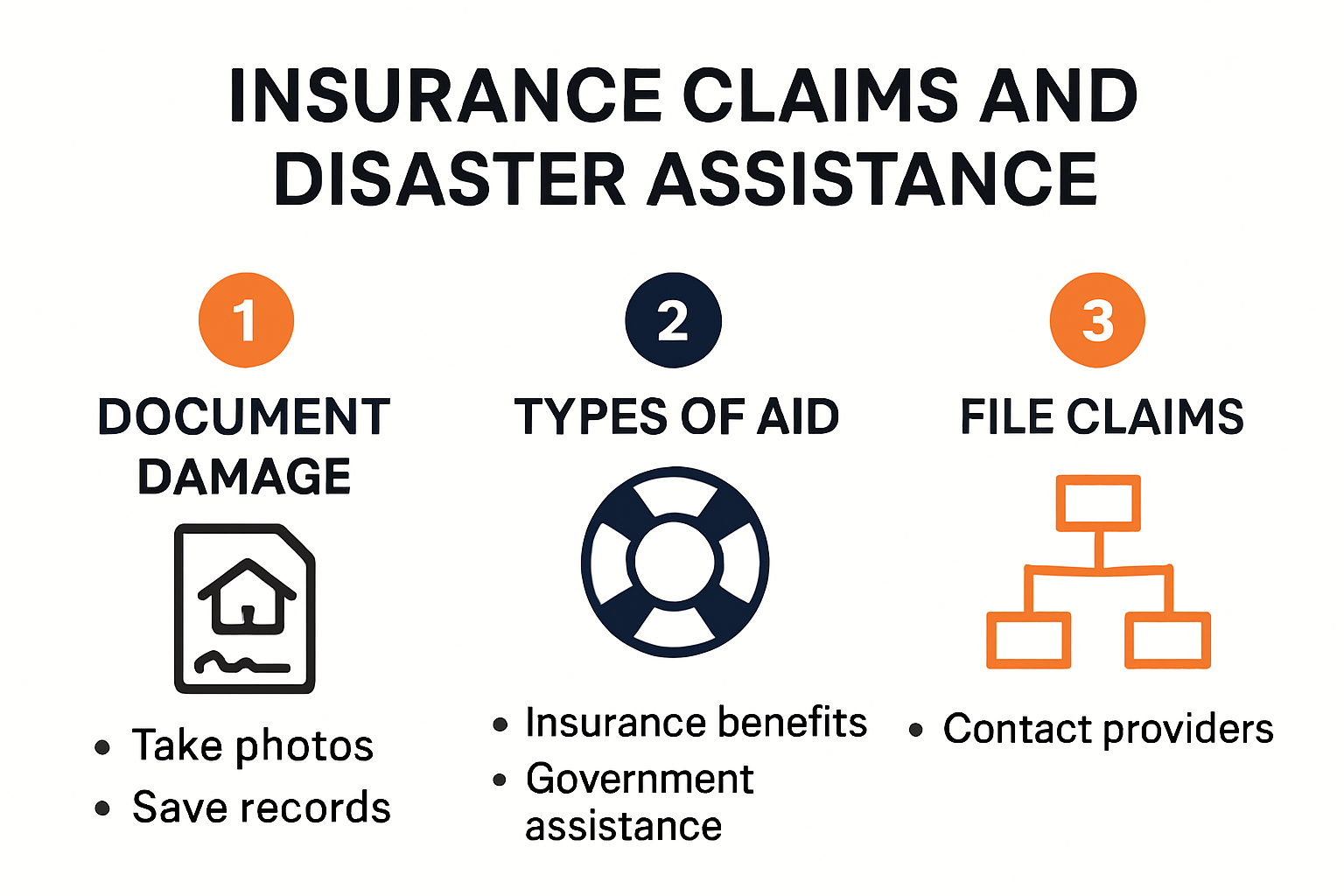
Disaster recovery extends far beyond physical reconstruction. The financial aftermath can be overwhelming, requiring strategic navigation through complex insurance claims and available financial assistance programs. Understanding your options becomes crucial in transforming a potentially devastating situation into a manageable path forward.
Understanding Insurance Claim Processes
Navigating insurance claims requires precision and thorough documentation. Research from the Consumer Financial Protection Bureau emphasizes the importance of communicating proactively with financial institutions during disaster recovery. This includes requesting loan forbearance, adjusted repayment schedules, and potential fee waivers.
Key steps in managing insurance claims include:
- Immediate Documentation: Photograph and video record all damage before cleanup
- Detailed Inventory: Create comprehensive lists of damaged property with estimated replacement costs
- Prompt Communication: Contact your insurance provider immediately after assessing damage
To help clarify the steps in the insurance claim process, the following table provides a concise summary of actions and their purposes.
| Step | Description |
|---|---|
| Immediate Documentation | Photograph and video record all damage before cleanup |
| Detailed Inventory | List all damaged property with estimated costs |
| Prompt Communication | Contact your insurance provider right after assessment |
| Maintain Records | Keep all receipts, correspondence, and claim paperwork |
Federal and State Financial Assistance Programs
Multiple financial recovery options exist for disaster victims. According to recent FEMA reforms, homeowners can now access additional aid more easily. The U.S. Small Business Administration offers critical support through disaster loans:
- Homeowners can receive loans up to $200,000 for property repairs
- Renters and homeowners qualify for up to $40,000 for personal property replacement
- Low-interest rates make these loans particularly attractive for recovery efforts
The table below summarizes available federal recovery loans and eligibility details for quick reference.
| Program | Who Qualifies | Maximum Aid |
|---|---|---|
| SBA Disaster Home Repair Loans | Homeowners | Up to $200,000 for repairs |
| SBA Personal Property Disaster Loans | Homeowners & Renters | Up to $40,000 for contents |
| Federal/State Grants & Direct Assistance | Disaster Victims (varied) | Varies by program |
Strategic Financial Planning for Recovery
Successful financial recovery requires a multifaceted approach. Learn more about comprehensive disaster recovery strategies to understand the broader context of rebuilding. Financial experts recommend:
- Creating a detailed recovery budget
- Exploring multiple funding sources
- Maintaining meticulous financial records
- Seeking professional financial counseling specialized in disaster recovery
Understanding the nuanced landscape of insurance claims and financial assistance can significantly reduce stress and accelerate your recovery process. Each documentation detail, each communication with an insurance adjuster, and each explored financial avenue brings you closer to rebuilding your life with confidence and strategic support.
Choosing Safe Building Materials and Practices
Rebuilding after a disaster requires more than just reconstruction. It demands strategic selection of materials and practices that enhance safety, resilience, and long-term sustainability. Your choices during rebuilding can significantly impact your property’s ability to withstand future challenges and protect your investment.
Resilient Material Selection
Research from the National Institute of Standards and Technology emphasizes the critical importance of selecting materials that can withstand potential environmental stressors. Modern building materials have evolved to offer enhanced protection against various disaster scenarios.
Key considerations for material selection include:
- Moisture Resistance: Choose materials that can withstand high humidity and potential water exposure
- Structural Integrity: Prioritize materials with proven durability and strength
- Fire Retardant Properties: Select materials that offer additional protection against potential fire risks
Sustainable and Environmentally Conscious Rebuilding
According to the Environmental Protection Agency, sustainable rebuilding practices can significantly reduce environmental impact while enhancing recovery efforts. This approach involves:
- Reusing recovered materials from the disaster site
- Selecting materials with low environmental footprint
- Minimizing waste and reducing greenhouse gas emissions
- Implementing energy-efficient building techniques
Sustainable materials might include recycled steel, reclaimed wood, eco-friendly insulation, and locally sourced building components that reduce transportation emissions.
Advanced Safety and Construction Practices
Learn more about comprehensive home safety strategies to ensure your rebuilding process incorporates the latest safety innovations. Modern construction practices recommend:
- Implementing enhanced structural reinforcement techniques
- Using advanced weatherproofing technologies
- Integrating smart home systems for improved monitoring and protection
- Consulting with certified disaster-resilience architects and engineers
Professional guidance becomes crucial in navigating complex rebuilding decisions. Certified professionals can help you select materials and design strategies that not only meet current building codes but exceed standard safety requirements.
Your rebuilding journey is more than reconstruction. It represents an opportunity to create a more resilient, sustainable, and safe living environment. By making informed choices about materials and construction practices, you transform a challenging moment into a foundation for future security and peace of mind.
Collaborating with Agencies and Local Support
Disaster recovery is not a solitary journey but a collaborative effort requiring strategic coordination among multiple agencies, support networks, and community resources. Effective collaboration can dramatically accelerate recovery, reduce individual stress, and ensure comprehensive support for disaster victims.
Understanding Multi Agency Coordination
Research from the Government Accountability Office emphasizes that successful disaster recovery hinges on seamless collaboration between federal, state, and local agencies. This intricate coordination involves regular communication, resource sharing, and joint problem-solving strategies.
Key coordination mechanisms include:
- Regular Communication Channels: Establishing biweekly meetings and shared communication platforms
- Resource Mapping: Identifying and leveraging available community and governmental resources
- Unified Recovery Strategy: Developing comprehensive plans that address multiple recovery dimensions
Local Recovery Management Strategies
According to FEMA’s National Disaster Recovery Framework, appointing Local Disaster Recovery Managers (LDRMs) is crucial. These professionals serve as primary points of contact, bridging communication between affected communities and higher-level recovery coordinators.
Effective local support strategies involve:
- Identifying community-specific recovery needs
- Coordinating between government agencies and local stakeholders
- Creating transparent reporting and tracking mechanisms for recovery progress
Building Resilient Community Support Networks
Learn more about comprehensive disaster relief coordination to understand the nuanced approach to community support. Successful collaboration requires:
- Establishing clear communication protocols
- Developing mutual support networks
- Training community members in basic disaster response
- Creating accessible information channels for recovery resources
Community resilience emerges not just from governmental support but from the collective effort of local organizations, volunteers, faith-based groups, and engaged citizens. By fostering a collaborative environment, communities can transform challenging recovery periods into opportunities for collective strength and mutual support.
The path to recovery is paved with cooperation, understanding, and shared commitment. Each agency, each support network, and each community member plays a vital role in rebuilding not just physical infrastructure, but the social and emotional fabric of communities impacted by disaster.
Frequently Asked Questions
What are the first steps to take after a disaster?
After a disaster, immediately assess structural damage, check utility systems for hazards, and document everything for insurance purposes. Establish safety protocols before starting any rebuilding efforts.
How can I navigate the insurance claim process effectively?
To effectively navigate the insurance claim process, document all damage with photos, create a detailed inventory of losses, and communicate proactively with your insurance provider to ensure a smooth claims experience.
What financial assistance is available for disaster recovery?
Homeowners can qualify for disaster recovery loans up to $200,000 for repairs through the U.S. Small Business Administration. Renters can also receive up to $40,000 for personal property replacement. Various federal and state assistance programs may also be available.
How can I choose safe and resilient building materials for rebuilding?
Select building materials that offer moisture resistance, structural integrity, and fire retardant properties. Consider sustainable options to minimize environmental impact while ensuring that your property can withstand future challenges.
Ready to Rebuild Safely? Start with Trusted Guidance and Real Support
Disaster recovery is never just about hammering nails or quick fixes. The real challenge is making the right decisions from the very first assessment to picking resilient materials to managing insurance complexities. You want security for your family and a strong path to restoration—but hazards, confusing claims, and endless setbacks can quickly drain your hope and energy.
At Disaster Victim Services, we step in right when you need expertise the most. Our team provides hands-on help with everything from crime-scene remodeling and disaster repair to personalized claims support and immediate emergency housing. You can count on us to coordinate with insurance, government agencies, and contractors to take the stress out of your rebuilding journey.
Protect your loved ones and your investment. Visit DisasterVictimServices.com for compassionate solutions and a fast, expert response. Reach out now to rebuild faster, safer, and smarter.
Recommended Articles
- Home Safety Tips 2025: Essential Guide for Disaster Recovery – Disaster Victim Services | Helping You Recover After Disaster
- Disaster Recovery Phases Explained for 2025: Guide for Victims, Pros & Agencies – Disaster Victim Services | Helping You Recover After Disaster
- Disaster Recovery Statistics 2025: Key Trends for Agencies and Families – Disaster Victim Services | Helping You Recover After Disaster
- Disaster Preparedness Checklist 2025: Essential Guide for All Responders – Disaster Victim Services | Helping You Recover After Disaster
- How to Manage Displacement: Practical Steps for Disaster Recovery 2025 – Disaster Victim Services | Helping You Recover After Disaster
- How to Replace Documents After a Disaster: 2025 Guide – Disaster Victim Services | Helping You Recover After Disaster