
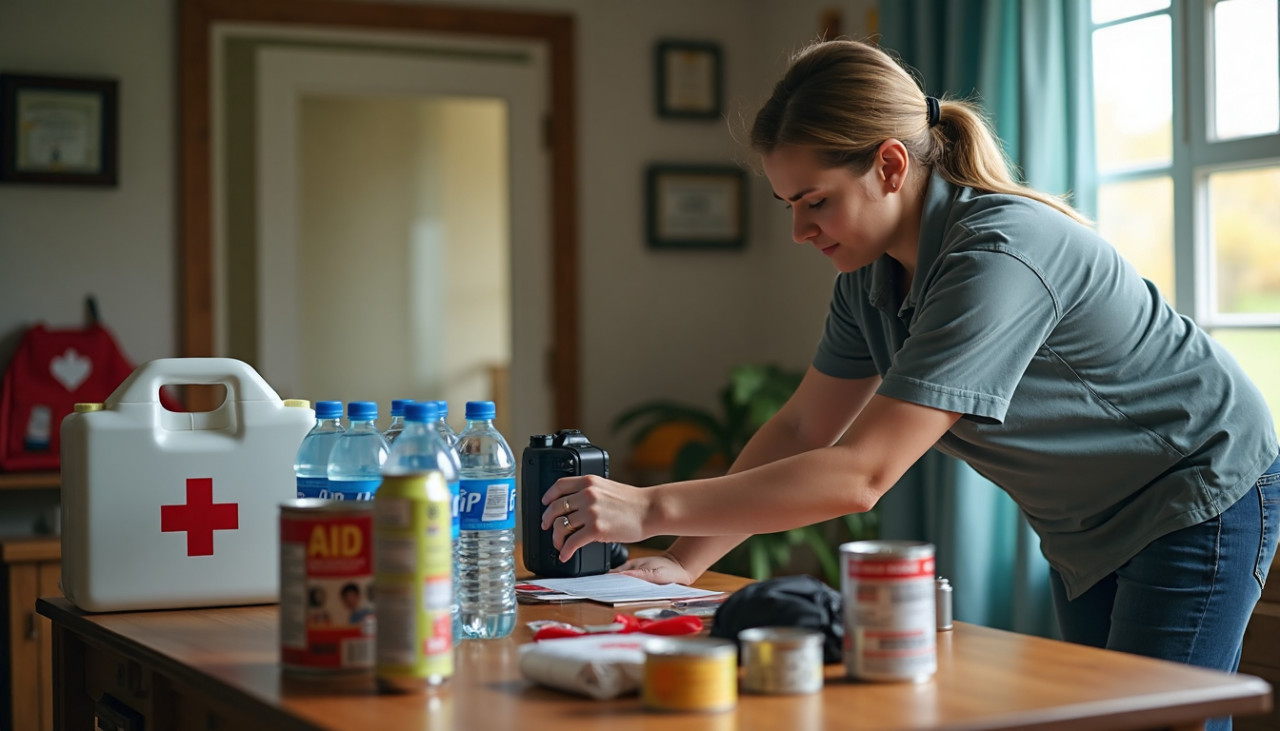
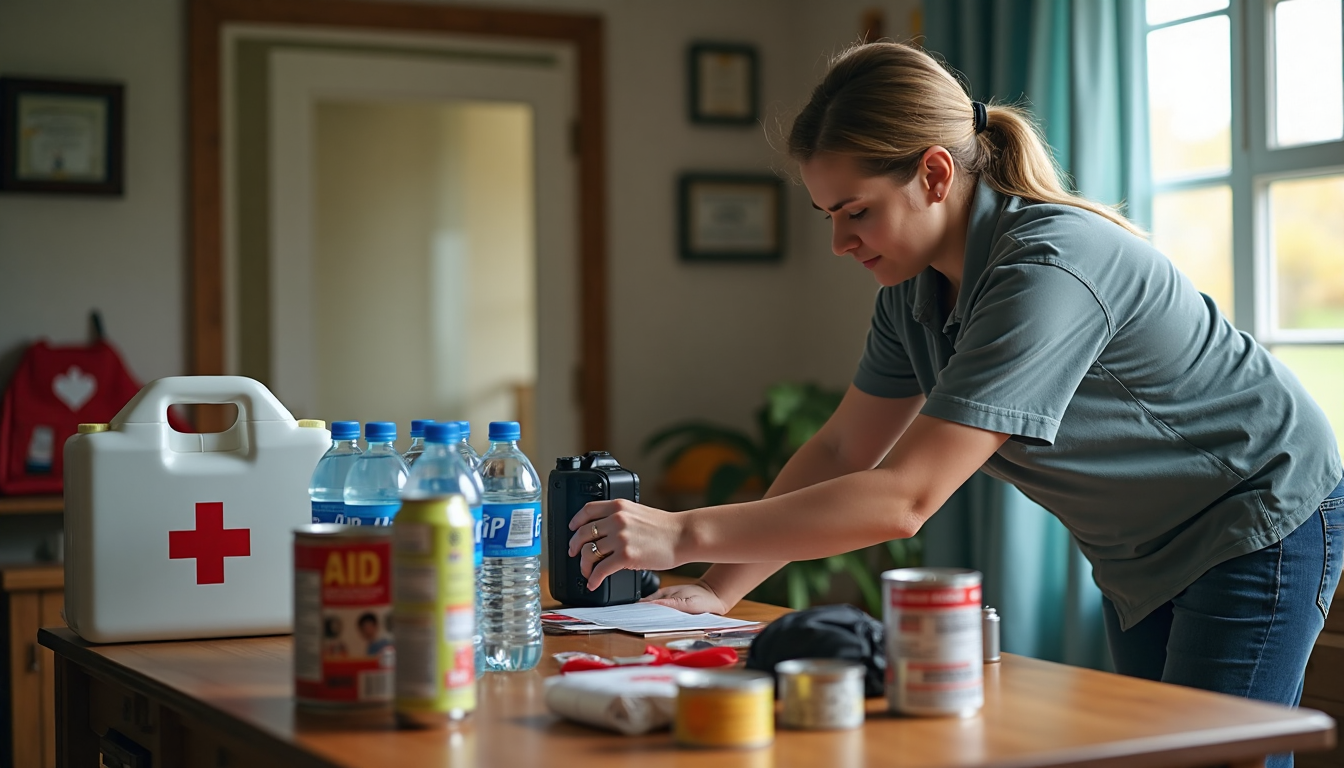
Disaster strikes without warning and having a plan saves lives. Ready for a wakeup call? Most disaster experts now recommend stocking up to two weeks of water and food—well beyond the old three-day rule. That already upends what many people think is “enough.” But here’s the twist that separates prepared responders from the rest. Your disaster checklist should never sit untouched because risk factors and critical supplies are always changing. Find out what’s being overlooked most often and how to fix it.
Table of Contents
- Key Items For Every Disaster Preparedness Kit
- Tailoring Your Checklist For Specific Disasters
- Best Practices For Insurance, Response, And Relief Organizations
- Tips For Maintaining And Updating Your Disaster Checklist
Quick Summary
| Takeaway | Explanation |
|---|---|
| Essential Supplies | Assemble a disaster preparedness kit with at least one gallon of water per person per day and non-perishable food items like protein bars and canned goods for a minimum three-day supply, ideally up to two weeks. |
| Tailored Preparedness | Customize your emergency checklist based on regional disaster risks such as hurricanes, floods, or earthquakes, ensuring that you include specialized items like N95 masks for wildfires or thermal blankets for winter emergencies. |
| Regular Maintenance | Conduct quarterly reviews of your disaster checklist, assessing contents for expired items and adjusting supplies in response to seasonal risks and learned experiences from past emergencies. |
| Organizational Readiness | Organizations must implement comprehensive emergency plans with cross-training for staff, simulation exercises, and robust communication channels to ensure effective response capabilities during disasters. |
| Adopt Technology | Utilize digital tools for real-time risk assessments and monitoring, along with cloud-based platforms, to keep your disaster preparedness checklist current and effective against evolving threats. |
Key Items for Every Disaster Preparedness Kit
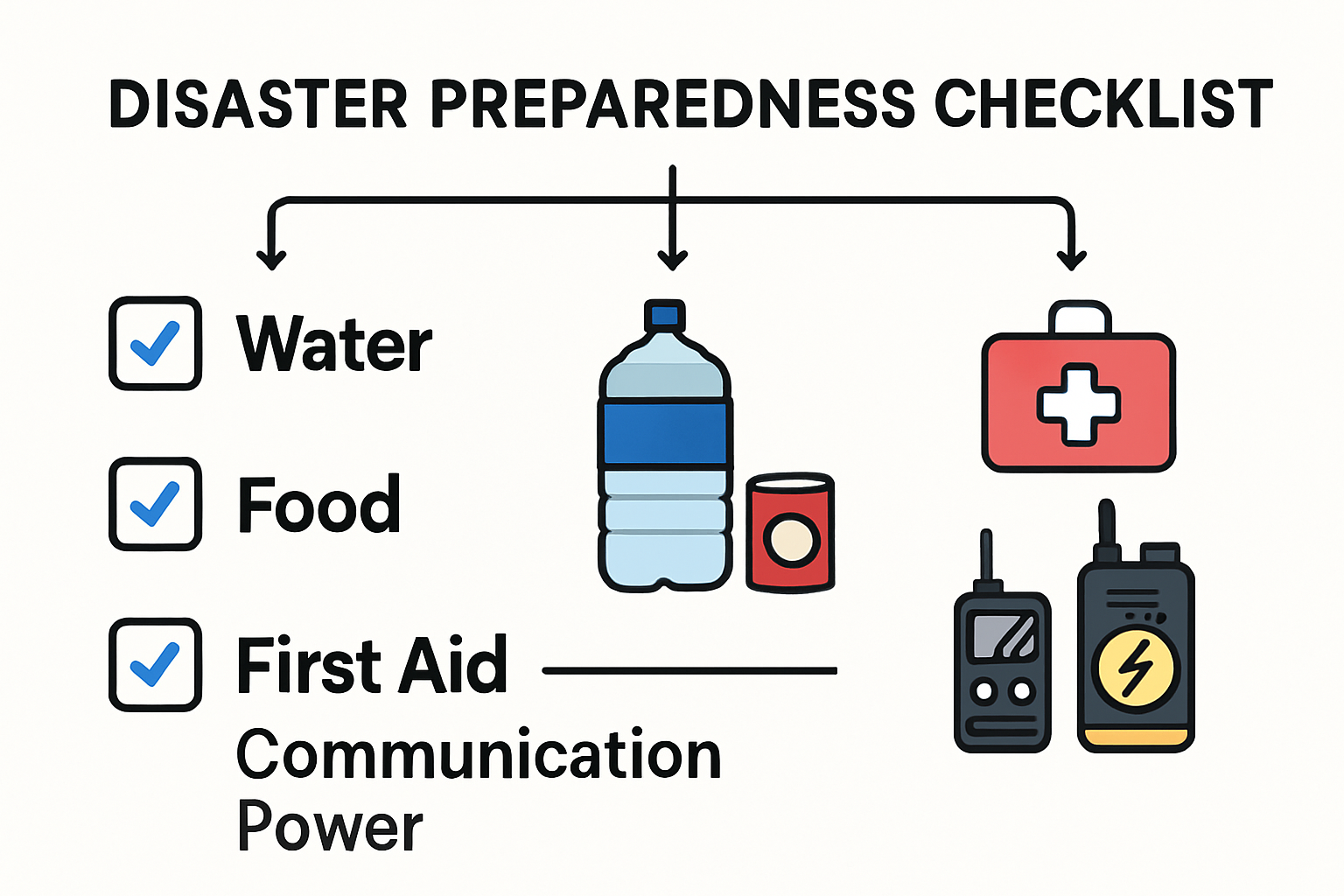
Preparing a comprehensive disaster preparedness kit can mean the difference between survival and struggle during emergencies. A well-stocked kit provides critical resources when standard infrastructure and support systems break down. While every disaster scenario presents unique challenges, certain fundamental items remain universally essential.
Water and Nutrition Essentials
Water represents the most critical survival component. Our emergency preparedness guide recommends storing at least one gallon of water per person daily. According to the U.S. Department of Homeland Security, you should plan for a minimum three-day supply, though experts suggest preparing for up to two weeks during potential extended disruptions.
Non-perishable food items form the next crucial element. Select nutrition sources that require minimal preparation and offer high caloric density. Recommended options include:
- Protein Bars: Compact, long-shelf-life nutrition
- Canned Goods: Vegetables, meats, and fruits with pull-tab openings
- Dried Foods: Nuts, jerky, and dehydrated meal packages
- Meal Replacement Drinks: Compact nutrition with extended preservation
Emergency Communication and Power Backup
Effective communication can significantly improve survival odds during disasters. A battery-powered or hand-crank radio provides critical information when cellular networks fail. The American Red Cross emphasizes including devices capable of receiving NOAA Weather Radio alerts. Additional recommended communication tools include:
- Fully charged power banks
- Backup batteries
- Portable solar chargers
- Waterproof smartphone cases
- Emergency whistle for signaling
Power management represents another crucial preparedness consideration. Portable charging solutions ensure you can maintain communication devices and essential electronic equipment. Recommended power backup strategies include:
- Multiple backup battery packs
- Portable solar chargers
- Hand-crank emergency chargers
- Extra batteries for flashlights and radios

First Aid and Personal Safety Supplies
A comprehensive first aid kit forms the foundation of personal safety during disasters. Beyond standard medical supplies, consider including specialized items addressing potential emergency scenarios. Critical first aid kit components include:
- Adhesive bandages
- Antiseptic wipes
- Prescription medications
- Pain relief tablets
- Trauma dressings
- Burn treatment materials
- Dust masks
- Work gloves
- Moist towelettes
- Local area maps
Additional personal safety items like dust masks, work gloves, and multi-purpose tools can prove invaluable during complex emergency situations. Remember that a disaster preparedness kit is not a static resource but a dynamic collection requiring regular maintenance and updates.
Periodically review and refresh your kit, checking expiration dates on food, medications, and batteries. Replace degraded items and adjust contents based on potential regional disaster risks. Your preparedness today could determine your resilience tomorrow.
Tailoring Your Checklist for Specific Disasters
Disaster preparedness is not a one-size-fits-all approach. Different types of disasters demand unique strategies and specialized equipment. Understanding how to customize your emergency preparedness checklist for specific scenarios can significantly enhance your survival and recovery potential.
Regional Disaster Risk Assessment
Effective disaster preparation begins with a comprehensive risk assessment specific to your geographical location. Home safety tips for 2025 emphasize the importance of understanding local environmental and geological risks. According to the Ready.gov 2025 Preparedness Calendar, different regions face distinct disaster challenges that require targeted preparation strategies.
Consider the primary disaster risks in your area:
- Coastal Regions: Hurricane and flood preparedness
- Midwest Areas: Tornado and severe storm readiness
- Western Regions: Wildfire and earthquake protection
- Mountain Zones: Winter storm and avalanche preparation
Specialized Equipment and Supplies
The American Red Cross advises that emergency kits should include disaster-specific items tailored to potential regional threats. For instance, wildfire-prone areas require N95 masks and fire-resistant clothing, while hurricane zones need waterproof document containers and additional water purification methods.
Disaster-specific equipment recommendations include:
- Wildfire Preparedness: Respirator masks, fire-resistant blankets, emergency air filtration systems
- Flood Scenarios: Waterproof document bags, portable water pumps, moisture-resistant electronics
- Winter Emergencies: Thermal blankets, alternative heating sources, snow removal tools
- Earthquake Zones: Structural repair tools, emergency shut-off wrench, debris removal equipment
Communication and Documentation Strategies
Effective communication becomes crucial during specialized disaster scenarios. Disaster response coordination guides recommend creating region-specific communication plans that account for potential infrastructure disruptions.
Key documentation and communication preparations include:
- Laminated local emergency contact lists
- Copies of critical documents in waterproof containers
- Battery-powered or hand-crank emergency radios with NOAA alerts
- Portable satellite communication devices
- Local maps with alternative evacuation routes
Remember that disaster preparedness is an ongoing process. Regular review and updating of your specialized checklist ensures you remain prepared for evolving regional risks. Consult local emergency management offices, participate in community preparedness programs, and stay informed about emerging disaster response technologies.
Your ability to adapt and respond quickly can make a significant difference in survival and recovery during unexpected emergencies. Investing time in creating a tailored disaster preparedness strategy is an investment in your safety and resilience.
Best Practices for Insurance, Response, and Relief Organizations
Disaster response organizations play a critical role in minimizing community impact during emergencies. Their preparedness and coordination can mean the difference between rapid recovery and prolonged suffering for affected populations.
Organizational Emergency Preparedness Framework
How to coordinate response in disasters requires a comprehensive and proactive approach. According to the Ready Preparedness Calendar, organizations must develop robust emergency plans that go beyond basic compliance.
Key organizational preparedness strategies include:
- Comprehensive Risk Assessment: Detailed analysis of potential disaster scenarios
- Redundant Communication Systems: Multiple backup communication channels
- Cross-Training Personnel: Ensuring staff flexibility during emergencies
- Regular Simulation Exercises: Practical training for various disaster scenarios
Resource Allocation and Logistical Planning
Effective disaster response hinges on strategic resource management. The Prince William County Emergency Management Guidelines recommend maintaining emergency kits capable of supporting organizational operations for a minimum of 72 hours.
Critical resource allocation considerations:
- Emergency Supply Stockpiles: Sufficient water, non-perishable food, and medical supplies
- Mobile Response Units: Equipped vehicles for rapid deployment
- Portable Power Generation: Backup electrical systems
- Interagency Communication Equipment: Satellite phones and advanced radio systems
Technology and Coordination Protocols
Modern disaster response demands sophisticated technological integration. Organizations must leverage digital tools to enhance communication, tracking, and resource distribution.
Technology-driven response strategies:
- Real-time geospatial mapping of disaster zones
- Digital victim tracking and resource allocation systems
- Cloud-based emergency management platforms
- Automated communication and alert systems
- Drone reconnaissance and damage assessment technologies
Successful disaster response requires more than equipment and planning. It demands a culture of adaptability, continuous learning, and inter-organizational collaboration. Insurance, response, and relief organizations must view preparedness as an ongoing process of refinement and improvement.
By investing in comprehensive training, maintaining flexible response protocols, and embracing technological innovations, organizations can transform potential chaos into coordinated, effective disaster management. The goal is not just survival but creating resilient systems that protect and support communities during their most vulnerable moments.
Tips for Maintaining and Updating Your Disaster Checklist
Disaster preparedness is not a one-time event but an ongoing process of continuous improvement and adaptation. Your emergency preparedness checklist requires regular review and updates to remain effective in an ever-changing risk landscape.
Periodic Review and Assessment Strategies
Home safety tips for 2025 emphasize the importance of systematic checklist maintenance. According to FEMA’s emergency operations guidelines, organizations and individuals should implement a structured approach to updating disaster preparedness resources.
Recommended review frequencies include:
- Quarterly Comprehensive Reviews: Full checklist evaluation
- Seasonal Risk Assessments: Adjusting for regional climate changes
- Annual Deep Dive: Comprehensive update of all preparedness materials
- Post-Incident Analysis: Immediate review after any emergency event
Technology and Information Integration
Modern disaster preparedness demands dynamic, technology-enabled updating mechanisms. Accessing aid resources requires staying current with emerging technologies and communication protocols.
Key technological integration strategies:
- Digital cloud-based checklist platforms
- Automated risk assessment tools
- Real-time weather and disaster monitoring systems
- Mobile applications for instant updates
- Geospatial risk mapping technologies
Documentation and Knowledge Management
Effective checklist maintenance goes beyond simple updates. The Consortium of Academic and Research Libraries recommends comprehensive documentation practices that capture institutional knowledge and lessons learned.
Documentation best practices include:
- Detailed change logs for all checklist modifications
- Archiving previous versions for comparative analysis
- Recording lessons learned from actual emergency responses
- Creating standardized update templates
- Establishing clear accountability for review processes
Successful disaster preparedness requires a proactive, adaptive mindset. Your checklist should evolve as rapidly as potential risks change. This means staying informed about emerging technologies, regional environmental shifts, and new emergency response methodologies.
Remember that a static preparedness plan is effectively a plan for failure. By implementing rigorous, systematic review processes, you transform your disaster checklist from a passive document into a dynamic, living strategy that can genuinely protect lives and resources.
Consult local emergency management professionals, participate in community preparedness workshops, and remain committed to continuous learning. Your dedication to maintaining an up-to-date disaster preparedness checklist could make the critical difference when unexpected challenges arise.
Frequently Asked Questions
What should I include in my disaster preparedness kit?
A disaster preparedness kit should include at least one gallon of water per person per day, non-perishable food items like protein bars and canned goods for a minimum of three days, ideally up to two weeks, first aid supplies, communication tools, and power backup options.
How often should I update my disaster preparedness checklist?
It’s recommended to conduct a comprehensive review of your disaster checklist at least every three months, along with seasonal risk assessments and a thorough annual update to ensure it meets current needs and regulations.
How do I tailor my preparedness plan to specific disasters?
Customize your preparedness plan by assessing the primary disaster risks in your region (like hurricanes, floods, or earthquakes) and including specialized equipment such as N95 masks for wildfires or waterproof document bags for flooding scenarios.
Why is it important to prepare for a longer duration than three days?
Recent expert recommendations suggest preparing for at least two weeks of supplies in case of disasters, as emergencies can lead to prolonged disruptions of essential services and infrastructure, making longer-term preparedness critical for survival.
Don’t Let Disaster Catch You Off Guard—Turn Your Plan Into Action
Reading the Disaster Preparedness Checklist 2025 is your first step toward safety, but managing unexpected emergencies goes beyond having supplies on hand. In the chaos of disaster, finding safe shelter, handling logistics, and communicating with insurers can feel overwhelming. That urgency is real—your family’s comfort and survival depend on fast, knowledgeable support and resources that adapt as your needs change. If you’re thinking ahead about recovery, it is time to bridge your checklist with a true action plan.
Let our experienced team at DisasterVictimServices.com help you go from prepared to protected. We transform your plans into top-tier disaster recovery support by connecting you with emergency housing, insurance claim help, and streamlined logistics. Whether you want to explore proactive project design solutions or need instant guidance, we are here. Your next step is clear—reach out today to put your checklist in motion and ensure you’re never alone when it matters most.