
Disaster response coordination is getting put to the test like never before. Last year alone, over two million households were approved for federal disaster assistance. That sounds impressive until you realize that aid distribution once took an average of 13 months to reach victims. Here’s what might surprise you: the biggest gains for 2025 are not just about faster funds, but about building stronger communication systems and unleashing new technology to help families recover much quicker.
Table of Contents
- Coordinating Efforts Across Agencies And Responders
- Speeding Up Insurance And Aid Distribution
- Empowering Victims And Families For Faster Recovery
- Leveraging Technology For Effective Communication
Quick Summary
| Takeaway | Explanation |
|---|---|
| Comprehensive Communication Protocols | Establishing centralized communication platforms and standardized reporting formats is crucial for effective disaster response coordination across agencies. |
| Streamlined Insurance and Aid Distribution | Expedited insurance claim processing and simplified government aid application processes can significantly accelerate financial support for disaster victims. |
| Empowerment Through Resources | Providing personalized recovery counseling and access to mental health resources empowers victims and families to rebuild their lives confidently. |
| Leveraging Multi-Channel Communication | Utilizing diverse communication strategies, including resilient networks and multilingual alert systems, ensures effective information dissemination during emergencies. |
Coordinating Efforts Across Agencies and Responders
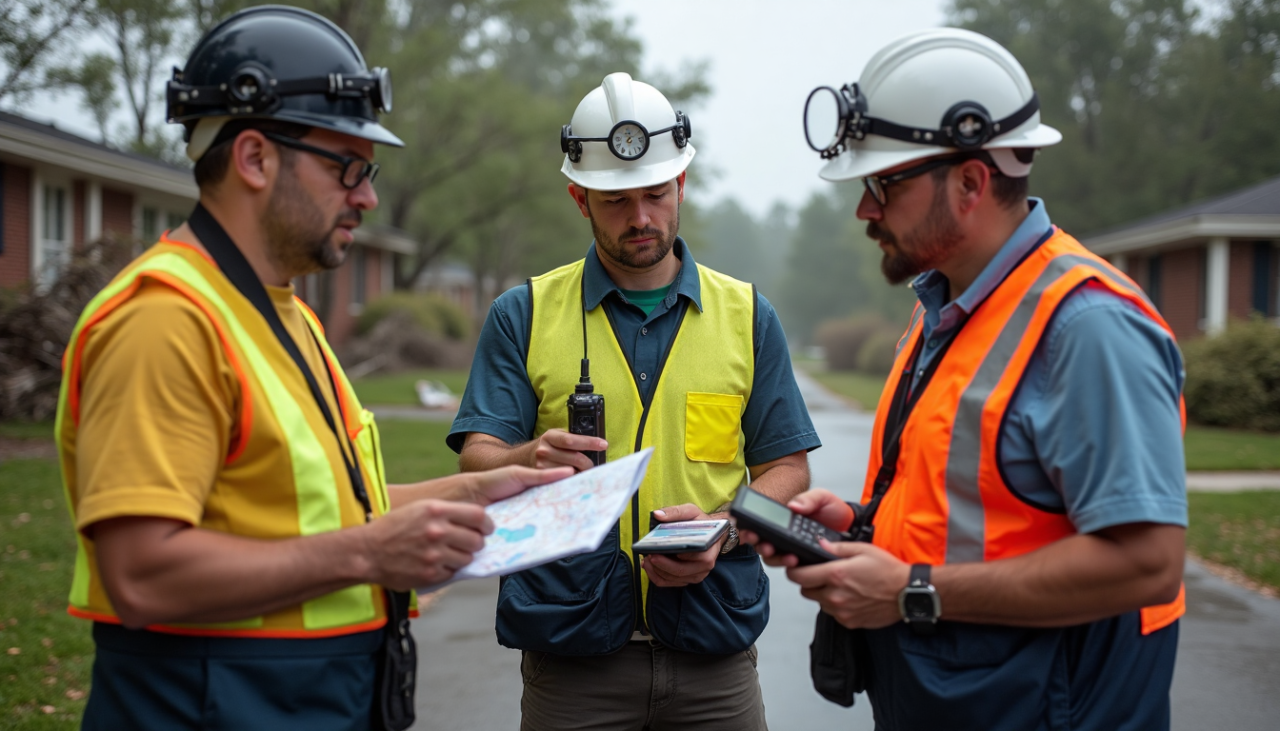
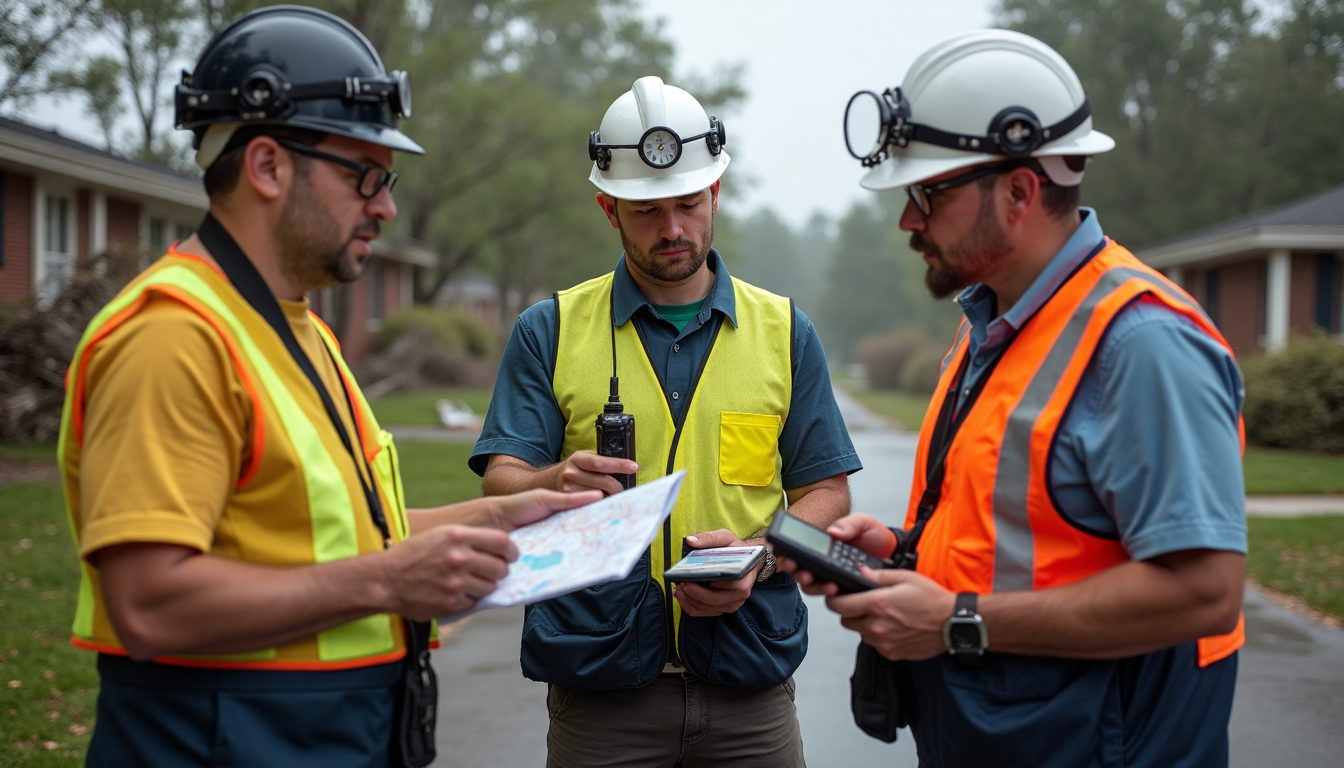
Disaster response requires precision synchronization between multiple agencies and responders. Without effective coordination, emergency efforts become fragmented and less impactful. The key to successful disaster management lies in creating robust communication networks and establishing clear protocols that enable seamless collaboration.
Establishing Comprehensive Communication Protocols
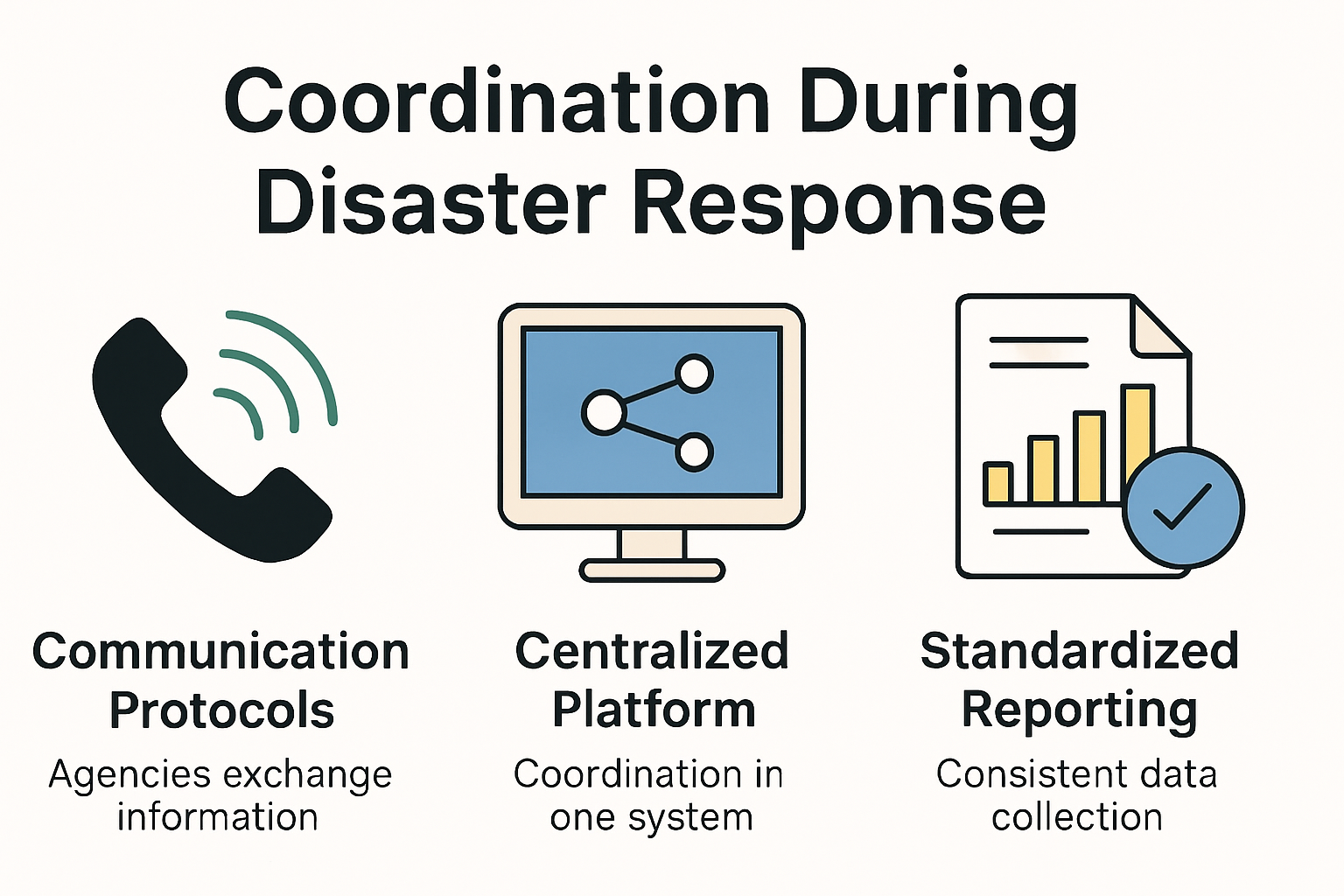
Effective inter agency coordination demands systematic communication frameworks. Learn more about response coordination strategies reveals that successful disaster management depends on creating real time information sharing mechanisms. According to FEMA’s 2025 strategic guidance, state, local, tribal, and territorial jurisdictions must proactively develop comprehensive communication strategies.
Key components of these protocols include:
- Centralized Communication Platforms: Implement digital systems allowing instant information exchange
- Standardized Reporting Formats: Create uniform documentation methods across different agencies
- Regular Interagency Training Sessions: Ensure all responders understand collaborative procedures
Strategic Resource Allocation and Management
The National Disaster Recovery Framework emphasizes a structured approach to resource distribution. The Government Accountability Office recommends that agencies follow leading practices for interagency collaboration to make disaster recovery programs more accessible and effective.
Successful resource management involves:
- Comprehensive Needs Assessment: Rapidly identify critical requirements in disaster zones
- Flexible Deployment Strategies: Create adaptable resource allocation models
- Technological Integration: Use data analytics and real time tracking for efficient distribution
Coordination is not just about moving resources but understanding the intricate dynamics of emergency response. By developing transparent communication channels, standardizing procedures, and maintaining technological flexibility, agencies can significantly improve their collective disaster response capabilities. The goal remains consistent: providing timely, efficient, and compassionate support to communities during their most vulnerable moments.
Preparing for disasters means creating a unified front where every agency understands its role and works seamlessly with others toward a common objective of community recovery and resilience.
Speeding Up Insurance and Aid Distribution
In the aftermath of a disaster, the speed and efficiency of insurance claims and aid distribution can significantly impact a community’s recovery trajectory. Victims need rapid financial support to rebuild their lives, making streamlined processes critical for resilience and healing.
Accelerating Insurance Claim Processing
Traditional insurance claim procedures often create bottlenecks that delay critical financial support. Learn how to navigate aid access quickly for disaster victims. According to the U.S. Government Accountability Office, over two million households were approved for federal disaster assistance in 2024, highlighting the massive scale of support needed.
Key strategies for expediting insurance claims include:
- Digital Documentation: Implement mobile apps and online platforms for instant claim submission
- Pre Disaster Preparation: Encourage policyholders to digitize important documents in advance
- Automated Assessment Tools: Use artificial intelligence and satellite imagery for rapid damage evaluation
Streamlining Government Aid Distribution
The American Relief Act of 2025 represents a significant leap forward in disaster relief funding. Government payments for disaster relief are projected to increase by 354.5%, with ad hoc disaster payments expected to reach $35.7 billion in 2025.
Critical improvements in aid distribution include:
- Simplified Application Processes: Reduce bureaucratic barriers for aid access
- Direct Electronic Payments: Enable faster fund transfers to affected individuals
- Targeted Relief Programs: Develop specialized support for different demographic groups
The USDA reported that previous disaster relief programs averaged 13 months for aid delivery. Modern approaches aim to compress this timeline dramatically, recognizing that immediate financial support is crucial for community recovery.
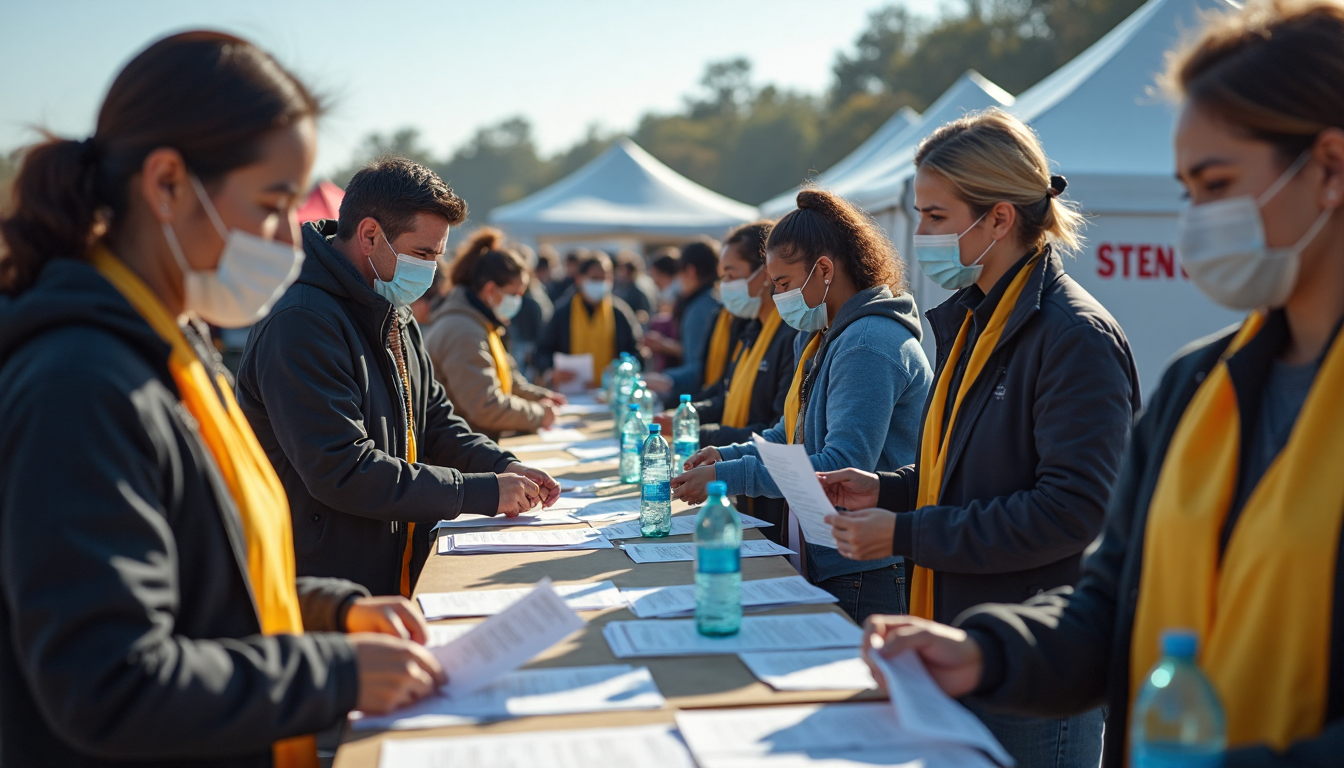
The ultimate goal remains clear: provide rapid, compassionate, and effective financial support that helps individuals and communities rebuild quickly and confidently after experiencing devastating losses.
Empowering Victims and Families for Faster Recovery
Recovering from a disaster requires more than financial assistance. True empowerment means providing victims and families with comprehensive support, resources, and tools to rebuild their lives with confidence and resilience.
Comprehensive Support and Resource Navigation
Disaster recovery is a complex journey that demands strategic guidance. Learn essential home safety strategies to help families navigate post disaster challenges. The National Disaster Recovery Framework emphasizes collaborative approaches that unite community sectors and ensure recovery efforts are adaptive and personalized.
Key empowerment strategies include:
- Personalized Recovery Counseling: Provide one on one support to help families develop tailored recovery plans
- Mental Health Resources: Offer free counseling and trauma support services
- Educational Workshops: Conduct training sessions on financial recovery and rebuilding techniques
Financial and Community Rebuilding Mechanisms
Innovative financial strategies are transforming disaster recovery support. Emerging state level initiatives are establishing dedicated recovery funds and resilience bonds to provide faster, more direct support to affected families.
Critical rebuilding approaches involve:
- Revolving Loan Funds: Create accessible, low interest financing for recovery projects
- Community Support Networks: Develop local support groups and peer assistance programs
- Skill Development Programs: Offer training to help victims acquire new employment skills
Public private partnerships play a crucial role in empowerment. As research from Meridian Consulting indicates, coordinated stakeholder communication enables more effective resource sharing and community resilience.
Empowerment is not just about providing immediate assistance but creating sustainable pathways for long term recovery. By combining financial support, mental health resources, skill development, and community solidarity, we can help disaster victims transform challenging experiences into opportunities for growth and renewal.
The ultimate goal is to restore not just physical infrastructure but hope resilience and community strength. Each step toward recovery is a testament to human adaptability and collective support.
Leveraging Technology for Effective Communication
In the critical moments following a disaster, communication can mean the difference between life and death. Advanced technological solutions are revolutionizing how emergency responders, agencies, and affected communities exchange vital information and coordinate recovery efforts.
Multi Channel Communication Strategies
Effective disaster communication requires a comprehensive approach that spans multiple technological platforms. Explore our guide to emergency communication technologies to understand the latest innovations. The National Governors Association emphasizes the importance of utilizing both traditional and non traditional communication channels to reach the broadest possible audience, especially when standard communication infrastructure may be compromised.
Key technological communication strategies include:
- Resilient Communication Networks: Deploy satellite and mesh network technologies that function independently of traditional infrastructure
- Multilingual Alert Systems: Create adaptive communication platforms supporting multiple languages
- Geo Targeted Emergency Messaging: Use advanced location based technologies for precise information distribution
Advanced Information Dissemination Technologies
Modern disaster response demands real time, accurate, and accessible information sharing. Cutting edge technologies are transforming how critical updates reach affected populations and emergency responders.
Innovative communication approaches involve:
- Artificial Intelligence Powered Chatbots: Provide instant, 24/7 information and support
- Drone Communication Networks: Establish communication links in areas with damaged infrastructure
- Machine Learning Prediction Systems: Analyze and predict communication needs during emergencies
The fundamental goal of these technological solutions is to create a comprehensive, adaptable communication ecosystem that can quickly disseminate crucial information, coordinate rescue efforts, and provide real time support to those most vulnerable during disaster scenarios.
Technology serves as a critical bridge between emergency responders and affected communities. By integrating advanced communication technologies, we can significantly reduce response times, minimize confusion, and provide more targeted, efficient support during the most challenging moments of a disaster.
Ultimately, effective communication technology is about more than transmitting information. It is about creating a lifeline of hope, support, and critical guidance when people need it most. As technology continues to evolve, so too will our ability to respond swiftly, compassionately, and effectively to disasters of all scales.
Frequently Asked Questions
What are the essential strategies to improve disaster response in 2025?
To improve disaster response in 2025, essential strategies include establishing comprehensive communication protocols, streamlining insurance and aid distribution, empowering victims with resources, and leveraging advanced technology for effective communication.
How can communication protocols be improved for disaster response?
Improving communication protocols involves creating centralized communication platforms, standardizing reporting formats among agencies, and conducting regular interagency training to ensure smooth collaboration during disaster situations.
What steps can be taken to speed up insurance claim processing after a disaster?
Steps to speed up insurance claim processing include implementing digital documentation systems for claim submissions, encouraging policyholders to prepare and digitize important documents in advance, and using automated assessment tools for quick damage evaluation.
How does technology enhance disaster response and recovery?
Technology enhances disaster response and recovery through multi-channel communication strategies, such as resilient networks, multilingual alert systems, and real-time information dissemination using AI-powered chatbots and drones, ensuring rapid and effective support for affected communities.
Transform Your Disaster Response and Recovery Experience
When disaster changes everything in an instant, waiting for help or struggling to coordinate between agencies can feel overwhelming. The article above highlights the urgent need for faster response, streamlined aid, and strong connections between victims, responders, and recovery teams. If you need to move quickly from crisis response to rebuilding your home and life, you deserve a team that specializes in bridging these crucial gaps.
At Disaster Victim Services, we work around the clock to help disaster victims secure immediate emergency housing, connect with insurance providers, and get expert guidance for lasting recovery. Want to take the first step toward rebuilding? Explore our Remodeling support solutions and see how our dedicated professionals can coordinate your transition every step of the way. Need help now? Visit our main site and let compassionate experts guide you to safety and restoration.
Recommended Articles
- How to Coordinate Response in Disasters: A Guide for 2025 – Disaster Victim Services | Helping You Recover After Disaster
- Home Safety Tips 2025: Essential Guide for Disaster Recovery – Disaster Victim Services | Helping You Recover After Disaster
- how to coordinate response – Disaster Victim Services | Helping You Recover After Disaster