
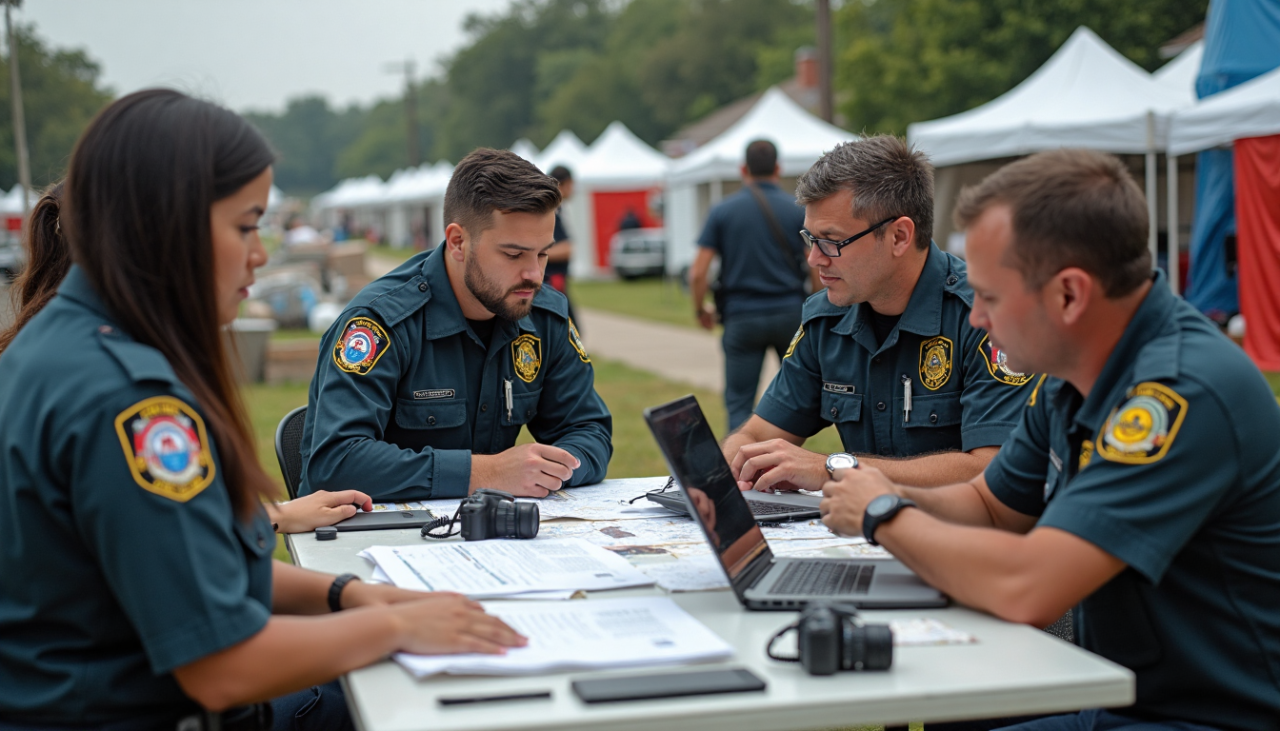
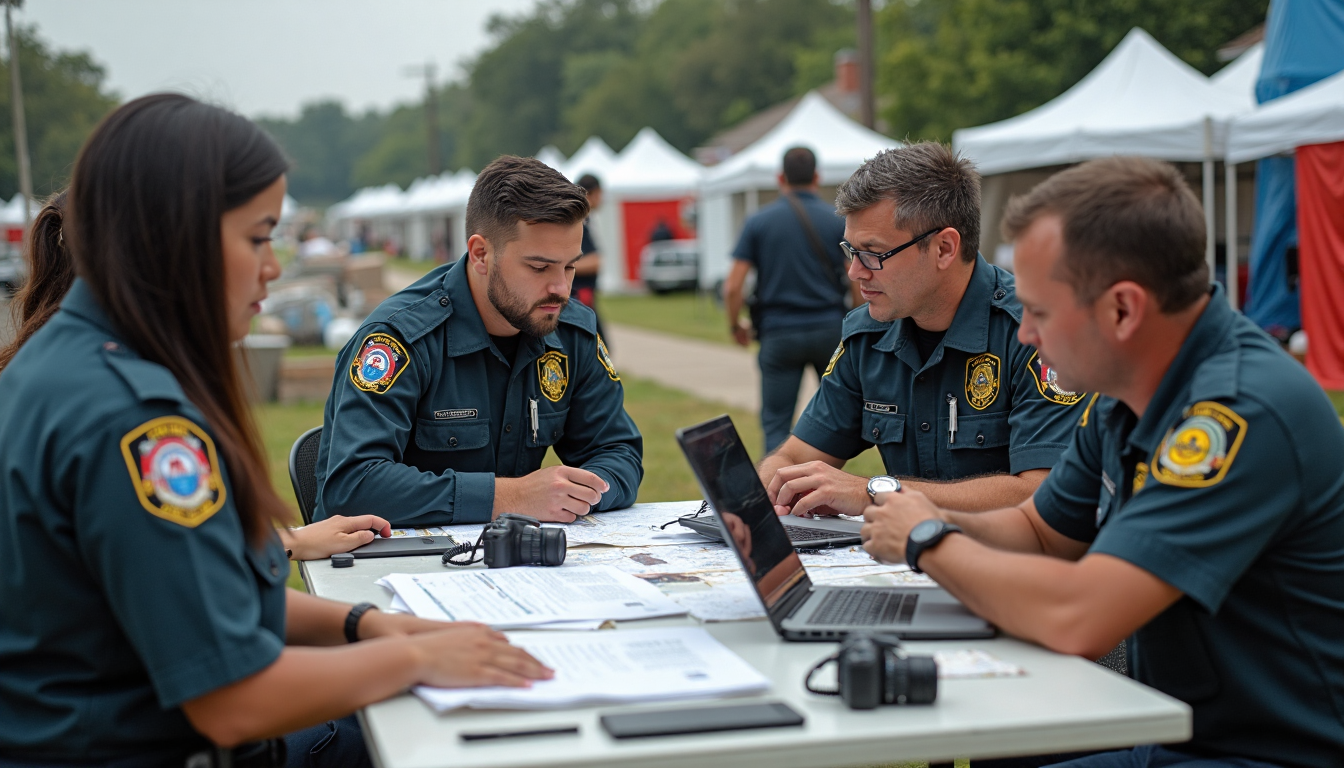
Disaster strikes when you least expect it, yet coordinated response saves lives. In fact, delays in emergency communication contribute to as much as 60 percent of disaster response failures. Surprising, right? Most people assume that simply having more resources or personnel is the key. The real difference comes from how quickly agencies can sync up, share updates, and act in unison—even before their trucks roll out.
Table of Contents
- Building A Unified Response Team
- Clear Communication During Emergencies
- Rapid Resource Allocation And Management
- Supporting Victims And Families Effectively
Quick Summary
| Takeaway | Explanation |
|---|---|
| Unified Response Team | Success in disaster response hinges on creating a cohesive team that integrates multiple agencies and maintains clear communication and defined roles. |
| Effective Communication | Robust communication protocols and human-centered strategies are essential to ensure accurate information reaches the right people during emergencies. |
| Rapid Resource Allocation | Quick and efficient resource allocation requires strategic mapping, logistical coordination, and advanced technologies to deliver the right supplies at the right time. |
| Holistic Victim Support | Supporting victims goes beyond immediate needs; it involves comprehensive services that address mental health, legal, and social recovery needs through a trauma-informed approach. |
Building a Unified Response Team
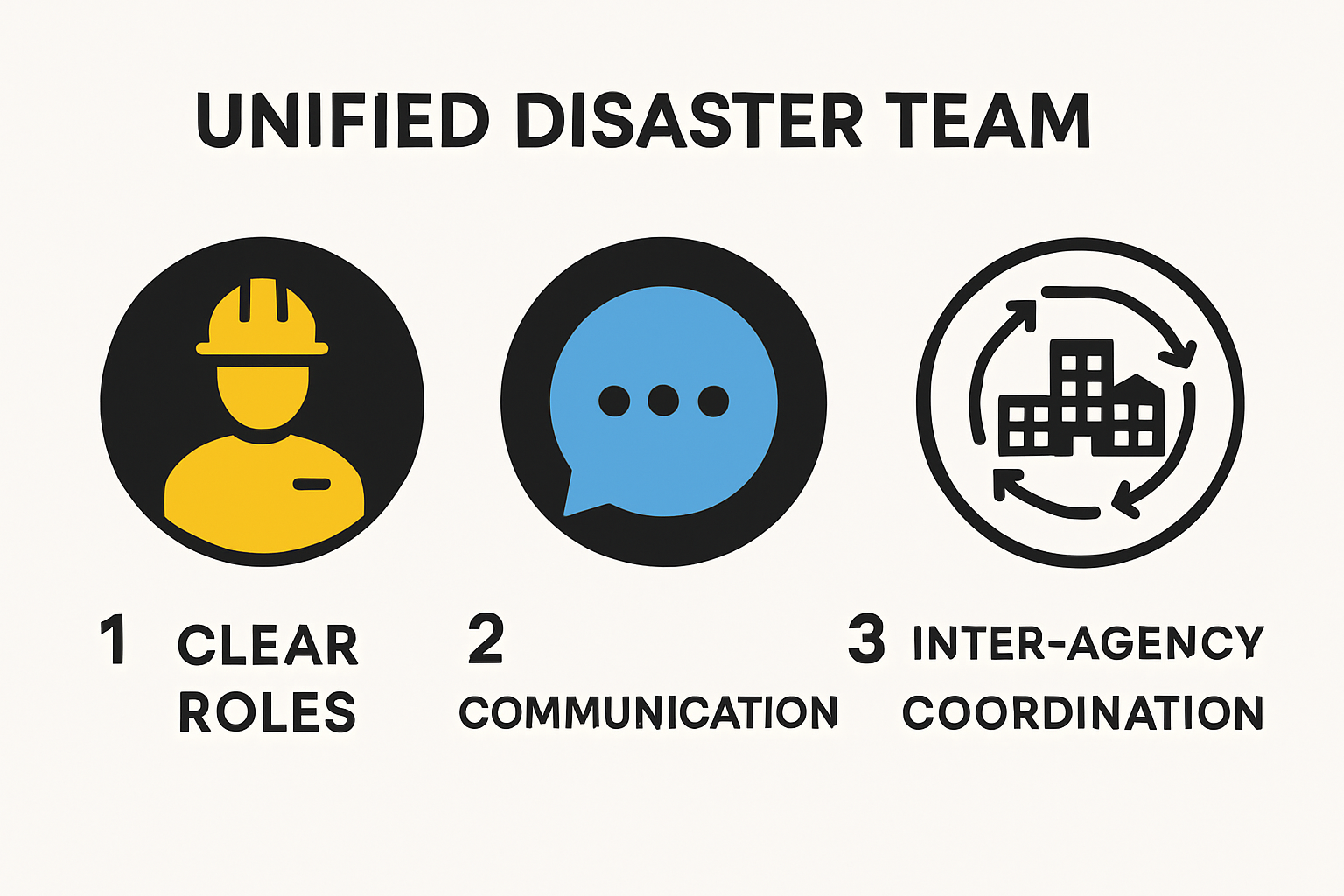
Coordinating an effective disaster response demands more than good intentions. It requires a strategic, systematic approach to creating a unified team that can act swiftly and decisively when emergencies strike. The foundation of successful disaster management lies in building a cohesive response team that can seamlessly integrate multiple agencies and resources.
Establishing the Core Response Framework
Creating a unified response team starts with understanding the critical components of emergency coordination. The National Incident Management System (NIMS) provides the blueprint for interagency collaboration. This framework ensures that different organizations can communicate effectively, share resources, and maintain a clear chain of command during complex emergency situations.
Key principles of building a unified response team include:
- Clear Communication Channels: Establish robust communication protocols that allow instant information sharing
- Defined Roles and Responsibilities: Ensure each team member understands their specific function
- Integrated Decision Making: Create mechanisms for rapid, collaborative decision-making
According to the National Response Team, successful disaster response hinges on creating a structure that can adapt quickly to changing circumstances. This means developing a team that is both flexible and disciplined, capable of responding to a wide range of potential scenarios.
Technology and Coordination Tools
Modern disaster response relies heavily on advanced technology and coordination tools. Emergency Operations Centers (EOCs) serve as the nerve center for unified response efforts. These command centers bring together representatives from various agencies, allowing for real-time information sharing and coordinated action.
The most effective unified response teams leverage:
- Advanced Communication Platforms: Digital tools that enable instant multi-agency communication
- Shared Resource Management Systems: Technologies that track and allocate critical resources in real-time
- Geographic Information Systems (GIS): Mapping tools that provide critical situational awareness
Training and Preparedness
Building a unified response team is an ongoing process that requires continuous training and preparation. This means regular joint exercises, cross-agency training programs, and scenario-based simulations that test the team’s ability to work together under pressure.
The Disaster Preparedness Program emphasizes the importance of creating a culture of collaboration. Successful teams develop trust and understanding through repeated interactions, breaking down traditional organizational barriers that can impede effective emergency response.
When disasters strike, every moment counts. A well-coordinated response team can mean the difference between chaos and effective intervention. By investing in comprehensive planning, advanced technologies, and collaborative training, organizations can build the unified response capabilities needed to protect communities and save lives.
Key takeaway: Success in disaster response is not about individual heroics, but about creating a seamless, integrated team approach that can respond quickly and effectively to any emergency.
Clear Communication During Emergencies

Effective communication becomes the lifeline during disaster scenarios. When chaos erupts, clear and precise information exchange can mean the difference between successful response and catastrophic breakdown. Disaster management professionals understand that communication is not just about transmitting messages but ensuring those messages reach the right people at the right time.
Establishing Communication Protocols
Building robust communication infrastructure requires strategic planning and multi-channel approaches. FEMA’s Disaster Emergency Communications division recommends developing comprehensive communication strategies that work across multiple platforms. These protocols must account for potential infrastructure failures, ensuring redundant communication methods are always available.
Key communication protocols include:
- Prioritized Messaging Systems: Creating hierarchical communication channels
- Redundant Communication Technologies: Utilizing multiple transmission methods
- Pre-established Emergency Frequencies: Dedicating specific radio and digital channels for crisis response
According to the National Governors Association, crisis communication plans must be activated within the first 72 hours of an incident. This rapid response window requires pre-planned messaging strategies that can be immediately implemented.
Technology and Communication Tools
Modern emergency communication relies heavily on advanced technological solutions. Satellite phones, mobile emergency networks, and dedicated emergency broadcast systems provide critical communication infrastructure when traditional networks fail. Geographic Information Systems (GIS) and real-time mapping technologies enable responders to communicate precise location data and coordinate complex rescue operations.
Emergency communication tools must be:
- Resilient: Capable of functioning during infrastructure disruptions
- Interoperable: Compatible across different agency communication systems
- Secure: Protected from potential cyber interference
Human-Centered Communication Strategies
Beyond technological solutions, effective communication during emergencies requires a human-centered approach. This means crafting messages that are clear, concise, and empathetic. Emergency communicators must balance providing critical information with managing public emotional responses.
The most successful communication strategies:
- Use simple, direct language
- Provide actionable guidance
- Demonstrate genuine concern and support
- Maintain consistent and transparent messaging
Communication is more than transmitting information. It is about building trust, reducing panic, and guiding communities through uncertain times. When disaster strikes, clear communication becomes the primary tool for survival, coordination, and eventual recovery.
Key takeaway: Effective emergency communication combines technological resilience, strategic planning, and human compassion to guide communities through crisis.
Rapid Resource Allocation and Management
In disaster response, the ability to quickly mobilize and distribute critical resources can mean the difference between survival and catastrophe. Resource allocation is a complex strategic process that requires precision, adaptability, and advanced logistical planning to ensure that emergency supplies, personnel, and support reach affected areas with maximum efficiency.
Strategic Resource Mapping
Effective resource management begins with comprehensive mapping and pre-positioning of emergency supplies. The National Response Framework provides a critical blueprint for understanding how federal agencies can rapidly deploy support during emergencies. This framework establishes clear protocols for identifying, tracking, and distributing essential resources across impacted regions.
Key elements of strategic resource mapping include:
- Geospatial Tracking: Using advanced mapping technologies to monitor resource locations
- Predictive Allocation Models: Developing algorithms that anticipate resource needs
- Real-time Inventory Management: Maintaining dynamic databases of available emergency supplies
According to recent White House assessments, the goal is to transform disaster response from a reactive to a proactive approach. This means developing systems that can predict and prepare for resource needs before disasters fully unfold.
Logistical Coordination and Deployment
Rapid deployment requires intricate coordination between multiple agencies. Urban search and rescue teams, medical response units, and supply distribution networks must work in synchronized harmony. The National Disaster Recovery Framework emphasizes the importance of creating flexible response mechanisms that can adapt to rapidly changing disaster scenarios.
Critical logistics considerations include:
- Multi-agency Communication Channels: Ensuring seamless information exchange
- Prioritized Resource Distribution: Identifying and serving most vulnerable populations first
- Mobile Supply Chain Management: Creating mobile logistics units that can operate in challenging environments
Technology-Driven Resource Management
Advanced technologies are revolutionizing how resources are allocated during emergencies. Artificial intelligence, drone technology, and real-time data analytics enable more precise and rapid response strategies. These technologies allow emergency managers to make data-driven decisions, optimize resource deployment, and minimize waste.
Technology enables:
- Predictive Analytics: Forecasting potential resource requirements
- Automated Inventory Systems: Tracking supplies in real-time
- Remote Monitoring: Using satellite and drone technologies to assess damage and needs
The future of disaster response lies in creating adaptive, intelligent resource management systems. By combining human expertise with advanced technological solutions, emergency responders can develop more resilient and effective strategies for supporting communities during their most vulnerable moments.
Key takeaway: Successful resource allocation is not just about having supplies. It is about having the right supplies, in the right place, at the right time, delivered through intelligent and compassionate systems.
Supporting Victims and Families Effectively
Disaster response extends far beyond immediate rescue operations. Supporting victims and families requires a comprehensive, compassionate approach that addresses both immediate physical needs and long-term emotional recovery. Effective support means creating a holistic system that recognizes the profound trauma experienced during catastrophic events.
Immediate Crisis Intervention
The first hours and days following a disaster are critical for establishing trust and providing essential support. The Office for Victims of Crime recommends developing comprehensive victim assistance protocols that prioritize immediate human needs while preparing for long-term recovery.
Key components of immediate crisis intervention include:
- Rapid Needs Assessment: Quickly identifying individual and family requirements
- Emergency Shelter and Basic Necessities: Ensuring immediate physical safety
- Emotional First Aid: Providing initial psychological support
According to the National Guidelines for Behavioral Health Crisis Care, effective crisis intervention requires a coordinated approach that addresses both immediate survival needs and emotional well-being.
Comprehensive Support Services
Recovery is a complex journey that requires multi-dimensional support. Our guide on multi-agency support highlights the importance of creating integrated support systems that connect victims with various essential services. This means coordinating between healthcare providers, mental health professionals, legal support, and social services.
Comprehensive support services should address:
- Mental Health Counseling: Providing ongoing psychological support
- Legal and Financial Guidance: Helping victims navigate complex recovery processes
- Social Reconnection: Supporting community rebuilding efforts
- Long-term Recovery Planning: Developing personalized recovery strategies
Trauma-Informed Care Approach
Understanding and addressing trauma becomes crucial in effective victim support. This approach recognizes that each individual experiences disasters differently and requires personalized, compassionate care. Trauma-informed care goes beyond immediate assistance, focusing on empowerment, resilience, and holistic healing.
Key principles of trauma-informed support include:
- Respect for Individual Experience: Acknowledging unique personal responses
- Safety and Trust: Creating environments that feel secure and supportive
- Empowerment: Helping victims regain control and agency
- Cultural Sensitivity: Recognizing diverse cultural approaches to healing
Supporting victims and families is more than a professional responsibility. It is a profound human commitment to helping people rebuild their lives during their most vulnerable moments. Effective support transforms survival into genuine recovery, turning moments of crisis into opportunities for resilience and renewal.
Key takeaway: True disaster support combines immediate intervention with long-term, compassionate care that sees beyond survival to genuine human restoration.
Frequently Asked Questions
What is the National Incident Management System (NIMS) and how does it help in disaster response?
The National Incident Management System (NIMS) provides a framework for interagency collaboration, ensuring effective communication, resource sharing, and clear command structures during emergencies.
Why is clear communication critical during disasters?
Clear communication is essential during disasters because it ensures accurate information is transmitted to the right parties, allowing for quick, coordinated action and reducing panic among affected populations.
How can technology improve disaster response coordination?
Technology enhances disaster response coordination through advanced communication platforms, shared resource management systems, and geographic information systems (GIS) that allow for real-time tracking and situational awareness.
What is trauma-informed care in the context of disaster victim support?
Trauma-informed care is an approach that recognizes and addresses the unique trauma experiences of individuals affected by disasters. It focuses on creating safe environments, empowering victims, and providing ongoing, compassionate support.
Ready for Seamless Disaster Response? Partner With Experts Who Care
Disasters rarely give warning, and the window to act is often tight. As highlighted in this article, communication breakdowns, unclear roles, and slow resource allocation put victims at greater risk and prolong recovery. When the pressure is on, you need a response partner who bridges every gap and brings calm to chaos. That is where DisasterVictimServices.com steps in. Our team operates at the heart of multi-agency collaboration and uses real-time coordination to deliver swift emergency housing and support. Every second counts–and our expertise in developing organized response plans means you are never alone when it matters most.
If you are looking for a true ally in disaster response, act now. Connect with us or explore our approach to project design for coordinated recovery and move forward with confidence. Let us help you take the first step toward a more resilient tomorrow.