
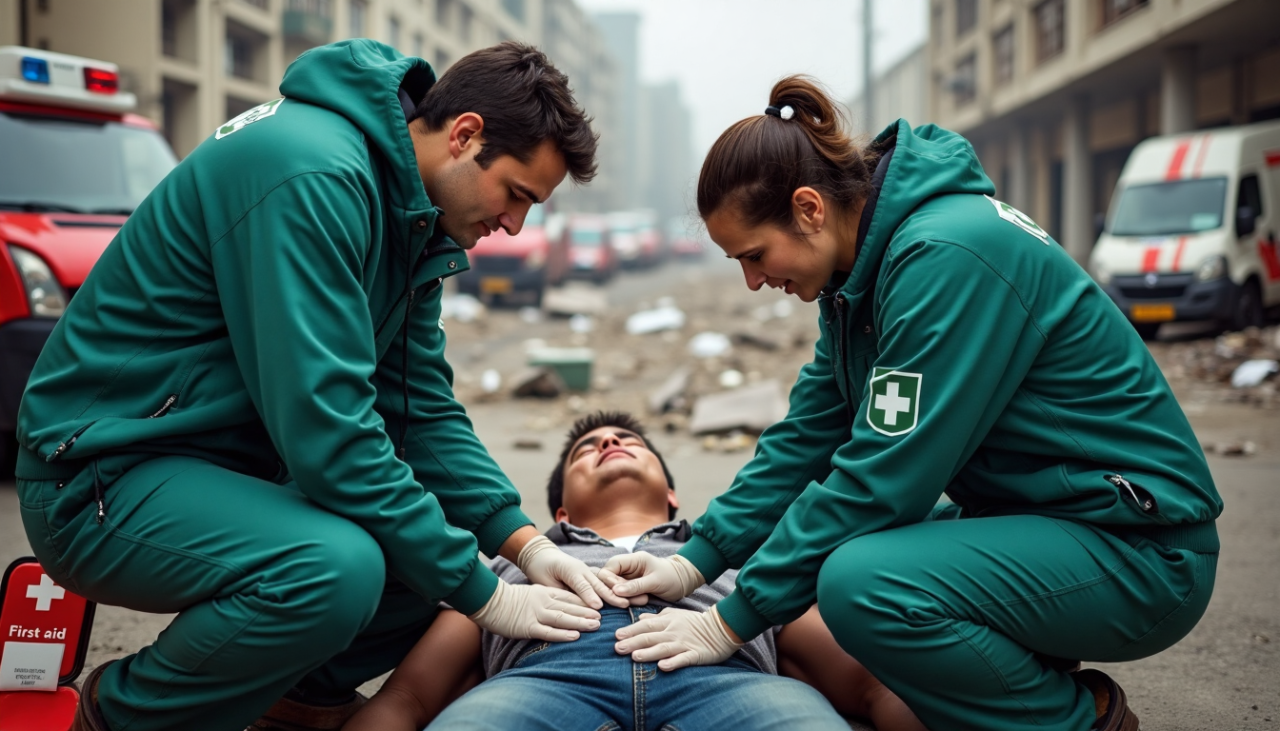
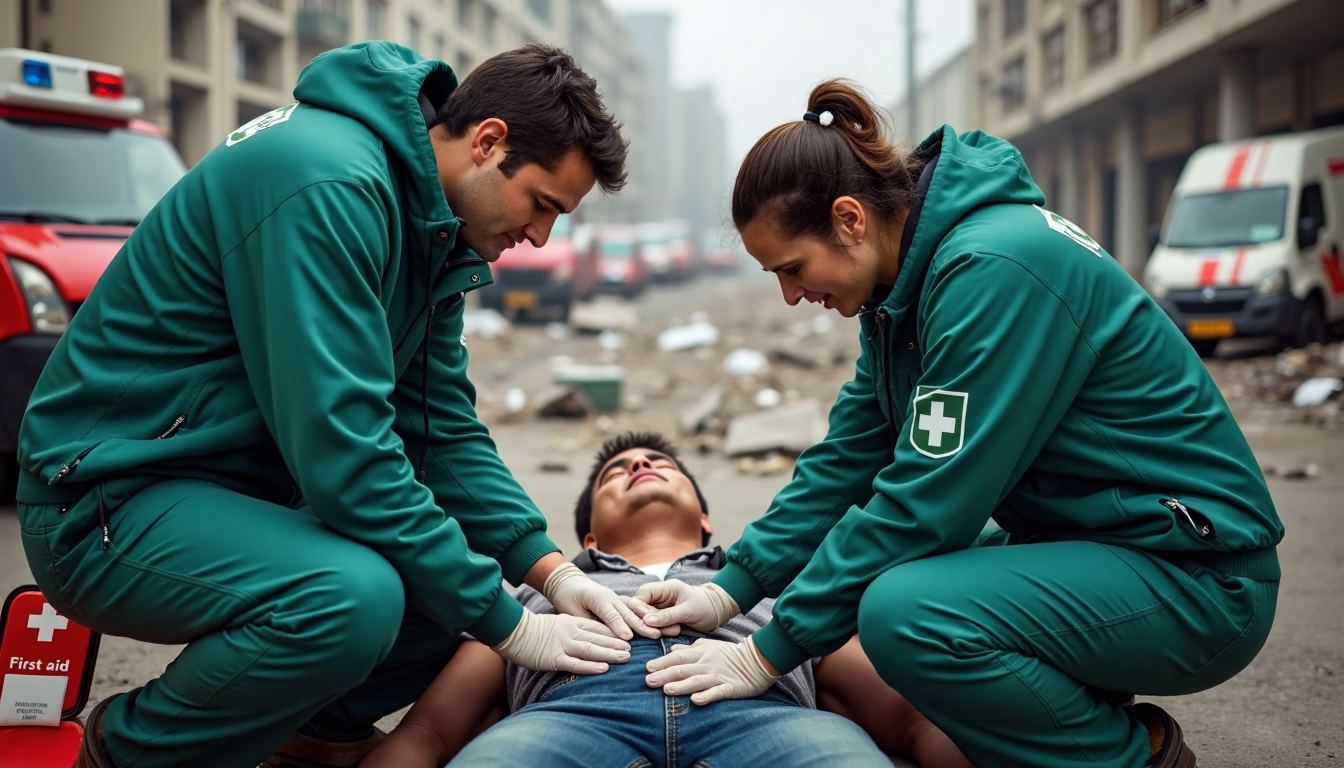
First aid can save more lives than most people think. Disaster recovery teams that follow evidence-based protocols can increase survival rates by as much as 60 percent in the first hour after injury. You might expect fancy gear or high-tech tools to make the biggest difference. The reality is, the most powerful tool is still fast action and clear-headed basics. There is surprising science and strategy behind those split-second first steps. Ready to see why your kit — and your training — could change everything?
Table of Contents
- Understanding The Essentials Of First Aid Basics
- Step-By-Step First Aid Procedures For Emergencies
- First Aid Kits: Key Supplies And Customization Tips
- Training And Resources For Disaster Relief Teams
Quick Summary
| Takeaway | Explanation |
|---|---|
| Preserve Life as the Top Priority | The foremost goal of first aid is to keep the injured person alive, underscoring the importance of immediate action in emergencies. |
| Master Critical First Aid Skills | Essential skills such as assessing the scene, checking ABCs, performing CPR, and controlling bleeding are crucial for effective emergency response. |
| Well-Equipped First Aid Kits | Disaster recovery teams must maintain comprehensive first aid kits tailored to specific risks, including supplies for pandemic scenarios and regular inventory checks. |
| Continuous Training and Development | Ongoing professional development through courses and workshops ensures disaster relief teams remain prepared for evolving emergency situations. |
Understanding the Essentials of First Aid Basics
First aid basics represent a critical skill set for disaster recovery teams and individuals facing emergency situations. At its core, first aid is about providing immediate care to preserve life, prevent further injury, and support recovery. The ability to respond quickly and effectively can mean the difference between life and death in critical moments.
The Primary Goals of First Aid
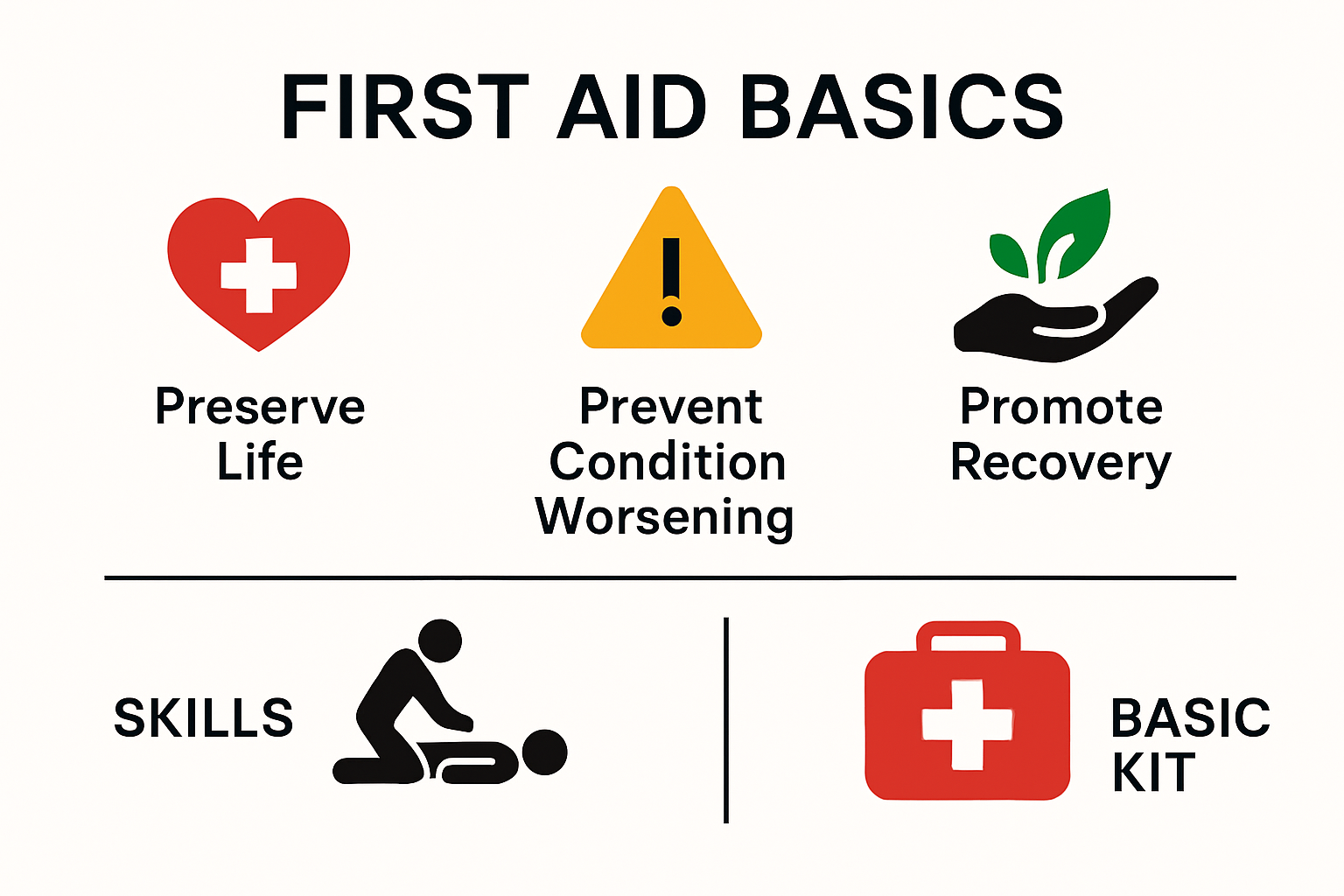
Emergency response professionals understand that first aid has three fundamental priorities. According to Emergency Response Africa, these priorities are precise:
- Preserve Life: The absolute top priority is keeping the injured person alive
- Prevent Condition Worsening: Stop additional harm or complications
- Promote Recovery: Support initial stabilization and medical intervention
The American approach to first aid emphasizes quick thinking and practical interventions. Disaster recovery teams must master techniques that address immediate health risks and provide critical support before professional medical help arrives.
Critical First Aid Skills for Emergency Response
FEMA training guidelines highlight several fundamental skills that every emergency responder must master. These skills form the backbone of effective first aid in disaster scenarios:
- Assess the scene for safety
- Check victim’s airway, breathing, and circulation (ABCs)
- Perform cardiopulmonary resuscitation (CPR)
- Control bleeding
- Treat shock
- Manage potential spinal injuries
- Handle burns and wound care
Specifically, CPR Certification Now emphasizes that understanding the ABCs (Airway, Breathing, Circulation) is non negotiable. These three critical checks determine the immediate medical intervention strategy.
Equipment and Preparedness
Successful first aid requires more than knowledge. Disaster recovery teams must be equipped with appropriate medical supplies and protective gear. A comprehensive first aid kit should include:
- Sterile gauze and bandages
- Antiseptic wipes
- Disposable gloves
- Scissors
- Instant cold packs
- Basic medication
- Emergency blanket
Training transforms these tools from simple objects into lifesaving instruments. Professionals who understand how to use each item effectively can stabilize patients and reduce long term complications.
Remember that first aid is not about performing complex medical procedures. It is about providing immediate, critical care that bridges the gap between an emergency and professional medical treatment. Every second counts when someone’s life is at risk.
Step-by-Step First Aid Procedures for Emergencies
Disaster recovery teams must master systematic first aid procedures that transform chaotic emergency scenarios into controlled, life-saving interventions. A structured approach can mean the difference between successful stabilization and potential catastrophic outcomes.
Scene Safety and Initial Assessment
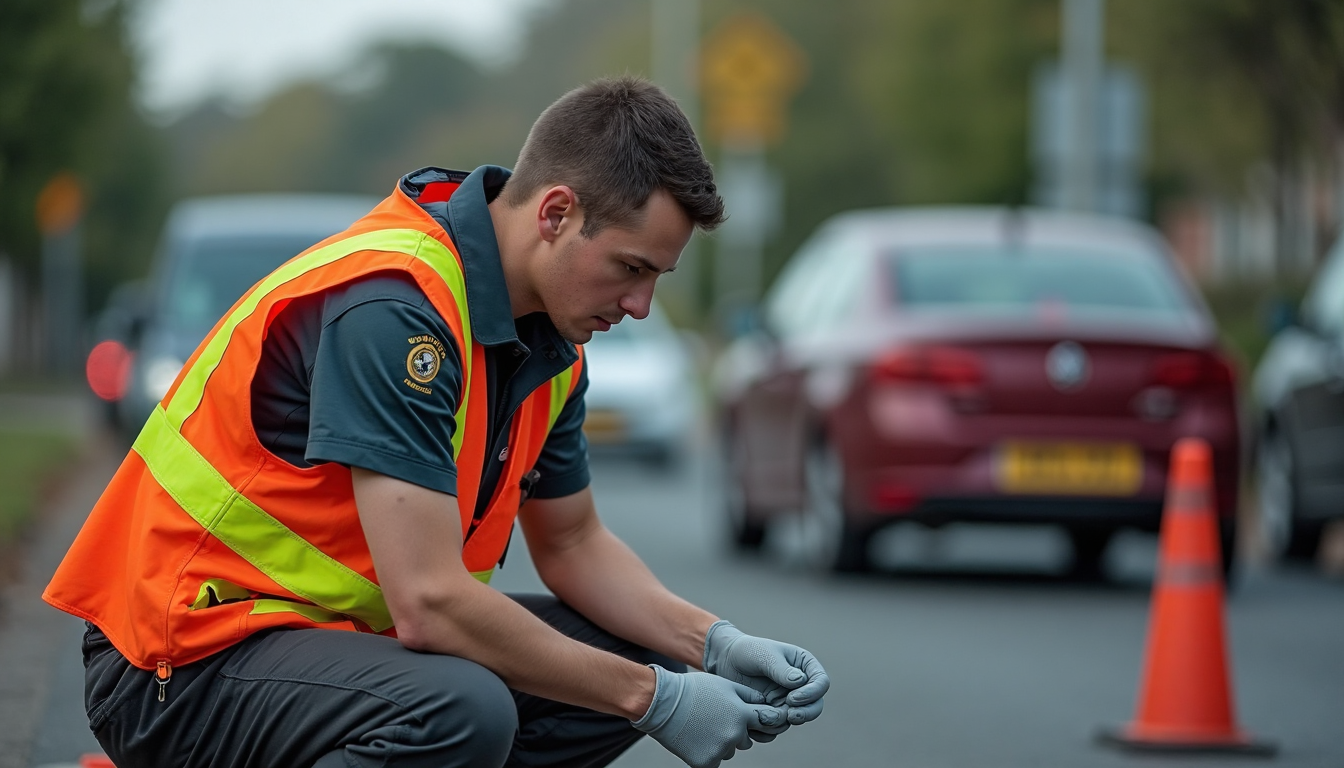
Before providing any medical assistance, first responders must prioritize personal and victim safety. According to Emergency Response Africa, the initial emergency response follows a critical sequence:
- Quickly evaluate scene safety
- Identify potential hazards
- Ensure personal protective equipment is worn
- Check for additional risks like fire, electrical dangers, or structural instability
The American Red Cross emphasizes that rescuers must never become additional victims. Professional emergency teams learn to scan environments rapidly, recognizing potential threats before initiating any rescue attempt.
Systematic Patient Evaluation
Once the scene is secure, first aid professionals conduct a methodical patient assessment. AlertMedia Emergency Response Guidelines recommend a comprehensive evaluation process:
- Primary Survey: Check responsiveness, breathing, circulation
- Secondary Survey: Detailed head-to-toe examination
- Vital Signs Check: Monitor pulse, respiratory rate, potential shock indicators
- Communication: Gather information about injury mechanism, medical history
This structured approach allows disaster recovery teams to quickly prioritize interventions and determine the most urgent medical needs. Communication remains key professional teams use clear, concise language to coordinate efforts and relay critical information.
Specific Emergency Intervention Protocols
Different emergencies require tailored first aid strategies. Disaster recovery professionals must be prepared for multiple scenarios:
- Traumatic Injuries: Control bleeding, stabilize fractures, prevent infection
- Respiratory Emergencies: Clear airways, perform rescue breathing, manage potential obstructions
- Cardiac Events: Immediate CPR, automated external defibrillator (AED) use if available
- Environmental Emergencies: Treat hypothermia, heat exhaustion, chemical exposures
Training transforms these protocols from theoretical knowledge into lifesaving skills. Every team member must understand not just how to perform each intervention but when and why specific actions are critical.
Disaster recovery requires more than technical skills. It demands quick thinking, emotional resilience, and a commitment to preserving human life under extreme conditions. First aid is not just a procedure its a profound responsibility to support individuals during their most vulnerable moments.
Successful first aid is about creating a bridge between immediate crisis and professional medical care. Each carefully executed step brings hope and potential survival to those facing unimaginable challenges.
First Aid Kits: Key Supplies and Customization Tips
A well-prepared first aid kit is more than a collection of medical supplies. It is a critical lifeline for disaster recovery teams and individuals facing emergency situations. Understanding how to assemble, maintain, and customize these kits can mean the difference between effective immediate care and potential complications.
Essential Components of a Comprehensive First Aid Kit
The American Red Cross provides definitive guidance on the fundamental supplies every emergency kit should include:
- Adhesive bandages in multiple sizes
- Sterile gauze pads
- Antiseptic wipes
- Antibiotic ointment
- Disposable gloves
- Scissors
- Tweezers
- Instant cold packs
- Trauma pads
- Medical tape
Professional disaster recovery teams must go beyond basic recommendations. Each kit should be tailored to specific environmental risks, potential injury types, and team member medical training levels.
Pandemic and Modern Emergency Preparedness
Recent global health challenges have transformed first aid kit recommendations. CDC Guidelines now suggest incorporating pandemic-specific items:
- Cloth face coverings
- Hand sanitizer
- Disinfecting wipes
- Extra soap
- Alcohol-based cleaning supplies
These additions reflect the evolving nature of emergency preparedness. Disaster recovery professionals must remain adaptable, understanding that kit contents will change with emerging health and safety challenges.
Customization and Maintenance Strategies
A first aid kit is only as good as its contents and condition. Effective disaster recovery teams implement rigorous maintenance protocols:
- Regular Inventory Checks: Review kit contents quarterly
- Expiration Date Monitoring: Replace medications and perishable items
- Environment-Specific Customization: Adjust supplies based on potential disaster scenarios
- Team Training: Ensure all members understand kit contents and usage
Consider specialized additions based on specific deployment environments. A wilderness response team might include snake bite kits and advanced wound care supplies. An urban disaster team could prioritize trauma management tools.
Beyond physical supplies, first aid kits represent a philosophy of preparedness. They embody the principle that proactive planning can mitigate potential disaster impacts. Each carefully selected item represents a commitment to human safety and rapid response.
Remember that a first aid kit is not a static object. It is a dynamic tool that requires continuous attention, education, and adaptation. The most sophisticated equipment means nothing without the knowledge and training to use it effectively.
Training and Resources for Disaster Relief Teams
Professional disaster relief teams require comprehensive training and robust resources to effectively respond to complex emergency scenarios. Success depends not just on individual skills but on systematic preparation, continuous learning, and access to cutting-edge educational opportunities.
Professional Training and Certification Programs
FEMA offers extensive training programs specifically designed for emergency response professionals. Their nationally recognized courses cover critical areas:
- Incident management systems
- Mass casualty response protocols
- Emergency operations coordination
- Risk assessment techniques
- Advanced disaster management strategies
According to Dreambound Emergency Response Guidelines, most organizations require team members to maintain current First Aid and CPR certifications. These credentials demonstrate a baseline competency and commitment to professional standards.
Comprehensive Skill Development Resources
The American Red Cross provides diverse training options tailored for disaster relief professionals:
- Online learning modules
- In-person practical training
- Specialized workshops
- Virtual simulation exercises
- Continuing education credits
Teams looking to explore comprehensive recovery strategies must invest in multidimensional training that goes beyond basic medical interventions. This includes psychological support, communication skills, and cultural competency.
Ongoing Professional Development
Successful disaster relief teams recognize that training is a continuous journey. Key strategies for sustained professional growth include:
- Quarterly skill refresher courses
- Cross-disciplinary training opportunities
- Participation in national emergency response conferences
- Peer review and performance assessment
- Technology and technique update seminars
Modern disaster response demands adaptability. Professionals must stay current with evolving medical protocols, technological innovations, and emerging global emergency management strategies.
Ultimately, training is about building resilient, compassionate teams capable of making critical decisions under extreme pressure. Each training hour represents a commitment to saving lives and supporting communities during their most vulnerable moments.
Remember that no training manual or certification can replace genuine human empathy and quick critical thinking. The most effective disaster relief professionals blend technical expertise with profound emotional intelligence.
Frequently Asked Questions
What are the primary goals of first aid?
The primary goals of first aid are to preserve life, prevent the condition from worsening, and promote recovery. Immediate action is essential in emergencies to achieve these goals.
What critical skills should disaster recovery teams master in first aid?
Disaster recovery teams should master skills such as assessing the scene for safety, checking airway, breathing, and circulation (ABCs), performing CPR, controlling bleeding, and managing shock and potential spinal injuries.
What essential items should be included in a first aid kit for disaster response?
A comprehensive first aid kit should include sterile gauze, adhesive bandages, antiseptic wipes, disposable gloves, scissors, instant cold packs, emergency blankets, and basic medications tailored to specific risks.
How can disaster recovery teams ensure ongoing training and skill development?
Teams can ensure ongoing training through professional certification programs, refresher courses, workshops, and participation in emergency response conferences that cover updates in protocols and techniques.
Bridge the Gap Between First Aid and Complete Disaster Recovery
Knowing first aid basics is your first defense when every second counts. But when the emergency is bigger than bandages and quick thinking, you still need expert help to keep everyone safe, sheltered, and moving forward. First aid alone cannot solve the overwhelming challenges of trauma, displacement, and disrupted lives. If your team is facing the stress of coordinating emergency shelter or navigating complex insurance logistics after a crisis, you need a trusted partner who understands what it takes to recover.
At DisasterVictimServices.com, our 24/7 team extends beyond first aid. We deliver rapid emergency housing, seamless coordination with first responders, and hands-on support that keeps disaster survivors protected. Ready to transform your initial emergency care into a full recovery plan? Explore our compassionate solutions or learn more about our expert assistance and move from crisis to recovery with true peace of mind. Act now to give your team and those you serve the strongest chance to rebuild without delay.