


Home safety is evolving fast and the pace is only picking up. In 2025, over 13 million U.S. households are expected to install new home alarm systems, the highest number on record. That sounds like a lot of wires and blinking lights, right? Actually, the big surprise is that home security is no longer about gadgets and hardware. Now, artificial intelligence systems will recognize your friends, filter out false alarms, and even lock your doors the instant a real threat appears.
Table of Contents
- New Trends In Home Safety Technology 2025
- Best Practices For Disaster-Ready Homes
- Insurance And Recovery Essentials For Families
- Collaborative Roles In Implementing Safety Upgrades
Quick Summary
| Takeaway | Explanation |
|---|---|
| AI-Powered Threat Detection Systems | In 2025, AI-driven security platforms can accurately distinguish between genuine threats and harmless activities, providing real-time threat analysis and automated responses to enhance home safety. |
| Biometric and Smart Authentication Technologies | Advanced biometric technologies, such as facial recognition and fingerprint locks, offer multilayered security, ensuring precise identification and secure access control to homes. |
| Structural Hardening and Resilience Strategies | Homeowners are encouraged to adopt structural hardening techniques, including foundation reinforcement and wind-resistant modifications, to improve resilience against natural disasters. |
| Understanding the Homeowners Insurance Landscape | It’s essential to select risk-specific homeowners insurance policies to ensure adequate protection, especially given the rising costs of home repairs and rebuilds due to inflation. |
| Collaborative Community-Based Safety Enhancement Programs | Effective home safety upgrades involve collaboration among various stakeholders and community-based programs that focus on grant coordination, training, and inclusive design approaches. |
New Trends in Home Safety Technology 2025
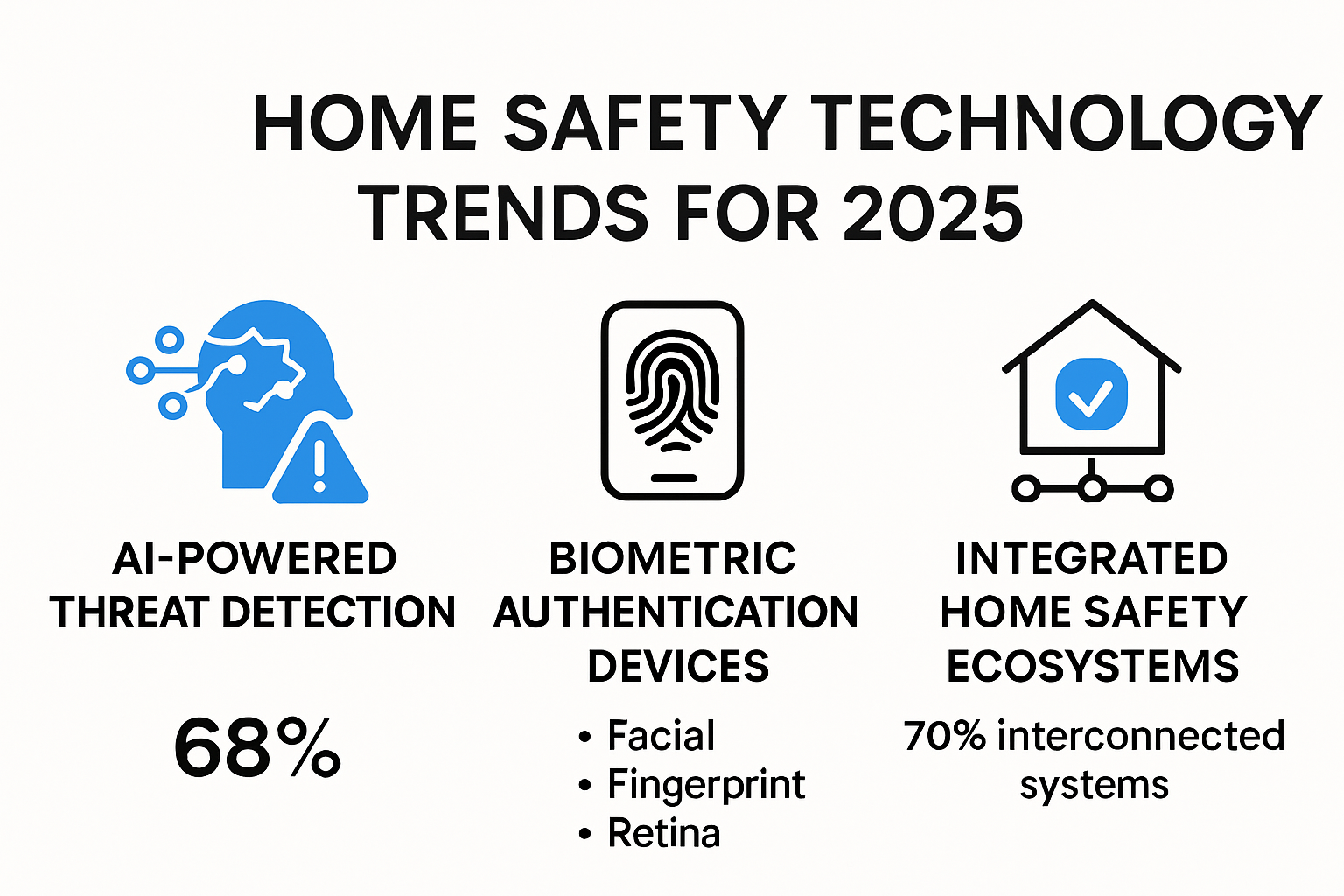
Home safety technology is rapidly evolving, transforming how we protect our living spaces through intelligent and adaptive solutions. In 2025, emerging technologies are reshaping traditional security approaches by integrating advanced artificial intelligence, comprehensive sensor networks, and sophisticated threat detection mechanisms.
AI Powered Threat Detection Systems
The most significant advancement in home safety technology comes from artificial intelligence driven security platforms. According to Vector Security, AI systems in 2025 can now distinguish between genuine security threats and harmless activities with unprecedented accuracy. These intelligent systems utilize machine learning algorithms to analyze movement patterns, recognize specific individuals, and automatically respond to potential security risks.
Key features of these AI powered systems include:
- Real Time Threat Analysis: Instant identification and categorization of potential security breaches
- Adaptive Learning: Continuous improvement of threat detection capabilities
- Automated Response Mechanisms: Immediate actions like door locking or alarm activation
Biometric and Smart Authentication Technologies
Securing home access has transformed dramatically with advanced biometric technologies. Eco Smart Home Pros highlights that 2025’s home safety solutions now incorporate facial recognition doorbells, fingerprint smart locks, and sophisticated authentication protocols that go far beyond traditional key and password systems.
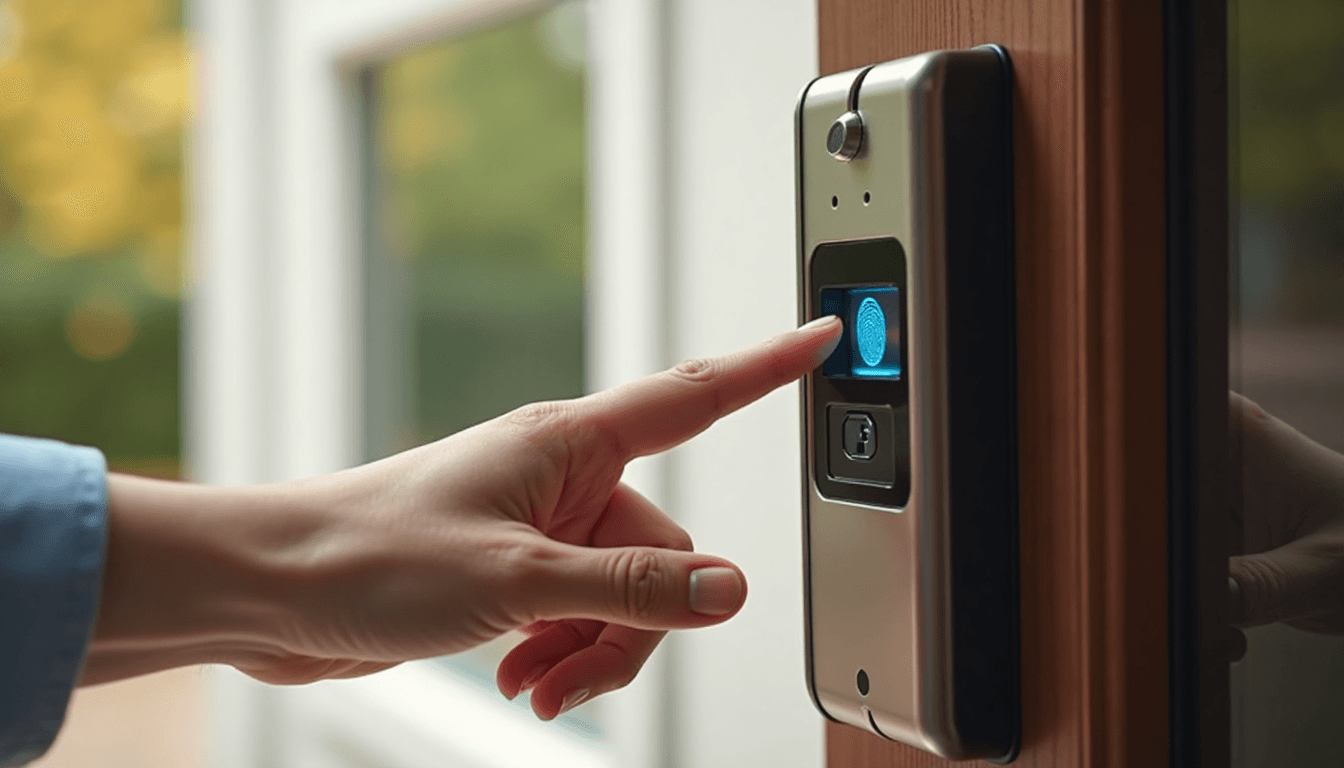
These technologies provide multilayered security by combining:
- Facial Recognition: Precise identification of authorized residents and visitors
- Encrypted Biometric Data: Secure storage and transmission of personal authentication information
- Remote Access Control: Comprehensive management of home entry points from mobile devices
Integrated Home Safety Ecosystems
Modern home safety is no longer about isolated security devices but comprehensive, interconnected systems. Osprey Life emphasizes that 2025’s home safety technologies create unified platforms where security, automation, and personal privacy converge seamlessly.
These integrated ecosystems enable homeowners to:
- Monitor multiple safety parameters simultaneously
- Receive instant notifications about potential risks
- Automate protective measures across different home zones
For more comprehensive insights into emergency preparedness, explore our guide on emergency response strategies.
Best Practices for Disaster-Ready Homes
Creating a disaster-ready home requires strategic planning, proactive measures, and comprehensive understanding of potential risks. In 2025, homeowners have access to advanced techniques and guidelines that transform residential spaces into resilient environments capable of withstanding various environmental challenges.
Structural Hardening and Resilience Strategies
Structural integrity forms the foundation of disaster preparedness. According to National Association of Insurance Commissioners, state insurance regulators are now incentivizing home-hardening techniques that significantly improve structural resistance against natural disasters.
Key structural hardening approaches include:
- Foundation Reinforcement: Strengthening building bases to resist earthquake and flood impacts
- Wind Resistant Modifications: Installing hurricane straps and impact-resistant windows
- Fire Barrier Implementation: Using non combustible materials and creating defensible spaces
Advanced Emergency Preparedness Systems
FEMA’s National Exercise Division recommends comprehensive emergency preparedness systems that go beyond traditional safety measures. These systems integrate technological solutions with practical planning to ensure rapid response and minimal disruption during potential disaster scenarios.
Critical components of these preparedness systems involve:
- Communication Infrastructure: Establishing reliable communication channels
- Emergency Supply Management: Maintaining strategically stocked emergency kits
- Evacuation Planning: Developing clear, practiced evacuation routes and protocols
Technology Enhanced Safety Protocols
Modern disaster-ready homes leverage cutting edge technologies to enhance safety and resilience. Integrated smart home systems now provide real time monitoring, automated emergency responses, and comprehensive risk assessment capabilities.
Technology enhanced safety features include:
- Automated Shutoff Mechanisms: Instant utility disconnection during potential hazards
- Environmental Sensors: Continuous monitoring of potential risks
- Remote Emergency Coordination: Seamless communication with emergency services
Learn more about comprehensive home safety strategies to protect your living environment effectively in an increasingly unpredictable world.
Insurance and Recovery Essentials for Families
Navigating insurance and recovery strategies has become increasingly complex for families facing potential disaster scenarios in 2025. Understanding comprehensive coverage, financial protection, and strategic recovery planning are critical components of comprehensive home safety preparedness.
Understanding Modern Homeowners Insurance Landscape
The homeowners insurance market has transformed dramatically, reflecting the increasing unpredictability of environmental risks. According to National Catastrophe Statistics, the national average premium in 2025 stands at $2,258 annually for $300,000 in dwelling coverage, with significant regional variations. These rates underscore the critical importance of tailored insurance strategies that address specific regional disaster risks.
Key considerations in selecting comprehensive coverage include:
- Risk-Specific Policies: Customized protection against local environmental threats
- Replacement Cost Coverage: Ensuring full reconstruction capabilities
- Additional Living Expense Protection: Supporting temporary relocation during home repairs
Financial Recovery and Claim Management Strategies
Schauer Insurance Group highlights that rising rebuilding costs due to inflation are dramatically impacting insurance recovery processes. Families must proactively manage their insurance portfolios, understanding that material and labor cost increases can significantly affect potential claim settlements.
Effective financial recovery strategies involve:
- Regular Policy Reviews: Annual reassessment of coverage limits
- Comprehensive Documentation: Maintaining detailed home inventory records
- Understanding Claim Processes: Preparing comprehensive documentation for potential claims
Holistic Recovery Planning
Modern disaster recovery extends beyond immediate financial compensation. Successful family recovery requires integrated approaches that address emotional, logistical, and financial challenges. Coordinating with insurance providers, understanding government assistance programs, and developing comprehensive contingency plans are essential components of effective recovery strategies.
Holistic recovery planning includes:
- Multi Agency Coordination: Engaging with insurance, government, and relief organizations
- Mental Health Support: Accessing counseling and psychological resources
- Phased Reconstruction Planning: Developing structured rebuilding approaches
Learn more about navigating disaster recovery phases to ensure your family remains resilient and prepared in challenging circumstances.
Collaborative Roles in Implementing Safety Upgrades
Implementing comprehensive home safety upgrades requires a sophisticated, multi stakeholder approach that goes beyond individual efforts. In 2025, successful safety improvements demand coordinated collaboration among homeowners, local governments, insurance providers, technology experts, and community organizations.
Stakeholder Coordination and Risk Assessment
Harvard Joint Center for Housing Studies emphasizes that collaborative efforts are critical in identifying and mitigating home safety risks. These partnerships enable a comprehensive approach to understanding local vulnerabilities and developing targeted safety strategies.
Effective stakeholder coordination involves:
- Comprehensive Risk Mapping: Identifying community specific environmental and structural risks
- Resource Pooling: Combining financial and technical resources
- Knowledge Sharing: Exchanging expertise across different professional domains
Technology and Implementation Strategies
SafeHome Security Research reports that over 13 million U.S. households will install new home alarm systems in 2025, with more than 50% of renters and homeowners considering security product investments. This trend underscores the importance of coordinated implementation strategies that balance technological innovation with practical accessibility.
Key implementation approaches include:
- Standardized Installation Protocols: Ensuring consistent quality across different settings
- Technology Integration: Creating seamless connections between various safety systems
- Affordability Initiatives: Developing financing mechanisms for safety upgrades
Community Based Safety Enhancement Programs
Hardwood Floors Magazine highlights the robust $600 billion remodeling market, which includes critical safety related improvements. Community based programs are emerging as powerful platforms for coordinating these upgrades, ensuring that safety enhancements reach diverse population segments.
Community safety enhancement strategies encompass:
- Grant and Funding Coordination: Identifying and distributing resources
- Training and Education: Providing workshops on safety implementation
- Inclusive Design Approaches: Ensuring upgrades meet diverse community needs
Explore our comprehensive guide to emergency preparedness to understand how collaborative approaches can transform community safety resilience.
Frequently Asked Questions
What are the latest trends in home safety technology for 2025?
Home safety technology in 2025 is focused on integrating artificial intelligence for threat detection, employing biometric authentication methods, and creating interconnected home safety ecosystems for enhanced monitoring and control.
How can I make my home disaster-ready?
To make your home disaster-ready, consider implementing structural hardening strategies, developing advanced emergency preparedness systems, and leveraging technology-enhanced safety protocols for real-time monitoring and response.
What should I know about homeowners insurance in 2025?
In 2025, it’s crucial to choose risk-specific homeowners insurance policies that provide comprehensive coverage against local environmental threats and replace costs to ensure adequate protection during unforeseen events.
How can communities improve home safety collaboratively?
Communities can enhance home safety collaboratively by coordinating funding, training, and inclusive design through community-based safety enhancement programs, ensuring that safety upgrades reach all segments of the population.
Ready to Turn Home Safety Insights Into Real Protection?
The path to a safer home in 2025 is clearer than ever—but it takes more than technology alone to truly secure your peace of mind. As highlighted in this article, homeowners face the challenge of adapting to advanced safety systems, staying prepared for disaster, and ensuring every update truly protects what matters most. Facing the reality of potential disasters can feel overwhelming, but you do not have to go through it alone. Our team at Disaster Victim Services stands ready to bridge the gap when an emergency disrupts your life.
Whether you are looking for support with urgent repairs, full-scale renovations, or expert guidance to make the most of new safety tech, explore our Remodeling and Renovation solutions. Take the first step to put safety knowledge into action—connect with us now for compassionate recovery guidance and immediate housing support if disaster strikes.
Recommended Articles
- Essential Emergency Preparedness Tips for 2025: A Guide for All – Disaster Victim Services | Helping You Recover After Disaster
- Home Safety Tips 2025: Essential Guide for Disaster Recovery – Disaster Victim Services | Helping You Recover After Disaster
- emergency preparedness tips – Disaster Victim Services | Helping You Recover After Disaster