
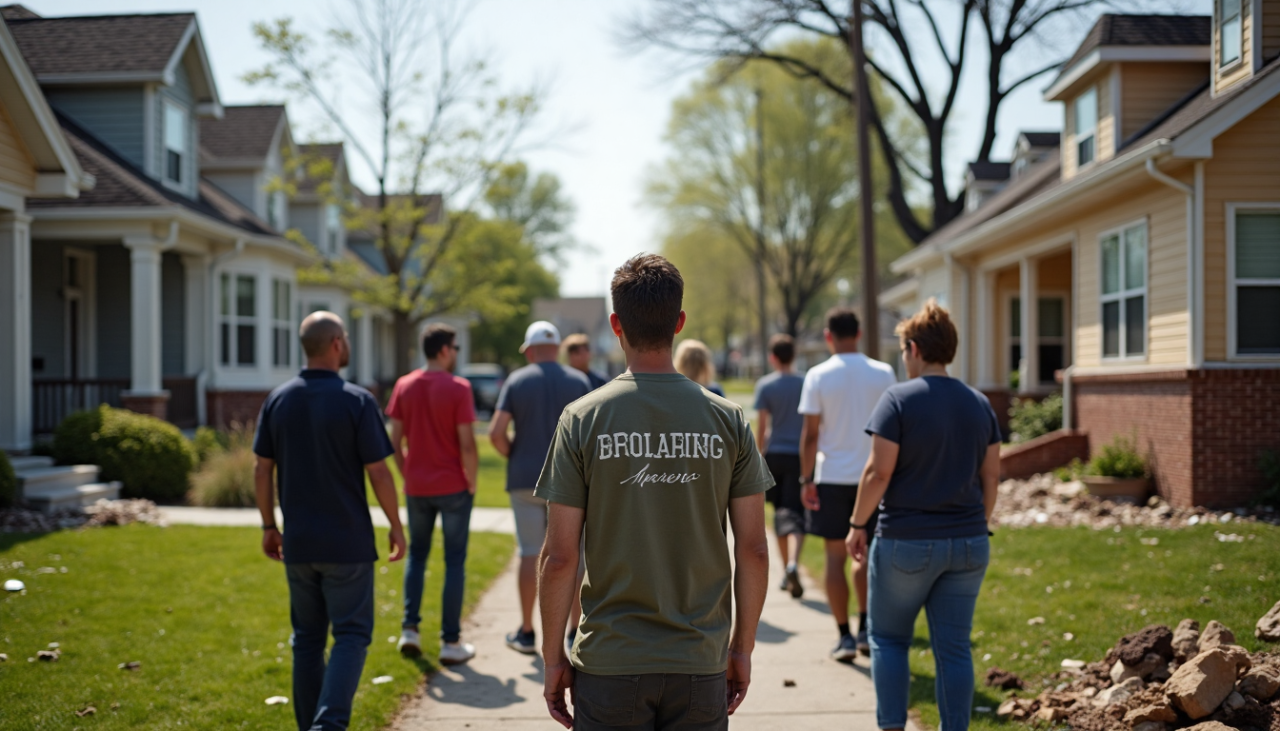
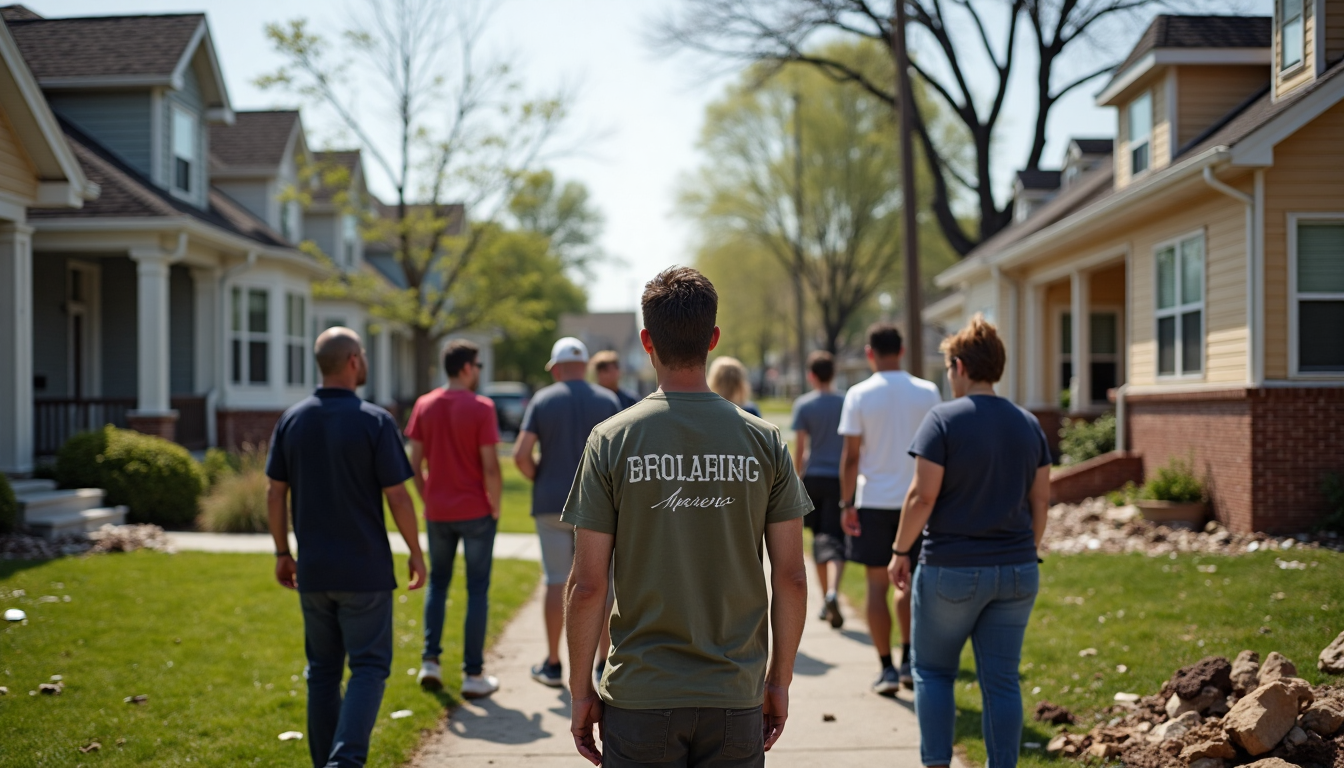
Disaster recovery sounds like a massive operation reserved for far-off emergencies, but the reality strikes closer to home than most people expect. Here is a number that might surprise you. Nearly 60 percent of Americans live in areas with a high risk of natural disasters. Most think a recovery plan is all about rebuilding houses and fixing roads, but the real power is in what happens in the days and weeks right after disaster strikes. The truth is, a community’s long-term future usually hinges on how well it navigates the first few phases of recovery—not just the end result.
Table of Contents
- Understanding The Three Main Disaster Recovery Phases
- Steps For Families And Disaster Victims After A Crisis
- Roles Of Insurance, Responders, And Contractors In Recovery
- Tips For Effective Recovery And Reducing Future Risk
Quick Summary
| Takeaway | Explanation |
|---|---|
| Short-Term Recovery Focus | Immediate actions are critical; prioritizing safety, restoring vital services, and providing emergency support are essential for victims. |
| Mental Health Support | Recovery includes addressing emotional needs; professional counseling and support systems are vital for trauma processing. |
| Role of Key Stakeholders | Insurance providers, emergency responders, and construction contractors must work collaboratively to ensure effective recovery efforts. |
| Importance of Planning | Proactive disaster preparation involves comprehensive risk assessments and strategic planning to enhance community resilience and reduce future risks. |
| Leveraging Technology | Advanced technologies improve recovery strategies, from damage assessments to resource allocation, thereby enhancing overall recovery efficiency. |
Understanding the Three Main Disaster Recovery Phases
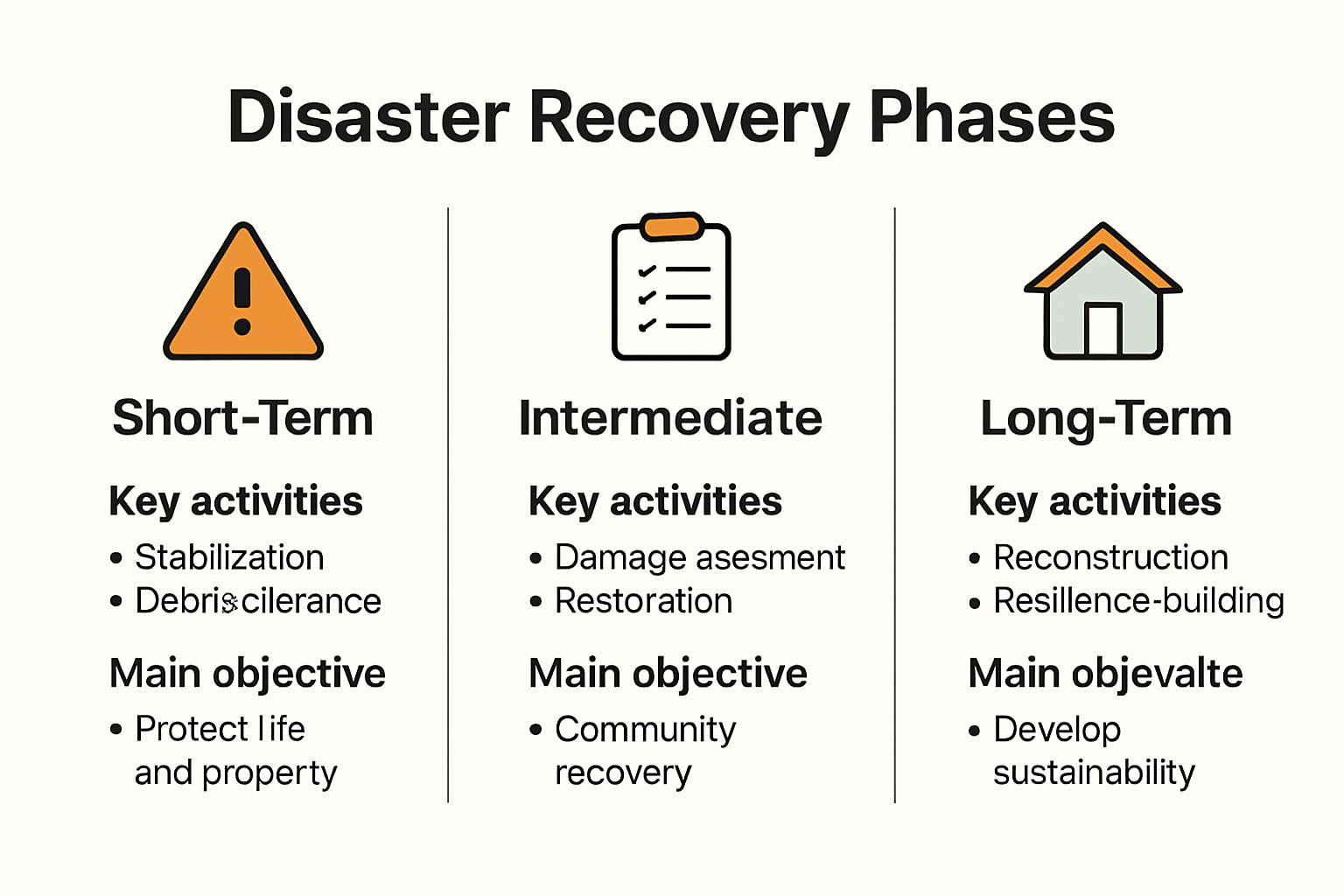
Disaster recovery is a complex process that transforms chaos into rebuilding. The journey from immediate crisis to full community restoration follows three critical phases, each designed to progressively restore normalcy and resilience. Understanding these disaster recovery phases helps victims, professionals, and agencies navigate the challenging path of reconstruction more effectively.
Short-Term Recovery: Immediate Stabilization and Essential Needs
In the immediate aftermath of a disaster, short-term recovery kicks into high gear. This phase focuses on preventing further damage and addressing urgent human needs. According to FEMA’s National Preparedness Framework, the primary objectives include restoring critical lifelines such as electricity, water, communication systems, and emergency medical services.
Victims during this phase require immediate support. Emergency shelters, food distribution, medical care, and temporary housing become paramount. Government agencies, relief organizations, and first responders work in synchronized efforts to assess damage, rescue survivors, and provide critical infrastructure support. Our home safety guide offers additional insights into navigating these initial challenging days.
Intermediate Recovery: Stabilization and Community Restoration
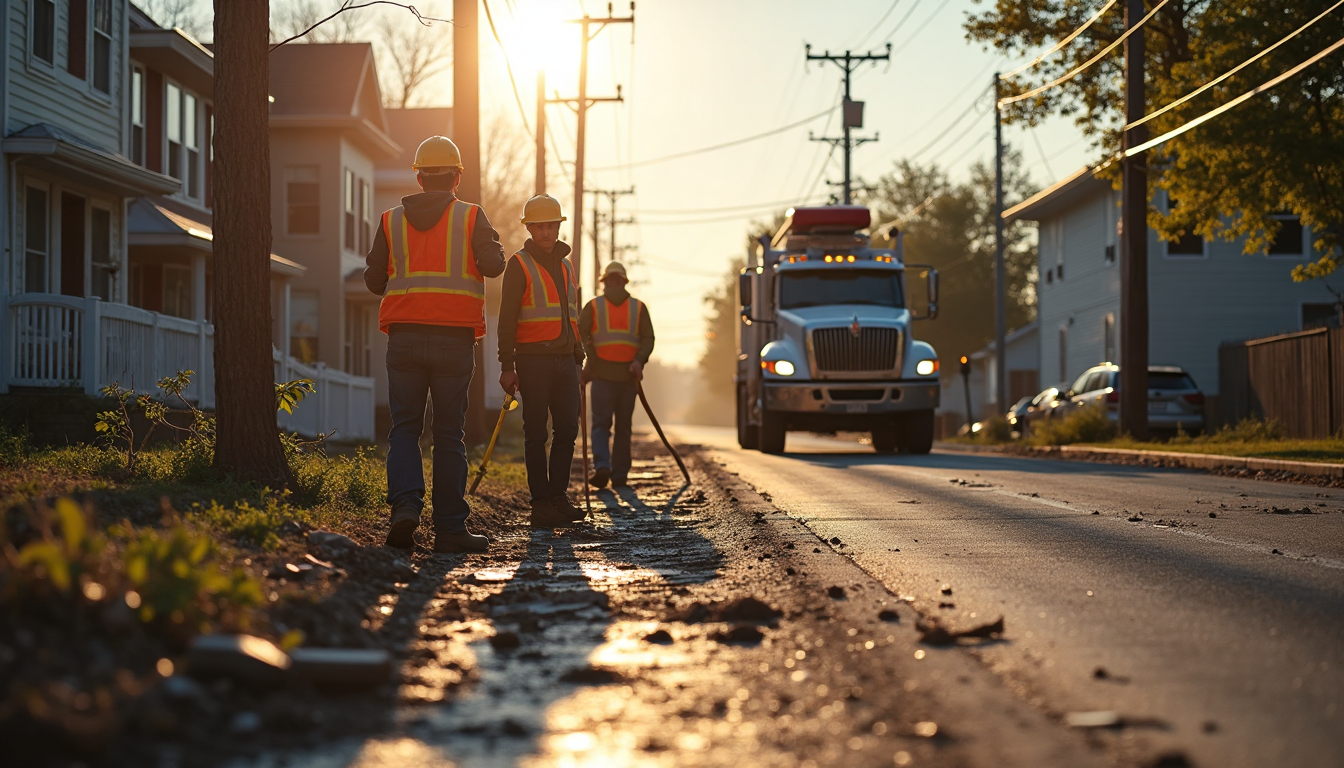
As immediate emergencies subside, intermediate recovery begins. This phase bridges the gap between crisis management and long-term rebuilding. According to the Department of Homeland Security, this stage involves comprehensive damage assessment, strategic planning, and initial reconstruction efforts.
Key activities include debris removal, temporary infrastructure repairs, and initiating insurance claims. Community leaders, local governments, and disaster recovery professionals collaborate to develop strategic rebuilding plans. Mental health support becomes crucial during this phase, helping survivors process trauma and begin emotional recovery alongside physical reconstruction.
Long-Term Recovery: Comprehensive Rebuilding and Resilience
The final and most extensive phase focuses on complete community restoration. This stage goes beyond physical reconstruction, addressing social, economic, and environmental systems. Long-term recovery aims to not just rebuild what was lost, but to create more resilient infrastructure and community structures.
This phase involves comprehensive urban planning, economic revitalization, housing reconstruction, and implementing mitigation strategies to reduce future disaster risks. Funding from government agencies, nonprofit organizations, and community grants plays a critical role in supporting these extensive rebuilding efforts.
Understanding these disaster recovery phases helps all stakeholders approach post-disaster scenarios with clarity, compassion, and strategic planning. While each phase presents unique challenges, a coordinated, systematic approach ensures communities can effectively transition from crisis to recovery.
Steps for Families and Disaster Victims After a Crisis
When disaster strikes, survivors face an overwhelming journey of recovery that demands strategic actions and emotional resilience. The moments and days following a crisis are critical for establishing a foundation for healing and rebuilding. Navigating this challenging period requires understanding key steps that protect physical safety, financial stability, and mental well-being.
Immediate Safety and Documentation
The first priority after a disaster is ensuring personal safety and preserving critical documentation. Survivors must quickly assess their immediate environment for potential hazards and secure temporary shelter. This means checking for structural damage, electrical risks, and potential health threats. Accessing emergency aid resources becomes paramount during these initial hours.
Critical documentation represents your lifeline to recovery. Gather and protect important documents such as identification, insurance policies, medical records, and property deeds. Create digital backups by photographing or scanning these documents and storing them securely in cloud storage or with trusted family members. According to the National Disaster Recovery Framework, comprehensive documentation expedites assistance and insurance claims processes.
Financial Protection and Support Systems
Financial stability becomes a crucial concern in disaster recovery. Families should immediately contact their insurance providers to initiate claims processes. Document all disaster related expenses, including emergency accommodations, medical treatments, and property damages. Many insurance policies cover additional living expenses during displacement.
Reach out to support networks including family, friends, employers, and community organizations. Many employers offer disaster relief support or flexible work arrangements. Government agencies and nonprofit organizations frequently provide emergency financial assistance, temporary housing, and recovery grants. Maintaining open communication with these support systems can significantly reduce financial strain during recovery.
Mental Health and Long-Term Recovery Strategy
Disaster recovery extends beyond physical and financial restoration. Mental health support is crucial for survivors processing trauma and stress. Professional counseling, support groups, and community resources can help individuals and families develop coping strategies. The emotional impact of displacement and loss requires compassionate, structured approaches to healing.
Develop a comprehensive recovery strategy that includes both immediate needs and long-term goals. This involves creating a detailed recovery timeline, identifying potential relocation options, understanding insurance and government aid processes, and establishing a support network. Proactive planning helps transform overwhelming challenges into manageable steps toward restoration.
Recovery is not a linear process. Each family’s journey will be unique, requiring patience, resilience, and adaptability. By focusing on immediate safety, protecting critical documentation, securing financial support, and prioritizing mental health, disaster victims can navigate this challenging transition with strength and hope.
Roles of Insurance, Responders, and Contractors in Recovery
Disaster recovery demands a complex, collaborative approach where insurance providers, emergency responders, and reconstruction contractors work in synchronized efforts to help communities rebuild. Each stakeholder plays a critical and interconnected role in transforming disaster zones into resilient spaces of restoration and hope.
Insurance Providers: Financial Lifelines and Recovery Catalysts
Insurance companies serve as the financial backbone of disaster recovery. They provide critical monetary resources that enable victims to restart their lives after catastrophic events. According to the Department of Homeland Security, these organizations process claims, assess damages, and provide funding that accelerates community recovery.
Modern insurance strategies go beyond traditional claim settlements. Providers now offer comprehensive support including temporary housing assistance, emergency fund allocations, and expedited claim processing. Some insurers are developing innovative approaches like rapid damage assessment technologies and digital claim submission platforms. Learn more about coordinating disaster response to understand how these systems integrate.
Emergency Responders: First Line of Community Stabilization
Emergency responders represent the critical first line of defense in disaster scenarios. Firefighters, paramedics, search and rescue teams, and government agency personnel work tirelessly to save lives, prevent further damage, and establish initial recovery infrastructure. Their responsibilities extend far beyond immediate rescue operations.
Their strategic roles include conducting comprehensive damage assessments, establishing emergency communication networks, coordinating multi-agency rescue efforts, and providing initial medical and psychological support. These professionals create the foundational framework that enables subsequent recovery phases. By quickly stabilizing affected areas, they significantly reduce long-term community disruption and economic impact.
Reconstruction Contractors: Rebuilding Community Infrastructure
Reconstruction contractors transform damage assessment reports and insurance approvals into tangible community rebuilding. These professionals specialize in repairing infrastructure, reconstructing residential and commercial properties, and implementing resilience-focused design strategies that minimize future disaster risks.
Modern contractors utilize advanced technologies like drone surveying, 3D modeling, and predictive damage analysis to create more efficient and precise reconstruction plans. They collaborate closely with insurance providers, local governments, and community leaders to ensure rebuilding efforts meet both immediate needs and long-term community development goals.
The success of disaster recovery hinges on the seamless coordination between these key stakeholders. Insurance providers supply financial resources, emergency responders establish initial stability, and reconstruction contractors transform recovery plans into rebuilt environments. Their collective expertise and synchronized efforts determine how quickly and effectively communities can transition from crisis to renewed hope.
By understanding and appreciating the unique contributions of each group, disaster victims can navigate recovery with greater confidence, knowing that a comprehensive support network stands ready to help them rebuild their lives and communities.
Tips for Effective Recovery and Reducing Future Risk
Effective disaster recovery extends beyond immediate restoration. It requires strategic planning, proactive risk mitigation, and a comprehensive approach to building community resilience. By implementing smart strategies, communities and individuals can significantly reduce vulnerability and create more robust systems for future challenges.
Early Planning and Comprehensive Risk Assessment
Successful recovery begins long before a disaster strikes. According to NOAA’s Coastal Recovery Framework, establishing a comprehensive disaster recovery framework is critical for expediting restoration and protecting public safety. This involves conducting thorough risk assessments that identify potential vulnerabilities in infrastructure, communication systems, and community resources.
Risk assessment should include detailed mapping of potential hazard zones, understanding historical disaster patterns, and developing scenario-based response plans. Communities must engage multidisciplinary teams including urban planners, emergency management professionals, environmental experts, and local government officials. By creating adaptive strategies that anticipate various disaster scenarios, regions can develop more resilient recovery mechanisms.
Technology and Data-Driven Recovery Strategies
Modern disaster recovery leverages advanced technologies to enhance preparedness and response capabilities. Geographic Information Systems (GIS), predictive analytics, and real-time data collection enable more precise damage assessment and resource allocation. FEMA’s National Disaster Recovery Framework emphasizes the importance of early coordination and information sharing between response and recovery officials.
Emergent technologies like drone surveying, artificial intelligence-powered damage assessment, and blockchain-based resource tracking are transforming recovery approaches. These tools enable faster, more accurate documentation of disaster impacts, streamline insurance claims, and facilitate more efficient resource distribution. Communities that invest in technological infrastructure can significantly reduce recovery timelines and improve overall response effectiveness.
Building Public-Private Partnerships and Community Resilience
Resilience is a collaborative effort that requires strong partnerships between government agencies, private sector organizations, and community stakeholders. According to FEMA’s Restoration and Recovery Guide, establishing robust public-private task forces can identify actionable strategies for long-term recovery and risk reduction.
These partnerships should focus on holistic approaches that address not just physical infrastructure but also economic stability, mental health support, and community cohesion. Training programs, community workshops, and collaborative planning sessions can help build collective preparedness. By fostering a culture of shared responsibility and continuous learning, communities can develop adaptive mechanisms that transform potential vulnerabilities into strengths.
Reducing future disaster risks requires a multifaceted approach that combines strategic planning, technological innovation, and collaborative community engagement. By viewing recovery not as a temporary response but as an opportunity for systematic improvement, communities can build more resilient, adaptive systems that can withstand and quickly recover from future challenges.
Frequently Asked Questions
What are the main phases of disaster recovery?
Disaster recovery consists of three main phases: Short-Term Recovery, which focuses on immediate stabilization and essential needs; Intermediate Recovery, aimed at stabilization and community restoration; and Long-Term Recovery, which encompasses comprehensive rebuilding and resilience efforts.
How can families ensure their safety immediately after a disaster?
Families should assess their environment for hazards, secure temporary shelter, and gather essential documents like identification and insurance policies. It’s crucial to seek emergency aid and protect critical documentation to speed up recovery processes.
What role do insurance providers play in disaster recovery?
Insurance providers are vital in disaster recovery, serving as financial lifelines for victims. They process claims, assess damages, and offer funding for immediate needs, helping to accelerate community rebuilding efforts.
Why is mental health support important in disaster recovery?
Mental health support is essential as survivors process trauma and stress after a disaster. Professional counseling and community resources can provide coping strategies, essential for long-term recovery and emotional well-being.
Bridge the Gap from Uncertainty to Recovery—Start Your Journey Today
Facing the aftermath of disaster can feel overwhelming, especially as you move through the urgent phases of recovery outlined in this guide. Unanswered questions about safety, reliable temporary housing, and managing insurance claims may leave you feeling vulnerable and alone. At DisasterVictimServices.com, we specialize in removing that uncertainty. Your first steps matter most—immediate stabilization, finding secure shelter, and reestablishing communication with experts is where our compassionate team shines.
If you need quick solutions to find new housing or support during critical rebuilding, our New Project Assistance page gives you direct access to experienced help. We act fast, coordinating with adjusters and contractors, so you never have to navigate the process alone. Discover how our Project Design Solutions can streamline your recovery, ensuring every detail is handled by professionals who care. Do not wait for confusion or paperwork delays to add to your stress. Visit DisasterVictimServices.com now to connect with experts trusted by victims and agencies nationwide. Your path to restoration starts in moments—not months.
Recommended Articles
- Home Safety Tips 2025: Essential Guide for Disaster Recovery – Disaster Victim Services | Helping You Recover After Disaster
- How to Access Aid in 2025: A Guide for Disaster Victims and Responders – Disaster Victim Services | Helping You Recover After Disaster
- How to Coordinate Response in Disasters: A Guide for 2025 – Disaster Victim Services | Helping You Recover After Disaster