
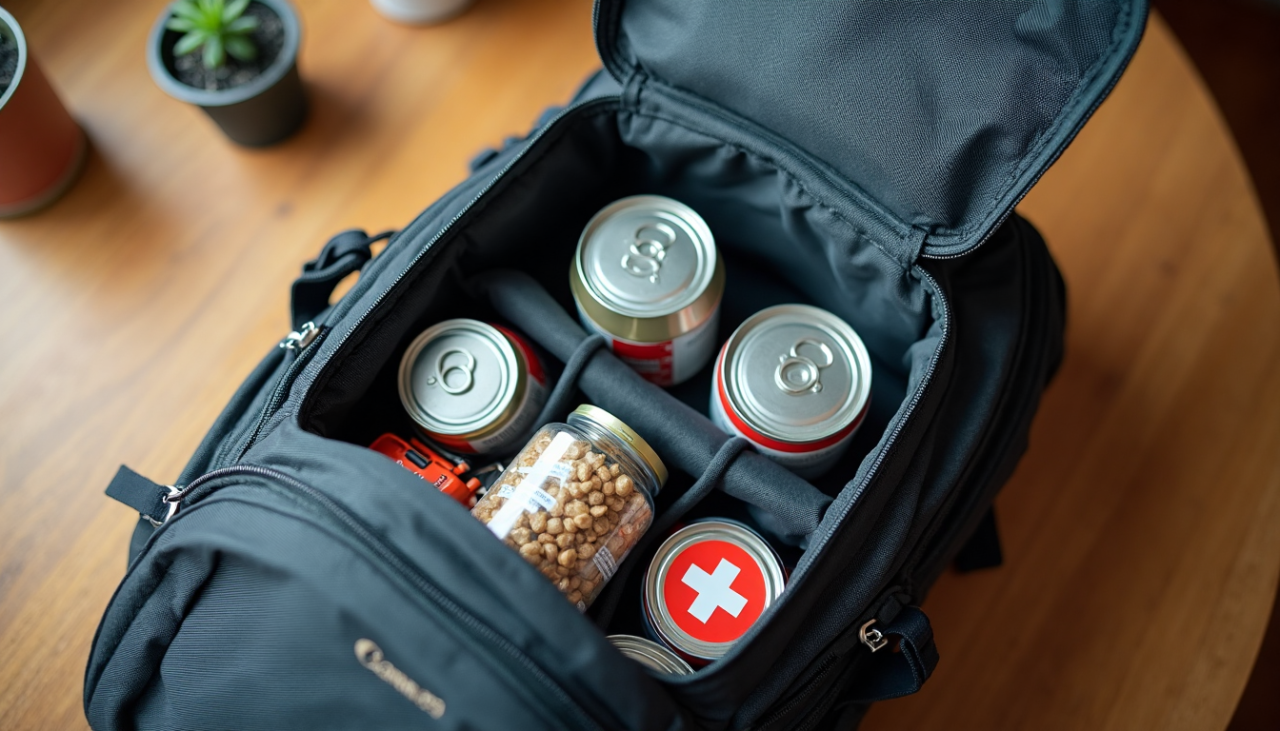
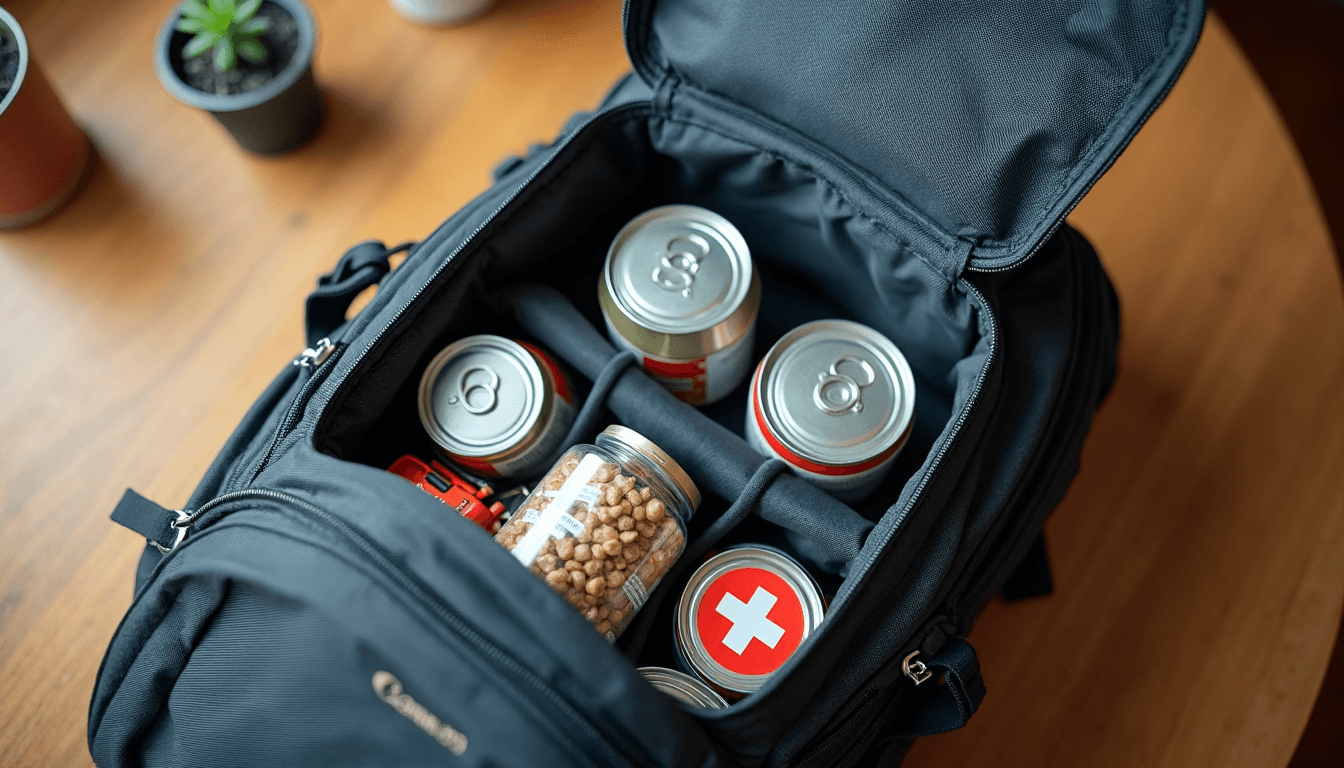
Packing an emergency kit can feel like a guessing game, but the stakes are higher than most realize. Most people overload bags with gadgets and snacks, but emergencies favor careful planning over panic buying. Here’s what may stop you cold. The American Red Cross recommends at least one gallon of water per person per day for three days, which is far more than most folks imagine. What really matters isn’t just having supplies, but picking a bag that keeps everything dry, organized and light enough to carry when it counts. Choosing right could mean the difference between scrambling and surviving, and the smallest details make the biggest difference.
Table of Contents
- Choosing The Right Emergency Bag And Supplies
- Step-By-Step Packing Checklist For All Needs
- Special Considerations For Families And Responders
- Maintaining And Updating Your Emergency Kit
Quick Summary
| Takeaway | Explanation |
|---|---|
| Choose the Right Emergency Bag | Select a durable, waterproof bag between 30-50 liters for optimal capacity and portability. Comfort and easy organization are essential for effective packing. |
| Stock Essential Supplies | Ensure your kit includes vital items such as water, food, first aid supplies, communication devices, and personal hygiene products tailored to meet individual medical needs and family dynamics. |
| Regularly Maintain and Update Your Kit | Conduct biannual reviews to check for expired items, assess functionality, and update supplies based on changing family needs or advancements in emergency technology. |
Choosing the Right Emergency Bag and Supplies
When disaster strikes, your emergency kit becomes your lifeline. Selecting the right bag and supplies can mean the difference between survival and vulnerability during critical moments of crisis. The goal is to create a portable, durable, and comprehensive emergency kit that meets your specific needs while remaining lightweight and easily transportable.
Selecting the Ideal Emergency Bag
Your emergency bag is more than just a container. It’s a critical survival tool that must withstand challenging conditions while protecting your essential supplies. Look for bags with specific characteristics that enhance durability and functionality. Waterproof or water-resistant materials are crucial, as they protect your supplies from moisture and potential environmental damage. Tactical backpacks or specialized emergency bags offer robust construction with multiple compartments for organized storage.
Size matters significantly. Aim for a bag between 30-50 liters that balances capacity with portability. The bag should be comfortable to carry, with padded shoulder straps and a design that distributes weight evenly. Consider bags with external attachment points for additional gear, molle systems that allow modular expansion, and multiple compartments for strategic organization.
Critical Supplies for Comprehensive Preparedness
According to the Red Cross emergency preparedness guidelines, a well-stocked emergency kit should include specific essential items. The ADA National Network recommends a comprehensive approach to emergency supply selection.
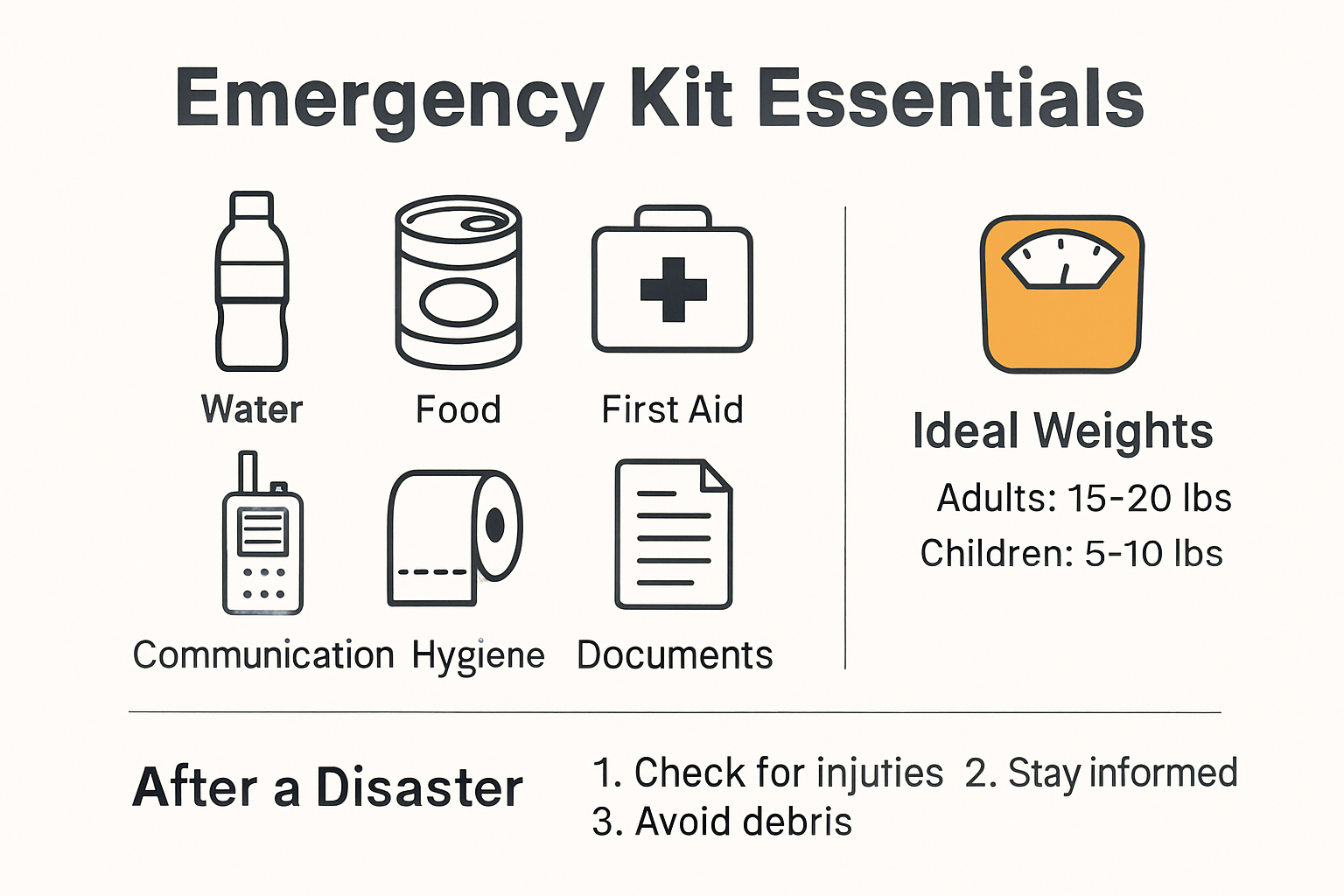
Key supplies should include:
- Water: Minimum one gallon per person per day for at least three days
- Non-perishable Food: High-calorie, nutrient-dense options with long shelf life
- First Aid Kit: Comprehensive medical supplies for immediate treatment
- Communication Devices: Battery-powered or hand-crank radio, extra batteries
- Personal Documents: Copies of identification, insurance papers, medical records
- Medications: Prescription medications, over-the-counter pain relievers
- Personal Hygiene Items: Sanitation supplies, wet wipes, hand sanitizer
Special considerations include individual medical needs, family composition, and potential regional disaster risks. For more comprehensive planning, check out our disaster preparedness checklist to ensure you haven’t overlooked critical details.
Weight management is crucial. Aim to keep your emergency kit under 20% of your body weight for optimal mobility. Regularly rotate perishable items, check expiration dates, and update your kit annually to maintain its effectiveness. Remember, a well-prepared emergency kit is not just about having supplies but having the right supplies organized strategically for quick access during high-stress situations.
Step-by-Step Packing Checklist for All Needs
Building a comprehensive emergency kit requires strategic planning and methodical organization. Team Rubicon’s emergency preparedness experts emphasize the importance of a systematic approach to packing that ensures you are prepared for multiple disaster scenarios.
Categorizing Your Emergency Supplies
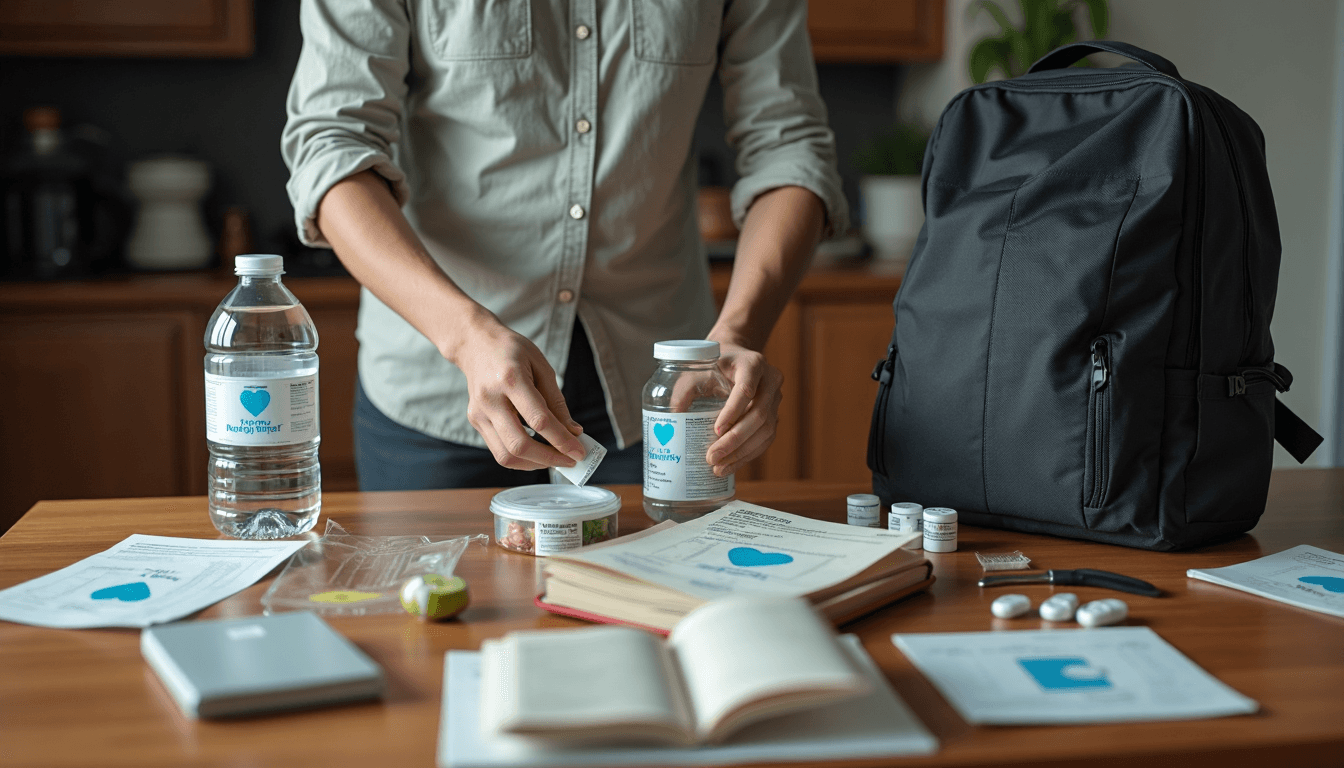
Effective emergency kit preparation begins with categorizing supplies into critical zones of need. This method helps you systematically address essential survival requirements while preventing duplicate items and unnecessary weight. Break down your supplies into five primary categories: survival essentials, medical needs, communication and documentation, personal care, and specialized emergency tools.
Survival essentials include water, non-perishable food, and basic shelter protection. Medical needs encompass first aid supplies, prescription medications, and critical health support items. Communication and documentation involve important papers, identification, emergency contact information, and communication devices. Personal care supplies address hygiene and comfort. Specialized emergency tools include multi-purpose equipment that can serve multiple functions during crisis situations.
Detailed Packing Strategy
According to the American Red Cross emergency preparedness guidelines, packing requires careful consideration of weight, accessibility, and comprehensive coverage. Organize your supplies using these strategic principles:
- Waterproof Containers: Use sealed, waterproof bags or containers for each category of supplies
- Weight Distribution: Pack heavier items at the bottom of your bag
- Accessibility: Place frequently needed items in outer, easily reached compartments
- Rotation Schedule: Create a system for regularly checking and replacing perishable items
Prioritize compact, multi-functional items that serve multiple purposes. A manual can opener, for instance, takes minimal space but provides critical food access. Similarly, choose compact first aid supplies that cover the most likely medical emergencies without unnecessary bulk.
Include a detailed inventory list inside your emergency kit, documenting every item and its expiration date. Our comprehensive disaster preparedness checklist can help you develop a thorough tracking system.
Remember that an emergency kit is a living document of preparedness. It should evolve with your personal circumstances, family composition, and potential regional disaster risks. Conduct a thorough review and update of your kit every six months, replacing expired items and reassessing your specific needs.
The final test of your emergency kit is not just its contents but your familiarity with those contents. Practice opening and using your supplies periodically. Family members should know the kit’s location and understand basic emergency protocols. Preparedness is not just about having supplies but knowing how to use them effectively during high-stress situations.
Special Considerations for Families and Responders
Emergency preparedness demands unique strategies for families and first responders, each with distinct challenges and specialized needs. Understanding these nuanced requirements can dramatically improve survival outcomes and response effectiveness during critical disaster scenarios.
Family Emergency Kit Essentials
Families require more complex emergency planning that goes beyond standard individual preparedness. Healthy Children’s emergency preparedness guidelines recommend specific considerations for household emergency kits. Parents must account for varying age-related needs, including infant supplies, special dietary requirements, and medications unique to each family member.
Key family-specific emergency kit components include:
- Infant Supplies: Formula, bottles, diapers, baby wipes
- Child-Specific Medications: Age-appropriate pain relievers, prescription medications
- Comfort Items: Small toys, blankets to reduce stress for children
- Special Needs Documentation: Medical records, allergy information
- Extended Medication Supply: Minimum two-week prescription medication reserve
Specialized Preparedness for Emergency Responders
First responders require a fundamentally different approach to emergency preparedness. Their kits must support complex operational needs while maintaining personal survival capabilities. Our emergency response basics guide highlights the critical importance of versatile, mission-focused equipment.
Responder-specific emergency kit requirements include:
- Professional Communication Gear: Redundant communication devices
- Advanced First Aid Supplies: Trauma-level medical equipment
- Protective Personal Equipment: Enhanced safety gear
- Operational Documentation: Mission protocols, emergency contact networks
- Survival Multi-Tools: Equipment supporting varied rescue scenarios
The California Department of Public Health emphasizes the importance of comprehensive communication and shelter strategies for both families and responders. Developing clear communication protocols and understanding potential shelter scenarios can significantly enhance overall emergency readiness.
Unique considerations for different scenarios require adaptive thinking. Families with members having chronic medical conditions, individuals with disabilities, or those in remote locations need customized emergency planning. Responders must prepare for rapidly changing environmental conditions and potential extended deployment scenarios.
Regular training, kit review, and scenario-based preparedness drills are essential. Families should conduct periodic emergency preparedness discussions, ensuring all members understand evacuation routes, communication plans, and individual responsibilities. Responders must continuously update their skills and equipment to match evolving disaster response technologies and methodologies.
Remember that emergency preparedness is not a one-time activity but an ongoing commitment to safety and readiness. Your emergency kit should be a living document, regularly updated to reflect changing family dynamics, health conditions, and potential disaster risks.
Maintaining and Updating Your Emergency Kit
An emergency kit is not a static collection but a dynamic resource that requires consistent attention and strategic maintenance. The CDC’s emergency preparedness guidelines emphasize the critical importance of regular review and updates to ensure your kit remains effective and reliable during potential disaster scenarios.
Systematic Review and Rotation Protocols
Establishing a rigorous maintenance schedule is fundamental to keeping your emergency kit functional. Implement a comprehensive biannual review process that systematically evaluates every component of your kit. This involves more than simply checking expiration dates it requires a holistic assessment of your current emergency preparedness needs.
Key review components should include:
- Inventory Assessment: Detailed documentation of all kit contents
- Expiration Tracking: Comprehensive review of food, medication, and medical supply dates
- Functionality Check: Testing electronic devices, checking battery conditions
- Relevance Evaluation: Assessing whether current supplies match current family or personal needs
Technology and Supply Modernization
Emergency preparedness technology evolves rapidly, and your kit should reflect these advancements. Our essential emergency preparedness guide highlights the importance of staying current with emerging disaster response technologies.
Consider upgrading or replacing items such as:
- Communication Devices: Latest emergency radios with enhanced signal capabilities
- Power Solutions: Portable solar chargers, high-capacity battery banks
- Water Purification: Advanced filtration systems with longer operational lifespans
- First Aid Technology: Updated medical equipment with improved effectiveness
Life changes necessitate emergency kit adaptations. Marriage, childbirth, medical diagnoses, or changes in family composition all warrant comprehensive kit reassessment. Your emergency preparedness strategy must remain as dynamic as your personal circumstances.
Document every update meticulously. Create a digital and physical log tracking kit modifications, replacement dates, and potential improvements. This documentation serves multiple purposes: it helps you track expenses, provides a clear upgrade history, and ensures systematic maintenance.
Consider setting digital reminders on your smartphone or computer to prompt kit reviews. Many emergency management experts recommend aligning these reviews with predictable seasonal changes or personal milestones like birthdays or annual medical check-ups.
Remember that emergency preparedness is an ongoing commitment. Your kit is more than a collection of supplies it represents your family’s potential lifeline during unexpected crisis scenarios. Approach its maintenance with the same diligence you would apply to any critical personal insurance policy.
Ultimately, a well-maintained emergency kit reflects not just preparedness, but a proactive approach to personal and family safety. Regular updates transform your kit from a static collection of items into a dynamic, responsive survival resource.
Frequently Asked Questions
What should I include in my emergency kit?
A well-stocked emergency kit should include at least one gallon of water per person per day for three days, non-perishable food, a first aid kit, communication devices like a battery-powered radio, and personal hygiene items.
How do I choose the right bag for my emergency kit?
Select a durable, waterproof bag between 30-50 liters that is comfortable to carry, features padded shoulder straps, and offers multiple compartments for organized storage.
How often should I update my emergency kit?
It is recommended to review and update your emergency kit every six months. This includes checking expiration dates on food and medications and assessing whether supplies still meet your family’s needs.
What special considerations should families take when packing an emergency kit?
Families should consider age-related needs, including infant supplies, child-specific medications, and comfort items for children. It’s essential to address specialized healthcare needs and maintain a minimum two-week supply of prescription medications.
Take the Next Step in Emergency Preparedness With Real Support
Packing your own emergency kit is crucial but an overwhelming disaster can leave even the most thorough plans feeling incomplete. The article explains how critical it is to have a well-packed kit and a clear strategy but the reality hits hard when displacement and uncertainty turn survival into a daily challenge. You want to keep your loved ones safe, stay organized, and feel ready for any crisis, yet knowing where to turn for immediate housing or expert help is often the missing link.
You do not have to face disaster recovery alone. When an emergency strikes, DisasterVictimServices.com provides more than just advice. Our team works around the clock to coordinate emergency housing and connect you directly with vital recovery resources. Whether you are seeking guidance while building your kit or you need rapid response after disaster hits, we are ready to help you transition from confusion to confidence.
- Want expert support in the middle of chaos? Visit DisasterVictimServices.com to access compassionate assistance and start your journey back to stability today.
Recommended Articles
- Disaster Preparedness Checklist 2025: Essential Guide for All Responders – Disaster Victim Services | Helping You Recover After Disaster
- First Aid Basics 2025: Essential Guide for Disaster Recovery Teams – Disaster Victim Services | Helping You Recover After Disaster
- Storm Preparedness Checklist 2025: Essential Guide for Disaster Relief – Disaster Victim Services | Helping You Recover After Disaster