
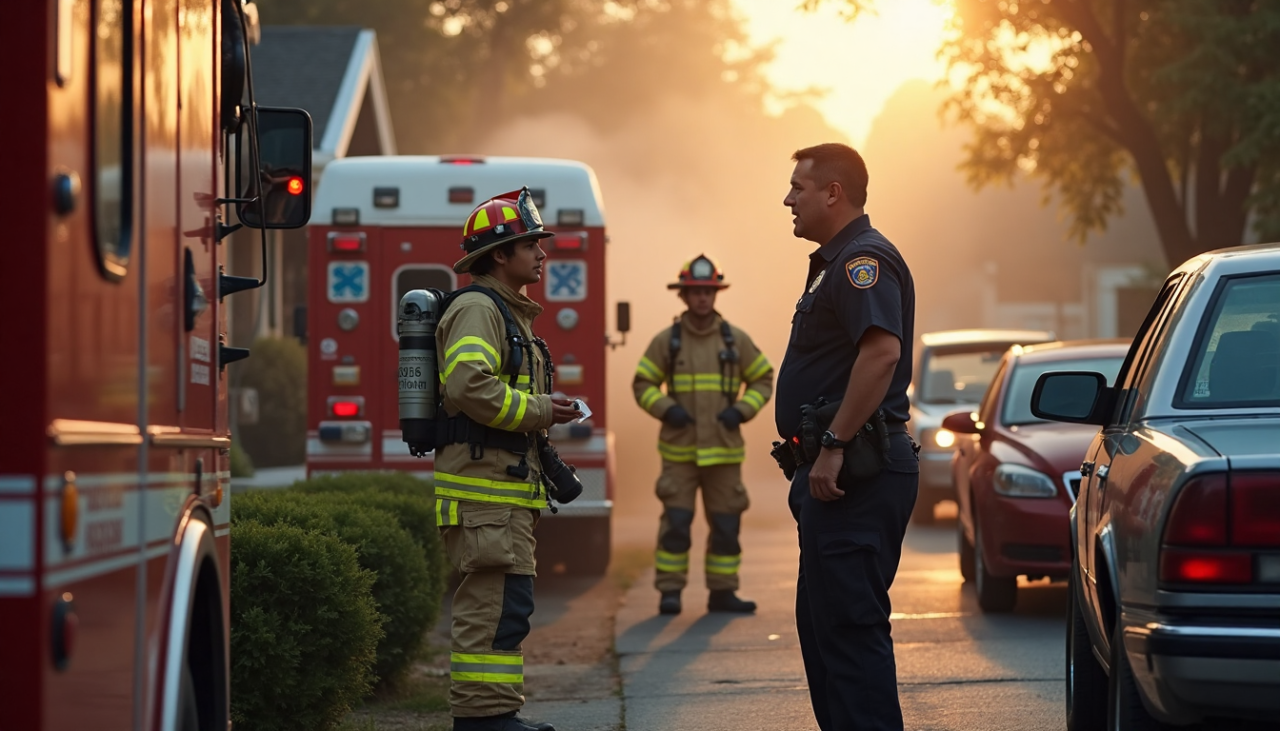
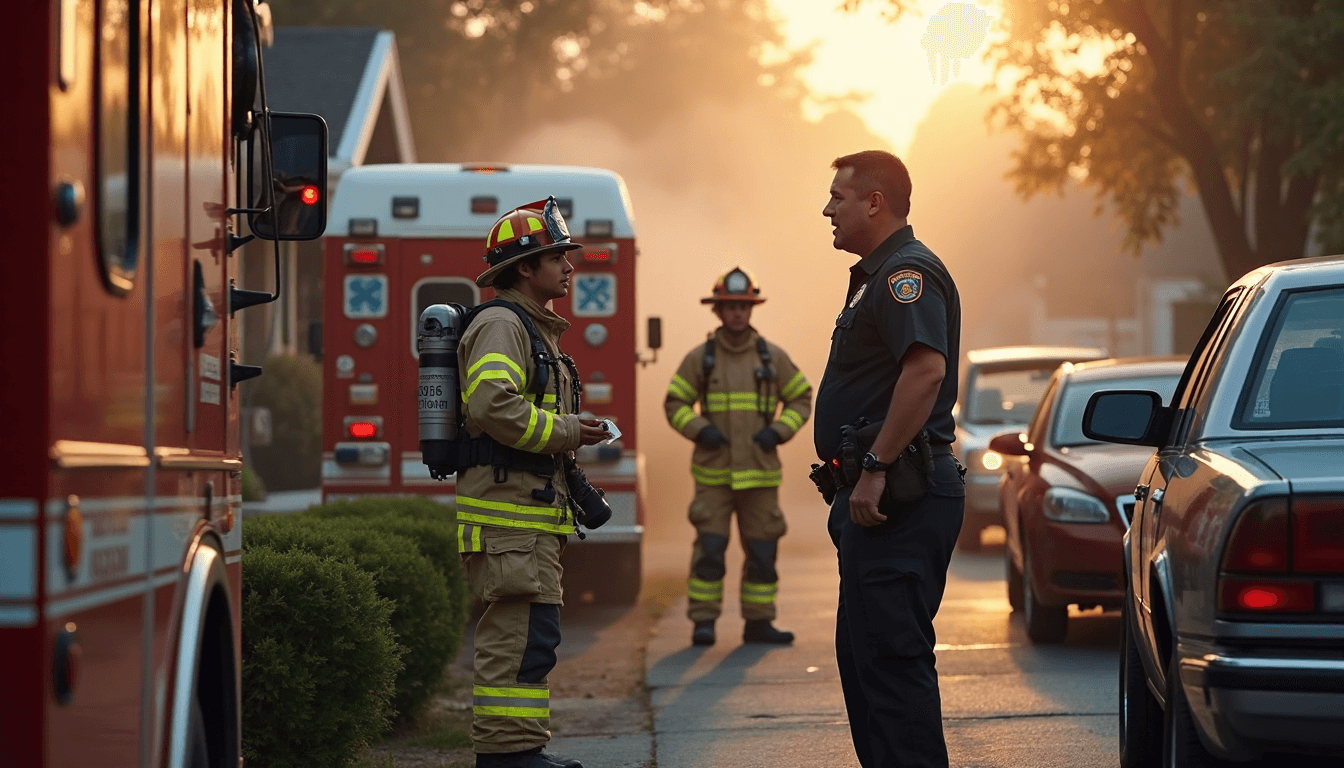
First responders are often seen as heroic figures racing into danger, but their roles have evolved far beyond what most people imagine. Despite the dramatic images in the media, most overlook that emergency teams now include up to five specialized disciplines working side by side during disasters. Turns out, the real impact of first responders goes far beyond a rescue scene—they are now the hidden force behind a community’s full recovery, from trauma support to rebuilding lives long after the sirens fade.
Table of Contents
- Understanding First Responder Roles And Teams
- Key Duties During Disasters And Emergencies
- Collaboration With Government, Insurance, And Relief Groups
- First Responder Roles: Support For Victims And Families
Quick Summary
| Takeaway | Explanation |
|---|---|
| Diverse Composition of First Responder Teams | Emergency response teams include firefighters, paramedics, law enforcement, and specialized professionals working collaboratively to address public safety during emergencies. |
| Critical Role of Immediate Response and Risk Mitigation | First responders perform rapid scene assessments, establish perimeters, and coordinate emergency command centers to protect communities during crises. |
| Collaboration is Essential for Effective Emergency Response | Interagency communication and resource sharing enhance emergency response strategies, enabling first responders to work efficiently with government, insurance, and relief organizations. |
| Holistic Support for Victims and Families | First responders not only provide immediate medical care but also offer emotional and practical support, addressing the multifaceted needs of disaster victims. |
| Long-Term Recovery Planning is Crucial | Effective disaster management involves strategic planning for logistics and community recovery, enabling first responders to support both immediate needs and long-term resilience. |
Understanding First Responder Roles and Teams
First responder roles represent complex, interconnected teams dedicated to public safety and emergency management. These professionals work across multiple disciplines to provide critical support during crisis situations, combining specialized skills and collaborative strategies to protect communities.
Diverse Composition of Emergency Response Teams
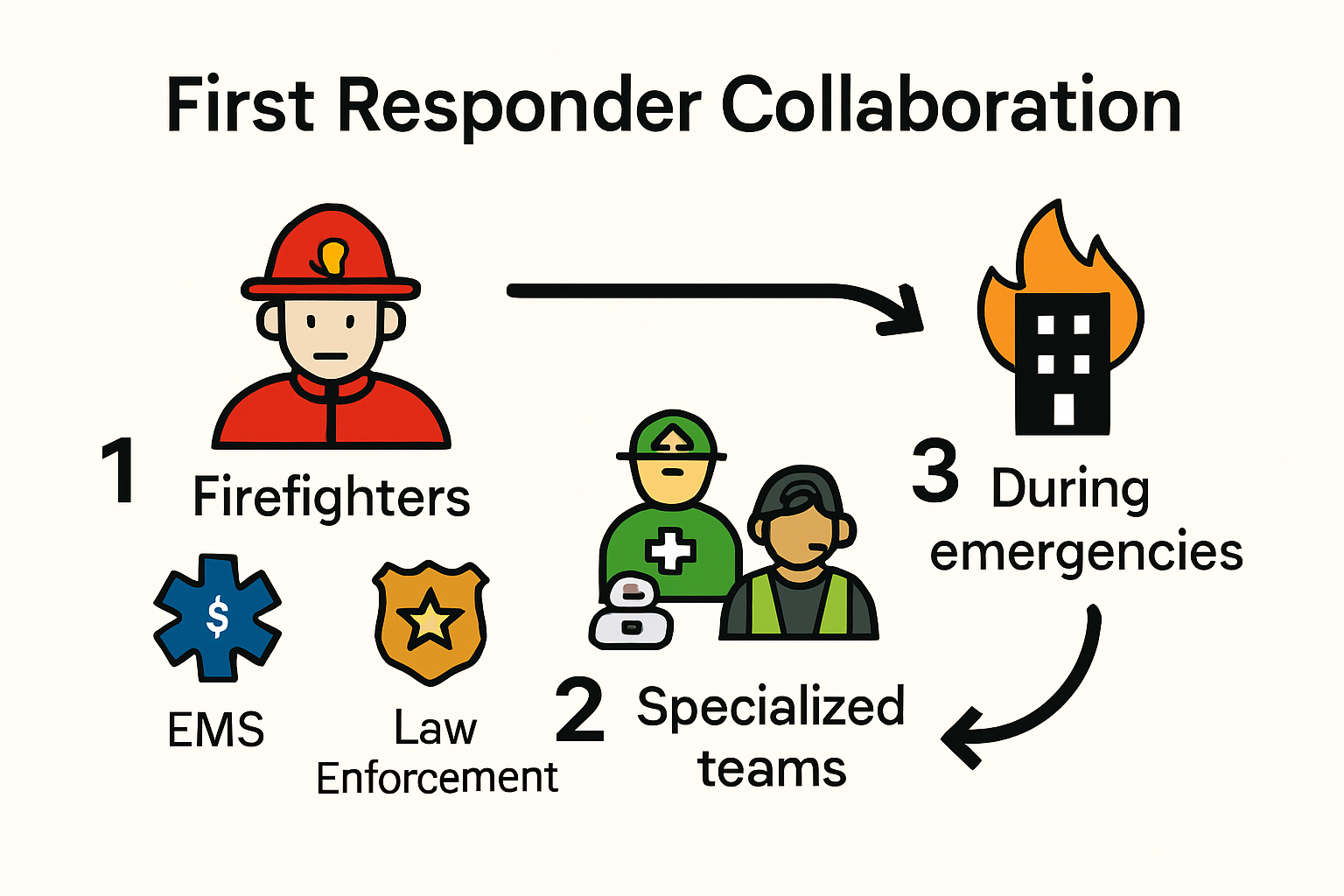
Emergency response teams comprise multiple specialized groups working in synchronized coordination. Learn more about emergency response strategies reveals that modern first responder units include firefighters, paramedics, law enforcement officers, emergency medical technicians, and specialized disaster response professionals.
According to research from the National Disaster Medical System, Disaster Medical Assistance Teams (DMATs) represent a prime example of specialized emergency response. These teams include physicians, nurses, and paramedics trained to provide rapid medical interventions during large-scale incidents like natural disasters, terrorist attacks, and complex medical emergencies.
Critical Operational Frameworks
First responder teams operate under intricate organizational structures that prioritize immediate risk mitigation and human safety. The Community Emergency Response Teams (CERTs) exemplify how volunteer networks complement professional emergency services. These trained volunteers support primary responders by performing essential tasks such as fire safety assessments, conducting light search and rescue operations, and providing initial medical support.
Tactical Emergency Medical Services (TEMS) represent another sophisticated response mechanism. As documented by emergency medical research, these specialized medical professionals are integrated directly into high-risk operational teams. Their unique training encompasses not just medical expertise but also understanding of weapons safety, small unit tactics, and hazardous materials management.
Technological and Strategic Evolution
Modern first responder roles are continuously evolving, driven by technological advancements and increasingly complex emergency scenarios. Advanced communication systems, real-time data analysis, and interdisciplinary training programs enable these teams to respond more effectively and efficiently.
The integration of specialized units like DMATs, CERTs, and TEMS demonstrates the sophisticated, multilayered approach to emergency management. These teams do not just respond to incidents they anticipate, prepare for, and mitigate potential risks through comprehensive training and strategic planning.
By maintaining flexible, adaptive frameworks and investing in continuous professional development, first responder teams remain at the forefront of public safety, ready to protect and support communities during their most vulnerable moments.
Key Duties During Disasters and Emergencies
First responders perform critical functions during emergencies that can mean the difference between life and death for affected populations. Their responsibilities extend far beyond immediate rescue operations, encompassing complex strategies of prevention, intervention, and recovery.
Immediate Response and Risk Mitigation
Explore essential emergency response techniques that highlight the multifaceted nature of disaster management. According to research from the Government Accountability Office, first responders are responsible for preventing, protecting against, responding to, and assisting in recovery from emergency events.
Their initial duties include rapid scene assessment, establishing secure perimeters, and creating emergency command centers. In rural communities, research from the Rural Health Information Hub indicates that first responders often include volunteers who perform crucial initial damage assessments and search and rescue operations.
Medical Intervention and Triage
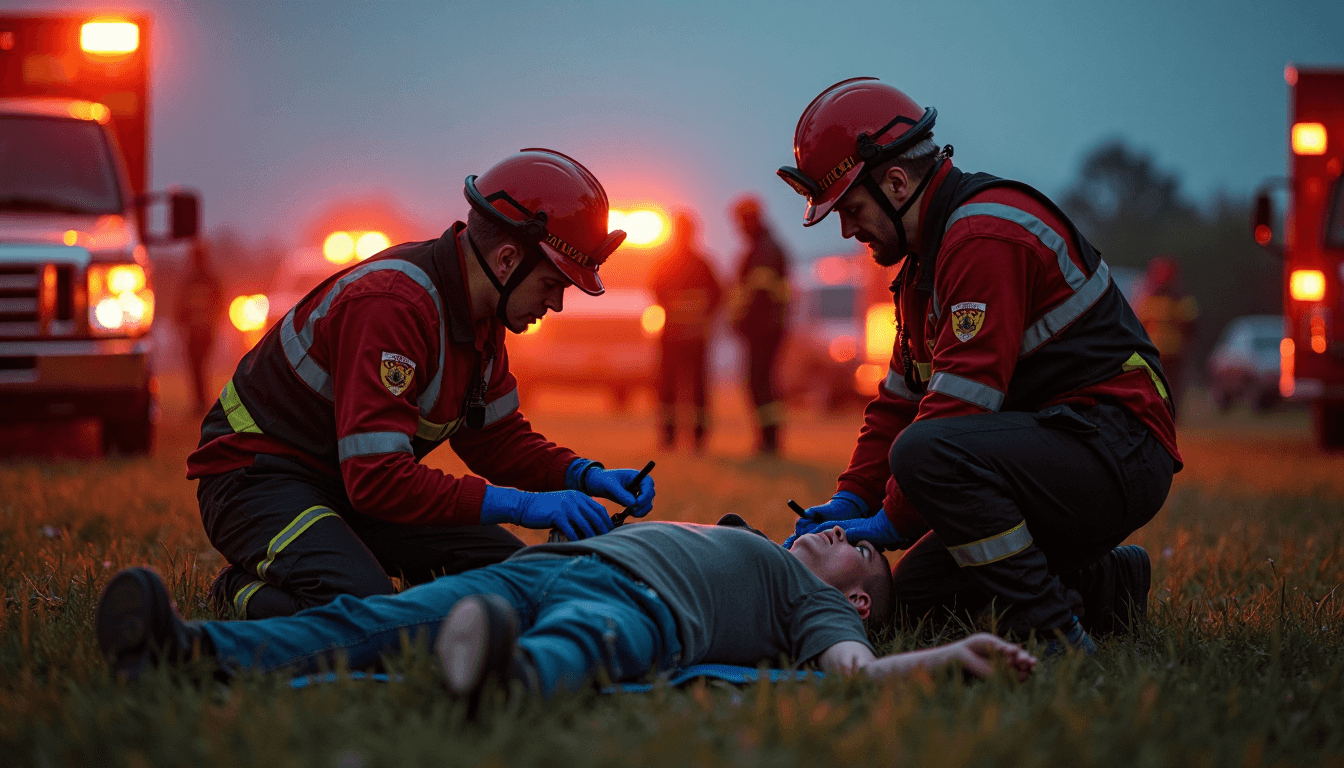
Medical response represents a core component of first responder duties. Insights from first aid disaster preparation emphasize the critical nature of immediate medical care. Emergency medical technicians and paramedics prioritize triage, providing life-saving interventions and stabilizing patients before advanced medical treatment.
As documented by Tulane University’s Public Health Department, emergency response teams manage crises through comprehensive assessment strategies. This includes evaluating community risks, developing response plans, and coordinating medical resources to address immediate health needs.
Logistical Coordination and Recovery Support
Beyond immediate rescue and medical interventions, first responders play a crucial role in long-term disaster recovery. Their duties include coordinating logistics, managing resource distribution, and supporting community infrastructure restoration. This involves working with multiple agencies to ensure communication networks remain operational, utilities are restored, and essential services continue functioning.
Specialized roles within emergency response teams include safety coordinators, disaster recovery managers, and public health nurses. Each professional contributes unique expertise to create a comprehensive approach to emergency management. They collaborate to address not just immediate physical needs but also the psychological and social impacts of disasters.
The effectiveness of first responders depends on their ability to adapt quickly, communicate efficiently, and maintain composure under extreme pressure. Their training prepares them to make critical decisions in chaotic environments, balancing immediate human safety with strategic long-term recovery objectives.
To help visualize the variety of specialized first responder roles and their core focus areas, here is a summary table:
| Role | Primary Focus | Example of Tasks |
|---|---|---|
| Firefighters | Fire suppression, rescue, hazard mitigation | Fire containment, hazardous materials response |
| Paramedics/EMTs | Emergency medical care, triage | Patient stabilization, emergency transport |
| Law Enforcement Officers | Scene security, law enforcement | Perimeter establishment, crowd control |
| Disaster Medical Teams | Specialized medical intervention | Mass casualty response, advanced first aid |
| CERT Volunteers | Support, light rescue, basic medical aid | Fire safety checks, light search & rescue |
| TEMS Professionals | Tactical medical support in high-risk events | On-site trauma care during police operations |
| Public Health/Nurses | Health assessment, long-term care | Immunizations, health monitoring |
Collaboration With Government, Insurance, and Relief Groups
Collaboration represents the cornerstone of effective emergency response, requiring intricate coordination between first responders, government agencies, insurance providers, and relief organizations. These multifaceted partnerships ensure comprehensive support during and after disaster scenarios.
Interagency Communication and Resource Sharing
Explore effective aid deployment strategies to understand the complexity of emergency response coordination. According to research from the National Center for Biotechnology Information, interdepartmental collaboration facilitates critical resource sharing and helps agencies adopt best practices, significantly enhancing overall emergency response effectiveness.
Federal and state agencies play pivotal roles in supporting first responder efforts. Research from the Center for Health and Justice indicates that strategic funding mechanisms like Medicaid enable jurisdictions to offer specialized services such as mobile crisis outreach without overwhelming local budgets.
Financial and Logistical Support Mechanisms
Insurance providers and government entities collaborate closely to streamline disaster recovery processes. State agencies have increasingly utilized federal funding from legislative acts like the CARES Act and American Rescue Plan Act to support comprehensive response efforts, including testing, tracing, and vaccination programs, as documented by the National Academy for State Health Policy.
Learn more about managing complex disaster relocations to understand the intricate logistics involved. Insurance companies work alongside first responders to assess damage, expedite claims, and provide financial support for affected communities. This collaborative approach ensures rapid, efficient recovery by aligning the interests of multiple stakeholders.
To clarify the roles of key collaborative partners in emergency response, refer to the following table:
| Partner Type | Primary Contribution | Example Activities |
|---|---|---|
| Government Agencies | Funding, coordination, strategic oversight | Grant distribution, legislation, emergency ops |
| Insurance Providers | Financial resource mobilization | Claims processing, damage assessment |
| Relief Organizations | Recovery support, logistics, mental health | Shelter setup, food distribution, counseling |
| First Responders | On-scene response, victim support | Rescue operations, medical aid, security |
| Volunteer Networks | Supplementary manpower and skills | Community outreach, basic medical and rescue aid |
Integrated Response and Long-Term Recovery Planning
Successful disaster management demands more than immediate intervention. Relief groups, government agencies, and first responders develop comprehensive, long-term recovery strategies that address not just physical infrastructure but also community resilience and psychological support.
These collaborative frameworks involve detailed planning, risk assessment, and continuous communication. By integrating expertise from diverse sectors, emergency response teams can create adaptive, responsive systems that minimize disaster impacts and accelerate community recovery.
The future of emergency management lies in increasingly sophisticated, technology-driven collaboration. Advanced communication platforms, shared digital databases, and real-time information exchange enable faster, more coordinated responses. As challenges become more complex, the ability to work across organizational boundaries becomes paramount in protecting and supporting vulnerable populations.
First Responder Roles: Support for Victims and Families
Supporting victims and their families represents a critical and often overlooked dimension of first responder responsibilities. Beyond immediate physical rescue and medical intervention, these professionals provide crucial emotional, psychological, and practical support during individuals’ most vulnerable moments.
Comprehensive Victim Support Strategies
Understand the nuanced phases of disaster recovery to appreciate the complex support mechanisms first responders employ. According to the U.S. Department of Homeland Security, first responders must develop comprehensive strategies addressing victims’ multifaceted needs, including emotional trauma, legal assistance, and immediate practical support.
These professionals are trained to provide compassionate, trauma-informed care that recognizes each victim’s unique experience. This approach involves active listening, creating safe communication environments, and connecting individuals with appropriate resources for continued support.
Psychological and Emotional Assistance
First aid techniques extend beyond physical treatment into critical psychological support. The FBI’s Victim Services Division emphasizes the importance of crisis intervention, offering emergency counseling, travel assistance, and referrals for long-term mental health support.
First responders recognize that emotional recovery is as crucial as physical healing. They collaborate with mental health professionals, providing initial psychological first aid that helps victims process traumatic experiences, manage acute stress responses, and begin their path toward emotional resilience.
Practical Support and Resource Navigation
Beyond emotional care, first responders play a pivotal role in helping victims navigate complex post-disaster landscapes. This includes assisting with insurance claims, connecting families with temporary housing, coordinating medical follow-ups, and providing guidance on accessing government assistance programs.
Specialized training enables first responders to offer culturally sensitive, individualized support. They understand that each disaster survivor’s journey is unique, requiring personalized approaches that respect individual experiences, cultural backgrounds, and specific needs.
The holistic support provided by first responders extends well beyond the immediate emergency. By offering comprehensive assistance that addresses physical, emotional, and practical challenges, these professionals help victims transition from survival mode to recovery and eventual resilience.
Ultimately, the most profound impact of first responder support lies not just in immediate rescue but in empowering individuals and communities to rebuild, heal, and emerge stronger from traumatic experiences.
Frequently Asked Questions
What are the primary roles of first responders?
First responders mainly include firefighters, paramedics, law enforcement officers, and specialized professionals who work together during emergencies to ensure public safety and provide medical assistance.
How do first responders contribute to long-term recovery after a disaster?
First responders play a vital role in long-term recovery by coordinating logistics, managing resource distribution, and providing emotional and practical support to victims and families affected by disasters.
What types of training do first responders undergo?
First responders receive extensive training that includes emergency medical care, risk assessment, tactical operations, and effective communication strategies to prepare for various emergency scenarios.
How do first responders collaborate with other agencies?
Collaboration among first responders, government agencies, insurance providers, and relief organizations involves sharing resources and information to enhance emergency response efforts and foster comprehensive community support.
Take the Next Step in Recovery With Real First Responder Support
Understanding how first responders work as a team to handle emergencies is essential. The article reveals how emergencies are no longer managed by just one group but by a full team of professionals working together for total community recovery. Yet even with strong first responders, the period after the immediate emergency can feel overwhelming. Many families struggle to find safe temporary housing or deal with the frustrations of insurance claims and logistics. Your stress does not end when the sirens stop. It is just the beginning of a new challenge: finding stability and starting to rebuild when everything is uncertain.
We understand how complex this process can be. At Disaster Victim Services, our mission is to bring you immediate solutions after disaster strikes. We work side by side with first responders, insurance carriers, and government partners to connect displaced individuals and families to emergency housing and vital resources. Looking for a fresh start as soon as possible after an emergency? Visit our New Disaster Recovery Solutions page to see how quickly we can help you move from crisis to recovery. Do not wait for the confusion to get worse. Reach out now and let us guide you through every step to a safer, more confident tomorrow.
Recommended
- First Responder Coordination Tips 2025: Effective Support for All – Disaster Victim Services | Helping You Recover After Disaster
- Emergency Response Basics for 2025: A Practical Guide – Disaster Victim Services | Helping You Recover After Disaster
- Emergency Response Trends 2025: What Stakeholders Need to Know – Disaster Victim Services | Helping You Recover After Disaster
- Technological Advances in Response: Innovations for Disaster Recovery 2025 – Disaster Victim Services | Helping You Recover After Disaster
- Disaster Recovery Phases Explained for 2025: Guide for Victims, Pros & Agencies – Disaster Victim Services | Helping You Recover After Disaster
- First Aid Disaster Basics: Essential Steps for 2025 Recovery – Disaster Victim Services | Helping You Recover After Disaster