
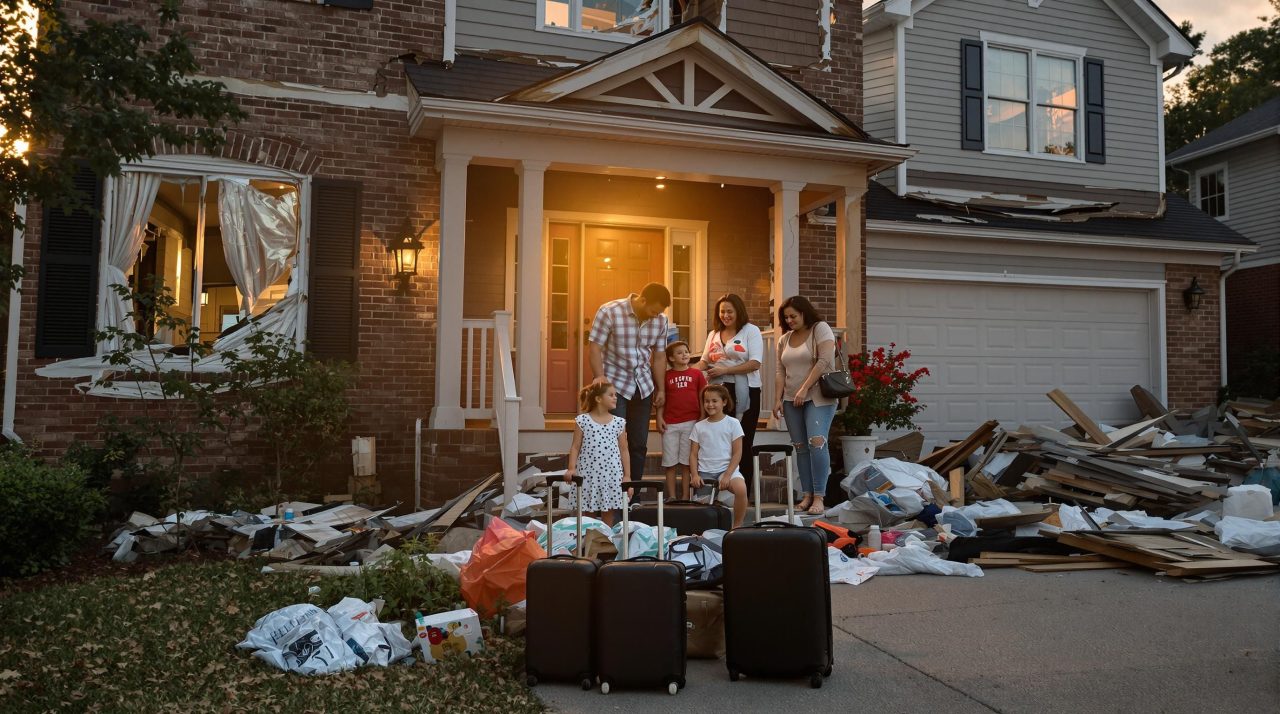
Sudden displacement can shatter your routine in seconds, leaving you scrambling for basic safety, food, and shelter. Some think disasters only hit faraway places or other people, but more than 22 million people worldwide are forced from their homes every year by sudden crises. What might surprise you is that the most important choices for your future come in those very first hours, not days, after being uprooted.
Table of Contents
- Immediate Safety And Emergency Response Steps
- Accessing Shelter, Food, And Urgent Support
- Coordinating With Relief Agencies And Services
- Restoring Stability And Planning Long-Term Recovery
Quick Summary
| Takeaway | Explanation |
|---|---|
| Prioritize personal safety first | Evaluate your surroundings and ensure immediate safety from dangers like structural damage or hazards. Seek medical help if needed. |
| Access emergency resources quickly | Identify local shelters and gather essential supplies such as food, water, and medical documents to aid in transition. |
| Stay connected for emotional support | Maintain contact with family and friends to help manage stress and maintain a sense of security during displacement. |
| Coordinate effectively with relief agencies | Create a list of relevant agencies and communicate your situation for streamlined access to support services. |
| Develop a comprehensive recovery plan | Outline both short-term and long-term recovery goals including housing, employment, and healthcare to guide your rebuilding efforts. |
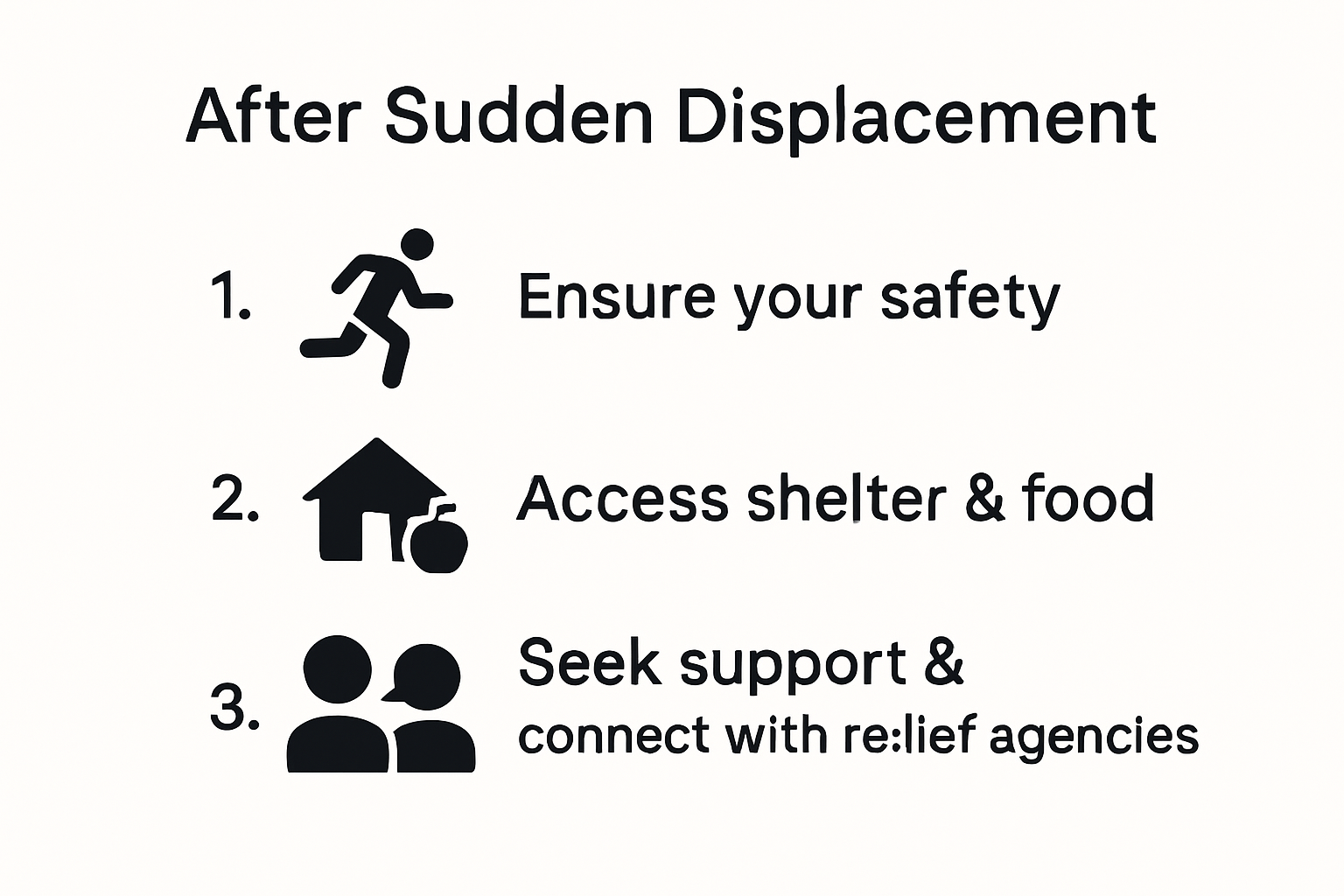
Immediate Safety and Emergency Response Steps
Suddenly finding yourself displaced can be overwhelming and disorienting. The moments immediately following a disaster demand quick thinking and strategic action to protect yourself and your loved ones. Navigating emergency response basics requires a calm and methodical approach.
Assess and Secure Personal Safety
Your first priority is personal safety. According to the Centers for Disease Control and Prevention, immediate steps involve checking yourself and others for injuries, moving away from potential hazards, and finding a safe location. Look for structural damage, electrical risks, gas leaks, or unstable environments that could pose immediate threats. If you are injured, apply basic first aid or seek medical assistance immediately.
Communication becomes critical during these moments. Establish contact with family members or emergency contacts. Use mobile phones if possible, but have a backup communication plan. Identify a designated meeting point in case family members get separated. Keep emergency contact information written down physically in case electronic devices fail.
Emergency Resources and Support
Government emergency services play a crucial role in displacement scenarios. CDC Emergency Preparedness and Response recommends identifying local emergency shelters, understanding evacuation routes, and knowing how to access critical resources. Gather essential documents like identification, insurance papers, and medical records. Pack a basic emergency kit with water, non perishable food, first aid supplies, medications, flashlight, batteries, and a battery powered or hand crank radio.
Understand the resources available in your immediate area. Contact local emergency management offices, Red Cross centers, or community support groups. Many organizations provide temporary shelter, food, water, and medical assistance during displacement events. Be prepared to provide basic information about your situation and the number of people in your group.
Mental Health and Emotional Resilience
Displacement creates significant psychological stress. Recognize that your emotional response is normal and valid. The shock, fear, and uncertainty can be overwhelming. Focus on maintaining emotional stability by staying connected with support networks, practicing basic stress management techniques, and accepting help when offered.
Prioritize basic self care activities. Get adequate rest, stay hydrated, and try to maintain a sense of routine. If possible, keep children informed using age appropriate language, providing reassurance and maintaining a sense of security. Professional counseling or support groups can offer additional emotional support during these challenging times.
Remember that your safety and well being are paramount. Stay informed through official channels, follow instructions from emergency responders, and remain adaptable. Each displacement scenario is unique, but a structured and calm approach will help you navigate these challenging circumstances more effectively.
To help you quickly find and organize emergency resources discussed above, here is a summary table of essential emergency preparedness items and actions:
| Item/Action | Description |
|---|---|
| First aid supplies | Basic kit for treating minor injuries |
| Water | At least one gallon per person per day |
| Non-perishable food | Ready-to-eat meals, canned goods |
| Medications | Essential prescriptions, over-the-counter remedies |
| Flashlight & batteries | Battery powered or hand crank flashlight |
| Radio | NOAA weather or hand crank radio |
| Documents | ID, insurance, medical records in waterproof container |
| Communication plan | Emergency contacts, physical list and backup methods |
| Identify shelters/evacuation | Locate local safe shelters and evacuation routes |
Accessing Shelter, Food, and Urgent Support
After experiencing sudden displacement, securing immediate shelter, food, and essential support becomes a critical priority. The overwhelming challenge of finding safe accommodation and meeting basic needs requires strategic navigation through available resources and support systems.
Emergency Housing and Temporary Shelter Options
Navigating emergency housing requires understanding multiple pathways. Exploring safe housing placement strategies can help streamline your immediate accommodation needs. According to the Federal Emergency Management Agency, disaster survivors have several housing assistance options. Government programs offer direct financial support for temporary housing, including rental assistance, hotel accommodations, and potential temporary housing units.
Local emergency management offices, Red Cross centers, and community shelters provide immediate housing solutions. Contact these organizations to understand available spaces, eligibility requirements, and registration processes. Some shelters offer specialized accommodations for families, individuals with medical needs, and those with disabilities. Always verify the safety, accessibility, and capacity of potential shelter locations.
Food and Essential Nutrition Support
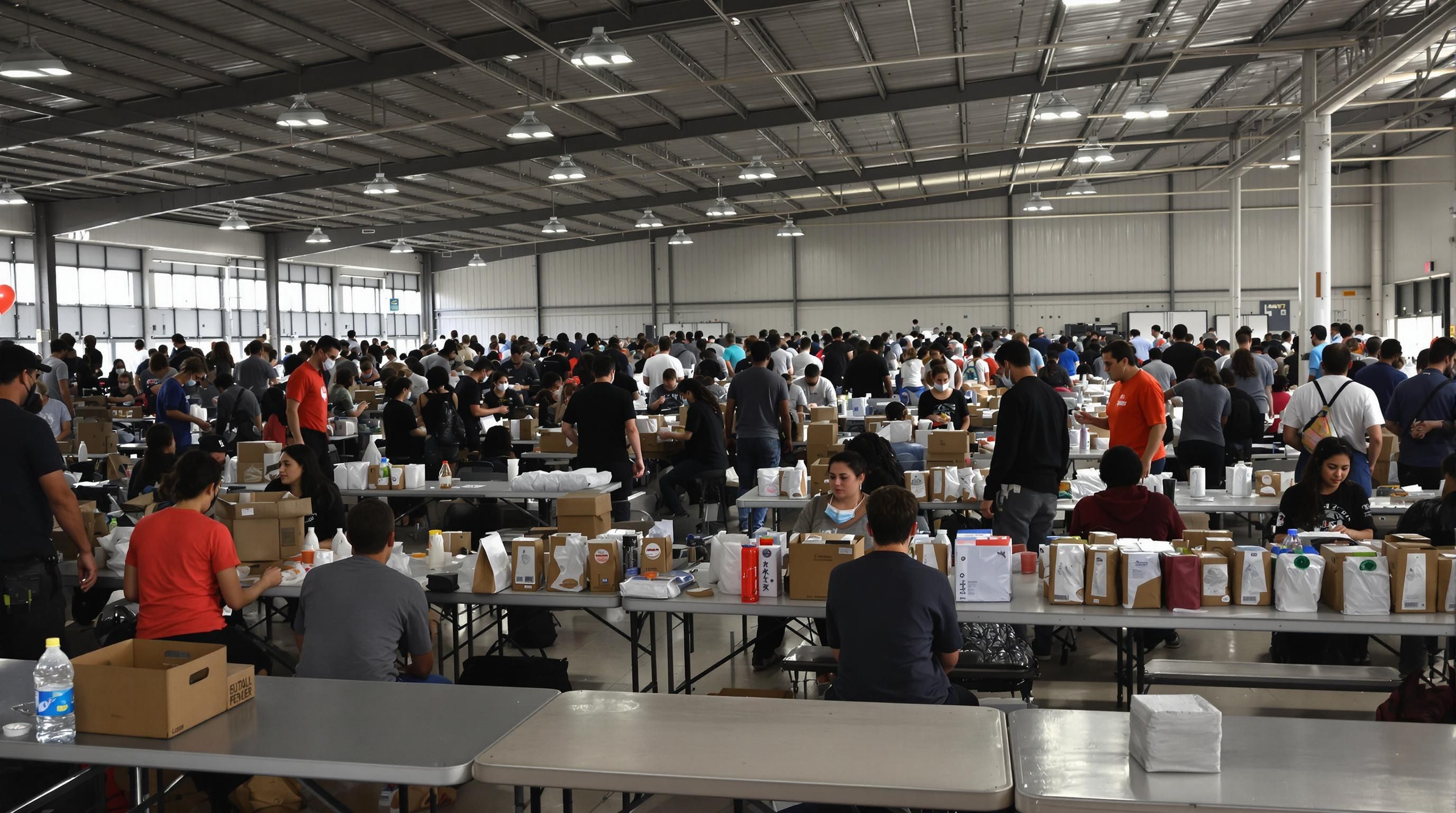
Maintaining proper nutrition during displacement is crucial for physical and mental resilience. Multiple government and nonprofit organizations provide food assistance programs. The Disaster Supplemental Nutrition Assistance Program (D SNAP) offers emergency food benefits for individuals and families impacted by major disasters.
Local food banks, community kitchens, and emergency relief organizations often set up distribution centers in disaster affected areas. These resources provide immediate meals, non perishable food items, and essential nutrition supplies. Register with local emergency management centers to receive information about nearby food distribution points and eligibility for assistance programs.
Critical Financial and Medical Support
Financial strain during displacement can be overwhelming. Federal assistance programs like FEMA’s Individuals and Households Program provide critical financial support for emergency needs. These funds can cover temporary housing, essential repairs, and other urgent expenses related to disaster recovery.
Medical support is equally important. Contact local health departments, community clinics, and disaster relief organizations to access urgent medical care, prescription medication assistance, and mental health resources. Many organizations offer free or reduced cost medical services during emergency situations.
Remember that accessing support requires proactive communication. Keep all documentation related to your displacement, maintain a list of contact information for relief organizations, and be prepared to provide necessary personal information. Stay patient and persistent while navigating these support systems, understanding that recovery is a process that takes time and coordinated effort.
Below is a comparison table outlining the different types of urgent support resources available after displacement, as described above:
| Support Type | Examples | How to Access |
|---|---|---|
| Shelter/Housing | Emergency shelters, hotels, rentals, FEMA units | Contact local agencies, register, apply |
| Food/Nutrition | DSNAP, food banks, community kitchens | Register with relief organizations |
| Financial Assistance | FEMA aid, Red Cross grants | Apply via official websites or centers |
| Medical Support | Clinics, hospitals, mental health services | Visit local providers or relief groups |
Coordinating With Relief Agencies and Services
Effective coordination with relief agencies can significantly impact your recovery journey after sudden displacement. Understanding how to communicate, document, and engage with various support organizations becomes crucial in navigating the complex landscape of disaster response.
Identifying and Connecting with Relevant Agencies
Exploring relocation support strategies can help streamline your interaction with relief organizations. Different agencies specialize in various aspects of disaster recovery. The American Red Cross, Federal Emergency Management Agency (FEMA), state emergency management offices, and local nonprofit organizations each play unique roles in providing comprehensive support.
Start by creating a comprehensive list of contact information for these agencies. Be prepared to provide detailed information about your situation, including the nature of your displacement, family size, immediate needs, and any specific challenges you are facing. Many agencies have dedicated hotlines and online portals designed to expedite support processes.
Documentation and Communication Strategies
Accurate and organized documentation is your strongest tool when working with relief agencies. Gather and preserve critical documents such as identification papers, insurance information, property damage records, medical records, and proof of residency. Make digital and physical copies, storing them in secure, waterproof containers or using secure cloud storage.
Develop a systematic approach to communication. Keep a detailed log of all interactions with relief agencies, including dates, names of representatives, conversation summaries, and any promised assistance. Follow up consistently and maintain a professional, patient demeanor. Understanding aid deployment strategies can help you better navigate these interactions.
Maximizing Available Support Resources
Relief agencies offer a wide range of services beyond immediate shelter and food. These can include financial assistance, mental health counseling, job placement support, educational resources, and long term recovery planning. Research each agency’s specific offerings and understand the eligibility criteria for different programs.
Do not hesitate to seek assistance from multiple agencies. Many organizations collaborate to provide comprehensive support. Some may offer services that others do not, such as specialized support for specific demographic groups, legal assistance, or technical aid in rebuilding and recovery.
Remember that relief agency coordination is a collaborative process. Be proactive, persistent, and organized. Keep your communication clear, provide requested documentation promptly, and maintain realistic expectations. Recovery takes time, and each agency has its own procedures and limitations.
Stay informed about your rights, available resources, and the support landscape. Attend community meetings, join support groups, and leverage online resources that can provide additional guidance in navigating relief agency interactions. Your resilience and strategic approach will be key in effectively utilizing the support systems available to you.
Restoring Stability and Planning Long-Term Recovery
Recovery from sudden displacement is a complex, multifaceted journey that extends far beyond immediate survival needs. Developing a comprehensive strategy for long term stability requires thoughtful planning, resilience, and strategic resource management.
Developing a Comprehensive Recovery Plan
Understanding the critical phases of disaster recovery provides a critical roadmap for rebuilding your life. According to the Rural Health Information Hub, successful recovery demands collaborative goal setting and strategic partnerships across multiple sectors.
Create a detailed recovery timeline that breaks down short term and long term objectives. This plan should include financial recovery, housing restoration, employment re establishment, healthcare continuity, and emotional well being. Prioritize goals based on immediate necessities and potential long term impacts. Consider consulting with professional case managers or disaster recovery specialists who can provide personalized guidance tailored to your specific circumstances.
Addressing Comprehensive Human Services Needs
The Administration for Children and Families emphasizes the importance of holistic support during recovery. This includes not just physical infrastructure, but critical human services such as housing assistance, income support, transportation resources, educational opportunities, childcare services, and employment programs.
Identify and connect with local and federal agencies offering comprehensive support. Many organizations provide integrated services that address multiple aspects of recovery simultaneously. Research grants, loan programs, and financial assistance specifically designed for disaster survivors. Consider joining support groups or community networks that can provide both practical resources and emotional solidarity.
Infrastructure and Strategic Rebuilding Considerations
Exploring safe rebuilding strategies becomes crucial in long term recovery. The National Center for Biotechnology Information recommends careful evaluation of land use and infrastructure restoration. This might involve temporary building moratoriums to assess reconstruction feasibility and potential hazards.
Prioritize restoring essential utilities and communication systems. Work closely with local authorities to understand infrastructure restoration timelines and potential community wide recovery initiatives. Consider the long term resilience of your rebuilding efforts, potentially incorporating disaster mitigation strategies that can protect against future disruptions.
Remember that recovery is not a linear process. There will be setbacks, challenges, and moments of uncertainty. Maintain flexibility in your planning, remain patient with yourself, and leverage available support systems. Your ability to adapt, seek help, and maintain a forward looking perspective will be your greatest assets in rebuilding your life after displacement.
Frequently Asked Questions
What should I do immediately after sudden displacement?
Assess your personal safety by checking for injuries and moving away from potential hazards. Gather essential supplies like food, water, and medical documents. Establish communication with family or emergency contacts.
How can I find emergency shelters after being displaced?
Contact local emergency management offices, Red Cross centers, and community support groups. They provide immediate housing solutions and can guide you through available shelter options.
What types of financial assistance are available for disaster survivors?
Programs like FEMA’s Individuals and Households Program offer financial aid for temporary housing, essential repairs, and urgent expenses related to disaster recovery.
How can I support my mental health after a displacement?
Stay connected with your support network, practice self-care, and consider professional counseling. Maintaining routines and seeking emotional support can significantly help manage stress.
Ready to Reclaim Safety and Stability After Sudden Displacement?
If you are feeling overwhelmed by sudden displacement, you are not alone. This guide highlighted how urgent it is to secure immediate safety, housing, and communication with relief agencies. The pain of uncertainty and the pressure to make the right moves quickly can feel heavy. You may worry about where to find safe accommodation or how to start rebuilding when every minute counts. Our team at DisasterVictimServices.com understands that every emergency is personal, and fast access to support is critical.
Take the next step toward recovery today. Visit our Developing Recovery Solutions section to see how we deliver direct aid, organize temporary housing, and guide you through insurance claims and logistics, all in real time. Trust the experts at DisasterVictimServices.com for compassionate support and proven strategies during the toughest days. Your needs are urgent. Reach out now and let us help you move forward, starting with your first safe night.
Recommended
- How to Handle Displacement: Key Steps for Recovery in 2025 – Disaster Victim Services | Helping You Recover After Disaster
- Displacement Trends 2025: What Families and Responders Need to Know – Disaster Victim Services | Helping You Recover After Disaster
- How to Manage Displacement: Practical Steps for Disaster Recovery 2025 – Disaster Victim Services | Helping You Recover After Disaster
- After Fire Displacement Steps: Essential Guide for 2025 – Disaster Victim Services | Helping You Recover After Disaster