
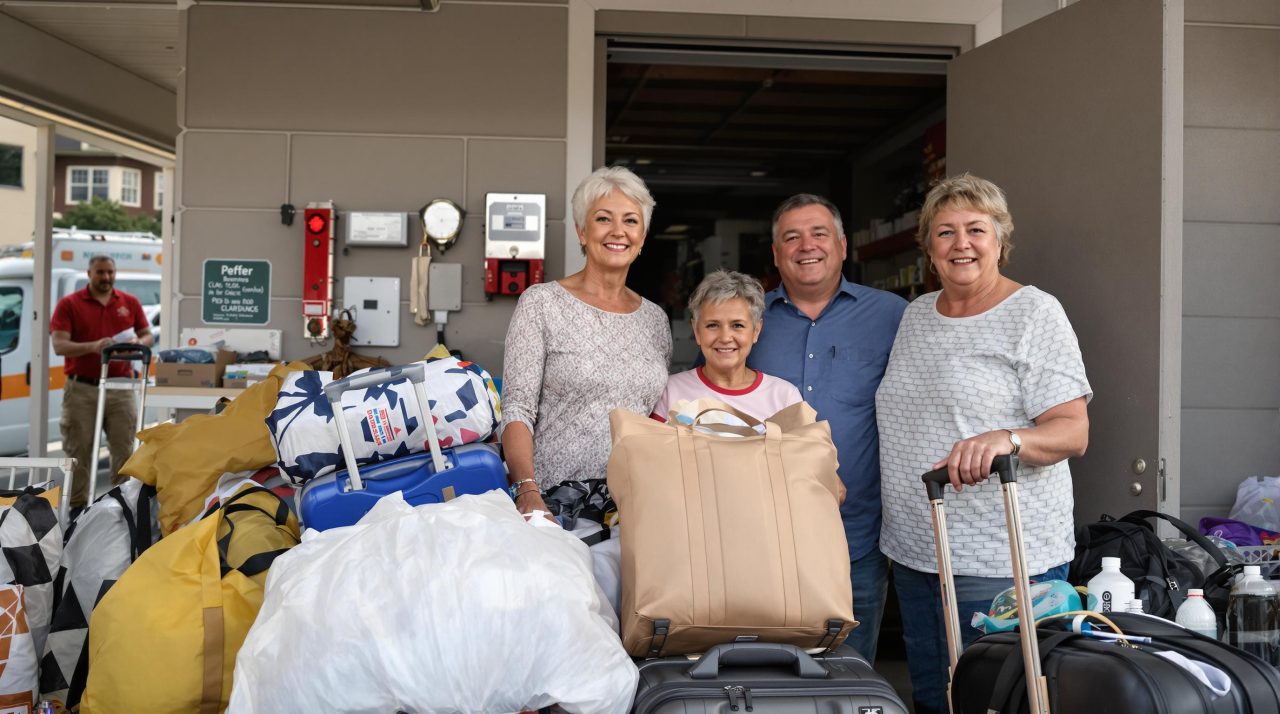
Every year, natural disasters force millions of people out of their homes and upend entire communities. It sounds overwhelming, but the numbers tell an even more startling story. In 2024 alone, about 3.1 million Americans were displaced by events like hurricanes and floods—almost one percent of the population. You might think recovery is all about finding new shelter or financial aid right away. Actually, the most crucial steps can often happen before help even arrives.
Table of Contents
- Understanding The Causes Of Displacement
- Immediate Actions For Displaced Individuals
- Coordinating Support And Resources
- Long-Term Recovery And Resettlement Tips
Quick Summary
| Takeaway | Explanation |
|---|---|
| Understand key displacement causes | Identify natural disasters and socioeconomic factors affecting displacement risk and community resilience. |
| Gather essential emergency documents | Collect identification, medical records, and other critical documents for immediate access and safety. |
| Register for emergency assistance quickly | Contact disaster assistance programs like FEMA to secure financial aid and housing support. |
| Coordinate community recovery efforts | Engage with agencies and local networks for integrated support and resource allocation during recovery. |
| Focus on long-term personal and community wellness | Develop plans for mental health, education, and economic stability to foster resilience after displacement. |
Understanding the Causes of Displacement
Displacement represents a profound disruption of human life, triggered by complex and interconnected factors that can fundamentally alter an individual’s or community’s living circumstances. Understanding these root causes is crucial for developing effective prevention and response strategies.
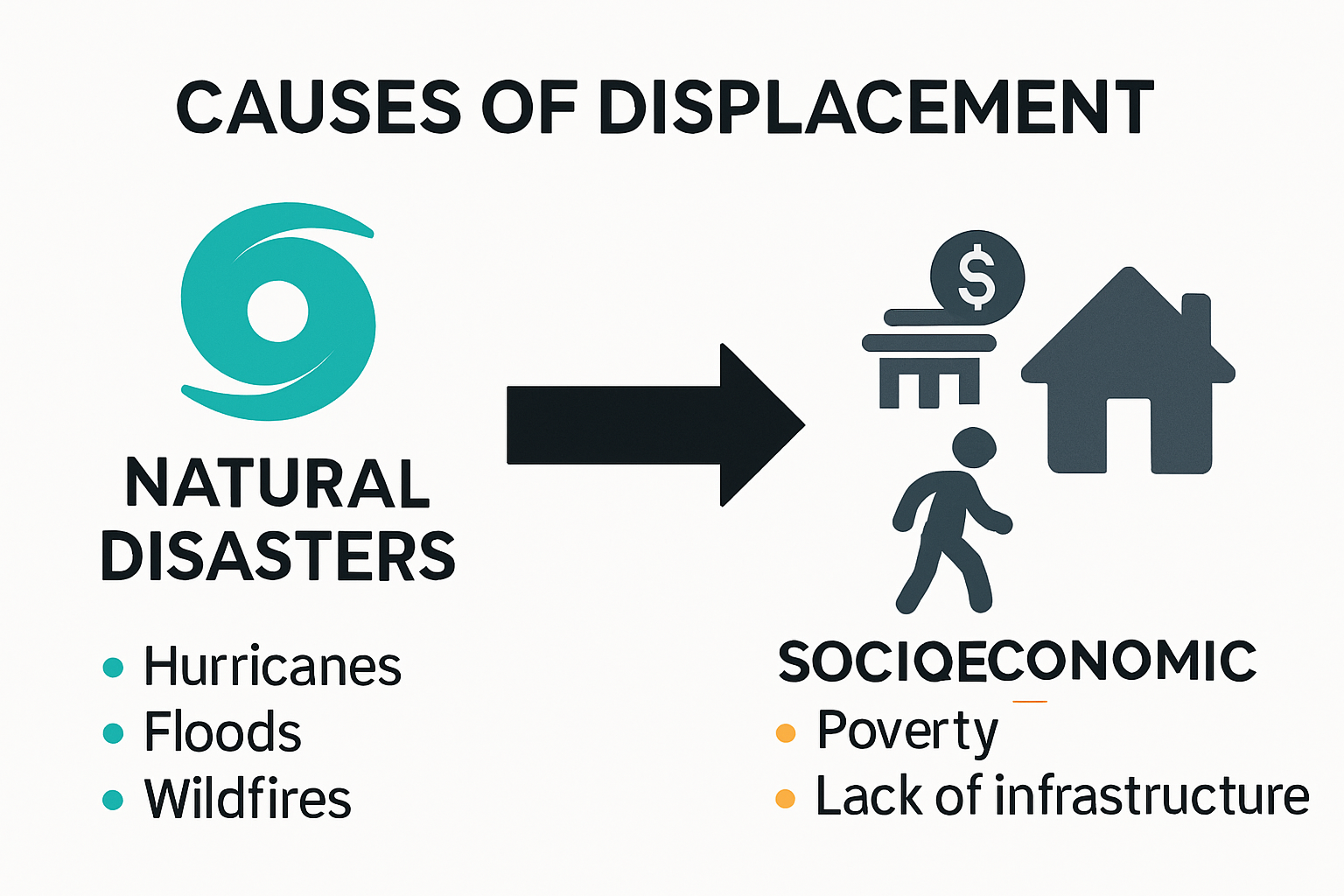
Natural Disasters: Primary Triggers of Mass Displacement
Natural disasters represent the most immediate and devastating cause of displacement. Research from the Urban Institute indicates that approximately 3.1 million Americans were displaced by natural disasters in a single year, with hurricanes accounting for about 45% and floods for 23% of these displacements. These environmental events do not merely cause temporary relocation but can create long-term systemic challenges for affected populations.
Hurricanes, floods, wildfires, and extreme weather events continue to grow in frequency and intensity. According to the Administration for Children and Families, vulnerable populations including low-income communities, communities of color, and individuals experiencing homelessness are disproportionately impacted by these environmental disruptions.
Socioeconomic Factors Amplifying Displacement Risks
Beyond environmental triggers, socioeconomic conditions significantly influence displacement vulnerabilities. The intricate relationship between economic stability, social infrastructure, and community resilience plays a critical role in determining how populations respond to and recover from displacement events.
Research published in the Proceedings of the National Academy of Sciences highlights that socioeconomic development, inclusive democracy, and peace are key factors associated with reduced displacement risks. Communities with stronger social support systems, more robust economic foundations, and effective governance tend to demonstrate greater capacity to mitigate and recover from displacement challenges.
Understanding these multifaceted causes requires a comprehensive approach that recognizes the interconnected nature of environmental, economic, and social dynamics. By examining these root causes, we can develop more targeted and effective strategies for understanding displacement methods and supporting affected populations.
The complexity of displacement demands a nuanced, empathetic response that goes beyond immediate relief, focusing on long-term resilience and community rebuilding. Recognizing the diverse factors that contribute to displacement is the first critical step in creating meaningful, sustainable solutions for those most vulnerable to these life-altering events.
Immediate Actions for Displaced Individuals
When displacement strikes, every moment counts. The first hours and days after being forced from your home are critical for ensuring personal safety, accessing resources, and beginning the recovery process. Understanding and executing strategic immediate actions can significantly impact your ability to navigate this challenging transition.
Emergency Documentation and Personal Safety
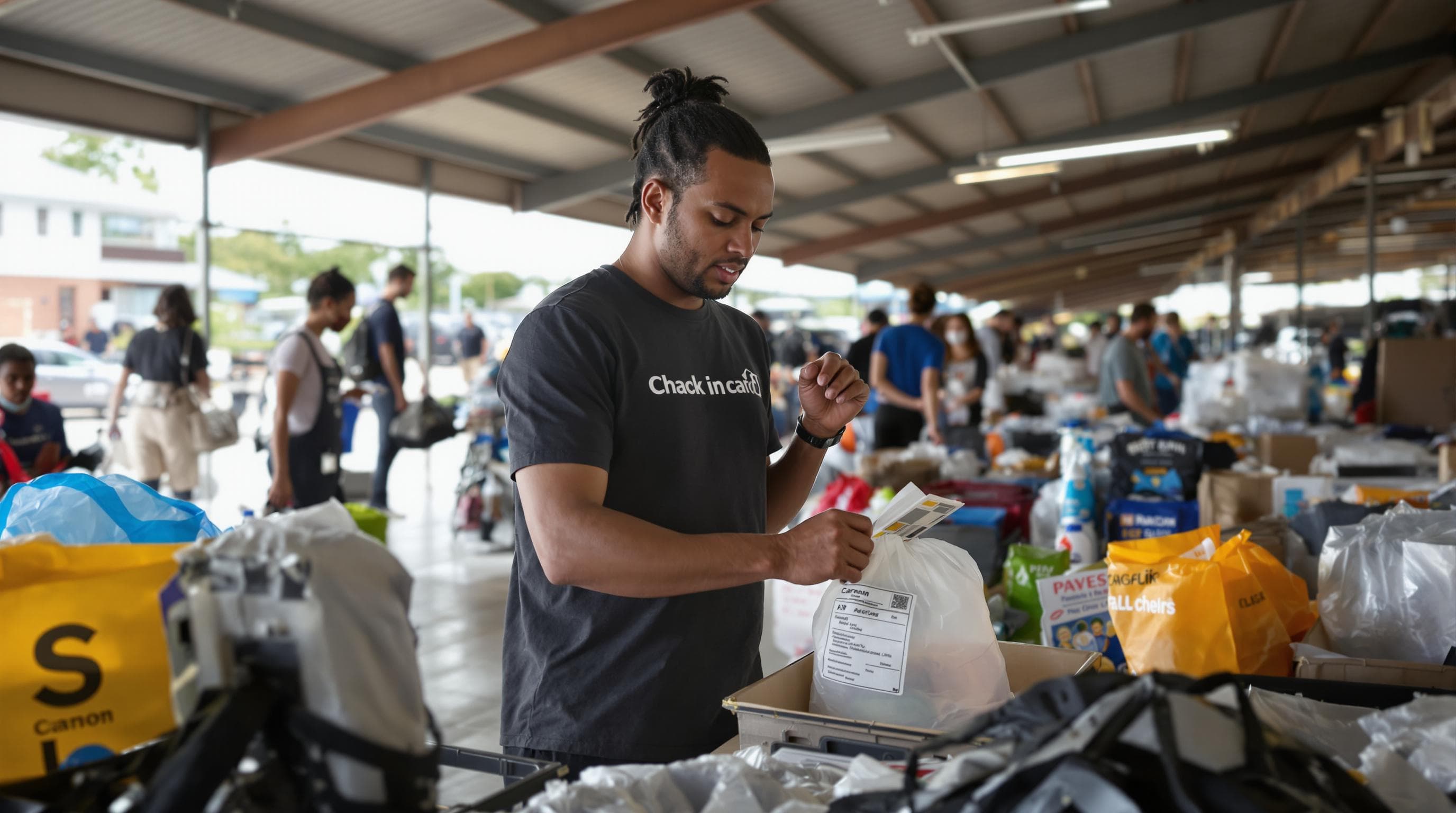
According to FEMA, the initial steps for displaced individuals involve creating a foundation of personal security and administrative readiness. Gathering critical documents becomes paramount. This includes identification papers like driver’s licenses, social security cards, birth certificates, insurance policies, medical records, and proof of residence. Store these documents in a waterproof, portable container or create digital backups in secure cloud storage.
Personal safety requires immediate attention. Assess your immediate shelter needs. If you cannot return home, contact local emergency management authorities to identify temporary housing options. Learn more about managing relocations during disasters to understand the comprehensive support available during these critical moments.
Accessing Emergency Support and Resources
Navigating the complex landscape of emergency support demands quick and strategic action. Register with local and federal disaster assistance programs immediately. This includes contacting FEMA, state emergency management agencies, and local relief organizations. Each registration increases your chances of receiving financial assistance, temporary housing support, and essential supplies.
Make communication a priority. Notify your employer, insurance company, and key financial institutions about your displacement. Many organizations have specific protocols for supporting individuals during emergency situations. Request information about emergency loans, advance payments, or flexible payment arrangements.
Health and Mental Wellness Considerations
Displacement creates profound emotional and physical stress. Prioritize your health by securing necessary medications, maintaining hygiene, and seeking medical attention for any immediate health concerns. Contact your healthcare provider to discuss prescription refills, medical record transfers, and potential telehealth consultations.
Mental health support is equally crucial. The psychological impact of sudden displacement can be overwhelming. Seek support from family, friends, counseling services, or local support groups specializing in disaster recovery. Many communities offer free mental health resources specifically designed for displaced individuals.
Remember that recovery is a process. While these immediate actions are critical, be patient and compassionate with yourself. Each step you take moves you closer to stability and rebuilding. Displacement is a temporary state, and with the right support and strategic actions, you can successfully navigate this challenging transition.
To help summarize the critical steps to take immediately after displacement, the following table breaks down actions based on core needs and priorities:
| Step | Priority Area | What To Do or Obtain |
|---|---|---|
| Gather identification | Emergency Documentation | Collect IDs, social security cards, birth certificates, insurance, medical records; store safely or digitally |
| Secure personal safety | Shelter | Assess if safe to return or seek emergency shelter from local authorities |
| Register for assistance | Financial/Relief Aid | Contact FEMA, state/local agencies, and nonprofits for support registration |
| Notify essential contacts | Communication | Inform employer, insurer, financial institutions about displacement |
| Access health services | Health/Mental Health | Secure medications, contact healthcare provider, check for telehealth |
| Seek mental health support | Mental Wellness | Reach out to family, friends, counselors, or support groups |
Coordinating Support and Resources
Effective coordination of support and resources is the backbone of successful recovery for displaced individuals and communities. This complex process requires strategic collaboration between multiple agencies, organizations, and support systems to ensure comprehensive assistance and smooth transition back to stability.
Interagency Collaboration and Recovery Functions
According to FEMA’s Recovery Support Functions (RSFs), coordinating assistance involves systematic problem-solving and resource allocation across federal, state, tribal, territorial, and local entities. These functions create a structured approach to addressing the multifaceted challenges faced by displaced populations.
Key coordination strategies include establishing clear communication channels, developing integrated response protocols, and creating comprehensive resource mapping. Learn more about effective disaster response coordination to understand the intricate networks that support recovery efforts.
Educational and Institutional Support Systems
The U.S. Department of Education recognizes the critical importance of maintaining educational continuity during displacement. Through the Readiness and Emergency Management for Schools (REMS) Technical Assistance Center, educational institutions receive guidance on restoring teaching and learning environments disrupted by disasters.
This support extends beyond immediate academic needs. Schools and educational institutions become crucial support hubs, offering not just educational resources but also mental health support, community connection, and stability for displaced families. They serve as critical nodes in the broader network of recovery and resilience.
Community and Resource Network Integration
Successful support coordination requires a holistic approach that integrates community resources, government agencies, nonprofit organizations, and local support networks. This means creating flexible, adaptive systems that can quickly respond to changing needs and circumstances.
Prioritize building robust communication networks that allow rapid information sharing. Develop centralized resource databases that track available support, temporary housing, financial assistance, healthcare services, and mental health resources. Ensure these systems are accessible, user-friendly, and continuously updated.
Effective coordination is not about creating perfect systems but about building adaptable, compassionate networks that can respond to human needs with speed and empathy. By breaking down institutional barriers and focusing on collaborative solutions, communities can transform the challenging experience of displacement into an opportunity for resilience and collective support.
The table below highlights the key stakeholders and their roles in effective support coordination during displacement recovery:
| Stakeholder/Agency | Primary Role in Recovery Coordination |
|---|---|
| FEMA and Federal Agencies | Structure resource allocation, provide funding and expertise |
| State/Local Emergency Mgmt | Direct on-the-ground response and information management |
| Educational Institutions | Maintain academic continuity, offer stability and mental health support |
| Nonprofit Organizations | Deliver immediate aid, specialized services, and advocacy |
| Community Resource Networks | Facilitate information sharing, local housing, health, connection |
| Healthcare Providers | Ensure access to medical care and mental health support |
Long-Term Recovery and Resettlement Tips
Long-term recovery and resettlement represent complex journeys that extend far beyond initial emergency responses. These processes demand strategic planning, emotional resilience, and comprehensive support systems to help displaced individuals rebuild their lives with dignity and hope.
Community Rebuilding and Adaptive Strategies
Research from the Public Medical Center emphasizes the critical importance of involving diverse community stakeholders in developing long-term recovery plans. This approach helps reduce vulnerabilities and address systemic inequities that may have existed prior to displacement.
Successful resettlement requires more than physical relocation. It involves reconstructing social networks, reestablishing economic stability, and creating new sense of community. Explore our comprehensive guide to the rehousing process to understand the nuanced steps involved in sustainable community rebuilding.
Institutional and Educational Continuity
The U.S. Department of Education recognizes that educational institutions play a pivotal role in long-term community recovery. Restoring learning environments goes beyond physical infrastructure. It involves creating supportive academic ecosystems that help students and educators heal and transition.
Research highlighting institutional rebuilding emphasizes the need for adaptive governance and comprehensive planning. This means developing flexible educational and professional frameworks that can accommodate the unique challenges faced by displaced populations. Institutions must become resilient spaces that not only teach but also provide psychological safety and community reconnection.
Personal Wellness and Future Planning
Long-term recovery is fundamentally a personal journey of rebuilding and reimagining. It requires a holistic approach that addresses physical, emotional, and economic dimensions of displacement. Develop a forward-looking strategy that includes mental health support, skill development, and financial planning.
Consider creating a comprehensive personal recovery plan that includes:
- Ongoing mental health counseling
- Professional retraining or education opportunities
- Financial management and rebuilding strategies
- Establishing new social support networks
Resilience is not about returning to a previous state but about transforming challenges into opportunities for growth. Each step in the long-term recovery process is an investment in personal and collective healing. By approaching resettlement with patience, strategic thinking, and compassion, displaced individuals can create new pathways of hope and stability.
Frequently Asked Questions
What are the main causes of displacement?
Displacement is primarily caused by natural disasters like hurricanes and floods, which account for a significant portion of displacements. Socioeconomic factors, such as poverty and lack of community resilience, can also amplify the risks of displacement.
What should I do immediately after being displaced?
Immediately gather essential documents like identification and medical records, assess your shelter needs, register for emergency assistance through programs like FEMA, and reach out for mental health support to ensure personal safety and start your recovery process.
How can community organizations support displaced individuals?
Community organizations play a crucial role by providing immediate aid, coordinating resources, and maintaining communication networks to connect displaced individuals with financial assistance, housing, healthcare, and mental health resources.
What long-term strategies can help in recovering from displacement?
Long-term recovery strategies should focus on community rebuilding, educational continuity, and personal wellness planning. This includes establishing new social networks, creating adaptive governance in institutions, and addressing mental health and financial stability for those affected.
Immediate Help for Displaced Families: Fast-Track Your Recovery
Experiencing displacement interrupts every part of your life. The article laid out just how overwhelming those first steps can be when disaster strikes—missing documents, urgent shelter needs, and the struggle to navigate emergency support systems all while managing emotional stress. Many readers worry about where to turn for rapid help and how to connect to reliable temporary housing or professional assistance when everything feels uncertain.
Our team at DisasterVictimServices.com is ready to step in with real solutions. We specialize in coordinating safe and immediate housing, bridging the gaps between you, your insurance carrier, and first responders. If you need transitional help, our New Recovery Support category outlines how we handle fresh displacement emergencies nationwide. Do not wait until small problems grow into bigger setbacks. Let us help you regain stability and peace of mind so you can start rebuilding now. Visit Disaster Victim Services or explore our expertise in Uncategorized Disaster Recovery to take your first step toward relief and restoration today.
Recommended
- How to Manage Displacement: Practical Steps for Disaster Recovery 2025 – Disaster Victim Services | Helping You Recover After Disaster
- Displacement Trends 2025: What Families and Responders Need to Know – Disaster Victim Services | Helping You Recover After Disaster
- how to manage displacement – Disaster Victim Services | Helping You Recover After Disaster
- How to Handle Relocations in 2025: A Guide for Disaster Relief Teams – Disaster Victim Services | Helping You Recover After Disaster