

Disaster recovery brings a flood of questions when every minute counts. Most people scramble, not realizing that community resource directories can cut search time dramatically and some offer access to over 500 types of emergency support services in one place. Yet not every directory is created equal and leaning on the wrong one could leave you without the help you need. The big surprise is that the best tools do more than just offer a list—they guide you step by step and connect support from dozens of agencies, turning frantic chaos into a clear plan for getting back on your feet.
Table of Contents
- Understanding Community Resource Directories
- Key Features That Aid Disaster Recovery
- Practical Steps For Finding The Right Resources
- Maximizing Collaboration Across Agencies And Groups
Quick Summary
| Takeaway | Explanation |
|---|---|
| Use specific directories for targeted help | Seek out community resource directories that focus on your immediate needs for efficient assistance. |
| Leverage technology for faster access | Utilize online directories with advanced search features to locate resources quickly and accessibly. |
| Validate resource availability | Always confirm the accuracy and current status of resources listed before proceeding with applications. |
| Engage multiple channels for support | Explore various local, state, and federal resources to ensure comprehensive support during recovery. |
| Collaborate across agencies for better outcomes | Foster communication and partnerships among organizations to enhance the effectiveness of disaster recovery efforts. |
Understanding Community Resource Directories
Disaster recovery demands strategic navigation through complex support systems. Community resource directories serve as critical lifelines for individuals and families facing unexpected challenges, providing comprehensive information about available assistance during emergency situations.
What Are Community Resource Directories?
Community resource directories are comprehensive databases that catalog critical support services accessible during and after disaster events. FEMA’s Recovery Resource Library offers an excellent example of how these directories function as centralized information hubs. These directories typically include detailed information about various support services such as emergency housing, financial assistance, mental health resources, medical support, legal aid, and temporary shelter options.
The primary purpose of these directories is to simplify the overwhelming process of finding help during crisis situations. By consolidating information from multiple agencies and organizations, they create a user friendly roadmap for disaster victims seeking immediate and long term support. According to the USDA’s Disaster Resource Center, these directories play a crucial role in connecting affected individuals with targeted recovery resources.
Navigating Resource Directories Effectively
Successful use of community resource directories requires a strategic approach. Victims should first understand that these directories are not one size fits all solutions. Each directory may have unique categorization and search features. Start by identifying your specific needs – whether it’s emergency housing, financial assistance, or mental health support.
Key strategies for effective navigation include:
- Comprehensive Search: Look for directories that allow multiple filter options like location, type of disaster, and specific assistance needed.
- Verified Information: Prioritize directories maintained by government agencies or reputable disaster relief organizations.
- Regular Updates: Check that the directory provides current and accurate information, as resources can change rapidly during emergency situations.
Most community resource directories are now available online, making them accessible 24/7. Read more about accessing support networks to understand how technology has transformed disaster recovery assistance. These digital platforms allow users to quickly find relevant resources without navigating complex bureaucratic systems.
Understanding and effectively using community resource directories can significantly reduce stress during disaster recovery. They transform an otherwise chaotic search for help into a structured, manageable process, ensuring that individuals and families can access the support they critically need during challenging times.
Key Features That Aid Disaster Recovery
Effective community resource directories are more than simple lists of contact information. They represent sophisticated systems designed to provide critical support during the most challenging moments of disaster recovery. The right features can dramatically transform how individuals access and utilize emergency resources.
Here’s a summary table highlighting key features that make community resource directories effective during disaster recovery. This helps readers quickly compare the essential characteristics to look for when evaluating different directories.
| Feature Category | Description |
|---|---|
| Advanced Search | Multiple filter options (location, disaster type, assistance type) |
| Geo-Targeted Results | Finds nearby resources based on user’s location |
| Mobile Compatibility | Accessible via smartphones and tablets |
| Accessibility Options | Support for people with disabilities (e.g., screen reader compatibility) |
| Real-Time Updates | Frequent updates to resource information, ensuring current and accurate listings |
| Multilingual Support | Information available in multiple languages for broader access |
| User-Centric Design | Simple interfaces and clear organization for easier navigation |
| Resource Integration | Connections with 2-1-1/9-1-1 systems, nonprofits, and government resources for holistic help |
Advanced Search and Accessibility Features
Modern resource directories prioritize user experience through advanced technological capabilities. According to the Office of the Assistant Secretary for Preparedness and Response, critical features include geo-location services, real-time updates, and multilingual support. These technological innovations ensure that disaster victims can quickly find relevant resources regardless of their location, language, or specific needs.
Key technological enhancements include:
- Geo-Targeted Results: Search functions that automatically identify nearby resources based on user location
- Mobile Compatibility: Responsive design allowing access from smartphones and tablets
- Accessibility Options: Support for users with disabilities, including screen reader compatibility
Comprehensive Resource Integration
The Homeland Security Digital Library highlights the importance of comprehensive resource integration. Effective directories must bridge multiple support systems, connecting governmental agencies, nonprofit organizations, and local community resources. This integrated approach ensures a holistic support network that addresses diverse recovery needs.
Integration strategies include:
- Connecting with 2-1-1 and 9-1-1 emergency support systems
- Providing real-time updates on resource availability
- Offering two-way feedback mechanisms for continuous improvement
User-Centric Design and Support
Beyond technological capabilities, the most effective resource directories focus on human-centered design. Learn more about technological innovations in disaster recovery to understand how modern systems prioritize user experience. This means creating intuitive interfaces, providing clear guidance, and ensuring that individuals can easily navigate complex recovery processes.
User-centric features include:
- Simple, straightforward search interfaces
- Clear categorization of resources
- Immediate access to critical support information
The ultimate goal of these advanced features is to transform a potentially overwhelming experience into a manageable, supportive process. By combining technological innovation with compassionate design, community resource directories become powerful tools in disaster recovery, offering hope and practical assistance when individuals need it most.
Practical Steps for Finding the Right Resources
Navigating community resource directories during disaster recovery requires a systematic and strategic approach. The process can feel overwhelming, but breaking it down into manageable steps can help individuals access the critical support they need quickly and efficiently.
The following process table outlines practical steps for disaster victims using community resource directories to find the right resources. This organized view supports readers in navigating recovery efficiently.
| Step | Action Description | Example or Tip |
|---|---|---|
| 1. Initial Assessment | Inventory and rank all urgent and potential future needs | Emergency housing, medical aid, mental health |
| 2. Gather Documentation | Collect IDs and related disaster paperwork | Driver’s license, insurance info, photos |
| 3. Search Multiple Channels | Use several directories: local, state, federal, nonprofit | FEMA, USDA, local nonprofits |
| 4. Verify Resources | Confirm accuracy and availability; check eligibility criteria | Call providers, confirm hours, ask for requirements |
| 5. Track Communications | Keep notes on who contacted, status, and next steps | Maintain simple log or checklist |
| 6. Follow Up | Re-contact unresponsive organizations or clarify application process | Set reminders to check back if no reply |
Initial Assessment and Prioritization
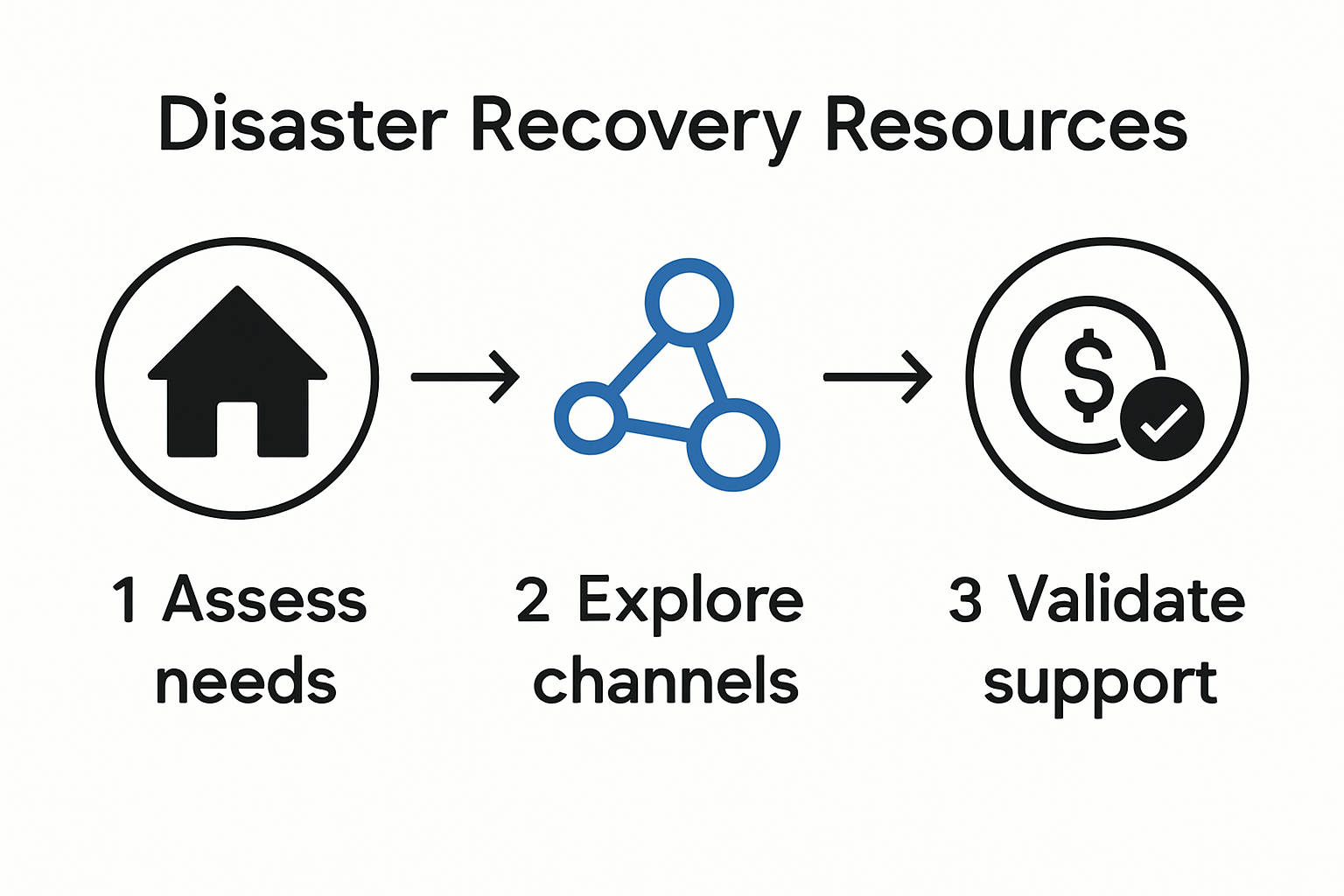
FEMA’s Community Recovery Management Toolkit emphasizes the importance of conducting a thorough initial assessment of your specific needs. Start by creating a comprehensive inventory of your immediate requirements. This might include emergency housing, financial assistance, medical support, mental health resources, or legal aid.
Key steps in the initial assessment include:
- Detailed Personal Inventory: Document all immediate and potential future needs
- Urgency Ranking: Prioritize resources based on critical versus supportive needs
- Comprehensive Documentation: Gather all relevant personal identification and disaster-related documentation
Leveraging Multiple Resource Channels
The USDA’s Disaster Resiliency and Recovery Guide recommends a multi-channel approach to resource discovery. Do not rely on a single directory or information source. Diversify your search strategies by exploring federal, state, local, and nonprofit resource directories.
Effective multi-channel strategies include:
- Contacting local emergency management offices
- Exploring federal agency websites
- Connecting with local nonprofit organizations
- Utilizing community support centers
- Engaging with local religious and community groups
Verifying and Validating Resources
Discover strategies for accessing critical support networks to understand the importance of resource verification. Not all listed resources are equal or immediately available. Take time to validate the authenticity, current availability, and specific eligibility requirements for each potential resource.
Resource validation techniques:
- Confirm contact information directly with the resource provider
- Ask about specific eligibility criteria
- Understand application processes and required documentation
- Check for potential wait times or resource limitations
- Verify the resource’s current operational status
Successful resource navigation requires patience, persistence, and a systematic approach. By methodically assessing needs, exploring multiple channels, and carefully validating potential resources, disaster victims can build a robust support network. Remember that recovery is a process, and these resource directories are designed to provide comprehensive assistance during challenging times.
The most effective strategy is to remain proactive, organized, and open to guidance from professionals and support networks. Each step you take brings you closer to rebuilding and recovery.
Maximizing Collaboration Across Agencies and Groups
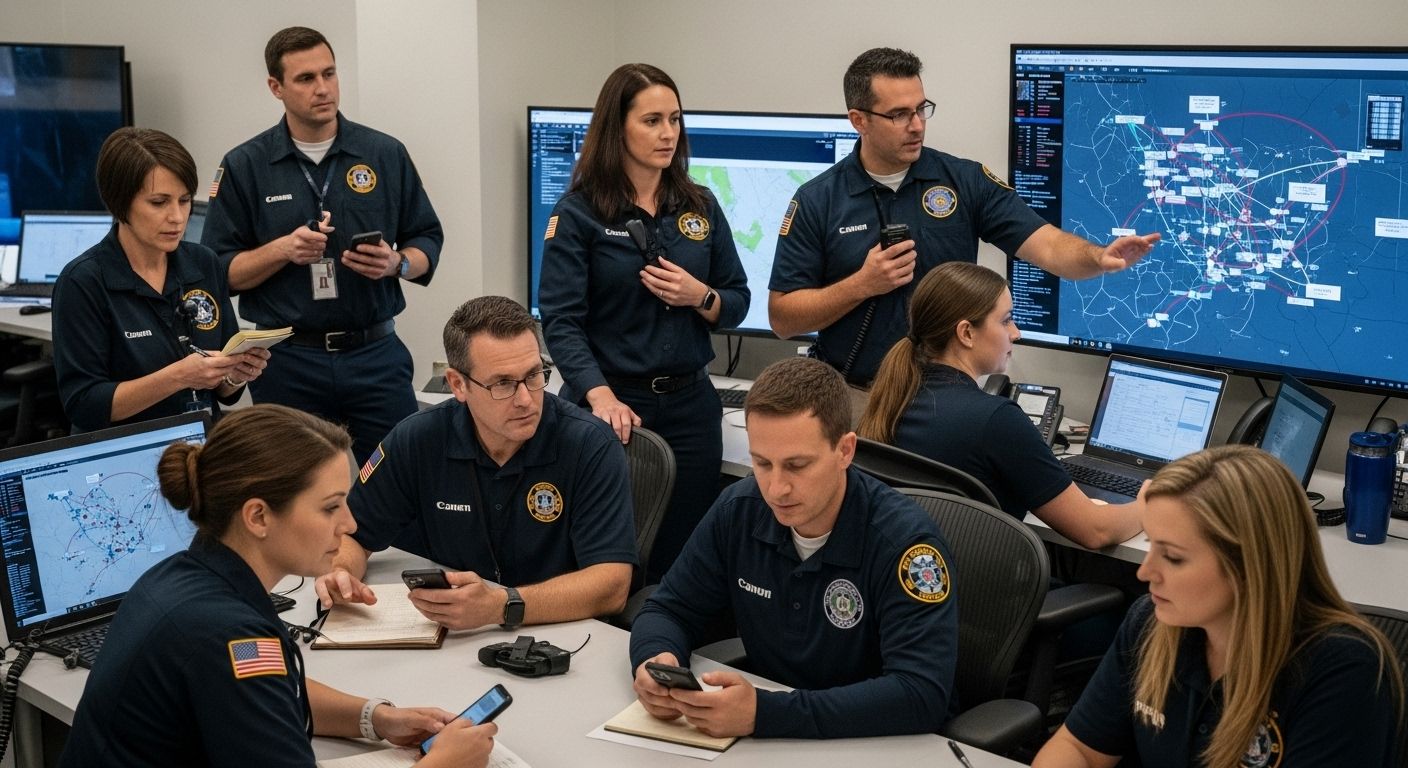
Effective disaster recovery demands seamless collaboration among diverse agencies, organizations, and support groups. The complexity of disaster response requires a synchronized approach that transcends traditional bureaucratic boundaries, ensuring comprehensive and efficient support for affected individuals and communities.
Establishing Integrated Communication Frameworks
The U.S. Government Accountability Office emphasizes the critical importance of establishing clear communication channels between federal, state, and local agencies. Successful collaboration starts with creating structured frameworks that enable rapid information sharing and coordinated resource deployment.
Key strategies for integrated communication include:
- Standardized Reporting Protocols: Develop consistent documentation methods across agencies
- Shared Digital Platforms: Implement interoperable technology systems
- Regular Interdepartmental Meetings: Schedule consistent coordination sessions
- Cross-Training Programs: Facilitate mutual understanding of different agency capabilities
Technology-Enabled Resource Coordination
The RAND Corporation’s collaboration toolkit highlights digital platforms as transformative tools for enhancing interagency cooperation. Modern resource directories must support real-time data sharing, enabling agencies to track resource availability, identify gaps, and respond dynamically to emerging needs.
Technological collaboration features should include:
- Centralized database management
- Real-time resource tracking
- Secure information exchange mechanisms
- Automated alert systems for critical resource needs
Developing Comprehensive Collaborative Strategies
Learn more about emergency response coordination approaches to understand the nuanced strategies required for effective collaboration. Success depends on creating a culture of mutual respect, shared goals, and transparent communication among all participating organizations.
Essential collaborative strategies include:
- Establishing clear roles and responsibilities
- Creating flexible response protocols
- Developing mutual trust through consistent engagement
- Implementing continuous feedback and improvement mechanisms
Maximizing collaboration is not just about technology or protocols—it is about building a unified, compassionate approach to disaster recovery. By breaking down organizational silos and focusing on collective impact, agencies can create a more responsive, efficient support system that truly meets the complex needs of disaster victims.
The most successful collaborations emerge from a shared commitment to human-centered recovery, where every organization sees itself as part of a larger, interconnected support network. This holistic approach transforms fragmented resources into a powerful, coordinated response that can significantly accelerate community healing and resilience.
Frequently Asked Questions
What are community resource directories?
Community resource directories are comprehensive databases that catalog critical support services available during and after disasters, including emergency housing, financial assistance, medical support, and more.
How can I effectively navigate a community resource directory?
To navigate effectively, identify your specific needs, use multiple filter options for searches, prioritize directories maintained by reputable organizations, and ensure the information is regularly updated.
Why is it important to verify the resources listed in directories?
Verifying resources is crucial to confirm their availability, accuracy, and specific eligibility requirements, ensuring that you connect with the right assistance during the recovery process.
How can technology facilitate disaster recovery through resource directories?
Technology enhances disaster recovery by providing advanced search features, mobile compatibility, and real-time updates, making it easier for individuals to access essential resources quickly.
Turn Complex Disaster Recovery Into a Clear Path Forward
Finding the right help in a disaster can feel confusing and overwhelming. When you are faced with urgent needs, searching through resource directories and verifying support options often takes too long. This article highlights the stress and uncertainty that come with disaster recovery, especially when you need fast access to emergency housing and expert guidance.
Instead of facing this alone, let a dedicated partner simplify the process for you. Our team at DisasterVictimServices.com specializes in working alongside emergency agencies and insurance carriers to coordinate immediate housing and critical recovery solutions. If your journey goes beyond basic support and you must rebuild your home, explore comprehensive remodeling services built for disaster survivors. Do not let confusion add to your struggle. Visit DisasterVictimServices.com right now to connect with compassionate experts and start rebuilding your sense of security today.
Recommended
- How to Access Support Networks After Disasters in 2025 – Disaster Victim Services | Helping You Recover After Disaster
- How to Access Support: Guide for Disaster Recovery 2025 – Disaster Victim Services | Helping You Recover After Disaster
- Navigating Housing Assistance in 2025: A Guide for Disaster Recovery – Disaster Victim Services | Helping You Recover After Disaster
- Disaster Recovery Process Steps: A Complete Guide 2025 – Disaster Victim Services | Helping You Recover After Disaster