

Disaster recovery is becoming a top priority as homeowners face fires, floods, and more unpredictable threats each year. Smart sensors and AI systems are showing up everywhere, promising safety features that almost sound futuristic. But the most surprising change is that homes with advanced safety tech have been shown to recover from disasters up to 40 percent faster than those without. This flips the script on what it really means to be prepared for the unexpected.
Table of Contents
- Latest Technologies For Home Safety Upgrades
- Government And Insurance Guidelines For Safer Homes
- Best Practices For Disaster-Ready Home Improvements
- Community And Relief Partner Roles In Home Safety
Quick Summary
| Takeaway | Explanation |
|---|---|
| Smart sensors enhance monitoring | Utilize advanced sensor networks to identify risks early and improve home safety. |
| Augmented reality aids disaster preparedness | Implement AR tools to guide residents through emergency scenarios and evacuation processes effectively. |
| AI predicts safety risks | Leverage AI systems to detect potential threats, allowing for proactive risk management and disaster mitigation. |
| Adopt resilient design and materials | Choose specific materials and design strategies to strengthen homes against environmental hazards. |
| Community partnerships improve safety | Collaborate with local organizations for effective emergency response and resource sharing during disasters. |
Latest Technologies for Home Safety Upgrades
The landscape of home safety is rapidly transforming with cutting-edge technologies that promise unprecedented protection and disaster resilience. As climate change and environmental unpredictability increase, homeowners now have access to sophisticated systems that go far beyond traditional safety measures.
Smart Sensor Networks for Comprehensive Monitoring
Advanced sensor technologies are revolutionizing home safety by creating intelligent monitoring systems that detect potential risks before they escalate. Explore our advanced monitoring solutions for comprehensive protection. The Internet of Things (IoT) has enabled distributed sensor networks that collect real-time environmental data with remarkable precision. According to research from Harvard’s Data Smart project, these sensor networks can simultaneously track multiple environmental parameters such as temperature, humidity, structural vibrations, and potential gas leaks.
A breakthrough distributed sensor network combining multiple sensors and a consensus algorithm dramatically improves residential emergency detection. Research published in advanced computing journals demonstrates that these systems enhance accuracy and reliability over traditional alert mechanisms. By analyzing complex data patterns, these networks can predict potential structural vulnerabilities, water damage risks, and even early warning signs of electrical failures.
Augmented Reality for Emergency Preparedness
Augmented Reality (AR) technologies are transforming how residents prepare for and respond to potential disasters. Unlike traditional emergency preparedness methods, AR applications provide immersive, interactive guidance during critical moments. Detailed research reveals that AR can dramatically improve building evacuation processes by overlaying virtual content that guides occupants through complex emergency scenarios.
These AR systems can simulate various disaster scenarios, helping residents practice emergency protocols in a safe, controlled virtual environment. The technology enables real-time spatial mapping, providing intuitive navigation instructions during high-stress situations. By integrating advanced visualization techniques, AR can highlight safe routes, mark potential hazards, and offer step-by-step evacuation guidance tailored to specific building layouts.
Artificial Intelligence Driven Predictive Safety Systems
Artificial Intelligence (AI) is emerging as a game-changing technology in home safety, offering predictive capabilities that anticipate and mitigate potential risks. These intelligent systems analyze historical data, environmental conditions, and real-time sensor inputs to generate comprehensive risk assessments.
By leveraging machine learning algorithms, AI-powered safety systems can recognize subtle patterns indicating potential structural weaknesses, electrical system anomalies, or environmental threats. The predictive nature of these technologies allows homeowners to address potential issues proactively, significantly reducing the likelihood of catastrophic damage during extreme events.
The convergence of IoT, AR, and AI represents a quantum leap in home safety technologies. As these innovations continue to evolve, homeowners can look forward to increasingly sophisticated, intelligent systems that provide comprehensive protection and peace of mind in an unpredictable world.
To help you compare the latest home safety technologies covered above, the table below summarizes their unique features and disaster-recovery benefits.
| Technology | Key Features | Disaster Recovery Benefit |
|---|---|---|
| Smart Sensor Networks | Real-time environmental monitoring, early risk detection | Faster identification and mitigation of hazards |
| Augmented Reality (AR) | Immersive emergency guidance and scenario simulations | Improved evacuation and preparedness |
| Artificial Intelligence (AI) | Predictive analytics using historical and real-time data | Proactive risk management, minimized damage |
Government and Insurance Guidelines for Safer Homes
Navigating the complex landscape of home safety requires understanding critical guidelines established by government agencies and insurance providers. These comprehensive frameworks are designed to protect homeowners and provide strategic resilience against potential disasters.
Federal Housing and Disaster Recovery Protocols
The U.S. Department of Housing and Urban Development (HUD) plays a pivotal role in establishing comprehensive disaster recovery guidelines. Learn more about our recovery resource guide that complements these federal standards. According to HUD’s Disaster Recovery Tool Kit, homeowners receive critical resources for rehabilitating properties after catastrophic events, with specific guidance on designing homes to withstand natural hazards.
These federal guidelines emphasize proactive risk mitigation strategies. Homeowners are encouraged to implement structural reinforcements, upgrade building materials, and develop comprehensive emergency preparedness plans. The protocols provide detailed recommendations for different geographical regions, considering unique environmental challenges such as flood zones, hurricane-prone areas, and wildfire-sensitive landscapes.
Insurance Industry Resilience Initiatives
Insurance regulators are increasingly focusing on promoting home resilience through innovative programs and financial incentives. The National Association of Insurance Commissioners (NAIC) has developed a National Resilience Strategy that transforms how homeowners approach property protection.
One exemplary initiative is Alabama’s Strengthen Alabama Homes program, which provides grants for homeowners to retrofit properties according to the Insurance Institute for Business and Home Safety’s Fortified standard. These programs offer financial support for implementing advanced safety measures, effectively bridging the gap between recommended improvements and homeowner affordability.
Risk Assessment and Compliance Standards
Modern home safety guidelines now incorporate sophisticated risk assessment methodologies. Insurance providers and government agencies collaborate to develop comprehensive compliance standards that go beyond traditional building codes. These standards evaluate multiple risk factors, including structural integrity, environmental vulnerability, and potential disaster scenarios.
Homeowners who proactively meet these enhanced standards can benefit from reduced insurance premiums, improved property valuations, and increased eligibility for disaster recovery assistance. The guidelines encourage a holistic approach to home safety, emphasizing continuous assessment, regular maintenance, and adaptive strategies that evolve with changing environmental conditions.
As disaster risks become increasingly complex, these government and insurance guidelines represent a critical framework for protecting homes and communities. By understanding and implementing these comprehensive standards, homeowners can significantly enhance their property’s resilience and ensure better protection against unpredictable environmental challenges.
Best Practices for Disaster-Ready Home Improvements
Preparing a home for potential disasters requires strategic, comprehensive improvements that go beyond traditional renovation approaches. Homeowners must adopt a holistic strategy that addresses multiple environmental risks and structural vulnerabilities.
Resilient Design and Material Selection
Learn more about disaster-resistant construction techniques that can transform your home’s safety profile. According to the U.S. Environmental Protection Agency’s disaster-resilient design guidelines, selecting appropriate materials and implementing strategic design modifications are crucial for mitigating potential hazards.
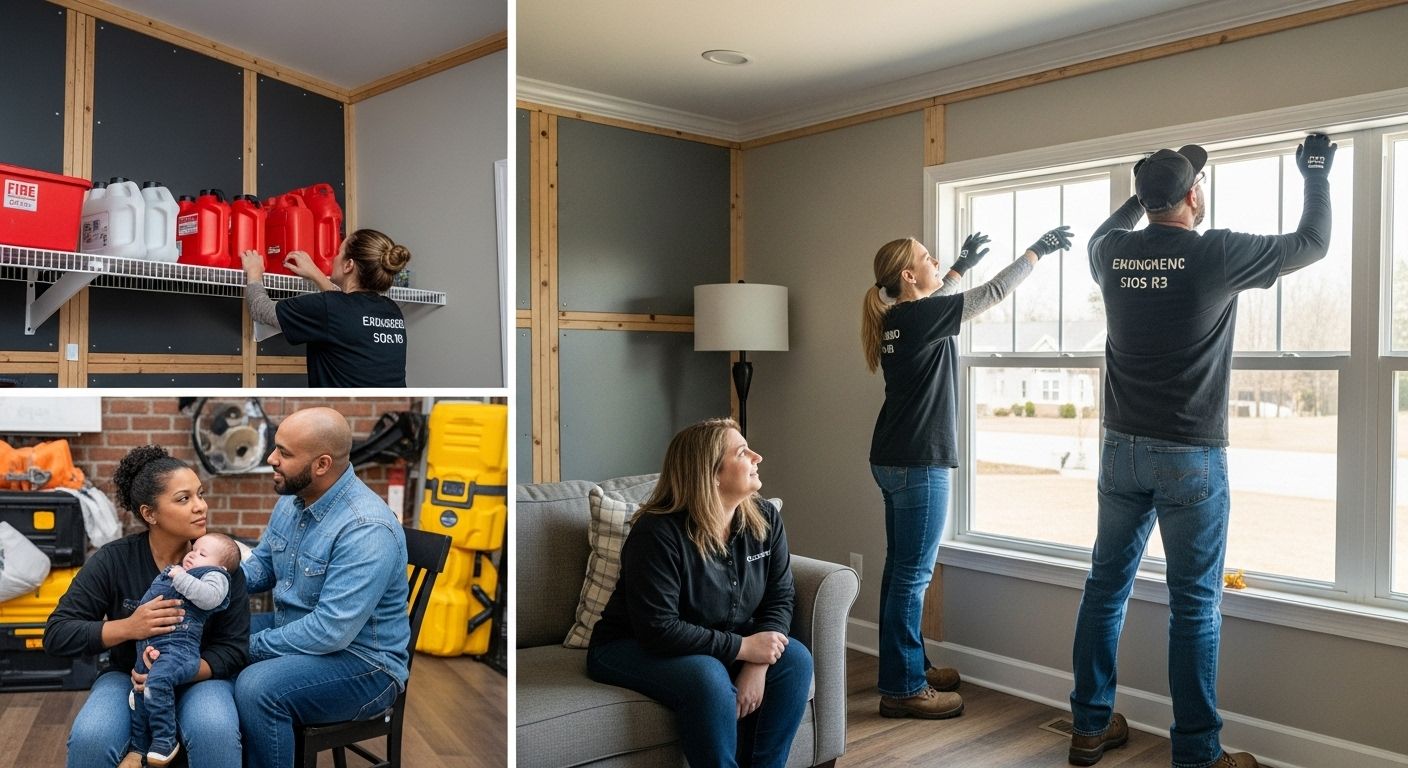
The Building America Solution Center recommends specific material choices that enhance home resilience. Fire-resistant roofing materials, impact-resistant windows, and reinforced structural frameworks can significantly reduce damage potential during extreme events. These improvements not only protect the physical structure but also provide critical protection for inhabitants during high-risk scenarios.
Structural Reinforcement and Hazard Mitigation
Structural reinforcement goes beyond cosmetic improvements, focusing on fundamental vulnerabilities in home design. The Building America Solution Center provides comprehensive guidance on protecting homes from various environmental threats, including windstorms, wildfires, and seismic activities.
Key reinforcement strategies include:
- Foundation strengthening to resist flooding and ground movement
- Roof anchoring techniques to prevent wind damage
- Fireproof perimeter design to create defensible spaces around residential structures
- Water drainage systems that redirect potential flood risks
Homeowners should prioritize modifications that address specific regional environmental challenges. This might involve different approaches for coastal regions prone to hurricanes versus areas experiencing frequent wildfire risks.
The following table highlights essential resilient home design and material choices recommended for disaster-ready improvements, along with the advantages each provides during extreme events.
| Feature or Material | Purpose/Function | Benefit During Disaster |
|---|---|---|
| Fire-resistant roofing materials | Prevent ignition from embers/wildfires | Reduces fire damage risk |
| Impact-resistant windows | Withstand flying debris | Minimizes storm and wind damage |
| Reinforced structural frameworks | Strengthen load-bearing elements | Increases stability in disasters |
| Foundation strengthening | Bolster base against floods/seismic risk | Lowers risk of collapse/flood damage |
| Roof anchoring techniques | Secure roof against high winds | Prevents uplift and roof displacement |
| Fireproof perimeter design | Defensive landscaping/space | Slows wildfire spread to structure |
| Water drainage systems | Redirect water away from home | Prevents flood and water damage |
Comprehensive Emergency Preparedness Infrastructure
Beyond physical improvements, disaster-ready homes require integrated emergency preparedness infrastructure. This includes installing robust communication systems, creating dedicated emergency supply storage, and designing flexible living spaces that can adapt to rapidly changing conditions.
Critical preparedness elements include:
- Backup power generation systems
- Water filtration and storage capabilities
- First aid and emergency supply zones
- Communication redundancy with multiple power and network backup options
Effective disaster-ready home improvements represent a multifaceted approach combining structural engineering, material science, and strategic planning. By implementing these comprehensive practices, homeowners can significantly enhance their property’s resilience and protect their most valuable asset against unpredictable environmental challenges.
The goal is not just survival but creating adaptable, robust living environments that can withstand and quickly recover from potential disasters. Continuous assessment, regular maintenance, and a proactive approach to home safety will be key in navigating the increasingly complex environmental landscape of the future.
Community and Relief Partner Roles in Home Safety
Effective home safety during and after disasters requires a comprehensive, collaborative approach that extends far beyond individual household efforts. Community partnerships and relief organizations play a critical role in creating resilient, supportive environments that can rapidly respond to and recover from catastrophic events.
Coordinated Federal and Local Emergency Response
Discover our comprehensive community support framework that connects victims with essential resources. According to FEMA’s Recovery Support Functions (RSFs), coordinating federal assistance involves complex problem-solving across multiple government levels and nongovernmental partners.
These recovery support functions create a strategic network that facilitates resource access, information sharing, and targeted assistance.
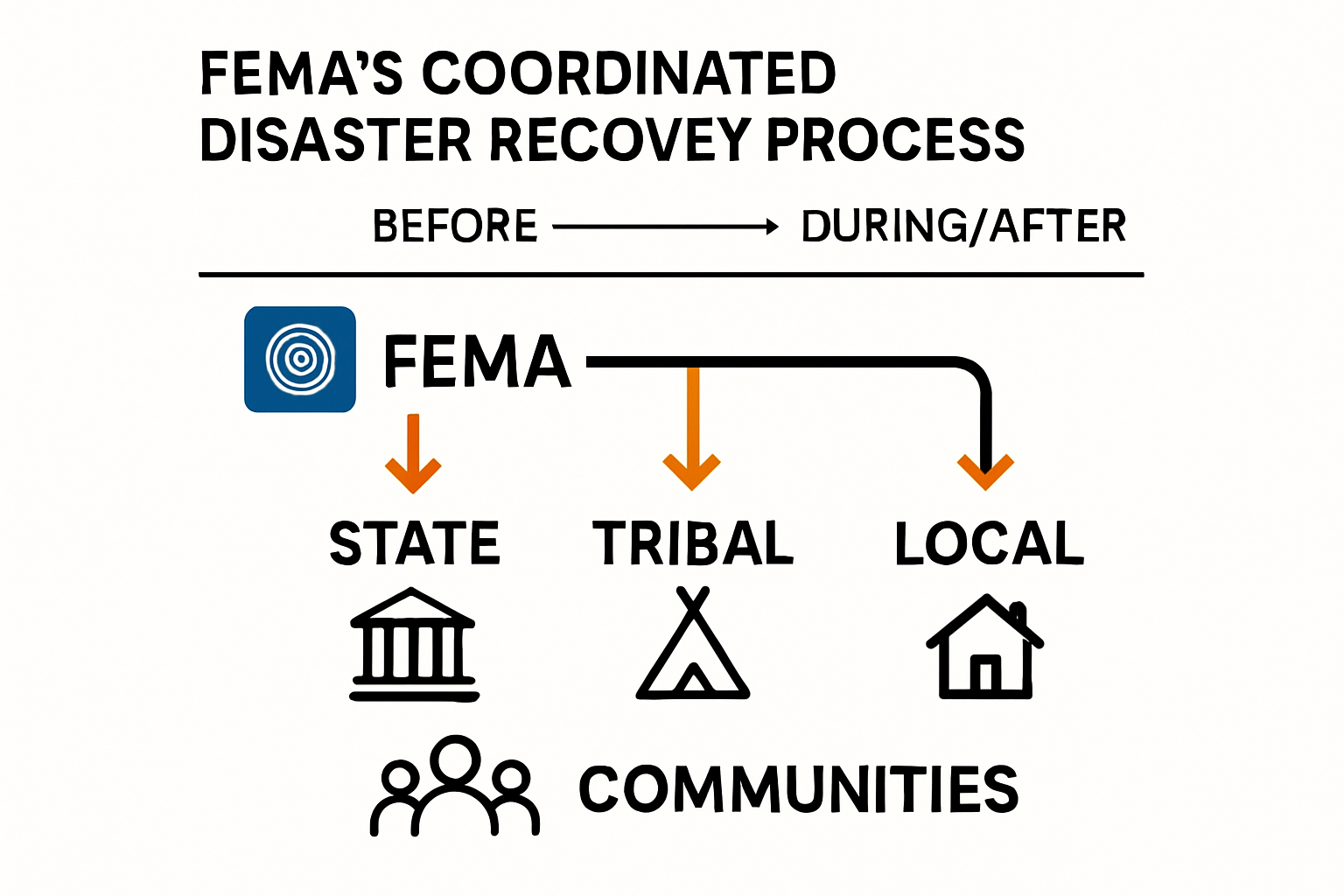
By integrating state, tribal, territorial, and federal agencies with local community organizations, RSFs ensure a more comprehensive and efficient disaster response. This multi-agency approach allows for rapid assessment of community needs, targeted resource allocation, and streamlined communication channels.
Community-Led Preparedness and Resilience
Research from Penn State University’s Extension Program highlights the critical importance of local residents in disaster recovery. Community members are uniquely positioned to identify immediate needs, coordinate preparedness efforts, and implement localized emergency response programs.
Key community-led strategies include:
- Neighborhood emergency response teams
- Local risk assessment workshops
- Community communication networks
- Mutual support and resource sharing systems
These grassroots initiatives help reduce feelings of isolation during disasters and create robust, adaptable support mechanisms that complement formal emergency response structures.
Collaborative Partnerships for Comprehensive Safety
Effective emergency preparedness relies on strategic collaborations between various community partners. Rural Health Information Resources emphasize that public health agencies often lead these collaborative efforts, coordinating with multiple stakeholders to enhance community resilience.
Critical collaborative partnerships typically involve:
- Local government agencies
- Public health departments
- Emergency medical services
- Non-profit relief organizations
- Educational institutions
- Healthcare providers
These partnerships facilitate comprehensive risk assessments, develop communication strategies, and create integrated recovery activities that address both immediate and long-term community needs.
Below is a table outlining the key community partners involved in disaster preparedness and their primary roles, simplifying how these collaborations support home and community resilience.
| Partner Type | Main Responsibilities/Contributions |
|---|---|
| Local government | Coordination, policy, and resource allocation |
| Public health agencies | Health monitoring, education, and outreach |
| Emergency services | Response and rescue operations |
| Non-profit groups | Relief distribution and volunteer networks |
| Educational institutions | Public awareness and training programs |
| Healthcare providers | Medical care and emergency support |
As disaster risks become increasingly complex, the role of community and relief partners in home safety continues to evolve. By fostering strong, interconnected support networks, communities can develop more adaptive, responsive strategies that protect residents and promote rapid, effective recovery in the face of unprecedented challenges.
Frequently Asked Questions
What are the latest technologies for enhancing home safety?
Home safety has evolved with advancements such as smart sensor networks for comprehensive monitoring, Augmented Reality (AR) tools for emergency preparedness, and Artificial Intelligence (AI) systems that predict potential safety risks. These technologies help homeowners identify hazards early and respond effectively during emergencies.
How do smart sensor networks improve disaster recovery?
Smart sensor networks enhance disaster recovery by continuously monitoring environmental conditions and detecting potential risks. This real-time data allows homeowners to respond quickly to emergencies, leading to a faster recovery from disasters compared to homes without these systems.
What role does augmented reality play in emergency preparedness?
Augmented Reality (AR) enhances emergency preparedness by providing residents with immersive simulation experiences that guide them through disaster scenarios. AR applications can help occupants practice evacuation procedures and navigate safely during critical situations.
Why is structural reinforcement important for disaster readiness?
Structural reinforcement is crucial for disaster readiness as it strengthens a home against various environmental threats. Techniques like foundation strengthening, roof anchoring, and using fire-resistant materials significantly reduce the risk of damage during extreme weather events.
Fast-Track Your Home’s Disaster Recovery With Expert Support
When disaster strikes, many homeowners struggle to put the latest safety improvements into action while also managing urgent needs like emergency housing and insurance claims. Our article shows that homes with advanced technology and resilient design recover from catastrophe much faster, but taking these steps alone can feel overwhelming. Worrying about repairs, logistics, and finding safe shelter should not delay your return to normal life.
That is where Disaster Victim Services steps in. We are dedicated to helping families like yours not only secure essential emergency support, but also streamline every stage of the rebuilding process. Need to remodel, upgrade, or restore your home for greater safety? Explore our specialized remodeling services designed to implement the best practices featured in our guide. Do not wait until the next crisis catches you off guard. Visit DisasterVictimServices.com now to connect with experienced professionals who will help safeguard your home and your future.
Recommended
- Disaster Safety Checklist 2025: Essential Steps for Every Family and Organization – Disaster Victim Services | Helping You Recover After Disaster
- Home Safety Improvements 2025: Essential Updates for Secure Living – Disaster Victim Services | Helping You Recover After Disaster
- Home Safety Tips 2025: Essential Guide for Disaster Recovery – Disaster Victim Services | Helping You Recover After Disaster
- How to Rebuild Safely: Essential Steps for Disaster Recovery 2025 – Disaster Victim Services | Helping You Recover After Disaster