
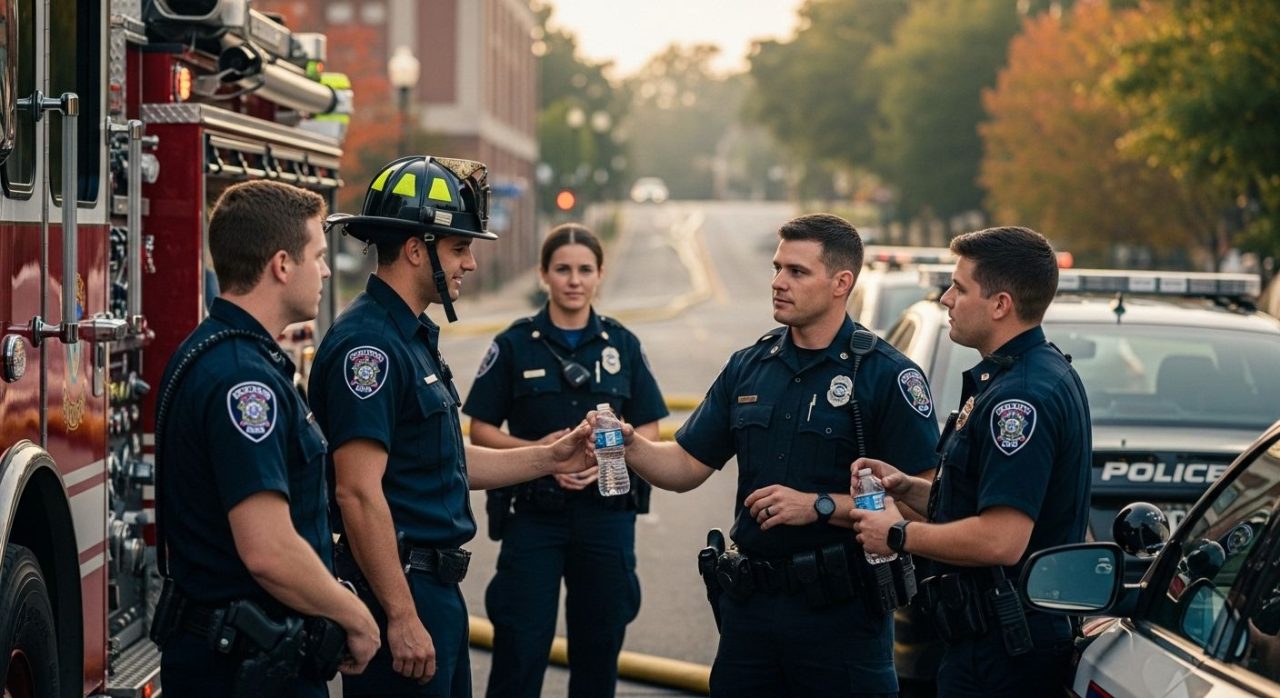
Responder fatigue might sound like just another workplace challenge, but it cuts far deeper into the lives of emergency personnel and the communities they serve. Think about this. Fatigue in responders can slow reaction times, reduce attention, and even put public safety at risk—according to CDC research. Most assume the biggest risk is the toll on responders themselves. The real threat is bigger. When fatigue creeps in, it can ripple through entire emergency systems, exposing everyone to greater danger and making prevention strategies non-negotiable.
Table of Contents
- Understanding Responder Fatigue And Its Risks
- Proven Strategies For Fatigue Prevention
- Collaborative Roles In Preventing Fatigue
- Supporting Recovery For Responders And Families
Quick Summary
| Takeaway | Explanation |
|---|---|
| Understand the risks of responder fatigue | Recognizing how fatigue affects decision-making is crucial for emergency personnel. It impacts performance and can compromise public safety. |
| Implement structured fatigue management systems | Organizations should establish clear protocols for rest, job rotation, and workload management to effectively address fatigue risks. |
| Encourage personal resilience and health practices | Responders should adopt strategies like balanced nutrition, regular exercise, and mental health check-ins to bolster their resilience against fatigue. |
| Promote peer support networks | Building a supportive team dynamic enables members to recognize fatigue signs and encourages seeking help, enhancing overall well-being. |
| Focus on family-centered recovery support | Involving families in recovery strategies strengthens emotional support and aids responders in navigating their mental health challenges. |
Understanding Responder Fatigue and Its Risks
Responder fatigue represents a critical challenge that undermines the effectiveness and well-being of emergency personnel across various sectors. This complex phenomenon goes far beyond simple physical exhaustion, encompassing psychological, emotional, and physiological dimensions that can dramatically impact an individual’s capacity to perform critical tasks during high-stress situations.
The Multifaceted Nature of Responder Stress
Emergency responders face an unprecedented level of psychological and physical strain that sets them apart from professionals in many other fields. According to the CDC, these professionals encounter extreme stressors including witnessing human suffering, confronting personal risk, managing intense workloads, and making life-and-death decisions. These continuous challenges can lead to profound mental and emotional exhaustion.
The physiological impact of sustained stress is equally significant. Research from the CDC’s National Institute for Occupational Safety and Health reveals that fatigue can critically impair cognitive functions. Specifically, responder fatigue can slow reaction times, reduce attention span, limit short-term memory, and compromise judgment—potentially creating dangerous scenarios during emergency interventions.
Psychological and Performance Risks
Psychological risks associated with responder fatigue extend beyond immediate performance concerns. The Substance Abuse and Mental Health Services Administration highlights that individuals with preexisting mental health conditions may face heightened vulnerability during high-stress deployments.
The cumulative effect of continuous exposure to traumatic events can trigger secondary traumatic stress, a condition where responders experience emotional and psychological symptoms similar to post-traumatic stress disorder. This phenomenon can manifest through symptoms like emotional numbness, persistent anxiety, sleep disruptions, and decreased professional efficacy.
Long-Term Implications and Systemic Challenges
Respected professionals in emergency response understand that fatigue is not merely an individual challenge but a systemic issue requiring comprehensive strategies. The potential consequences of unaddressed responder fatigue include increased workplace accidents, reduced team performance, higher turnover rates, and significant personal health risks.
Organizations must recognize that preventing responder fatigue requires a holistic approach. This involves implementing robust support systems, providing regular psychological assessments, establishing clear workload management protocols, and fostering a culture that prioritizes mental health and well-being. Check out our comprehensive guide on responder safety protocols for more detailed strategies to mitigate these risks.
By understanding the intricate layers of responder fatigue, stakeholders can develop more effective prevention and intervention strategies that protect both the individuals on the front lines and the critical services they provide to communities in need.
Proven Strategies for Fatigue Prevention
Fatigue prevention requires a comprehensive and proactive approach that addresses physical, psychological, and organizational challenges faced by emergency responders. Implementing strategic interventions can significantly mitigate the risks associated with prolonged stress and continuous high-intensity work environments.
Organizational and Structural Interventions
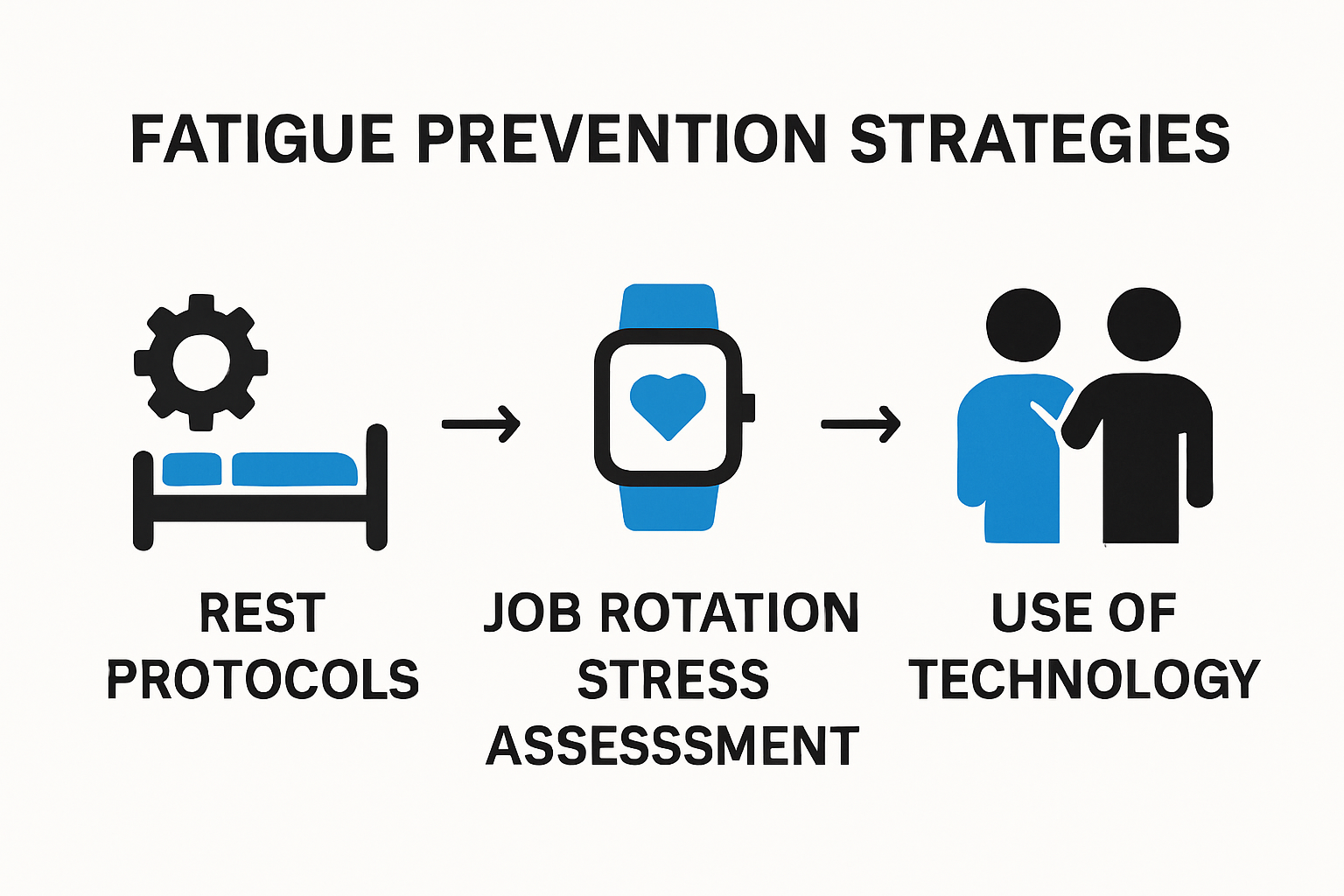
According to the CDC/NIOSH Emergency Responder Health Monitoring and Surveillance guidelines, organizations must prioritize systematic fatigue management. This involves establishing clear protocols for mandatory rest breaks, implementing job rotation strategies, and creating schedules that prevent extended continuous work periods. These structured interventions are critical for maintaining responder health and operational effectiveness.
Key organizational strategies include developing comprehensive workload management systems that track individual stress levels, providing adequate staffing to prevent overextension, and creating flexible deployment schedules. Managers must recognize that fatigue is not a sign of weakness but a genuine occupational health concern that requires systematic addressing.
Personal Health and Resilience Techniques
Research published in the International Journal of Environmental Research and Public Health emphasizes the importance of individual resilience strategies. Responders should focus on holistic personal health practices including proper nutrition, consistent sleep hygiene, regular physical conditioning, and psychological support mechanisms.
Specific personal intervention techniques include developing personalized stress management routines, practicing mindfulness and relaxation techniques, maintaining consistent physical fitness, and engaging in regular mental health check-ins. Nutrition plays a crucial role, with experts recommending balanced diets that support sustained energy and cognitive function during high-stress situations.
Technological and Monitoring Solutions
Advanced technological solutions are emerging as powerful tools in responder fatigue prevention. Wearable technologies can now monitor physiological markers like heart rate variability, sleep quality, and stress levels. These devices provide real-time data that can help individuals and organizations proactively manage fatigue risks.
Organizations are increasingly adopting comprehensive monitoring systems that integrate physiological tracking, performance assessment, and predictive analytics. Learn more about our advanced responder safety protocols to understand how cutting-edge technologies are transforming fatigue management.
By combining organizational support, individual resilience strategies, and technological monitoring, emergency response teams can create robust fatigue prevention frameworks. These multifaceted approaches recognize that preventing responder fatigue is not just about managing symptoms but creating sustainable, health-focused work environments that protect both personnel and the critical services they provide.
To help readers quickly scan the different types of interventions for responder fatigue, the table below summarizes the main organizational, personal, and technological strategies outlined in this section.
| Intervention Type | Examples/Strategies |
|---|---|
| Organizational & Structural | Mandatory rest breaks, job rotation, flexible deployment schedules, workload management systems |
| Personal Health & Resilience | Nutrition, sleep hygiene, physical conditioning, stress management routines, mindfulness, mental health checks |
| Technological & Monitoring | Wearable devices tracking heart rate/sleep/stress, integrated monitoring systems, predictive analytics |
Collaborative Roles in Preventing Fatigue
Effective responder fatigue prevention requires a comprehensive, multi-stakeholder approach where each organizational and individual participant plays a critical role in maintaining mental and physical well-being. This collaborative strategy goes beyond individual efforts, creating a supportive ecosystem that proactively addresses stress and exhaustion.
Organizational Leadership Responsibilities
According to the CDC’s National Institute for Occupational Safety and Health, organizational leaders must take a proactive stance in managing worker fatigue. This involves implementing structured support systems like the Coworker Health Awareness Training (CHAT) and establishing critical incident debriefing protocols. Leadership responsibilities extend beyond administrative tasks to creating a culture that prioritizes mental health and recognizes the psychological demands of emergency response work.
Key leadership strategies include developing realistic work schedules, ensuring adequate staffing levels, implementing job rotation mechanisms, and providing ongoing training on stress management. Organizations must create environments where seeking help is normalized and psychological safety is paramount.
Peer Support and Psychological Resilience
The Substance Abuse and Mental Health Services Administration emphasizes the critical role of peer support in managing responder stress. Colleagues play a vital role in recognizing early fatigue warning signs, offering emotional support, and creating accountability networks that promote individual and collective well-being.
Peer support strategies include developing structured check-in systems, creating safe spaces for open communication, and training team members in recognizing and responding to signs of emotional exhaustion. Controlled empathy and clear professional boundaries are essential in maintaining effective support networks without causing additional psychological strain.
Systematic Fatigue Risk Management
NIOSH advocates for comprehensive Fatigue Risk Management Systems that provide a structured approach to identifying, monitoring, and mitigating fatigue risks. These systems involve developing clear policies, conducting regular risk assessments, establishing reporting mechanisms, and creating continuous improvement protocols.
Implementing such systems requires collaboration across multiple levels—from individual responders to organizational leadership, human resources, and medical professionals. Learn more about our detailed responder safety warning protocols to understand how integrated approaches can transform fatigue prevention.
Ultimately, preventing responder fatigue is a shared responsibility. By fostering a culture of mutual support, continuous learning, and proactive health management, organizations can create resilient teams capable of maintaining high performance while protecting individual well-being. The most effective fatigue prevention strategies recognize that no single approach works in isolation—true success comes from coordinated, compassionate, and systematic collaboration.
Below is a table highlighting the collaborative roles and specific strategies for preventing fatigue among responders, showing how organizational leadership, peers, and systematic approaches each contribute to overall resilience and health.
| Stakeholder | Key Responsibilities & Strategies |
|---|---|
| Organizational Leadership | Develop work schedules, adequate staffing, job rotation, stress management training |
| Peer Support | Recognize fatigue signs, provide emotional support, structured check-ins, safe communication |
| Systematic Fatigue Risk Management | Policies, risk assessments, reporting, continuous improvement, Fatigue Risk Management Systems |
Supporting Recovery for Responders and Families
Recovery from responder fatigue is a complex process that extends beyond individual interventions, requiring comprehensive support systems that address the holistic needs of both emergency personnel and their families. Recognizing the interconnected nature of psychological and emotional well-being is crucial in developing effective recovery strategies.
Holistic Family-Centered Support Approaches
Research published in the National Library of Medicine highlights the critical importance of family-inclusive mental health care for first responders. Families are not just passive observers but active participants in the recovery process, serving as crucial support networks that can significantly influence a responder’s psychological rehabilitation.
Effective support strategies include providing specialized counseling services that accommodate the unique challenges faced by emergency response families, offering family therapy sessions, creating support groups specifically designed for responders and their household members, and developing educational programs that help families understand and navigate the psychological impacts of high-stress professional environments.
Professional Psychological Rehabilitation
Psychological recovery requires a multi-dimensional approach that addresses both immediate and long-term mental health needs. Professional rehabilitation programs should include comprehensive psychological assessments, personalized treatment plans, and ongoing mental health monitoring. These programs must be designed to help responders process traumatic experiences, develop resilience, and reintegrate successfully into both professional and personal environments.
Key components of effective psychological rehabilitation include trauma-informed therapy, stress management workshops, cognitive behavioral techniques, and specialized interventions that address secondary traumatic stress. Confidential counseling services, peer support networks, and flexible treatment options are essential in creating an environment that destigmatizes mental health support.
Organizational Recovery and Reintegration Support
Organizations play a pivotal role in supporting responder recovery by implementing structured reintegration programs. These programs should focus on gradual return-to-work strategies, modified duty assignments, and continuous professional support. Workplace accommodations that recognize the psychological challenges of emergency response can significantly contribute to successful long-term recovery.
Explore our comprehensive disaster recovery support guide to understand the nuanced approaches needed for effective responder and family recovery. By providing comprehensive, compassionate, and structured support, organizations can help responders and their families navigate the complex path of psychological and emotional rehabilitation.
Ultimately, supporting responders and their families requires a collaborative, empathetic approach that recognizes the profound sacrifices made by emergency personnel. Recovery is not just about healing individual wounds but about rebuilding resilience, restoring hope, and creating sustainable support systems that honor the critical work of those who serve their communities during times of crisis.

Frequently Asked Questions
What is responder fatigue and why is it a concern?
Responder fatigue refers to the mental, emotional, and physical exhaustion experienced by emergency personnel. It is a significant concern because it can impair decision-making, slow reaction times, and ultimately jeopardize public safety.
What strategies can organizations implement to prevent responder fatigue?
Organizations can implement structured fatigue management systems, including mandatory rest breaks, job rotation, and workload management protocols to ensure that responders receive adequate support and rest.
How can emergency responders maintain personal resilience to combat fatigue?
Emergency responders can maintain resilience by focusing on a balanced diet, consistent sleep hygiene, regular physical activity, and engaging in mental health check-ins to bolster their overall well-being.
What role do peer support networks play in addressing responder fatigue?
Peer support networks are crucial for early identification of fatigue signs and providing emotional support. They foster a team environment where members can openly communicate their challenges and seek help, enhancing overall mental health.
Protect Your Team From Fatigue and Ensure Resilient Recovery
Responder fatigue threatens not just emergency workers but everyone relying on timely response and support. This article highlights the serious risks that stem from fatigue, such as impaired decision-making and increased mental and physical strain on responders. It is clear that addressing this challenge requires more than just individual effort. The goal is to build resilient systems that support both frontline professionals and the communities they serve.
DisasterVictimServices.com bridges the gap between immediate crisis response and long-term recovery. Our team understands the pressure and exhaustion faced by responders and victims alike. We offer complete logistical support, from securing emergency housing to coordinating with insurance partners and recovery specialists. If you are struggling to keep your response teams effective or your community safe, explore our Remodeling solutions designed for disaster recovery. Now is the time to strengthen your approach. Visit DisasterVictimServices.com and connect with our team of experts. Take the first step to protect your personnel, support your operation, and secure a smoother pathway from crisis to restoration.
Recommended
- Responder Fatigue Warning Signs: What Everyone Needs to Know in 2025 – Disaster Victim Services | Helping You Recover After Disaster
- Essential Risk Assessment Checklist for Disaster Recovery – Disaster Victim Services | Helping You Recover After Disaster
- Risk Assessment Steps for Disaster Response in 2025 – Disaster Victim Services | Helping You Recover After Disaster
- Responder Safety Protocols: Essential Steps for 2025 Emergencies – Disaster Victim Services | Helping You Recover After Disaster