
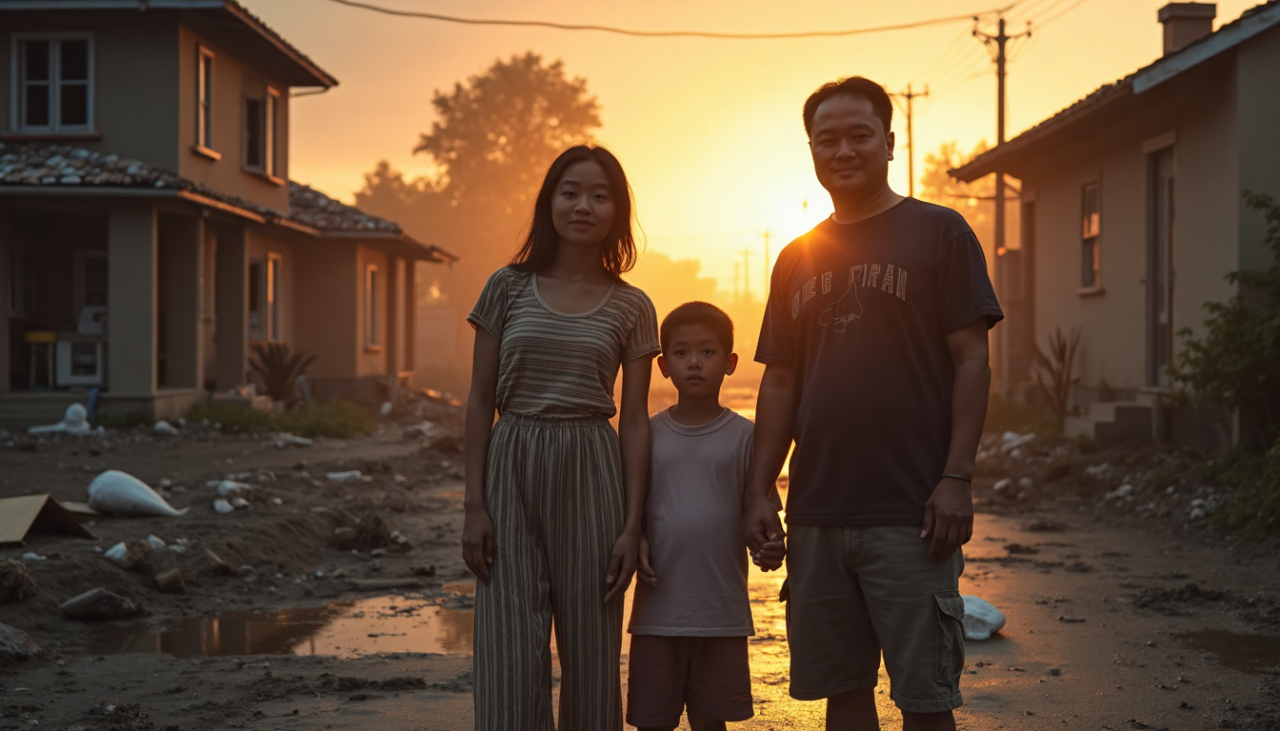
Disaster displacement is affecting more Americans than ever before. In 2024, nearly 11 million people in the US experienced internal displacement after natural catastrophes. That sounds overwhelming enough. Yet, the biggest surprise is that many families are uprooted for much longer than people realize. Roughly 20 percent of displaced households spend over a month away from home, with 14 percent still not back after half a year. This reveals an unseen reality—recovery is not just about finding a place to sleep. It is about tackling emotional distress, financial confusion, and broken community ties, all while charting a path back to stability.
Table of Contents
- Understanding Displacement After Disasters
- Coordinating Shelter And Basic Needs Rapidly
- Navigating Insurance, Financial, And Legal Support
- Building Community And Emotional Resilience
Quick Summary
| Takeaway | Explanation |
|---|---|
| Understanding Displacement Dynamics | Recognizing that disaster displacement affects individuals and communities in multifaceted ways, especially in regions like Louisiana and Florida, is essential for tailored recovery strategies. |
| Rapid Shelter Coordination | Immediate shelter solutions must be established within 15 days post-disaster, leveraging local networks and pre-existing agreements for effective deployment. |
| Navigating Financial and Legal Support | Victims should document damages and understand their insurance policies while utilizing FEMA’s assistance programs for comprehensive recovery, including unmet needs and emergency repairs. |
| Fostering Community Resilience | Building emotional and social resilience through structured psychological support and community engagement initiatives enhances recovery for displaced individuals. |
Understanding Displacement After Disasters
Disaster displacement represents a complex and traumatic experience that fundamentally disrupts the lives of individuals and communities. In 2024, the United States confronted an unprecedented challenge with nearly 11 million people experiencing internal displacement, highlighting the critical need to understand the multifaceted nature of this phenomenon.
The Anatomy of Disaster Displacement
Disaster displacement occurs when individuals are forced to leave their homes due to sudden or progressive environmental events that render their living spaces uninhabitable. These events range from natural disasters like hurricanes and wildfires to slow-onset environmental changes such as prolonged drought or flooding. The impact extends far beyond physical relocation, touching every aspect of personal and community life.
Research reveals significant regional variations in displacement experiences. Data shows that households in Louisiana and Florida are 6.8 and 4.4 times more likely to be displaced compared to the national average. This disparity underscores the importance of understanding localized displacement dynamics and developing targeted recovery strategies.
Duration and Long-Term Implications
Contrary to common assumptions, displacement is not a short-term experience for many families. Approximately 20% of displaced households remain away from their homes for more than one month, with 14% still not returned by mid-2024. This prolonged displacement creates significant psychological, economic, and social challenges.
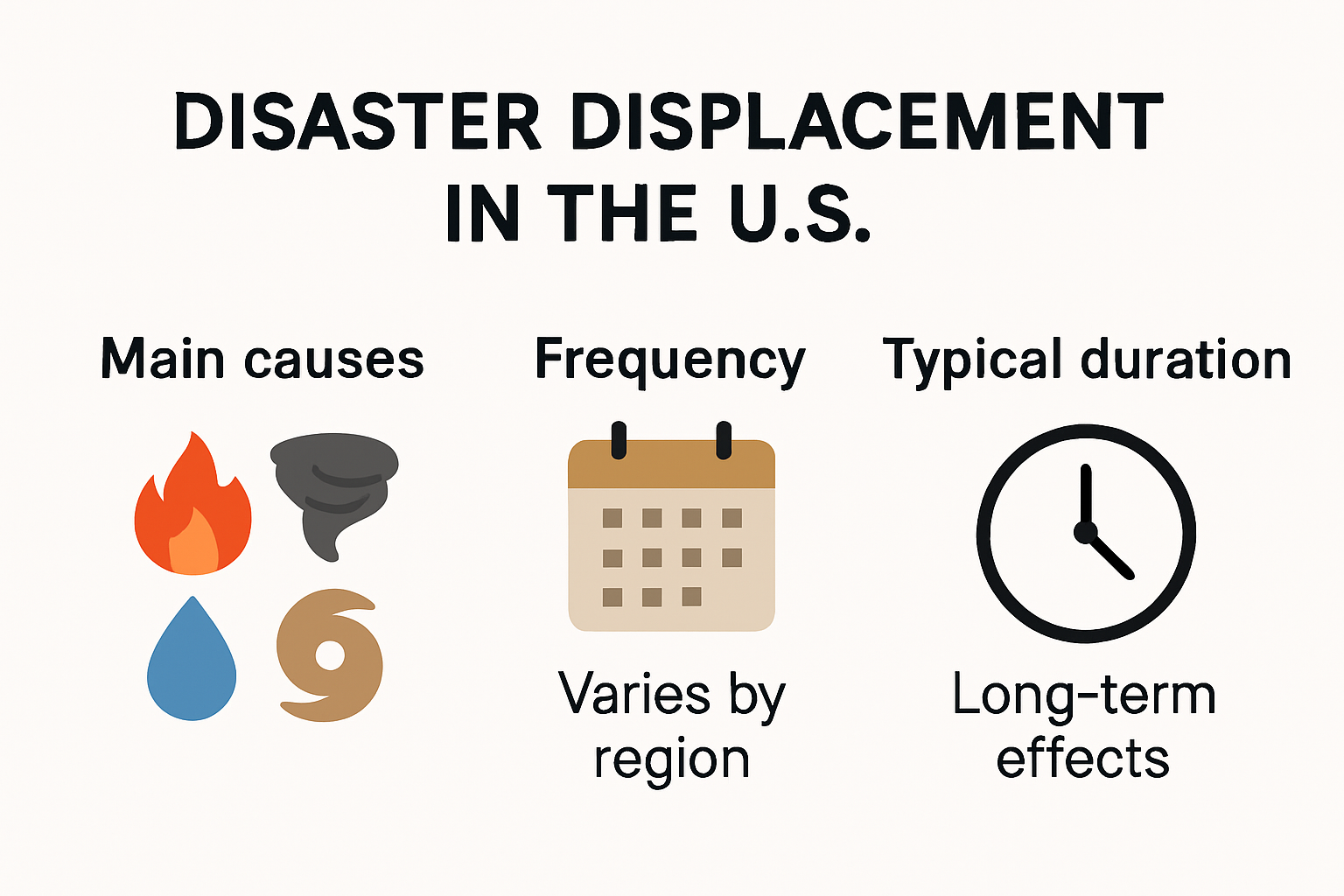
The psychological toll of displacement cannot be overstated. Families experience profound disruption to their social networks, work environments, and sense of community. Children may face educational interruptions, while adults confront employment uncertainties and emotional stress. Moreover, the financial burden of maintaining temporary housing while managing potential property damage adds another layer of complexity.
Understanding these nuanced challenges is crucial for developing comprehensive support systems. Read our in-depth guide on disaster recovery phases to gain deeper insights into navigating these challenging transitions.
Disaster displacement is not merely a logistical challenge but a deeply human experience that requires compassionate, strategic, and individualized approaches. Recognizing the unique circumstances of each displaced family is the first step toward effective recovery and resilience.
Coordinating Shelter and Basic Needs Rapidly
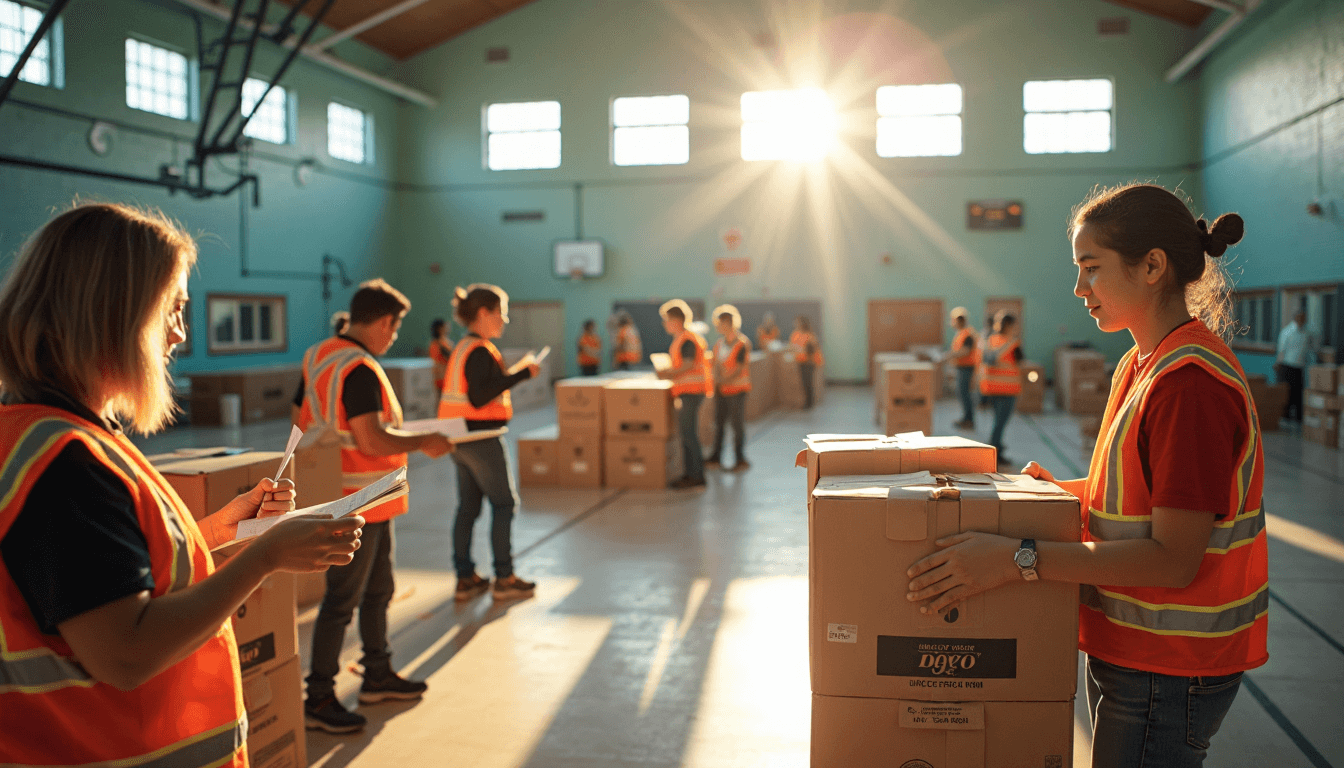
In the immediate aftermath of a disaster, rapid and coordinated shelter and basic needs provision becomes a critical lifeline for displaced populations. The National Disaster Recovery Framework establishes a comprehensive approach to ensure swift and effective support for communities facing sudden displacement.
Immediate Shelter Deployment Strategies
Time is of the essence when addressing shelter needs. Federal law mandates that within 15 days of a major disaster declaration, a federal coordinating officer must identify all available sheltering and housing options for state and tribal authorities. This legal requirement ensures that displaced individuals receive critical temporary housing support quickly.
Key strategies for rapid shelter deployment include:
- Emergency Shelter Networks: Establishing partnerships with local community centers, schools, and faith-based organizations to create immediate housing solutions.
- Mobile Housing Units: Rapidly deployable temporary housing that can be quickly set up in affected areas.
- Regional Coordination: Developing pre-established agreements between neighboring regions to share resources and shelter capacity.
Addressing Essential Basic Needs
Beyond shelter, meeting basic human needs becomes paramount. The Recovery Support Function Leadership Group coordinates multiple federal agencies to ensure comprehensive support across critical areas:
- Water and sanitation access
- Emergency food distribution
- Medical care and first aid
- Personal hygiene supplies
- Communication and family reunification services
Learn more about coordinating effective emergency response to understand the intricate processes behind rapid support deployment.
Successful basic needs coordination requires a multi-agency approach that prioritizes human dignity and immediate survival needs. Communication, flexibility, and pre-established protocols are essential in transforming a crisis response from reactive to proactive. Each minute saved in deployment can significantly impact the physical and emotional well-being of displaced individuals and communities.
Navigating Insurance, Financial, and Legal Support
Recovering from a disaster involves complex financial and legal challenges that can overwhelm displaced individuals. FEMA offers multiple forms of disaster assistance, providing critical support through grants for temporary housing, home repairs, and low-cost loans to cover uninsured property losses.
Understanding Financial Assistance Options
Disaster recovery financial support extends beyond immediate relief. The proposed Natural Disaster Recovery Program Act of 2025 represents a significant advancement in comprehensive disaster support, authorizing federal assistance for states and Indian Tribes. This legislation includes crucial provisions such as:
- Unmet Needs Assistance: Financial support for expenses not covered by insurance or other relief programs
- Emergency Home Repair Program: Direct funding for critical housing repairs
- Rebuilding Support: Grants and low-interest loans to help families reconstruct their lives
Insurance Claims and Legal Protections
Navigation of insurance claims requires strategic approach and understanding of complex policies. Disaster victims should:
- Document all property damage thoroughly with photographs and detailed inventories
- Contact insurance providers immediately after safe return to the property
- Understand policy limitations and coverage specifics
- Keep meticulous records of all communication and expenses
Learn more about comprehensive disaster recovery strategies to protect your legal and financial interests during challenging times.
The journey through disaster recovery is intricate and emotionally taxing. Professional guidance from legal experts specializing in disaster recovery can provide crucial support in navigating insurance claims, understanding government assistance programs, and protecting your rights. Each step taken with informed precision brings displaced individuals closer to rebuilding their lives and restoring a sense of stability and hope.
Building Community and Emotional Resilience
Disaster recovery extends far beyond physical reconstruction. Building community and emotional resilience represents a critical pathway to healing and restoration for displaced populations. The National Disaster Recovery Framework emphasizes collaborative planning and adaptability as fundamental strategies for comprehensive community recovery.
Psychological Recovery and Support Mechanisms
Emotional resilience requires structured, compassionate interventions. Mental health professionals recognize that trauma recovery is a complex, nonlinear process. Community-based support groups, counseling services, and peer support networks become essential tools in helping individuals process their experiences and rebuild psychological strength.
Key psychological recovery strategies include:
- Trauma-Informed Care: Approaches that recognize the widespread impact of traumatic experiences
- Group Healing Sessions: Structured environments allowing shared experiences and mutual support
- Continuous Mental Health Access: Ensuring long-term psychological support beyond immediate crisis response
Rebuilding Social Connections
Economic research demonstrates that every $1 invested in disaster preparedness and resilience returns $13 in economic benefits, highlighting the profound importance of community reconnection. Rebuilding social networks involves creating intentional spaces for interaction, mutual support, and collective healing.
Community rebuilding strategies include:
- Organizing neighborhood recovery meetings
- Creating shared community spaces
- Developing local support and resource-sharing platforms
- Facilitating intergenerational and cross-cultural dialogues
Explore our comprehensive guide on disaster recovery strategies to understand the nuanced approaches to community resilience.
Ultimately, emotional and community resilience emerges through compassionate, structured support that honors individual experiences while fostering collective strength. By prioritizing human connection, providing accessible mental health resources, and creating opportunities for shared healing, communities can transform traumatic experiences into pathways of growth, understanding, and renewed hope.
Frequently Asked Questions
What should I do immediately after being displaced by a disaster?
You should seek immediate shelter through local emergency services, provide for basic needs like food and water, and ensure that you connect with family and friends for support.
How long can displacement last after a disaster?
Displacement can last for varying periods; approximately 20% of displaced households remain away from their homes for more than one month, while 14% may still not have returned after six months.
What types of financial assistance are available for disaster victims?
Financial assistance options include FEMA grants for temporary housing, repairs, and low-cost loans for uninsured property losses. New legislation, such as the Natural Disaster Recovery Program Act of 2025, may also provide additional support for unmet needs.
How can I rebuild emotional resilience after a disaster?
Rebuilding emotional resilience involves accessing mental health resources, participating in community support groups, and engaging in activities that foster social connections, such as neighborhood meetings and collective healing sessions.
Ready to Reclaim Stability After Disaster Displacement?
Long-term displacement is a reality many families face after a disaster. The sudden loss of home, ongoing uncertainty, and the task of coordinating emergency shelter or navigating insurance claims all add heavy stress to an already overwhelming situation. As highlighted in our article, there is a deep need for specialized support not only in immediate shelter but also in personalized recovery planning and community rebuilding.
If you are looking for practical guidance and expert help to move toward a safe and lasting recovery, explore our Developing – Disaster Victim Services solutions. Our team at DisasterVictimServices.com works around the clock to connect displaced families to emergency housing and essential resources. Do not wait. Start your journey to recovery today by visiting Developing – Disaster Victim Services or contacting us directly for immediate support and expertise.
Recommended Articles
- Disaster Recovery Phases Explained for 2025: Guide for Victims, Pros & Agencies – Disaster Victim Services | Helping You Recover After Disaster
- Disaster Preparedness Checklist 2025: Essential Guide for All Responders – Disaster Victim Services | Helping You Recover After Disaster
- How to Improve Response After Disasters: Essential Strategies for 2025 – Disaster Victim Services | Helping You Recover After Disaster
- Home Safety Tips 2025: Essential Guide for Disaster Recovery – Disaster Victim Services | Helping You Recover After Disaster
- How to Replace Documents After a Disaster: 2025 Guide – Disaster Victim Services | Helping You Recover After Disaster
- How to Deploy Aid: Effective Strategies for Disaster Response 2025 – Disaster Victim Services | Helping You Recover After Disaster