


Disasters strike fast and often leave chaos behind, but knowing what to do in the first few minutes can change everything. More than 60 percent of disaster fatalities happen before victims reach a hospital. Most people rush to stock up on supplies or call 911, thinking that help will come right away. Yet the real lifesaver is having the right first aid skills and a plan long before disaster strikes. Here’s the direct path to being ready when every second counts.
Table of Contents
- Key First Aid Skills For Disaster Response
- Building A Disaster-Ready First Aid Kit
- Safe Practices For Families And Responders
- Coordinating Relief Efforts And Emergency Care
Quick Summary
| Takeaway | Explanation |
|---|---|
| Master essential life-saving techniques | Focus on airway management, wound care, and hemorrhage control to ensure effective immediate responses in emergencies. |
| Assemble a comprehensive first aid kit | Include core medical necessities, medication, and environmental protection supplies tailored to your family’s needs for effective disaster preparedness. |
| Prioritize family emergency preparedness | Develop a communication plan, practice evacuation routes, and maintain critical documentation to ensure family safety during disasters. |
| Emphasize coordinated responses among responders | Utilize personal protective equipment and maintain good communication to ensure safety during rescue operations. |
| Engage the community in disaster preparedness | Foster local support networks and conduct training to enhance resilience and effective response within the community. |
Key First Aid Skills for Disaster Response
Disaster response demands precise medical intervention where every second counts. Understanding critical first aid skills can mean the difference between life and death when professional medical help is unavailable.
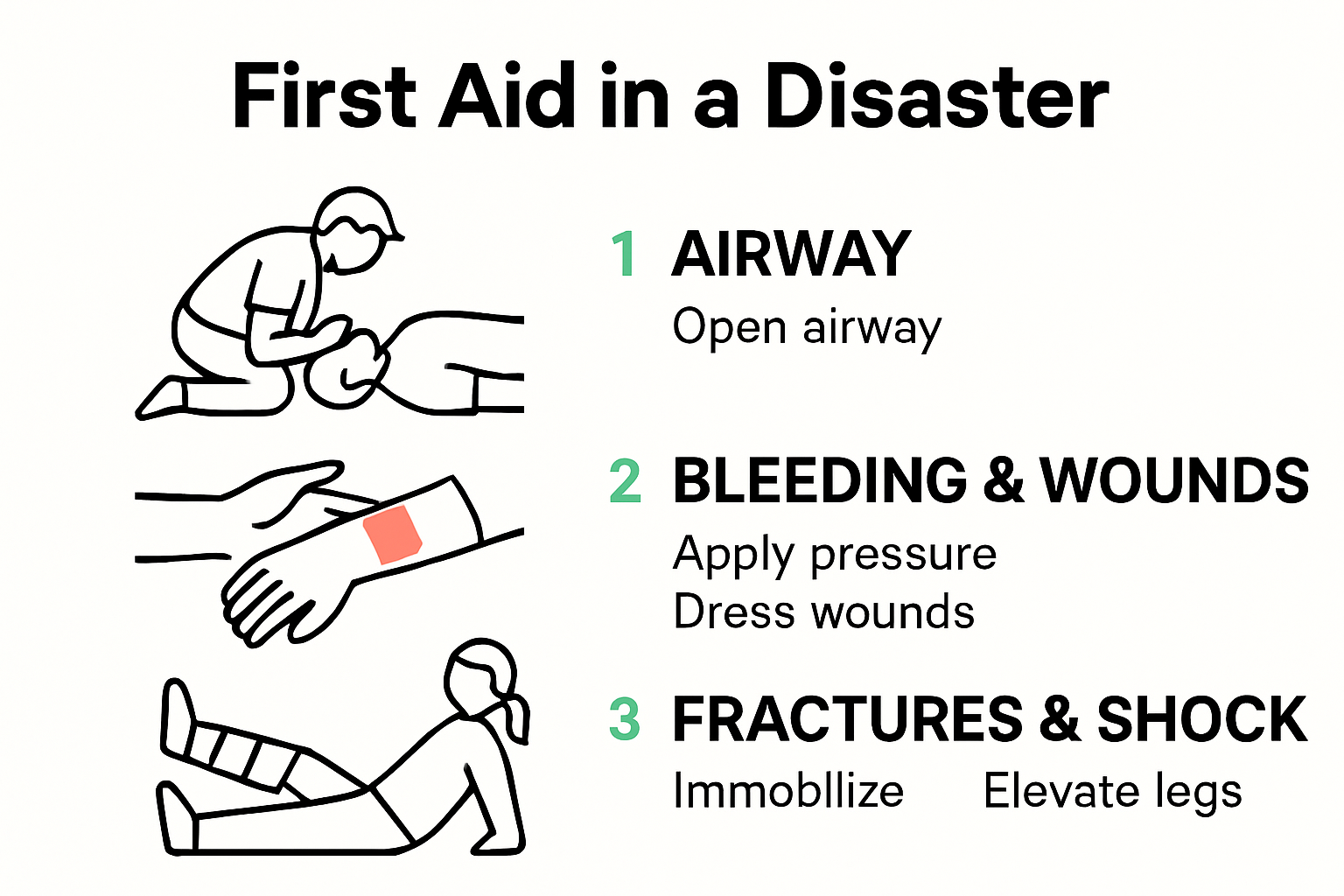
Mastering Emergency Life-Saving Techniques
In disaster scenarios, immediate medical response hinges on mastering fundamental life-saving techniques. The first aid fundamentals guide highlights the critical importance of quick and accurate intervention.
According to the Red Cross, emergency first aid in disaster environments focuses on three primary areas: airway management, breathing support, and circulation maintenance. These ABCs of emergency care form the foundation of disaster medical response.
Airway Management
- Open Airways: Ensure victim’s airway remains clear and unobstructed
- Positioning: Utilize recovery position for unconscious but breathing individuals
- Foreign Object Removal: Perform careful extraction techniques
Wound Care and Hemorrhage Control
Blunt force trauma and lacerations are common in disaster scenarios. FEMA training guidelines recommend immediate wound assessment and intervention:
- Direct Pressure: Apply firm, consistent pressure to control bleeding
- Wound Cleaning: Use available sterile materials to prevent infection
- Temporary Bandaging: Create makeshift bandages using clothing or available materials
Critical Stabilization Techniques
Beyond immediate life-saving interventions, disaster first aid requires understanding how to stabilize victims with complex injuries. According to Berkeley Emergency Management Resources, key stabilization techniques include:
Fracture and Sprain Management
- Immobilize injured limbs to prevent further damage
- Create improvised splints using rigid materials
- Minimize movement to reduce pain and potential complications
Shock Prevention and Treatment
Recognizing and preventing shock is crucial in disaster scenarios:
- Monitor victim’s body temperature
- Keep victim warm and comfortable
- Elevate legs if no spinal injury is suspected
- Minimize victim movement
Advanced First Aid Considerations
Effective disaster first aid extends beyond immediate medical intervention. Psychological support and ongoing assessment play critical roles in comprehensive emergency response. Trained responders must:
- Continuously reassess victim’s condition
- Maintain calm and provide emotional support
- Prepare detailed information for professional medical teams
- Understand personal safety limits
While these skills provide foundational knowledge, professional first aid training remains the most reliable preparation for disaster response. Regular practice and updated certifications ensure responders remain equipped to handle complex emergency scenarios.
Building a Disaster-Ready First Aid Kit
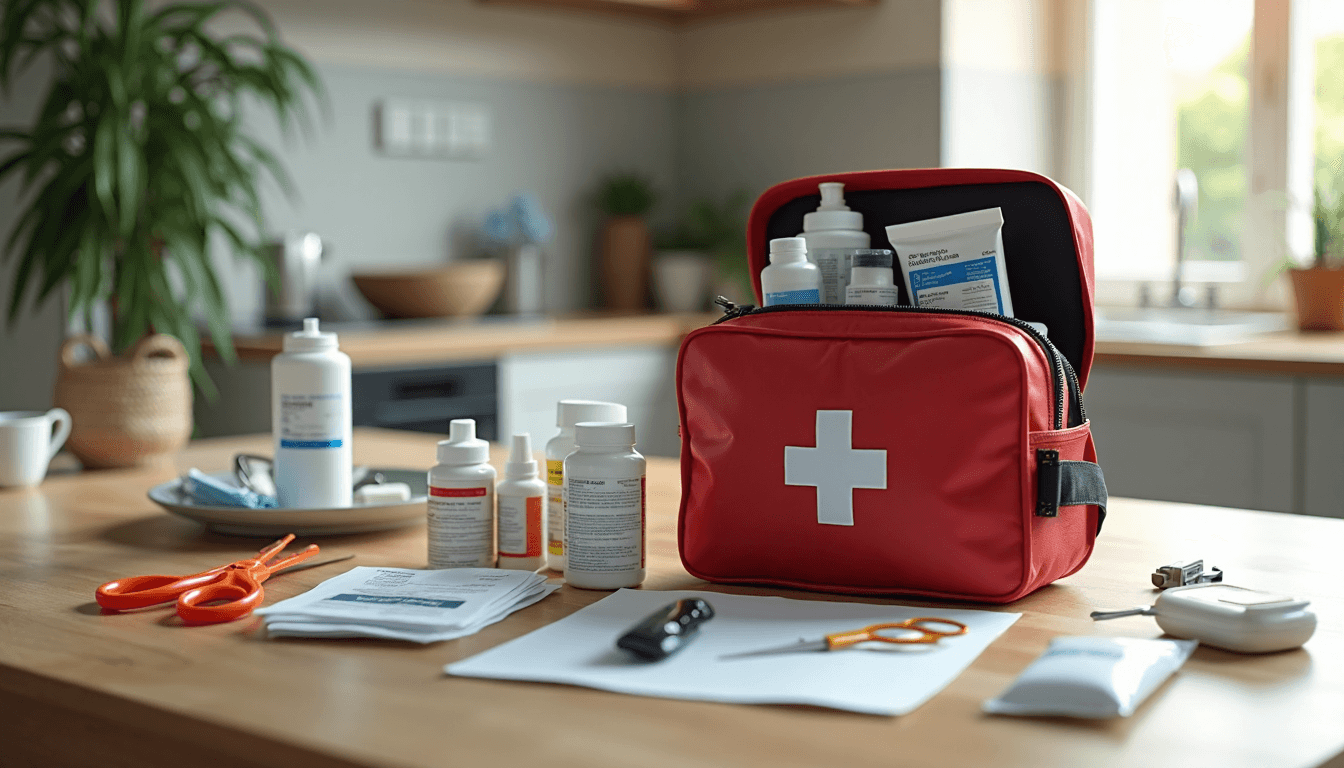
Preparing a comprehensive first aid kit is crucial for effective disaster response. Your kit represents more than just medical supplies it is a lifeline during emergencies when professional medical help might be unavailable.
Essential Medical Supplies for Emergencies
Our disaster preparedness checklist emphasizes the importance of strategic supply selection. According to U.S. Department of Homeland Security, a robust first aid kit should include multiple categories of critical supplies.
Core Medical Necessities
- Sterile adhesive bandages in multiple sizes
- Antiseptic wipes and cleaning solutions
- Latex or nitrile gloves
- Scissors and tweezers
- Instant cold and hot packs
- Breathing barrier with one-way valve
Medication and Treatment Components
The American Red Cross recommends including specific medical interventions:
- Pain relief medications
- Aspirin (81 mg tablets)
- Anti-diarrhea medication
- Antacids
- Prescription medications for chronic conditions
Advanced First Aid Kit Considerations
Beyond basic supplies, disaster-ready kits require strategic planning and specialized items. Emergency preparedness experts suggest considering environmental and situational factors when assembling your kit.
Environmental Protection Supplies
- Emergency thermal blanket
- Waterproof matches
- Sunscreen
- Insect repellent
- Water purification tablets
Personal Customization Strategies
- Include personal medical history documentation
- Add copies of critical prescriptions
- Pack a list of emergency contact numbers
- Consider individual family medical needs
- Include any specific medical devices or specialized treatments
Storage and Maintenance Protocols
A first aid kit is only effective if properly maintained and easily accessible. Key maintenance strategies include:
- Store in waterproof, durable container
- Keep in cool, dry location
- Conduct quarterly inventory checks
- Replace expired medications immediately
- Rotate supplies annually
- Ensure all family members know kit location
Additionally, digital backups of medical information can provide critical support during emergencies. Consider storing digital copies of medical records, insurance information, and emergency contact details in secure cloud storage.
Remember that a well-prepared first aid kit is an investment in your family’s safety. Regular review and updating of supplies can make a significant difference during unexpected disaster scenarios.
Safe Practices for Families and Responders
Disaster scenarios demand strategic preparation and coordinated response from both families and emergency responders. Effective safety practices can significantly reduce risks and improve survival chances during critical events.
Family Emergency Preparedness
Our emergency preparedness guide underscores the critical importance of comprehensive family planning. According to Habitat for Humanity’s Disaster Preparedness, families should develop and regularly practice comprehensive emergency strategies.
Family Communication and Planning
- Create a detailed family emergency communication plan
- Establish multiple contact methods
- Designate out-of-area emergency contacts
- Practice evacuation routes quarterly
- Assign specific roles to each family member
Critical Documentation Preparation
- Maintain digital and physical copies of important documents
- Store identification papers in waterproof containers
- Include medical records and insurance information
- Create emergency contact cards for each family member
- Update information biannually
Responder Safety and Coordination
The National Disaster Recovery Framework highlights the significance of coordinated emergency response strategies. Professional responders must adhere to stringent safety protocols to ensure effective assistance.
Personal Protective Equipment (PPE)
- Wear appropriate protective gear
- Use respiratory protection in hazardous environments
- Maintain regular equipment inspections
- Follow decontamination procedures
- Understand limitations of protective equipment
Risk Assessment and Situational Awareness
- Continuously evaluate environmental hazards
- Communicate potential risks within response teams
- Maintain clear communication channels
- Prioritize personal and team safety
- Develop adaptive response strategies
Collaborative Safety Strategies
Successful disaster response requires seamless collaboration between families, local communities, and professional responders. Integrated approaches maximize safety and recovery potential.
Community Coordination Techniques
- Participate in local emergency preparedness training
- Develop neighborhood support networks
- Share critical resources and information
- Create mutual assistance agreements
- Support vulnerable community members
Psychological Preparedness
- Develop stress management techniques
- Recognize signs of trauma and emotional distress
- Practice calm decision-making under pressure
- Support mental health during and after disasters
- Seek professional counseling when needed
Effective disaster safety is not about individual heroics but coordinated, strategic collaboration. Families and responders must work together, continuously learn, and adapt to evolving emergency scenarios. Regular training, open communication, and a proactive approach are the foundations of successful disaster response and recovery.
Coordinating Relief Efforts and Emergency Care
Disaster response demands unprecedented levels of coordination and strategic planning. The complexity of modern emergency scenarios requires multifaceted approaches that seamlessly integrate government agencies, relief organizations, and local communities.
Government and Institutional Response Frameworks
Our disaster response coordination guide highlights the intricate nature of emergency management. According to the U.S. Government Accountability Office, federal disaster assistance delivery has become a high-risk priority, requiring comprehensive restructuring and improved coordination mechanisms.
Financial and Resource Allocation
- Track federal disaster assistance appropriations
- Monitor supplemental emergency funding
- Develop transparent resource distribution strategies
- Create flexible financial response mechanisms
- Ensure rapid fund deployment
Institutional Coordination Strategies
- Establish clear inter-agency communication protocols
- Create unified command structures
- Develop real-time information sharing platforms
- Implement standardized response procedures
- Build collaborative decision-making frameworks
Emergency Care and Logistical Support
FEMA’s Recovery Task Force is pioneering new approaches to streamline long-term disaster recovery operations. Their strategies emphasize rapid, efficient emergency care deployment and comprehensive support systems.
Medical Response Coordination
- Identify and prioritize critical medical needs
- Establish mobile medical units
- Create emergency medical supply chains
- Develop telemedicine support networks
- Coordinate with local healthcare providers
Logistical Support Infrastructure
- Map emergency transportation routes
- Establish temporary shelter locations
- Coordinate food and water distribution
- Create communication backup systems
- Develop emergency power and utility restoration plans
Community Integration and Support
Successful disaster response transcends institutional frameworks. Community involvement and local resilience are crucial components of effective emergency care and recovery.
Community Engagement Techniques
- Train local volunteer networks
- Develop community-based response teams
- Create multilingual communication strategies
- Support vulnerable population needs
- Establish local emergency leadership
Psychological and Social Support
- Provide mental health resources
- Create community counseling networks
- Support family reunification efforts
- Develop trauma-informed care approaches
- Facilitate community healing and restoration programs
Effective disaster response is a dynamic, collaborative process. It requires constant adaptation, transparent communication, and a commitment to human-centered support. By integrating institutional resources, community resilience, and innovative strategies, we can build more responsive and compassionate emergency care systems.
Frequently Asked Questions
What are essential first aid skills for disaster response?
Immediate first aid skills include airway management, hemorrhage control, wound care, and understanding shock prevention. These skills are critical for stabilizing victims prior to professional medical help arriving.
How should I build a disaster-ready first aid kit?
A disaster-ready first aid kit should include sterile bandages, antiseptics, gloves, scissors, pain relief medications, and any personal medications. It is also vital to include environmental protection items like thermal blankets and insect repellent.
How can families prepare for emergencies?
Develop a family emergency communication plan, assign roles, practice evacuation routes, and keep important documents in waterproof containers. Regular practice ensures everyone knows their responsibilities during a disaster.
What safety measures should responders take during disaster relief?
Responders should wear personal protective equipment (PPE), maintain clear communication with their teams, and continuously assess environmental hazards to ensure safety during emergency operations.
Turn First Aid Knowledge Into Real Recovery Solutions
You have learned the importance of immediate first aid skills and how a well-stocked emergency kit saves lives in the chaos after disaster strikes. But what happens after the first minutes and hours—when families need stability, safety, and a true path to rebuilding? Displaced individuals often face overwhelming stress, complicated logistics, and fear about what comes next. That is why having a practical plan for emergency housing and recovery is just as critical as knowing airway management or hemorrhage control.
If your world is upended by disaster, let Disaster Victim Services step in to bridge the gap between crisis and comfort. Explore how our Project Design solutions can support your unique needs, or connect directly for immediate help and expert guidance. Be ready for every step of recovery—do not wait when your family’s future is on the line.
Recommended Articles
- First Aid Basics 2025: Essential Guide for Disaster Recovery Teams – Disaster Victim Services | Helping You Recover After Disaster
- Emergency Response Basics for 2025: A Practical Guide – Disaster Victim Services | Helping You Recover After Disaster
- Disaster Preparedness Checklist 2025: Essential Guide for All Responders – Disaster Victim Services | Helping You Recover After Disaster
- Disaster Recovery Phases Explained for 2025: Guide for Victims, Pros & Agencies – Disaster Victim Services | Helping You Recover After Disaster
- Home Safety Tips 2025: Essential Guide for Disaster Recovery – Disaster Victim Services | Helping You Recover After Disaster
- How to Deploy Aid: Effective Strategies for Disaster Response 2025 – Disaster Victim Services | Helping You Recover After Disaster