
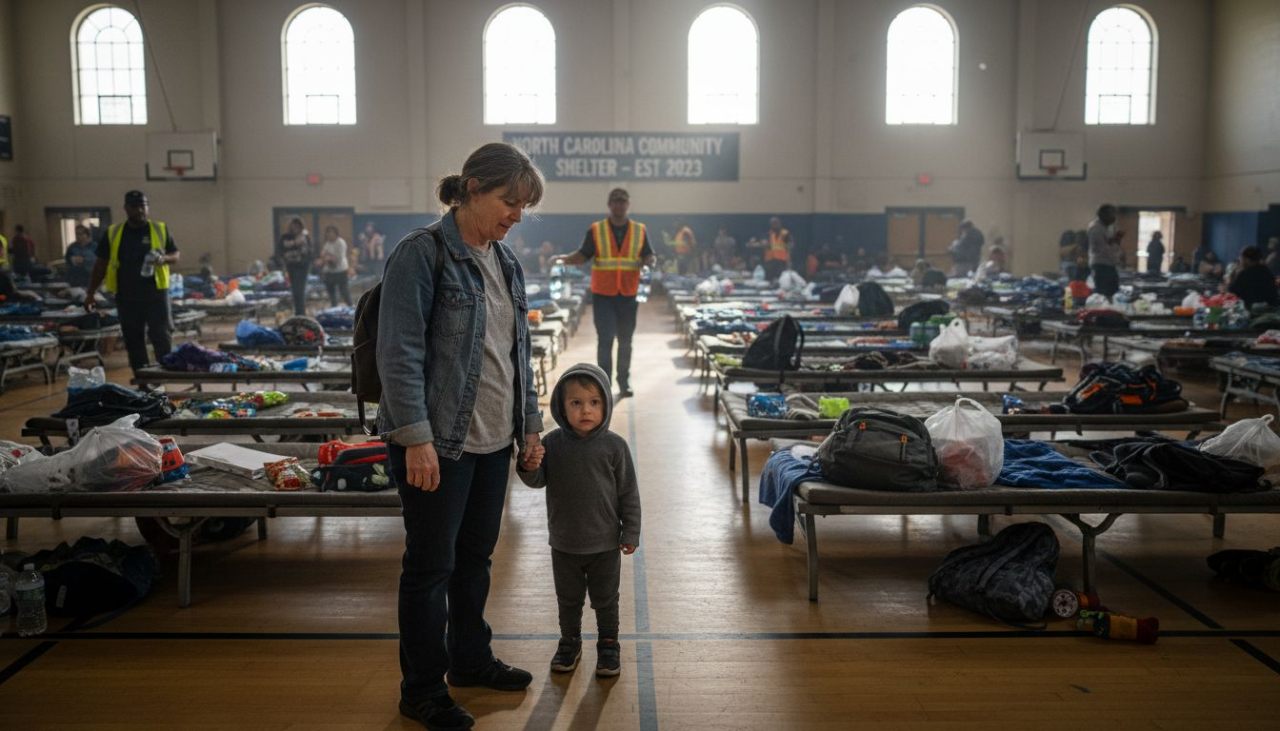
Nearly half of American families impacted by disasters face urgent challenges securing safe temporary housing. When home is no longer an option, knowing where to turn for shelter and support is vital. This guide highlights accessible solutions and trusted resources that help American families quickly find emergency housing and essential services after experiencing a major setback.
Table of Contents
- Emergency Shelters for Immediate Safety
- Hotel and Motel Stays Arranged by Relief Agencies
- Short-Term Rentals and Furnished Apartments
- Insurance-Provisioned Temporary Housing Solutions
- Government Assisted Housing Programs
- Mobile Homes and Modular Units on Site
- Community and Faith-Based Shelter Networks
Quick Summary
| Key Insight | Explanation |
|---|---|
| 1. Know Your Local Shelter Locations | Familiarize yourself with nearby emergency shelters in your community to ensure quick access during disasters. |
| 2. Gather Important Documents | Prepare a waterproof container for essential documents to expedite shelter registration and support services. |
| 3. Register with FEMA for Assistance | Sign up with FEMA to access various housing support programs and ensure you can receive timely help. |
| 4. Utilize Insurance for Temporary Housing | Understand your insurance policy to cover additional living expenses during your home’s repairs post-disaster. |
| 5. Connect with Local Support Networks | Engage community and faith-based organizations for personalized assistance and resources during recovery efforts. |
1. Emergency Shelters for Immediate Safety
When disaster strikes, your first priority is safety. Emergency shelters provide critical protection during the most vulnerable moments after a catastrophic event, offering immediate refuge for individuals and families who have lost their homes.
The Federal Emergency Management Agency (FEMA) coordinates rapid shelter deployment through strategic partnerships with organizations like the American Red Cross. These shelters are typically established in schools, community centers, and other public facilities to quickly accommodate displaced residents.
Emergency shelters are more than just a roof over your head. They provide essential services including safe sleeping arrangements, meals, basic medical care, and critical support for vulnerable populations such as elderly individuals, children, and those with special needs. The goal is not just temporary housing but creating a secure environment that helps stabilize survivors during the initial shock of a disaster.
These shelters operate with specific protocols designed to ensure safety and efficient management. They typically include separate areas for sleeping, dining, medical assistance, and registration. Staff are trained to handle diverse needs and coordinate with local emergency management teams to track and support displaced residents.
Understanding the comprehensive mass sheltering strategies can help you navigate emergency situations more effectively. Know your local shelter locations, have an emergency kit prepared, and stay informed about community disaster response plans.
Pro tip: Bring important personal documents like identification, insurance papers, and medical records in a waterproof container when heading to an emergency shelter to streamline registration and support processes.
2. Hotel and Motel Stays Arranged by Relief Agencies
When disaster disrupts your life, finding immediate safe housing becomes crucial. Hotels and motels arranged by relief agencies offer a comfortable and dignified temporary housing solution for displaced families.
The FEMA Transitional Sheltering Assistance (TSA) program provides eligible survivors with paid accommodations in participating hotels and motels. This program goes beyond traditional emergency shelters by offering private rooms, individual family spaces, and essential amenities that help restore a sense of normalcy during challenging times.
Relief agencies like the American Red Cross coordinate closely with hotels to ensure rapid placement and support for disaster victims. These accommodations are not just about providing a place to sleep but creating a supportive environment that helps families begin their recovery process. The lodging typically includes access to basic services, communication resources, and guidance toward long-term housing solutions.
To qualify for these programs, survivors must be registered with FEMA and have been impacted by a presidentially declared disaster. The assistance covers lodging expenses directly, removing the financial burden from already stressed families. Each hotel stay is carefully coordinated to match family needs, considering factors like accessibility, proximity to support services, and group or individual requirements.
Understanding the emergency housing referral workflow can help you navigate these support systems more effectively. Be prepared with necessary documentation and stay in close communication with relief agency representatives.
Pro tip: Always keep copies of important identification documents and insurance papers in a waterproof, portable container to expedite the hotel placement process during emergency situations.
3. Short-Term Rentals and Furnished Apartments
When disaster disrupts your home, finding a comfortable and stable temporary living space becomes crucial. Short-term rentals and furnished apartments offer a more private and normalized housing solution for families rebuilding their lives.
FEMA provides rental assistance that enables disaster survivors to secure fully furnished apartments or homes while their primary residences undergo repairs. This program covers monthly rent and essential utilities, helping families maintain stability during challenging recovery periods.
These temporary housing options go beyond basic shelter. They provide a sense of normalcy and privacy that emergency shelters cannot offer. Furnished apartments come equipped with essential furniture, kitchen appliances, and often include utilities and internet access, reducing the logistical stress of sudden displacement.
Nonprofit organizations like Airbnb.org collaborate with local networks to connect disaster victims with hosts offering free temporary housing. These partnerships create flexible solutions that can accommodate families for periods ranging from several days to weeks, bridging the gap between immediate emergency response and long-term recovery.
To access these resources, register with FEMA, maintain clear communication with relief agencies, and be prepared to provide documentation about your displacement. Many programs have specific eligibility requirements, so understanding the details can help you navigate the process more effectively.
Pro tip: Create a digital folder with essential documents like identification, insurance papers, and proof of residence to quickly verify your eligibility for short-term rental assistance during emergency situations.
4. Insurance-Provided Temporary Housing Solutions
When disaster strikes, your insurance policy can be a lifeline for temporary housing. Many homeowners’ and renters’ insurance policies offer critical support during challenging times by covering additional living expenses when your residence becomes uninhabitable.
Additional Living Expenses (ALE) coverage is a crucial benefit that helps you maintain your standard of living after a disaster. Homeowners’ insurance policies typically include provisions that reimburse you for temporary housing costs, including hotel stays, apartment rentals, and even meal expenses while your primary residence is being repaired.
To maximize your insurance benefits, document everything meticulously. Keep receipts for all temporary housing expenses, including lodging, meals, and transportation. Contact your insurance provider immediately after a disaster to understand the full scope of your coverage and initiate the reimbursement process.
FEMA provides supplemental disaster assistance for housing needs not fully covered by insurance. This means even if your insurance coverage is limited, you can still access federal support to ensure safe temporary housing. The key is to file insurance claims first and then seek additional federal assistance if needed.
Understanding the nuances of your insurance policy is critical. Review your policy details before disaster strikes, understand your coverage limits, and maintain an updated inventory of your personal belongings. Some policies offer more comprehensive coverage than others, so knowing your specific terms can make a significant difference in your recovery process.
Pro tip: Create a digital backup of your insurance policy documents and store them in a secure cloud service or email them to yourself to ensure access even if physical documents are lost during a disaster.
5. Government Assisted Housing Programs
When disaster strikes, government housing assistance programs become a critical lifeline for displaced families. These comprehensive support systems provide essential resources to help survivors find safe temporary housing and begin rebuilding their lives.
FEMA’s Individuals and Households Program (IHP) offers flexible housing solutions for disaster survivors whose homes have become uninhabitable. The program provides direct financial assistance, rental support, and even manufactured housing units to ensure families have immediate shelter and stability during recovery.
The Department of Housing and Urban Development (HUD) plays a crucial role in long-term disaster recovery. Through programs like Community Development Block Grant Disaster Recovery, HUD provides comprehensive support for low income and uninsured individuals. This assistance extends beyond immediate housing needs to include repair funds, technical support for local agencies, and specialized resources for vulnerable populations.
To access these programs, you must first register with FEMA and provide documentation about your displacement. Eligibility varies based on the disaster declaration, your financial situation, and the extent of damage to your primary residence. Each program has specific requirements, so carefully review the guidelines and submit all necessary paperwork promptly.
Government housing assistance is not a one size fits all solution. Programs can include rental assistance, home repair grants, low interest loans, and temporary housing placements. The goal is to provide flexible support that helps you transition from emergency displacement to stable housing recovery.
Pro tip: Keep digital and physical copies of all disaster related documents including insurance papers, FEMA registration confirmation, and proof of residence to streamline your application for government housing assistance.
6. Mobile Homes and Modular Units on Site
When traditional housing becomes unavailable after a disaster, mobile homes and modular units emerge as ingenious solutions for rapid, safe shelter. These versatile housing options provide displaced families with immediate, comfortable living spaces that can be quickly deployed to affected areas.
Academic research exploring post disaster housing solutions highlights the critical advantages of modular housing. These prefabricated units offer significant benefits including rapid construction, high quality standards, and the ability to be strategically placed in communities impacted by natural disasters.
Modular units and mobile homes are engineered to meet stringent safety standards. They come fully equipped with essential amenities such as electrical systems, plumbing, heating, and cooling. Unlike traditional construction, these units can be transported and installed quickly, minimizing the time families spend in temporary or emergency shelters.
The deployment process involves careful site preparation and coordination with local authorities. Agencies work to identify suitable locations that provide accessibility, safety, and proximity to essential services. This ensures that mobile home communities can be established efficiently while supporting community recovery and individual family needs.
These housing solutions are particularly valuable in areas frequently impacted by natural disasters. They offer flexibility for residents whose primary homes have been damaged or destroyed, providing a stable interim living environment while long term repairs or rebuilding takes place.
Pro tip: Request documentation about utility hookups, site preparation requirements, and potential relocation timelines when considering a mobile or modular home as your temporary housing solution.
7. Community and Faith-Based Shelter Networks
When traditional emergency housing options become overwhelmed, community and faith-based shelter networks emerge as critical support systems for disaster survivors. These networks provide compassionate, localized assistance that goes beyond basic shelter to offer holistic support during challenging times.
FEMA’s guide to engaging faith-based and community organizations highlights the importance of these networks in disaster response. Churches, synagogues, mosques, community centers, and local nonprofit organizations often mobilize quickly to provide safe spaces, meals, emotional support, and essential resources for displaced families.
These shelter networks are uniquely positioned to offer culturally sensitive care that addresses individual community needs. Unlike large scale government shelters, faith-based and community organizations understand local dynamics, speak local languages, and can provide personalized support that helps survivors feel more comfortable and supported during traumatic times.
Accessing these networks involves connecting with local religious institutions, community centers, and nonprofit organizations in your area. Many of these groups have established emergency response teams that can quickly activate shelter and support services during disasters. They often collaborate directly with local emergency management agencies to coordinate comprehensive assistance.
Beyond immediate shelter, these networks provide additional support such as clothing donations, counseling services, assistance with paperwork, and connections to longer-term recovery resources. Their grassroots approach ensures that survivors receive compassionate, immediate help tailored to their specific circumstances.
Pro tip: Maintain a list of local community and faith-based organizations contact information in your emergency preparedness kit to quickly access support networks during disaster situations.
Below is a comprehensive table summarizing key housing solutions and considerations following a disaster as discussed in the article.
| Category | Description | Key Considerations |
|---|---|---|
| Emergency Shelters | Immediate safety and basic needs support in public facilities such as schools and community centers. | Prepare an emergency kit; retain important documents in a waterproof container. |
| Hotel and Motel Stays | Relief agencies provide paid accommodations for displaced families, restoring normalcy while addressing essential living requirements. | Eligible survivors must register with FEMA; maintain necessary documentation for verification. |
| Short-Term Rentals and Apartments | Fully furnished rental units provide comfortable and stable temporary housing during recovery periods. | Develop a digital backup of critical documents; maintain clear communication with relevant relief agencies. |
| Insurance-Provided Housing | Additional living expense coverage from insurance policies to accommodate temporary living arrangements and associated expenses. | Thoroughly review insurance policy terms; maintain receipts of all relevant expenses for reimbursement processes. |
| Government Housing Assistance | Programs like FEMA’s Individuals and Households Program offer flexible solutions, including rental and financial assistance, for people impacted by disasters. | Understand program requirements; promptly submit necessary documentation and applications. |
| Mobile Homes and Modular Units | Rapidly deployed pre-fabricated housing solutions for areas affected by disasters, offering flexibility and essential amenities. | Document site preparation needs and relocation timelines; ensure accessibility and proximity to necessary resources. |
| Community and Faith-Based Shelters | Localized and compassionate shelter solutions coordinated by community and faith-based organizations, offering holistic support beyond shelter. | Maintain updated contact information for local support organizations in an emergency preparedness plan. |
Find the Right Temporary Housing Solution with Expert Support
Disasters leave families facing urgent challenges like safe shelter and stable housing during recovery. This article highlights 7 key temporary housing options including emergency shelters, hotel stays arranged by relief agencies, short-term rentals, and government assisted programs. These solutions address critical pain points such as the need for immediate safety, privacy, financial assistance, and long-term stability. At DisasterVictimServices.com, we understand the emotional toll displacement causes and the complex process of navigating insurance claims, federal aid, and local resources.
Our dedicated team works closely with survivors to rapidly connect you with the best available housing options based on your unique situation. Whether you need guidance on rental assistance, coordinating with insurance providers, or understanding federal programs, we provide compassionate, around-the-clock support. Learn more about how we help during this difficult time by visiting our Uncategorized resources and discover housing solutions in our Developing project category.
Don’t wait to secure your temporary home. Visit DisasterVictimServices.com now to start your recovery journey with trusted assistance and move confidently toward a stable future.
Frequently Asked Questions
What are emergency shelters for disaster victims?
Emergency shelters provide immediate safety and essential services for individuals and families after a disaster. To access an emergency shelter, locate your nearest shelter through local disaster response resources and be prepared to register upon arrival.
How can I find hotels and motels arranged by relief agencies?
Relief agencies, including FEMA, provide paid accommodations in participating hotels and motels for eligible disaster survivors. Register with FEMA and keep documentation of your disaster impact to qualify for hotel placements quickly.
What should I know about short-term rentals and furnished apartments for disaster victims?
Short-term rentals and furnished apartments are available for disaster survivors seeking more private living arrangements. To access these options, register with FEMA and maintain clear communication with relief agencies for eligibility and availability.
How does my insurance help with temporary housing after a disaster?
Insurance policies often include Additional Living Expenses (ALE) coverage that reimburses you for temporary housing costs after a disaster. Contact your insurance provider promptly to understand your coverage limits and keep detailed receipts for all related expenses.
What government housing assistance programs are available for disaster victims?
Government housing assistance programs, like FEMA’s Individuals and Households Program, provide direct financial aid and rental support for survivors. Register with FEMA and check the eligibility requirements to access various housing assistance options tailored to your needs.
How can community and faith-based shelter networks support disaster victims?
Community and faith-based shelter networks offer localized assistance, including safe spaces and emotional support for disaster survivors. Connect with local organizations to find available resources and services that can help you during your recovery process.
Recommended
- 7 Types of Emergency Shelter You Need to Know – Disaster Victim Services | Helping You Recover After Disaster
- Temporary Housing Coordination Steps for Disaster Recovery – Disaster Victim Services | Helping You Recover After Disaster
- Step by Step Shelter Placement Guide for Fast Relief – Disaster Victim Services | Helping You Recover After Disaster
- Complete Guide to Emergency Housing Solutions USA – Disaster Victim Services | Helping You Recover After Disaster