
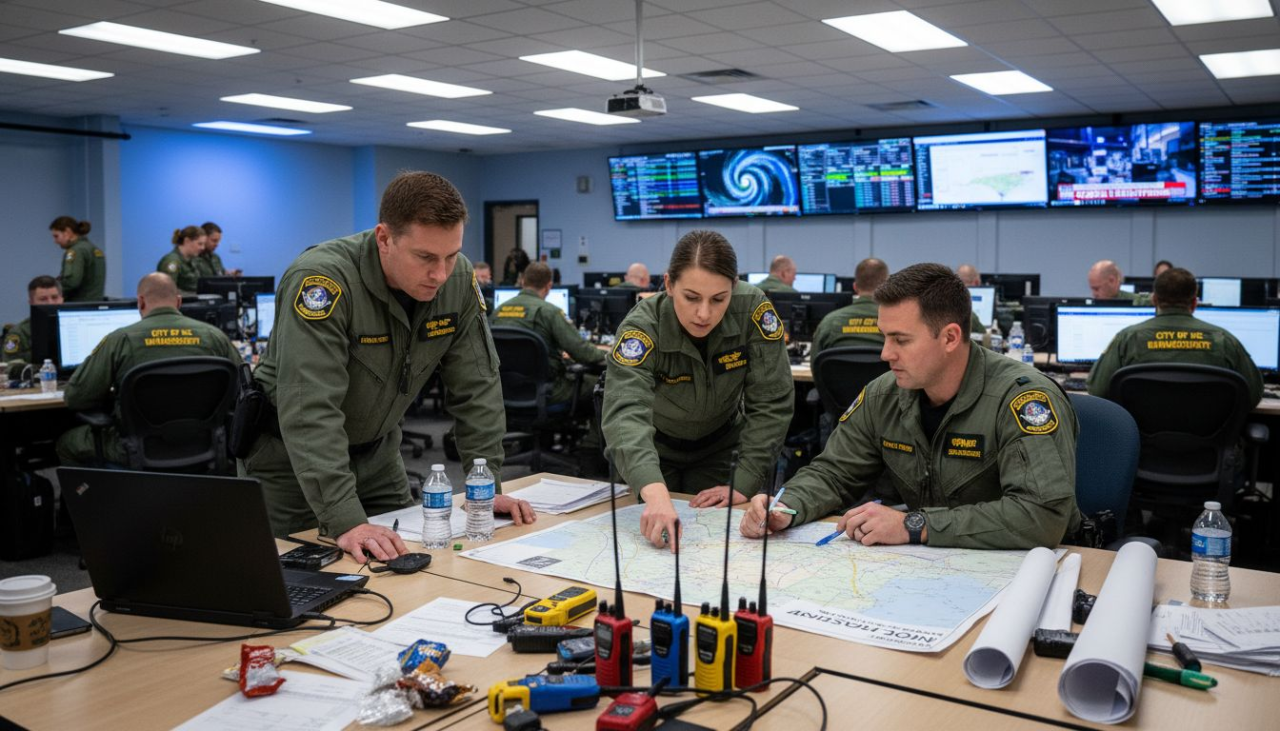
Most American disaster responses face major setbacks because nearly 60 percent of agencies report communication failures during large-scale emergencies. When hundreds or even thousands of victims are displaced in a single event, the risks of confusion and delay multiply. For American emergency management officials and insurance adjusters, strengthening catastrophe coordination is crucial for reducing chaos, improving victim support, and accelerating recovery after disasters of any size.
Table of Contents
- Defining Catastrophe Coordination in Disaster Response
- Types of Catastrophe Coordination Efforts
- How Catastrophe Coordination Functions in Practice
- Legal Standards and Regulatory Compliance
- Roles, Responsibilities, and Common Pitfalls
Key Takeaways
| Point | Details |
|---|---|
| Importance of Seamless Coordination | Effective catastrophe coordination requires clear communication and synchronized actions among military, local authorities, and emergency services to address large-scale disasters. |
| Types of Coordination Efforts | Distinct categories of coordination, such as response, relief, mitigation, and recovery, are essential for comprehensive emergency management. |
| Legal Compliance Framework | Understanding legal standards is crucial for navigating interagency cooperation and ensuring swift disaster response while adhering to regulatory requirements. |
| Training and Preparedness | Developing multi-agency training programs and communication plans is vital for establishing clear roles and improving coordination among different organizations during emergencies. |
Defining Catastrophe Coordination in Disaster Response
Catastrophe coordination represents a complex, multilayered strategy for managing emergency responses across diverse organizational environments. At its core, this approach requires seamless communication and synchronized actions among multiple agencies to effectively address large-scale disasters.
The critical nature of catastrophe coordination becomes evident when examining the intricate dynamics between different response entities. Civil-military cooperation plays a fundamental role in disaster management, where military and civilian agencies must overcome substantial organizational differences to mount an effective unified response. Military involvement often provides urgent capabilities and demonstrates governmental commitment to rapid crisis resolution.
Effective catastrophe coordination demands a holistic approach that integrates multiple stakeholders. Emergency management officials must establish clear communication protocols, define precise roles and responsibilities, and create flexible operational frameworks that can adapt to rapidly changing disaster scenarios. This requires not just technical infrastructure, but also a shared understanding of mission objectives across military, local authorities, emergency services, and humanitarian organizations.
Pro Tip: Develop comprehensive interagency communication plans before disasters strike, ensuring all potential response teams understand their specific roles and have established communication channels.
Types of Catastrophe Coordination Efforts
Catastrophe coordination efforts encompass a complex array of strategic approaches designed to manage emergency responses across multiple organizational domains. These multifaceted initiatives are critical for addressing the intricate challenges presented by large-scale disasters and emergencies.
The Federal Emergency Management landscape involves comprehensive disaster coordination frameworks that span multiple mission areas and core capabilities. These coordination efforts typically manifest in several distinct categories: response coordination, relief coordination, mitigation coordination, and recovery coordination. Each type serves a unique purpose in the broader emergency management ecosystem.
Response coordination focuses on immediate actions taken during the initial stages of a disaster, prioritizing life-saving interventions and rapid deployment of emergency personnel. Relief coordination involves managing resources, providing essential supplies, and ensuring displaced populations receive critical support. Mitigation coordination centers on developing strategies to reduce potential disaster impacts, including infrastructure resilience planning and risk assessment. Recovery coordination represents the long-term process of restoring community functionality, rebuilding infrastructure, and supporting economic and social rehabilitation after a catastrophic event.
Here’s a summary comparing the four main types of catastrophe coordination efforts:
| Coordination Type | Primary Focus | Key Stakeholders | Typical Time Frame |
|---|---|---|---|
| Response | Immediate life-saving actions | Emergency services, military | First hours to days |
| Relief | Essential support provision | Government, NGOs, logistics teams | Days to weeks |
| Mitigation | Risk reduction strategies | Planners, engineers, insurers | Pre-disaster, ongoing |
| Recovery | Long-term community rebuilding | Local authorities, public works | Weeks to years |
Pro Tip: Develop a comprehensive, flexible coordination framework that allows seamless transitions between different coordination types, ensuring adaptive and responsive emergency management.
How Catastrophe Coordination Functions in Practice
Catastrophe coordination operates through a dynamic, interconnected system of strategic phases that ensure comprehensive disaster management. Understanding these operational mechanisms is crucial for emergency management professionals seeking to develop robust response strategies.
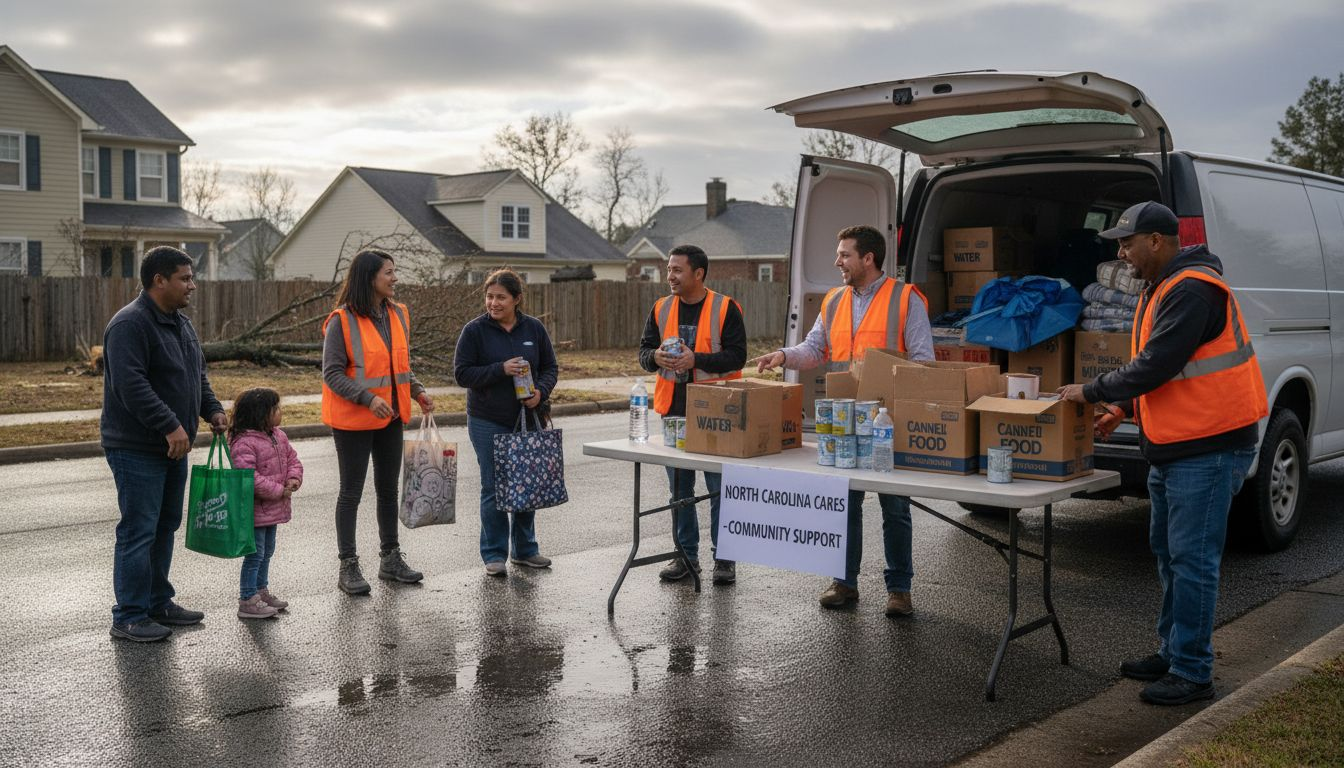
Catastrophe coordination functions through a systematic cycle of interconnected phases, each designed to address specific challenges during different stages of a disaster. These phases include prevention, mitigation, preparedness, response, and recovery. Prevention focuses on identifying potential risks and implementing strategies to reduce future disaster impacts. Mitigation involves developing targeted interventions to minimize potential damage and protect critical infrastructure.
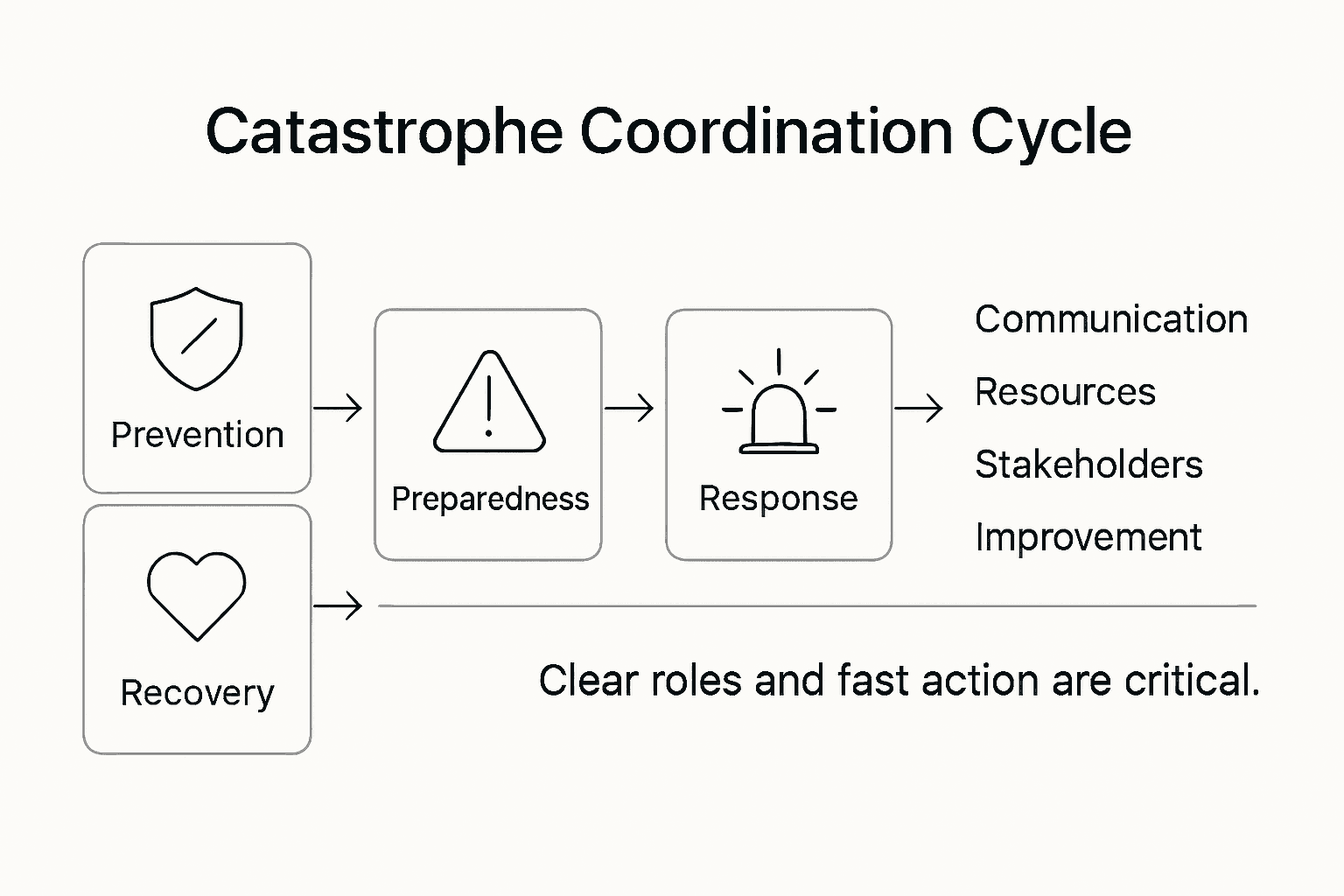
Practical implementation of catastrophe coordination relies heavily on community engagement and pre-established communication networks. Local volunteers and community-based organizations play a critical role as first responders, often providing immediate support during the critical initial hours following a disaster. This grassroots approach complements official response organizations by bridging gaps in emergency services and supporting more comprehensive recovery efforts.
Pro Tip: Develop comprehensive, multi-agency training programs that simulate complex disaster scenarios to improve interorganizational communication and coordination skills.
Legal Standards and Regulatory Compliance
Legal standards in catastrophe coordination form a complex framework of regulations designed to guide emergency management professionals through intricate disaster response protocols. These standards establish critical guidelines for interagency cooperation, resource allocation, and victim support during large-scale emergencies.
Regulatory frameworks define precise roles and responsibilities across public and private sectors in disaster risk management, encompassing multiple layers of compliance requirements. Key statutes like the Stafford Act provide foundational legal structures that govern how federal, state, and local agencies interact during disaster scenarios. These regulations mandate specific protocols for risk communication, mitigation investments, and federal aid distribution, ensuring a standardized approach to emergency response.
The existing disaster declaration system requires significant reforms to create a more unified and equitable aid distribution process. Current legal mechanisms differentiate disaster types and aid eligibility through complex statutory definitions, which can sometimes create bureaucratic challenges for swift emergency assistance. Emergency management professionals must navigate these intricate legal landscapes, balancing regulatory compliance with the urgent need for rapid, effective disaster response.
Pro Tip: Develop a comprehensive legal compliance checklist that maps out specific regulatory requirements for different disaster scenarios, ensuring your team can quickly reference critical legal guidelines during emergencies.
Roles, Responsibilities, and Common Pitfalls
Effective catastrophe coordination relies on a complex ecosystem of roles and responsibilities that demand precision, clear communication, and strategic alignment across multiple organizational boundaries. Each stakeholder plays a critical part in ensuring comprehensive disaster response and recovery.
Interagency coordination frequently encounters significant challenges stemming from cultural differences, communication barriers, and inconsistent performance measures. The most common roles in catastrophe coordination include emergency management directors, first responders, government agency representatives, humanitarian organization leaders, and local community coordinators. Each role carries unique responsibilities that must be carefully defined and synchronized to prevent operational gaps.
The landscape of disaster response is riddled with potential pitfalls that can dramatically impede effective coordination. Critical challenges include bureaucratic delays, duplicative efforts, resource misallocation, and institutional mistrust between agencies. Successful navigation of these challenges requires structured training programs, leadership commitment to transparent communication, and the development of robust collaborative protocols that transcend traditional organizational boundaries.
This table outlines common pitfalls in catastrophe coordination and effective solutions for each:
| Common Pitfall | Impact on Response | Suggested Solution |
|---|---|---|
| Bureaucratic delays | Slower mobilization | Streamlined decision protocols |
| Resource misallocation | Wasted critical supplies | Robust real-time inventory tools |
| Communication barriers | Confused field teams | Unified communication platforms |
| Cross-agency mistrust | Reduced collaboration | Joint training and workshops |
Pro Tip: Develop comprehensive interagency training simulations that expose team members to realistic disaster scenarios, helping break down communication barriers and build mutual understanding across different organizational cultures.
Strengthen Your Disaster Recovery with Expert Catastrophe Coordination
Navigating the complex challenges of catastrophe coordination requires more than just planning it demands immediate, coordinated action that bridges multiple agencies and supports displaced individuals effectively. The article highlights key obstacles such as communication barriers and resource misallocation that slow down recovery efforts. At DisasterVictimServices.com, we understand these pain points and specialize in streamlining emergency response by connecting disaster victims directly with urgent housing solutions. Our collaborative approach mirrors the multi-agency coordination discussed, ensuring rapid and compassionate support when it matters most.
Explore how our expertise in emergency logistics and interagency communication can help you overcome common pitfalls in catastrophe coordination. Visit our Uncategorized – Disaster Victim Services | Helping You Recover After Disaster for insights and solutions tailored to disaster recovery challenges. Ready to take the next step for effective disaster recovery? Reach out now at DisasterVictimServices.com to discover how our dedicated team can partner with you in delivering seamless, efficient support during times of crisis. Learn more about the design and implementation of resilient disaster response initiatives on our Project Design page and experience how expert catastrophe coordination can transform recovery outcomes.
Frequently Asked Questions
What is catastrophe coordination in disaster response?
Catastrophe coordination is a strategic approach that involves seamless communication and synchronized actions among multiple agencies to manage emergency responses effectively during large-scale disasters.
What are the main types of catastrophe coordination efforts?
The main types of catastrophe coordination efforts include response coordination, relief coordination, mitigation coordination, and recovery coordination, each focusing on different aspects of disaster management.
How does catastrophe coordination function in practice?
Catastrophe coordination functions through a systematic cycle that includes prevention, mitigation, preparedness, response, and recovery phases, ensuring all aspects of disaster management are addressed collaboratively.
What legal standards are involved in catastrophe coordination?
Legal standards in catastrophe coordination provide a framework for interagency cooperation and resource allocation, guiding how agencies interact and respond during disasters, ensuring compliance with regulations like the Stafford Act.
Recommended
- The Essential Guide to Collaboration After Disaster – Disaster Victim Services | Helping You Recover After Disaster
- How to Coordinate Response in Disasters: A Guide for 2025 – Disaster Victim Services | Helping You Recover After Disaster
- How to Improve Response After Disasters: Essential Strategies for 2025 – Disaster Victim Services | Helping You Recover After Disaster
- Disaster Response Chain: How It Works and Why It Matters in 2025 – Disaster Victim Services | Helping You Recover After Disaster