
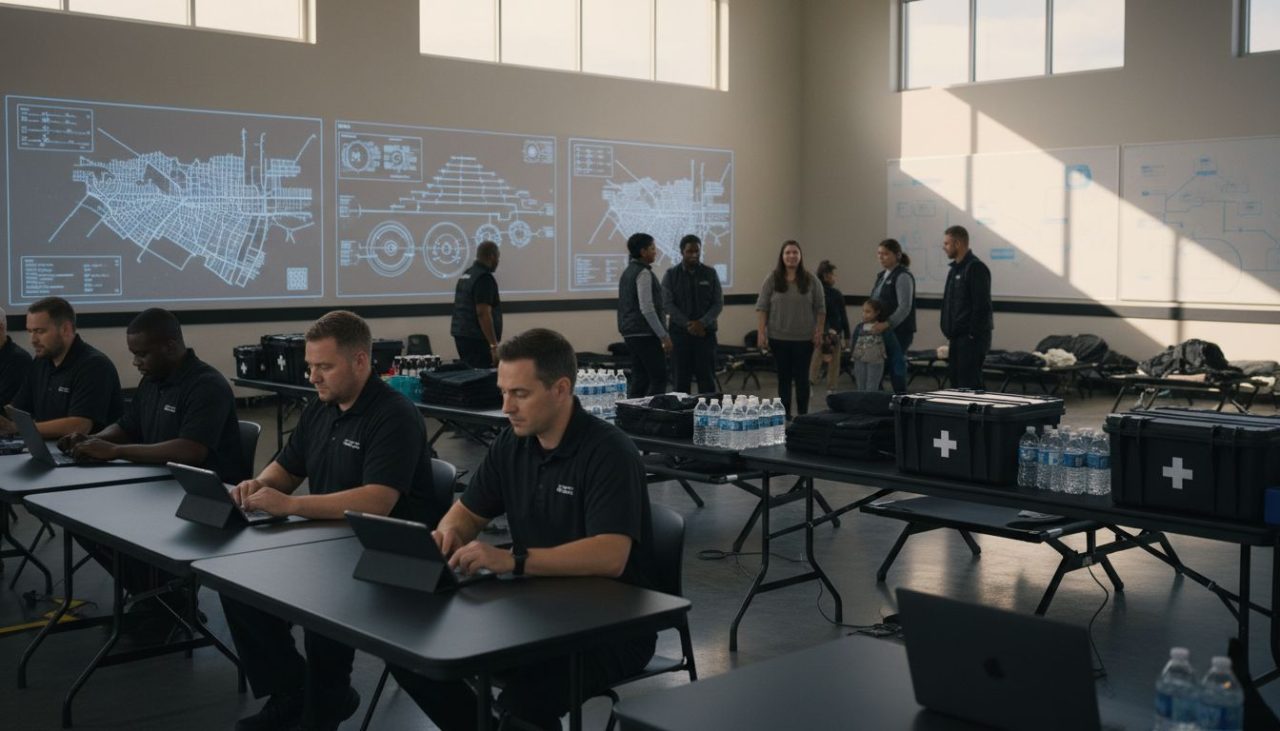
Finding the right solution during a crisis or for a tough facility challenge can feel overwhelming when every minute and decision matters. Whether you are seeking rapid shelter after a disaster, cutting-edge mapping for emergency teams, or safer spaces for vulnerable people, the right tools make all the difference. Some options promise ultra-fast action while others focus on deep customization or broad coordination. There are tools with proven experience behind them and newcomers offering fresh takes. Curious which choices rise above the rest and where the real strengths and drawbacks appear? Let’s explore the options that could shape your next critical step.
Table of Contents
Disaster Victim Services
At a Glance
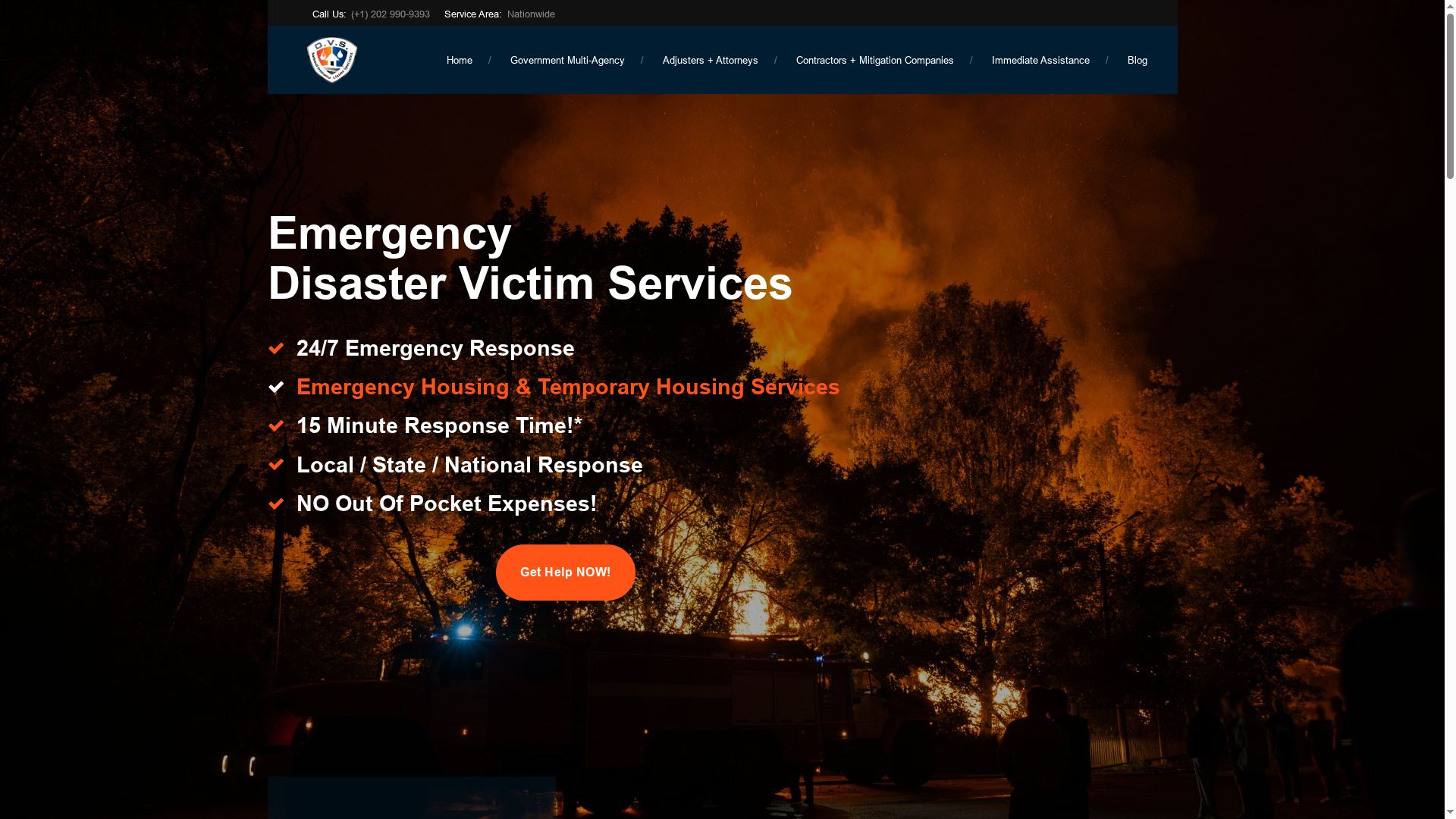
Disaster Victim Services provides immediate, reliable emergency housing solutions for displaced families and works closely with insurance carriers and emergency services to support recovery nationwide. Their team operates 24/7 and can place housing in as little as 15 minutes, making them a decisive first step after a catastrophe. For victims, adjusters, and responders who need speed, coordination, and compassionate support, they deliver a practical, mission-driven solution you can depend on.
Core Features
Disaster Victim Services provides 24/7 emergency response and housing services, a documented 15-minute response time for housing placement, coordination with insurance carriers and emergency services, and multi-agency collaboration for disaster response. They also offer emergency logistics support and streamlined insurance coordination in under 1 hour (time may vary). Their introduction summarizes it simply: Disaster Victim Services provides immediate, reliable emergency housing solutions for displaced families, working closely with insurance carriers and emergency services to support disaster recovery nationwide. They offer 24/7 emergency response, rapid housing placement, and comprehensive disaster recovery support to help individuals and communities rebuild after catastrophic events.
Pros
- Fast response times: The team can place housing in as little as 15 minutes, which reduces time spent in temporary, unsafe, or uncertain conditions for displaced families.
- Nationwide service coverage: Their reach means victims receive consistent assistance regardless of location, simplifying logistics for insurers and responders.
- No out-of-pocket expenses for victims: Services are provided at no cost to disaster victims, removing a major barrier to immediate safety and stability.
- Deep experience: The team brings over a century of combined disaster recovery expertise, which helps avoid common coordination pitfalls and speeds effective action.
- Long-term support: Beyond immediate housing, they connect families to long-term recovery resources, ensuring continuity from emergency shelter to rebuilding.
Who It’s For
Disaster Victim Services is built for disaster victims and displaced families who need urgent housing and recovery support, insurance companies and adjusters who must coordinate claims and placements quickly, emergency response agencies that need a reliable housing partner, and relief organizations seeking a centralized logistics collaborator. If you manage large-scale displacement or need to move people out of harm’s way fast, this service is designed for you.
Unique Value Proposition
Disaster Victim Services combines 24/7 availability, ultra-fast housing placement (as quick as 15 minutes), multi-agency collaboration, and direct insurance coordination into a single operational hub. That integration—pairing logistics, claims coordination, and emergency housing—reduces handoffs and accelerates outcomes, which matters when hours determine safety and comfort. Their nationwide coverage and century of combined expertise mean standardized processes that scale during large events, while the no-cost model eliminates financial barriers for victims. Design choices support privacy and rapid action rather than public-facing testimonial campaigns: the result is a discreet, efficient partner focused on getting families into stable housing and advancing recovery faster than fragmented alternatives.
Real World Use Case
Following a large wildfire or hurricane, Disaster Victim Services rapidly identifies available temporary housing, coordinates with insurance providers and first responders, and places displaced families while handling logistics and claims touchpoints to smooth the transition from emergency shelter to recovery.
Pricing
No out of pocket expenses; services are provided at no cost to disaster victims. Costs are coordinated through insurance carriers and partner agencies.
Website: https://disastervictimservices.com
ArcGIS by Esri

At a Glance
ArcGIS by Esri is an enterprise-grade geospatial platform that connects data through the context of geography to support decision-making and operational response. It excels at mapping, spatial analytics, and real-time data integration, making it a go-to for agencies managing dynamic incidents. It’s powerful and broad, but that breadth comes with implementation complexity and opaque pricing. If you need sophisticated situational awareness at scale, ArcGIS is a top-tier option—if you can allocate the time and budget to deploy it correctly.
Core Features
ArcGIS combines an enterprise GIS platform with mapping and spatial analytics, plus real-time data integration and asset tracking for situational awareness. The platform supports domain-specific workflows such as wildland firefighting and wildfire response coordination, water-supply risk assessment, infrastructure management, conservation, and urban planning. In short: it turns location-based data into operational insight and visual context so teams can prioritize resources and act faster.
Pros
- Comprehensive geospatial platform: ArcGIS offers a full enterprise GIS stack that covers mapping, analytics, and asset tracking in one place.
- Supports diverse industries and use cases: The platform serves public safety, water management, infrastructure, conservation, and urban planning with tailored capabilities.
- Enables real-time analysis and operational decision-making: Real-time data feeds and situational awareness features help teams monitor emerging threats and coordinate responses.
- Well-established industry leader: Esri’s long history means extensive documentation, training options, and organizational support resources are available.
Cons
- Pricing not publicly specified: Pricing details are not provided on the website, so organizations must contact Esri for a quote and budgeting can be uncertain.
- Can be complex to implement: Maximizing ArcGIS often requires specialized training and configuration, which increases time to value for teams without GIS expertise.
- Enterprise scope may be overkill for small teams: Its breadth and scale favor larger organizations; smaller operations may find the platform more than they need.
Who It’s For
ArcGIS is ideal for organizations and professionals in government, public safety, environmental conservation, infrastructure, water management, and urban planning who require sophisticated GIS mapping and spatial analysis tools. If your work depends on accurate location intelligence, cross-agency coordination, or real-time operational awareness, ArcGIS aligns well with those priorities.
Unique Value Proposition
ArcGIS’s unique value is its ability to centralize geographic context across enterprise systems—transforming raw data into maps, analytics, and operational views that inform decisions. That integration of mapping, analytics, and real-time tracking—backed by Esri’s ecosystem—creates a single platform for location-centric workflows.
Real World Use Case
California wildfire teams use ArcGIS to map danger zones in real-time, aiding command centers and field crews with up-to-date evacuation priorities and resource allocation. The platform’s mapping and situational awareness features help translate sensor feeds and field reports into actionable incident maps.
Pricing
Pricing details are not provided on the website; interested users are likely encouraged to contact Esri for a tailored quote based on modules and usage.
Website: https://esri.com
Trovex
At a Glance
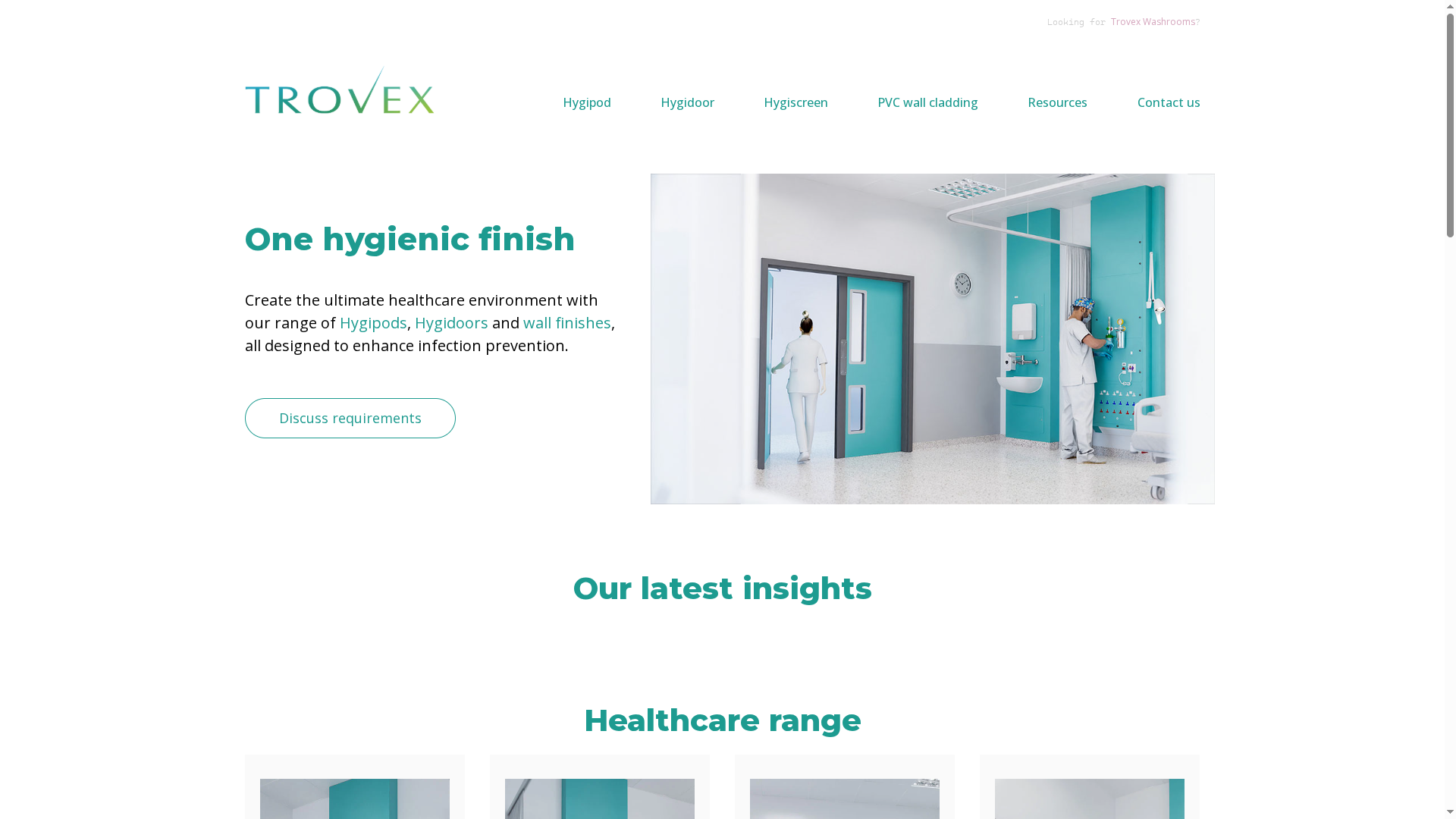
Trovex delivers a focused suite of hygienic finish solutions built for healthcare and mental health environments, emphasizing infection control and safety. The product line covers everything from prefabricated washroom pods to anti-ligature wall systems and fire-rated doors, which makes it a practical choice when you need turnkey hygiene upgrades. Pricing and deep customization details are not published, so you should expect to engage Trovex directly for project-level estimates and specifications.
Core Features
Trovex offers prefabricated, pre-plumbed integrated plumbing systems alongside wall cladding and protection solutions tailored for hygiene-critical spaces. The range includes hygipods and hygidoors for washrooms, fire-rated doors with flush vision panels, and specialized anti-ligature wall systems designed for mental health settings. Remote consultations and project discussions are available, which helps you accelerate planning and reduce site disruption during installation.
Pros
- Built specifically for infection control: Trovex products target hygiene-critical environments and are designed to support infection prevention protocols in hospitals and clinics.
- Prefabricated and pre-plumbed systems reduce onsite labor: The integrated plumbing pods and prefabricated components speed installation and minimize on-site complexity, which shortens project timelines.
- Safety-focused solutions for mental health facilities: Anti-ligature walls and robust finishes address safety concerns specific to behavioral health settings, reducing risk without sacrificing durability.
- Durable wall and surface protection: The wall cladding and protection systems are intended to withstand frequent cleaning and clinical traffic, preserving finishes and reducing maintenance cycles.
- Remote consultation options streamline planning: The ability to discuss projects remotely makes it easier to align specifications and timelines before deliveries arrive onsite.
Cons
- No public pricing makes budgeting difficult: The website does not list product prices, so you must contact Trovex for quotes and budget planning.
- Limited information on customization options: The available description offers little detail about finishes, color choices, or bespoke sizing, which means you may need to confirm whether specific site constraints can be accommodated.
- Specification depth is shallow online: Engineers and architects will likely require more technical documentation than what appears to be presented on the site, so expect additional back-and-forth for full design packs.
Who It’s For
Trovex is best suited for healthcare facility managers, hospital administrators, healthcare architects, and project consultants who need hygienic, safety-focused building components. If you manage renovation or new-build projects where infection control and anti-ligature requirements are top priorities, Trovex provides a coherent product set that aligns with those needs.
Unique Value Proposition
Trovex differentiates itself by combining prefabrication, integrated plumbing, and safety-led finishes in a single offering tailored for healthcare and mental health facilities. That combination reduces on-site complexity and shortens installation windows while addressing infection control and security standards.
Real World Use Case
A hospital renovating inpatient wards could specify Trovex hygipods for new ensuite washrooms, install anti-ligature wall cladding in behavioral health wings, and replace old doors with fire-rated flush-vision units to meet both hygiene and safety standards while minimizing disruption to clinical operations.
Pricing
Not specified on the website.
Website: https://trovex.com
Posigen
At a Glance
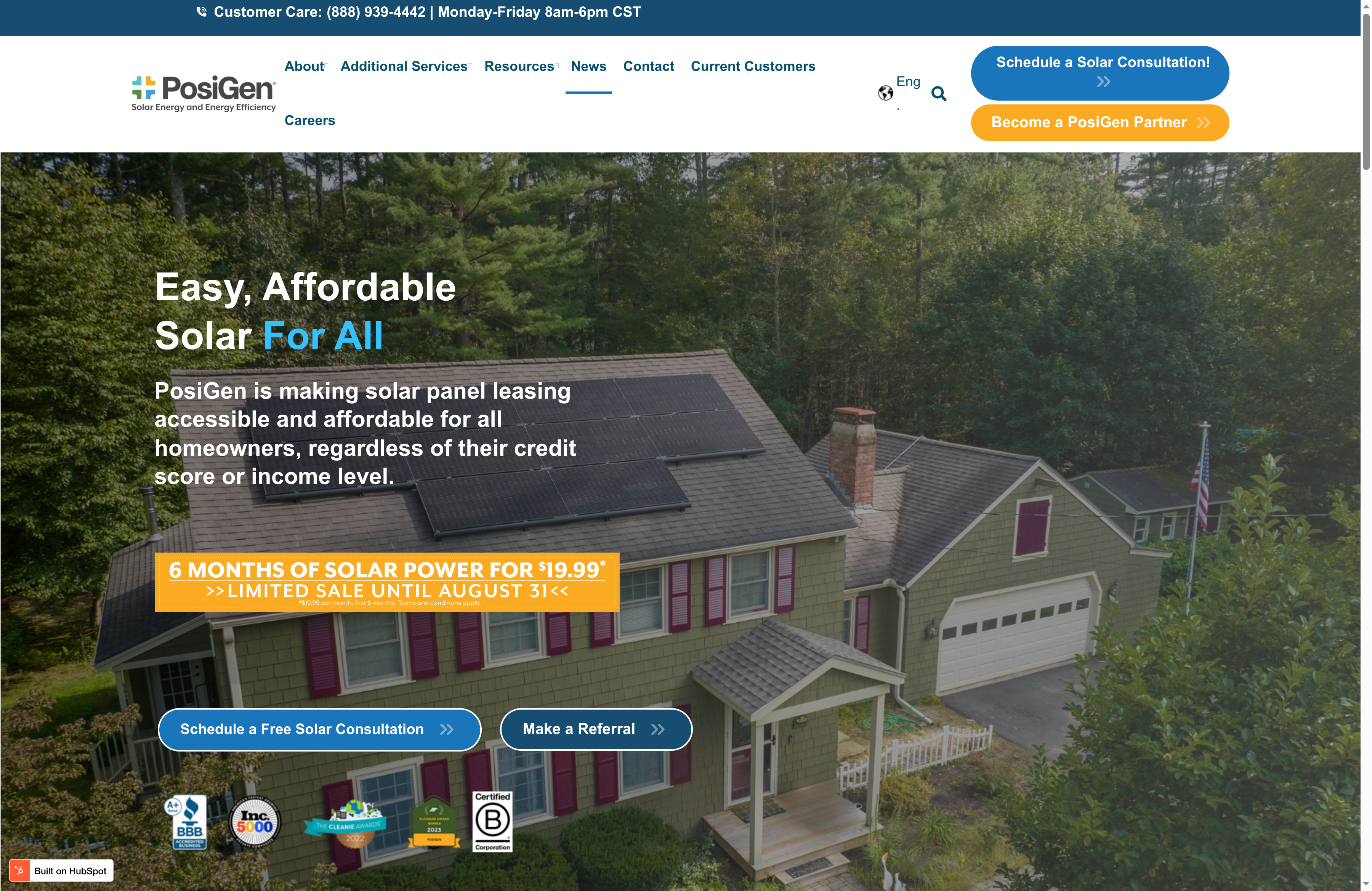
Posigen offers an accessible leasing pathway to residential solar for homeowners who cannot or prefer not to make a large upfront investment. With no minimum credit or income requirements and a promise of savings in the first year, Posigen targets households that need immediate utility relief rather than long-term ownership. The company brings real-world experience—over 30,000 installations across eight states—while leaving some lease details and long-term ownership options unclear.
Core Features
Posigen’s core offering centers on affordable solar leasing programs designed to remove typical barriers to rooftop solar. Key elements include zero upfront costs, no minimum credit score or income thresholds, guaranteed first-year savings, and custom system design that accounts for each home’s energy usage and shading. The process is described as simple and three-step, emphasizing ease of entry for homeowners who want to reduce energy bills quickly.
Pros
- Accessible to financially diverse homeowners: Posigen’s no minimum credit or income requirement opens solar to families who otherwise would be turned away by traditional lenders. This expands access to immediate energy savings for more people.
- Guaranteed savings within the first year: The company’s promise of first-year savings provides a measurable benefit that can ease the decision-making process for cost-conscious homeowners. It’s a concrete claim that reduces perceived risk.
- No large upfront costs required: Eliminating upfront payments lowers the barrier to entry and lets homeowners start saving immediately without depleting savings or taking high-interest loans.
- Proven installation track record: Over 30,000 installations across eight states indicates operational experience and scalability, which matters when you’re choosing a provider after a disaster or during a relocation.
- Simple, guided process: A three-step leasing process reduces friction and can speed deployment—useful for homeowners who want a straightforward path to lower bills.
Cons
- Lease terms and financial details are limited here, which makes true cost comparison difficult for homeowners assessing long-term value.
- There is limited information about long-term lease options or pathways to ownership, creating uncertainty for those who may later prefer to own their system.
- The focus on leasing may not suit homeowners who want to build home equity or prefer the lifetime savings profile of outright ownership.
Who It’s For
Posigen is best for homeowners who want to cut energy costs immediately without sizeable upfront investment and who either have limited credit history or prefer leasing to financing. It’s particularly relevant for families prioritizing short-term bill relief and organizations helping displaced households find affordable, sustainable housing options.
Unique Value Proposition
Posigen uniquely combines barrier-free eligibility (no credit or income minimums) with a guaranteed first-year savings promise and a no-upfront-cost model, making solar more immediately practical for households that need prompt financial relief rather than complex financing arrangements.
Real World Use Case
A homeowner in one of Posigen’s operating states with tight household budgets and imperfect credit can obtain a tailored solar lease with no down payment, reduce monthly utility costs within months, and avoid lengthy financing applications—enabling quicker stabilization after a disruptive event.
Pricing
Specific pricing and lease terms are not specified; Posigen offers a free solar consultation and customized estimates to determine potential savings.
Website: https://posigen.com
evac.tech

At a Glance
evac.tech is not an active shelter management platform — it’s a parked domain registered through GoDaddy that references domain acquisition and a handful of digital services. In practice, evac.tech functions as a placeholder with links and descriptions that point to third-party offerings like AI logo creation and point-of-sale solutions rather than a cohesive product you can deploy. Bottom line: if you expected an out-of-the-box shelter management tool, evac.tech does not deliver that today.
Core Features
The content associated with evac.tech centers on three primary capabilities: domain acquisition via GoDaddy, AI-assisted logo creation, and point-of-sale solutions for in-person payments. The site also mentions automated online proctoring and other business tools, but those are described as third-party services rather than core evac.tech offerings. There is no active dashboard, shelter-specific workflows, or native emergency management features hosted on evac.tech itself.
Pros
- Fast access to domain acquisition channels: evac.tech references GoDaddy services that enable quick domain purchases, which can help organizations secure a name fast.
- AI-assisted logo creation available: The site highlights AI tools for logo design that let non-designers produce basic branding assets without hiring a designer.
- Point-of-sale solutions for in-person payments: evac.tech points to secure POS options that include low-fee processing and online store integration, which can simplify donations and retail sales at shelters.
Cons
- evac.tech is parked and not an active product or service site: The domain functions as a placeholder rather than a working emergency shelter tool.
- Limited direct information about evac.tech’s own services: Most capabilities described are delivered by third-party providers and not by evac.tech itself.
- Potential additional costs: Services referenced (domains, logos, POS) are provided via partners and may incur separate fees that evac.tech does not detail.
Who It’s For
evac.tech is primarily useful to businesses, entrepreneurs, or institutions that need to acquire a domain or explore basic branding and payment options through partner services. If you are a disaster response organization or an insurance adjuster seeking a ready-to-run shelter management system, evac.tech is not the right starting point.
Unique Value Proposition
The unique value here is not a shelter platform but a short path to digital building blocks: a domain acquisition reference, AI logo prompts, and links to POS solutions, all aggregated on a parked page. For teams establishing an online identity quickly, that can be a small convenience — but it’s not a substitute for a purpose-built emergency management tool.
Real World Use Case
A startup could use the references on evac.tech to secure a domain name through GoDaddy, generate a simple AI logo, and evaluate POS options for a retail storefront supporting recovery operations. evac.tech would act as an initial pointer rather than the implementation partner.
Pricing
Pricing is not specified on evac.tech; the page indicates services are offered by third-party providers with varying fees. Expect domain purchase costs, potential logo design fees, and POS transaction or hardware charges depending on the partner.
Website: https://evac.tech
Juvare
At a Glance
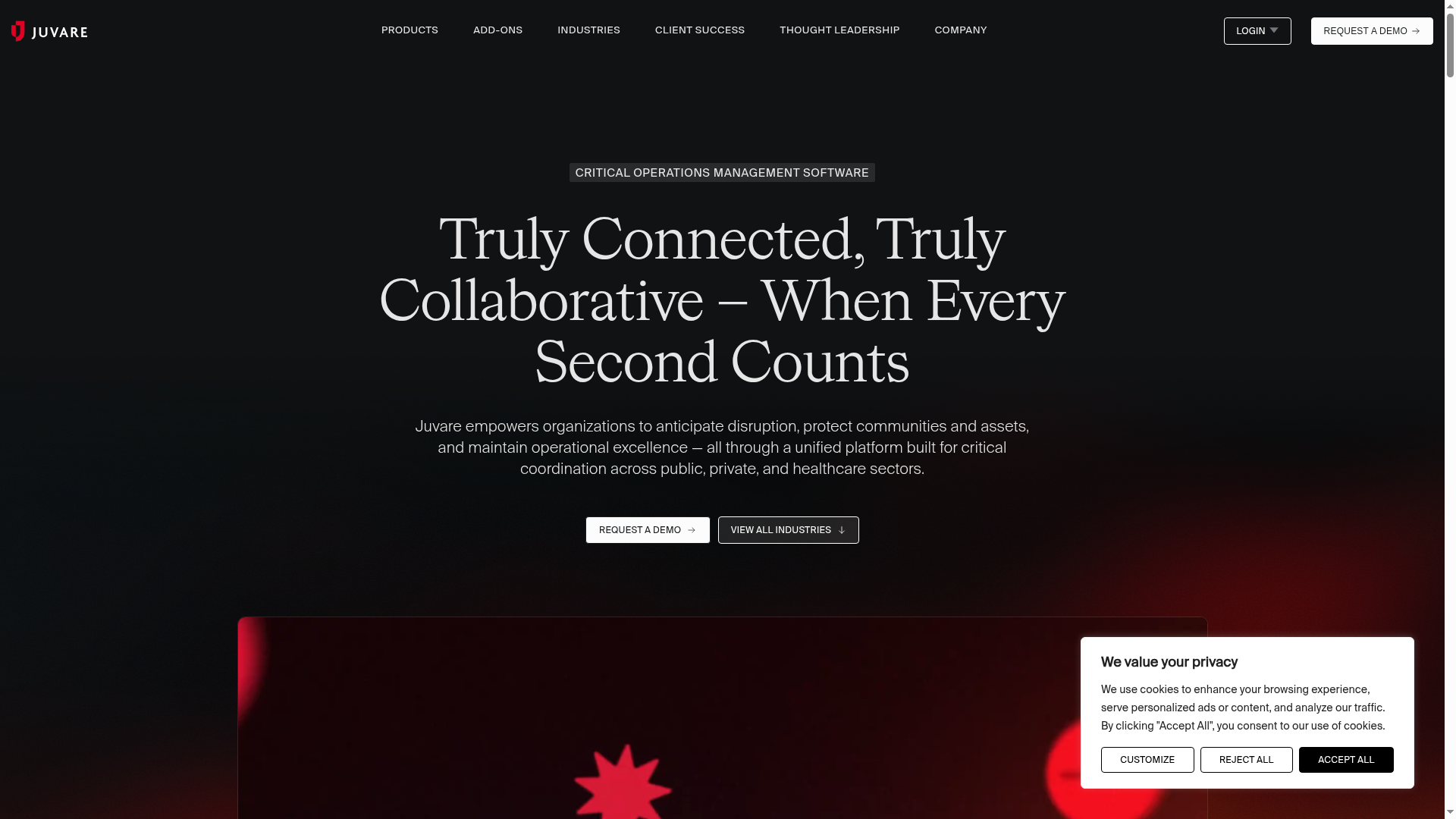
Juvare is a mission-grade operations management platform built to help organizations anticipate disruptions, protect communities, and coordinate complex responses across public, private, and healthcare sectors. It pairs FedRAMP high/IL5 authorization with no-code/low-code deployment, real-time geospatial mapping, and AI-enhanced insights to drive faster decision making. If you need a compliant, scalable command-and-control system for high-stakes incidents, Juvare is a strong candidate — but expect a meaningful implementation effort. Balanced. Practical. Powerful.
Core Features
Juvare consolidates critical incident management, operational planning, and multi-channel communications into a single platform. Key capabilities include FedRAMP high/IL5 authorization, no-code/low-code deployment, AI-enhanced insights via JAI, and real-time geospatial mapping and visualization through Esri ArcGIS integration. The platform also offers custom role-based dashboards and workflows, built-in industry-specific boards and modules, real-time situation reports, operational planning and training tools, and integrated data connectors for continuous data ingestion.
Not light weight.
Pros
- Federally authorized for high-stakes operations: Juvare’s FedRAMP high/IL5 compliance makes it suitable for federal and sensitive environments where security and authorization matter.
- Cross-industry support: It supports government, healthcare, utilities, public safety, and other sectors, so a single platform can serve multi-agency responses and private partners.
- Advanced real-time visualization: Geospatial mapping and real-time data visualization help teams see incidents as they evolve, improving situational awareness and deployment decisions.
- Flexible deployment approach: The no-code/low-code model lets organizations tailor dashboards and workflows without extensive custom development.
- Scalable footprint: Juvare is designed to operate across all 50 U.S. states and in multiple countries, supporting broad, multi-jurisdictional coordination.
Cons
- Potential complexity for adopters: The breadth of features and customization options can be overwhelming, and organizations may need experienced administrators to manage the platform effectively.
- Integration effort may be significant: Connecting legacy systems and diverse data sources may require substantial integration work, and data compatibility can vary between organizations.
- Pricing is opaque: Pricing details are not listed publicly, which means procurement teams must request demos and budget estimates before committing.
Who It’s For
Juvare is best suited for agencies and organizations that run critical operations: emergency management, public safety, healthcare systems, utilities, defense, and large event operators. If you coordinate multi-agency responses, must meet stringent security requirements, or need enterprise-grade situational awareness at scale, Juvare is designed for you. Smaller teams with limited IT support may face a steeper onboarding curve.
Unique Value Proposition
Juvare’s unique value lies in combining FedRAMP-level authorization, AI-enhanced insights, and enterprise geospatial visualization in a single, scalable platform. That combination lets organizations maintain compliance while gaining actionable, real-time awareness and tailored operational workflows — a rare mix for high-consequence environments.
Real World Use Case
Harnett County Emergency Services uses Juvare AI to optimize emergency response, reduce resource use, and improve coordination during incidents, demonstrating how the platform can drive measurable operational efficiencies at the local level while integrating with broader regional and federal response frameworks.
Pricing
Pricing is not specified on the website; interested organizations are encouraged to request a demo for detailed pricing information and a tailored quotation.
Website: https://juvare.com
DisasterLAN (dLAN)
At a Glance
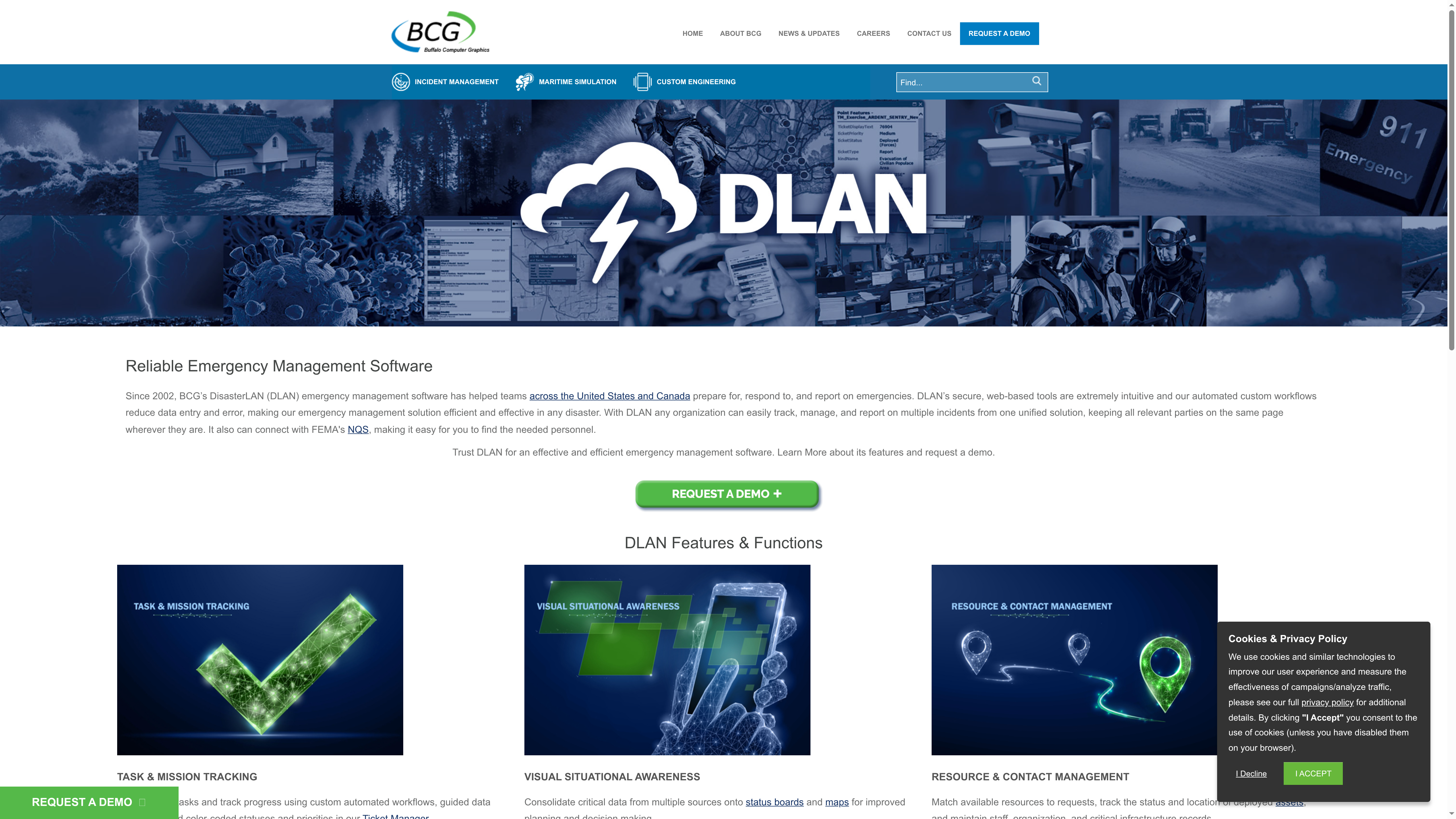
DisasterLAN (dLAN) is a mature emergency management platform that has supported incident response since 2002. It combines task and mission tracking, visual situational awareness, resource management, secure communications, and reporting in a single, web-based environment. If you need a configurable, standards-aligned tool with multiple hosting options, dLAN is built for organizational use across agencies and critical infrastructure operators. It’s powerful—but expect a short learning curve and to clarify pricing during procurement.
Core Features
DisasterLAN centralizes incident workflows with color-coded task and mission tracking, configurable boards and maps for situational awareness, and asset and personnel records for resource management. The platform provides secure communication channels for sharing critical information, plus analytics and custom reporting for after-action reviews. Notably, nearly every element—forms, templates, boards, and workflows—is configurable without coding, which lets teams tailor the system to existing standard operating procedures.
Pros
- Secure hosting flexibility: dLAN supports on-premise, cloud, and hybrid hosting, giving organizations control over data residency and security posture.
- Standards-based interoperability: The platform follows NIEM and NIST guidelines, which eases data exchange and coordination with partner agencies.
- Proven longevity: Operating since 2002, dLAN brings more than 20 years of incident management experience to its design and feature set.
- Comprehensive incident tracking: It consolidates task tracking, maps, resource records, and communications into a unified interface that reduces information silos.
- User-friendly customization: Administrators can configure workflows, reports, and templates without coding, which speeds implementation and local adaptation.
Cons
- Limited explicit downside information in source material: The provided data does not detail technical limitations, integration boundaries, or performance trade-offs, which makes risk assessment incomplete.
- Onboarding and training likely required: As with most comprehensive platforms, maximizing dLAN’s capabilities will require structured training and initial configuration time.
- Pricing transparency is absent: The source data does not specify licensing models, subscription fees, or implementation costs, so budgeting requires direct vendor inquiry.
Who It’s For
DisasterLAN is aimed at organizations and teams responsible for emergency management, incident response, and critical infrastructure continuity. Ideal users include city emergency management agencies, healthcare system incident commanders, transportation and utility operations centers, and nonprofit relief coordinators who need a secure, customizable platform to coordinate multi-agency responses.
Unique Value Proposition
dLAN’s unique value lies in combining decades of incident management experience with standards-based interoperability and flexible hosting options. The no-code configurability allows agencies to align the platform to existing plans and SOPs quickly, while secure hosting choices and NIEM/NIST alignment support multi-agency collaboration and compliance.
Real World Use Case
A city emergency management agency uses DisasterLAN to coordinate all emergency response efforts: assigning and tracking missions on color-coded boards, mapping shelters and resource staging areas, maintaining staff and asset records, and producing after-action reports to refine response tactics for future incidents.
Pricing
Not specified in the provided content; agencies should contact the vendor for licensing, hosting, and implementation cost details.
Website: https://disasterlan.com
Disaster and Emergency Management Tools Comparison
This table provides a comprehensive comparison of various disaster and emergency management products highlighted in the article. It outlines key features, pros, cons, and pricing to help users make informed decisions.
| Product | Key Features | Pros | Cons | Pricing |
|---|---|---|---|---|
| Disaster Victim Services | 24/7 emergency housing; 15-minute housing placement; Insurance coordination | Fast response time; Nationwide coverage; No cost to victims | Limited to housing services | No cost to disaster victims |
| ArcGIS by Esri | Enterprise GIS; Real-time data integration; Situational awareness | Comprehensive platform; Real-time analysis; Industry leader | Complex to implement; Unspecified pricing | Contact for pricing |
| Trovex | Hygienic finish solutions; Prefabricated systems; Anti-ligature designs | Infection control focus; Reduced onsite labor; Safety-focused | No public pricing; Limited customization info | Contact for quotes |
| Posigen | Solar leasing; No upfront costs; Custom system design | Accessible to diverse homeowners; Guaranteed first-year savings; Proven track record | Limited long-term ownership options; Focus on leasing | Tailored consultation pricing |
| evac.tech | Domain acquisition; AI-assisted logo creation; POS solutions | Fast domain acquisition; AI logo tools | Not an active product site; Reliant on third-party services | Third-party pricing |
| Juvare | Operations management platform; FedRAMP high/IL5 authorization; Real-time mapping | High-stakes operation support; Flexible deployment; Scalable | Complex integration; Unspecified pricing | Request demo for pricing |
| DisasterLAN (dLAN) | Incident management; Secure communications; Configurable workflows | Secure hosting options; Standards-based interoperability; Proven longevity | Requires training; Pricing transparency absent | Contact for vendor details |
Discover Reliable Emergency Shelter Solutions with Disaster Victim Services
When emergencies strike and displacement happens fast, finding immediate, trustworthy shelter options is critical. The article on “Best 7 Emergency Shelter Management Tools – Expert Comparison 2025” highlights the need for fast response, clear coordination, and compassionate support to help families move from crisis to recovery. Key challenges include managing logistics swiftly, working closely with insurance carriers and responders, and providing seamless transitions from emergency housing to long-term solutions.
Disaster Victim Services specializes in exactly these urgent needs. Our nationwide 24/7 assistance places families into safe, temporary housing often within minutes. We handle the complex coordination required between insurance adjusters, emergency agencies, and relief organizations to reduce uncertainty and accelerate recovery. You do not have to face the chaos alone when expert disaster recovery support is available.
Explore how our team approaches these challenges by visiting our Uncategorized category for insightful articles or learn about our tailored operational strategies on our Project Design page. When disaster displaces your loved ones, do not wait. Visit Disaster Victim Services now to connect with compassionate, expert help and start rebuilding tomorrow today.
Frequently Asked Questions
What features should I look for in an emergency shelter management tool?
Look for features such as incident tracking, resource management, secure communications, and customizable dashboards. Prioritize tools that can handle real-time data and provide situational awareness during emergencies.
How can an emergency shelter management tool improve response time during a disaster?
An effective tool can streamline coordination among agencies, automate task assignments, and provide instant access to vital information. Implementing these features can often reduce response time by 30–50% in critical situations.
What is the best way to evaluate different emergency shelter management tools?
Create a checklist of essential features and compare the usability, integration options, and cost of each tool based on your organization’s needs. Engage your team in testing the tools through demos or trials to assess usability before making a decision.
How can I ensure my team is trained to use the emergency shelter management tool?
Conduct a structured training program that includes group sessions, hands-on workshops, and ongoing support resources. A well-planned training can increase tool proficiency and improve operational efficiency by 40% within the first few weeks of deployment.
Is it possible to integrate an emergency shelter management tool with other systems?
Yes, many tools are designed to integrate with existing systems like GIS platforms, communication software, and data management systems. Verify integration capabilities before selection to ensure a smooth data flow and enhanced operational efficiency.
Recommended
- Step by Step Shelter Placement Guide for Fast Relief – Disaster Victim Services | Helping You Recover After Disaster
- 7 Types of Emergency Shelter You Need to Know – Disaster Victim Services | Helping You Recover After Disaster
- Understanding Disaster Shelter Selection Guide: Key Insights – Disaster Victim Services | Helping You Recover After Disaster
- How Emergency Shelter Works: Complete Guide – Disaster Victim Services | Helping You Recover After Disaster