
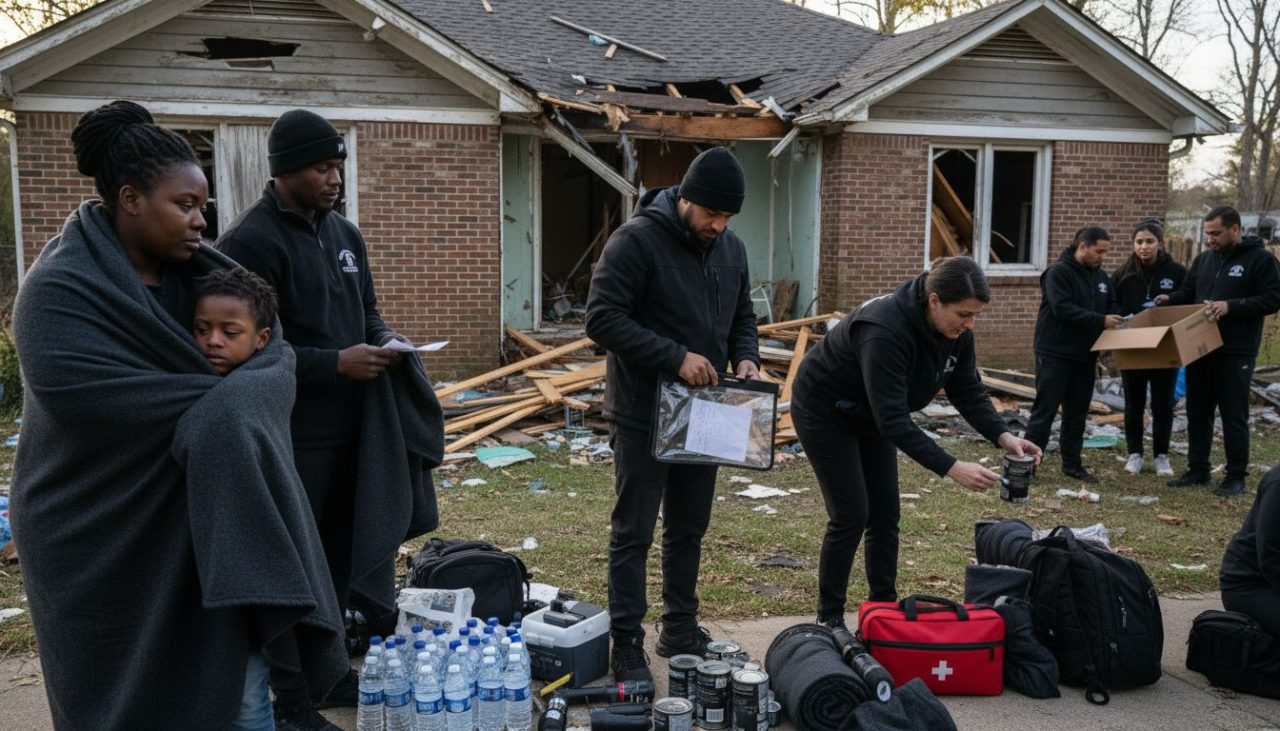
Every year, american families face an increasing number of natural disasters and emergencies that can disrupt daily life in an instant. With FEMA reporting that only about 39 percent of households have an emergency plan, being prepared is more urgent than ever. Whether you are concerned about wildfires, hurricanes, or unexpected power outages, knowing which essentials to gather can help protect your safety and peace of mind when every minute counts.
Table of Contents
- Secure Clean Water And Filtration Tools
- Stock Non-Perishable Nutritious Food
- Prioritize Personal Hygiene And Sanitation
- Gather Emergency Medical Supplies And Medications
- Prepare Warm Clothing And Protective Gear
- Keep Vital Documents And Identification Safe
- Ensure Power With Flashlights And Batteries
- Provide Shelter: Blankets, Tents, And Sleeping Bags
Quick Summary
| Takeaway | Explanation |
|---|---|
| 1. Store one gallon of water per person daily | Keep at least a three-day supply of water per person for hydration and sanitation during emergencies. |
| 2. Use non-perishable, nutritious foods | Stock foods that don’t require refrigeration and provide balanced nutrition during a crisis. |
| 3. Prepare personal hygiene supplies | Include items like hand sanitizer and moist towelettes to maintain health and prevent disease. |
| 4. Assemble an emergency medical kit | Ensure your medical kit contains prescription medications and first aid supplies for a week. |
| 5. Safeguard essential documents | Keep copies of important legal and financial documents secure and easily accessible in emergencies. |
1. Secure Clean Water and Filtration Tools
When disaster strikes, water becomes your most critical survival resource. According to FEMA, you need a robust water strategy that ensures your survival during emergency situations.
Water is not just a luxury during a crisis it is an absolute necessity for human survival. The recommended approach is storing at least one gallon of water per person per day for a minimum of three days. This covers both drinking needs and basic sanitation requirements. But storage is only part of the solution.
Your emergency water kit should include multiple water filtration methods. Portable water filters can transform potentially contaminated water into safe drinking water within minutes. Consider including:
- Lightweight portable water filters
- Water purification tablets
- Collapsible water storage containers
- Emergency water pouches
Additionally, professional emergency planners recommend having backup purification options. A combination of filtration tools provides redundancy if one method fails. By preparing multiple water procurement strategies, you protect yourself and your family from potential waterborne illnesses during unpredictable disaster scenarios.
Practical tip: Store your water filtration tools in a waterproof, easily accessible emergency kit. Rotate your stored water every six months to maintain freshness and reliability.
2. Stock Non-Perishable Nutritious Food
In the wake of a disaster, your nutrition becomes a lifeline for survival and maintaining physical and mental resilience. FEMA recommends maintaining at least a three day food supply that can sustain you when traditional food sources are unavailable.
Non-perishable foods are your emergency nutritional safety net. These food items are specifically designed to remain edible for extended periods without refrigeration or complex preparation. The goal is selecting compact, lightweight foods that provide maximum nutritional value with minimal storage requirements.
Key non-perishable food categories include:
- Canned proteins like tuna and chicken
- Protein and energy bars
- Dried fruits and nuts
- Peanut butter
- Crackers and whole grain cereals
- Shelf stable meal replacement drinks
When assembling your emergency food kit, prioritize variety and nutritional density. Select items that offer balanced macronutrients protein, carbohydrates, and healthy fats. Remember to pack a manual can opener and consider any dietary restrictions or allergies your family might have.
Rotate your emergency food supply every six months to ensure freshness. Store items in a cool, dry place and check expiration dates regularly. Your emergency food stockpile is not just about survival it is about maintaining strength and hope during challenging times.
3. Prioritize Personal Hygiene and Sanitation
In emergency situations, maintaining personal hygiene is not just about comfort it is a critical strategy for preventing disease and protecting your health. FEMA emphasizes the importance of including sanitation supplies in your emergency preparedness kit.
Personal hygiene becomes significantly challenging when standard infrastructure breaks down. Without access to running water or traditional bathroom facilities, your risk of bacterial infections and health complications increases dramatically. This makes strategic sanitation planning an essential component of disaster survival.
Essential personal hygiene and sanitation items include:
- Moist towelettes
- Garbage bags
- Plastic ties
- Hand sanitizer
- Biodegradable soap
- Feminine hygiene products
- Disposable gloves
- Toilet paper
Preparing a comprehensive hygiene kit means thinking beyond basic cleanliness. Your goal is to create a system that allows you to maintain basic sanitation standards even in challenging environments. Pack items in waterproof containers and include enough supplies for every family member to last at least three days.
Remember that good hygiene practices can prevent potential health risks during emergencies. Your careful preparation can make a significant difference in maintaining personal dignity and health when normal systems are disrupted.
4. Gather Emergency Medical Supplies and Medications
In disaster scenarios, your medical preparedness can mean the difference between quick recovery and prolonged suffering. FEMA recommends maintaining a robust emergency medical kit with a seven day supply of critical medications.
Your emergency medical supplies are your first line of defense when professional healthcare becomes temporarily unavailable. A well structured medical kit should address potential injuries, chronic conditions, and unexpected health challenges that might arise during disaster situations.
Essential medical kit components include:
- Prescription medications
- First aid kit with comprehensive supplies
- Over the counter pain relievers
- Bandages and sterile gauze
- Antiseptic wipes
- Tweezers and scissors
- Disposable gloves
- Emergency blanket
For those with chronic medical conditions, having extra medication is crucial. Store medications in waterproof containers and keep them easily accessible. Check expiration dates regularly and replace items as needed.
Learn more about emergency preparedness in our first aid basics guide. Being medically prepared is not just about having supplies it is about protecting yourself and your loved ones during unpredictable emergencies.
5. Prepare Warm Clothing and Protective Gear
When disaster strikes, your clothing becomes more than fashion it becomes your primary defense against environmental challenges. FEMA recommends preparing a complete change of clothing appropriate for your specific climate to ensure survival and comfort.
Protective clothing serves multiple critical functions during emergencies. Beyond keeping you warm, the right gear protects you from potential hazards like debris, moisture, and temperature extremes. Your clothing choices can significantly impact your ability to navigate challenging post disaster environments.
Essential clothing and protective gear includes:
- Waterproof jacket
- Sturdy walking shoes or boots
- Thermal underwear
- Extra socks
- Lightweight gloves
- Moisture wicking layers
- Weatherproof hat
- Emergency poncho
Prioritize clothing made from durable materials that provide insulation and protection. Layer your clothing strategically to adapt to changing environmental conditions. Consider the specific climate risks in your region when selecting emergency clothing.
For a comprehensive approach to emergency preparedness, check out our emergency supply checklist. Remember that well chosen clothing can be the difference between vulnerability and resilience during unexpected disasters.
6. Keep Vital Documents and Identification Safe
In the chaos of a disaster, your personal documents become your lifeline to recovery and reconstruction. FEMA recommends maintaining secure and accessible copies of critical documentation to protect your identity and financial resources.
Documents are more than paper they represent your legal identity, financial history, and path to recovery. Losing these can create significant obstacles during an already challenging time. A strategic approach to document preservation can save you weeks of potential bureaucratic struggle.
Critical documents to safeguard include:
- Government issued identification
- Social security card
- Birth certificates
- Insurance policy copies
- Bank account records
- Medical records
- Passport
- Marriage certificate
Store these documents in waterproof, portable containers or create encrypted digital backups. Consider keeping physical copies in a fireproof safe and digital copies in secure cloud storage. Multiple backup methods provide additional protection.
If your documents are lost during a disaster, our guide on replacing lost identification can help you navigate the recovery process efficiently. Preparing in advance can transform a potential nightmare into a manageable inconvenience.
7. Ensure Power With Flashlights and Batteries
When disaster strikes, light becomes more than a convenience it becomes a critical survival tool. FEMA strongly recommends including a reliable flashlight with multiple battery backups in your emergency preparedness kit.
Illumination serves multiple essential functions during emergencies. Beyond helping you navigate dark environments, light provides psychological comfort, enables critical tasks, and can be a significant safety mechanism when traditional power systems fail. Your flashlight is not just an accessory it is a lifeline.
Recommended power and lighting supplies include:
- LED flashlights with adjustable brightness
- Multiple sets of backup batteries
- Hand crank emergency radio with built in flashlight
- Rechargeable battery packs
- Solar powered charging devices
- Chemical light sticks
- Battery powered lanterns
- Headlamps for hands free operation
Rotate your batteries annually and store them in a cool dry place. Consider keeping batteries in separate waterproof containers to prevent corrosion and moisture damage. Diversify your power sources to ensure reliability during extended emergencies.
Choose lightweight compact lighting options that provide maximum illumination with minimal weight. Remember that in a disaster scenario, your ability to see clearly can mean the difference between safety and potential injury.
8. Provide Shelter: Blankets, Tents, and Sleeping Bags
In disaster scenarios, shelter transforms from a comfort to a critical survival requirement. FEMA emphasizes the importance of having a reliable sleeping bag or warm blanket for each person in your emergency preparedness plan.
Shelter is not just about protection from the elements it represents safety, psychological comfort, and a foundation for recovery. Your emergency shelter supplies must be lightweight, compact, and capable of providing warmth and protection in unpredictable environments.
Essential shelter and warmth supplies include:
- Compact lightweight sleeping bags
- Emergency thermal blankets
- Waterproof ground tarps
- Small portable tents
- Lightweight sleeping pads
- Emergency bivvy sacks
- Moisture resistant blankets
- Compact camping tarps
Choose shelter items that balance weight efficiency with maximum thermal protection. Synthetic materials often provide better insulation when wet compared to traditional fabrics. Pack items in compression sacks to minimize space and protect against moisture.
For more comprehensive insights, explore our guide on emergency shelter selection. Remember that in emergency situations, your shelter can mean the difference between vulnerability and resilience.
Below is a comprehensive table summarizing the critical emergency preparedness strategies discussed throughout the article.
| Topic | Key Strategies | Benefits & Considerations |
|---|---|---|
| Secure Water | Store one gallon of water per person/day for 3 days; include water filters and purification tablets. | Provides safe drinking water; protects against waterborne illnesses. |
| Non-Perishable Food | Maintain a three-day supply with items like canned proteins, energy bars, dried fruits. | Ensures nutrition; supports physical and mental resilience. |
| Personal Hygiene | Include moist towelettes, hand sanitizers, and biodegradable soap. | Prevents disease; maintains health and comfort. |
| Medical Supplies | Keep a seven-day supply of medications and a comprehensive first aid kit. | Offers protection and quick recovery during emergencies. |
| Protective Clothing | Prepare climate-appropriate clothing and gear like waterproof jackets and thermal layers. | Provides environmental protection and enhances comfort. |
| Important Documents | Store in waterproof, portable containers or digital backups. | Safeguards identity and financial resources; eases recovery. |
| Lighting & Power | Use LED flashlights, backup batteries, and solar chargers. | Enables navigation in darkness; ensures safety. |
| Shelter Supplies | Include sleeping bags, thermal blankets, and portable tents. | Offers warmth and psychological comfort; forms a recovery foundation. |
Be Ready Beyond Supplies With Trusted Support
Facing a disaster is overwhelming. While having the right essentials like clean water, food, shelter, and medical supplies is vital, survivors often confront urgent challenges that go well beyond immediate needs. You need swift, compassionate assistance that helps secure safe emergency housing and connects you with crucial recovery resources. DisasterVictimServices.com understands these pressing concerns. We specialize in coordinating with insurance carriers, government agencies, and first responders to ease your transition from crisis to recovery.
If you want more than just a checklist of supplies, explore how our Uncategorized resources provide valuable insights for disaster victims. Learn about our collaborative approach in project design that streamlines recovery efforts. When every moment counts, turn to DisasterVictimServices.com for expert guidance and immediate support. Take control today and ensure your path forward is clear and supported.
Frequently Asked Questions
What essential supplies should I include in my emergency water kit?
Your emergency water kit should include lightweight portable water filters, water purification tablets, collapsible storage containers, and emergency water pouches. Assemble these items to ensure you have multiple filtration methods ready when you need them.
How much non-perishable food should I store for emergencies?
Aim to maintain at least a three-day food supply that meets your nutritional needs. Include a variety of canned proteins, energy bars, and dried fruits to ensure you have balanced meals during an emergency.
What are the critical hygiene items to include in my disaster preparation kit?
Your hygiene kit should have items like moist towelettes, hand sanitizer, toilet paper, and garbage bags. Pack enough supplies for at least three days to help maintain personal cleanliness and prevent health risks during a crisis.
How can I ensure my emergency medical kit is fully equipped?
Include prescription medications, a comprehensive first aid kit, antiseptic wipes, and disposable gloves in your medical supplies. Regularly check expiration dates and replenish items as needed to be ready for any medical concerns in an emergency.
What should I consider when choosing clothing for disaster preparedness?
Select durable, weather-appropriate clothing, including waterproof jackets, sturdy shoes, and thermal underwear. Make sure to prepare a complete change of clothing that can adapt to conditions in your specific climate.
How do I keep important documents safe during a disaster?
Store critical documents like identification, insurance policies, and medical records in waterproof containers. Consider creating encrypted digital backups to ensure you have access to them even if physical copies are lost.
Recommended
- How to Pack Emergency Kit: Essential 2025 Guide for Disaster Relief – Disaster Victim Services | Helping You Recover After Disaster
- Essential Emergency Supply Checklist for 2025: Stay Safe and Prepared – Disaster Victim Services | Helping You Recover After Disaster
- Disaster Preparedness Checklist 2025: Essential Guide for All Responders – Disaster Victim Services | Helping You Recover After Disaster
- How to Pack Emergency Kit: Essential 2025 Guide for Disaster Relief – Disaster Victim Services | Helping You Recover After Disaster