
Losing your home to fire leaves you with tough questions about what comes next. Nearly 1 million Americans face disaster displacement every year and most have no idea where to turn for help right away. The real surprise is that while FEMA and other big organizations offer support, your recovery actually depends most on knowing a few key steps in the first 72 hours – and missing them can stall your comeback for months.
Table of Contents
- Immediate Safety And Basic Needs After Fire
- Securing Temporary Housing And Relief Aid
- Working With Insurance And Documentation
- Restoring Your Home And Community Support
Quick Summary
| Takeaway | Explanation |
|---|---|
| Immediate Safety is Crucial | Before returning to any fire-damaged property, ensure that it has been assessed for structural integrity and avoid entering until it is deemed safe by professionals. |
| Secure Basic Human Needs | Focus on immediate needs such as shelter, clean water, food, and medical care during the initial stages of displacement. |
| Utilize Available Assistance Programs | Explore federal, state, and nonprofit resources for temporary housing and support; particularly leverage FEMA assistance for immediate housing needs. |
| Document Everything for Insurance | Maintain comprehensive records of all damages through photographs and inventory lists, as this is essential for navigating insurance claims and obtaining federal aid. |
| Incorporate Community Support | Engage with local support networks, volunteer programs, and counseling services to aid in both home restoration and emotional recovery after a fire. |
Immediate Safety and Basic Needs After Fire
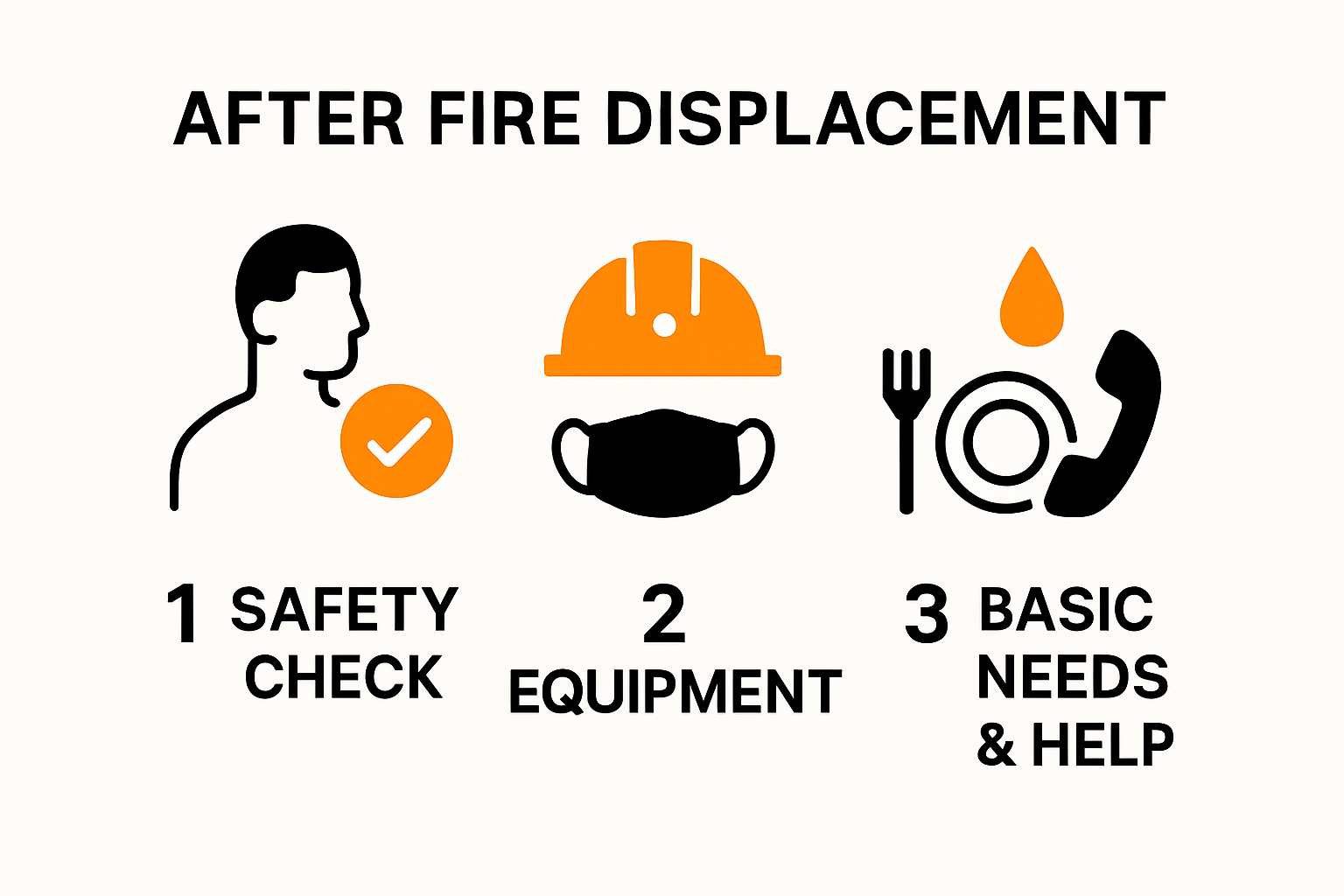
In the aftermath of a fire, your immediate priority is protecting yourself and your loved ones. Safety becomes paramount when facing the complex challenges of post-fire displacement. Understanding the critical steps to secure your basic needs can make a significant difference in your initial recovery process.
Assessing Personal Safety and Structural Risks
Before returning to a fire-damaged property, critical safety considerations must guide your actions. Learn more about emergency response protocols to understand the comprehensive approach to post-fire safety. According to Oregon state safety guidelines, it is crucial to avoid entering damaged buildings until professional authorities have thoroughly inspected and confirmed structural integrity.
Specific safety warnings include:
- Structural Instability: Listen for unusual noises indicating potential collapse
- Gas Leak Risks: Immediately evacuate if you detect any gas odors
- Electrical Hazards: Assume all electrical systems are compromised until professionally assessed
Essential Personal Protective Equipment
When beginning cleanup or assessment, proper protective gear is non-negotiable. Safety research from Oregon state authorities recommends comprehensive personal protective equipment including:
- Head Protection: Hard hats to prevent head injuries
- Eye Safety: Protective goggles to shield against debris
- Hand Protection: Heavy work gloves for handling damaged materials
- Foot Protection: Watertight boots with steel toes and insoles
Additionally, avoid wading through water-damaged areas without proper protection, as these environments may contain hazardous debris like sharp glass or metal fragments. Professional emergency responders strongly advise against entering potentially contaminated or structurally compromised spaces without appropriate safety measures.
Securing Basic Human Needs
Immediate displacement requires swift action to secure fundamental needs. Your priority checklist should include:
- Shelter: Identify temporary housing through emergency services, family networks, or local shelters
- Water: Secure clean drinking water, as fire and smoke damage can contaminate local water supplies
- Food: Access non-perishable food items and ensure proper storage
- Medical Care: Address any immediate health concerns, including potential smoke inhalation or injury treatment
Navigating the initial stages of fire displacement demands a calm, methodical approach. While the experience can be overwhelming, focusing on these fundamental safety and basic need steps will provide a critical foundation for your recovery journey.
Securing Temporary Housing and Relief Aid
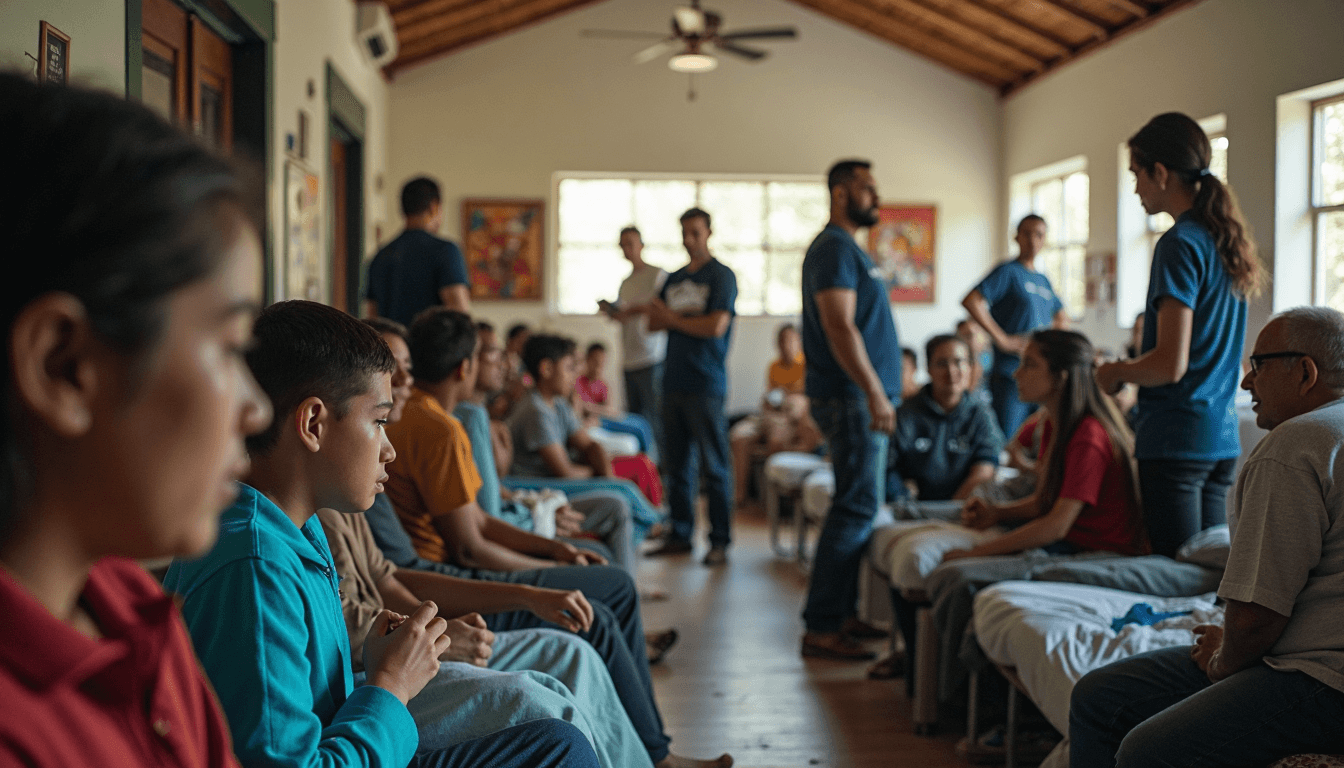
Displacement after a fire creates immediate housing challenges that require strategic navigation of available resources and assistance programs. Understanding the complex landscape of temporary housing and relief aid can significantly reduce stress and accelerate your recovery process.
Federal Emergency Housing Assistance
Explore our comprehensive guide to accessing aid for a deeper understanding of available resources. The Federal Emergency Management Agency (FEMA) provides crucial support for disaster survivors. According to FEMA guidelines, survivors with uninhabitable homes can receive immediate displacement assistance, including funds for temporary housing accommodations like hotel stays.
Key federal assistance programs include:
- FEMA Temporary Housing Assistance: Direct financial support for immediate housing needs
- Rental Assistance: Supports relocation to temporary rental properties
- Home Repair Grants: Helps with essential repairs to make homes livable again
Government and Nonprofit Relief Programs
Beyond federal assistance, multiple programs offer targeted support. The Administration for Children and Families administers critical programs like the Low Income Home Energy Assistance Program (LIHEAP) and Temporary Assistance for Needy Families (TANF). These programs provide comprehensive support for disaster survivors, covering temporary housing, utility payments, and related essential needs.
Research highlights the significant impact of these assistance programs. A 2025 study revealed that FEMA rental assistance dramatically reduces potential evictions. Without such aid, eviction rates can spike by 36%, but with proper assistance, this increases to only 11%.
Here is a summary table highlighting key types of assistance programs and what they cover, based on the programs discussed above.
| Program/Resource | What It Provides | Who Administers |
|---|---|---|
| FEMA Temporary Housing Assistance | Direct financial support for hotel stays/housing | FEMA |
| Rental Assistance | Support for relocation to rental properties | FEMA |
| Home Repair Grants | Essential repairs to restore home habitability | FEMA |
| LIHEAP | Utility payments for displaced survivors | Administration for Children and Families (ACF) |
| TANF | Temporary family and housing support | Administration for Children and Families (ACF) |
Navigating Local and State Resources
Learn more about direct housing processes to understand the full spectrum of available support. Local and state governments often provide additional relief channels that complement federal programs. Contact your local emergency management office, social services department, and community action agencies to explore region-specific housing assistance.
Effective strategies for securing temporary housing include:
- Immediate Contacts: Reach out to local emergency management offices within 72 hours of displacement
- Documentation: Gather and preserve all fire-related documentation
- Insurance Coordination: Work closely with your home insurance provider
- Community Resources: Explore local nonprofit organizations offering housing support
Remember, securing temporary housing is a critical step in your recovery journey. By understanding and leveraging available resources, you can create a stable foundation for rebuilding your life after a fire.
Working with Insurance and Documentation
Navigating the complex world of insurance claims and documentation after a fire can feel overwhelming. Systematic organization and strategic documentation are critical to ensuring you receive maximum support and compensation during your recovery process.
Essential Insurance Claim Documentation
Learn strategies for field inspections to prepare for your insurance assessment. According to the U.S. Fire Administration, documenting all damages thoroughly is paramount. This means creating a comprehensive photographic and written record of all fire-related destruction.
Key documentation steps include:
- Photographic Evidence: Take clear, dated photos of all damaged areas and items
- Detailed Inventory: List every damaged or destroyed possession with estimated value
- Preservation of Remnants: Keep damaged items for potential adjuster inspection
- Immediate Expense Tracking: Record all additional living expenses related to displacement
Below is a process table summarizing the main documentation steps required after a fire loss, as described above:
| Step | What to Do | Why It Matters |
|---|---|---|
| Photographic Evidence | Take clear, dated photos of all damage | Required for insurance and aid |
| Detailed Inventory | List all damaged or destroyed items with estimated value | Justifies insurance claim |
| Preserve Remnants | Keep damaged items until insurance adjuster visit | May be needed for inspection |
| Expense Tracking | Record all additional living expenses | May be reimbursed by insurance/FEMA |
Navigating Insurance Claim Processes
The California Department of Insurance recommends obtaining a complete copy of your homeowner’s insurance policy, including the critical declarations page. Understand document replacement strategies if your original documents were destroyed.
Critical insurance claim considerations:
- Policy Review: Carefully examine coverage limits and exclusions
- Timely Reporting: File claims promptly after the incident
- Detailed Communication: Maintain clear, written correspondence with your insurance provider
- Independent Documentation: Consider hiring a public adjuster for complex claims
Federal Assistance and Insurance Coordination
Understanding the interplay between insurance claims and federal assistance is crucial. FEMA guidelines require applicants to provide documentation of their insurance settlement or a denial letter. This documentation is essential for processing disaster assistance applications.
Strategic steps for coordinating insurance and federal aid:
- Obtain Insurance Settlement Documents: Secure official paperwork from your insurance company
- Prepare FEMA Application: Compile all necessary supporting documentation
- Understand Assistance Limits: Recognize how insurance payouts might impact federal aid
- Seek Professional Guidance: Consider consulting with disaster recovery specialists
Recovering from a fire involves complex bureaucratic processes. Meticulous documentation, proactive communication, and understanding your rights can significantly streamline your path to rebuilding. Stay organized, persistent, and detail-oriented throughout your insurance and documentation journey.
Restoring Your Home and Community Support
Recovering from a fire requires more than physical rebuilding it demands emotional resilience and strategic community engagement. The journey to restoration involves comprehensive planning, understanding complex support systems, and leveraging available resources to rebuild your life and home.
Developing a Comprehensive Restoration Strategy
Learn essential rebuilding safety steps to guide your recovery process. The National Academies Press recommends developing an integrated social services recovery framework that involves collaboration among federal agencies and nongovernmental organizations. This holistic approach ensures survivors receive coordinated support across multiple dimensions.
Key restoration strategy components include:
- Damage Assessment: Professional evaluation of structural integrity
- Prioritized Repairs: Systematic approach to home restoration
- Financial Planning: Budgeting for reconstruction and unexpected expenses
- Emotional Support: Accessing mental health resources during recovery
Community and Social Service Support Networks
The Administration for Children and Families highlights that approximately 1 million new disaster displacements occur annually in the United States. Explore comprehensive home damage recovery steps to understand the broader context of community support.
Effective community support strategies involve:
- Local Support Groups: Connecting with fire survivor networks
- Nonprofit Assistance: Accessing specialized disaster recovery organizations
- Community Counseling: Addressing psychological impacts of displacement
- Volunteer Reconstruction Programs: Engaging community assistance for home repairs
Long-Term Recovery and Resilience Building
Restoration extends beyond physical reconstruction. It requires building personal and community resilience through strategic planning and support. Successful recovery involves:
- Continuous Education: Learning disaster preparedness skills
- Financial Rebuilding: Reconstructing personal economic stability
- Emotional Healing: Addressing trauma through professional support
- Community Reconnection: Rebuilding social networks and support systems
Navigating post-fire recovery is a complex journey that demands patience, strategic planning, and leveraging comprehensive support systems. By understanding available resources, maintaining a proactive approach, and embracing community support, you can transform this challenging experience into an opportunity for personal and collective resilience.
Frequently Asked Questions
What should I do immediately after a fire displaces me?
Focus on ensuring your personal safety, securing temporary housing, and meeting basic human needs such as food, water, and medical care. It’s crucial to assess structural risks and seek professional assistance before re-entering any fire-damaged property.
How can I access federal assistance after a fire?
Federal assistance, including FEMA Temporary Housing Assistance, can be accessed by applying through FEMA’s website or contacting your local emergency management office. They provide crucial support for those displaced by disasters, including funds for temporary accommodations.
What documents do I need for filing an insurance claim after a fire?
You will need photographic evidence of damages, a detailed inventory of destroyed items, and any related expense records. It’s important to keep all documents organized for submission to your insurance provider and to expedite your recovery process.
How can community support help in my recovery after a fire?
Community support can provide emotional assistance, access to local resources, and connections to volunteer reconstruction programs. Engaging with local support networks and nonprofit organizations can significantly aid both your physical and emotional recovery.
Take Control of Your Fire Recovery Journey—Let Us Help You Rebuild Faster
When disaster forces you from your home, every minute matters. Navigating sudden displacement after a fire is overwhelming, especially when your top concerns are finding safe temporary housing, organizing key documents, and ensuring your recovery starts on the right foot. You need real answers and reliable support now. That is where Disaster Victim Services steps in. Our team knows exactly what it takes to secure emergency housing, work with insurance and government agencies, and connect you to the right services quickly. If your priority is getting guidance and resources from experts who treat your crisis with care, you are in the right place.
Ready to close the gap between crisis and stability? Visit our Developing resource page for tools and guidance for every stage of recovery. For more urgent housing or coordination needs, get in touch directly at Disaster Victim Services and let our experts accelerate your comeback. Your path to a safer tomorrow begins now.
Recommended
- How to Manage Displacement: Practical Steps for Disaster Recovery 2025 – Disaster Victim Services | Helping You Recover After Disaster
- how to manage displacement – Disaster Victim Services | Helping You Recover After Disaster
- How to Handle Relocations in 2025: A Guide for Disaster Relief Teams – Disaster Victim Services | Helping You Recover After Disaster
- How to handle relocations – Disaster Victim Services | Helping You Recover After Disaster
- Housing Placement Workflow Guide 2025: Steps for Disaster Recovery – Disaster Victim Services | Helping You Recover After Disaster
- Emergency Response Trends 2025: What Stakeholders Need to Know – Disaster Victim Services | Helping You Recover After Disaster