


Insurance field inspections are getting a major overhaul in 2025, pushing everyone involved to rethink their game plan. Here’s something many overlook. Property adjusters now face almost four times the injury rate of standard construction workers, hitting 78 injuries per million inspection hours. Training and safety gear are at an all-time high, yet most stakeholders still think field inspections are mostly about paperwork and photos. The real difference-maker this year is how sharply safety standards, documentation methods, and digital communication are converging, quietly reshaping what it means to be truly prepared out on site.
Table of Contents
- Preparing For A Field Inspection: Key Steps
- Safety Guidelines For On-Site Inspections
- Documenting Damage: What All Parties Should Know
- Effective Communication During The Inspection Process
Quick Summary
| Takeaway | Explanation |
|---|---|
| Comprehensive Documentation is Essential | Policyholders and adjusters should gather and organize photographic evidence, financial records, and property documents to ensure a smooth assessment process. |
| Safety Training and Equipment are Non-Negotiable | Field adjusters must prioritize advanced safety certifications and utilize appropriate personal protective equipment to mitigate risks during inspections. |
| Effective Communication is Crucial | Clear, empathetic communication helps manage emotional stress for policyholders while ensuring they are informed throughout the inspection process. |
| Digital Documentation Enhances Accuracy | Utilizing technological tools for digital backups and documentation can streamline the claims process and improve organization of records. |
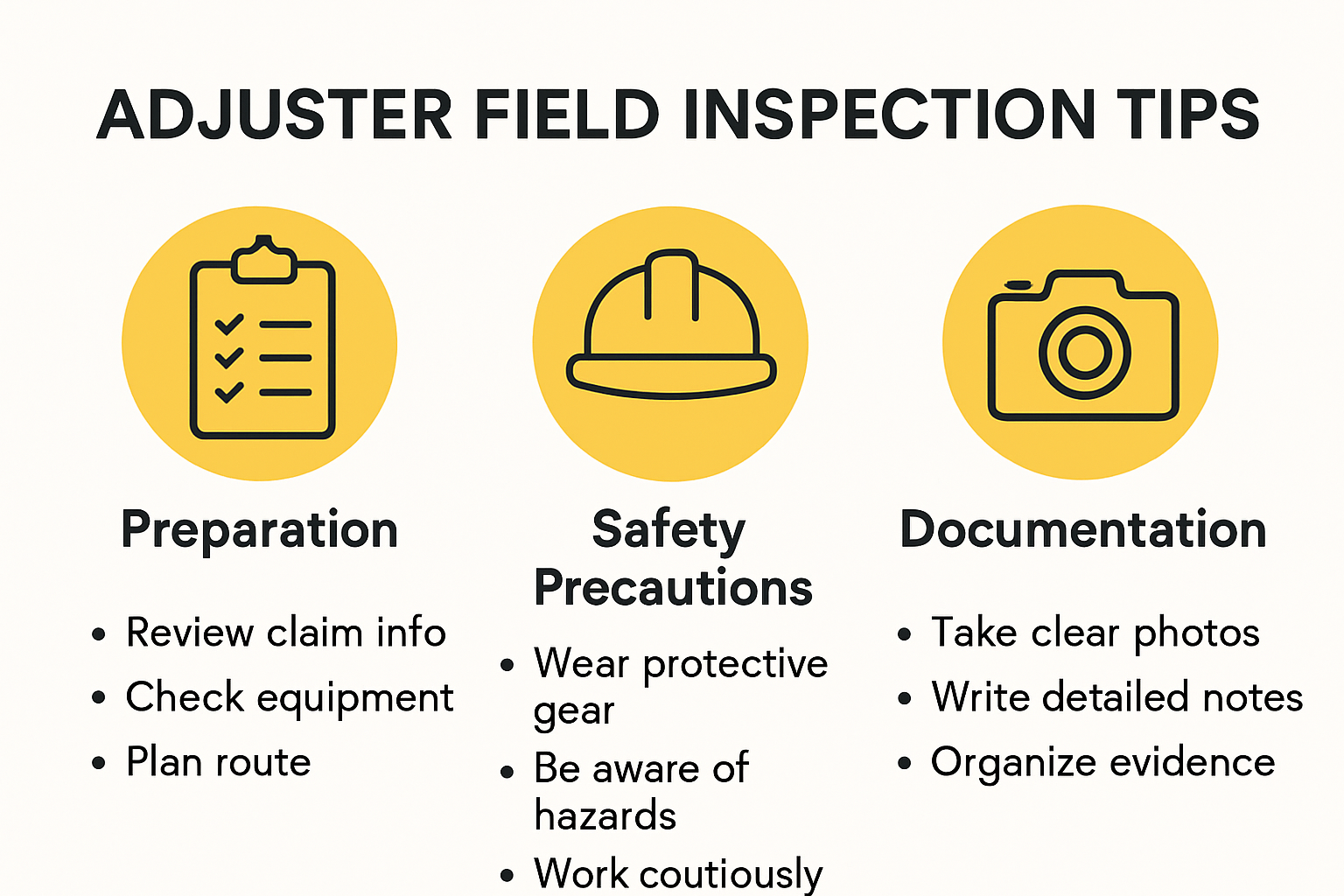
Preparing for a Field Inspection: Key Steps
Successful adjuster field inspections require meticulous preparation and strategic planning. Disaster victims and insurance professionals must work together to ensure a comprehensive and efficient damage assessment process.
Documentation and Evidence Gathering
Before the field inspection, policyholders play a critical role in setting the stage for a smooth assessment. According to insurance documentation guidelines, collecting comprehensive evidence is paramount. This involves systematically gathering and organizing all relevant documentation, including:
- Photographic Evidence: Clear, high-resolution images documenting the full extent of property damage from multiple angles
- Financial Records: Receipts for damaged items, repair estimates, and related expenses
- Property Documents: Original blueprints, recent property assessment records, and insurance policy details
Maintaining a detailed journal of all communications with the insurance carrier helps create a transparent and accountable record. Policyholders should document every interaction, including dates, times, and key discussion points.
Safety and Professional Preparation
Field adjusters must prioritize safety and professional competence during inspections. Research from industry experts highlights the importance of specialized certifications and technical knowledge. Professional field adjusters should:
- Obtain advanced safety certifications in rope and harness techniques
- Develop comprehensive ladder safety skills
- Maintain a strong background in construction principles
- Carry appropriate personal protective equipment
These preparations ensure accurate damage assessment while minimizing potential risks during on-site evaluations. Technical expertise allows adjusters to provide precise documentation and support for insurance claims.
Strategic Scheduling and Communication
Timely and clear communication represents the cornerstone of effective field inspections. Experts recommend scheduling the onsite inspection promptly after initial contact. Both policyholders and adjusters should:
- Confirm inspection dates and times in writing
- Provide clear contact information
- Establish digital communication records
- Follow up with detailed email summaries after phone conversations
To support disaster victims through this process, we recommend learning more about recovery strategies to complement the field inspection experience.
By following these comprehensive preparation guidelines, insurance professionals and policyholders can transform a potentially stressful field inspection into a structured, transparent, and efficient assessment process.
Safety Guidelines for On-Site Inspections
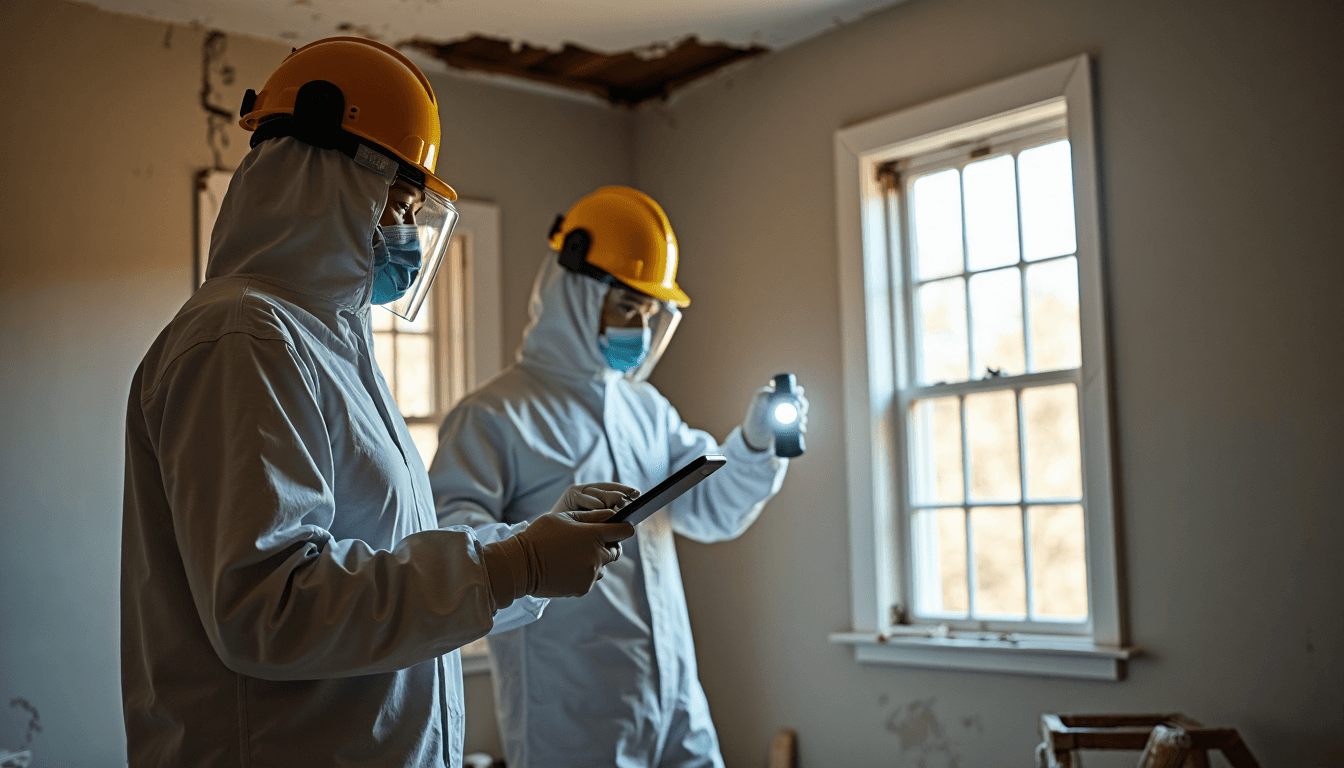
Property damage inspections present unique safety challenges that demand rigorous precautions and professional expertise. Field adjusters navigate complex and potentially hazardous environments where a single misstep could result in serious injury or long-term health consequences.
Risk Assessment and Personal Protective Equipment
According to OSHA safety standards, field adjusters face significantly elevated injury risks compared to other professional sectors. Statistical evidence reveals that property adjusters experience nearly four times the injury rate of standard construction workers, with 78 injuries per million site working hours versus 22 per million in general construction.
To better illustrate injury rates among professions referenced, here is a table comparing injury statistics:
Field Adjuster and Construction Worker Injury Rates (per million inspection hours)
| Profession | Injury Rate (per million hours) |
|---|---|
| Property Adjusters | 78 |
| Construction Workers | 22 |
To mitigate these risks, comprehensive personal protective equipment (PPE) becomes non-negotiable. Essential safety gear includes:
- Protective Headgear: Hard hats to prevent head injuries
- Respiratory Protection: Masks and respirators for hazardous environments
- Safety Footwear: Slip-resistant boots with reinforced toe protection
- Eye and Hand Protection: Safety glasses and cut-resistant gloves
Advanced Safety Training and Certifications
Industry research emphasizes the critical importance of specialized safety training for field adjusters. Professional certification programs focusing on advanced safety techniques are now considered essential professional development. Key training areas include:
- Rope and harness safety techniques
- Ladder safety and fall protection protocols
- Emergency response and first aid
- Hazardous environment navigation
These certifications not only protect individual adjusters but also demonstrate a commitment to professional standards and risk management. Employers increasingly require these qualifications to ensure comprehensive workplace safety.
Environmental Hazard Management
Field inspections often involve navigating unpredictable and potentially dangerous environments. OSHA regulations mandate specific protocols for managing environmental risks such as:
- Structural instability in fire or storm damaged properties
- Potential exposure to toxic materials like asbestos or mold
- Electrical hazards in compromised buildings
- Unstable surfaces and potential fall risks
Adjusters must conduct thorough pre-inspection risk assessments, utilizing advanced technological tools like thermal imaging cameras and structural integrity scanning devices to identify potential dangers before physical entry.
Explore our comprehensive disaster preparedness guide to further enhance your understanding of safety protocols in challenging environments.
By prioritizing rigorous safety training, utilizing appropriate protective equipment, and maintaining situational awareness, field adjusters can effectively balance thorough damage assessment with personal safety and professional excellence.
Documenting Damage: What All Parties Should Know
Documenting property damage represents a critical process that requires precision, thoroughness, and collaboration between policyholders, field adjusters, and insurance professionals. The quality of documentation can significantly impact claim resolution and recovery outcomes.
Comprehensive Evidence Collection Strategies
According to industry reporting standards, field adjusters must capture meticulous documentation that provides a comprehensive view of property damage. This process extends beyond simple photographs and requires strategic evidence gathering.
To help stakeholders understand what thorough evidence collection involves, here is a summary table of essential documentation strategies:
| Evidence Type | Purpose | Methods/Examples |
|---|---|---|
| Photographic Evidence | Capture visual proof from all angles | High-resolution images, multiple perspectives |
| Written Descriptions | Detail damage characteristics & extent | Comprehensive notes |
| Measurement Documentation | Quantify affected area/extent of damage | Precise measurements |
| Chronological Context | Document damage progression over time | Time-stamped records |
Effective documentation strategies include:
- Systematic Photographic Evidence: High-resolution images from multiple angles
- Detailed Written Descriptions: Comprehensive notes describing damage extent and characteristics
- Measurement Documentation: Precise measurements of affected areas
- Chronological Context: Time-stamped records of damage progression
Policyholders play a crucial role by preserving the scene and providing additional context. The Loss Adjustment Manual Standards Handbook emphasizes that adjusters must arrive fully prepared with appropriate equipment and training to conduct thorough inspections.
Technical Documentation Requirements
Insurance claim experts highlight that comprehensive documentation directly correlates with claim success rates. Technical documentation should include:
- Structural damage assessments
- Material condition evaluations
- Environmental impact analysis
- Potential safety hazard identification
- Estimated repair or replacement costs
Adjusters must utilize advanced technological tools such as thermal imaging cameras, laser measurement devices, and digital documentation platforms to ensure accuracy and thoroughness.
Digital Documentation and Evidence Preservation
In the digital age, documentation extends beyond physical records. Policyholders should:
- Create digital backups of all physical documents
- Maintain organized digital folders with inspection records
- Use cloud storage for secure document preservation
- Retain communication logs with insurance representatives
For disaster victims seeking additional guidance on document management, we recommend exploring our comprehensive document replacement guide.
Successful damage documentation requires a collaborative approach. By understanding and implementing rigorous documentation standards, all parties can streamline the claims process, ensure fair assessments, and accelerate recovery efforts.
Effective Communication During the Inspection Process
Effective communication represents the cornerstone of successful field inspections, bridging the gap between technical assessment and human understanding. Field adjusters must navigate complex emotional and professional landscapes while delivering clear, compassionate information to disaster-affected stakeholders.
Communication Strategies and Best Practices
According to industry communication experts, successful field adjusters must blend technical precision with empathetic communication. Clear, consistent messaging helps interpret policies, address concerns, and alleviate doubts during the inspection process.
Key communication strategies include:
- Active Listening: Providing undivided attention to policyholder concerns
- Transparent Explanations: Breaking down complex technical information
- Emotional Intelligence: Recognizing and responding to stress
- Regular Status Updates: Keeping all parties informed throughout the process
Professional communication requires adjusters to balance technical expertise with genuine human connection, understanding that disaster victims are often experiencing significant emotional stress.
Digital Communication Tools and Protocols
Research from insurance technology platforms highlights the critical role of modern communication technologies. Field adjusters can leverage digital tools to provide timely, secure, and efficient updates:
- Secure messaging platforms
- Digital document sharing systems
- Real-time tracking and notification technologies
- Templated communication protocols
These technological solutions enable adjusters to deliver attachments, provide instant updates, and maintain comprehensive communication records while ensuring data privacy and security.
Empathy and Professional Support
Field adjusting professionals emphasize that communication extends beyond information exchange. Adjusters serve as critical support agents during challenging times, requiring a nuanced approach that combines technical knowledge with genuine compassion.
Effective communication involves:
- Acknowledging policyholder emotions
- Providing clear, actionable information
- Offering resources and support connections
- Maintaining professional boundaries
Learn more about navigating post-disaster recovery steps to complement your understanding of effective communication during challenging times.
By prioritizing clear, empathetic, and technologically supported communication, field adjusters can transform a potentially stressful interaction into a supportive, informative experience that helps disaster victims move forward with confidence and understanding.
Frequently Asked Questions
What are the key steps to prepare for a field inspection in 2025?
Successful preparation includes thorough documentation of damage, ensuring safety and professional readiness, and strategic scheduling and communication with all stakeholders.
What safety measures should field adjusters take during inspections?
Field adjusters must employ comprehensive personal protective equipment (PPE), obtain advanced safety training certifications, and conduct risk assessments to navigate hazardous environments effectively.
How can I improve documentation for my property damage claim?
To enhance documentation, gather high-resolution photographs, maintain clear written descriptions of damages, provide exact measurements, and keep detailed chronological records of damage progression.
What communication strategies are best for field adjusters during inspections?
Effective communication strategies include active listening, providing transparent explanations, offering regular status updates, and maintaining empathetic interactions with policyholders.
Transform Field Inspection Challenges Into Steps Toward Recovery
After reading about the risks, safety concerns, and communication barriers field adjusters and policyholders are facing in 2025, it is clear that recovery is about more than documentation and inspections. When your family has just been through a disaster, you need more than tips. You need real solutions that protect your safety, keep you informed, and help you move seamlessly from damage assessment to the comfort of a new beginning.
If the next steps for inspection feel overwhelming, let our experts at Disaster Victim Services guide you through what comes next. Looking to rebuild, repair, or redesign your space after disaster strikes? Explore our Remodeling solutions for hands-on help that turns assessments into action. Don’t wait in uncertainty. Connect with us now for fast, compassionate support and take the next confident step toward your restoration.
Recommended Articles
- Disaster Preparedness Checklist 2025: Essential Guide for All Responders – Disaster Victim Services | Helping You Recover After Disaster
- Flood Safety Checklist 2025: Essential Steps for Families and Responders – Disaster Victim Services | Helping You Recover After Disaster
- Emergency Response Trends 2025: What Stakeholders Need to Know – Disaster Victim Services | Helping You Recover After Disaster
- Home Safety Tips 2025: Essential Guide for Disaster Recovery – Disaster Victim Services | Helping You Recover After Disaster
- disaster preparedness checklist – Disaster Victim Services | Helping You Recover After Disaster
- flood safety checklist – Disaster Victim Services | Helping You Recover After Disaster