
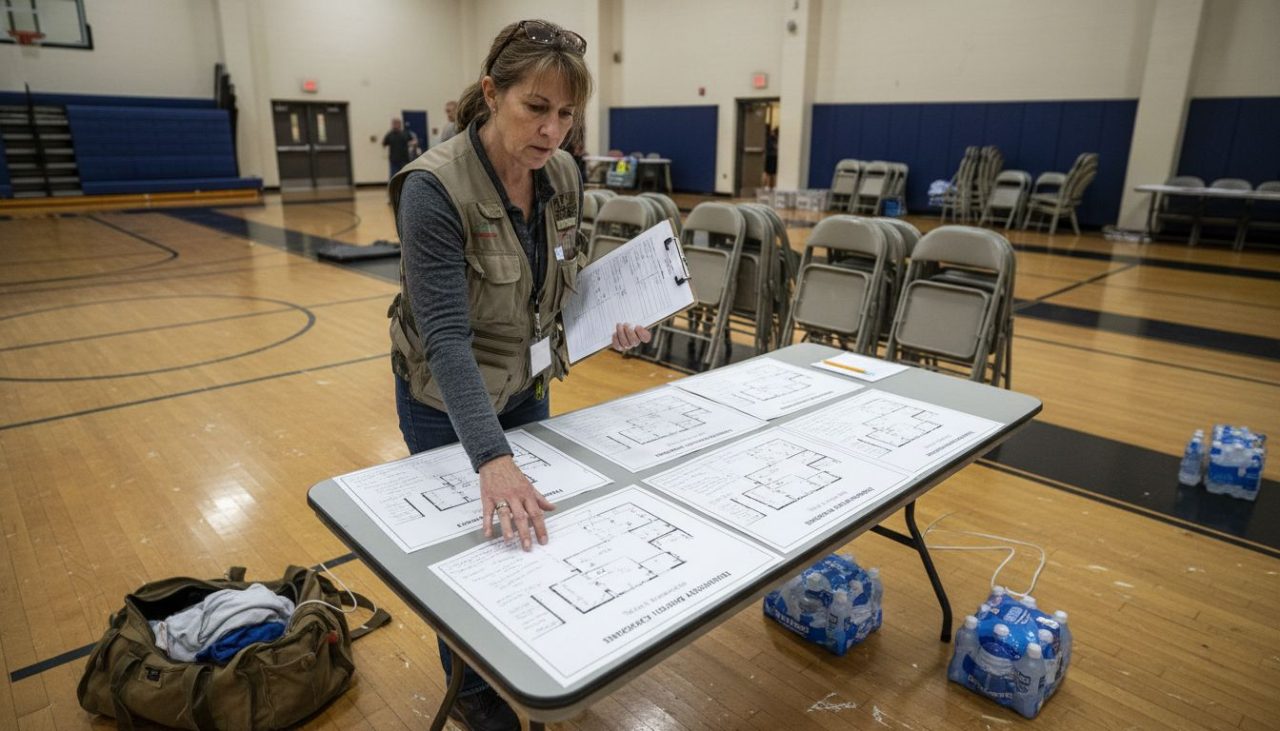
Over fifty percent of American communities face disasters that disrupt housing every year. Fast response and reliable coordination are crucial for helping families find safe shelter and start recovering. Knowing where to turn and what steps to take can make all the difference when every moment counts. This guide breaks down the essential actions for American responders, from rapid needs assessment to lasting recovery solutions.
Table of Contents
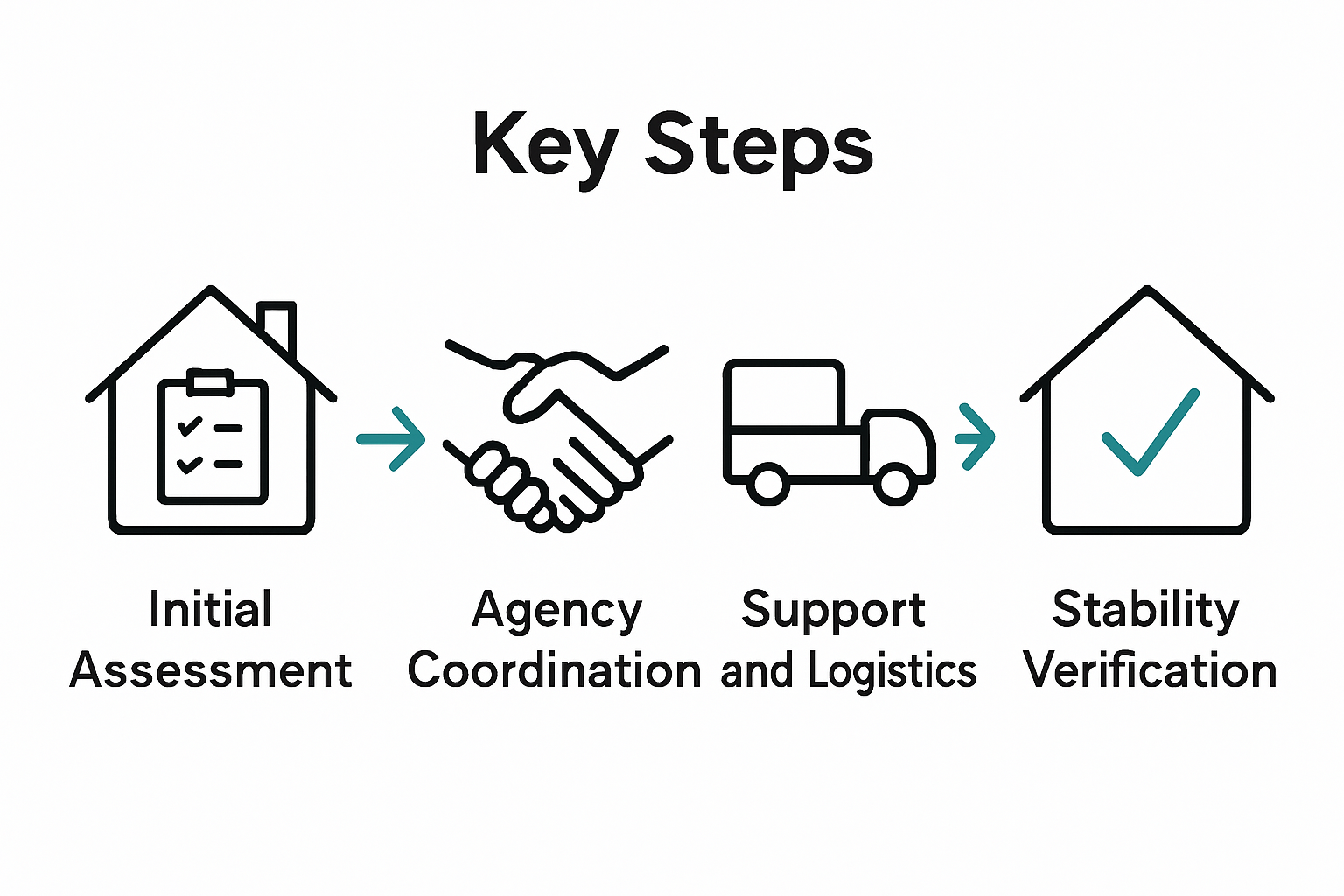
- Step 1: Initiate Immediate Assessment And Information Gathering
- Step 2: Coordinate With Agencies And Secure Emergency Housing
- Step 3: Facilitate Support Services And Manage Logistics
- Step 4: Verify Housing Stability And Document Follow-Up
Quick Summary
| Key Point | Explanation |
|---|---|
| 1. Conduct thorough initial assessments | Assess damage and community needs urgently to guide recovery effectively. Documentation is crucial for future assistance planning. |
| 2. Coordinate with housing agencies | Connect with federal and nonprofit agencies to secure temporary housing rapidly for displaced individuals and families. |
| 3. Implement support service coordination | Facilitate access to services like medical care and financial assistance for affected individuals, using a tracking system to manage resources efficiently. |
| 4. Ensure long-term housing stability | Conduct regular check-ins with displaced households to assess ongoing needs and document their journey towards stable housing solutions. |
Step 1: Initiate immediate assessment and information gathering
When disaster strikes, your first critical task is conducting a comprehensive initial assessment to understand the full scope of damage and community needs. This phase establishes the foundation for effective recovery by gathering precise information about impacted areas, potential risks, and urgent requirements.
Begin by coordinating with local emergency management offices to perform on-site visual damage inspections. Your assessment should systematically document infrastructure damage, population displacement, and immediate safety concerns. Focus on collecting data about residential structures, critical infrastructure, and vulnerable populations most at risk. Collaborate closely with first responders and local authorities to obtain real-time information about casualties, structural integrity, and environmental hazards.
Carefully document your findings using standardized assessment forms, taking detailed photographs and notes that will support future recovery efforts. Pay special attention to identifying at-risk groups who may require immediate crisis counseling or specialized support services. Your thorough and precise documentation will be crucial for coordinating emergency housing assistance and determining the most urgent recovery priorities.
Pro Tip: Always prioritize personal safety during initial assessments. Never enter structurally compromised buildings or hazardous areas without proper authorization and protective equipment.
Once your initial assessment is complete, you will be prepared to transition into the next phase of emergency housing coordination and victim support.
Step 2: Coordinate with agencies and secure emergency housing
After completing your initial damage assessment, your next critical mission is navigating the complex landscape of emergency housing coordination. This crucial step involves strategically connecting with multiple agencies to quickly secure safe temporary housing for displaced individuals and families.
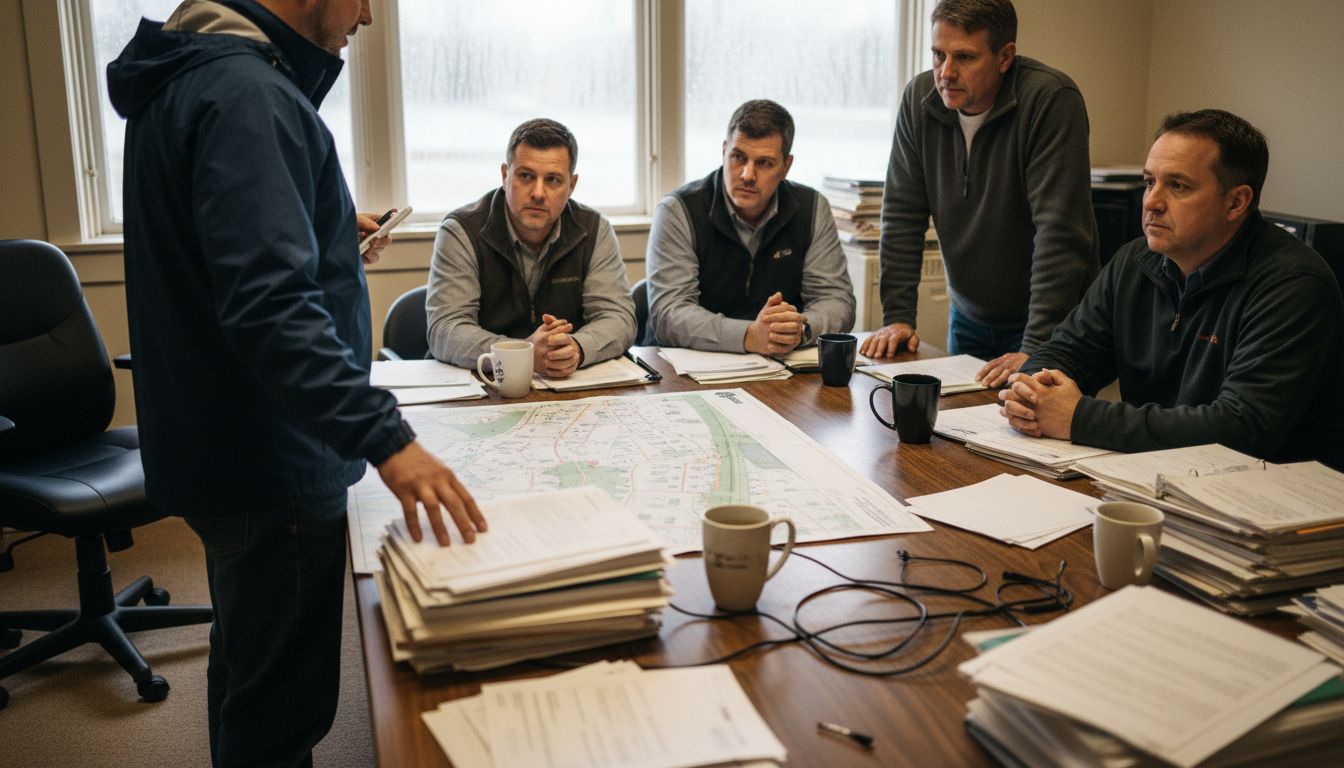
Begin by coordinating assistance with federal and nongovernmental partners to streamline your housing recovery efforts. Reach out to key organizations like the Department of Housing and Urban Development, local emergency management offices, and disaster relief nonprofits. These agencies can provide crucial resources, financial assistance, and housing placement support. Your goal is to develop a comprehensive housing recovery plan that addresses immediate shelter needs while considering long term reconstruction strategies.
Establish clear communication channels with each agency representative, documenting specific housing requirements for different population groups. Prioritize vulnerable populations such as elderly residents, families with children, and individuals with medical needs. Collect detailed information about available emergency housing options including temporary shelters, hotel vouchers, rental assistance programs, and potential mobile housing units.
Pro Tip: Maintain meticulous records of all agency communications and housing placement efforts to ensure smooth coordination and maximize available support resources.
Once you have secured initial emergency housing placements, you will be ready to transition into the next phase of supporting disaster victims through their recovery journey.
Step 3: Facilitate support services and manage logistics
With emergency housing secured, you now enter the critical phase of coordinating comprehensive support services and managing complex logistics for disaster recovery. This step requires strategic planning and multifaceted coordination to ensure displaced individuals receive comprehensive assistance beyond immediate shelter needs.
Utilize the comprehensive disaster recovery resource library to identify and connect victims with available federal and local support programs. This involves mapping out specific services such as medical care, mental health counseling, financial assistance, employment support, and legal aid. Create detailed service coordination plans that track each individual or family’s unique needs, ensuring no critical support falls through the administrative cracks.
Develop a centralized tracking system to manage logistics efficiently. This system should document every aspect of support services including transportation arrangements, medical referrals, financial aid disbursements, and long term housing transition plans. Prioritize clear communication channels between support service providers, ensuring rapid response and seamless coordination. Pay special attention to vulnerable populations who may require more intensive or specialized assistance.
Pro Tip: Implement a digital tracking mechanism that allows real time updates and enables multiple agencies to collaborate effectively while maintaining individual privacy protections.
As you refine your support service coordination, you will be preparing the groundwork for the next critical phase of long term disaster recovery and community restoration.
Step 4: Verify housing stability and document follow-up
As you approach the critical final stage of disaster housing assistance, your focus shifts to ensuring long term housing stability and creating comprehensive documentation that supports continued recovery. This phase requires meticulous attention to detail and proactive communication with displaced individuals and families.
Ongoing assessment and support are crucial for maintaining housing recovery after initial emergency placement. Conduct regular check ins with each displaced household to evaluate their current living situation, assess their immediate and future housing needs, and identify any additional support services required. Develop a systematic follow up process that includes personal interviews, written surveys, and digital tracking mechanisms to monitor progress and potential challenges.
Document every interaction and housing transition comprehensively, creating detailed records that track each individual familys journey from emergency displacement to stable housing. These records should include initial assessment data, emergency housing details, support services provided, and long term housing transition plans. Ensure all documentation maintains strict privacy standards while providing sufficient information for continued support and potential future assistance.
Pro Tip: Create a standardized digital tracking system that allows for real time updates and seamless information sharing between support agencies while protecting individual privacy.
As you complete this final verification stage, you are setting the groundwork for successful long term community recovery and resilience.
Partner with DisasterVictimServices.com for Faster Housing Recovery
Disasters create urgent challenges like immediate damage assessments, emergency housing coordination, and long term support services as described in the Disaster Housing Assistance Workflow for Swift Recovery. If you are facing the complex tasks of securing safe temporary housing and managing recovery logistics while ensuring housing stability, you are not alone. Many victims struggle with navigating multiple agencies and tracking critical services after displacement.
At DisasterVictimServices.com, we specialize in working directly with emergency managers, insurance carriers, and first responders to simplify this process for you. Our compassionate team provides 24/7 assistance to connect victims with emergency housing solutions and coordinate support through a collaborative approach. Discover how our expertise in project design and multi-agency communication helps bridge gaps in recovery efforts. Learn more about our comprehensive approach in the Uncategorized resources section.
Start your journey toward stable housing today by visiting DisasterVictimServices.com. Let us guide you through every step from immediate emergency placement to long term recovery with efficiency and care.
Frequently Asked Questions
How do I conduct an initial assessment after a disaster?
Conduct an initial assessment by coordinating with local emergency management offices to perform on-site inspections. Document infrastructure damage, population displacement, and safety concerns in detail to support future recovery efforts. Aim to complete this assessment promptly to move to the next recovery phase.
What steps should I take to secure emergency housing for displaced individuals?
Start by coordinating with federal and local agencies to connect with resources for emergency housing. Focus on identifying vulnerable populations and documenting specific housing needs to develop a comprehensive housing recovery plan.
How can I coordinate support services for disaster victims?
Utilize available disaster recovery resources to map out support services that meet the unique needs of displaced individuals. Create detailed coordination plans to track each person’s needs, ensuring comprehensive assistance is provided beyond just housing.
What is the importance of documenting follow-up and housing stability?
Documenting follow-up is critical to ensuring long-term housing stability for displaced families. Conduct regular check-ins and maintain detailed records of each household’s journey to track their needs and progress, which supports ongoing recovery efforts.
What should I include in my housing recovery plan?
Your housing recovery plan should include immediate shelter needs, long-term reconstruction strategies, and specific arrangements for vulnerable populations. Clearly outline the types of emergency housing available and the processes for securing them to ensure a smooth transition for displaced residents.
Recommended
- Navigating Housing Assistance in 2025: A Guide for Disaster Recovery – Disaster Victim Services | Helping You Recover After Disaster
- Direct Housing Process Guide 2025: Steps, Eligibility & Tips – Disaster Victim Services | Helping You Recover After Disaster
- Emergency Housing Workflow Guide 2025: Steps and Solutions – Disaster Victim Services | Helping You Recover After Disaster
- Housing Placement Process Guide for Disaster Relief 2025 – Disaster Victim Services | Helping You Recover After Disaster