
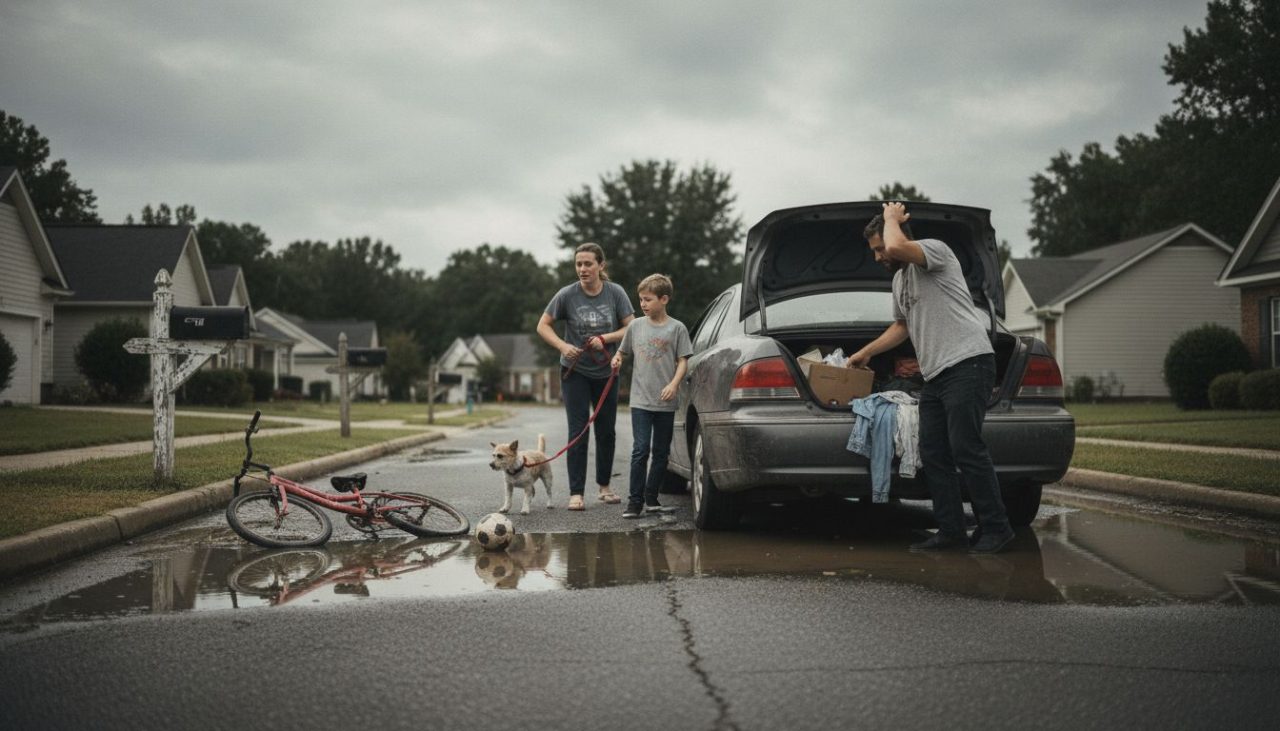
Over 11 million americans were forced to leave their homes last year because of wildfires, hurricanes, and other disasters. This level of upheaval touches nearly every aspect of daily life, from the stress of sudden relocation to the challenge of rebuilding communities. When families face disaster displacement, the consequences reach far beyond simple physical loss. Gaining insight into these complex causes and patterns helps americans prepare for and respond to these growing risks.
Table of Contents
- Defining Disaster Displacement And Its Causes
- Top Disaster Types Driving Displacement In 2025
- Current U.S. Statistics And Displacement Patterns
- Legal And Logistical Framework For Support
- Insurance, Housing, And Recovery Challenges
Key Takeaways
| Point | Details |
|---|---|
| Disaster displacement is on the rise | Millions are being forced to relocate due to extreme weather events and climate change, highlighting a pressing humanitarian challenge. |
| Storms are the leading cause of displacement | In 2025, storms accounted for 54% of global disaster-induced displacements, impacting community stability significantly. |
| The U.S. faces unprecedented displacement | Approximately 11 million Americans were displaced in 2024, with wildfires and hurricanes as primary triggers. |
| Comprehensive support systems are essential | Effective recovery requires coordinated legal, logistical, and emotional support for displaced individuals and communities. |
Defining Disaster Displacement and Its Causes
Disaster displacement represents a complex humanitarian challenge where individuals are forced to abandon their homes and communities due to sudden or progressive environmental disruptions. Tracking global displacement trends reveals that natural hazards and climate-related events are primary drivers pushing populations into involuntary movement.
The Internal Displacement Monitoring Centre identifies multiple triggers for disaster displacement, including extreme weather events such as hurricanes, floods, wildfires, and prolonged environmental degradation. These phenomena create immediate and long-term challenges for affected populations, forcing them to seek safety and stability in unfamiliar environments. Storms, flash floods, and rapidly spreading wildfires can render entire communities uninhabitable within hours, generating urgent humanitarian needs.
Understanding disaster displacement requires recognizing its multifaceted nature. Beyond immediate physical relocation, displaced individuals face significant psychological, economic, and social challenges. Comprehensive displacement recovery strategies emphasize not just physical movement but holistic support systems that address trauma, economic disruption, and community reconstruction. Key causes include:
- Climate change accelerating extreme weather patterns
- Infrastructure vulnerability in high-risk geographic regions
- Socioeconomic factors limiting community resilience
- Increasing frequency of natural disasters
The human impact of disaster displacement extends far beyond simple geographic movement, representing a profound disruption of personal and community stability that demands comprehensive, compassionate response strategies.
Top Disaster Types Driving Displacement in 2025
Storm-related disasters emerge as the most significant driver of population displacement in 2025, fundamentally reshaping humanitarian response strategies. Cyclones, hurricanes, and severe thunderstorms represent unprecedented threats to community stability, forcing millions to evacuate vulnerable regions with little warning.
The Internal Displacement Monitoring Centre’s 2025 Global Report reveals that storms account for an alarming 54% of disaster-induced displacements worldwide. These extreme weather events create immediate and long-lasting disruptions, rendering entire communities uninhabitable and generating complex humanitarian challenges. Rapid wind speeds, catastrophic flooding, and infrastructure destruction characterize these devastating meteorological events.
Climate-driven disasters demonstrate a complex and interconnected profile of displacement triggers. Beyond storms, critical displacement factors include:
- Widespread flooding impacting coastal and riverside communities
- Prolonged drought conditions destroying agricultural landscapes
- Extreme heat events creating uninhabitable living conditions
- Wildfires consuming residential and rural territories
Understanding these current disaster trends requires recognizing that climate change intensifies the frequency and severity of environmental disruptions. The humanitarian impact extends far beyond immediate relocation, challenging governments, relief organizations, and communities to develop more resilient adaptation strategies.
Current U.S. Statistics and Displacement Patterns
Scientific research reveals a staggering displacement landscape in the United States for 2024, with 11 million Americans forced to relocate due to escalating environmental disasters. These unprecedented migration patterns highlight the growing vulnerability of communities to extreme weather events and climate-related disruptions.

Disaster displacement in the U.S. demonstrates a complex geographical and environmental profile. Wildfire-induced relocations represent a significant portion of these movements, particularly in western states like California, Oregon, and Washington. The displacement patterns reveal critical insights into regional environmental risks and community resilience.
Key displacement characteristics for 2024 include:
- 11 million Americans forced to relocate
- Western states experiencing highest displacement rates
- Wildfires and hurricanes primary displacement triggers
- Significant economic impact on affected communities
- Increasing frequency of multi-state disaster events
The displacement verification process has become increasingly complex, reflecting the multifaceted nature of modern environmental migrations. These statistics underscore the urgent need for comprehensive disaster preparedness and adaptive community resilience strategies.
Legal and Logistical Framework for Support
Disaster recovery support represents a complex network of legal and logistical frameworks designed to assist individuals displaced by environmental emergencies. The comprehensive support system involves multiple government agencies, nonprofit organizations, and specialized support centers working collaboratively to address the immediate and long-term needs of affected populations.
Disaster Recovery Centers provide critical infrastructure for support delivery. Logistical support strategies encompass a range of essential services including emergency housing assistance, legal counseling, financial aid processing, and direct intervention for vulnerable populations. These centers serve as centralized hubs where displaced individuals can access comprehensive resources and guidance through a coordinated, multi-agency approach.
Key components of the legal and logistical support framework include:
- Immediate emergency housing provisions
- Legal representation and documentation assistance
- Financial aid and compensation processing
- Mental health and counseling services
- Case management and long-term recovery planning
The disaster support access guide highlights the importance of understanding individual rights and available resources. Navigating these complex support systems requires proactive engagement, clear communication, and a strategic approach to recovery that addresses both immediate survival needs and long-term community resilience.
Insurance, Housing, and Recovery Challenges
Sophisticated computational models are transforming our understanding of disaster recovery challenges, providing unprecedented insights into household displacement dynamics. These advanced predictive tools help stakeholders anticipate and mitigate the complex aftermath of environmental emergencies.
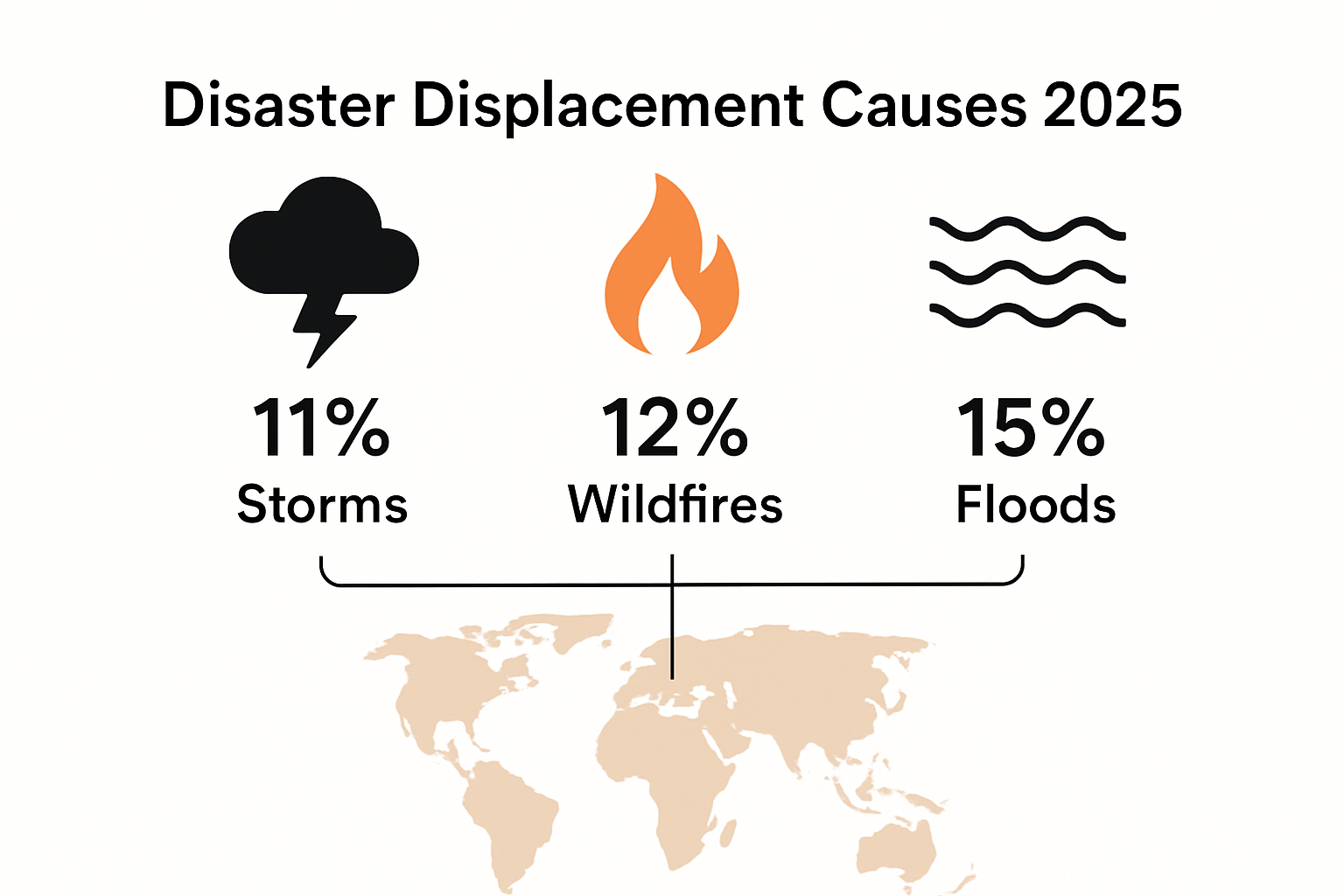
Displacement statistics reveal profound challenges for affected populations. With 3.3 million U.S. adults displaced by natural disasters, the housing and recovery landscape presents significant hurdles. Rehousing process strategies have become increasingly critical in addressing the multifaceted needs of displaced individuals, focusing on rapid, sustainable relocation solutions.
Key challenges in insurance, housing, and recovery include:
- Prolonged insurance claim processing times
- Limited affordable housing options
- Complex relocation logistics
- Financial strain on displaced families
- Psychological trauma from sudden displacement
The disaster recovery challenges guide emphasizes the importance of holistic support systems. Successful recovery demands innovative approaches that address not just physical housing needs, but also the emotional and economic resilience of affected communities.
Facing Disaster Displacement Together in 2025
The article highlights the urgent challenge of disaster displacement driven by increasingly severe storms, wildfires, and climate-related events. Families are grappling with sudden loss of homes, complicated insurance claims, and difficult rehousing decisions all while managing emotional trauma and economic strain. If you or your community are confronting these hurdles following a disaster, understanding and accessing the right support is critical.
At DisasterVictimServices.com, we specialize in helping displaced individuals regain stability quickly and confidently. Our team works alongside insurance carriers, government agencies, and relief organizations to provide around-the-clock emergency housing and streamline recovery logistics. You can explore resources and guidance tailored for disaster victims in our Uncategorized category or start directly on our homepage. Do not face displacement alone visit DisasterVictimServices.com now to connect with a trusted partner ready to support you every step of the way.
Frequently Asked Questions
What is disaster displacement?
Disaster displacement occurs when individuals are forced to leave their homes due to sudden or gradual environmental disruptions, such as extreme weather events or climate-related disasters.
What are the main causes of disaster displacement in 2025?
The primary causes of disaster displacement include climate change, extreme weather events like storms and floods, infrastructure vulnerabilities, and socioeconomic factors that limit resilience in affected communities.
How does disaster displacement affect communities?
Disaster displacement profoundly disrupts personal and community stability, creating psychological, economic, and social challenges for displaced individuals, often requiring comprehensive recovery support strategies.
What support systems are in place for individuals affected by disaster displacement?
Emergency housing assistance, legal representation, financial aid, mental health services, and case management are key components of the support framework to help individuals rebuild their lives after displacement.
Recommended
- Displacement Trends 2025: What Families and Responders Need to Know – Disaster Victim Services | Helping You Recover After Disaster
- Current Disaster Trends 2025: Complete Expert Guide – Disaster Victim Services | Helping You Recover After Disaster
- Displacement Trends 2025: What Families and Responders Need to Know – Disaster Victim Services | Helping You Recover After Disaster
- How to Manage Displacement: Practical Steps for Disaster Recovery 2025 – Disaster Victim Services | Helping You Recover After Disaster