
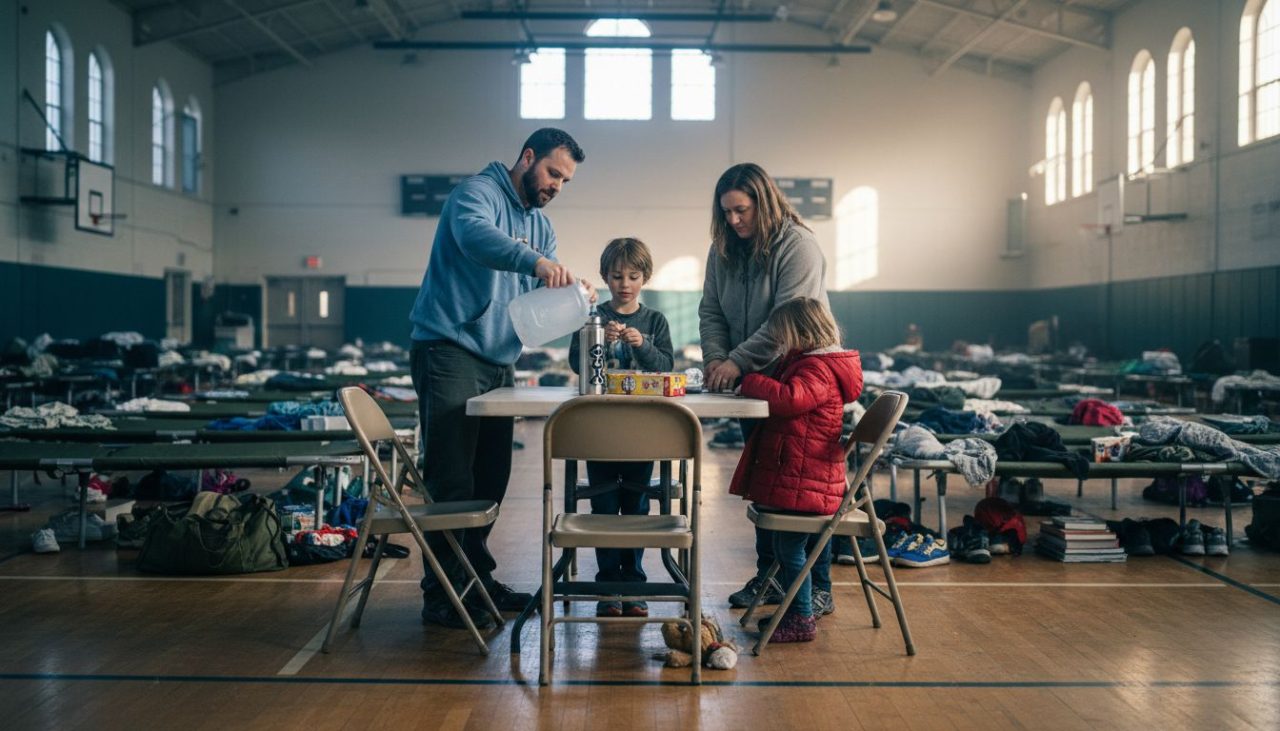
Nearly one in three American families faces a major natural disaster during their lifetime, yet navigating the aftermath can feel even more daunting than surviving the event itself. Post-disaster transition is a critical phase that shapes recovery, affecting everything from emotional well-being to financial stability. This guide unpacks the complex journey Americans undertake after disaster strikes, highlighting key stages, risks, and the support systems that make rebuilding possible.
Table of Contents
- What Post‑Disaster Transition Means
- Stages Of Shelter To Housing Journey
- Federal‑State Recovery Frameworks
- Legal, Zoning, Insurance Requirements
- Critical Risks, Costs, And Equity Factors
Key Takeaways
| Point | Details |
|---|---|
| Post-disaster transition is vital | This process involves moving from crisis survival to long-term recovery, requiring strategic planning and emotional support. |
| Stages of the housing journey are interconnected | Successful recovery involves navigating emergency housing, damage assessments, and community reintegration. |
| Federal-state frameworks are critical | These frameworks ensure coordinated disaster response and address the comprehensive human impact of disasters. |
| Equity in recovery efforts is essential | Vulnerable populations face disproportionate burdens, necessitating holistic strategies for equitable resource allocation and long-term resilience. |
What post‑disaster transition means
Post‑disaster transition represents the critical journey individuals and families navigate from immediate crisis survival to long‑term recovery and stability. This complex process involves more than simply finding temporary shelter—it encompasses psychological, logistical, and financial challenges that require strategic planning and compassionate support.
At its core, post‑disaster transition is a multifaceted progression that begins the moment emergency response teams first engage with displaced victims. The transition involves several interconnected stages: initial emergency response, temporary housing placement, damage assessment, insurance claim processing, and eventual reconstruction or relocation. Each stage demands unique resources, emotional resilience, and coordinated assistance from multiple agencies and support systems.
The psychological dimension of post‑disaster transition cannot be overstated. Beyond physical displacement, survivors must manage significant emotional and mental health challenges. Shelter transition requires comprehensive support that addresses not just immediate housing needs, but also provides counseling, resource navigation, and community reconnection. Victims often experience heightened stress, potential trauma responses, and uncertainty about their future, making compassionate, holistic support absolutely critical during this vulnerable period.
Successful post‑disaster transition ultimately hinges on three fundamental elements: responsive emergency services, efficient logistical coordination, and robust emotional support. By understanding these components, disaster victims can transform a potentially overwhelming experience into a structured pathway toward rebuilding their lives with dignity and hope.
Stages of shelter to housing journey
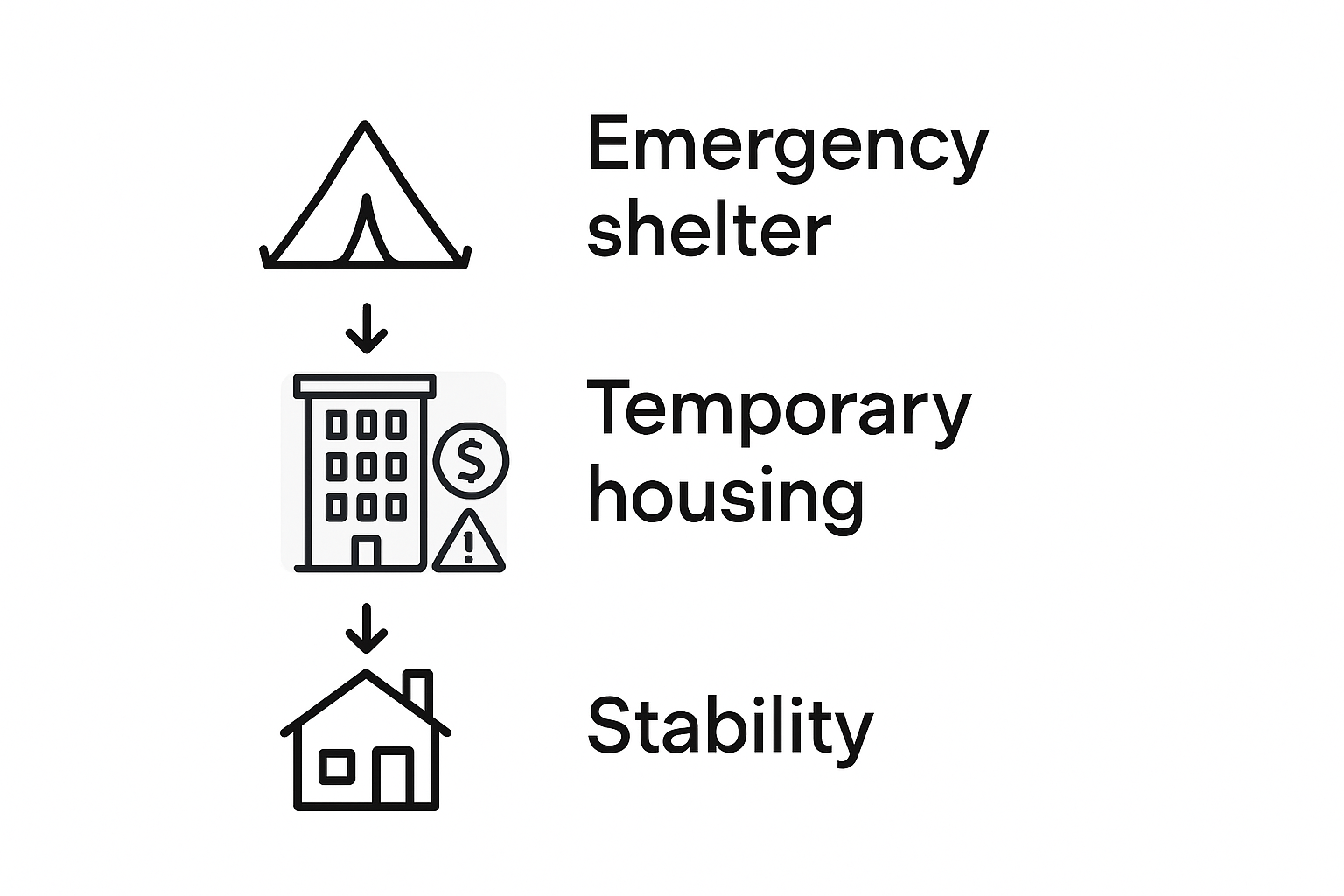
The journey from emergency shelter to stable housing is a complex process that demands strategic navigation through multiple interconnected stages. While each disaster scenario presents unique challenges, there are fundamental phases that most displaced individuals and families must traverse to achieve housing stability.
Housing transition begins with emergency placement, where immediate safety and basic needs take precedence. Rehousing process steps typically involve rapid assessment of an individual’s or family’s specific circumstances, including health requirements, financial capacity, and potential support networks. Research from Portland State University highlights that this initial stage is critically important, particularly for racial and ethnic communities who are often overrepresented among displaced populations.
Subsequent stages involve comprehensive support coordination. This includes damage assessment of original housing, insurance claim processing, exploring temporary and long‑term housing options, and connecting victims with financial assistance and mental health resources. The psychological components of this transition are as crucial as the logistical elements, requiring holistic approaches that address both practical and emotional recovery needs.
The final stage of housing transition focuses on sustainable reintegration. This involves helping displaced individuals rebuild community connections, secure stable employment, and establish a sense of normalcy. By understanding and systematically addressing each stage, disaster victims can transform an overwhelming experience into a structured pathway toward recovery, ensuring not just housing placement, but genuine community restoration.
Federal‑state recovery frameworks
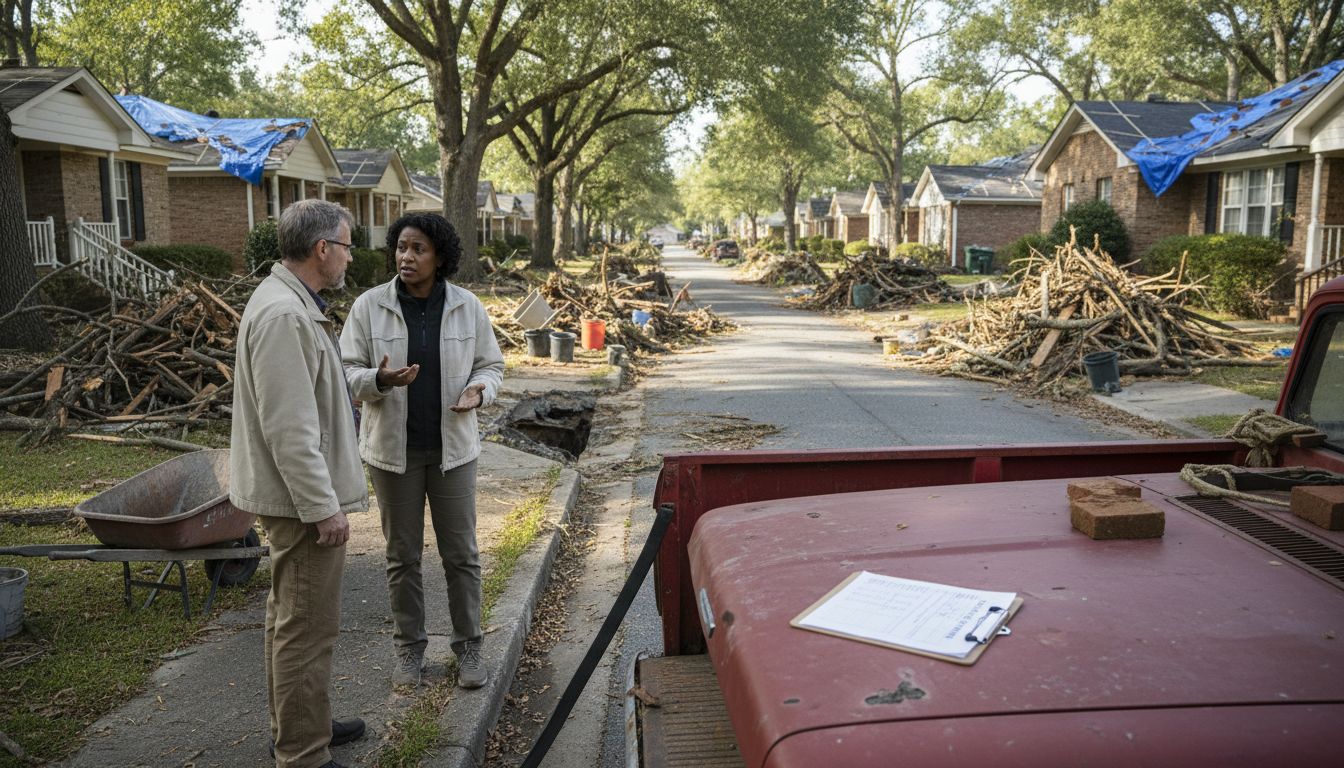
Federal‑state recovery frameworks represent the critical infrastructure that guides disaster response and community restoration across the United States. These comprehensive systems establish a structured approach to managing complex recovery challenges, ensuring coordinated support between national and local government agencies during times of crisis.
The fundamental architecture of these frameworks involves multilayered cooperation between federal agencies like FEMA, state emergency management departments, and local government entities. Long‑term disaster recovery strategies typically involve a systematic progression of support mechanisms, beginning with immediate emergency response and extending through extended rehabilitation and rebuilding phases. Each framework is designed to provide flexible yet standardized protocols that can be rapidly adapted to diverse disaster scenarios.
Key components of these frameworks include financial assistance programs, housing restoration initiatives, infrastructure reconstruction support, and mental health resources. These interconnected systems aim to address not just physical damage, but the comprehensive human impact of disasters. Federal guidelines mandate a holistic approach that considers economic recovery, community resilience, and individual family stabilization as equally important objectives.
Successful federal‑state recovery frameworks ultimately depend on seamless communication, rapid resource allocation, and adaptive response strategies. By creating robust, interconnected support systems, these frameworks transform potential chaos into structured pathways of recovery, ensuring that communities can rebuild with dignity, efficiency, and comprehensive support.
Legal, zoning, insurance requirements
Legal and regulatory frameworks form the critical backbone of disaster recovery, creating complex intersections between government policies, insurance mechanisms, and community rebuilding efforts. These intricate systems define how communities can reconstruct, what resources are available, and the specific protocols for navigating post‑disaster restoration.
Bureaucratic decisions regarding disaster declarations significantly impact aid distribution and legal pathways for recovery. Zoning regulations play a pivotal role in determining rebuilding strategies, with local ordinances often dictating construction standards, land use permissions, and mitigation requirements. Insurance policies become the financial lifeline, defining the extent of support available to displaced individuals and communities.
The complexity of these requirements demands sophisticated navigation. States are increasingly recognizing the importance of proactive legal frameworks that address climate change resilience. Legal considerations now extend beyond immediate recovery, incorporating long‑term strategies for community adaptation. This includes revised building codes, updated zoning regulations that account for increased environmental risks, and insurance policies designed to provide more comprehensive protection against evolving disaster scenarios.
Ultimately, successful post‑disaster recovery hinges on the seamless integration of legal, zoning, and insurance requirements. By creating adaptive, forward‑thinking frameworks, communities can transform regulatory challenges into opportunities for more resilient, sustainable rebuilding efforts that protect both individual homeowners and broader community interests.
Critical risks, costs, and equity factors
Disaster recovery challenges extend far beyond immediate physical restoration, encompassing complex intersections of risk, financial burden, and social vulnerability. Climate change has dramatically transformed the landscape of environmental risks, creating unprecedented challenges for communities facing increasingly frequent and severe natural disasters.
Emergency management strategies must now account for escalating environmental uncertainties, recognizing that the costs of disaster response are not evenly distributed across populations. Marginalized communities often bear the heaviest economic and social burdens, experiencing disproportionate challenges in recovery efforts. This systemic inequity means that vulnerable populations face longer recovery times, more significant financial strain, and greater long‑term economic disruption.
The financial implications of disaster recovery are staggering. Proactive risk reduction strategies have become critical, shifting from reactive response to preventative planning. This approach requires comprehensive risk assessment that considers not just immediate damage, but long‑term economic resilience. Communities must develop nuanced strategies that balance immediate recovery needs with sustainable infrastructure investments, ensuring that recovery efforts do not perpetuate existing social and economic disparities.
Ultimately, addressing critical risks, costs, and equity factors demands a holistic approach. By integrating sophisticated risk modeling, equitable resource allocation, and forward‑thinking infrastructure planning, communities can develop more resilient, adaptive recovery frameworks that protect the most vulnerable while building broader economic and social stability.
Move Beyond Shelter to Long-Term Stability with Expert Support
Navigating the complex journey from emergency shelter to stable housing is a daunting challenge after a disaster. This transition involves more than just finding a roof—it requires managing emotional stress, coordinating with multiple agencies, and overcoming logistical hurdles. At DisasterVictimServices.com, we understand the critical need for compassionate, efficient assistance that helps you move confidently from crisis survival toward true recovery and stability.
Our dedicated team works hand in hand with insurance carriers, government agencies, and first responders to provide around-the-clock emergency housing solutions and support. If you want to learn more about the entire disaster recovery process and post-disaster transition stages, explore our Uncategorized category. Don’t wait until uncertainty and stress overwhelm you—visit DisasterVictimServices.com now to connect with a trusted partner who navigates the complexities on your behalf. For those needing detailed insights on ongoing projects and support efforts, check out our Developing category and take the next step toward rebuilding your life with confidence.
Frequently Asked Questions
What is post-disaster transition?
Post-disaster transition is the complex process that individuals and families undergo as they move from immediate crisis survival to long-term recovery and stability after a disaster. It involves addressing psychological, logistical, and financial challenges and requires coordinated support from agencies.
What are the stages involved in the shelter to housing journey?
The shelter to housing journey typically includes initial emergency placement for immediate safety, comprehensive coordination of damage assessment and insurance claims, exploration of housing options, and finally, sustainable reintegration into the community.
How do federal-state recovery frameworks contribute to disaster recovery?
Federal-state recovery frameworks provide a structured approach for disaster response, ensuring coordinated support through financial assistance, housing restoration, and mental health resources by integrating efforts between federal, state, and local government agencies.
What legal and insurance requirements should be considered in post-disaster recovery?
Legal and insurance requirements are crucial for navigating disaster recovery, as they dictate reconstruction protocols, zoning regulations, and the extent of assistance available to affected individuals and communities.
Recommended
- Shelter Transition: Everything You Need to Know – Disaster Victim Services | Helping You Recover After Disaster
- Rehousing Process Steps: A Complete Guide for 2025 – Disaster Victim Services | Helping You Recover After Disaster
- Safe Housing Placement Steps for Disaster Response 2025 – Disaster Victim Services | Helping You Recover After Disaster
- Step by Step Shelter Placement Guide for Fast Relief – Disaster Victim Services | Helping You Recover After Disaster