
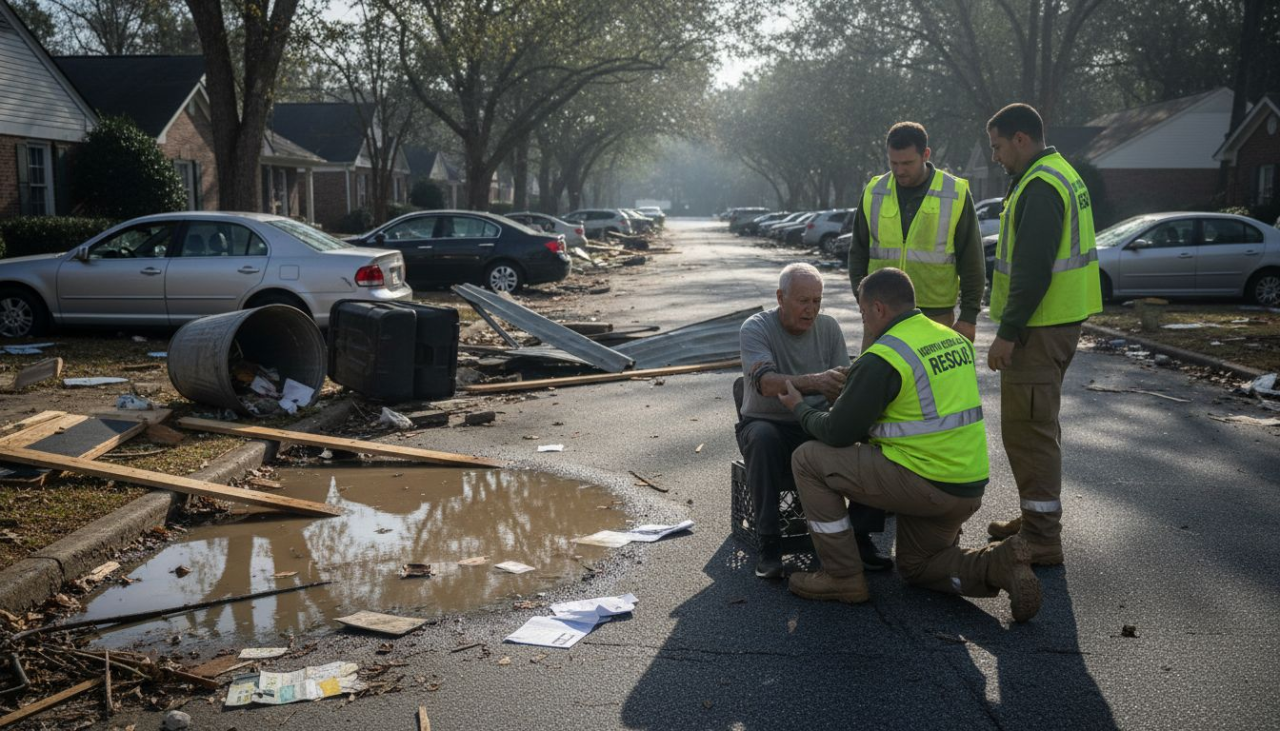
More than 1.4 million American families are forced from their homes each year due to disasters like fires, floods, or storms. When every minute counts, navigating insurance claims and finding safe shelter can feel overwhelming. Understanding how 24/7 emergency assistance services work is critical for any American family seeking fast, practical solutions during their most difficult moments. This guide uncovers how these lifelines operate and what steps you can take to protect your loved ones right now.
Table of Contents
- Defining 24/7 Emergency Assistance Services
- Types of Emergency Help for Disaster Victims
- How Immediate Housing Placement Works
- Roles of Agencies, Insurers, and First Responders
- Navigating Insurance Claims and Common Pitfalls
Key Takeaways
| Point | Details |
|---|---|
| Importance of 24/7 Support | Emergency assistance services provide essential support in catastrophic events, ensuring no one is left without help during crises. |
| Comprehensive Support Systems | Services extend beyond medical response to include psychological support, housing assistance, and long-term recovery guidance. |
| Roles of Key Stakeholders | First responders, government agencies, and insurance carriers collaborate to create effective recovery strategies for disaster victims. |
| Navigating Insurance Claims | Victims must document damage meticulously and understand policy details to successfully navigate the insurance claims process. |
Defining 24/7 Emergency Assistance Services
Emergency assistance services represent a critical lifeline for individuals facing sudden, catastrophic events that disrupt their lives. These comprehensive support systems operate continuously, providing immediate help when disaster strikes. At their core, 24/7 emergency assistance services ensure that no person is left without critical support during their most vulnerable moments.
The landscape of emergency assistance encompasses multiple interconnected components. Nationwide crisis support networks like the Disaster Distress Helpline demonstrate the sophisticated infrastructure behind these services. These systems include trained counselors, medical professionals, logistical coordinators, and support specialists who work seamlessly to address immediate human needs. Whether responding to natural disasters, medical emergencies, or complex humanitarian crises, these services function as a comprehensive safety net.
Emergency assistance services typically include several key dimensions: immediate medical response, psychological support, temporary housing coordination, resource allocation, and long-term recovery guidance. Emergency Medical Services exemplify one critical aspect, providing round-the-clock medical interventions for accidents, health emergencies, and disaster-related injuries. These services are not just reactive but proactively designed to minimize trauma and facilitate rapid recovery for affected individuals and communities.
Pro Tip: Always maintain an emergency contact list with local 24/7 assistance service numbers, including medical, psychological, and disaster relief hotlines, to ensure you can quickly access support during unexpected events.
Types of Emergency Help for Disaster Victims
Emergency assistance for disaster victims extends far beyond immediate medical support, encompassing a comprehensive network of critical resources designed to address complex human needs during times of crisis. These multifaceted support systems recognize that disasters impact individuals physically, emotionally, and logistically, requiring holistic intervention strategies.
The spectrum of emergency help includes several key dimensions. Specialized crisis support hotlines provide confidential, tailored assistance for survivors experiencing diverse challenges. These services range from psychological counseling and trauma support to targeted interventions for specific populations, including domestic violence survivors, youth in crisis, and individuals struggling with substance abuse in the aftermath of a disaster.
Most emergency help programs are structured around critical support categories: immediate medical response, psychological counseling, temporary housing assistance, financial relief, legal guidance, and long-term recovery resources. Disaster relief resources help victims navigate complex recovery processes, offering everything from emergency shelter and food assistance to mental health support and insurance claim guidance. These comprehensive services aim to restore stability and hope for individuals and communities devastated by unexpected catastrophic events.
Pro Tip: Create a digital and physical emergency contact list that includes local crisis hotlines, disaster relief organizations, insurance providers, and family emergency contacts to ensure rapid access to support during unexpected emergencies.
How Immediate Housing Placement Works
Immediate housing placement represents a crucial first response for disaster victims, transforming a moment of crisis into an opportunity for rapid stabilization and recovery. This complex process involves multiple coordinated steps designed to quickly address the urgent shelter needs of individuals and families whose homes have been compromised or destroyed by unexpected catastrophic events.
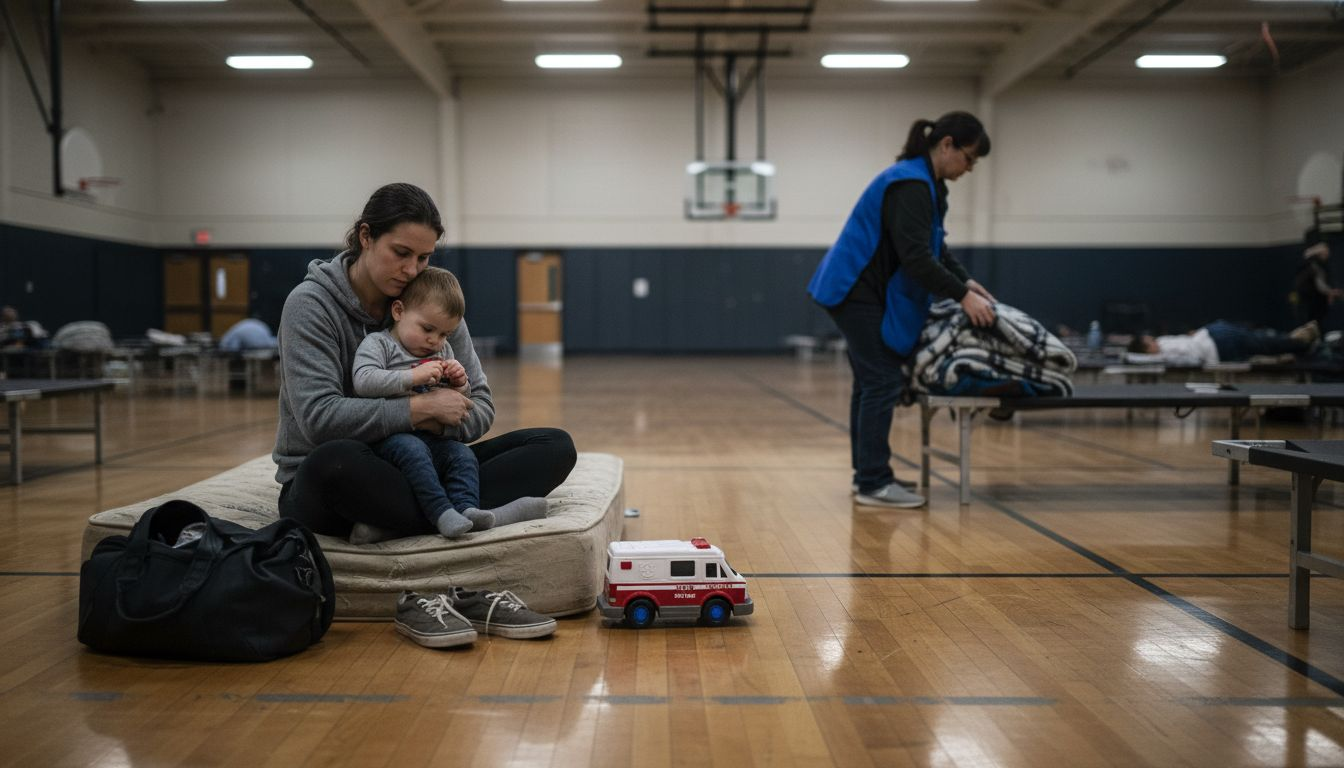
Emergency financial assistance programs play a pivotal role in housing placement, providing strategic support through comprehensive assessment and coordination mechanisms. These programs carefully evaluate each victim’s unique circumstances, verifying disaster impact and developing personalized housing solutions that range from temporary shelter to more permanent rehousing strategies. The process typically involves close collaboration between government agencies, nonprofit organizations, and local housing providers to ensure swift and effective placement.
The housing placement workflow generally follows a structured approach. Housing placement resources begin with an initial needs assessment, where case managers document the extent of displacement and specific requirements for each family. This might include considerations like family size, medical needs, accessibility requirements, and proximity to original community resources. Subsequent steps involve identifying appropriate temporary or interim housing options, which could include emergency shelters, short-term rental assistance, hotel accommodations, or coordinated housing with charitable organizations.
Pro Tip: Maintain a digital folder with critical personal documents like identification, insurance papers, and medical records to expedite housing placement and support services during emergency situations.
Roles of Agencies, Insurers, and First Responders
Disaster response represents an intricate ecosystem of coordinated efforts involving multiple critical stakeholders, each playing a unique and essential role in ensuring community resilience and individual survival. This complex network transforms chaotic emergency situations into structured, methodical recovery pathways that prioritize human safety and long-term rehabilitation.
First responder teams form the immediate frontline of emergency intervention, comprising emergency medical services, firefighters, and law enforcement personnel who provide crucial life-saving support during the initial crisis phase. Their responsibilities extend far beyond traditional rescue operations, encompassing medical triage, stabilization, emergency transport, and critical communication with hospitals and support agencies. These professionals represent the first line of human connection between disaster victims and broader emergency support systems.
Government agencies and insurance carriers play equally pivotal roles in the disaster recovery landscape. Federal organizations like FEMA coordinate large-scale relief efforts, while insurance carriers provide financial mechanisms for rebuilding and recovery. These entities work collaboratively to assess damage, process claims, allocate resources, and develop comprehensive strategies that bridge immediate emergency needs with long-term reconstruction efforts. Their interconnected approach ensures that disaster victims receive holistic support that addresses both immediate survival requirements and sustainable recovery pathways.
Here’s a summary of the key agencies and their disaster response roles:
| Agency/Responder | Primary Role | Example of Impact |
|---|---|---|
| First Responders | Immediate medical care | Save lives during crises |
| Government Agencies | Coordinate large-scale relief | Mobilize resources fast |
| Insurance Carriers | Financial recovery support | Fund rebuilding efforts |
| Nonprofits | Specialized aid services | Provide shelter, food |
Pro Tip: Create a digital emergency portfolio containing copies of insurance policies, identification documents, and critical contact information, storing it securely in cloud storage for quick access during unexpected disaster scenarios.
Navigating Insurance Claims and Common Pitfalls
Insurance claims after a disaster represent an intricate maze of procedural requirements, documentation demands, and strategic communication that can overwhelm even the most organized disaster victims. Understanding the nuanced landscape of claim processing is critical to ensuring fair compensation and avoiding potential financial setbacks during an already challenging recovery period.
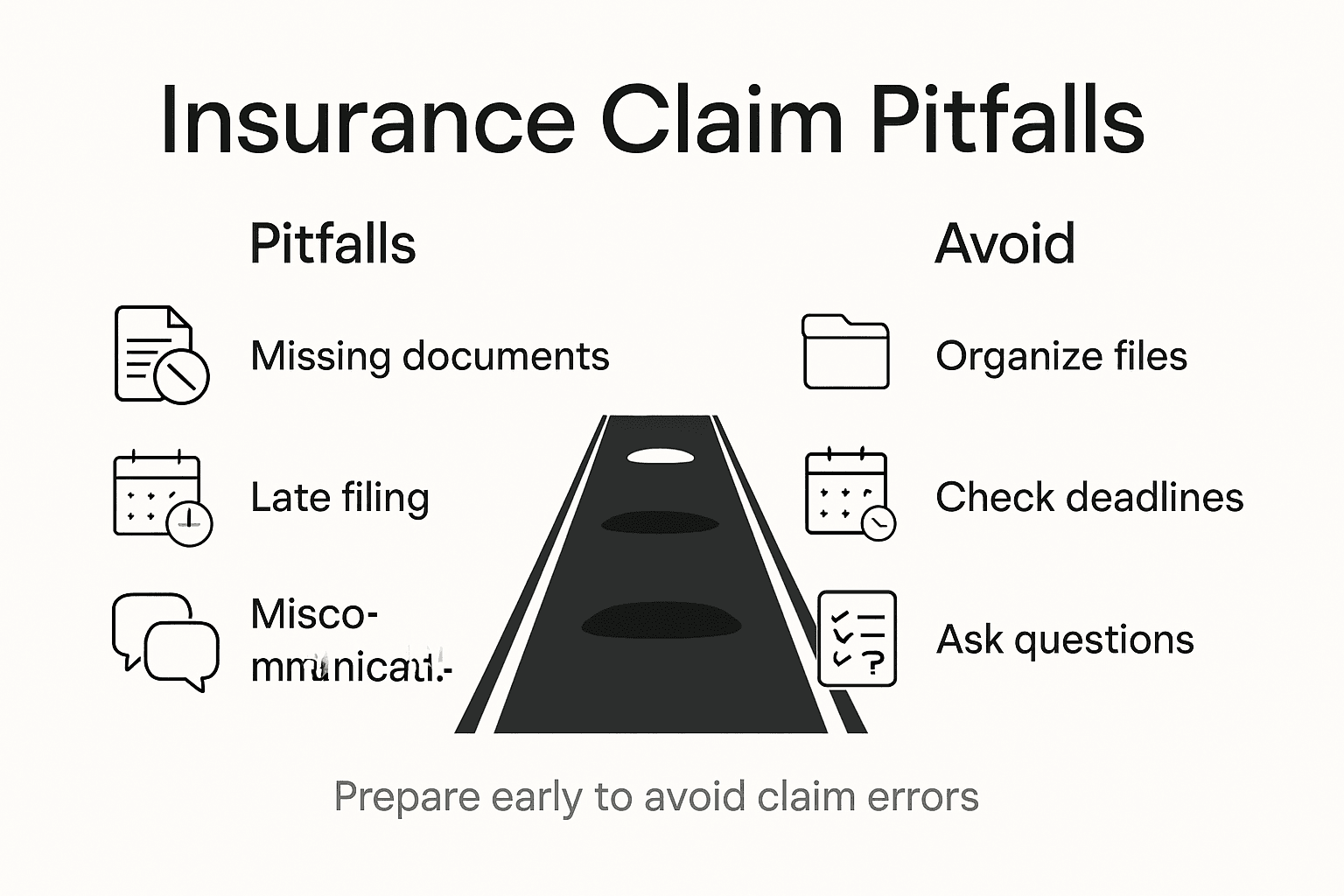
Emergency financial assistance programs highlight several critical strategies for effectively navigating the insurance claims process. Disaster victims must meticulously document all damage, understanding that comprehensive evidence forms the foundation of successful claims. This involves creating detailed inventories, photographing destruction, preserving damaged items when possible, and maintaining organized records of all disaster-related expenses. Prompt notification to insurance carriers and adherence to specified filing timelines are equally crucial components of a successful claims strategy.
The most common pitfalls in disaster insurance claims often stem from miscommunication, incomplete documentation, and misunderstanding policy language. Victims frequently struggle with interpreting complex policy terms, failing to understand coverage limits, or missing critical submission deadlines. Insurance claim verification steps require patience, persistence, and a proactive approach. Successful claimants typically engage directly with their insurance representatives, ask clarifying questions, and seek professional guidance when encountering challenging aspects of the claims process.
Compare common insurance claim pitfalls and strategies to avoid them:
| Pitfall | Typical Outcome | How to Avoid |
|---|---|---|
| Incomplete documentation | Claim delays or denial | Keep thorough records |
| Missed filing deadlines | Denied compensation | File promptly |
| Misunderstood policy coverage | Unexpected out-of-pocket cost | Study policy language |
| Poor communication with insurer | Slow response, confusion | Keep written records |
Pro Tip: Create a dedicated disaster recovery folder with digital and physical copies of all insurance documents, photographs, communication logs, and expense receipts to streamline your claims process and ensure comprehensive documentation.
Secure Your Lifeline with Expert 24/7 Emergency Assistance
Facing the challenge of immediate disaster response can leave anyone feeling overwhelmed and uncertain. The article highlights the vital role of continuous emergency assistance in providing swift medical care, psychological support, and crucial housing placement. At DisasterVictimServices.com, we understand these pain points deeply and specialize in connecting disaster victims with reliable, around-the-clock support. Our mission aligns perfectly with the need for streamlined coordination among insurance carriers, government agencies, and first responders mentioned in the article.
Don’t wait until crisis strikes. Take proactive steps now to ensure you have access to trusted emergency housing and recovery resources. Explore our comprehensive solutions available in our Uncategorized category and learn how our expert team facilitates a smooth transition from survival to rebuilding. Visit DisasterVictimServices.com today to access immediate assistance and gain peace of mind knowing you are supported every step of the way.
Frequently Asked Questions
What are 24/7 emergency assistance services?
24/7 emergency assistance services are comprehensive support systems that provide immediate help during catastrophic events, ensuring critical support for individuals facing emergencies, such as natural disasters or medical crises.
How does immediate housing placement work for disaster victims?
Immediate housing placement involves a coordinated approach to find urgent shelter for individuals whose homes have been compromised. This process takes into account family needs, available resources, and collaborates with various housing providers to ensure swift placement.
What role do first responders play during disasters?
First responders are the immediate frontline teams that provide essential life-saving support during crises. They offer medical care, stabilization, and communication with hospitals and support agencies to ensure victims receive necessary assistance.
How can disaster victims navigate the insurance claims process?
To navigate the insurance claims process successfully, disaster victims should meticulously document all damages, promptly notify their insurance carriers, and understand their policy details to avoid common pitfalls such as incomplete documentation or missed filing deadlines.
Recommended
- Emergency Assistance Guide: Complete Resource Explained – Disaster Victim Services | Helping You Recover After Disaster
- How to Connect With First Responders for Disaster Help – Disaster Victim Services | Helping You Recover After Disaster
- 7 Essential Support Services for Disaster Victims Explained – Disaster Victim Services | Helping You Recover After Disaster
- 7 Critical Emergency Response Steps for Disaster Situations – Disaster Victim Services | Helping You Recover After Disaster