
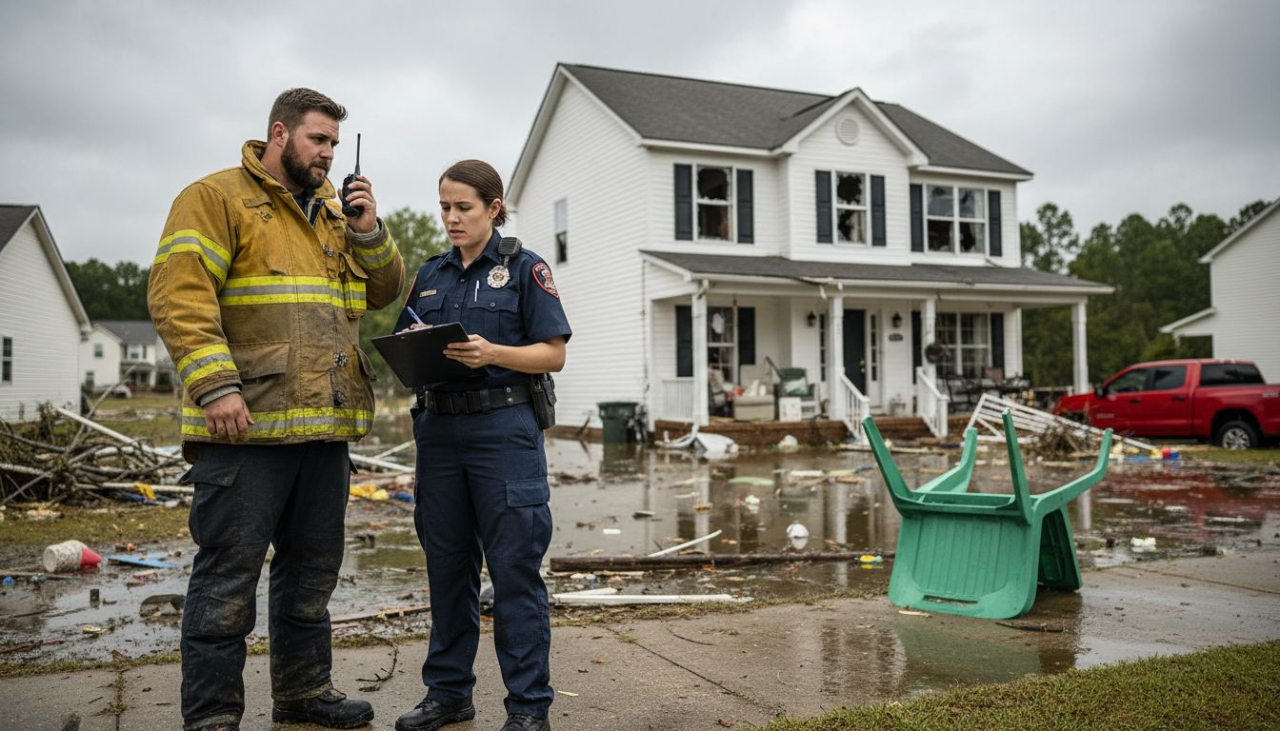
Four out of five American families are unprepared to quickly communicate during an emergency. When every second counts, lacking essential information can slow down help from first responders and put loved ones at greater risk. This guide shows how to organize vital details, establish clear communication, and coordinate with agencies so American households can stay connected and secure if disaster strikes.
Table of Contents
- Step 1: Prepare Essential Information For First Contact
- Step 2: Initiate Direct Communication With Emergency Services
- Step 3: Coordinate With Multi-Agency Response Teams
- Step 4: Share Updates And Confirm Ongoing Support
Quick Summary
| Key Point | Explanation |
|---|---|
| 1. Compile an Emergency Contact Sheet | Include local and out-of-town contacts to facilitate swift coordination during a disaster. |
| 2. Organize Essential Documents | Create an emergency packet with critical documents like IDs and insurance policies for easy access. |
| 3. Use Effective Communication Methods | Know the right ways to reach emergency services for prompt assistance, including texting or social media. |
| 4. Collaborate with Response Teams | Understand the collaboration between agencies to ensure comprehensive support in emergencies. |
| 5. Maintain Ongoing Communication | Keep updating responders about your situation and emotional well-being to receive continued support. |
Step 1: Prepare Essential Information for First Contact
When disaster strikes, having organized and readily accessible information can make a critical difference in connecting quickly with first responders. Your primary goal is to compile a comprehensive emergency communication packet that provides first responders with essential details about your situation, personal information, and immediate needs.
Start by creating a detailed emergency contact sheet that includes both local and out-of-town contacts. The Maine Emergency Management Agency recommends programming ‘In Case of Emergency’ (ICE) contacts into your cell phone to assist first responders in quickly identifying key individuals who can help coordinate your emergency response. Include full names, phone numbers, relationships, and any alternative contact methods for each person. Prioritize contacts who can speak on your behalf and understand your specific circumstances.
Your emergency information packet should also contain copies of critical documents including identification, insurance policies, medical records, and proof of residence. Store these documents in a waterproof, portable container that you can quickly grab during an evacuation. Organize the documents in a logical manner with a contents page and consider creating digital backups stored securely online or on a password-protected flash drive.
Professional Tip: Keep a physical and digital copy of your emergency information packet in multiple locations. Store one set at home in an easily accessible place, leave another with a trusted out-of-town contact, and maintain secure digital copies in cloud storage that can be accessed from anywhere.
Here is a summary of key items to include in an emergency information packet and their importance:
| Item Type | Purpose | Impact During Disaster |
|---|---|---|
| Emergency Contacts | Enable quick coordination | Speeds up family/friend support |
| Identification Copies | Verify identity to responders | Assists with shelter or aid |
| Insurance Policies | Prove coverage for recovery claims | Streamlines claims processing |
| Medical Records | Communicate health needs | Ensures proper medical response |
| Proof of Residence | Confirm residency for access | Facilitates re-entry or support |
Step 2: Initiate Direct Communication With Emergency Services
When facing a disaster, knowing how to effectively communicate with emergency services can make a critical difference in receiving timely assistance. Your primary objective is to establish clear, concise communication channels that help first responders understand your situation and provide immediate support.

Understand the proper communication protocols for different emergency scenarios. Santa Cruz County recommends calling 911 only for life-threatening emergencies and keeping calls brief to avoid network congestion. When you contact emergency services, be prepared to provide specific details about your location, the nature of your emergency, and the number of people involved. Speak clearly and calmly, answering all questions directly. If phone lines are overwhelmed, consider using text messaging or social media to communicate non emergency information.
To ensure reliable communication during a crisis, consider enrolling in specialized emergency communication services. The Cybersecurity and Infrastructure Security Agency suggests exploring Government Emergency Telecommunications Services (GETS) and Wireless Priority Service (WPS), which can help maintain communication connectivity during high stress situations. These services provide priority access to communication networks, ensuring your emergency communications have a higher likelihood of getting through when standard networks are congested.
Professional Tip: Create a laminated emergency communication card with key contact numbers, medical information, and critical communication instructions. Keep this card in your emergency go bag and share copies with family members to ensure everyone knows how to effectively reach emergency services when needed.
This table compares different communication methods for contacting emergency services during a disaster:
| Communication Method | When to Use | Advantages | Limitations |
|---|---|---|---|
| Phone Call (911) | Life-threatening emergencies | Immediate response | May face congestion |
| Text Messaging | If phone lines are busy | Often gets through networks | Less immediate response |
| Social Media Updates | Non-emergency information sharing | Wide reach | Internet required |
| Emergency Telecom Services | Critical communications, high priority | Network priority access | Enrollment needed |
Step 3: Coordinate With Multi-Agency Response Teams
Successfully navigating disaster response requires understanding how different agencies work together to provide comprehensive support. Your goal is to effectively communicate and collaborate with multiple response teams to ensure you receive the most comprehensive assistance possible.
The Emergency Management Assistance Compact (EMAC) represents a critical mutual aid agreement among U.S. states and territories that enables seamless resource sharing during complex disaster scenarios. This means local first responders can quickly request additional support from neighboring jurisdictions when local resources are overwhelmed. When communicating with response teams, be prepared to provide clear information about your specific needs, including details about your location, the extent of damage, and any immediate risks to human life or critical infrastructure.
Establish a clear communication protocol by understanding the incident command structure and being ready to interact with different agencies. The National Warning System provides an automated communication framework that connects federal, state, local governments, and emergency services. When speaking with response teams, remain calm and organized, have your documentation ready, and be prepared to answer specific questions about your situation. Focus on providing concise, factual information that helps responders quickly assess and prioritize your needs.
Professional Tip: Create a digital and physical folder with emergency contact information, copies of important documents, and a detailed incident log. This preparation will help you communicate more effectively with multi agency response teams and ensure you can quickly provide the necessary information during high stress situations.
Step 4: Share Updates and Confirm Ongoing Support
Staying informed and maintaining clear communication channels are critical during disaster recovery. Your primary objective is to proactively share updates and ensure continuous support from emergency response teams while managing your personal recovery process.
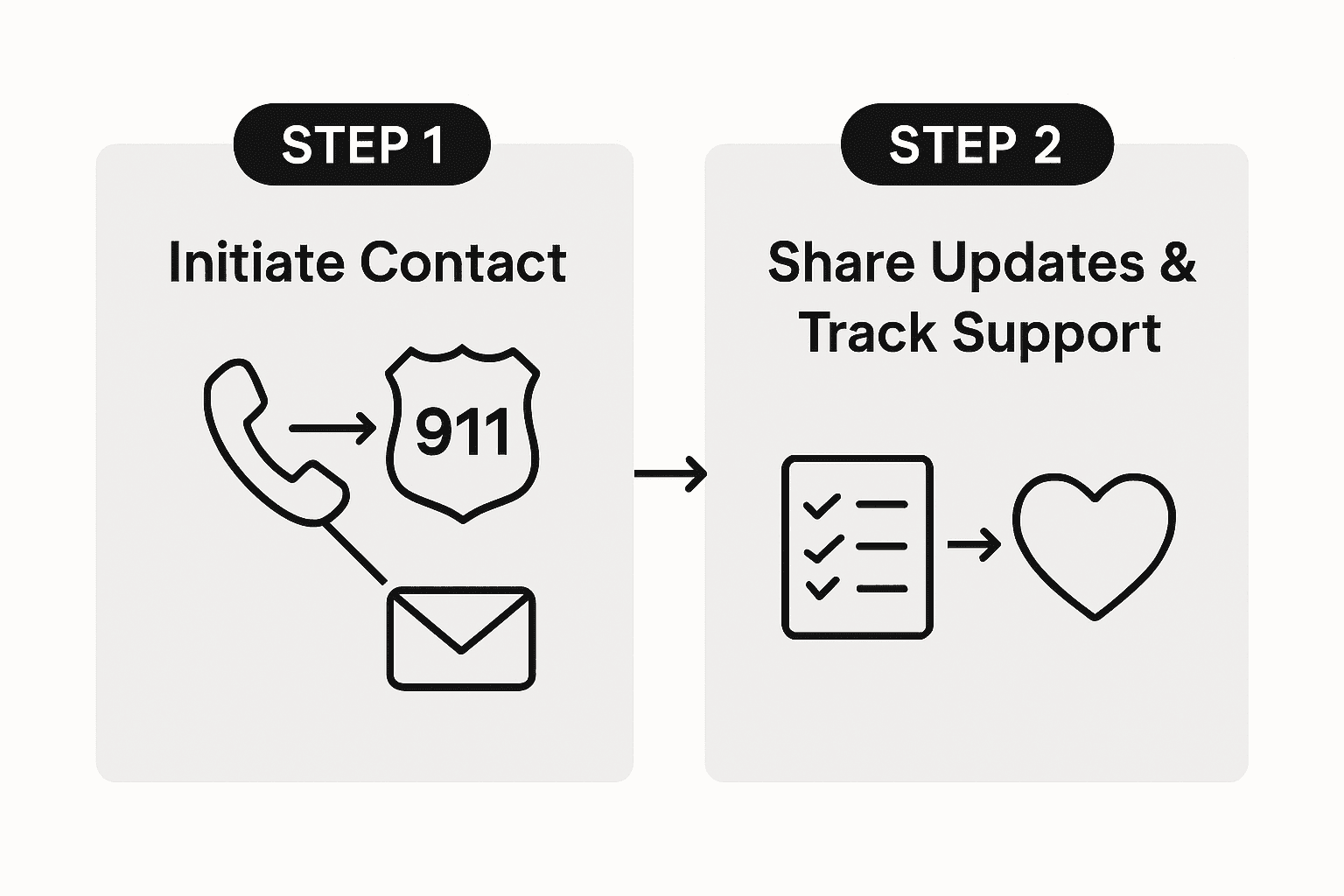
Follow FEMA’s social media accounts for timely and accessible emergency updates even when internet connectivity is limited. These official channels provide crucial information about resources, recovery efforts, and emergency assistance. When sharing your own updates, be strategic and concise. Use text messages, social media platforms, or designated emergency communication channels to inform family members, first responders, and support networks about your current status, location, and immediate needs.
Recognize that ongoing support extends beyond immediate physical assistance. The Substance Abuse and Mental Health Services Administration emphasizes the importance of comprehensive recovery, which includes addressing emotional and psychological impacts. Maintain open communication with response teams about your overall well being, not just physical circumstances. Request information about mental health resources, support groups, and counseling services that can help you navigate the emotional challenges of disaster recovery. Keep detailed records of all interactions, support received, and ongoing needs to ensure comprehensive assistance.
Professional Tip: Create a dedicated emergency communication notebook where you log all interactions with first responders, document received assistance, and track ongoing support requests. This systematic approach will help you stay organized and ensure no critical details are overlooked during the recovery process.
Connect Quickly With First Responders and Accelerate Your Recovery
When disaster strikes, the challenge of organizing emergency contacts, communicating clearly with response teams, and coordinating multi-agency support can feel overwhelming. This article highlighted how crucial it is to have your emergency information ready and know the right communication methods to get help fast. If you are facing the urgent need to connect with first responders and secure immediate assistance, DisasterVictimServices.com understands these pain points deeply.
Our expert team works closely with first responders, insurance carriers, and government agencies to streamline your path from crisis to recovery. We offer 24/7 emergency housing and logistical support so you can focus on what matters most. For more insights on navigating disaster recovery and connecting with vital resources, explore our Uncategorized resource page and the latest guidance at New. Do not wait until confusion takes over. Visit DisasterVictimServices.com now to access compassionate help designed for fast action and lasting support.
Frequently Asked Questions
How can I prepare an emergency contact sheet for first responders?
To prepare an emergency contact sheet, list key contacts, including their full names, phone numbers, and relationships to you. Organize contacts by priority to ensure first responders can quickly identify who can help coordinate your emergency response.
What key documents should I include in an emergency information packet?
Include critical documents such as identification, insurance policies, medical records, and proof of residence in your emergency information packet. Store these documents in a waterproof, portable container, so you can quickly grab them during an evacuation.
What should I do if I need to communicate with emergency services?
When communicating with emergency services, provide specific details about your location, the nature of your emergency, and the number of people involved. Stay calm and answer questions directly to help responders assess your situation efficiently.
How do I coordinate with multi-agency response teams during a disaster?
To coordinate with multi-agency response teams, understand the incident command structure and prepare to provide clear information about your specific needs. Keep relevant documents organized and ready to assist responders in prioritizing the help you require.
What steps can I take to ensure ongoing communication after a disaster?
Ensure ongoing communication by sharing updates with family, friends, and response teams about your status and needs. Utilize text messaging or social media for quick updates and maintain a dedicated notebook to log all interactions and support received during the recovery process.
Recommended
- Role of First Responders Explained: Complete Guide – Disaster Victim Services | Helping You Recover After Disaster
- How to Coordinate With First Responders After a Disaster – Disaster Victim Services | Helping You Recover After Disaster
- Understanding First Responder Roles in Emergency Situations – Disaster Victim Services | Helping You Recover After Disaster
- First Responder Roles Explained: Key Duties and Impact in 2025 – Disaster Victim Services | Helping You Recover After Disaster