
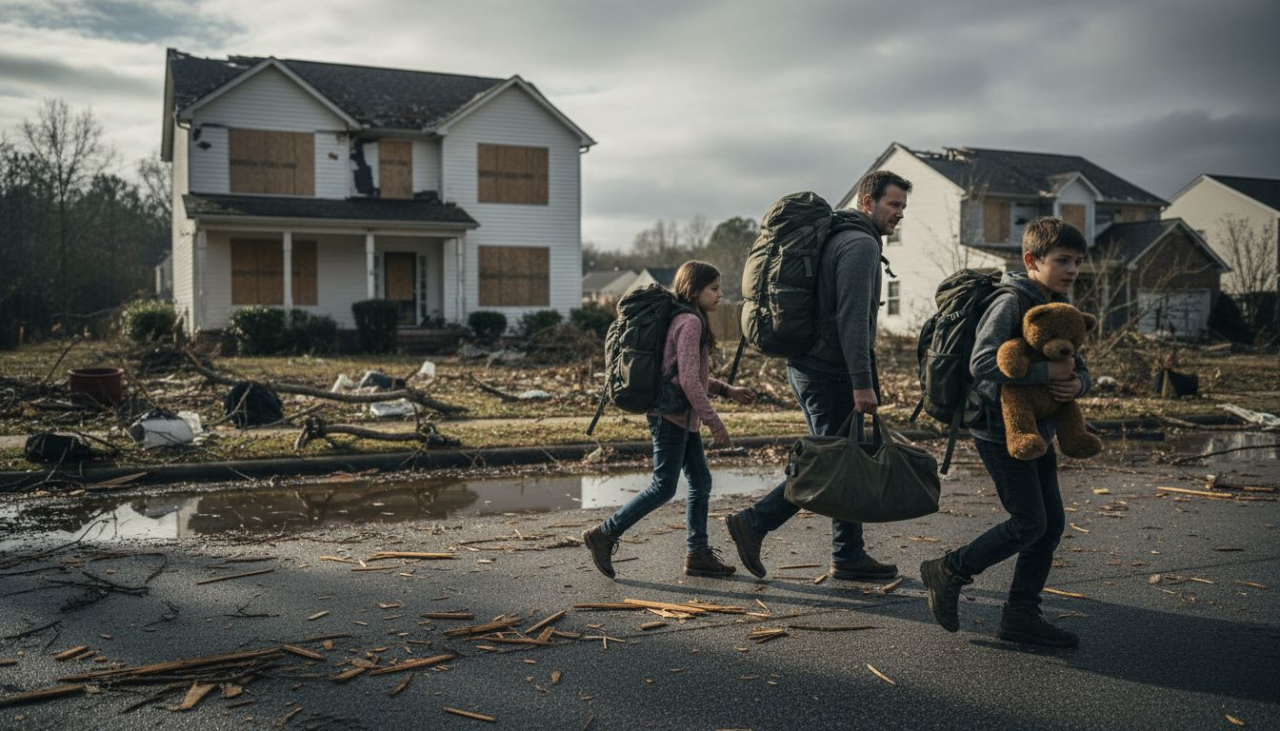
Every year, nearly 1000 disasters impact American communities, leaving families facing urgent choices about safety and recovery. When disaster strikes, knowing your next steps can make all the difference between chaos and stability. This guide breaks down clear, actionable priorities so every American can protect well-being, secure help, and start rebuilding immediately after a crisis.
Table of Contents
- 1. Assess Immediate Safety And Health Needs
- 2. Contact Emergency Services For Urgent Help
- 3. Secure Temporary Emergency Housing
- 4. Notify Insurance Providers And Start Claims
- 5. Access Disaster Relief And Support Services
- 6. Organize Important Documents And Records
- 7. Plan For Long-Term Recovery And Rebuilding
Quick Summary
| Takeaway | Explanation |
|---|---|
| 1. Prioritize immediate safety and health. | Secure your environment and address basic survival needs quickly after a disaster. Assess for hazards and communicate with emergency services. |
| 2. Keep emergency contact information accessible. | Prepare an emergency contact list for quick access to local authorities, medical services, and family members during a crisis. |
| 3. Document damage for insurance claims. | Take photos of damages and gather receipts before contacting your insurance provider to support your claims process effectively. |
| 4. Utilize available disaster relief services. | Actively reach out to federal and local agencies for financial aid and support services to assist in your recovery journey. |
| 5. Organize important documents securely. | Create both digital and physical backups of crucial records, ensuring accessibility during stressful situations such as evacuations. |
1. Assess Immediate Safety and Health Needs
When disaster strikes, your first priority must be protecting yourself and your loved ones from immediate physical dangers. Safety is not just about surviving the initial event but preventing further harm during the critical aftermath. Understanding how to rapidly assess your situation can mean the difference between vulnerability and resilience.
The moments following a disaster require quick, deliberate action. Your primary goal is establishing a secure environment and addressing basic survival needs. This means scanning your surroundings for potential hazards like structural damage, gas leaks, electrical risks, or exposed debris. Physical safety takes precedence over everything else.
Emergency communication becomes crucial during these moments. Text messages provide a more reliable communication method when phone systems are overloaded, allowing you to contact emergency services or connect with family members. Have a preprepared emergency contact list that includes local authorities, medical services, and key family members.
Beyond physical risks, your health needs immediate attention. Carry a basic first aid kit and know how to use its contents. Check yourself and others for injuries, prioritizing treatment for serious wounds or medical conditions. Emotional well-being matters as much as physical health. The CDC emphasizes the importance of addressing emotional responses like anxiety during disaster situations, recommending resources like the Disaster Distress Helpline for confidential counseling.
Your emergency preparedness kit should include essential items: bottled water, non perishable food, first aid supplies, flashlight, batteries, portable charger, and critical medications. Store these in an easily accessible location and consider creating a grab and go bag that can be quickly taken during evacuation.
Pro Tip: Create a family emergency communication plan before disaster strikes, designating an out of state contact who can help coordinate communication if local networks are disrupted.
2. Contact Emergency Services for Urgent Help
In the wake of a disaster, reaching out to emergency services quickly can literally mean the difference between life and death. Knowing exactly how and when to contact the right resources can significantly impact your safety and recovery trajectory.
Your first and most immediate action should be calling 9-1-1 for any urgent medical, fire, or safety needs. FEMA recommends utilizing the DisasterAssistance.gov portal and helpline for comprehensive disaster support, which provides critical guidance beyond immediate emergency response. Prepare critical information before making the call, such as your exact location, the nature of your emergency, and any immediate medical needs.
Beyond physical emergencies, emotional support is equally important. Disaster scenarios can trigger significant psychological stress, making mental health resources crucial. The Disaster Distress Helpline offers confidential counseling and support available 24/7 via phone and text, ensuring you have professional emotional support during challenging times.
When contacting emergency services, communicate clearly and calmly. Provide specific details about your situation, including any immediate risks to yourself or others. Be prepared to answer questions about the number of people involved, potential injuries, and your precise location. Keep your phone charged and have a backup communication method in case cellular networks become overwhelmed.
Remember that different emergency scenarios might require contacting specific services beyond 9-1-1. This could include local utility companies for gas leaks, power outages, or water main breaks, as well as local government emergency management offices for broader disaster recovery assistance.
Pro Tip: Create an emergency contact card with important phone numbers, including local emergency services, your insurance provider, and family emergency contacts, and keep this card in a waterproof, easily accessible location.
3. Secure Temporary Emergency Housing
In the chaotic aftermath of a disaster, finding a safe place to stay becomes your most urgent priority. Temporary emergency housing bridges the critical gap between displacement and long term recovery, providing a lifeline when your normal living environment becomes uninhabitable.
USA.gov recommends multiple pathways for securing emergency shelter, including FEMA shelters, Red Cross facilities, and Transitional Sheltering Assistance programs that cover hotel stays. One of the fastest ways to access local housing resources is by dialing 211, which connects disaster victims with immediate housing referrals.
Government agencies offer comprehensive support for displaced individuals. The U.S. Department of Housing and Urban Development provides critical disaster recovery resources, including assistance registration and housing counseling agencies. Understanding these resources can significantly streamline your emergency housing search.
When seeking temporary housing, document everything. Take photographs of your current living situation, gather identification documents, and keep records of all communication with emergency services. These documents will be crucial for insurance claims and potential federal assistance applications.
Consider multiple housing options beyond traditional shelters. This might include staying with relatives, accessing temporary apartment rentals, or utilizing community center accommodations. Some insurance policies also provide coverage for alternative living arrangements during disaster recovery.
Understand that emergency housing is a short term solution. While these arrangements provide immediate safety, you should simultaneously begin planning for more permanent housing restoration. Keep communication open with local emergency management offices and housing authorities.
Pro Tip: Create a digital and physical emergency housing folder containing copies of identification, insurance documents, and contact information for local housing resources, ensuring you can quickly access critical information during stressful displacement situations.
4. Notify Insurance Providers and Start Claims
When disaster strikes, your insurance policy becomes a critical lifeline for recovery. Promptly notifying your insurance provider is the first strategic step toward financial restoration and rebuilding your life after unexpected destruction.
FEMA advises individuals to contact their insurance providers immediately to initiate the claims process, understanding that swift action can significantly expedite your recovery timeline. Documentation is your most powerful tool in this process, so gather all relevant evidence of damage before making your initial call.
Prepare a comprehensive damage inventory before contacting your insurance carrier. This means photographing every damaged area, collecting receipts for emergency repairs, and creating a detailed list of destroyed personal property. Your documentation will serve as critical evidence supporting your insurance claim and potential federal assistance applications.
Understand the specific coverage details of your insurance policy. Not all policies handle disaster damage identically. Some cover structural damage, while others might include additional living expenses or personal property replacement. Review your policy carefully and ask your insurance representative to explain specific coverage parameters during your initial communication.
Be prepared for the claims process to potentially take weeks or even months. Insurance adjusters will need to assess the full extent of damage, which requires patience and persistent follow up. Keep meticulous records of all communications, including dates, times, and names of representatives you speak with during the claims process.
Consider seeking professional assistance if your claim becomes complex. Public insurance adjusters can help navigate complicated claims, especially for extensive property damage. They understand the nuanced language of insurance policies and can potentially maximize your potential recovery amount.
Pro Tip: Create a dedicated digital and physical folder for all disaster related insurance documents, including policy information, damage photographs, communication logs, and repair estimates, ensuring you can quickly access critical information throughout the claims process.
5. Access Disaster Relief and Support Services
In the aftermath of a disaster, understanding and accessing available support services can make a significant difference in your recovery journey. Relief resources exist to help you navigate the challenging path from crisis to stability.
FEMA offers comprehensive assistance programs designed to support individuals and families impacted by disasters. These programs provide critical financial aid and support services that can help you rebuild your life. Knowing how to apply and what resources are available can substantially ease your recovery process.
HUD provides additional disaster recovery resources, including Community Development Block Grant Disaster Recovery funds and housing counseling agencies. Begin by gathering all necessary documentation, such as identification, proof of residence, and evidence of disaster related losses. This preparation will streamline your application process for various relief programs.
Multiple support channels are available beyond federal agencies. Local government offices, nonprofit organizations, and community support groups often provide targeted assistance. Some offer direct financial support, while others provide essential services like food, clothing, medical assistance, and emotional counseling.
Be proactive in your approach. Do not wait for assistance to find you. Reach out to multiple agencies, attend community disaster recovery meetings, and connect with local support networks. Each organization may offer different types of support, so exploring multiple channels increases your chances of comprehensive assistance.
Remember that disaster relief is not one size fits all. Some programs might offer direct cash assistance, while others provide specific services like temporary housing, medical support, or job retraining. Carefully review each program’s requirements and eligibility criteria to maximize your potential support.
Pro Tip: Create a dedicated digital folder to organize all disaster related documents, including application receipts, communication logs, and support program details, ensuring you can quickly track and follow up on your various relief applications.
6. Organize Important Documents and Records
In the chaotic aftermath of a disaster, your critical documents become your lifeline to recovery. FEMA emphasizes the critical importance of organizing and safeguarding essential paperwork during emergency situations, understanding that proper documentation can dramatically accelerate your path to rebuilding.
Key documents you must prioritize include:
• Government identification
• Insurance policies
• Medical records
• Birth certificates
• Social security cards
• Property deeds
• Vehicle registration
• Banking and financial records
• Marriage and divorce certificates
Create multiple backup strategies for these crucial documents. Digital scanning provides an excellent first line of defense. Take high resolution photographs or create digital scans of every important document, storing these files in secure cloud storage with robust encryption. Additionally, consider keeping waterproof and fireproof physical copies in a portable, easily accessible container.
Establish a systematic organization method that allows you to quickly retrieve information during stressful times. Use clearly labeled folders or digital directories with intuitive naming conventions. Consider creating both physical and digital backup systems to ensure redundancy and accessibility.
Understand the potential replacement processes for each document type. Some agencies offer expedited replacement services during disaster scenarios. Contact local government offices, your state vital records department, and relevant federal agencies to understand specific replacement procedures for each critical document.
Protect your digital backups with strong, unique passwords and two factor authentication. Use encrypted external hard drives or reputable cloud storage services that offer robust security features. Remember that protecting your personal information is just as crucial as preserving the documents themselves.
Pro Tip: Create a comprehensive emergency document kit that includes both digital and physical copies, stored in a waterproof, portable container that you can quickly grab during an evacuation, ensuring your critical records are always within reach.
7. Plan for Long-Term Recovery and Rebuilding
Long-term recovery is a marathon, not a sprint. Your ability to strategically plan and navigate the complex landscape of disaster recovery will determine how quickly and effectively you rebuild your life after displacement.
FEMA offers comprehensive resources designed to support individuals through comprehensive disaster recovery strategies. Successful long-term recovery requires a multifaceted approach that addresses physical, emotional, financial, and logistical challenges simultaneously.
HUD supports community rebuilding efforts through targeted disaster recovery funding programs, providing critical financial resources for comprehensive community restoration. Begin by creating a detailed, realistic recovery timeline that breaks down complex rebuilding tasks into manageable stages.
Your recovery plan should encompass several key dimensions:
• Physical property restoration
• Financial recovery and insurance claims
• Emotional and psychological healing
• Career and income stabilization
• Family and community support systems
• Legal and administrative documentation
Establish a network of professional support. This might include insurance adjusters, contractors, mental health professionals, financial advisors, and legal experts who understand disaster recovery processes. Each professional can provide specialized guidance tailored to your specific recovery needs.
Maintain flexible expectations and build resilience. Recovery is rarely linear and will include unexpected challenges. Develop a mindset of adaptability, understanding that setbacks are normal and do not represent failure. Document your progress, celebrate small victories, and remain patient with yourself throughout the process.
Pro Tip: Create a dedicated recovery binder or digital folder to track all recovery related communications, expenses, and progress, enabling you to maintain organized and comprehensive documentation throughout your rebuilding journey.
Below is a comprehensive table summarizing the key steps and strategies for disaster preparedness and recovery outlined in the article.
| Main Step | Key Points & Actions | Benefits/Outcomes |
|---|---|---|
| Assess Immediate Safety and Health Needs | Scan for hazards, ensure communication, address injuries with first aid, manage emotional health. | Ensures physical and emotional safety, reduces injury risk. |
| Contact Emergency Services for Urgent Help | Call 9-1-1, provide clear info, contact specific services, maintain communication tools. | Effective response to life-threatening situations, access to emotional support. |
| Secure Temporary Emergency Housing | Utilize FEMA, Red Cross, and local resources, document situation, consider varied housing options. | Immediate safety and shelter, streamlined housing search. |
| Notify Insurance Providers and Start Claims | Contact insurers quickly, document damage, understand policy details, consider professional help. | Expedites financial recovery, maximizes insurance claims. |
| Access Disaster Relief and Support Services | Apply for FEMA aid, contact HUD, utilize local networks, gather documentation. | Comprehensive assistance, financial and emotional support. |
| Organize Important Documents and Records | Back up documents digitally and physically, secure storage, prepare for replacements. | Preserves access to essential information, facilitates faster recovery. |
| Plan for Long-Term Recovery and Rebuilding | Develop recovery timeline, establish support network, adapt strategies to ongoing challenges. | Structured recovery journey, comprehensive rebuilding process, resilience against setbacks. |
Take Control of Your Recovery Journey Today
Disaster displacement brings overwhelming challenges from securing emergency housing to navigating insurance claims and long term rebuilding. This article highlights key steps like assessment of safety, prompt contact with emergency services, and organizing important documents to empower you in crisis. If you are facing the difficult aftermath of a disaster it is crucial to have expert support that understands every phase of recovery.
At DisasterVictimServices.com, our dedicated team works around the clock to connect you with immediate housing solutions while coordinating with insurance carriers, government agencies, and first responders. We know your pain points — from urgent emergency shelter needs described by USA.gov to managing complex insurance claims like those outlined by FEMA. Our compassionate, efficient approach is designed to streamline your path from crisis to restoration.
Do not wait until the situation feels insurmountable. Get the experienced help you need right now. Visit our main site https://disastervictimservices.com to learn more about how we can support you at every critical stage of disaster recovery.
Frequently Asked Questions
What should I prioritize during the immediate aftermath of disaster displacement?
Your immediate priority should be assessing your safety and health needs. Scan your surroundings for hazards and address any physical injuries or emotional distress as soon as possible by using a first aid kit and reaching out for support.
How can I communicate effectively with emergency services after a disaster?
Communicate clearly with emergency services by providing specific details about your situation, including your exact location and the nature of the emergency. Keep your phone charged, and if it’s safe, prepare to use text messaging as an alternative when phone networks are overwhelmed.
What steps should I take to secure temporary housing after being displaced?
Begin by exploring various emergency housing options, such as local shelters or transitional programs. Call local assistance hotlines to quickly find immediate placements within 24 hours.
How do I navigate the insurance claims process after disaster displacement?
Contact your insurance provider immediately to initiate your claims process and start documenting your damages. Take photographs of the damage and make a detailed inventory of lost items to support your claim within the first few days.
What types of disaster relief support can I access for recovery?
You can access a variety of disaster relief services, including financial assistance and emotional support. Reach out to both government and local nonprofits to explore the different programs available to you, aiming to submit applications within a few weeks of the disaster.
How can I effectively organize my important documents after a disaster?
Create a physical and digital backup of your essential documents, such as identification and insurance policies, to ensure they are protected. Use a waterproof container for physical copies and store digital files in secure cloud storage to maintain accessibility.
Recommended
- How to Handle Displacement: Key Steps for Recovery in 2025 – Disaster Victim Services | Helping You Recover After Disaster
- Essential Steps After Sudden Displacement: 2025 Guide – Disaster Victim Services | Helping You Recover After Disaster
- Step by Step Displacement Response for Disaster Recovery – Disaster Victim Services | Helping You Recover After Disaster
- How to Handle Relocations in 2025: A Guide for Disaster Relief Teams – Disaster Victim Services | Helping You Recover After Disaster