
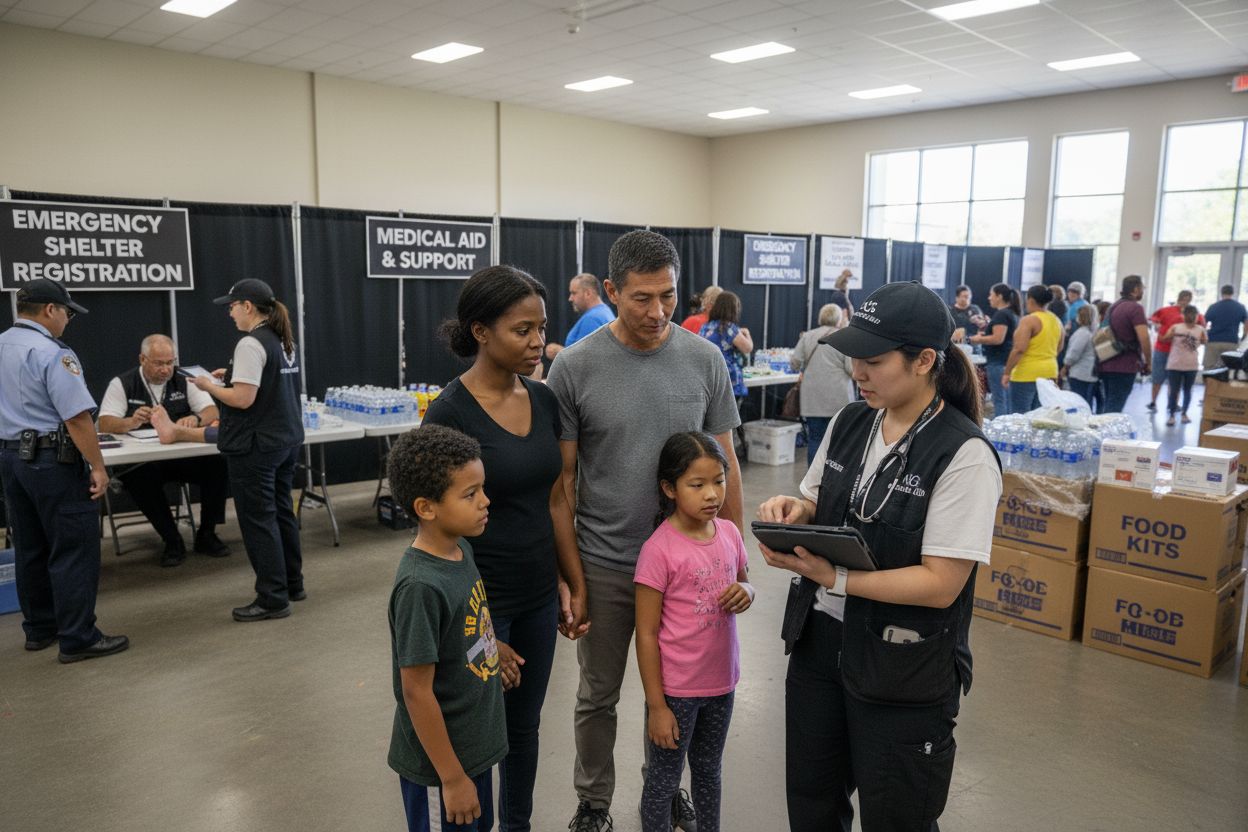
After a major disaster, the first 72 hours are often the most critical for survival and recovery. When lives are upended, knowing how to respond can mean the difference between chaos and calm. Whether you face sudden evacuation, damage to your home, or total displacement, every minute counts. You will find practical steps here for assessing your needs, finding safe shelter, and connecting with resources designed to help you and your loved ones stabilize and rebuild.
Quick Summary
| Key Point | Explanation |
|---|---|
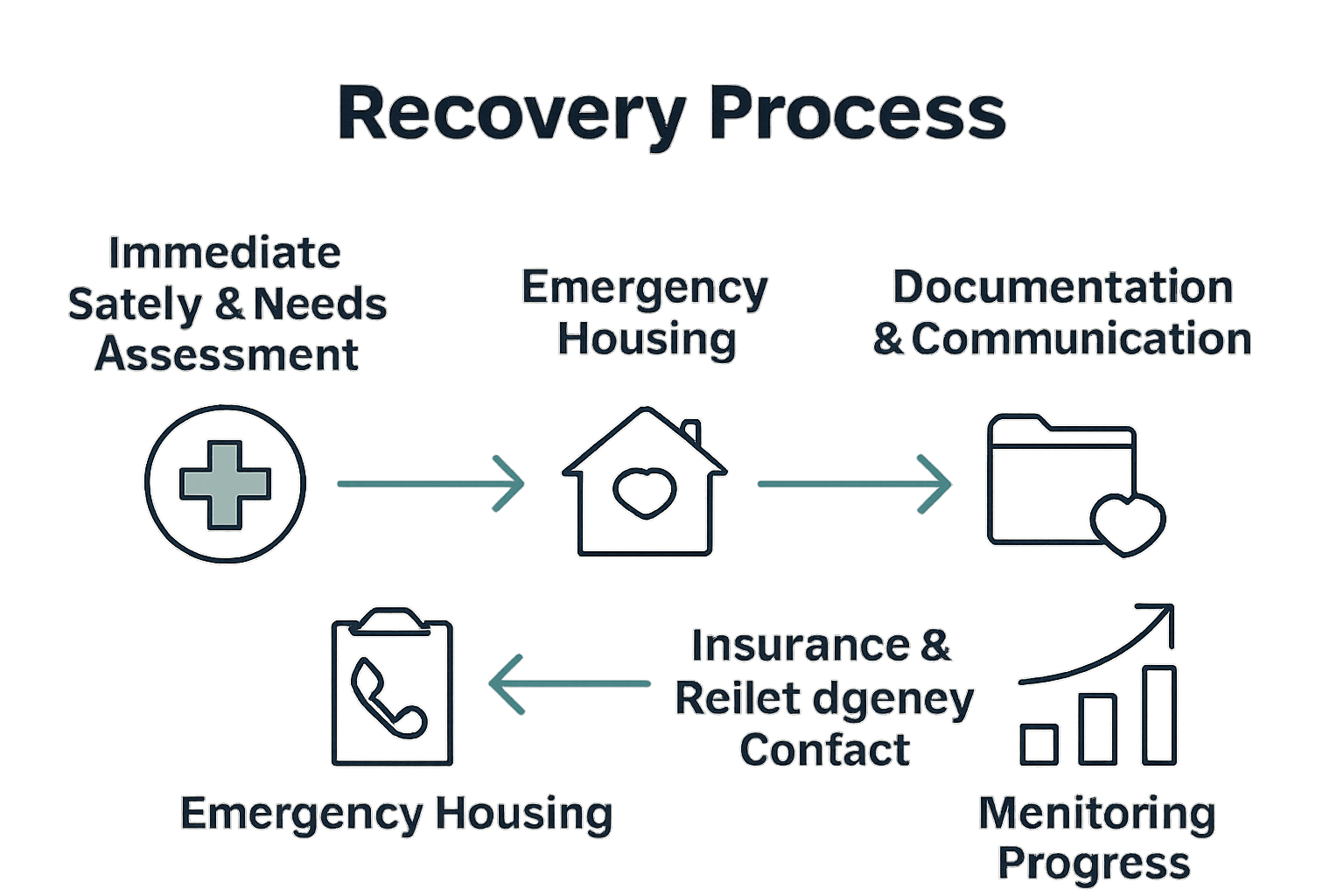
| 1. Prioritize Medical Attention | Check for any injuries and seek medical help if necessary to ensure everyone’s safety. |
| 2. Secure Emergency Housing | Find a safe temporary shelter through local agencies or community support while you assess longer-term needs. |
| 3. Connect with Insurance Providers | Reach out to your insurance company to understand available assistance and start your claims process. |
| 4. Document All Communication | Keep organized records of all interactions with support agencies to track progress and avoid misunderstandings. |
| 5. Monitor Recovery Progress Actively | Regularly reassess and document your recovery milestones to ensure you’re receiving all entitled support. |
Table of Contents
- Step 1: Assess Immediate Needs And Safety
- Step 2: Coordinate Emergency Housing Placement
- Step 3: Connect With Insurance And Relief Agencies
- Step 4: Streamline Ongoing Support And Communication
- Step 5: Monitor Progress And Confirm Stabilization
Step 1: Assess Immediate Needs and Safety
When disaster strikes, your first priority is ensuring your immediate safety and understanding your most urgent requirements. This step is about quickly evaluating what you and your family need to survive and stabilize your situation.
Begin by conducting a personal safety assessment. Check yourself and your family members for injuries. If anyone requires medical attention, seek help immediately from local emergency services or medical professionals. Your physical wellbeing comes first.
Here’s a summary of immediate needs and recommended action steps:
| Immediate Need | Action Step | Key Resource |
|---|---|---|
| Medical Attention | Check for injuries Seek help as needed |
Local emergency services Medical professionals |
| Shelter | Assess current housing Secure temporary shelter |
Disaster relief guides Local agencies |
| Food & Water | Ensure supply of essentials | Human services agencies |
| First Aid Supplies | Gather and organize kits | Emergency relief programs |
| Transportation | Plan evacuation Assess vehicle access |
Local agencies Community support |
Next, focus on basic survival needs. According to the U.S. Administration for Children and Families, housing emerges as the most critical requirement for displaced individuals. Read our comprehensive guide on housing assessments to understand how to quickly secure temporary shelter.
As you evaluate your situation, consider your immediate necessities like food, water, first aid supplies, and transportation. The Federal Register’s January 2024 rule on Serious Needs Assistance provides crucial insight. This program offers immediate funds for essential items such as infant formula, personal hygiene products, and fuel without requiring receipts.
Pro Tip: If you are experiencing food insecurity or unemployment as a result of displacement, prioritize connecting with local human services agencies who can provide coordinated assistance.
For vulnerable populations experiencing low income or unexpected displacement, multiple support channels exist. Government agencies, nonprofits, and emergency response organizations stand ready to help you navigate this challenging transition. Document your needs carefully and be prepared to provide clear information about your current circumstances.
What comes next? Preparation for the recovery process. After addressing immediate safety and basic needs, you will begin documenting your losses and initiating insurance or government assistance claims.
Step 2: Coordinate Emergency Housing Placement
Now that you have assessed your immediate needs and safety, the next critical step is securing emergency housing. This process involves finding a safe temporary place to stay while you navigate the aftermath of your displacement.
Start by understanding your available resources. Explore our comprehensive emergency housing workflow to help streamline your housing search. According to FEMA’s Displacement Assistance program, you may be eligible for upfront funds covering temporary lodging. These funds can support hotel or motel stays or help you live with friends or family for up to two weeks.
When exploring housing options, consider multiple pathways. Contact local emergency management offices, reach out to family or friends who might offer temporary shelter, or investigate short-term rental possibilities. FEMA’s Individual Assistance reforms now offer more flexible funding, allowing disaster survivors to choose temporary housing arrangements that best suit their immediate needs.
Pro Tip: Document all housing expenses and keep receipts. These records will be crucial when applying for reimbursement or additional assistance.
Remember that your temporary housing does not need to be perfect. The goal is finding a safe, stable environment where you can start rebuilding. Local social service agencies, disaster relief organizations, and community support groups can provide additional guidance and potential housing leads.
What happens next? Once you have secured temporary housing, you will begin the process of documenting your losses and preparing for longer-term recovery and potential permanent housing solutions.
Step 3: Connect with Insurance and Relief Agencies
After securing temporary housing, your next crucial step is connecting with insurance providers and relief agencies to start your recovery process. This phase is about understanding your support options and initiating critical financial assistance.
Begin by contacting your insurance provider. Learn more about accessing support networks to navigate this process smoothly. According to FEMA guidelines, if you have Additional Living Expenses or Loss of Use coverage in your policy, you should first consult your insurance company about potential claim support.
Understand that insurance claims are typically your primary source of recovery funds. FEMA assistance becomes available only after your insurance claims are denied or your coverage is exhausted. Gather all necessary documentation including property damage photos, inventory lists, and incident reports to support your claims.
Reach out to multiple relief agencies. The Administration for Children and Families emphasizes that comprehensive disaster recovery requires collaboration among federal, state, local agencies, nonprofits, and community organizations. This means you have multiple potential support channels.
Pro Tip: Create a dedicated folder to organize all communication, claim documents, and correspondence with insurance and relief agencies.
Contact local emergency management offices, state disaster relief programs, and national organizations like the Red Cross. Each agency might offer different types of assistance from financial support to counseling and resource coordination.
What happens next? You will begin documenting your losses in detail and preparing comprehensive claim submissions to maximize your potential assistance and support.
Step 4: Streamline Ongoing Support and Communication
As you continue navigating your recovery journey, establishing clear and efficient communication channels becomes critical. This step focuses on helping you stay informed, connected, and supported throughout your disaster recovery process.
Learn more about improving disaster response strategies to enhance your communication approach. According to FEMA guidelines, you have multiple ways to track and manage your assistance. Create a disaster assistance account on DisasterAssistance.gov, download the FEMA mobile app, or visit local Disaster Recovery Centers to stay updated on your support status.
When communicating during emergencies, be strategic. FEMA recommends using text messaging and social media instead of voice calls, which can become unreliable during network congestion. This approach ensures you can maintain contact with support agencies and family members more consistently.
The Department of Homeland Security emphasizes inclusive communication. Their civil rights protocols ensure that emergency communications and programs remain nondiscriminatory, with special considerations for individuals with disabilities or functional access needs. If you require specific communication accommodations, do not hesitate to request them from your support agencies.
Pro Tip: Create a dedicated email address and phone contact specifically for disaster recovery communications to help you organize and track all important correspondence.
Keep detailed records of every interaction including dates, names of representatives, and key discussion points. This documentation can be crucial for tracking your recovery progress and resolving any potential misunderstandings.
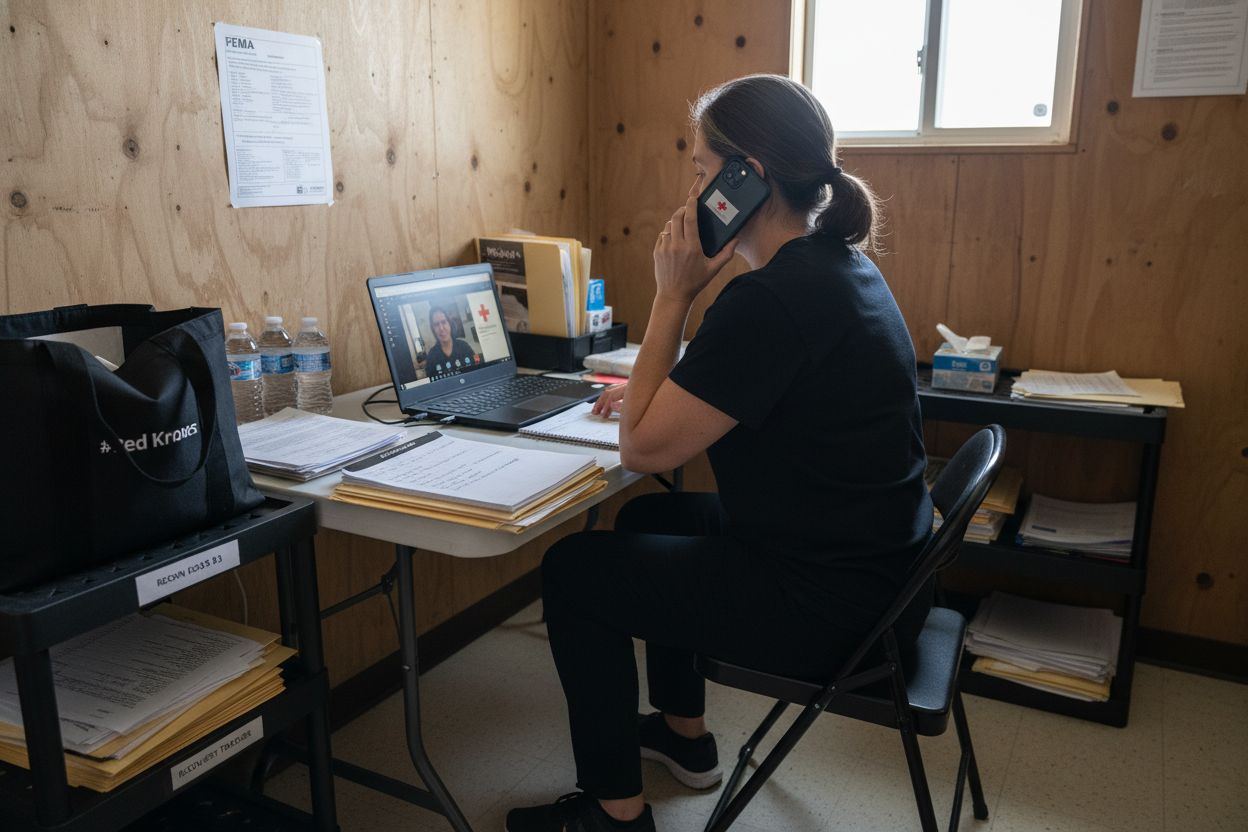
What happens next? You will transition into more detailed documentation of your losses and begin preparing comprehensive recovery plans tailored to your specific situation.
Step 5: Monitor Progress and Confirm Stabilization
After establishing communication channels and initiating support requests, your focus shifts to actively monitoring your recovery progress and ensuring your long-term stabilization.
This step is about staying proactive and engaged in your recovery journey.
Discover comprehensive strategies for disaster response improvement to help track your recovery effectively. According to the National Disaster Recovery Framework, establishing a structured approach to monitoring your progress is crucial. This means regularly checking in with the agencies supporting you and maintaining clear documentation of your recovery milestones.
FEMA’s Individuals and Households Program Unified Guidance provides a comprehensive resource for understanding your assistance types and eligibility. Use this guidance to track your recovery progress, ensuring you are receiving all the support you are entitled to and meeting necessary compliance requirements.
Create a recovery tracking system that works for you. This might involve a spreadsheet or dedicated notebook where you log interactions, received assistance, pending requests, and key recovery milestones. Regular check-ins with your support agencies will help you stay informed about your progress and identify any potential gaps in your recovery plan.
Pro Tip: Set monthly review dates with yourself to assess your recovery progress, update your documentation, and recalibrate your goals as needed.
Stay flexible and patient. Recovery is not a linear process, and unexpected challenges may arise. Maintain open communication with your support agencies, be prepared to adapt your strategies, and remember that each small step moves you closer to full stabilization.
What happens next? You will begin transitioning from emergency support to long-term recovery planning, focusing on rebuilding and restoring your life after the disaster.
Take the Next Step Towards Disaster Recovery With Expert Support
After reading about the essential steps in effective displacement response, you might feel overwhelmed by the challenges of immediate safety, emergency housing, and coordinating with multiple relief agencies. We understand the emotional strain and uncertainty that comes with navigating insurance claims and critical decisions after disaster strikes. The urgency to find safe shelter and coordinated help cannot wait.
Explore more solutions for moving from crisis to recovery on our Uncategorized – Disaster Victim Services | Helping You Recover After Disaster page, where you can find guidance tailored to your unique situation. For compassionate, real-time assistance in securing emergency housing and streamlining your recovery process, reach out directly at Disaster Victim Services. Acting today ensures you and your family have a trusted partner ready to help you move forward with confidence.
Frequently Asked Questions
What should I do first after experiencing displacement from a disaster?
Start by assessing your immediate safety and medical needs. Check yourself and your family for injuries, and seek medical help as needed within the next hour.
How do I secure temporary housing after a disaster?
Contact local emergency management offices and explore options for emergency housing, such as staying with friends or family. Aim to secure temporary shelter within 1-2 days to stabilize your living situation.
What documents do I need for insurance claims after a disaster?
Gather all necessary documentation including photos of property damage, inventory lists, and incident reports. Organize these materials as soon as possible to expedite your insurance claim submission.
How can I track my recovery progress after a disaster?
Create a recovery tracking system, like a spreadsheet or notebook, to log interactions with support agencies and assistance received. Review your progress monthly to ensure you’re on track and address any gaps in your recovery plan.
What resources are available for long-term recovery and stabilization?
Investigate local social service agencies, nonprofits, and community organizations that provide disaster recovery support. Establish contact with these resources within the first month to ensure you receive comprehensive assistance as you rebuild.
Recommended
- Disaster Recovery Process Steps: A Complete Guide 2025 – Disaster Victim Services | Helping You Recover After Disaster
- How to Handle Displacement: Key Steps for Recovery in 2025 – Disaster Victim Services | Helping You Recover After Disaster
- How to Manage Displacement: Practical Steps for Disaster Recovery 2025 – Disaster Victim Services | Helping You Recover After Disaster
- How to Handle Displacement: Key Steps for Recovery in 2025 – Disaster Victim Services | Helping You Recover After Disaster