
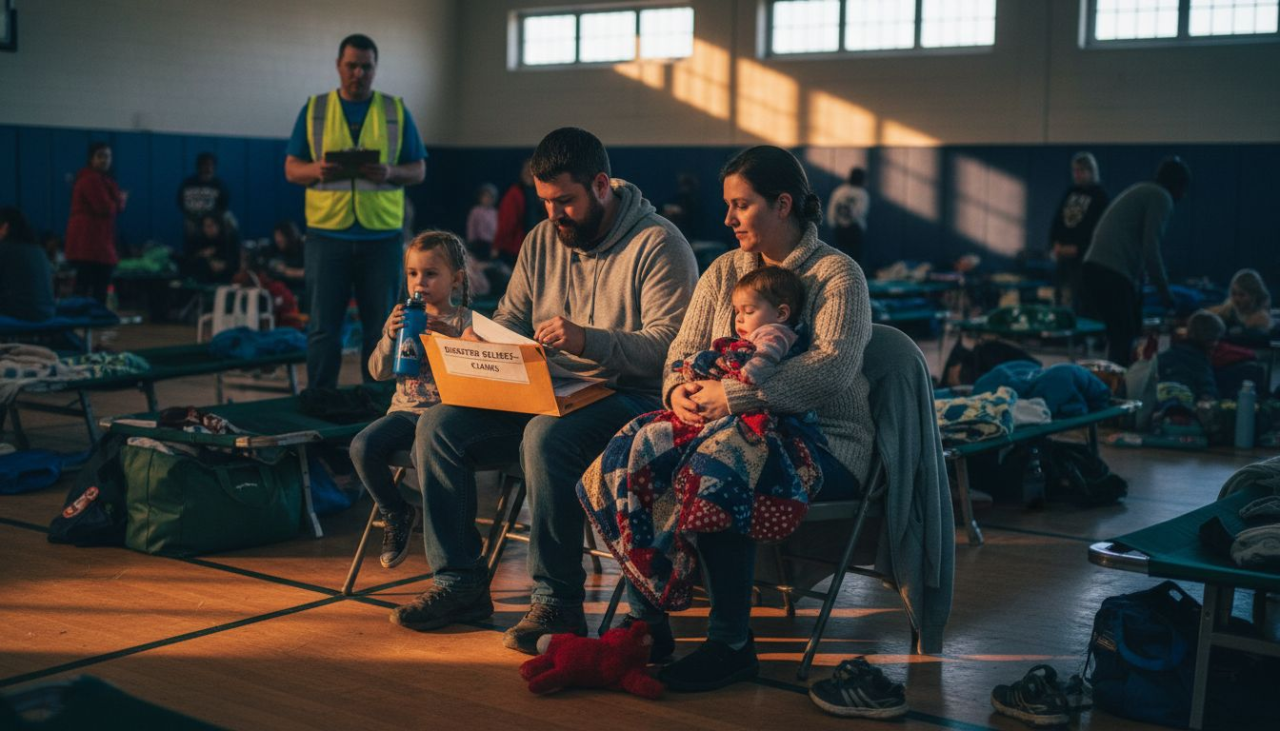
Nearly one in ten American families experience temporary displacement due to natural disasters each year. When disaster interrupts daily life, finding safe shelter and securing expert advice quickly become urgent needs. This guide brings together reliable housing solutions, practical steps for document management, and the latest advice from emergency response professionals to help your family regain safety, stability, and peace of mind during uncertain times.
Table of Contents
- Secure Temporary Housing Quickly
- Keep Important Documents Accessible
- Connect With Local Relief Organizations
- Understand Your Insurance Coverage
- Communicate With Emergency Services
- Safeguard Health and Medications
- Plan For Long-Term Recovery Support
Quick Summary
| Takeaway | Explanation |
|---|---|
| 1. Secure Temporary Housing Quickly | Act swiftly to connect with local agencies for shelter and housing assistance when disasters occur. |
| 2. Keep Important Documents Accessible | Organize and back up critical documents digitally to ensure they remain accessible during recovery efforts. |
| 3. Connect With Local Relief Organizations | Identify and reach out to nearby relief organizations for immediate support in food, shelter, and medical needs. |
| 4. Understand Your Insurance Coverage | Review your insurance policy to know what support you can receive for temporary housing and other expenses. |
| 5. Plan for Long-Term Recovery Support | Establish a recovery plan that includes navigating insurance claims and accessing community resources for sustainable rebuilding. |
1. Secure Temporary Housing Quickly
When disaster strikes, finding safe shelter becomes your immediate priority. Swift action can mean the difference between continued disruption and stability for your family. The Federal Emergency Management Agency provides multiple sheltering options to help displaced families rapidly transition to temporary housing.
Navigating emergency housing requires strategic planning. Your first step involves understanding available resources. Government agencies and local emergency management offices can connect you with immediate housing solutions such as hotel vouchers, rental assistance programs, and temporary housing units. Financial constraints shouldnt prevent you from finding safe accommodation.
Start by contacting local emergency management centers and registering with FEMA for potential housing assistance. Many regions offer warming centers, community shelters, and short term rental support designed specifically for families displaced by natural disasters. Consider reaching out to extended family or trusted friends who might provide temporary living arrangements while you stabilize your situation.
Understanding your rights and available support is crucial. The Consumer Financial Protection Bureau recommends exploring multiple housing options and maintaining clear communication about financial expectations when staying with family or friends.
Pro Tip: Document everything. Keep copies of all communication with emergency agencies, take photographs of your displacement situation, and maintain a detailed record of your housing search to support potential reimbursement or assistance claims.
2. Keep Important Documents Accessible
In the chaos of a disaster, your critical documents become lifelines to recovery. Protecting and organizing these papers can dramatically simplify the process of rebuilding your life and accessing emergency support.
The Consumer Financial Protection Bureau recommends securing personal information in digitally protected formats that can be easily accessed during emergencies. This means creating digital backups of essential documents like identification, insurance policies, medical records, and financial paperwork.
Start by identifying your most critical documents. These typically include government identification, social security cards, birth certificates, marriage licenses, insurance policies, medical records, and proof of address. Make high quality scans or take clear photographs of these documents and store them in multiple secure locations such as encrypted cloud storage, a password protected external hard drive, and an email account you can access from anywhere.
Key Documents to Protect:
- Government issued identification
- Social security documentation
- Insurance policies
- Medical records and prescriptions
- Birth and marriage certificates
- Property ownership documents
- Vehicle registration
FEMA advises creating a comprehensive Family Emergency Plan that includes a systematic approach to document management. Consider keeping physical copies in a waterproof and fireproof container that you can quickly grab if evacuation becomes necessary.
Pro Tip: Create a secure digital folder with scanned copies of all important documents and share access with a trusted family member or attorney who can help you retrieve information if needed.
3. Connect With Local Relief Organizations
During times of crisis, local relief organizations become your lifeline to recovery and essential support. Understanding how to effectively connect with these resources can dramatically accelerate your family’s path to stabilization.
USA.gov recommends identifying specific local relief organizations that provide immediate assistance for displaced families. Key organizations like the American Red Cross, local faith based groups, and community centers often offer critical services including emergency shelter, food distribution, medical support, and financial aid.
Start by creating a comprehensive list of local relief organizations in your area. This might include government agencies, nonprofit groups, religious institutions, and community support networks. Each organization typically specializes in different types of assistance such as temporary housing, financial grants, medical support, or emotional counseling.
Key Relief Organizations to Contact:
- American Red Cross
- Salvation Army
- Local government emergency management offices
- Community action agencies
- Faith based organizations
- Local volunteer networks
FEMA encourages active community involvement through programs like Community Emergency Response Teams (CERT). These teams not only provide immediate disaster support but also help build long term community resilience.
Pro Tip: Create a digital or physical folder with contact information for multiple relief organizations, including phone numbers, email addresses, and physical locations, to ensure you can quickly access support during emergencies.
4. Understand Your Insurance Coverage
Insurance can be your financial lifeline during a disaster recovery process. Understanding the nuanced details of your policy can make a significant difference in how quickly and effectively you can rebuild your life.
Bright Harbor advises carefully examining your insurance policy for Loss of Use or Additional Living Expenses coverage, which can provide critical financial support during displacement. These provisions can cover essential expenses like temporary housing, meals, transportation, and other living costs while your primary residence is being repaired.
Key Insurance Coverage Areas to Investigate:
- Temporary housing expenses
- Meal reimbursement
- Transportation costs
- Emergency living arrangements
- Property damage restoration
- Personal property replacement
FEMA recommends understanding alternative assistance options if your current insurance coverage falls short. Homeowners and renters may qualify for additional government support, including rental assistance and temporary housing units designed to bridge gaps in private insurance coverage.
Review your insurance policy carefully, paying special attention to the declarations page that outlines your specific coverages. Contact your insurance agent to discuss the exact terms of your policy and understand what support you can expect during a disaster scenario.
Pro Tip: Create a digital and physical backup of your insurance policy documents, storing copies in secure locations like cloud storage and a waterproof document container to ensure quick access during emergencies.
5. Communicate With Emergency Services
Effective communication during a disaster can be the difference between swift recovery and prolonged hardship. Emergency services depend on clear, precise information to provide targeted assistance to displaced families.
The Associated Press highlights the critical importance of signing up for local and federal emergency alert systems that provide real-time updates and critical communication channels during emergencies. These systems can deliver immediate notifications about evacuation orders, shelter locations, and available resources.
Key Communication Strategies:
- Register for local emergency alert systems
- Save emergency service contact numbers
- Establish family communication protocols
- Identify multiple communication backup methods
- Learn local emergency broadcast channels
- Understand regional emergency response procedures
FEMA recommends developing a comprehensive Family Emergency Plan that includes specific communication strategies. This means establishing predetermined meeting points, ensuring all family members know how to contact emergency services, and having multiple communication methods available.
Prepare a physical and digital emergency contact list that includes local police, fire departments, medical services, insurance providers, and family emergency contacts. Store these numbers in multiple locations including smartphones, physical documents, and shared cloud storage.
Pro Tip: Create a laminated emergency contact card for each family member to carry, including critical phone numbers, medical information, and emergency service contacts in case digital devices become unavailable.
6. Safeguard Health and Medications
During a disaster, maintaining your family’s health becomes as critical as finding shelter. Protecting medications and medical supplies can prevent additional complications when you are already navigating extreme stress and uncertainty.
Mercy Corps recommends preparing a comprehensive medical emergency kit that includes a minimum two-week supply of essential medications. This proactive approach ensures continuous access to critical healthcare resources during displacement.
Essential Medical Emergency Kit Components:
- Prescription medications
- Over-the-counter pain relievers
- First aid supplies
- Medical device backup batteries
- Copies of medical prescriptions
- Medical history documentation
- Insurance contact information
FEMA emphasizes building a well-organized emergency supply kit that addresses potential medical needs during unexpected disruptions. This means thinking strategically about your family’s specific health requirements and potential scenarios.
Contact your healthcare provider to discuss emergency medication strategies. Request extra prescription quantities, discuss medication storage recommendations, and explore options for emergency prescription refills. Consider keeping medications in waterproof, portable containers that can be quickly grabbed during evacuation.
Pro Tip: Photograph all medication labels and medical documents, storing digital copies in secure cloud storage that can be accessed from any device in case physical documents are lost during displacement.
7. Plan for Long-Term Recovery Support
Recovery from a disaster is not a sprint but a marathon that requires strategic planning, patience, and persistent effort. Understanding the landscape of long-term support can transform a challenging situation into a pathway toward rebuilding and restoration.
FEMA offers comprehensive long-term housing assistance designed to support disaster survivors through funds for home repair or complete replacement. These resources are critical for families facing extensive property damage and seeking to reestablish their primary residence.
Key Long-Term Recovery Support Areas:
- Housing reconstruction funds
- Financial assistance programs
- Mental health counseling services
- Job replacement resources
- Community rebuilding initiatives
- Legal support and guidance
- Insurance claim navigation
USA.gov provides extensive information on support programs that can help families transition from immediate crisis management to sustainable recovery. This includes connecting with organizations that offer temporary housing, financial aid, and comprehensive support services.
Establish a recovery timeline with specific milestones and goals. Break down complex recovery tasks into manageable steps, prioritizing immediate needs like housing, income replacement, and family stability. Document every interaction with relief agencies, maintain organized records, and be proactive in seeking available resources.
Pro Tip: Create a dedicated recovery binder or digital folder that consolidates all important documents, communication records, and support program information to streamline your long-term recovery process.
Below is a comprehensive table summarizing strategies for preparing and responding effectively to disasters, focusing on housing, documentation, and communication.
| Strategy | Key Actions | Benefits/Outcomes |
|---|---|---|
| Secure Temporary Housing | Contact FEMA and local agencies, use hotel vouchers, seek rental assistance, and reach out to family or friends. | Stabilizes living conditions quickly, ensuring safety and shelter. |
| Keep Important Documents Accessible | Digitally back up essential documents like IDs, insurance, medical records. Use encrypted storage options. | Facilitates rebuilding efforts and access to crucial support. |
| Connect With Local Relief Organizations | List local organizations like the Red Cross, faith-based groups, and community centers. | Access to shelter, food, medical, and financial aid. |
| Understand Your Insurance Coverage | Review policies for loss coverage, discuss terms with agents, and check for additional support options. | Ensures financial support for housing, meals, and related expenses. |
| Communicate With Emergency Services | Register for alerts, save emergency contacts, and implement family communication plans. | Provides timely updates and access to emergency support. |
| Safeguard Health and Medications | Prepare a two-week medication supply, back up prescriptions, and consult healthcare providers. | Maintains health continuity and prevents medical crises. |
| Plan for Long-Term Recovery Support | Engage with FEMA for housing funds, and explore mental health, job, and legal support. | Supports sustainable recovery and rebuilding efforts. |
Find Fast and Compassionate Support When You Are Displaced
Facing displacement after a disaster is overwhelming and time sensitive. This article highlights key challenges like securing temporary housing, managing crucial documents, navigating insurance coverage, and connecting with relief organizations. At DisasterVictimServices.com, we understand these urgent pain points and specialize in linking you directly to immediate housing solutions and expert recovery support. Our team works closely with insurance carriers, government agencies, and first responders to help you move from crisis toward stability as quickly as possible.
If you are searching for guidance or emergency assistance, explore our Uncategorized – Disaster Victim Services | Helping You Recover After Disaster category for practical advice and resources. Ready to take the next step toward reclaiming security and peace of mind Let us support your journey with proven strategies and compassionate care. Visit DisasterVictimServices.com today and discover how our collaborative approach can make a real difference in your recovery. Start rebuilding with confidence now.
Frequently Asked Questions
How can I secure temporary housing quickly after a disaster?
To secure temporary housing quickly, start by contacting local emergency management centers and registering for available assistance. Look for resources like hotel vouchers, rental assistance, and temporary housing units to stabilize your situation within days.
What important documents should I keep accessible during a disaster?
You should keep critical documents such as identification, insurance policies, medical records, and proof of address accessible. Create digital backups of these documents and store them in multiple secure locations to ensure you can retrieve them when needed.
How do I find local relief organizations for support?
Identify local relief organizations by creating a list that includes government agencies, nonprofits, and community support groups. Reach out to these organizations to inquire about the specific assistance they offer, such as shelter or food distribution.
What insurance coverage should I understand for disaster recovery?
Examine your insurance policy for provisions like Loss of Use or Additional Living Expenses, which can cover temporary housing costs. Contact your insurance agent to clarify what support you can expect during recovery, enabling faster claim processing within weeks.
How can I safeguard my health and medications in an emergency?
Prepare a comprehensive medical emergency kit that includes at least a two-week supply of essential medications and medical supplies. Organize this kit to ensure it’s easily accessible during evacuations and maintain a record of your medical needs for reference.
What steps can I take for long-term recovery support?
To plan for long-term recovery, establish a timeline with clear milestones for housing, job replacement, and financial assistance. Regularly document your interactions with relief agencies and research support programs to streamline your recovery process over the coming months.
Recommended
- Step by Step Displacement Support for Families in Crisis – Disaster Victim Services | Helping You Recover After Disaster
- 7 Examples of Displacement Solutions for Families in Need – Disaster Victim Services | Helping You Recover After Disaster
- Essential Steps After Sudden Displacement: 2025 Guide – Disaster Victim Services | Helping You Recover After Disaster
- 7 Key Types of Disaster Aid Every Family Should Know – Disaster Victim Services | Helping You Recover After Disaster