
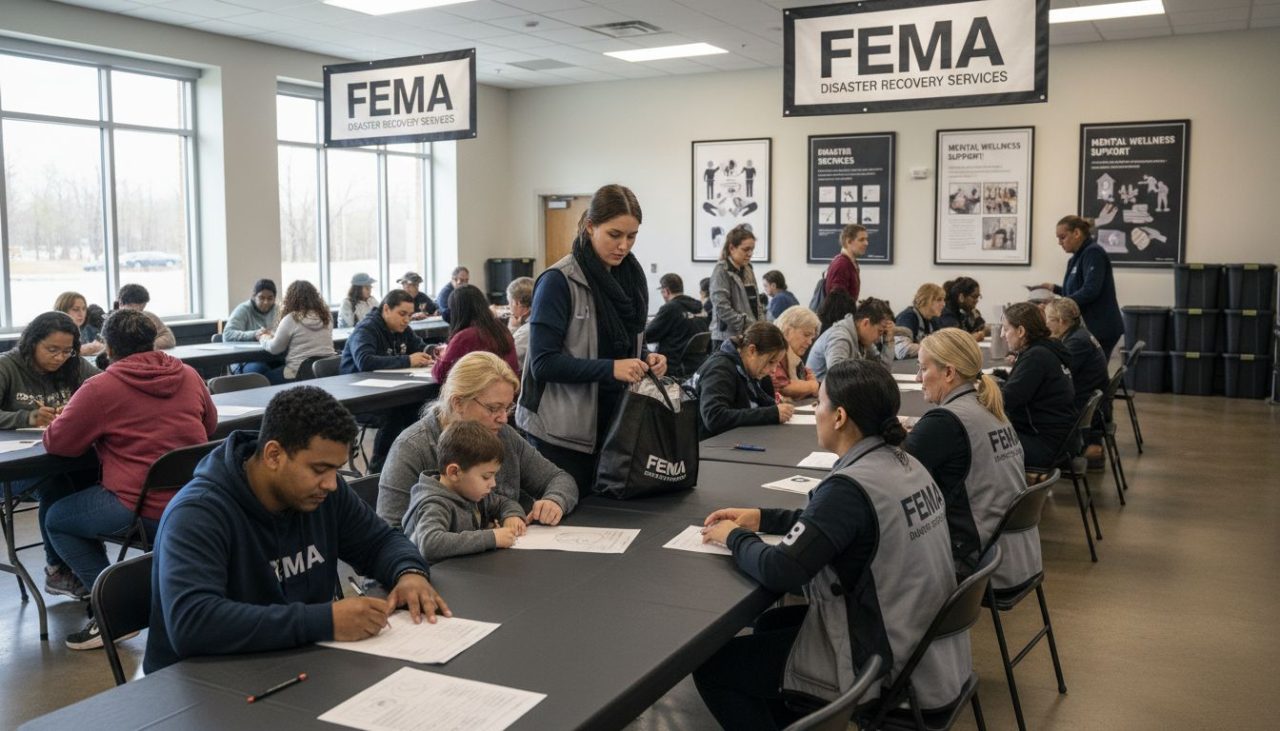
Over thirty-five million american families have faced displacement due to natural disasters within the past decade. This sudden upheaval leaves families searching for safe shelter, clear information, and reliable support just when they need it most. Whether dealing with emergency housing or making critical decisions about insurance and legal aid, understanding your available options can make the path to recovery less overwhelming and help you take confident steps forward during uncertain times.
Table of Contents
- 1. Immediate Emergency Housing Solutions for Displaced Families
- 2. How to Access Crisis Hotlines and 24/7 Assistance
- 3. Insurance Claims Guidance and Advocacy Support
- 4. Coordinating with Government and Relief Agencies
- 5. Linking to Contractors and Mitigation Professionals
- 6. Navigating Legal Aid and Recovery Resources
- 7. Community Support and Long-Term Recovery Programs
Quick Summary
| Key Insight | Detailed Explanation |
|---|---|
| 1. Apply for FEMA assistance immediately. | Most FEMA programs have strict application deadlines after a disaster; act quickly to secure necessary support. |
| 2. Document all damage thoroughly. | Keep detailed records of all property damage with photographic evidence to support insurance claims and recovery assistance. |
| 3. Utilize emotional support hotlines. | Access 24/7 crisis support services like the Disaster Distress Helpline to manage the emotional aftermath of disaster displacement. |
| 4. Coordinate with relief agencies effectively. | Register with FEMA and communicate consistently with agencies to ensure you receive the help available to you during recovery. |
| 5. Seek legal aid for complex issues. | Access free legal consultation services to navigate insurance claims and understand your rights as a disaster survivor. |
1. Immediate Emergency Housing Solutions for Displaced Families
Disaster displacement can turn your world upside down in moments. When your home becomes uninhabitable, finding immediate shelter becomes your top priority for survival and recovery.
The Individuals and Households Program (IHP) from FEMA provides critical financial assistance and direct housing services for families facing sudden displacement. This program offers comprehensive support including temporary housing, home repairs, and financial aid for disaster related expenses not covered by insurance.
Key Housing Assistance Options Include:
- Temporary housing in hotels or rental units
- Financial support for home repairs
- Replacement assistance for severely damaged homes
- Support for relocation expenses
Qualifying for emergency housing requires documenting your disaster related displacement through official channels. You will need to provide proof of residence, damage documentation, and demonstrate that your current living situation is unsafe or uninhabitable.
Pro Tip: Act quickly when applying for emergency housing. Most FEMA assistance programs have strict application windows following a declared disaster, so submit your documentation as soon as possible after the event.
The U.S. Department of Housing and Urban Development (HUD) also offers additional resources through Housing Choice Vouchers. These vouchers can provide critical support for low income families seeking safe housing during recovery periods.
Remember that emergency housing is not just about finding a roof over your head. It is about creating a stable environment that allows your family to begin healing and rebuilding after a traumatic displacement experience.
2. How to Access Crisis Hotlines and 24/7 Assistance
In the aftermath of a disaster, emotional support is just as critical as physical resources. When trauma and overwhelming stress threaten to consume you, knowing how to quickly access professional crisis support can be a lifeline.
The Disaster Distress Helpline offers round the clock emotional support for individuals experiencing crisis related to disasters. Operated by SAMHSA, this free service provides immediate counseling and critical intervention strategies.
How to Access Immediate Crisis Support:
- Call 1-800-985-5990
- Text ‘TalkWithUs’ to 66746
- Available 24/7 throughout the year
- Connect with trained crisis counselors
Additionally, the 988 Suicide & Crisis Lifeline provides confidential support for individuals experiencing emotional distress. By simply dialing 988, you can immediately connect with professional counselors who offer compassionate assistance and local service referrals.
Important Considerations: Crisis hotlines are confidential, free, and designed to provide immediate emotional support. Trained professionals understand the complex emotional landscape of disaster survivors and can help you navigate immediate psychological challenges.
Remember that seeking help is a sign of strength. These support services exist to guide you through your most challenging moments and help you begin the healing process with professional, compassionate support.
3. Insurance Claims Guidance and Advocacy Support
Navigating insurance claims after a disaster can feel like traversing a complex maze while blindfolded. Understanding the intricate process of filing and managing insurance claims becomes critical for recovering both financially and emotionally.
Key Components of Successful Insurance Claim Navigation:
- Document all property damage thoroughly
- Photograph and video record destruction
- Keep detailed expense records
- Understand your specific policy coverage
- Communicate consistently with insurance representatives
Successful claim advocacy requires strategic preparation. Start by organizing all relevant documentation immediately after the disaster. This means collecting police reports, damage assessments, repair estimates, and comprehensive photographic evidence of your losses.
Insurance Claim Verification Steps guide recommends creating a comprehensive claim file that includes every single piece of documentation related to your disaster recovery process. This meticulous approach can significantly improve your chances of receiving fair compensation.
Professional insurance claim advocates can provide critical support during this challenging time. These experts understand policy language, negotiation strategies, and can help you maximize your potential settlement. They serve as intermediaries between you and insurance companies, ensuring your rights and interests are protected.
Remember that persistence and detailed documentation are your strongest allies when pursuing an insurance claim. Your thorough preparation can make the difference between minimal reimbursement and comprehensive recovery support.
4. Coordinating with Government and Relief Agencies
Disaster recovery is a complex journey that requires strategic coordination with multiple government and relief agencies. Understanding how to effectively communicate and navigate these critical support systems can dramatically accelerate your path to recovery.
Essential Coordination Strategies:
- Register with FEMA immediately
- Maintain detailed documentation
- Create a comprehensive communication log
- Follow up consistently
- Know your rights and available resources
How to Coordinate Response in Disasters guide emphasizes the importance of proactive engagement with governmental support systems. Your first critical step involves registering with FEMA and local emergency management offices to access disaster relief resources.
Effective coordination requires meticulous record keeping. Create a dedicated folder containing all communication records including names of representatives you speak with, dates of conversations, reference numbers, and summaries of discussions. This systematic approach will help you track your recovery progress and provide essential documentation for future claims.
Government agencies and relief organizations operate with specific protocols. Be prepared to provide comprehensive information about your situation including property damage assessments, personal identification, insurance details, and proof of residency. Patience and persistent follow up are key when navigating these complex support systems.
Remember that relief support is a collaborative process. By approaching government and relief agencies with organized documentation and clear communication, you significantly increase your chances of receiving comprehensive assistance during your recovery journey.
5. Linking to Contractors and Mitigation Professionals
Rebuilding after a disaster requires more than emotional resilience. You need skilled professionals who can transform damaged properties back into safe living spaces.
Critical Steps in Finding Qualified Professionals:
- Verify professional credentials
- Check licensing and insurance status
- Request multiple damage assessments
- Compare repair cost estimates
- Review past client references
Contractors and Mitigation Companies recommend thorough vetting before hiring any recovery professional. According to FEMA’s Individuals and Households Program, financial assistance is available to help connect disaster survivors with licensed contractors who can restore homes to safe and sanitary conditions.
The National Association of the Remodeling Industry (NARI) offers a comprehensive directory of certified remodeling professionals. This resource can be invaluable when searching for contractors with specific expertise in disaster recovery and restoration.
When interviewing potential contractors, ask detailed questions about their experience with disaster mitigation. Request documentation of their previous disaster recovery projects, insurance certifications, and professional licenses. A reputable professional will be transparent about their qualifications and eager to demonstrate their expertise.
Remember that the right contractor does more than repair physical damage. They understand the emotional complexity of rebuilding after a traumatic event and can guide you through the restoration process with compassion and professionalism.
6. Navigating Legal Aid and Recovery Resources
Surviving a disaster is challenging enough without the added complexity of legal hurdles and bureaucratic processes. Understanding how to access legal aid and recovery resources can be the difference between feeling overwhelmed and taking confident steps toward rebuilding your life.
Strategic Legal Support Steps:
- Identify free legal consultation services
- Document all disaster related expenses
- Understand your legal rights
- Preserve all communication records
- Seek specialized disaster recovery legal assistance
Navigating Disaster Relief Process Recovery Guide highlights the importance of proactive legal preparation. Many communities offer pro bono legal services specifically designed for disaster victims who need guidance navigating insurance claims, property disputes, and recovery assistance.
Many local bar associations and nonprofit organizations provide free or reduced cost legal consultations for disaster survivors. These services can help you understand complex insurance policies, negotiate with contractors, and ensure you receive proper compensation for your losses.
When seeking legal aid, prioritize attorneys who specialize in disaster recovery and insurance claim disputes. These professionals understand the nuanced challenges disaster victims face and can provide targeted guidance that general practice lawyers might miss.
Remember that legal support is not just about financial compensation. It is about protecting your rights, ensuring fair treatment, and creating a clear pathway to rebuild your life with confidence and security.
7. Community Support and Long-Term Recovery Programs
Disaster recovery is not a solo journey. It requires collective strength, compassion, and strategic support from community networks designed to help you rebuild your life piece by piece.
Critical Community Recovery Resources:
- Local support groups
- Long-term rebuilding programs
- Emotional wellness workshops
- Financial counseling services
- Volunteer reconstruction teams
Long-Term Disaster Recovery Guide highlights the transformative power of community based recovery strategies. The National Voluntary Organizations Active in Disaster (NVOAD) plays a crucial role in coordinating comprehensive support networks that extend far beyond immediate emergency responses.
NVOAD brings together multiple organizations that provide holistic recovery assistance. These services range from practical support like home rebuilding to essential emotional and spiritual care. Their network understands that true recovery involves healing both physical infrastructure and human resilience.
Connecting with local community recovery groups can provide unexpected emotional and practical support. These groups often offer peer support networks, skill sharing workshops, and collective resources that help disaster survivors navigate complex recovery challenges.
Remember that community support is about more than receiving help. It is about rebuilding hope, reconnecting with your community, and creating a path forward that feels both manageable and empowering.
Below is a comprehensive table summarizing the key points and strategies for disaster recovery and support for displaced families discussed throughout the article.
| Area | Description | Key Considerations |
|---|---|---|
| Immediate Emergency Housing | FEMA’s IHP offers temporary housing, home repairs, and relocation assistance. | Quick application is crucial due to strict deadlines; proof of residence needed. |
| Crisis Hotlines | Disaster Distress Helpline provides 24/7 emotional support. | Confidential and free services, connecting users to trained counselors. |
| Insurance Claims | Detailed documentation, including photos and videos, is necessary for claims. | Persistence and comprehensive records improve chances for fair compensation. |
| Government Coordination | Register with FEMA, maintain records, and follow up consistently. | Thorough documentation and knowledge of rights enhance recovery efforts. |
| Contractor Engagement | Verify credentials and compare estimates before hiring contractors. | FEMA assistance may be available; choose contractors with disaster recovery experience. |
| Legal Aid | Access free legal services for insurance claims and recovery disputes. | Specialized disaster lawyers offer targeted support and protect rights. |
| Community Support | Utilize local support groups and recovery programs. | Community efforts provide both practical and emotional recovery assistance. |
Discover the Support You Need to Rebuild After Disaster
Facing the overwhelming challenges described in “7 Essential Support Services for Disaster Victims Explained” can feel isolating. Key pain points like securing immediate emergency housing, navigating insurance claims, and coordinating with government agencies require timely, expert help. Your goal is clear: to find compassionate, efficient support that restores stability for you and your family when every moment counts.
At DisasterVictimServices.com, we specialize in tackling these exact challenges by connecting disaster victims with vital resources and streamlined assistance. From emergency shelter arrangements to guiding you through complex insurance advocacy, our experienced team works alongside contractors, attorneys, and relief agencies to accelerate your recovery. Learn more about how we help families piece their lives back together by exploring our Uncategorized and Project design categories.
Don’t wait until the next hurdle grows bigger. Take control of your recovery now by visiting https://disastervictimservices.com and discover compassionate support designed to help you move forward with confidence and security.
Frequently Asked Questions
What immediate housing solutions are available for disaster victims?
Emergency housing options include temporary housing in hotels or rental units, financial support for home repairs, and relocation assistance. To access these services, document your displacement and apply through available relief programs quickly, as support windows can be limited.
How can I access emotional trauma support after a disaster?
Emotional support can be accessed through crisis hotlines for immediate assistance, such as calling 1-800-985-5990 to connect with trained crisis counselors. Reach out as soon as possible to ensure you receive the help needed to cope with the stress of the situation.
What steps should I take to file an insurance claim after a disaster?
Start by documenting all property damage thoroughly with photographs and detailed records of expenses. Submit your claim as soon as possible and maintain consistent communication with your insurance representative to ensure a smooth process.
How do I coordinate with government and relief agencies for disaster recovery?
Begin by registering with relevant disaster response agencies and creating a comprehensive log of all communications. This organized approach will help you track your progress and ensure that you are accessing all available resources.
What should I look for when hiring contractors for home repairs?
Verify contractors’ credentials such as licensing and insurance, and request multiple estimates for your repair needs. This thorough vetting process can ensure that you choose qualified professionals who can restore your home to a safe and livable condition.
How can I find legal aid after experiencing a disaster?
Seek out local organizations providing free legal consultations specifically for disaster victims. Document all related expenses and clear communication records to ensure you have the necessary information when discussing your case with legal professionals.
Recommended
- Essential Steps After Sudden Displacement: 2025 Guide – Disaster Victim Services | Helping You Recover After Disaster
- 7 Essential Disaster Victim Support Tips for Fast Recovery – Disaster Victim Services | Helping You Recover After Disaster
- How to Access Support: Guide for Disaster Recovery 2025 – Disaster Victim Services | Helping You Recover After Disaster
- 7 Essential Steps for Efficient Disaster Response Success – Disaster Victim Services | Helping You Recover After Disaster