
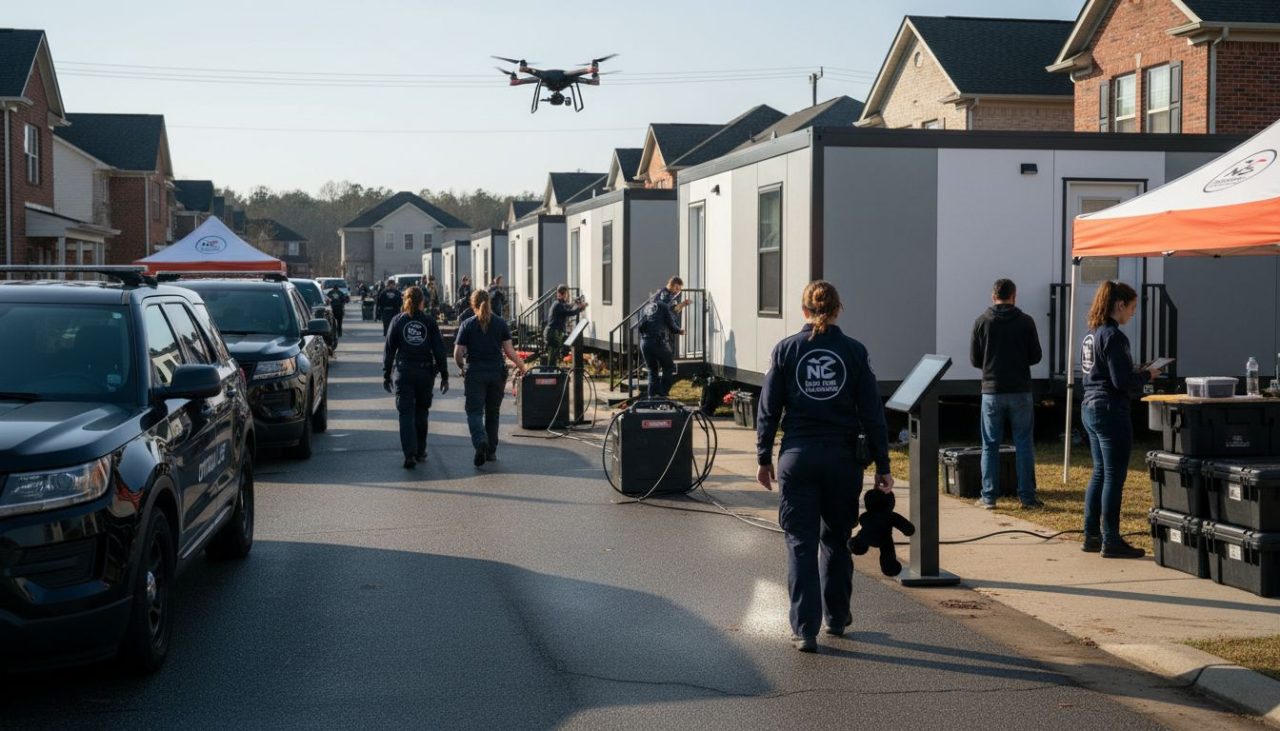
Every year, american communities face disasters that force thousands from their homes with little warning. When storms, wildfires, or floods strike, the urgent need for safe shelter becomes clear. Over 4.7 million american properties depend on national disaster insurance, yet real solutions go far beyond policy paperwork. Understanding how disaster housing works now is vital for families, local leaders, and anyone concerned about recovery after disaster. This article explains the changing landscape of emergency housing, highlighting new solutions and support systems shaping safer futures.
Table of Contents
- Defining Disaster Housing In The United States
- Emerging Housing Types And Solutions In 2025
- Role Of Technology In Disaster Housing
- Legal And Regulatory Changes For 2025
- Financial Implications And Insurance Coordination
- Collaborative Approaches To Housing Placement
Key Takeaways
| Point | Details |
|---|---|
| Disaster Housing Definition | Disaster housing provides immediate shelter and accommodations for individuals displaced by disasters, aiding in recovery and stability. |
| Emerging Housing Solutions | Innovative housing solutions in 2025 include modular units and smart technologies, focusing on rapid deployment and long-term rehabilitation. |
| Technological Integration | Advanced technologies enhance disaster housing through data analytics and streamlined communication among agencies, improving resource allocation and housing coordination. |
| Regulatory Changes for Accessibility | New legislation expands eligibility for disaster aid, simplifying application processes and enhancing protections for vulnerable populations. |
Defining Disaster Housing in the United States
Disaster housing represents a critical emergency response mechanism designed to provide immediate shelter and temporary accommodations for individuals displaced by natural disasters, severe weather events, or catastrophic incidents. FEMA defines these housing solutions as temporary manufactured units intended to offer safe, functional living spaces when traditional housing becomes unavailable or uninhabitable.
Under the Individuals and Households Program (IHP), FEMA provides comprehensive housing assistance to eligible U.S. citizens in federally declared disaster zones. These housing solutions go beyond simple emergency shelter, offering comprehensive support that includes:
- Temporary housing units
- Home repair financial assistance
- Relocation support
- Essential living expense coverage
The primary goal of disaster housing is to bridge the critical gap between immediate emergency response and long-term recovery. Unlike traditional homeless shelters or temporary accommodations, these specialized housing solutions are specifically designed to address the unique challenges faced by disaster victims. Families receive not just a place to stay, but a structured pathway toward rebuilding their lives and restoring a sense of normalcy after experiencing traumatic displacement.
At its core, disaster housing in the United States represents a sophisticated, compassionate approach to emergency management.
 It combines practical shelter solutions with financial support, ensuring that individuals and families have the resources and stability needed to navigate the challenging aftermath of a disaster. Housing Accessibility Standards play a crucial role in determining the effectiveness and quality of these emergency housing interventions.
Emerging Housing Types and Solutions in 2025
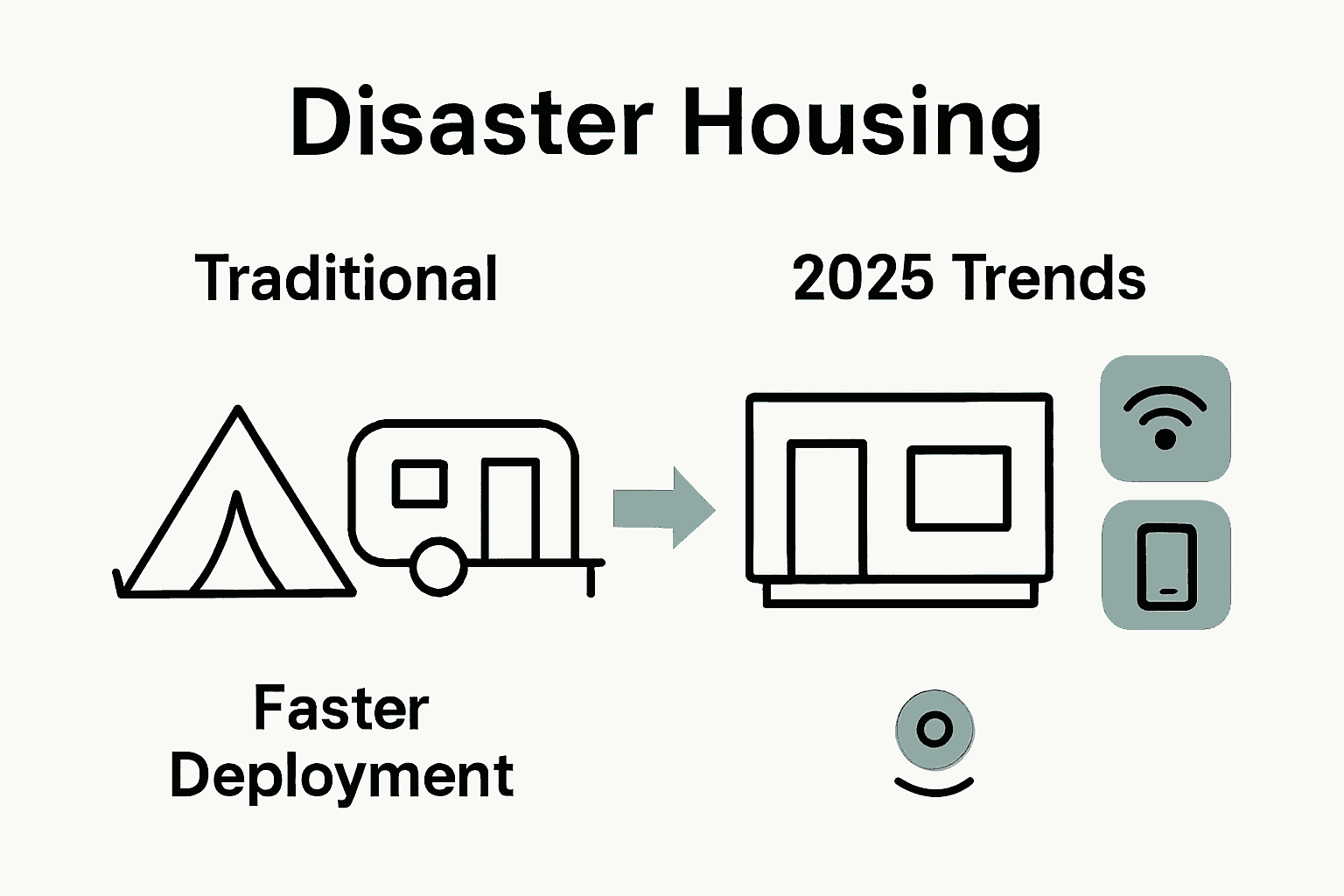
In 2025, disaster housing solutions are experiencing a transformative evolution, driven by innovative legislative efforts and technological advancements. Cassidy Senate research highlights a groundbreaking approach with the Disaster Housing Reform for American Families Act, which aims to construct disaster-resilient housing within 90 days that can transition into long-term affordable housing managed by local public housing authorities.
The emerging housing landscape in 2025 is characterized by several key developments:
- Modular and prefabricated housing units
- Adaptive reuse of commercial spaces
- Sustainable and energy-efficient temporary structures
- Smart housing technologies with rapid deployment capabilities
HUD is also playing a critical role by introducing innovative funding mechanisms like the Rapid Unsheltered Survivor Housing (RUSH) grants. These $2.5 million in targeted grants demonstrate a strategic approach to addressing housing challenges for individuals impacted by natural disasters, particularly those experiencing or at risk of homelessness.
Technology and policy are converging to create more responsive, flexible housing solutions. Emergency Housing Workflow Guide resources indicate that future disaster housing will prioritize not just immediate shelter, but comprehensive recovery support. This means housing solutions that are not only quick to deploy but also designed to seamlessly integrate survivors back into stable living environments, with built-in pathways for long-term rehabilitation and community reintegration.
Role of Technology in Disaster Housing
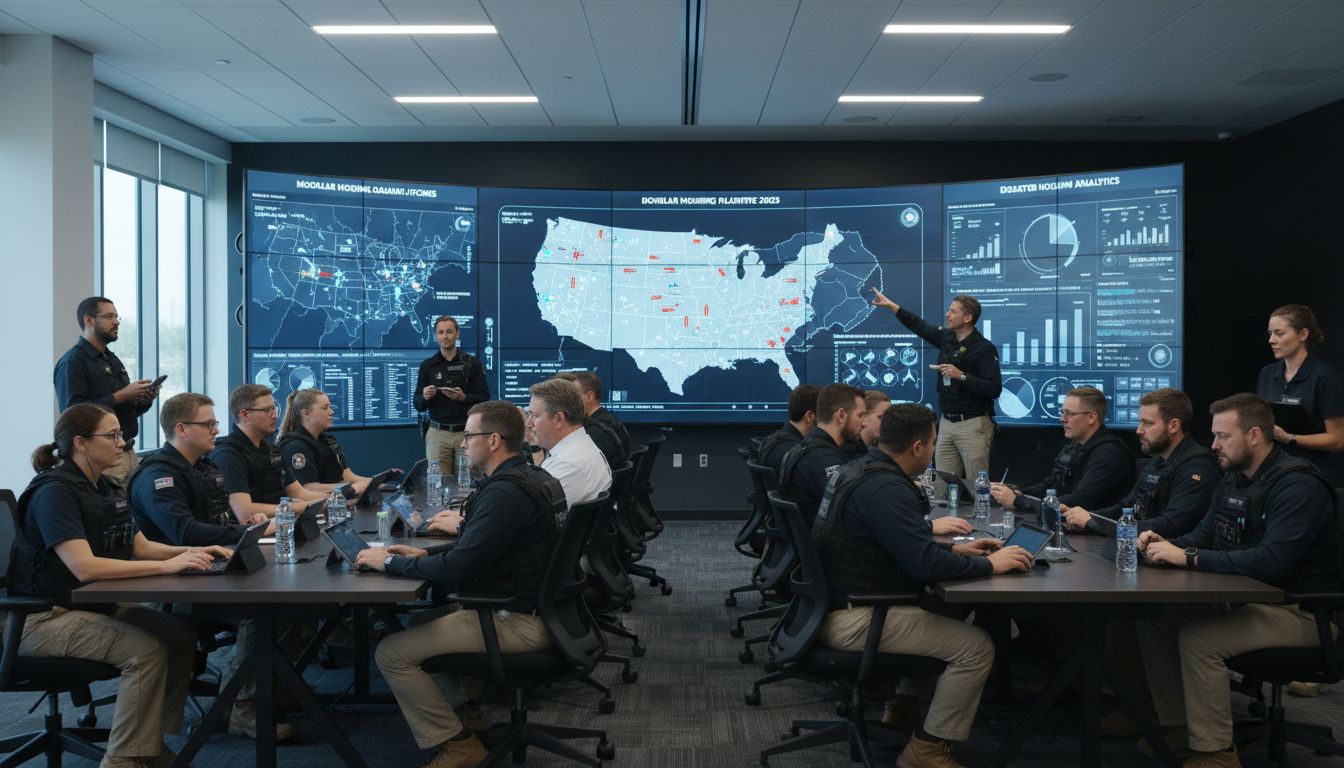
FEMA is revolutionizing disaster housing through cutting-edge technological integration, leveraging advanced data analytics and geographic information systems (GIS) to transform emergency response strategies. These technological tools enable precise assessment of housing needs, identify optimal locations for temporary housing, and dramatically streamline resource allocation during complex disaster recovery efforts.
Key technological innovations in disaster housing now include:
- Artificial intelligence-powered damage assessment
- Real-time geospatial mapping of housing availability
- Predictive analytics for resource deployment
- Digital platforms for seamless inter-agency communication
- Mobile applications for rapid housing registration
HUD underscores the critical role of digital platforms in facilitating efficient data collection, analysis, and dissemination. These technological solutions not only improve coordination among various agencies but also enable more responsive and targeted housing assistance for disaster-affected populations.
As technology continues to evolve, disaster housing is becoming increasingly adaptive and intelligent. Housing Placement Workflow Guide resources demonstrate how emerging technologies are creating more personalized, rapid, and effective housing solutions. The future of disaster housing lies in smart, interconnected systems that can quickly assess needs, allocate resources, and provide meaningful support to individuals and communities during their most vulnerable moments.
Legal and Regulatory Changes for 2025
Senator Warren’s Housing Survivors of Major Disasters Act of 2024 marks a significant legislative transformation in disaster housing assistance. This groundbreaking legislation introduces expanded eligibility criteria by allowing disaster aid to be used for establishing property ownership and broadening the types of evidence accepted to prove residency, fundamentally changing how survivors can access critical housing support.
Key regulatory modifications in 2025 include:
- More flexible documentation requirements
- Broader definitions of disaster-impacted populations
- Simplified application processes for housing assistance
- Enhanced protections for vulnerable populations
- Streamlined inter-agency coordination mechanisms
HUD is further supporting these changes through strategic funding initiatives, allocating $20 million in Capital Fund Emergency/Natural Disaster Funding for Fiscal Year 2024. This funding enables Public Housing Agencies to repair damages that exceed insurance reimbursements, ensuring rapid restoration of housing facilities and providing a critical safety net for communities recovering from disasters.
Emergency Response Trends resources indicate that these legal and regulatory changes represent a more holistic, survivor-centered approach to disaster housing. The evolving legislative landscape demonstrates a commitment to reducing bureaucratic barriers, improving accessibility, and creating more responsive support systems for individuals and communities facing unprecedented challenges.
Financial Implications and Insurance Coordination
Associated Press reporting reveals critical challenges in the National Flood Insurance Program (NFIP), which insures over 4.7 million properties and faced potential expiration in late 2025. This situation highlights the fragile ecosystem of disaster insurance, particularly in flood-prone regions where federal insurance coverage is mandatory for government-backed mortgages and essential for homeowner financial protection.
Key financial considerations for disaster housing in 2025 include:
- Complex insurance claim processing
- Increased risk assessment mechanisms
- Expanded coverage for climate-related disasters
- Accelerated claims settlement protocols
- Proactive financial planning strategies
Associated Press further illustrates the financial vulnerabilities in disaster response, noting how the Small Business Administration (SBA) exhausted its disaster assistance loan funds following major hurricanes. This funding depletion underscores the critical need for robust, flexible financial mechanisms to support affected homeowners and businesses during recovery periods.
7 Examples of Insurance Coordination Steps resources demonstrate that effective disaster housing financial strategies now require unprecedented levels of inter-agency collaboration, advanced risk modeling, and adaptive funding approaches. The emerging landscape demands a holistic view of financial resilience that goes beyond traditional insurance models, focusing on comprehensive recovery and long-term community sustainability.
Collaborative Approaches to Housing Placement
HUD’s Disaster Resources highlight the critical importance of multi-agency collaboration in addressing disaster housing challenges. By fostering coordinated responses between federal, state, and local agencies, these collaborative efforts create a comprehensive framework for effectively supporting individuals and communities displaced by catastrophic events.
Key collaborative strategies for housing placement include:
- Integrated data sharing platforms
- Unified needs assessment protocols
- Cross-agency referral systems
- Synchronized resource allocation
- Streamlined communication channels
- Flexible housing placement mechanisms
National Low Income Housing Coalition research underscores the necessity of inter-agency cooperation, detailing how different organizations can collectively provide temporary and permanent housing solutions. This collaborative approach ensures a more responsive, adaptable system that can quickly address diverse housing needs across various disaster scenarios.
Rehousing Process Steps resources demonstrate that successful housing placement now requires a holistic, interconnected approach. By breaking down traditional organizational silos and creating seamless communication pathways, agencies can develop more efficient, compassionate strategies that prioritize the unique needs of disaster survivors.
Navigate Disaster Housing Challenges with Expert Support
The 2025 disaster housing landscape reveals complex challenges including rapid deployment of temporary shelters, navigating new legal eligibility criteria, and coordinating insurance with emergency funding. If disaster has left you or your community displaced, the critical pain points of quick housing placement and effective collaboration can feel overwhelming. Concepts like modular housing, seamless inter-agency communication, and flexible financial solutions are vital—but difficult to manage alone.
At DisasterVictimServices.com, we specialize in bridging these gaps. Our compassionate team partners with government agencies, insurance carriers, and first responders to connect disaster victims to emergency housing quickly and efficiently. Explore our Project design resources to learn how innovative housing solutions can turn temporary shelter into a stable recovery path. For more insights on navigating post-disaster challenges, visit our Uncategorized knowledge base.
Don’t wait until housing needs become urgent or complicated. Reach out now to leverage trusted expertise and gain peace of mind as you rebuild. Visit DisasterVictimServices.com today and take the first step toward a safer, quicker path to recovery.
Frequently Asked Questions
What is disaster housing?
Disaster housing refers to temporary shelter and accommodations provided to individuals and families displaced by natural disasters. It is designed to offer safe and functional living spaces when traditional housing becomes uninhabitable.
How does FEMA assist with disaster housing?
FEMA provides comprehensive assistance through the Individuals and Households Program (IHP), which includes temporary housing units, financial help for home repairs, relocation support, and coverage for essential living expenses.
What are the emerging trends in disaster housing for 2025?
In 2025, disaster housing trends include modular and prefabricated units, adaptive reuse of commercial spaces, sustainable structures, and the incorporation of smart housing technologies for rapid deployment.
How is technology impacting disaster housing solutions?
Technology is transforming disaster housing through advanced data analytics, GIS for location assessment, and mobile applications for housing registration, allowing for quicker and more efficient responses to housing needs after disasters.
Recommended
- Current Disaster Trends 2025: Complete Expert Guide – Disaster Victim Services | Helping You Recover After Disaster
- Housing Accessibility Trends 2025: Key Insights for Disaster Recovery – Disaster Victim Services | Helping You Recover After Disaster
- Housing Accessibility Trends 2025: Key Insights for Disaster Recovery – Disaster Victim Services | Helping You Recover After Disaster
- Navigating Housing Assistance in 2025: A Guide for Disaster Recovery – Disaster Victim Services | Helping You Recover After Disaster