
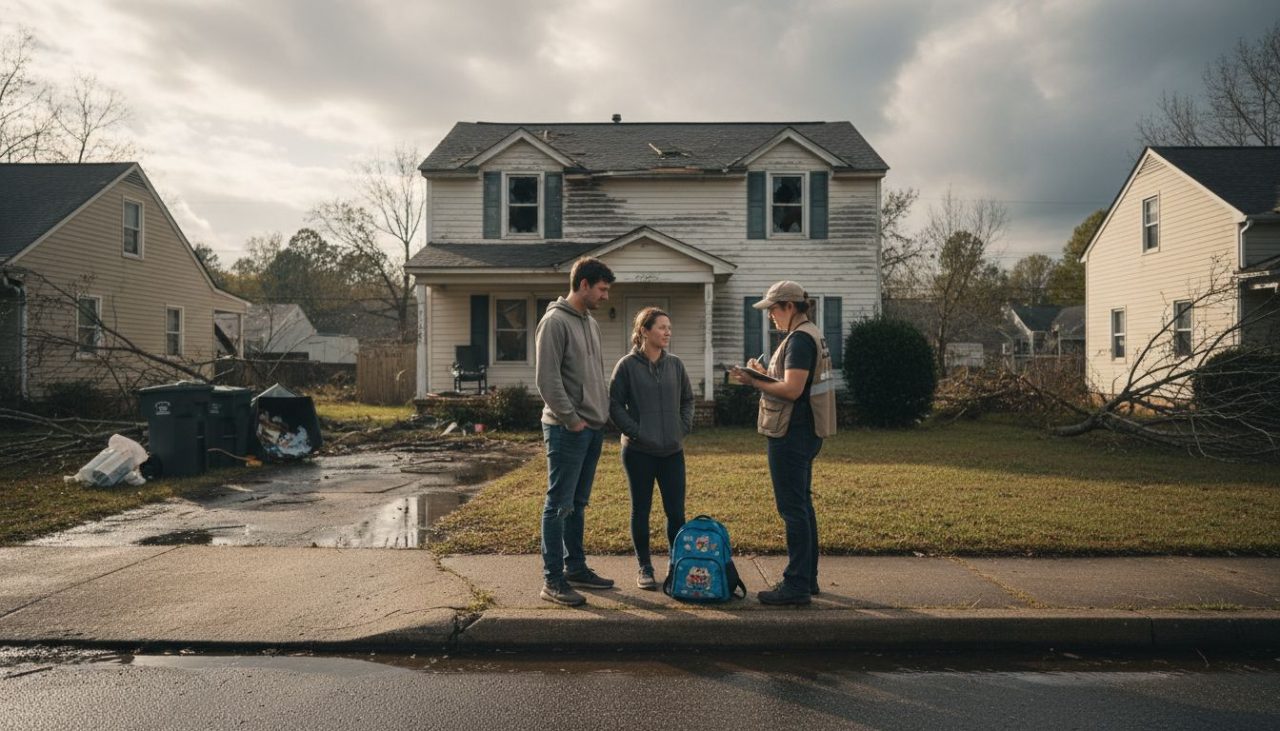
When disaster strikes, even the most prepared American families can find themselves scrambling for support. Nearly 70,000 households benefit each year from federal emergency housing programs, showing just how crucial these lifelines are during times of crisis. Whether you need urgent housing, guidance with insurance claims, or counseling support, understanding the many resources available can help you navigate the recovery process with confidence and speed.
Table of Contents
- Emergency Housing Assistance Programs
- Disaster Recovery Centers and Local Support
- Insurance Claims and Immediate Aid Process
- Federal and State Relief Agency Contacts
- Nonprofit and Community Organization Services
- Critical Health and Crisis Counseling Hotlines
- Logistics, Restoration, and Contractor Networks
Quick Summary
| Takeaway | Explanation |
|---|---|
| 1. Apply for Emergency Housing Vouchers | Access vital temporary housing support by applying for Emergency Housing Vouchers, especially if facing displacement due to emergencies. |
| 2. Utilize Disaster Recovery Centers | Find centralized assistance at Disaster Recovery Centers, where multiple resources and support services are combined for disaster victims. |
| 3. Document Insurance Claims Thoroughly | Maintain an organized folder with detailed documentation for effective processing of insurance claims and aid applications. |
| 4. Connect with Nonprofit Organizations | Explore community organizations at Disaster Recovery Centers that provide additional support and resources beyond government services. |
| 5. Save Mental Health Hotline Numbers | Keep a list of crisis counseling hotlines in your phone to access immediate mental health support following a disaster. |
1. Emergency Housing Assistance Programs
Disaster victims face urgent housing challenges that can overwhelm even the most prepared families. The Emergency Housing Voucher (EHV) program provides critical support for individuals and families suddenly displaced by emergencies, offering a lifeline during tumultuous times.
Through this federal program, approximately 70,000 housing choice vouchers become available to help families secure temporary housing quickly. These vouchers target populations experiencing significant housing instability, including those fleeing domestic violence, survivors of human trafficking, and families impacted by natural disasters.
Key Benefits of Emergency Housing Assistance
- Immediate housing placement support
- Financial assistance for rental payments
- Priority for vulnerable population groups
- Flexible housing location options
- Streamlined application process
The Emergency Rental Assistance program complements these efforts by providing additional funding to help households maintain housing stability during financial hardships. This means families can focus on recovery instead of worrying about their immediate shelter needs.
To qualify, applicants typically need to demonstrate financial need, displacement status, and meet specific program requirements. Documentation such as disaster impact statements, income verification, and identification will be crucial during the application process. Working closely with local housing authorities can significantly improve your chances of securing assistance quickly.
2. Disaster Recovery Centers and Local Support
When disaster strikes, finding immediate support can feel overwhelming. Disaster Recovery Centers (DRCs) serve as critical lifelines, offering comprehensive assistance to survivors navigating the complex aftermath of emergencies.
These centralized support hubs function as one-stop resources where individuals can access critical information and guidance from multiple organizations simultaneously. Unlike scattered support services, DRCs consolidate state, federal, and community resources under one roof, streamlining the recovery process for disaster victims.
What Makes Disaster Recovery Centers Unique
- Centralized information access
- Multilingual support staff
- Direct interaction with assistance providers
- Immediate resource connections
- Comprehensive recovery guidance
How to Find and Utilize DRC Services
Locating a nearby Disaster Recovery Center is straightforward. FEMA provides comprehensive information about local center locations through their official website and helpline. When visiting a center, bring important documents such as identification, insurance information, and proof of residence to expedite your assistance process.
Staff at these centers can help you navigate various support programs, including emergency housing, financial assistance, medical support, and counseling services. Their goal is to reduce your stress and provide clear, actionable pathways toward recovery.
Remember that DRC support extends beyond immediate disaster response. These centers help you understand long-term recovery strategies, connect with local support networks, and access resources tailored to your specific needs.
3. Insurance Claims and Immediate Aid Process
Navigating insurance claims after a disaster can feel like solving a complex puzzle while managing significant emotional stress. Disaster Recovery Centers provide critical support to help survivors understand and successfully process their insurance and assistance applications.
Understanding the Claims Process
Insurance claims represent your financial lifeline during recovery. The process requires careful documentation, strategic communication, and persistent follow through. Quick and accurate reporting can significantly accelerate your path to receiving emergency funds and support.
Key Steps for Effective Insurance Claims
- Document all disaster related damages
- Photograph everything before cleanup begins
- Keep detailed expense records
- Communicate promptly with insurance providers
- Understand your specific policy coverage
FEMA specialists at Disaster Recovery Centers can help clarify complex paperwork, explain available assistance types, and guide you through submitting necessary documents to processing centers.
Professional tip: Create a dedicated folder for all disaster related documents. Include insurance policies, damage photographs, repair estimates, and correspondence. This organized approach will streamline your claims process and provide a clear paper trail for reimbursement.
Remember that persistence and thorough documentation are your strongest allies in securing the support you need during challenging times. Take your time, ask questions, and do not hesitate to seek professional guidance when navigating insurance claims and immediate aid processes.
4. Federal and State Relief Agency Contacts
In the immediate aftermath of a disaster, knowing exactly who to contact can make the difference between quick recovery and prolonged hardship. Disaster Recovery Centers serve as crucial information hubs where survivors can access comprehensive support from multiple government agencies.
Essential Federal and State Agency Contacts
- Federal Emergency Management Agency (FEMA)
- Small Business Administration (SBA)
- Department of Housing and Urban Development (HUD)
- State Emergency Management Offices
- American Red Cross
- Local Government Disaster Response Teams
- Voluntary Organizations Active in Disaster (VOAD)
Strategic Contact Approach
When reaching out to relief agencies, preparation is key. Create a folder with essential documents including identification, insurance information, property damage evidence, and personal contact details. This organized approach will streamline your interactions with various support organizations.
Disaster Recovery Centers provide direct access to representatives who can clarify complex assistance programs. These centers function as comprehensive support stations where multilingual specialists can help you navigate federal and state relief options.
Pro tip: Save critical contact numbers in your phone and keep a physical backup in your emergency kit. Include helpline numbers for FEMA, your state emergency management office, and local disaster relief coordinators. Quick access to these contacts can significantly reduce stress during challenging recovery periods.
5. Nonprofit and Community Organization Services
Disaster recovery extends far beyond government assistance. Disaster Recovery Centers showcase the collaborative power of community organizations working together to support survivors during challenging times.
Key Nonprofit Support Organizations
- American Red Cross
- Salvation Army
- United Way
- Catholic Charities
- Local Community Foundations
- Voluntary Organizations Active in Disaster (VOAD)
- Local Faith Based Organizations
These organizations provide critical services that fill gaps traditional government programs might miss. From emergency shelter and meal distribution to emotional support and long term rebuilding assistance, nonprofits offer comprehensive care tailored to individual community needs.
Strategic Community Support Approach
Disaster Recovery Centers offer direct connections to multiple support networks. When visiting these centers, survivors can learn about specialized programs designed to address unique challenges such as temporary housing, medical assistance, counseling services, and financial support.
Pro tip: Document every interaction and request for assistance. Many nonprofit organizations have limited resources and operate on a first come first served basis. Being prepared with clear documentation can help streamline your support acquisition process and demonstrate your specific needs effectively.
6. Critical Health and Crisis Counseling Hotlines
Trauma and emotional distress following a disaster can be as challenging as physical damage, making immediate mental health support crucial. Disaster Recovery Centers recognize the importance of comprehensive healing by connecting survivors with critical counseling resources.
Essential Crisis Support Hotlines
- National Disaster Distress Helpline
- SAMHSA Mental Health Crisis Line
- Veterans Crisis Line
- National Suicide Prevention Lifeline
- American Red Cross Support Services
- Trauma Survivor Network Helpline
- Local Community Mental Health Centers
Strategic Mental Health Support Approach
FEMA specialists can help explain available assistance types including mental health resources beyond immediate crisis intervention. These hotlines provide free, confidential support for individuals experiencing emotional trauma, anxiety, depression, and post traumatic stress related to disaster experiences.
Pro tip: Save these critical hotline numbers in your phone and share them with family members. Mental health support is not a sign of weakness but a crucial step in comprehensive disaster recovery. Remember that seeking help is a strength, not a vulnerability.
7. Logistics, Restoration, and Contractor Networks
Recovering from a disaster requires strategic coordination between multiple professional networks. The Disaster Debris Recovery Tool helps survivors navigate complex restoration challenges by connecting them with specialized facilities and professional support services.
Key Professional Restoration Networks
- Certified Disaster Mitigation Contractors
- Emergency Restoration Specialists
- Debris Management Professionals
- Structural Engineering Teams
- Insurance Claim Adjustment Services
- Environmental Cleanup Experts
- Temporary Housing Coordination Teams
Strategic Recovery Network Approach
Disaster Recovery Centers provide critical in person support connecting survivors with professional networks capable of comprehensive recovery assistance. These networks work collaboratively to address structural damage, debris removal, insurance claims processing, and long term restoration strategies.
Pro tip: Request professional credentials, insurance documentation, and references before engaging any restoration contractor. Verify their specific experience with your type of disaster damage and confirm they are licensed to work in your specific geographic region. Documentation and due diligence will protect you from potential fraudulent or inadequate service providers.
Below is a comprehensive table summarizing the key aspects of emergency housing assistance, disaster recovery centers, insurance claims processing, and support networks offered during disaster recovery.
| Topic | Description | Key Benefits/Outcomes |
|---|---|---|
| Emergency Housing Assistance | Programs providing vouchers and rental assistance for displaced families. | Immediate housing support, prioritization for vulnerable groups. |
| Disaster Recovery Centers (DRCs) | Centralized locations for accessing support from multiple organizations. | Streamlined resource access and recovery guidance. |
| Insurance Claims Process | Steps for managing and documenting disaster-related claims. | Accelerated claims processing and financial recovery. |
| Federal and State Relief Contacts | Essential contacts like FEMA and HUD for disaster assistance. | Comprehensive support from organized relief networks. |
| Nonprofit and Community Services | Support from organizations like the Red Cross and United Way. | Holistic services including shelter, meals, and emotional support. |
| Crisis Counseling Hotlines | Mental health support through dedicated crisis hotlines. | Confidential support for emotional and psychological healing. |
| Restoration and Contractor Networks | Professional service networks for coordinated disaster recovery. | Effective restoration strategies and protection against fraud. |
Accelerate Your Disaster Recovery Journey with Trusted Support
Facing sudden displacement and the overwhelming challenge of navigating emergency housing, insurance claims, and coordinated disaster relief requires timely expert help. This article highlights critical resources like Emergency Housing Vouchers and Disaster Recovery Centers designed to stabilize your situation immediately. We understand the urgent need for fast, compassionate solutions that connect you smoothly with housing, financial aid, and professional recovery networks.
At DisasterVictimServices.com, we specialize in turning these challenges into manageable steps by working closely with government agencies, insurance carriers, and first responders. Our team provides 24/7 emergency assistance, temporary housing coordination, and expert guidance through complex claims and logistical hurdles. Explore practical strategies in our Uncategorized category to learn more about the recovery process. For those interested in how structured recovery efforts come together, visit our Project design page to see how we build effective disaster response frameworks.
Do not wait to take control of your recovery. For immediate, compassionate support that connects you to critical disaster relief resources and streamlines your path forward, visit DisasterVictimServices.com now. Let us help you move confidently from crisis toward restoration.
Frequently Asked Questions
What is the Emergency Housing Voucher program and how can it help?
The Emergency Housing Voucher program offers critical support to individuals and families displaced by disasters. To get started, apply through your local housing authority to secure a temporary housing voucher, which can help cover rental payments and prioritize placement for vulnerable populations.
How can I locate a Disaster Recovery Center in my area?
You can find a nearby Disaster Recovery Center by visiting the official FEMA website or calling their helpline. Make sure to bring important documents such as identification and proof of residence to streamline your visit and get the help you need.
What steps should I take when filing an insurance claim after a disaster?
Document all damages and keep detailed records of expenses to support your insurance claim. Write down any communications with your insurance provider to ensure a clearer claims process and to increase your chances of receiving timely assistance.
What types of nonprofit organizations provide disaster recovery assistance?
Numerous nonprofit organizations offer support services such as emergency shelter, meal distribution, and counseling. Reach out to local groups, like the American Red Cross and Salvation Army, to explore specific programs available in your community.
How can I access mental health support after a disaster?
You can find essential crisis support hotlines provided by various organizations that focus on mental health. Save these hotline numbers, such as the National Disaster Distress Helpline, to get immediate assistance if you’re experiencing emotional distress from the disaster.
What should I consider when hiring a contractor for disaster restoration?
Before hiring a contractor, verify their credentials, insurance, and relevant experience with disaster recovery. Request references and documentation to ensure you choose a qualified service provider, which can help protect you from potential fraud or inadequate services.
Recommended
- 7 Key Types of Disaster Aid Every Family Should Know – Disaster Victim Services | Helping You Recover After Disaster
- 7 Essential Disaster Victim Support Tips for Fast Recovery – Disaster Victim Services | Helping You Recover After Disaster
- 8 Essential Steps for Your Disaster Recovery Checklist 2025 – Disaster Victim Services | Helping You Recover After Disaster
- 7 Essential Support Services for Disaster Victims Explained – Disaster Victim Services | Helping You Recover After Disaster