
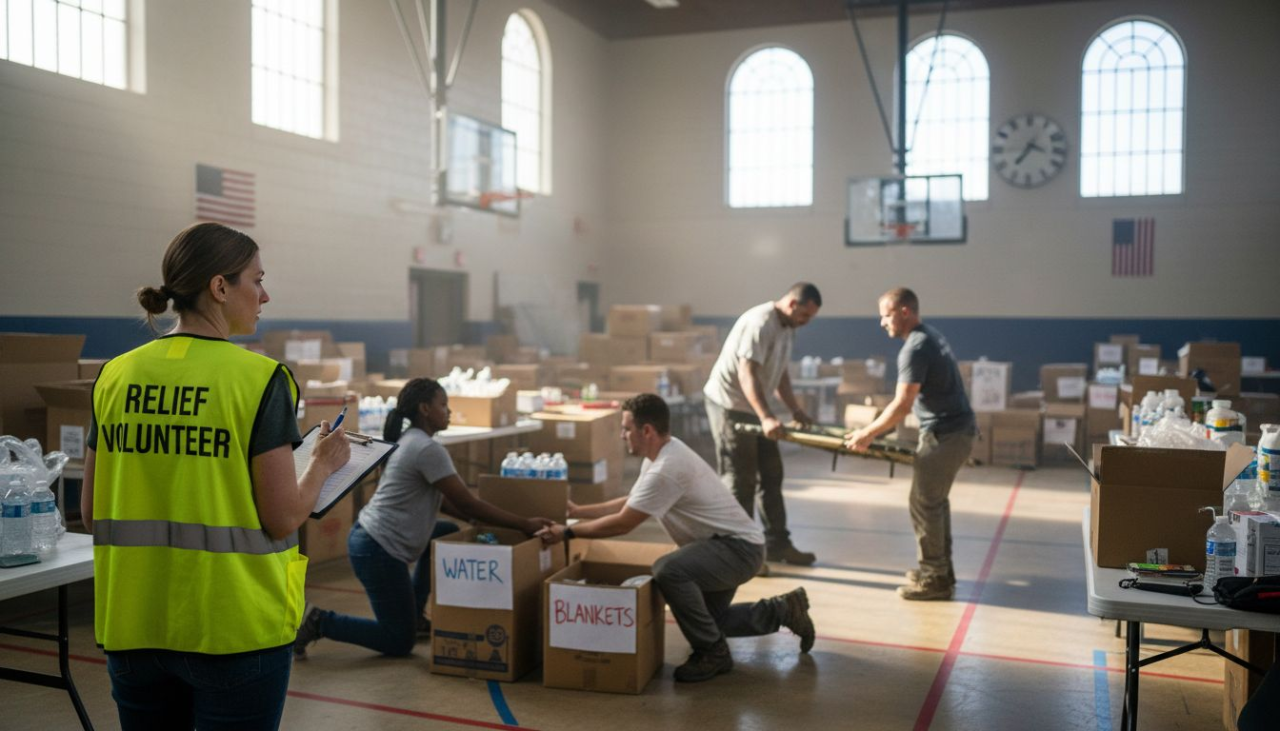
Nearly 75 percent of American disaster relief operations rely on strong partnerships with NGOs for effective emergency response. As disasters strike communities across the United States, the gap between immediate need and coordinated relief can challenge even the most prepared teams. This guide unpacks how NGO collaboration streamlines American disaster response and ensures timely housing assistance, spotlighting impact strategies that matter for every nonprofit professional and disaster response coordinator.
Table of Contents
- Defining NGOs In U.S. Disaster Relief
- Key Types And Functions Of Disaster NGOs
- Emergency Housing And Resource Coordination
- Legal Frameworks Governing NGO Operations
- Challenges Facing NGOs In Disaster Response
- Best Practices For Collaboration And Recovery
Key Takeaways
| Point | Details |
|---|---|
| Role of NGOs | NGOs are essential in U.S. disaster relief, providing humanitarian assistance and long-term recovery support. |
| Types of NGOs | Disaster relief NGOs vary in focus, including emergency response, preparedness, and long-term recovery efforts. |
| Challenges Faced | NGOs encounter challenges such as resource limitations and coordination gaps, impacting their operational efficiency. |
| Best Practices | Effective collaboration and clear communication protocols are critical for successful disaster recovery and response. |
Defining NGOs in U.S. Disaster Relief
Nongovernmental Organizations (NGOs) play a critical role in United States disaster relief, serving as essential partners in emergency response and long-term recovery efforts. These independent, mission-driven entities operate outside direct government control, focusing on providing humanitarian assistance during crisis situations. Humanitarian NGOs have become vital actors in emergency assistance, regularly delivering essential services such as food, shelter, and medical aid.
The landscape of NGO involvement in disaster relief has dramatically transformed over recent decades. Rather than functioning solely as relief providers, modern NGOs now engage in comprehensive disaster risk reduction strategies. They collaborate closely with government agencies, local communities, and private sector partners to develop holistic approaches that address immediate needs while simultaneously building long-term resilience. The evolving role of NGOs extends beyond traditional relief-centric functions to include strategic risk mitigation and community preparedness.
Typically, U.S. disaster relief NGOs focus on several key areas: emergency response, recovery support, resource mobilization, and community rebuilding. Their work encompasses coordinating volunteer efforts, managing emergency shelters, distributing critical supplies, and providing psychological support to affected populations. Unlike government agencies constrained by bureaucratic processes, NGOs can often respond more rapidly and flexibly to emerging disaster needs.
Pro Tip: When seeking disaster relief support, research local and national NGOs with proven track records in emergency response to maximize your access to comprehensive assistance.
Key Types and Functions of Disaster NGOs
Disaster relief NGOs in the United States encompass a diverse range of organizational types, each specializing in unique aspects of emergency response and recovery. Organizations span multiple categories, from food relief to housing rebuilders and medical operation specialists, reflecting the complex ecosystem of humanitarian assistance in crisis situations.
The nonprofit landscape includes several critical categories of disaster response entities. Long-term recovery groups, faith-based organizations, and grassroots nonprofits play distinctive roles in sheltering, food distribution, economic recovery, and case management. These organizations are distinguished by their organizational structure, mission focus, and collaborative approaches. Some specialize in immediate emergency response, while others concentrate on sustained community rebuilding and psychological support for disaster-affected populations.
Typically, disaster NGOs can be categorized into several key functional groups. Emergency response organizations provide rapid intervention during crisis events, delivering critical supplies and immediate medical assistance. Preparedness organizations focus on education and risk mitigation, helping communities develop resilience before disasters strike. Long-term recovery NGOs work extensively with affected communities, supporting economic rehabilitation, rebuilding infrastructure, and providing ongoing social support services. These varied approaches ensure a comprehensive support system that addresses both immediate and extended community needs.
Pro Tip: Research multiple disaster relief NGOs to understand their specific missions and capabilities, ensuring you can connect with the most appropriate organization during different stages of disaster recovery.
Here’s a summary highlighting the major categories of disaster NGOs and their unique contributions:
| NGO Category | Primary Role | Key Activities | Business Impact |
|---|---|---|---|
| Emergency Response | Immediate crisis intervention | Rapid aid delivery, medical response | Reduces initial disaster impact |
| Preparedness Organizations | Risk reduction and education | Community training, mitigation planning | Builds long-term resilience |
| Long-Term Recovery | Sustained support and rebuilding | Infrastructure repair, economic aid | Enables economic recovery |
| Faith-Based and Grassroots | Community-centric assistance | Case management, emotional support | Strengthens local engagement |
Emergency Housing and Resource Coordination
Emergency housing coordination represents a critical lifeline for disaster-affected communities, requiring sophisticated collaboration between multiple stakeholders. NGOs implement comprehensive year-round strategies for emergency shelter, addressing health, water, and sanitation needs through intricate partnership frameworks that connect government agencies, local communities, and support organizations.
The resource coordination process involves multiple strategic phases designed to transition disaster survivors from immediate emergency housing to more stable long-term solutions. Nonprofit organizations develop comprehensive referral networks that rapidly assess individual needs, matching displaced families with appropriate temporary housing options. These networks integrate complex assessment protocols, considering factors like family size, medical requirements, economic circumstances, and regional disaster impacts to create personalized housing placement strategies.
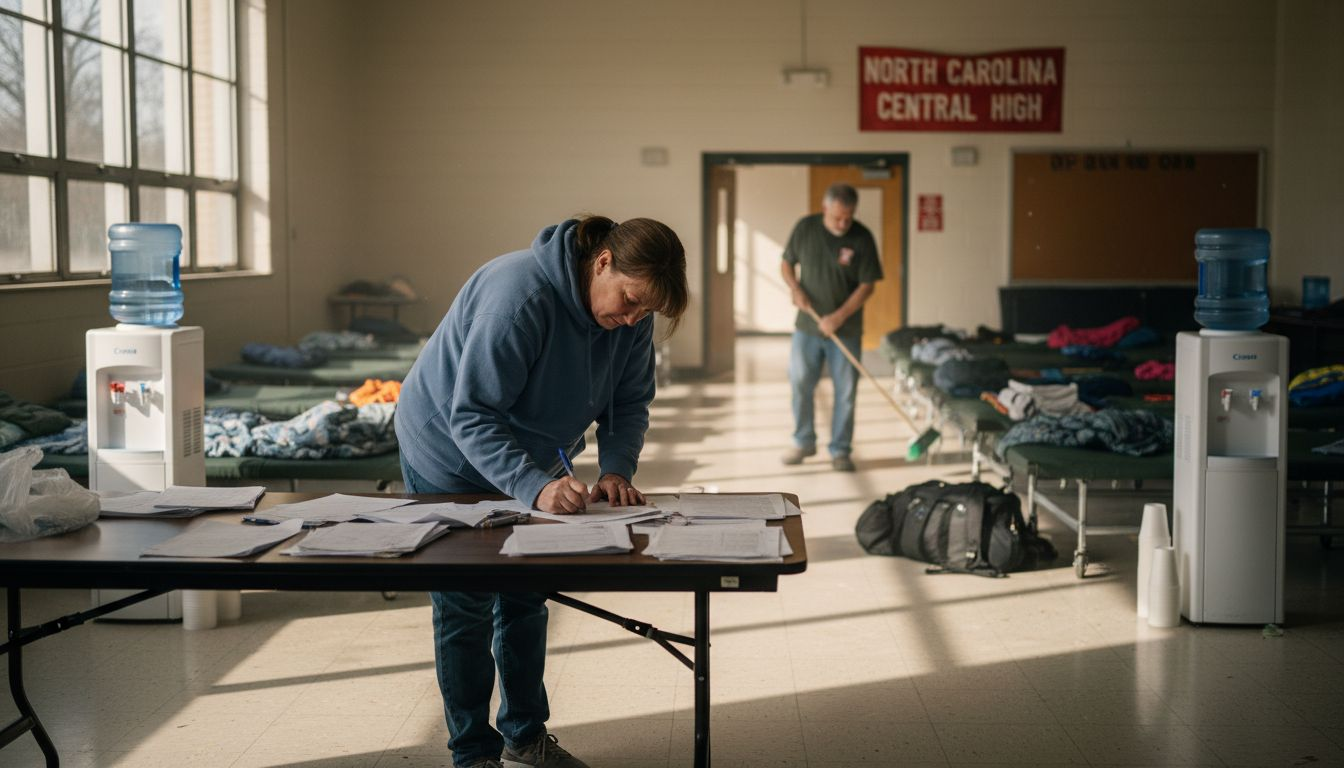
Successful emergency housing coordination demands robust communication infrastructure and adaptable response mechanisms. NGOs typically establish centralized coordination centers that serve as information hubs, tracking available resources, managing housing inventories, and facilitating rapid placement of displaced individuals. These centers work closely with local government agencies, emergency management departments, and community support networks to create seamless transition pathways that minimize disruption and provide comprehensive support throughout the recovery process.
Pro Tip: Create a comprehensive emergency housing portfolio in advance, documenting your specific needs, medical requirements, and family circumstances to expedite placement during potential disaster scenarios.
Legal Frameworks Governing NGO Operations
The Federal Disaster Response and Recovery Legal Framework establishes crucial guidelines for NGO operations, defining the intricate legal relationships between nonprofit organizations, government agencies, and disaster-affected communities. The Stafford Act serves as a cornerstone legislation that outlines specific protocols for disaster response, determining how NGOs can legally engage in emergency management and relief efforts across different jurisdictional levels.
Nonprofit organizations must navigate complex regulatory requirements that govern their disaster relief activities. These legal frameworks define operational responsibilities, compliance standards, and coordination protocols with federal and local agencies, ensuring accountability and maintaining high standards of humanitarian assistance. The legal landscape requires NGOs to demonstrate transparent financial management, clear mission alignment, and rigorous adherence to both national humanitarian standards and specific disaster response regulations.
Operational legal compliance involves multiple layers of regulatory oversight. NGOs must register with appropriate federal and state authorities, maintain detailed documentation of their disaster response activities, and demonstrate their capacity to deliver targeted assistance effectively. This includes meeting stringent reporting requirements, maintaining proper insurance coverage, protecting volunteer and beneficiary rights, and ensuring that all relief efforts align with established emergency management protocols.
Pro Tip: Maintain comprehensive legal documentation and develop a robust compliance strategy that anticipates potential regulatory requirements before engaging in disaster relief operations.
Challenges Facing NGOs in Disaster Response
Academic research systematically identifies critical challenges confronting disaster response NGOs, revealing complex organizational and operational obstacles that significantly impact their effectiveness. These challenges extend beyond immediate logistical constraints, encompassing intricate systemic barriers that prevent seamless disaster relief implementation across diverse geographic and demographic contexts.
Nonprofit organizations routinely encounter multifaceted challenges in disaster response, including resource allocation limitations, communication infrastructure breakdowns, and coordination gaps between different governmental and non-governmental entities. Funding volatility presents a persistent challenge, with many NGOs struggling to maintain consistent operational capabilities during extended recovery periods. These organizations must simultaneously manage rapidly changing disaster landscapes, navigate complex regulatory environments, and meet increasingly sophisticated community needs while maintaining financial sustainability.
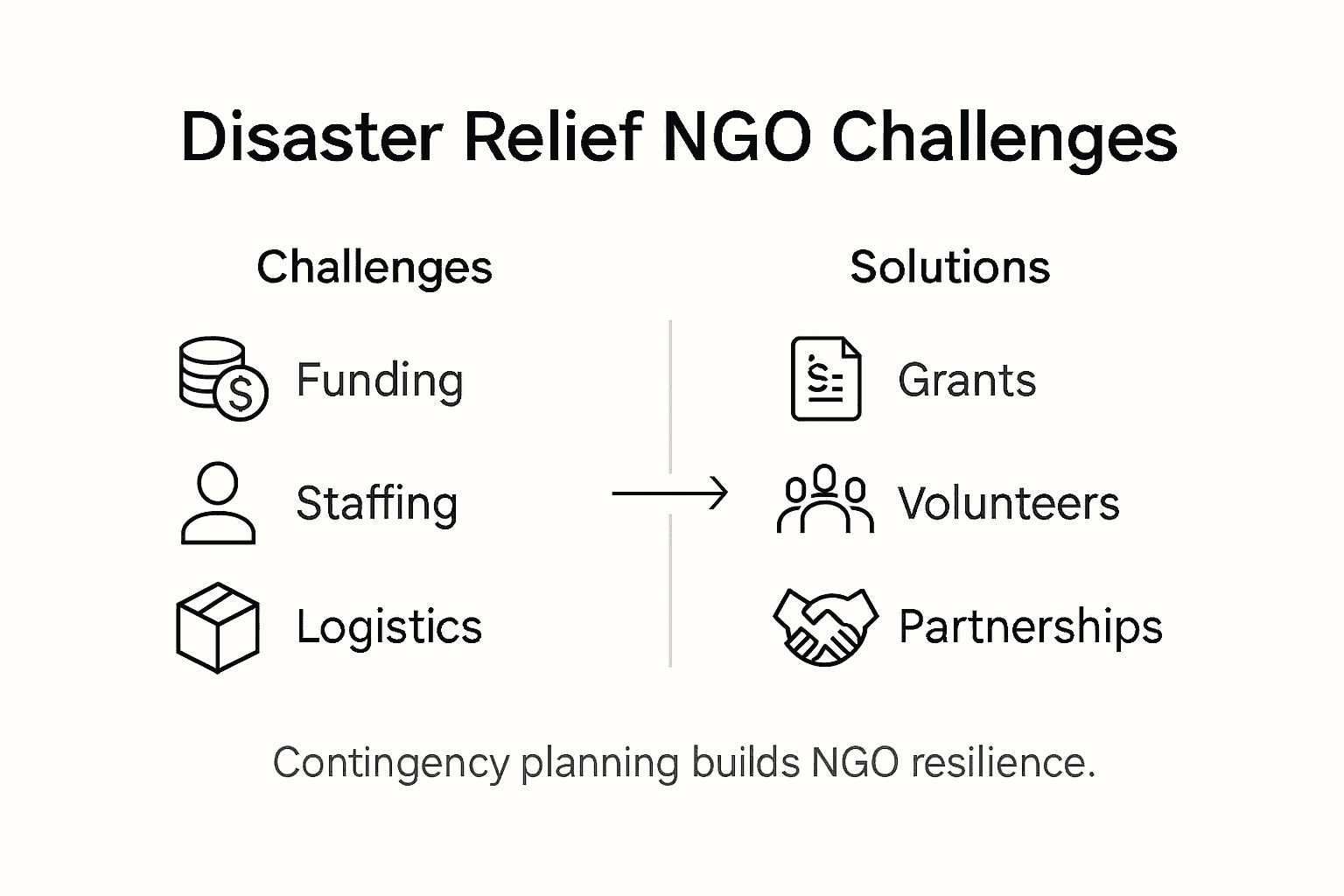
The most significant challenges emerge from structural inefficiencies within disaster response ecosystems. Communication breakdowns between federal, state, and local agencies can create substantial delays in resource deployment, while inconsistent funding models undermine long-term strategic planning. NGOs must develop adaptive strategies that allow rapid scaling of operations, flexible resource allocation, and sophisticated inter-organizational collaboration to overcome these systemic limitations. Technology integration, comprehensive training programs, and robust partnership frameworks have emerged as critical strategies for addressing these persistent operational challenges.
Pro Tip: Develop comprehensive contingency plans that include multiple funding sources and flexible operational protocols to enhance organizational resilience during unpredictable disaster scenarios.
The table below compares common challenges faced by disaster NGOs, along with their effects and recommended mitigation strategies:
| Challenge | Effect on NGO Operations | Recommended Strategy |
|---|---|---|
| Resource Limitations | Slows response and recovery | Diversify funding sources |
| Communication Breakdown | Causes delays, confusion | Invest in robust technology systems |
| Coordination Gaps | Duplicate efforts, wasted resources | Establish centralized coordination centers |
| Regulatory Complexity | Increases administrative burden | Implement proactive compliance plans |
| Funding Volatility | Undermines strategic planning | Secure long-term donor commitments |
Best Practices for Collaboration and Recovery
The National Disaster Recovery Framework establishes comprehensive guidelines for unified post-disaster collaborative operations, emphasizing strategic coordination between government agencies, nonprofit organizations, and community stakeholders. These guidelines provide critical infrastructure for developing resilient, adaptive recovery strategies that address complex humanitarian challenges across diverse disaster scenarios.
Effective collaboration requires establishing clear communication protocols, defining shared objectives, and creating flexible operational frameworks that can rapidly respond to changing community needs. Successful recovery efforts demand robust inter-organizational partnerships that transcend traditional bureaucratic boundaries. This involves developing integrated decision-making processes, sharing real-time information resources, and creating mutually supportive intervention strategies that leverage each organization’s unique strengths and capabilities.
Key best practices for collaborative disaster recovery include creating comprehensive communication systems, establishing centralized coordination centers, and developing standardized assessment protocols. Organizations must prioritize transparent information sharing, develop cross-functional training programs, and create adaptive response mechanisms that can quickly redistribute resources based on emerging community requirements. Technology integration, data-driven decision making, and continuous performance evaluation are critical components of effective collaborative recovery strategies.
Pro Tip: Develop comprehensive memorandums of understanding between participating organizations to clarify roles, responsibilities, and communication protocols before disaster events occur.
Strengthen Your Disaster Recovery with Expert Support
The article highlights the vital role NGOs play in coordinating emergency housing and resource management amid disaster relief efforts across the United States. If you are navigating the complex challenges of sudden displacement, delayed housing placement, or fragmented communication between agencies, these pain points can make recovery feel overwhelming. DisasterVictimServices.com addresses these specific hurdles by offering 24/7 emergency housing coordination coupled with seamless collaboration among insurance carriers, government bodies, and first responders. Their experience in managing resource allocation and facilitating rapid shelter transitions ensures you are not left behind when every moment counts.
Take control of your recovery journey by partnering with professionals who understand the nuances of disaster response and community rebuilding. Explore real-life guidance and valuable insights on disaster displacement in the Uncategorized – Disaster Victim Services | Helping You Recover After Disaster section of our site. Don’t wait for the challenges to mount. Visit DisasterVictimServices.com now to connect with compassionate experts ready to simplify your path from crisis to restoration. For additional resources, check our Uncategorized – Disaster Victim Services | Helping You Recover After Disaster page and get proactive support today.
Frequently Asked Questions
What role do NGOs play in U.S. disaster relief?
Nongovernmental Organizations (NGOs) provide critical humanitarian assistance in U.S. disaster relief, focusing on emergency response, resource mobilization, and long-term community rebuilding efforts.
How do NGOs differ from government agencies in disaster response?
NGOs operate independently of direct government control and can respond more quickly and flexibly to disaster needs, while government agencies often face bureaucratic limitations that can slow their response.
What types of services do disaster relief NGOs offer?
Disaster relief NGOs deliver essential services such as food distribution, emergency shelter management, medical assistance, and psychological support to affected communities during and after disasters.
What challenges do NGOs face in disaster response?
NGOs encounter challenges such as resource limitations, communication breakdowns, funding volatility, and regulatory complexities, which can hinder their effectiveness in providing timely and comprehensive aid.
Recommended
- How to Deploy Aid: Effective Strategies for Disaster Response 2025 – Disaster Victim Services | Helping You Recover After Disaster
- Role of Collaboration in Disaster Response Impact – Disaster Victim Services | Helping You Recover After Disaster
- Disaster Recovery Phases Explained for 2025: Guide for Victims, Pros & Agencies – Disaster Victim Services | Helping You Recover After Disaster
- Nationwide Disaster Support—Why Every State Needs It – Disaster Victim Services | Helping You Recover After Disaster