
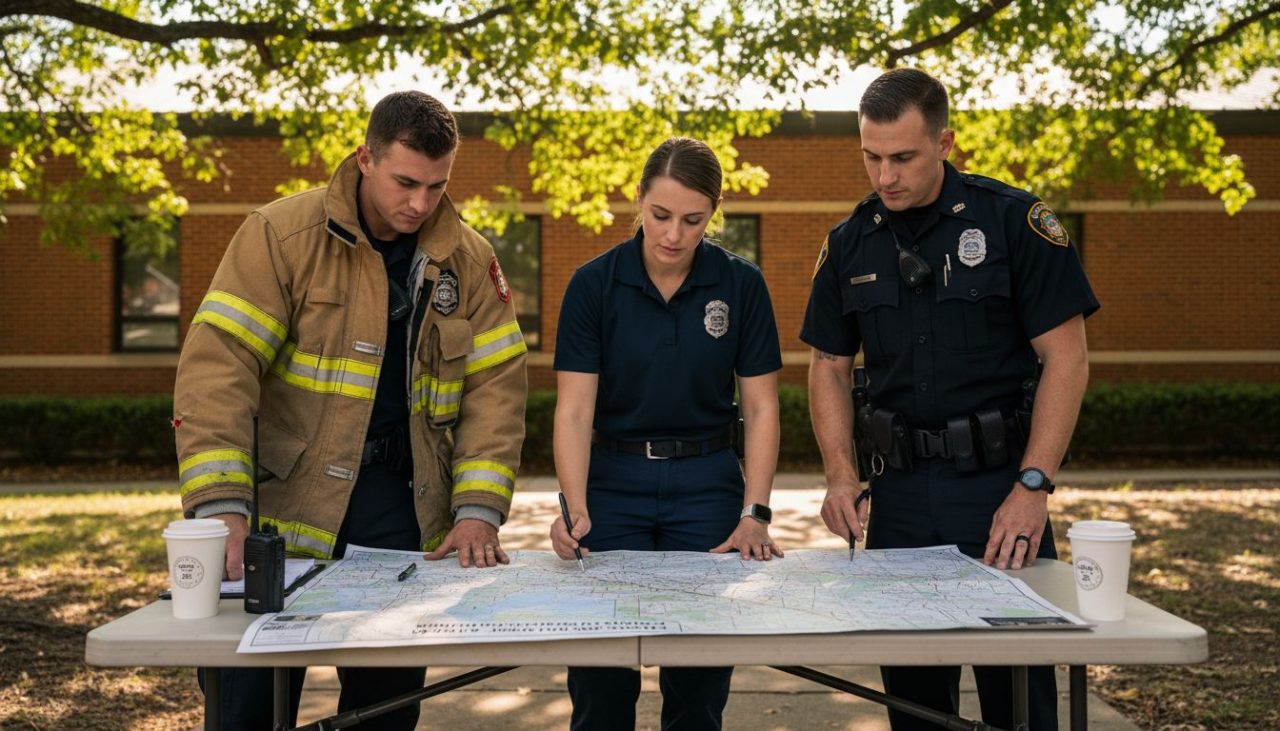
When rapid disasters strike, American emergency response relies on more than quick action alone. Research shows that deeply integrated collaboration can reduce operational failures by nearly 40 percent during chaotic events. As storms, wildfires, and floods grow more frequent, understanding how various agencies, community resources, and support systems work together becomes crucial for effective disaster relief. This guide sheds light on what true collaboration means in an American context and why it matters for protecting lives and rebuilding communities.
Table of Contents
- Defining Collaboration In Disaster Response Context
- Types Of Agencies Involved In Disaster Response
- How Coordination Improves Emergency Outcomes
- Essential Roles Of Insurance And Government Partners
- Overcoming Common Barriers To Collaboration
Key Takeaways
| Point | Details |
|---|---|
| Collaboration is Key | Effective disaster response relies on deep integration among diverse stakeholders, promoting shared responsibility and accountability. |
| Role of Agencies | A successful response involves federal, state, local, and non-governmental organizations, each contributing unique capabilities and resources. |
| Importance of Coordination | Establishing clear communication and decision-making frameworks enhances response effectiveness and reduces response time during emergencies. |
| Overcoming Barriers | Systematic approaches are required to dismantle communication breakdowns and cultural differences that hinder collaboration in disaster response. |
Defining Collaboration in Disaster Response Context
Collaboration in disaster response represents a strategic, multifaceted approach where diverse stakeholders unite to address complex emergency challenges effectively. Unlike simple coordination or cooperation, true collaboration involves deep integration, shared decision making, and synchronized efforts across different organizational boundaries. Comprehensive research frameworks underscore the critical importance of viewing disaster response as a shared responsibility among governmental agencies, relief organizations, healthcare providers, and community support networks.
At its core, collaborative disaster response transcends traditional organizational silos by establishing interconnected communication channels and mutual accountability. The nuanced distinctions between coordination, cooperation, and collaboration become particularly pronounced in high-stress emergency scenarios. Strategic analysis of relief supply chain management reveals that effective collaboration requires more than just information sharing—it demands active, synchronized problem solving and resource allocation.
Successful collaborative approaches typically involve several key characteristics:
- Transparent communication protocols
- Shared technological infrastructure
- Unified incident management systems
- Clear role definitions across responding agencies
- Rapid decision making mechanisms
- Flexible resource deployment strategies
Emergency professionals recognize that no single organization can manage complex disaster scenarios in isolation. By embracing a holistic collaborative model, response teams can dramatically improve their capacity to mitigate damage, save lives, and support affected communities through coordinated, strategic interventions.
Types of Agencies Involved in Disaster Response
Disaster response requires a complex network of specialized agencies working together to provide comprehensive emergency support. At the federal level, the Federal Emergency Management Agency (FEMA) plays a critical coordinating role, with specialized Urban Search and Rescue Task Forces that deploy rapidly to conduct critical rescue operations and medical assistance during catastrophic events. These highly trained teams represent just one component of a sophisticated emergency response ecosystem.
Non-governmental organizations also play pivotal roles in disaster recovery efforts. The American Red Cross emerges as a key humanitarian agency, providing essential services such as emergency shelter, food distribution, and immediate health support during crisis situations. Their ability to mobilize quickly and coordinate with governmental agencies makes them an indispensable partner in comprehensive disaster response strategies.
The landscape of disaster response agencies typically includes:
- Federal Government Agencies
- FEMA
- Department of Homeland Security
- National Guard
- State and Local Emergency Management
- State Emergency Operations Centers
- County and Municipal Emergency Services
- Healthcare and Medical Response
- Public Health Departments
- Emergency Medical Services
- Hospital Emergency Response Teams
- Humanitarian Organizations
- American Red Cross
- Salvation Army
- Local and National Relief Organizations
- Specialized Rescue Teams
- Urban Search and Rescue
- Hazardous Materials Response Units
- Technical Rescue Specialists
Effective disaster response demands seamless integration and communication among these diverse agencies. Each organization brings unique capabilities, resources, and expertise, creating a comprehensive safety net that can adapt to various emergency scenarios and provide critical support to affected communities.
How Coordination Improves Emergency Outcomes
Coordination represents the critical linchpin that transforms individual emergency response efforts into a unified, powerful intervention strategy. Communication dynamics during complex disaster scenarios reveal how synchronized organizational communication can dramatically enhance response effectiveness, particularly in high-stakes emergency situations where every moment counts. By establishing clear communication protocols and shared decision-making frameworks, emergency teams can significantly reduce response times and mitigate potential risks.
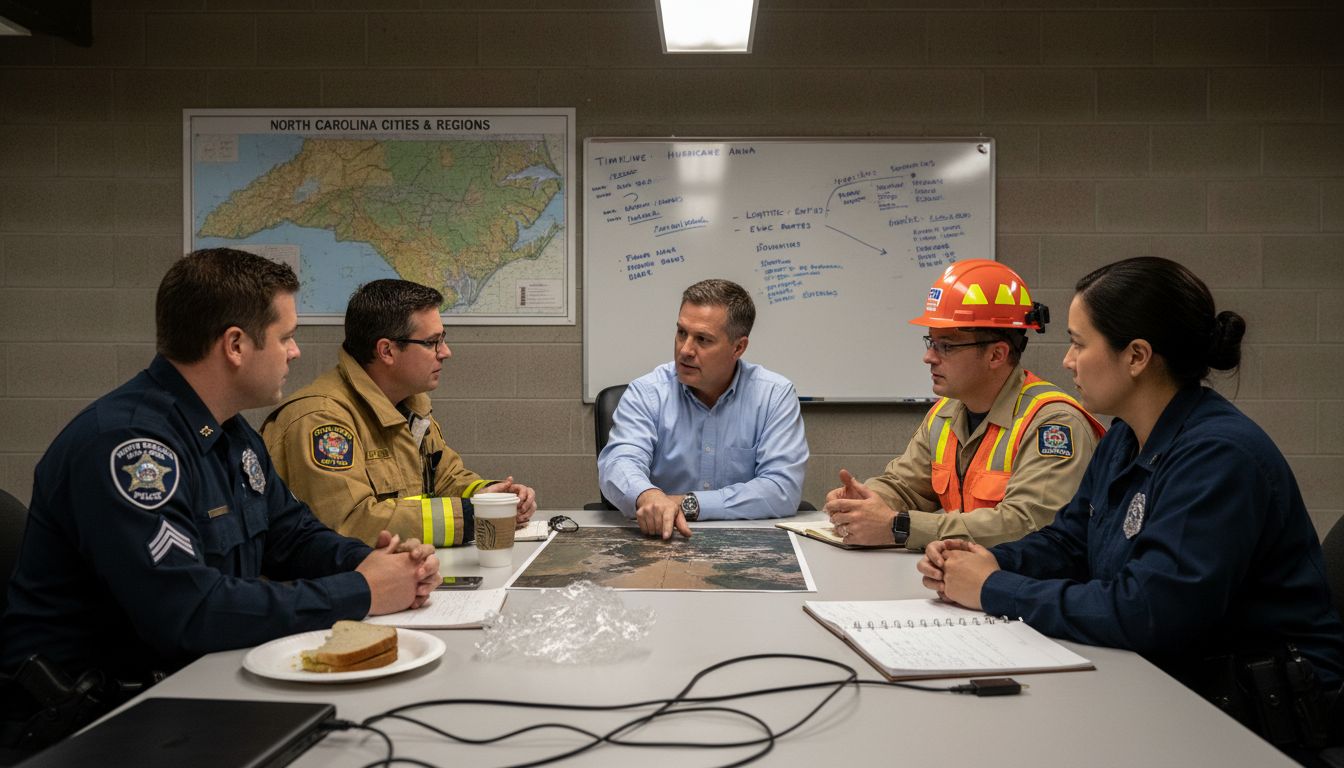
Advanced technological integration is revolutionizing coordination capabilities. Emerging Human-AI collaboration patterns demonstrate how intelligent systems can enhance situational awareness and decision-making processes during critical emergency interventions. These technological innovations enable real-time information sharing, predictive risk assessment, and more adaptive response strategies that can quickly adjust to rapidly changing disaster conditions.
Key benefits of effective emergency coordination include:
- Rapid information dissemination
- Streamlined resource allocation
- Reduced response time
- Minimized operational redundancies
- Enhanced inter-agency communication
- Improved situational understanding
- More efficient risk mitigation strategies
Successful coordination transcends mere communication—it represents a holistic approach to emergency management that integrates human expertise, technological capabilities, and strategic planning. By breaking down organizational barriers and creating seamless interdepartmental workflows, emergency response teams can transform potential chaos into structured, life-saving interventions that protect communities and minimize disaster impacts.
Essential Roles of Insurance and Government Partners
Disaster response demands intricate collaboration between insurance providers and government agencies, each playing a critical role in supporting affected communities. Federal agencies like FEMA and the U.S. Army Corps of Engineers provide foundational infrastructure and emergency management support, establishing critical protocols for rapid response and recovery initiatives. These organizations work systematically to assess damage, coordinate rescue operations, and develop comprehensive recovery strategies.
Public health emergency preparedness represents another crucial dimension of government partnership. The Administration for Strategic Preparedness and Response specializes in coordinating complex multi-agency responses, focusing on resilience and immediate medical intervention during catastrophic events. Their strategic approach ensures comprehensive health protection and rapid medical resource deployment across affected regions.
Key responsibilities of insurance and government partners include:
- Immediate damage assessment
- Emergency financial support
- Infrastructure restoration
- Medical resource coordination
- Temporary housing allocation
- Claims processing
- Community recovery planning
- Risk mitigation strategies
Successful disaster response hinges on seamless integration between insurance carriers and government agencies. By establishing clear communication channels, sharing critical resources, and maintaining flexible response protocols, these partners create a robust safety network that can adapt quickly to evolving emergency scenarios, ultimately protecting vulnerable communities and facilitating faster, more efficient recovery processes.
Overcoming Common Barriers to Collaboration
Communication breakdowns and organizational silos frequently impede effective disaster response efforts. Successful crisis management collaborations reveal that nonprofit partnerships require deliberate strategies to bridge institutional gaps and create seamless communication channels. These barriers often emerge from conflicting organizational cultures, incompatible technological systems, and deeply entrenched bureaucratic processes that resist rapid adaptation.
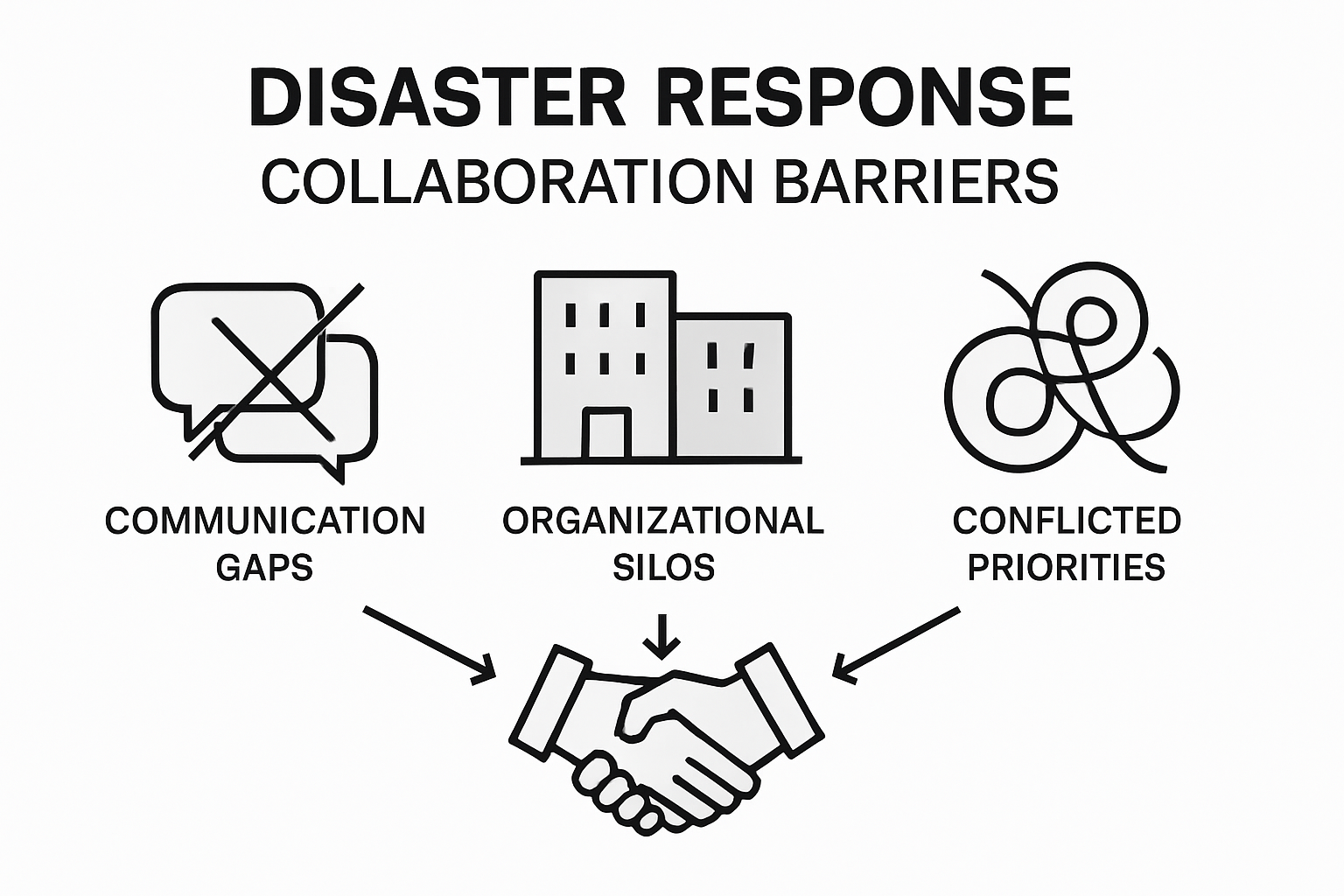
Local government emergency response sectors have demonstrated that overcoming collaborative barriers demands proactive, systematic approaches. By developing shared technological platforms, establishing clear communication protocols, and creating flexible inter-agency frameworks, organizations can transform potential obstacles into opportunities for more responsive and efficient emergency interventions.
Common barriers to collaboration include:
- Incompatible communication technologies
- Organizational ego and territorial behaviors
- Inconsistent decision making protocols
- Limited resource sharing mechanisms
- Complex bureaucratic approval processes
- Divergent organizational objectives
- Cultural differences between agencies
- Inadequate trust-building mechanisms
Successful collaboration requires a fundamental shift from competitive to cooperative mindsets. Emergency response teams must prioritize collective goals over individual organizational interests, embracing transparency, mutual respect, and a shared commitment to community resilience. By developing standardized training programs, creating cross-agency communication platforms, and fostering a culture of mutual understanding, organizations can systematically dismantle the barriers that traditionally prevent effective disaster response.
Strengthen Disaster Response Through Trusted Collaboration
Disasters reveal the urgent need for seamless collaboration among agencies, insurance providers, and emergency responders. This article highlights challenges like communication breakdowns and organizational silos that hinder effective disaster response efforts. At DisasterVictimServices.com, we understand these pain points and specialize in bridging gaps by coordinating immediate emergency housing with insurance carriers and government partners. Our commitment to transparent communication and rapid resource deployment directly addresses the crucial strategies outlined in the article, such as shared decision making and flexible resource allocation.
If you want to see how a collaborative, multi-agency approach can make recovery faster and less stressful, explore our solutions on the Developing page and find helpful insights in our Uncategorized section. When disaster strikes, do not wait—visit DisasterVictimServices.com now to connect with experts ready to assist you immediately with compassionate, coordinated support.
Frequently Asked Questions
What is collaboration in disaster response?
Collaboration in disaster response refers to a multifaceted approach where various stakeholders, including governmental agencies and NGOs, work together to effectively address complex emergency challenges, focusing on shared decision-making and resource allocation.
Why is coordination important in disaster response?
Coordination is crucial in disaster response as it transforms individual efforts into a unified strategy, enhancing communication and resource allocation, ultimately leading to quicker response times and improved outcomes for affected communities.
What are the key characteristics of effective collaborative disaster response?
Effective collaborative disaster response typically includes transparent communication protocols, unified incident management systems, clear role definitions, rapid decision-making mechanisms, and flexible resource deployment strategies.
How can barriers to collaboration be overcome in disaster response efforts?
Barriers to collaboration, such as communication breakdowns and organizational silos, can be overcome by establishing shared technological platforms, creating clear communication protocols, developing flexible inter-agency frameworks, and fostering a culture of mutual respect and collective goals.
Recommended
- The Essential Guide to Collaboration After Disaster – Disaster Victim Services | Helping You Recover After Disaster
- How to Coordinate Response in Disasters: A Guide for 2025 – Disaster Victim Services | Helping You Recover After Disaster
- How to Deploy Aid: Effective Strategies for Disaster Response 2025 – Disaster Victim Services | Helping You Recover After Disaster
- Disaster Response Chain: How It Works and Why It Matters in 2025 – Disaster Victim Services | Helping You Recover After Disaster