
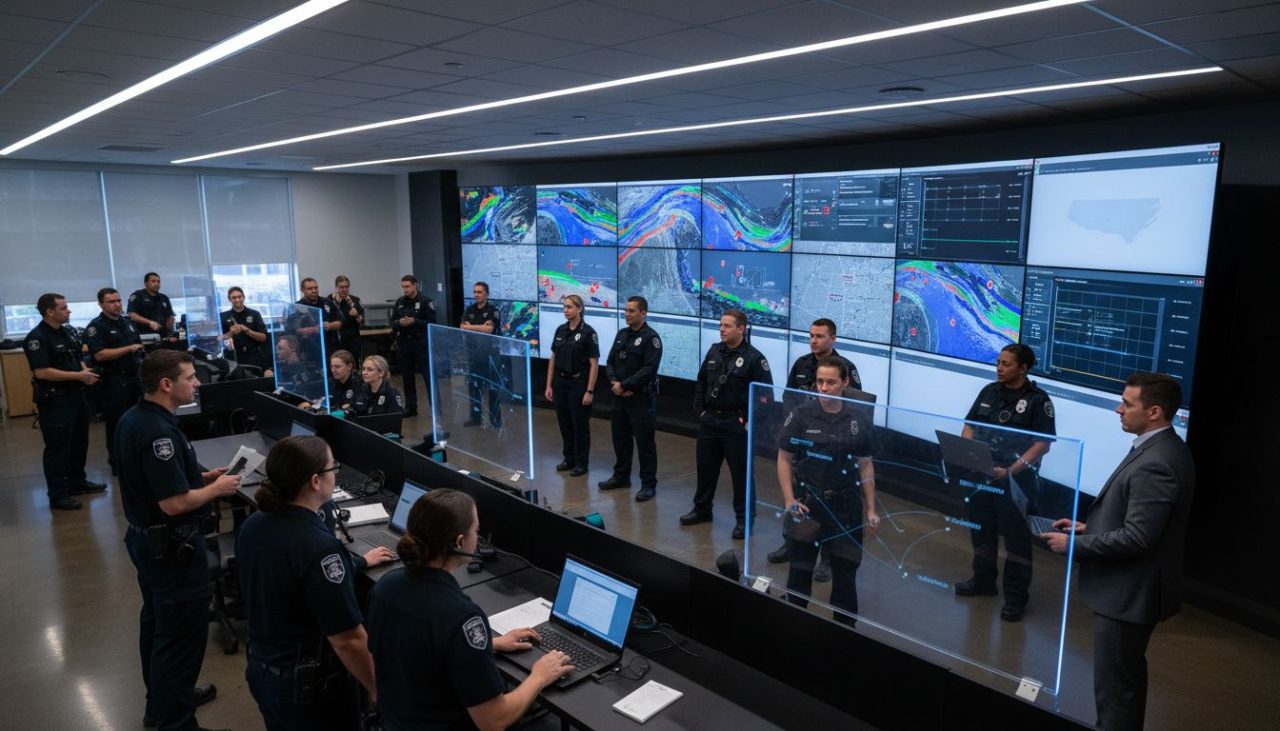
Every year, more than 60 million americans are impacted by emergencies that range from hurricanes to unexpected accidents. In those crucial moments, figuring out what help is available—and how to get it—can feel overwhelming. Emergency assistance forms the backbone of community resilience, offering immediate support, essential shelter, and a path to recovery when disaster strikes. This guide breaks down the key concepts, core support services, and coordination strategies that every american should understand before the next crisis hits.
Table of Contents
- Defining Emergency Assistance And Core Concepts
- Types Of Emergency Support Services Provided
- How Emergency Housing Solutions Work
- Coordinating With Agencies And Insurance Carriers
- Critical Safety Tips And Common Pitfalls
Key Takeaways
| Point | Details |
|---|---|
| Emergency assistance is vital. | It provides immediate support during crises, addressing physical and psychological needs to help individuals stabilize and recover. |
| Coordination of support services is essential. | Effective recovery requires multi-agency collaboration to ensure comprehensive help and resource availability for disaster victims. |
| Holistic recovery is the goal. | Emergency services aim not only for survival but also empower victims to rebuild their lives with dignity and resilience. |
| Preparation and safety are crucial. | Developing emergency protocols and maintaining communication can significantly enhance individual and community safety during crises. |
Defining Emergency Assistance and Core Concepts
Emergency assistance represents a critical lifeline for individuals and communities confronting sudden, catastrophic events that disrupt normal life. According to CISA, the Emergency Services Sector (ESS) encompasses a comprehensive range of activities including prevention, protection, mitigation, response, and recovery efforts involving both paid and volunteer personnel across multiple jurisdictions.
Emergency assistance fundamentally involves providing immediate support and resources to individuals experiencing severe disruptions caused by natural disasters, accidents, or unforeseen crises. These services typically include critical components such as temporary housing, medical support, food provisions, psychological counseling, and financial aid. The primary objective is stabilizing individuals and communities during their most vulnerable moments, creating a bridge between immediate crisis and long term recovery.
The core concepts of emergency assistance revolve around several key principles: rapid response, compassionate support, and multi agency coordination. These principles ensure that victims receive timely, comprehensive assistance tailored to their specific needs. Understanding emergency support terminology becomes crucial in navigating these complex support systems, helping victims comprehend the various resources available during their recovery journey.
Effective emergency assistance demands a holistic approach that addresses both immediate physical needs and long term psychological recovery. This means not just providing shelter or financial aid, but also offering emotional support, connecting victims with counseling services, and helping them rebuild their lives with dignity and resilience. The ultimate goal extends beyond temporary relief – it aims to empower individuals to recover, rebuild, and ultimately thrive after experiencing traumatic events.
Types of Emergency Support Services Provided
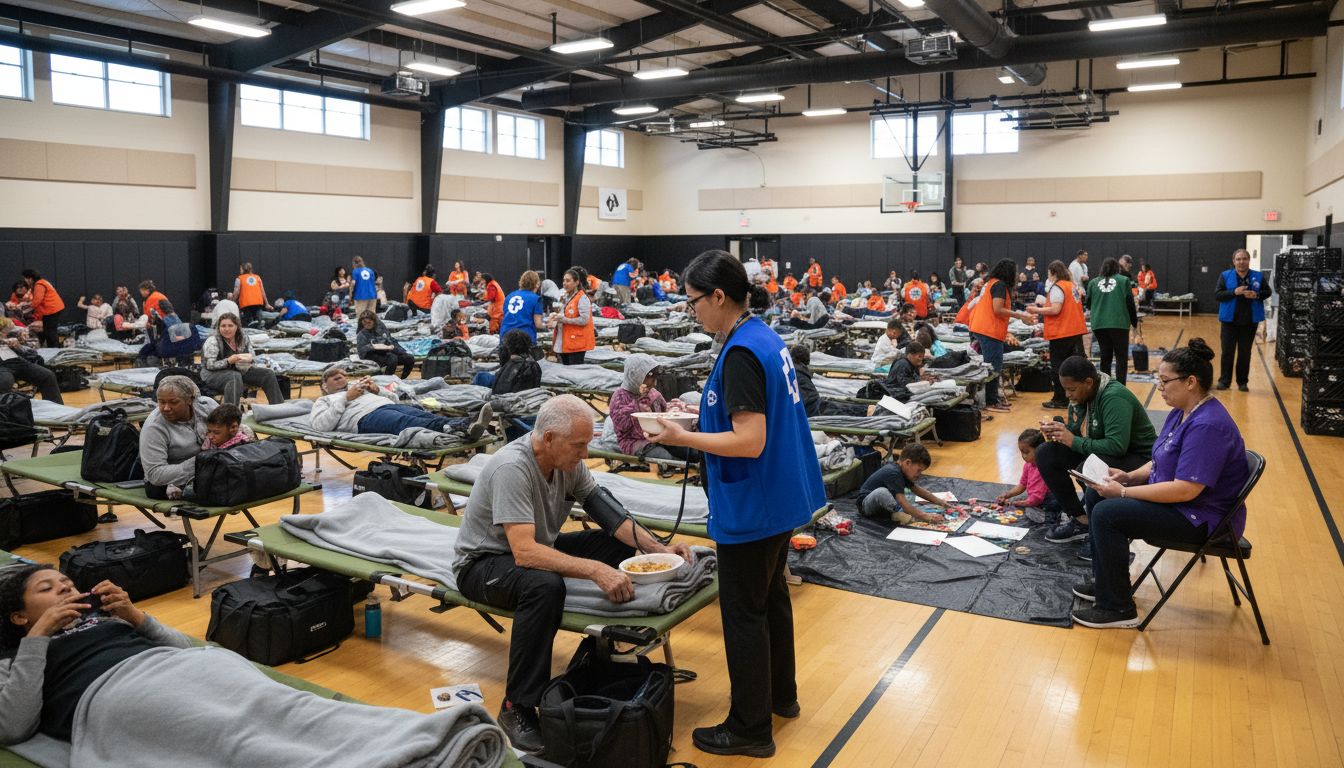
Emergency support services represent a comprehensive network of critical resources designed to assist individuals and communities during times of crisis. According to FEMA, Emergency Support Function #6 encompasses mass care, emergency assistance, housing, and human services, providing life-sustaining resources when local capabilities are overwhelmed. These services form a critical safety net for disaster victims, ensuring basic human needs are met during challenging circumstances.
The core emergency support services typically include several key components:
- Immediate Shelter: Providing safe, temporary housing solutions
- Medical Assistance: Emergency healthcare and first aid services
- Food and Water: Distributing essential nutrition and hydration resources
- Psychological Support: Counseling and mental health services for trauma recovery
- Financial Aid: Emergency grants and financial assistance programs
Additionally, OVC highlights specialized assistance programs such as Crisis Response Grants, Consequence Management Grants, Criminal Justice Support Grants, and Crime Victim Compensation Grants. These targeted support mechanisms address specific needs across different emergency scenarios, ensuring a comprehensive approach to victim support. How emergency shelter works becomes particularly crucial in understanding the nuanced strategies for providing immediate relief.
Effective emergency support services go beyond merely addressing immediate physical needs. They focus on holistic recovery, helping individuals and communities rebuild their lives with dignity and resilience. This approach involves coordinating multiple agencies, leveraging local and national resources, and creating personalized support strategies that recognize the unique challenges faced by each disaster victim. The ultimate goal is not just survival, but empowerment and sustainable recovery.
How Emergency Housing Solutions Work
Emergency housing solutions represent a critical lifeline for individuals suddenly displaced by disasters, providing immediate shelter and essential support during their most vulnerable moments. According to FEMA, these solutions involve coordinated efforts to provide temporary shelter and essential services, ensuring displaced individuals have their immediate needs met while facilitating long-term recovery.
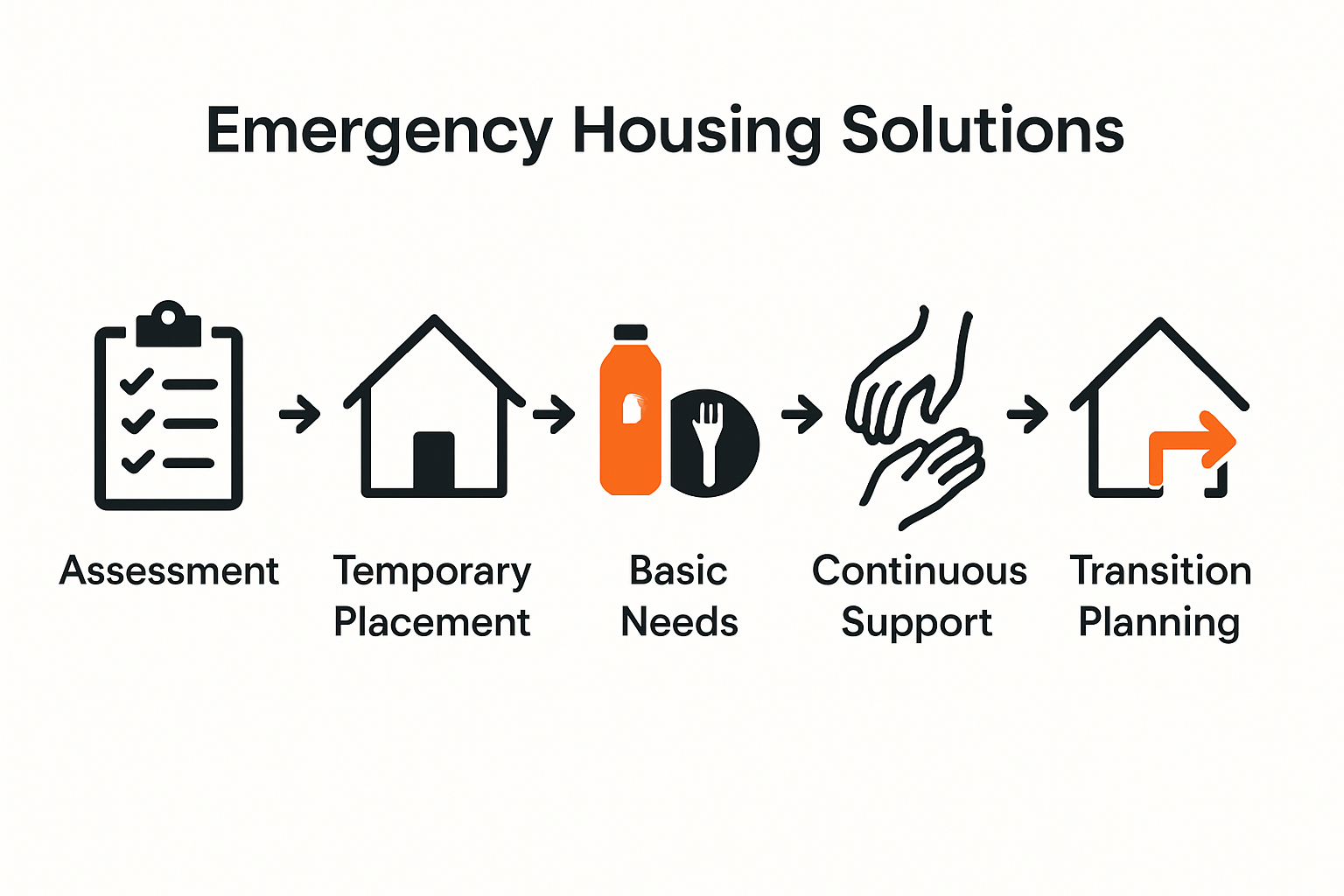
The typical emergency housing process typically follows a structured approach:
- Initial Assessment: Rapidly evaluating immediate housing needs
- Temporary Shelter Placement: Securing safe, immediate living arrangements
- Basic Needs Provisioning: Supplying food, water, and essential resources
- Continuous Support: Monitoring and addressing ongoing requirements
- Transition Planning: Developing strategies for longer-term housing solutions
As FEMA outlines, emergency shelters offer comprehensive services beyond basic accommodation, including safe shelter, meals, restrooms, basic first aid, and critical information about disaster-related resources. Complete Guide to Emergency Housing Solutions can provide deeper insights into navigating these complex support systems.
Successful emergency housing solutions prioritize more than physical shelter. They focus on holistic human care, addressing psychological trauma, maintaining family unity, and preserving individual dignity. The ultimate goal extends beyond providing a temporary roof – it’s about creating a supportive environment that helps individuals and families rebuild their lives with resilience, hope, and a clear pathway to recovery.
Coordinating With Agencies and Insurance Carriers
Coordinating with multiple agencies and insurance carriers during a disaster requires strategic communication and a comprehensive understanding of each organization’s role in recovery. According to ASPR, Emergency Support Functions (ESFs) provide a structured framework for coordinating federal interagency support during incidents, facilitating collaboration among various agencies to deliver resources and services effectively.
The coordination process typically involves several critical steps:
- Initial Damage Assessment: Documenting and reporting disaster impacts
- Insurance Claim Initiation: Promptly filing comprehensive insurance documentation
- Agency Communication: Establishing clear communication channels
- Resource Verification: Confirming available support services
- Documentation Management: Tracking all interactions and support received
Insurance carriers and government agencies often have specific protocols for disaster response. 7 Examples of Insurance Coordination Steps can provide valuable insights into navigating these complex interactions. Successful coordination requires proactive communication, meticulous record-keeping, and a patient approach to working through bureaucratic processes.
Ultimately, effective coordination is about creating a seamless support network that prioritizes the disaster victim’s recovery. This means breaking down silos between agencies, sharing critical information rapidly, and maintaining a victim-centered approach that focuses on compassionate, efficient assistance. The goal is not just processing claims or distributing resources, but helping individuals and communities rebuild their lives with dignity and hope.
Critical Safety Tips and Common Pitfalls
Navigating emergency situations requires a strategic approach that prioritizes personal safety and informed decision making. According to Electrical Charity, in immediate danger or mental health crises, contacting emergency services is essential, as not all organizations provide immediate assistance and knowing appropriate contacts can be vital for safety.
Key safety strategies and potential pitfalls include:
- Communication Preparedness: Maintaining charged communication devices
- Emergency Contact Documentation: Keeping critical contact information accessible
- Evacuation Planning: Understanding and practicing multiple exit strategies
- Resource Management: Securing essential supplies before potential disruptions
- Psychological Readiness: Maintaining emotional composure during high-stress scenarios
Emergency Response Basics for 2025 provides comprehensive insights into developing a proactive safety mindset. Common mistakes often stem from panic, lack of preparation, or misinformation, which can significantly compromise personal and collective safety during critical moments.
Ultimately, safety is about continuous learning, adaptability, and maintaining a calm, systematic approach to unexpected challenges. This means developing robust emergency protocols, staying informed about potential risks, and cultivating a mindset of preparedness that empowers individuals to make swift, rational decisions when every moment counts. The goal is not just surviving an emergency, but emerging from it with resilience and minimal disruption.
Facing Emergency Assistance Challenges with Expert Support
Emergency crises bring intense uncertainty and urgent needs that can overwhelm anyone. This article highlights the importance of rapid response and coordinated multi-agency communication to secure shelter, medical care, and financial aid. Feeling lost while navigating emergency housing solutions and insurance claims is common. That is why compassionate, streamlined support matters most for individuals and families seeking stability after disaster.
At DisasterVictimServices.com we specialize in helping you move from chaos to confidence. Our team works closely with insurance carriers, government agencies, and first responders to fast track your path to recovery. Whether you need immediate shelter or guidance through complex claims our experts are ready to stand with you. Learn more about how we coordinate comprehensive emergency support by exploring our Uncategorized resources or discover our approach to rebuilding through Project design.
Do not wait when disaster strikes your life act now to access trusted, around-the-clock emergency assistance that makes a difference. Visit DisasterVictimServices.com to take the next step toward regaining safety and peace of mind.
Frequently Asked Questions
What is emergency assistance?
Emergency assistance refers to immediate support and resources provided to individuals and communities facing sudden disruptions due to disasters or crises. It includes temporary housing, medical support, food provisions, psychological counseling, and financial aid.
What types of services are included in emergency support?
Emergency support services typically include immediate shelter, medical assistance, food and water distribution, psychological support, and financial aid. Specialized programs may also address specific needs across various emergency situations.
How do emergency housing solutions work during a disaster?
Emergency housing solutions involve a structured approach that includes assessing immediate housing needs, securing temporary shelter, providing basic necessities like food and water, and planning for long-term housing solutions while offering continuous support to displaced individuals.
What is the importance of coordinating with agencies and insurance carriers after a disaster?
Coordinating with agencies and insurance carriers is vital for effective recovery after a disaster. It ensures timely assessment of damages, proper documentation for insurance claims, and access to available resources and support services, creating a seamless network for disaster victims.
Recommended
- How to Access Aid in 2025: A Guide for Disaster Victims and Responders – Disaster Victim Services | Helping You Recover After Disaster
- 7 Essential Steps for Your Emergency Housing Checklist 2025 – Disaster Victim Services | Helping You Recover After Disaster
- Direct Housing Process Guide 2025: Steps, Eligibility & Tips – Disaster Victim Services | Helping You Recover After Disaster
- Essential Steps After Home Loss: 2025 Guide for Recovery – Disaster Victim Services | Helping You Recover After Disaster