
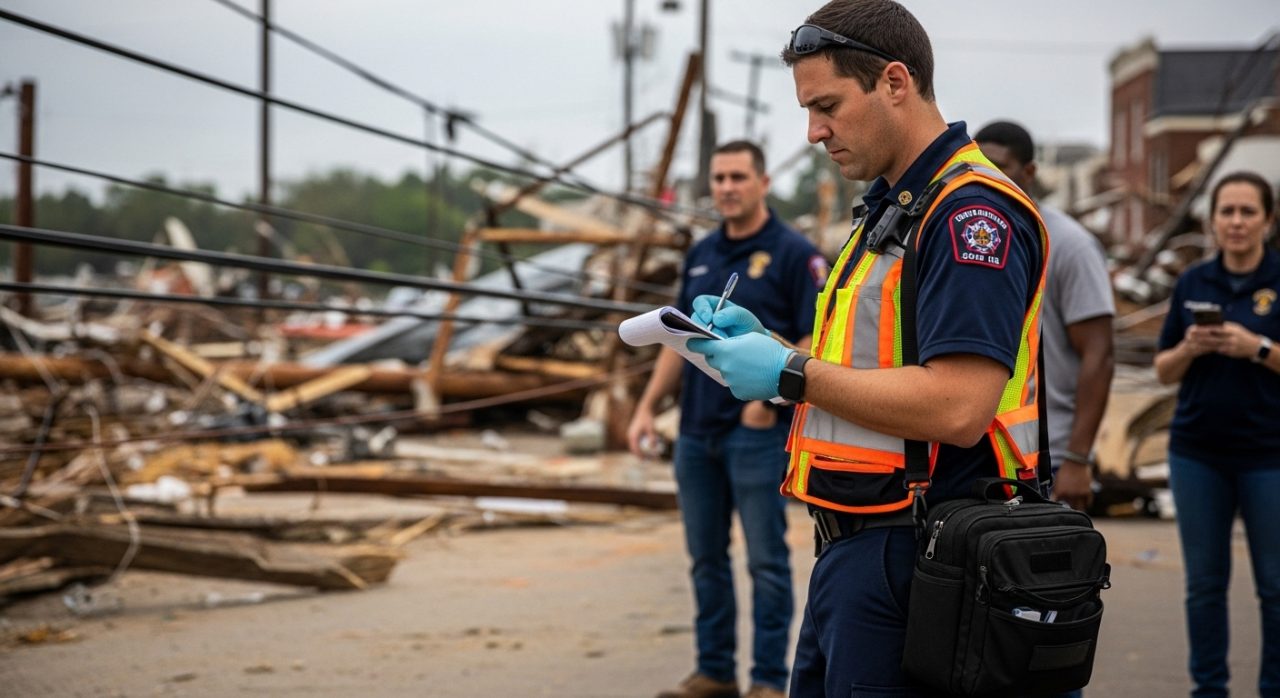
Emergencies can turn ordinary moments into chaos without warning and the steps you take in those first few minutes matter more than most people think. Most believe it is all about adrenaline but successful response actually hinges on a calm and systematic approach. In fact, effective communication can mean the difference between chaos and coordinated response and that is just one surprising factor you will want to know about.
Table of Contents
- Step 1: Assess The Emergency Situation
- Step 2: Establish Communication Channels
- Step 3: Organize Resources And Personnel
- Step 4: Implement Response Strategies
- Step 5: Monitor Progress And Adapt Plans
- Step 6: Review And Document The Response
Quick Summary
| Key Point | Explanation |
|---|---|
| 1. Assess the emergency situation first | Secure your safety before helping others; survey for hazards before intervening in any emergency. |
| 2. Establish reliable communication channels | Use various communication methods to connect with emergency services and ensure information flow among involved parties. |
| 3. Organize resources and assign roles | Take inventory of available human and material resources, assigning clear roles based on individual skills and immediate needs. |
| 4. Implement targeted response strategies | Focus on life-saving actions, such as providing medical assistance and creating safe evacuation routes based on your initial assessment. |
| 5. Monitor progress and adapt as necessary | Regularly assess response efforts, allowing for strategic adjustments and ensuring team well-being amidst evolving challenges. |
Step 1: Assess the Emergency Situation
When disaster strikes, your first critical action is quickly and accurately assessing the emergency situation. This initial step determines the entire trajectory of your response and can mean the difference between effective intervention and potential catastrophic outcomes. Emergency response requires calm, systematic evaluation that allows you to understand the scope, severity, and immediate risks present.
Begin by securing your own safety first. Before attempting to help others or engage with the emergency, ensure you are not placing yourself in immediate danger. Survey the environment carefully, looking for potential hazards such as structural damage, electrical risks, gas leaks, or unstable terrain. Your personal safety is paramount because you cannot assist others if you become a victim yourself.
Next, systematically gather critical information about the emergency. Quickly determine the type of disaster or incident you are experiencing whether it is a natural disaster like a hurricane, earthquake, flood, or a human-caused emergency such as a fire or structural collapse. Observe the immediate surroundings, noting specific details like the number of people involved, apparent injuries, potential ongoing risks, and the current state of infrastructure.
Learn more about emergency assessment techniques to enhance your preparedness. Communicate with anyone present to understand their condition and gather additional context. Ask direct, clear questions about injuries, immediate needs, and any known details about how the emergency originated. Listen carefully to their responses, watching for signs of shock, confusion, or medical distress that might require immediate intervention.
Verify the emergency by cross-referencing your observations with official sources if possible. Use available communication devices to contact local emergency services, check official weather alerts, or connect with local authorities. Your goal is to compile a comprehensive understanding of the situation that will guide subsequent response steps. Look for authoritative information that confirms the emergency type, potential spread, and recommended immediate actions.
Finally, mentally prepare yourself for the next steps. A thorough initial assessment sets the foundation for effective emergency response. Document key observations if safe to do so, which can help emergency responders when they arrive. Your careful, methodical approach during this first step can significantly improve outcomes and potentially save lives.
This step overview table provides a concise summary of each main emergency response phase with its primary focus and expected key outcome.
| Step | Primary Focus | Key Outcome |
|---|---|---|
| Assess the Emergency Situation | Evaluate safety and risks | Understand scope and immediate threats |
| Establish Communication Channels | Secure reliable communication | Connect with responders and team |
| Organize Resources and Personnel | Assign roles and consolidate tools | Maximize team efficiency |
| Implement Response Strategies | Take swift, targeted action | Address critical needs rapidly |
| Monitor Progress and Adapt Plans | Track and adapt ongoing efforts | Continuous improvement and safety |
| Review and Document the Response | Debrief and record actions | Inform future preparedness |
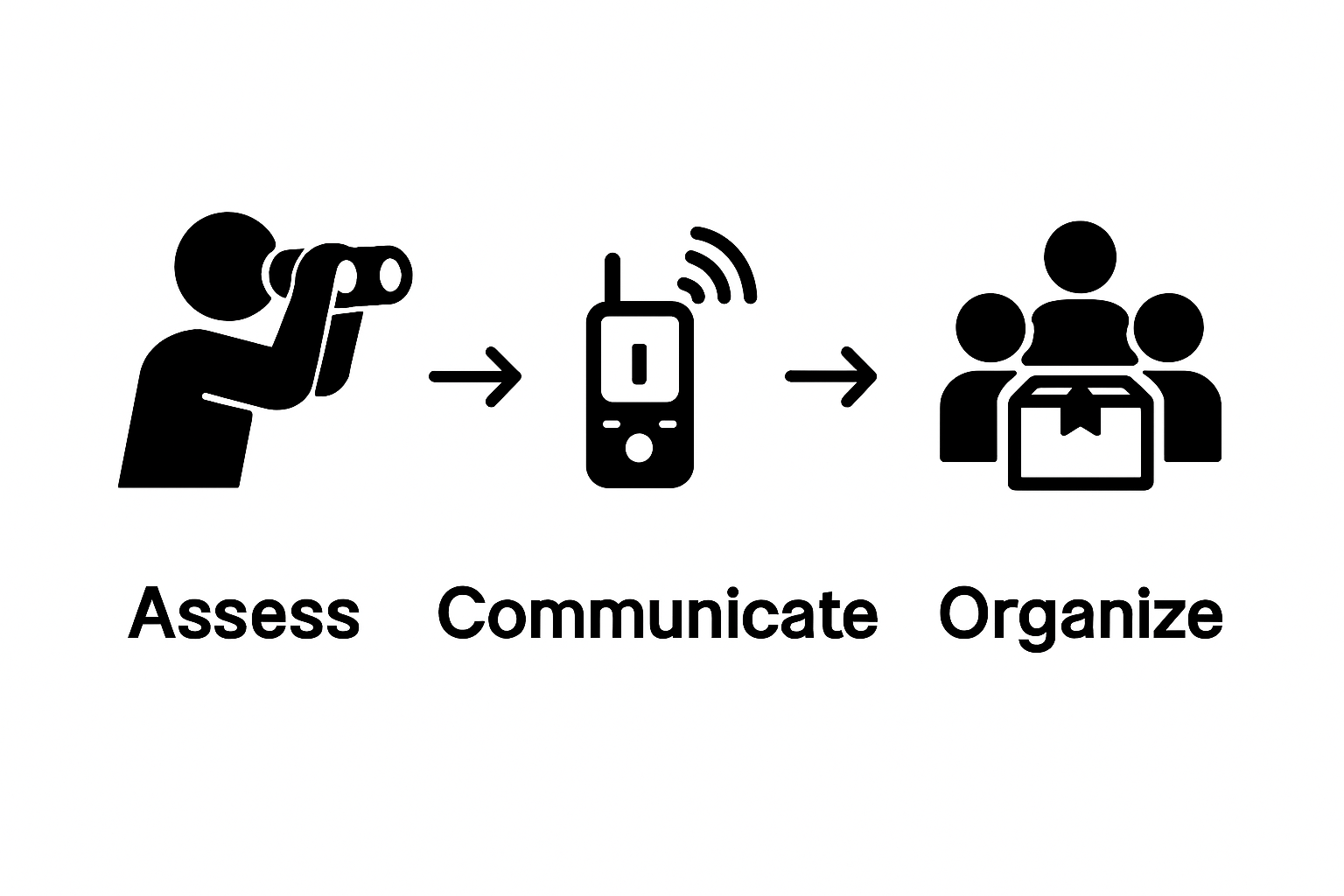
Step 2: Establish Communication Channels
After assessing the emergency situation, establishing robust communication channels becomes your next critical priority. Effective communication can mean the difference between chaos and coordinated response. Your goal is to create reliable pathways for information exchange with emergency services, family members, and support networks while ensuring everyone’s safety and potential rescue.
Begin by identifying and using the most reliable communication methods available in your current environment. Cellular networks might be compromised during emergencies, so diversify your communication strategies. Prioritize devices with the strongest signal strength or battery life. Smartphones with multiple communication apps provide versatility, but consider having backup options like battery-powered radios, satellite phones, or emergency communication devices that work in areas with limited infrastructure.
Read our comprehensive guide on emergency communication strategies to better prepare for complex scenarios. Establish a clear communication protocol with your immediate group or family members. Determine a primary contact person who can serve as a central communication hub, collecting and disseminating critical information. Agree on specific check-in times and alternative communication methods if standard channels fail. This might include predetermined meeting locations, specific hand signals, or backup communication devices.
Contact local emergency services as quickly and accurately as possible. Provide precise details about your location, the number of people involved, and the specific nature of the emergency. Be prepared to share critical information such as medical conditions, potential hazards, or special requirements for vulnerable individuals like children, elderly, or those with disabilities. Listen carefully to instructions from emergency responders and follow their guidance precisely.
Create a communication log to document all interactions, incoming and outgoing messages, and important details shared during the emergency. This record can be invaluable for future reference, insurance claims, or supporting official investigations. Include timestamps, contact information, and brief summaries of conversations. Keep this log in a waterproof, easily accessible container or use digital backup methods if possible.
Finally, remain patient and adaptable. Communication during emergencies can be challenging and unpredictable. Stay calm, conserve communication device battery life, and prioritize critical information exchange. Your ability to maintain clear, concise communication channels will significantly enhance your emergency response effectiveness and increase the likelihood of receiving timely assistance.
Step 3: Organize Resources and Personnel
Once communication channels are established, organizing resources and personnel becomes the next critical phase of emergency response. Effective organization transforms potential chaos into a coordinated, strategic effort. Your goal is to quickly assess available resources, assign clear roles, and create a structured approach that maximizes efficiency and minimizes potential risks.
Begin by taking immediate inventory of the human and material resources at your disposal. This includes counting the number of people present, assessing their physical and emotional condition, and identifying any specific skills or expertise they might bring to the emergency response. Medical professionals, first responders, individuals with technical skills, or those with local knowledge can be invaluable assets. Quickly match people’s capabilities with the most critical needs of the current situation.
Learn more about coordinating disaster response strategies to enhance your preparedness. Create a simple but clear organizational structure that defines roles and responsibilities. Assign specific tasks based on individual strengths and the immediate requirements of the emergency. Designate key positions such as a communication coordinator, medical support lead, resource manager, and safety overseer. Ensure each person understands their specific responsibilities and has the necessary tools or information to perform their role effectively.
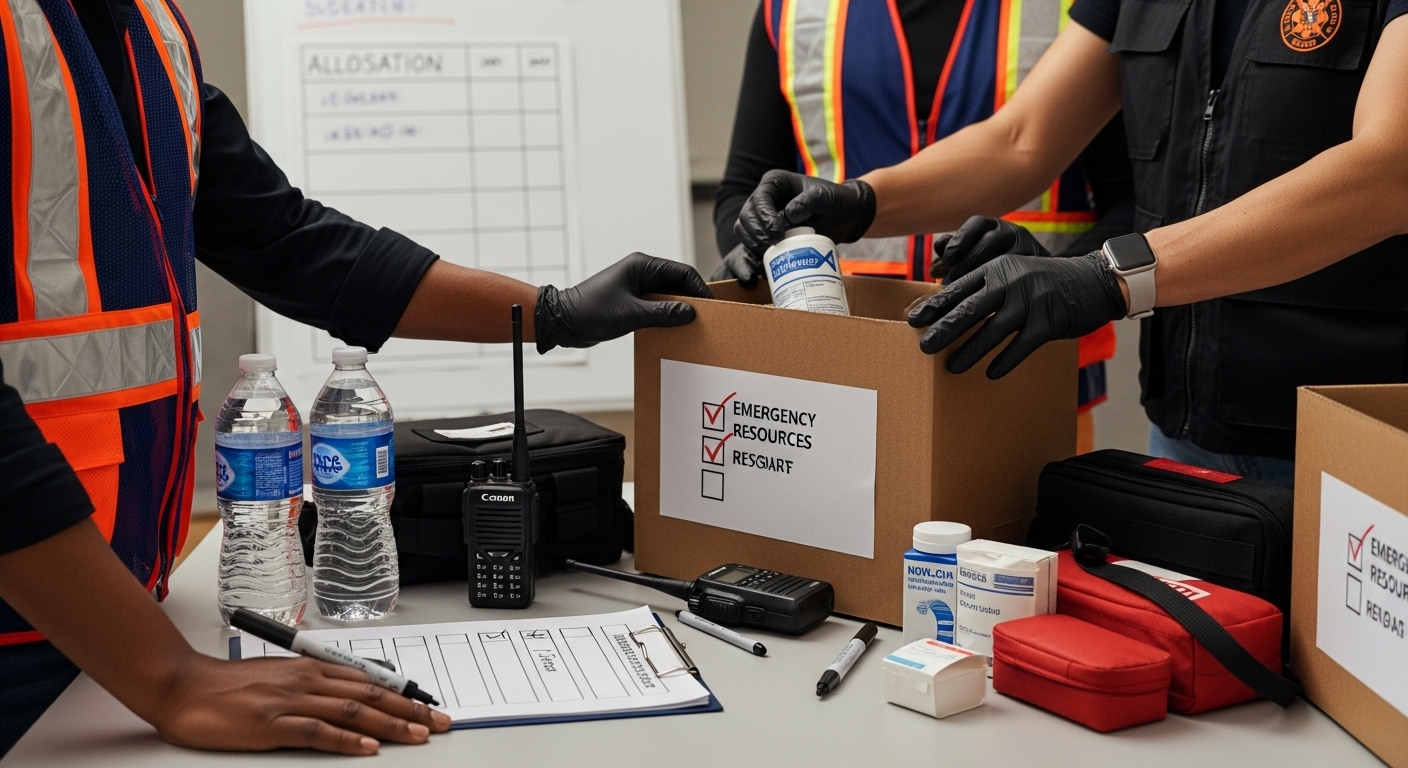
Manage your physical resources with equal care and precision. Gather and categorize available supplies such as first aid kits, communication devices, water, food, blankets, and emergency tools.
Below is a tools and resources table summarizing key items to prioritize and organize during an emergency, along with their main purposes and considerations.
| Resource/Tool | Purpose | Key Consideration |
|---|---|---|
| First Aid Kit | Provide medical assistance | Ensure supplies are current |
| Communication Devices | Exchange critical information | Use devices with long battery life |
| Drinking Water | Prevent dehydration | Store in clean, accessible area |
| Food Supplies | Sustain energy and health | Opt for non-perishable options |
| Blankets/Clothing | Maintain body temperature | Protect from weather exposure |
| Emergency Tools | Aid in rescue and repairs | Include flashlights, multi-tools |
| Resource Tracking Sheet | Monitor inventory and usage | Keep updated and waterproof |
Maintain flexibility within your organizational structure. Emergencies are dynamic environments where conditions can change rapidly. Be prepared to quickly reassign roles, redistribute resources, and adapt your strategy as new information becomes available. Establish clear communication protocols that allow for quick decision making and seamless information sharing among team members. Regular brief check-ins can help maintain coordination and address emerging challenges promptly.
Finally, document your organizational efforts. Keep a clear record of personnel assignments, resource allocations, and any significant decisions or changes. This documentation can be crucial for post-emergency review, insurance claims, and improving future emergency response strategies. Your ability to organize resources and personnel efficiently can significantly impact the overall effectiveness of the emergency response and potentially save lives.
Step 4: Implement Response Strategies
With resources organized and communication established, implementing targeted response strategies becomes your primary focus. Effective emergency response demands swift, calculated action tailored to the specific challenges of your situation. Your goal is to translate your initial assessment and organizational efforts into practical, life-saving interventions that address immediate risks and protect vulnerable individuals.
Prioritize immediate life-saving actions based on the most critical needs identified during your initial assessment. This might involve providing medical assistance to injured individuals, creating safe evacuation routes, securing dangerous areas, or establishing emergency shelters. Move quickly but methodically, focusing on interventions that can prevent further harm or escalation of the emergency. Address the most urgent medical needs first, stabilizing any serious injuries and preparing for potential medical evacuations.
Explore our comprehensive guide to disaster response protocols to enhance your strategic approach. Develop a multi-layered response strategy that considers both immediate and short-term needs. This involves creating secure zones for different activities such as medical treatment, communication, resource distribution, and temporary shelter. Establish clear physical boundaries and safety protocols that minimize additional risks while maximizing the efficiency of your response efforts.
Coordinate closely with external emergency services and support organizations. Share your current status, resource inventory, and immediate requirements. Be prepared to receive and integrate additional support, whether it comes in the form of medical personnel, rescue teams, or supplemental supplies. Maintain flexibility in your approach, ready to adjust strategies as new information becomes available or as external support arrives.
Implement a systematic approach to protecting vulnerable populations. This includes children, elderly individuals, people with medical conditions, or those with limited mobility. Create dedicated support systems that ensure their immediate safety, medical needs, and emotional well-being. Assign specific team members to provide focused care and maintain constant communication with these individuals.
Continuously monitor and reassess your response strategies. Emergency situations are dynamic and can change rapidly. Conduct regular check-ins with your team, review the effectiveness of current interventions, and be prepared to pivot your approach as needed. Document all actions, decisions, and observations, which will be crucial for post-emergency analysis and future preparedness. Your ability to implement strategic, adaptable response techniques can significantly improve outcomes and potentially save lives during critical emergency situations.
Step 5: Monitor Progress and Adapt Plans
As emergency response efforts continue, monitoring progress and adapting plans becomes crucial to maintaining effectiveness and minimizing potential risks. Continuous assessment is the key to transforming initial strategies into dynamic, responsive solutions. Your goal is to create a flexible framework that allows for real-time adjustments based on evolving circumstances and emerging challenges.
Establish a systematic approach to tracking the progress of your emergency response efforts. Create a centralized monitoring system that captures critical data points including resource utilization, personnel status, medical outcomes, and overall intervention effectiveness. Use simple but comprehensive tracking tools that allow quick visual representation of your current situation. This might involve physical tracking boards, digital spreadsheets, or specialized emergency management software that provides real-time updates and highlights areas requiring immediate attention.
Discover advanced techniques for emergency response adaptation to enhance your monitoring capabilities. Conduct regular check-in meetings with your response team, ideally at predetermined intervals such as every two to four hours. During these meetings, review current progress, identify emerging challenges, and collectively brainstorm potential solutions. Encourage open communication where team members can share observations, concerns, and innovative adaptation strategies. Create an environment that values rapid problem solving and collective decision making.
Develop a clear protocol for making strategic adjustments. When monitoring reveals ineffective strategies or new challenges, have a predefined process for quickly modifying your approach. This might involve rotating personnel, reallocating resources, adjusting medical treatment protocols, or completely redesigning specific intervention strategies. Maintain a balance between decisive action and careful consideration, ensuring that changes are well-thought-out and communicated clearly to all team members.
Pay special attention to the physical and emotional well-being of your response team. Continuous emergency situations can lead to rapid fatigue, stress, and potential burnout. Implement a rotating system that allows team members adequate rest periods, provides psychological support, and ensures that no individual becomes overwhelmed. Monitor not just the external emergency response but also the internal health and resilience of those providing assistance.
Finally, document every change, observation, and strategic adaptation. Maintain detailed logs that capture the evolution of your response strategies, challenges encountered, and solutions implemented. This documentation serves multiple purposes beyond the immediate emergency. It provides valuable insights for future emergency preparedness, serves as a critical resource for post-event analysis, and creates a learning opportunity for improving future response capabilities. Your ability to monitor, assess, and adapt swiftly can mean the difference between a challenging emergency and a successfully managed crisis.
Step 6: Review and Document the Response
As the emergency response efforts wind down, conducting a comprehensive review and thorough documentation becomes critical for learning, improvement, and potential future recovery processes. Systematic documentation transforms a chaotic emergency into a valuable learning experience. Your goal is to create a detailed, objective record that captures the entire emergency response journey, highlighting both successful strategies and areas requiring improvement.
Begin by organizing a comprehensive debrief session with all team members involved in the emergency response. This is not about assigning blame but creating an open, constructive environment where everyone can share their experiences, observations, and insights. Encourage team members to provide honest feedback about what worked effectively, what challenges they encountered, and potential strategies for future improvements. Capture these discussions systematically, ensuring that every perspective is heard and documented.
Learn more about effective disaster documentation techniques to enhance your review process. Collect and organize all documentation generated during the emergency response. This includes communication logs, resource allocation records, medical treatment reports, personnel tracking sheets, and any photographic or video evidence. Create a secure, organized filing system that allows for easy retrieval and analysis. Digital backup systems are recommended to ensure preservation of critical information.
Conduct a detailed analysis of the response strategies employed. Evaluate the effectiveness of your initial assessment, communication channels, resource organization, and adaptive strategies. Identify specific moments where interventions were particularly successful or where challenges emerged. Look for patterns that can inform future emergency preparedness plans. Consider creating a comprehensive report that provides a chronological narrative of the emergency response, including key decision points, challenges overcome, and lessons learned.
Address the emotional and psychological aspects of the emergency response. Recognize that team members may have experienced significant stress and potential trauma. Consider implementing follow-up support mechanisms such as counseling services, group debriefing sessions, or wellness check-ins. Documenting the human experience alongside the technical response provides a more holistic understanding of emergency management.
Finally, develop a clear set of recommendations for future emergency preparedness. Use the insights gathered during your review to create actionable improvement strategies. These might include updating training protocols, revising communication systems, enhancing resource allocation methods, or developing more flexible response strategies. Your documentation serves not just as a record of past events, but as a critical tool for building more resilient, effective emergency response capabilities for future challenges.
Your Emergency Response Partner for When Every Second Counts
When you are facing the chaos of a disaster, organizing resources, keeping your loved ones safe, and making critical decisions under pressure feel overwhelming. This step-by-step guide highlights the urgent need for immediate action and structured support, especially when time and safety are at risk. From establishing communication channels to implementing response strategies and adapting fast, every moment matters and the right help can make all the difference.
DisasterVictimServices.com specializes in guiding people like you through these exact emergencies. If you need coordinated emergency housing, logistical support, or round-the-clock advocacy, we have the experience and partnerships to lead you from crisis to stability. Visit our main website and explore our resource center for practical solutions. Act now to ensure your family and community receive the expert assistance and compassionate care you deserve when disaster strikes. Let us help you turn knowledge into action and move decisively toward recovery.
Frequently Asked Questions
How do I assess an emergency situation effectively?
Begin by ensuring your own safety, then survey the environment for hazards. Identify the type of emergency, gather information from those present, and communicate with official sources to verify the situation.
What should I do to establish communication during an emergency?
Utilize reliable communication methods available in your environment, such as cell phones or radios. Designate a primary contact within your group and set up a communication log to document all interactions and instructions from responders.
How can I organize resources and personnel during an emergency?
Take inventory of available resources and assess the skills of individuals present. Create a clear organizational structure by assigning specific roles and tasks based on individuals’ expertise and immediate needs.
What steps should I take to monitor progress and adapt my response during an emergency?
Implement a systematic approach to track resource usage and team well-being. Conduct regular check-ins with your team to evaluate the effectiveness of your strategies and adapt plans based on evolving circumstances.
Recommended
- Emergency Response Basics for 2025: A Practical Guide – Disaster Victim Services | Helping You Recover After Disaster
- First Aid Disaster Basics: Essential Steps for 2025 Recovery – Disaster Victim Services | Helping You Recover After Disaster
- Essential Steps After Sudden Displacement: 2025 Guide – Disaster Victim Services | Helping You Recover After Disaster
- Emergency Response Protocols: Key Steps for Fast Action – Disaster Victim Services | Helping You Recover After Disaster