
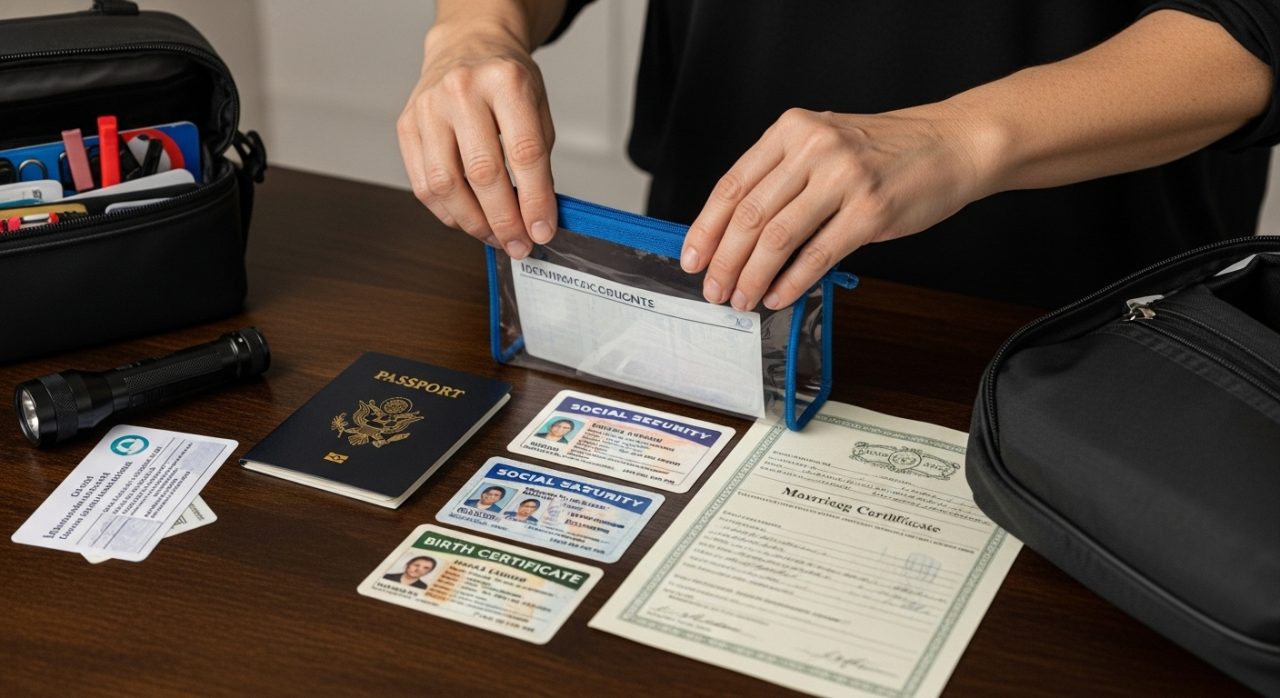
When disaster strikes and you have to leave home in a hurry, important paperwork can vanish in an instant. Over 60 percent of disaster survivors report losing at least one essential document after an emergency. Most think replacing this paperwork is nearly impossible but that is not true. With the right steps, you can rebuild your proof of identity, ownership, and health faster than you ever thought possible.
Table of Contents
- Step 1: Gather Vital Personal Identification Documents
- Step 2: Collect Proof of Residence and Ownership
- Step 3: Assemble Financial and Insurance Records
- Step 4: Document Medical Needs and Records
- Step 5: Verify and Organize All Collected Documents
Quick Summary
| Key Point | Explanation |
|---|---|
| 1. Secure vital personal identification documents | Collect essential documents like ID, birth certificates, and Social Security cards as they are crucial for recovery. |
| 2. Gather proof of residence and ownership | Obtain documents like lease agreements and utility bills to access disaster assistance and insurance. |
| 3. Assemble comprehensive financial and insurance records | Collect insurance policies and financial statements to navigate claims and financial recovery processes. |
| 4. Document medical needs and records | Keep thorough medical documentation to ensure access to necessary healthcare during displacement. |
| 5. Verify and organize all collected documents | Systematically organize your documents for easy retrieval and ensure all information is complete and current. |
Step 1: Gather Vital Personal Identification Documents
In the chaotic aftermath of displacement, securing your vital personal identification documents becomes your primary survival strategy. These documents are not just pieces of paper but your lifeline to rebuilding your life, accessing critical services, and proving your identity during an emergency.
Begin by understanding which documents are most crucial. Your goal is to collect and protect government issued identification, legal records, and personal documentation that establishes who you are and verifies your important life details. These typically include your passport, driver’s license, birth certificate, Social Security card, and marriage certificate.
Start by searching immediate surroundings like go-bags, emergency kits, or safes if accessible. If original documents are lost, you will need to contact specific government agencies for replacements. Our comprehensive guide on document replacement provides step-by-step instructions for obtaining duplicates.
For efficient document replacement, gather supporting materials that can help verify your identity. These might include:
- Photocopies of original documents (even partially damaged)
- Digital photographs or scanned copies stored online
- Witness statements from family members
- Utility bills or bank statements with your name and address
Contact local government offices, such as your county clerk or state vital records office, to understand specific requirements for document replacement. Some agencies offer expedited services for disaster victims. Most will require proof of identity, so having even partial documentation can significantly streamline the process.
Remember that digital backups can be lifesavers. Take clear photographs or scan important documents, storing copies securely in cloud storage or encrypted digital drives. Multiple backup methods ensure you can access critical information even if physical copies are destroyed.
Verify document replacement by collecting official replacement certificates, maintaining organized records of your communication with government agencies, and confirming all critical identification is restored. Each replaced document brings you one step closer to rebuilding and recovery.
Step 2: Collect Proof of Residence and Ownership
After securing your personal identification documents, the next critical step is gathering proof of residence and ownership. These documents are vital for accessing disaster recovery assistance, insurance claims, and establishing your legal right to occupy or own property. Think of these papers as your financial and legal lifeline during displacement.
Start by collecting physical and digital copies of documents that demonstrate your connection to your property. Mortgage statements, property tax receipts, utility bills, lease agreements, and rental contracts are your primary evidence. If physical copies were destroyed, contact utility companies, mortgage lenders, and local government offices to request official duplicates.
Learn more about document replacement strategies to streamline the process of obtaining these critical records. Digital storage can be a game changer during emergencies, so prioritize creating electronic backups whenever possible.
Documents you should aim to collect include:
- Mortgage statements or property deed
- Recent utility bills (electricity, water, gas)
- Homeowners or renters insurance policies
- Property tax receipts
- Lease agreements or rental contracts
If you are a renter, work closely with your landlord to obtain official documentation proving your residency. Landlords can provide signed statements, copies of lease agreements, or rent payment records that verify your occupancy. For homeowners, contact your mortgage lender or county assessor’s office to request replacement property documents.
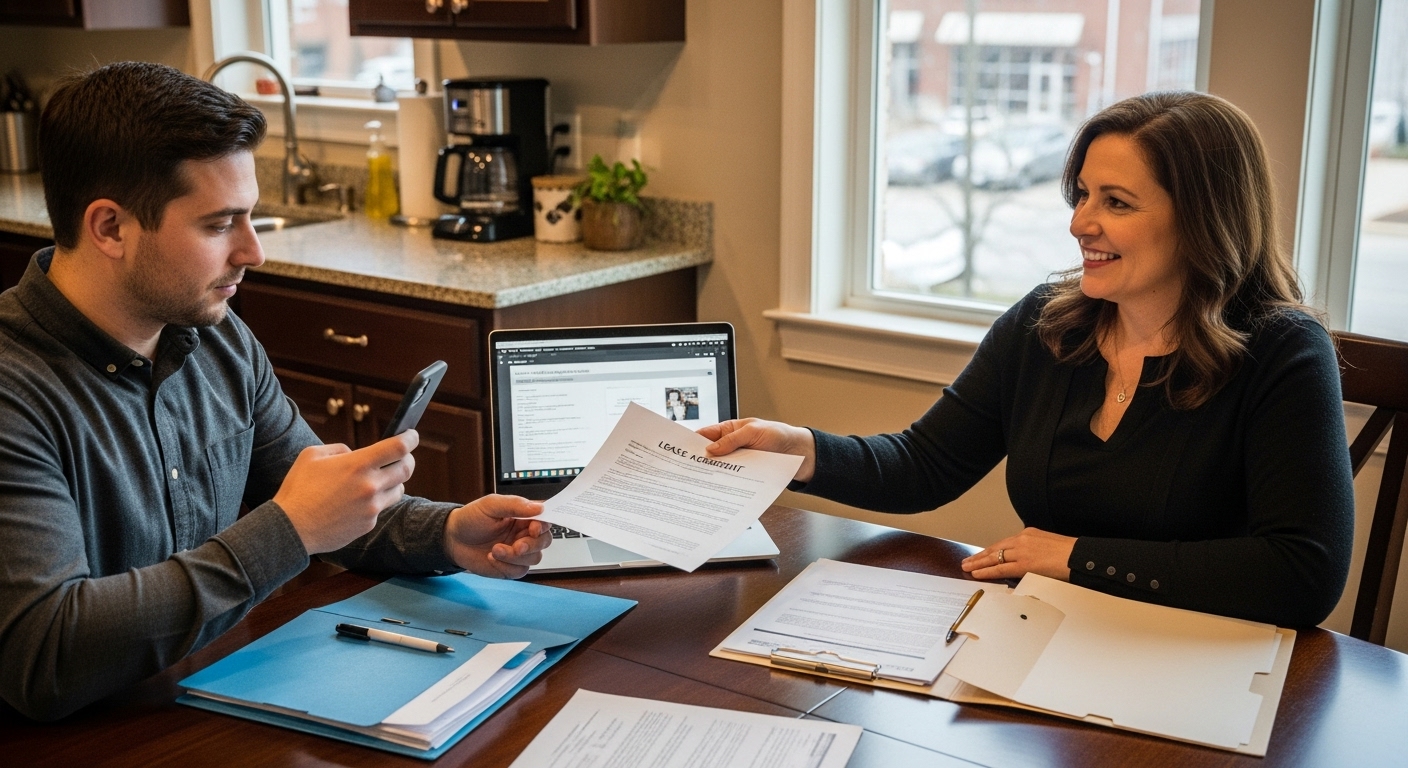
Understand that government agencies and insurance companies have specific requirements for documentation. Some may accept digital copies, while others require notarized or original documents. Always request multiple copies and store them in secure, waterproof containers or encrypted digital storage.
Verify your document collection by creating a comprehensive folder containing all residence and ownership proof. Cross-reference your collected documents with local agency requirements, ensuring you have comprehensive coverage. Each verified document brings you closer to accessing critical recovery resources and rebuilding your life after displacement.
Step 3: Assemble Financial and Insurance Records
As you navigate the complex landscape of disaster recovery, gathering comprehensive financial and insurance records becomes your strategic roadmap to rebuilding. These documents are more than paper trails they represent your financial lifeline and key to accessing critical recovery resources.
Start by collecting all insurance policies related to your property, health, and personal belongings. Homeowners insurance, renters insurance, auto insurance, and any specialized coverage documents are critical. Contact your insurance providers immediately to initiate claims processes and request duplicate policy documents if originals were lost.
Learn about critical insurance documentation strategies to ensure you capture every necessary detail for your recovery claim. Understanding the nuances of insurance documentation can significantly impact your recovery timeline.
Key financial documents you should prioritize collecting include:
- Complete bank statements from past 12 months
- Credit card statements
- Loan documentation
- Investment account records
- Retirement account statements
- Recent tax returns
Create a systematic approach to document collection. Contact financial institutions directly to request official copies of statements and records. Many banks and credit unions offer expedited document replacement for disaster victims.
Utilize online banking portals to download digital copies, which can serve as immediate backup.
Pay special attention to insurance claim documentation. You will need detailed records showing property damage, personal property loss, and any previous insurance settlements. Take photographs of damaged property, compile repair estimates, and maintain a comprehensive inventory of lost or destroyed items.
Verify your financial record collection by creating a secure, organized digital and physical file system. Cross-reference your collected documents with insurance policy requirements and disaster recovery guidelines. Each meticulously assembled document brings you closer to comprehensive financial recovery and rebuilding your life after displacement.
Step 4: Document Medical Needs and Records
In the aftermath of displacement, documenting your medical needs and records becomes a critical lifeline for maintaining your health and accessing essential care. These records are not just paperwork they are your medical passport through recovery, ensuring continuous treatment and potential disaster relief support.
Begin by gathering comprehensive medical documentation from all healthcare providers. This includes recent medical records, prescription histories, ongoing treatment plans, and current medication lists. Contact your primary care physician, specialists, and healthcare facilities to request official copies of your medical files. If electronic records are available, download and save digital copies as backup.
Check out our comprehensive evacuation safety guidelines for additional insights on managing medical documentation during emergencies. Understanding how to protect and preserve your medical information can be crucial during challenging times.
Essential medical documents you should collect include:
- Current prescription records
- Immunization history
- Ongoing treatment plans
- Specialist consultation notes
- Recent diagnostic test results
- Medical insurance cards
- Disability documentation
Pay special attention to documenting any chronic conditions, ongoing treatments, or specialized medical needs. Create a comprehensive medical summary that includes your complete health history, current medications, allergies, and emergency contact information. This document can be invaluable when seeking medical care in unfamiliar locations or working with new healthcare providers.
For individuals with ongoing medical treatments or specialized care, develop a detailed continuity of care plan. Contact your current healthcare providers to understand how they can support your medical needs during displacement. Many healthcare systems offer telehealth options or can help transfer medical records to providers in your temporary location.
Verify your medical documentation collection by creating a secure, organized file system. Ensure you have both digital and physical copies of all critical medical records. Cross-reference your collected documents with insurance requirements and disaster recovery guidelines. Each carefully assembled medical document brings you closer to maintaining your health and accessing necessary care during your displacement journey.
Step 5: Verify and Organize All Collected Documents
With your critical documents gathered, the next crucial step is systematically verifying and organizing your recovery paperwork. This process transforms scattered papers into a powerful toolkit for rebuilding your life after displacement. Proper organization can mean the difference between smooth recovery and bureaucratic frustration.
Begin by creating a comprehensive master document inventory. Review each collected document carefully, checking for completeness, current validity, and legibility. Look for any missing information, expired credentials, or damage that might compromise their official status. Contact issuing agencies to request replacement or updated versions of any incomplete or compromised documents.
Learn more about accessing comprehensive disaster recovery support to understand how proper documentation streamlines your recovery journey. Thorough organization is your strategic advantage in navigating post-disaster bureaucracy.
Consider creating multiple document storage strategies:
- Digital encrypted cloud backup
- Waterproof physical document folder
- Secure external hard drive copies
- Distributed copies with trusted family members
Develop a systematic filing approach that allows quick retrieval. Create clearly labeled digital and physical folders categorizing documents by type: identification, medical, financial, insurance, and property records. Use clear naming conventions for digital files that include document type and date, making future searches effortless.
Prioritize document security by investing in waterproof, fireproof document storage containers for physical copies. For digital records, use strong encryption and multiple backup locations. Consider storing copies with trusted family members or in secure bank safe deposit boxes as an additional precaution.
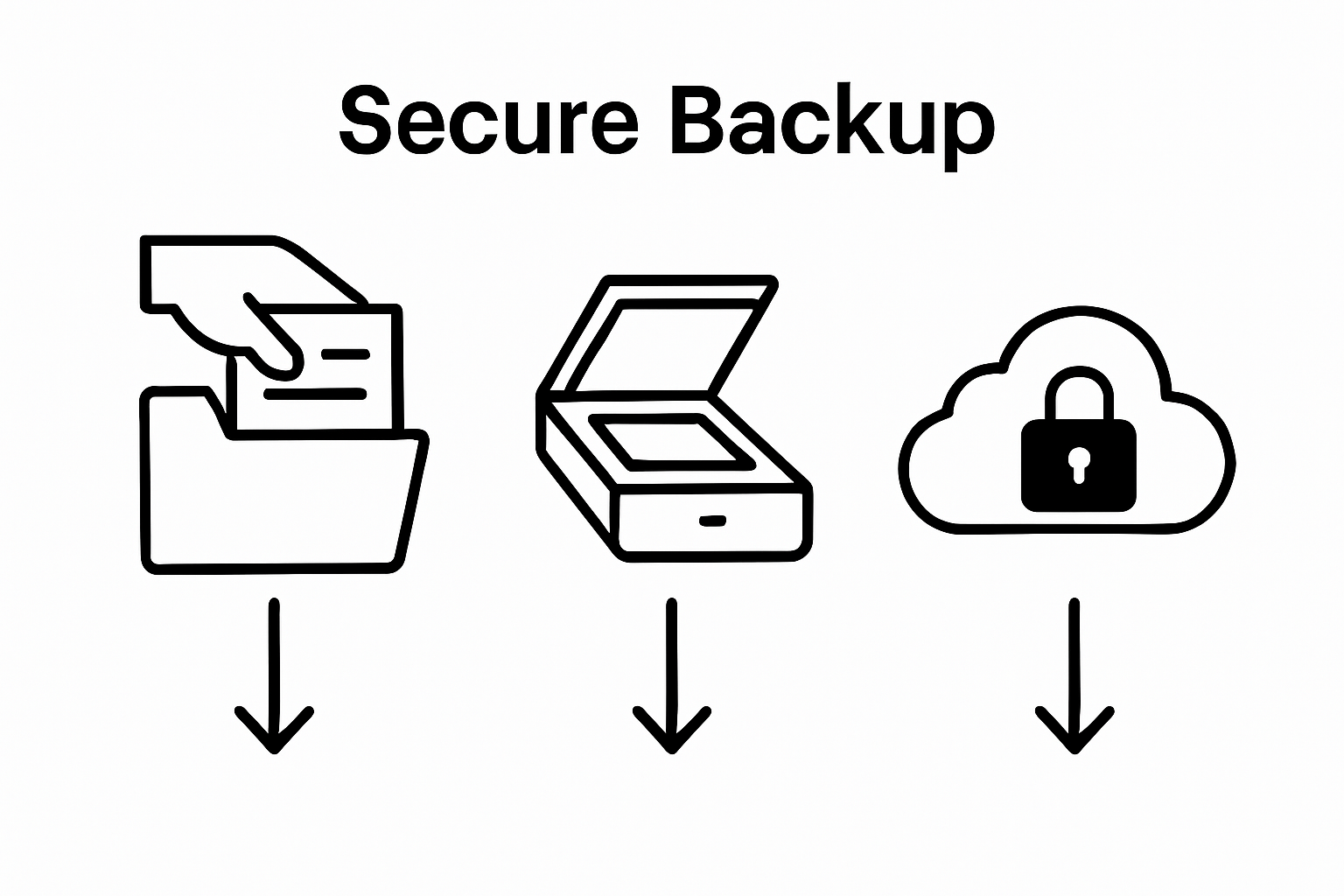
Verify your organization system by conducting a comprehensive document audit. Confirm you have multiple copies of each critical document, that all information is current and legible, and that you can quickly access any needed paperwork. Your goal is creating a robust, accessible documentation system that supports your recovery process efficiently and effectively.
The following checklist table helps you verify and organize all your critical documents after a disaster, ensuring you are fully prepared for recovery and assistance processes.
| Document Type | Verification Criteria | Organized Storage Location |
|---|---|---|
| Identification (ID, passport, etc.) | Valid, current, legible | Waterproof folder / Cloud storage |
| Proof of Residence | Matches current address, up to date | Property/Residence folder |
| Financial Records | Covers last 12 months, complete and readable | Financial digital and physical folder |
| Insurance Policies | Policy numbers and coverage clear, current | Insurance folder / Cloud backup |
| Medical Records | Complete treatment plans, prescriptions listed | Medical folder / Encrypted drive |
| Digital Backups | All vital docs scanned, securely uploaded | Encrypted cloud or hard drive |
| Multiple Copies | At least one backup in alternate secure place | Family member/trusted party/safe box |
Struggling to Rebuild After Losing Your Essential Documents?
Losing proof of identity, home ownership, or access to critical medical and financial records can leave you feeling lost and powerless. The article outlined how gathering and organizing vital paperwork is your first step toward recovery. But you do not have to handle these complicated challenges alone. At Disaster Victim Services, we specialize in coordinating fast emergency housing, connecting you with insurance resources, and guiding you through the sensitive process of document recovery. For more resources and step-by-step support specific to document needs after disaster displacement, explore our Uncategorized Resource Library.
Ready to move from overwhelmed to organized? Visit DisasterVictimServices.com now to connect with expert help and compassionate guidance. Secure your path to recovery and ensure you have the documents and support you need to reclaim your stability today.
Frequently Asked Questions
What vital personal identification documents should I gather after displacement?
You should collect government-issued identification documents such as a passport, driver’s license, birth certificate, Social Security card, and marriage certificate. These documents are essential for rebuilding your life and accessing critical services.
How can I replace lost identification documents after a disaster?
To replace lost identification documents, contact the relevant government agencies directly. Have supporting materials ready, such as photocopies or digital backups, which can help expedite the replacement process.
What types of proof of residence and ownership documents are necessary for disaster recovery assistance?
Important documents include mortgage statements, property tax receipts, utility bills, lease agreements, and rental contracts. These documents prove your legal right to occupy or own property and are crucial for accessing disaster recovery resources.
How do I ensure my financial and insurance records are properly organized after displacement?
Create a systematic filing approach by organizing documents into clearly labeled digital and physical folders. Prioritize collecting all relevant financial statements and insurance policies, and ensure you have both digital backups and securely stored physical copies.
Recommended
- Essential Steps After Sudden Displacement: 2025 Guide – Disaster Victim Services | Helping You Recover After Disaster
- How to Handle Displacement: Key Steps for Recovery in 2025 – Disaster Victim Services | Helping You Recover After Disaster
- How to Replace Documents After a Disaster: 2025 Guide – Disaster Victim Services | Helping You Recover After Disaster
- After Fire Displacement Steps: Essential Guide for 2025 – Disaster Victim Services | Helping You Recover After Disaster