
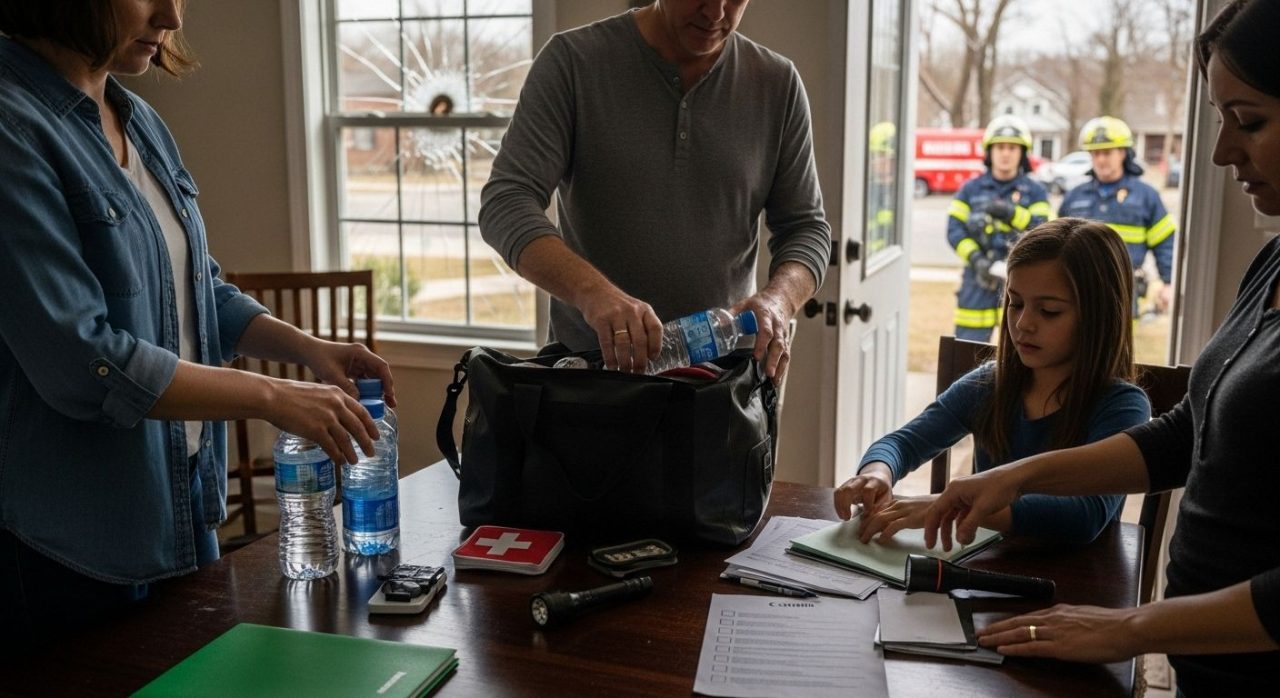
Disaster can force you out of your home in minutes, and when that happens your next steps decide more than just your comfort. The chaos makes it easy to forget the basics, yet six inches of moving water can destabilize an adult and one foot is enough to sweep away a car. You might think grabbing a few clothes and rushing out is enough, but the real difference between vulnerability and control is how well you assess, document, and communicate in those critical first moments.
Table of Contents
- Step 1: Assess Your Current Situation
- Step 2: Create A Comprehensive Relocation Plan
- Step 3: Organize Essential Supplies And Documents
- Step 4: Communicate With Relevant Agencies And Aid Providers
- Step 5: Execute The Relocation Safely
- Step 6: Verify And Settle Into Your New Location
Quick Summary
| Key Point | Explanation |
|---|---|
| 1. Assess your immediate safety risks | Conduct a thorough check for physical hazards, such as structural damage or gas leaks, and evacuate if necessary. |
| 2. Create a detailed relocation plan | Outline your relocation objectives, housing needs, and budget while considering safety, accessibility, and essential services. |
| 3. Organize emergency supplies effectively | Compile an emergency kit with crucial items like food, water, and medical supplies, ensuring they are easily accessible. |
| 4. Establish communication with agencies | Contact local and federal support services for disaster assistance, ensuring you have the necessary documentation for aid. |
| 5. Secure your new living environment | Verify the safety of your new location, update important documents, and establish healthcare connections to facilitate recovery. |
Step 1: Assess Your Current Situation
When disaster strikes, your first critical action is quickly and accurately assessing your immediate circumstances. This initial evaluation determines your safety, potential risks, and next strategic steps for relocation. Understanding your current situation means gathering essential information about your environment, personal condition, and potential hazards.
Begin by performing a comprehensive safety scan of your immediate surroundings. Check for structural damage, potential gas leaks, electrical hazards, and water contamination. Physical inspection is crucial but must be done cautiously. If buildings appear unstable or you detect unusual sounds like creaking or shifting, evacuate immediately. Learn how to conduct a thorough safety assessment before making any definitive moves.
Documentation becomes your lifeline during disaster recovery. Collect and secure critical personal documents such as identification, insurance policies, medical records, and property deeds. Store these in a waterproof, portable container or digital backup. Photograph any property damage for insurance purposes, ensuring clear, dated images that can substantiate potential claims. Prioritize digital backups whenever possible, as physical documents can be easily lost or destroyed during emergencies.
Your personal health and immediate medical needs represent another fundamental assessment factor. Evaluate any injuries, chronic conditions, or medication requirements. If you or family members have specific medical needs, identify nearby healthcare facilities, emergency medical services, and potential support networks. Prepare a compact emergency medical kit with essential medications, first aid supplies, and critical health information.
Finally, communication becomes your strategic advantage. Establish contact with local emergency services, insurance providers, and family members. Determine your communication capabilities by checking mobile networks, internet connectivity, and alternative communication methods like battery-powered radios. Create a communication plan that includes emergency contact numbers, designated meeting locations, and backup communication strategies.
Successful completion of this assessment means you have a clear understanding of your immediate environment, personal needs, and potential risks. Your next step will involve making informed decisions about temporary relocation and emergency support.
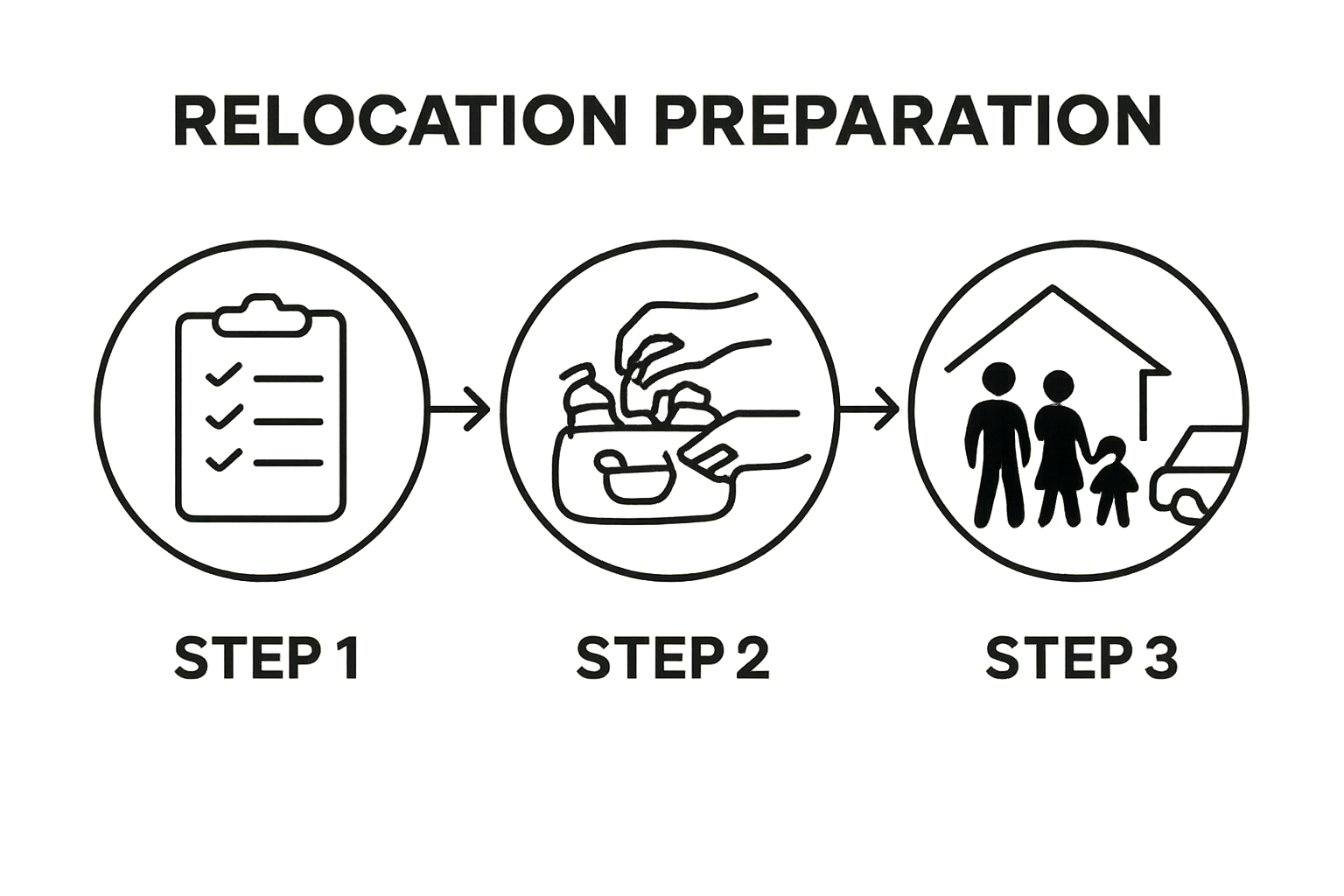
Step 2: Create a Comprehensive Relocation Plan
Creating a comprehensive relocation plan transforms chaos into structured action, providing a critical roadmap for navigating disaster displacement. This step converts your initial assessment into a strategic framework that addresses immediate survival needs while positioning you for long-term recovery. Explore our detailed rehousing process guide to understand the nuanced approach required.
Your relocation plan must address multiple dimensions beyond simple geographic movement. Begin by establishing clear, realistic objectives that account for your specific circumstances. Determine your immediate housing requirements, considering factors like family size, medical needs, work constraints, and potential support networks. Prioritize safety, accessibility, and proximity to essential services such as healthcare facilities, grocery stores, and emergency resources.
Financial preparation becomes a cornerstone of effective relocation. Calculate potential expenses including temporary housing, transportation, emergency supplies, and unexpected costs. Contact your insurance provider to understand coverage for relocation expenses. Document all disaster-related expenditures meticulously, as these may qualify for reimbursement through insurance claims or government assistance programs. Create a dedicated emergency fund or identify potential financial resources that can provide immediate support during transition.
Communication infrastructure represents another critical planning element. Develop a comprehensive communication strategy that ensures connectivity with family members, employers, healthcare providers, and support services. This includes establishing multiple communication channels like mobile phone networks, internet-based communication platforms, and backup methods such as designated meeting locations or emergency contact protocols. Prepare a physical and digital information packet containing critical documents, medical records, identification, and contact information.
Flexibility remains paramount in disaster relocation planning. Your initial plan should include multiple contingencies that anticipate potential challenges like limited housing availability, transportation disruptions, or changing emergency conditions. Develop alternative routes, backup housing options, and adaptable strategies that can be quickly implemented. Maintain a go-bag with essential supplies ready for immediate departure, ensuring you can execute your plan rapidly if circumstances suddenly change.
Successful plan completion means having a comprehensive, actionable document that provides clear guidance, addresses potential challenges, and offers multiple strategic pathways for safe, efficient relocation.
Step 3: Organize Essential Supplies and Documents
Organizing essential supplies and documents transforms potential chaos into strategic preparedness, creating a lifeline during disaster relocation. This critical step ensures you have immediate access to vital resources and information when every moment counts. Learn how to prepare critical documents for disaster relief to streamline your recovery process.
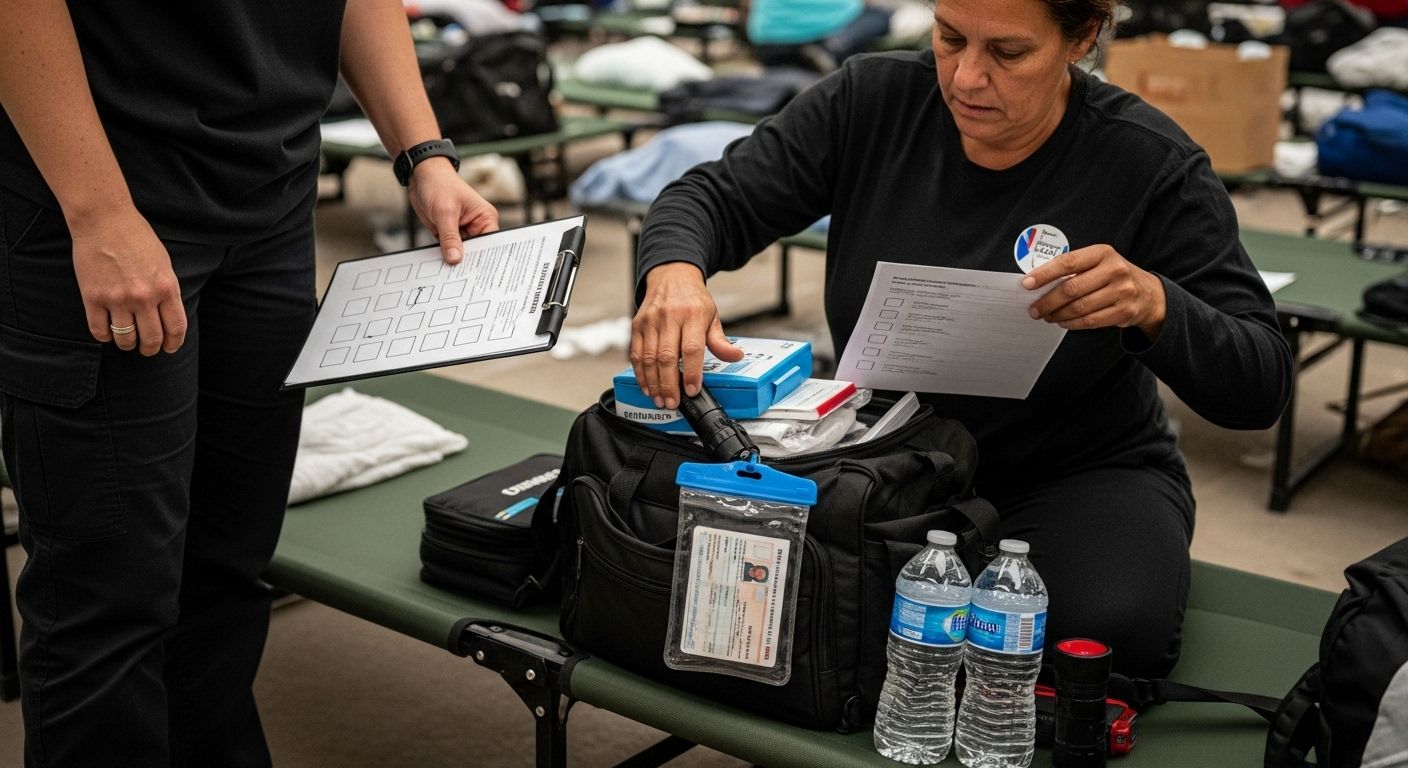
Begin by creating a comprehensive emergency kit that addresses multiple survival dimensions. This kit should include water (one gallon per person per day), non-perishable food supplies, first aid materials, prescription medications, battery-powered communication devices, and critical personal care items. Pack these supplies in waterproof, portable containers that can be quickly grabbed during emergency evacuation. Consider individual family needs such as infant formula, senior medical equipment, or specific dietary requirements when assembling your emergency resources.
Document organization represents the backbone of your relocation strategy. Compile a comprehensive digital and physical document collection that includes identification papers, insurance policies, medical records, property deeds, bank statements, and emergency contact information. Create multiple backup strategies: store digital copies in secure cloud storage, maintain encrypted digital backups on portable drives, and keep waterproof physical copies in a portable, fireproof container. Ensure family members know the location of these critical documents and understand how to access them during an emergency.
Medical preparedness requires special attention. Assemble a specialized medical emergency kit containing prescription medications, copies of medical prescriptions, medical history summaries, health insurance cards, and emergency medical contact information. For individuals with chronic conditions or specific medical needs, include detailed medical protocol instructions and necessary specialized equipment. Maintain at least a one-week supply of essential medications and store them in temperature-controlled, easily transportable containers.
Technology and communication tools become essential survival resources. Pack portable chargers, extra batteries, solar charging devices, and backup communication tools like battery-powered radios. Include prepaid mobile phone cards, written emergency contact lists, and alternative communication strategies in case primary networks become unavailable. Consider creating a family communication plan that outlines designated meeting locations, emergency contact protocols, and backup communication methods.
Successful completion means having a comprehensive, organized emergency kit and document collection that provides immediate access to critical resources, enables swift communication, and supports your relocation and recovery efforts.
Below is a checklist table to help you organize essential supplies and documents for disaster relocation preparation.
| Item Type | Examples / Details | Purpose |
|---|---|---|
| Water | One gallon per person per day | Drinking, hygiene |
| Non-perishable Food | Canned goods, energy bars, infant formula | Nutrition |
| First Aid Materials | Bandages, antiseptics, prescription medications | Immediate medical care |
| Critical Documents | IDs, insurance, medical records, property deeds | Identification and recovery |
| Communication Devices | Cell phone, battery-powered radio, solar charger | Stay informed and connected |
| Personal Care Items | Hygiene products, senior medical equipment, comfort items | Basic health and specialized needs |
| Backup Storage | Waterproof bags, cloud storage, encrypted USB drives | Protect and access important information |
Step 4: Communicate with Relevant Agencies and Aid Providers
Effective communication with agencies and aid providers transforms survival into strategic recovery, bridging the gap between immediate crisis and long-term restoration. This critical step ensures you access comprehensive support systems designed to help disaster victims rebuild their lives. Discover comprehensive guidance on accessing critical aid to streamline your recovery journey.
Initiate contact with government disaster assistance programs immediately. The Federal Emergency Management Agency (FEMA) represents your primary federal support resource. Apply for assistance through multiple channels: online at DisasterAssistance.gov, through the FEMA mobile app, by calling 1-800-621-3362, or in person at a Disaster Recovery Center. Be prepared with comprehensive documentation including proof of residence, insurance information, and detailed damage assessments. Keep meticulous records of all communications, maintaining a dedicated folder for correspondence, reference numbers, and follow-up notes.
Expand your communication strategy to include local and state emergency management agencies. These organizations often provide supplemental support programs not covered by federal assistance. Contact your state’s emergency management office, local government disaster relief coordinators, and community support centers. Each communication channel potentially unlocks additional resources such as temporary housing, financial assistance, medical support, and emotional counseling services. Develop a systematic approach to tracking these interactions, creating a comprehensive communication log that documents every conversation, promise, and potential support avenue.
Navigate insurance communication with strategic precision. Contact your insurance provider immediately, providing detailed documentation of property damage and relocation expenses. Request a comprehensive claims assessment and understand the specific documentation required for reimbursement. Some insurance policies cover additional living expenses, temporary housing, and relocation costs. Maintain open, consistent communication with your insurance adjuster, requesting written confirmations of conversations and potential support mechanisms.
Prioritize mental health support as an integral part of your communication strategy. The Substance Abuse and Mental Health Services Administration (SAMHSA) offers a Disaster Distress Helpline providing 24/7 crisis counseling. This multilingual service supports survivors through emotional challenges, offering referrals to local support services and helping you navigate the psychological impact of displacement.
Successful completion means establishing multiple communication channels with aid providers, documenting all interactions, and creating a comprehensive support network that addresses your immediate survival needs and long-term recovery goals.
Here is a table summarizing common agencies and providers to contact after a disaster, the type of support they offer, and the main communication channels.
| Agency/Provider | Type of Support Provided | How to Contact |
|---|---|---|
| FEMA (Federal Emergency Management Agency) | Federal financial aid, temporary housing, crisis support | Website, mobile app, phone (1-800-621-3362), in person |
| State Emergency Management Office | State and local relief programs | State government website, local office |
| Insurance Provider | Coverage for property/relocation expenses | Customer service phone/email, insurance portal |
| Local Community Centers | Temporary shelter, food, counseling | Neighborhood locations, community websites |
| SAMHSA Disaster Distress Helpline | Emotional/mental health support | Helpline (24/7), online chat |
Step 5: Execute the Relocation Safely
Executing a safe relocation transforms your survival strategy from theoretical planning to practical action, requiring precision, adaptability, and situational awareness. This critical step bridges your preparation with actual movement, ensuring you and your family navigate potential hazards with minimal risk. Discover expert strategies for safe disaster relocation to enhance your preparedness.
Prioritize transportation safety as your primary concern during relocation. Never drive through flooded roadways or ignore official barricades, as six inches of moving water can destabilize an adult and one foot of water can sweep vehicles away. Before departing, verify your evacuation route through official emergency management channels, local government websites, and emergency broadcast systems. Confirm multiple alternative routes in case primary pathways become impassable. Pack your emergency vehicle kit with critical supplies including water, non-perishable food, first aid materials, communication devices, and backup power sources.
Maintain constant communication during your relocation journey. Establish a communication protocol with family members and emergency contacts, ensuring everyone understands the evacuation plan and designated meeting locations. Use mobile apps like the FEMA app to track real-time emergency information, shelter locations, and potential hazards. Keep mobile devices charged and carry portable battery chargers. If cellular networks become unreliable, have backup communication methods such as battery-powered radios or pre-arranged check-in points.
Navigate potential environmental and health risks with strategic precautions. During power outages or temporary relocations, never use generators, grills, or fuel-burning devices inside enclosed spaces. Maintain at least 20 feet of distance from home openings to prevent carbon monoxide poisoning. Monitor family members for signs of stress, fatigue, or potential health complications. Carry essential medications, maintain hydration, and take regular breaks during travel to manage physical and emotional strain.
Address special needs for vulnerable family members including children, seniors, and individuals with medical conditions. Prepare specialized emergency kits tailored to their specific requirements, including extra medications, mobility assistance devices, comfort items, and necessary medical documentation. Coordinate with local emergency services in advance to understand special accommodation options and potential support services at evacuation centers.
Successful relocation means safely transporting your family to a secure location while maintaining communication, managing health risks, and preserving your physical and emotional well-being throughout the transition.
Step 6: Verify and Settle into Your New Location
Settling into a new location after disaster displacement represents more than physical relocation—it’s a critical transition toward rebuilding your life with resilience and strategic planning. This step transforms your temporary refuge into a functional living environment while protecting your long-term recovery interests. Explore our comprehensive guide to post-disaster resettlement to navigate this complex process effectively.
Begin by conducting a comprehensive safety and functionality assessment of your new living space. Inspect the entire area for potential hazards including structural integrity, electrical systems, plumbing, and environmental risks. Test all utilities, verify smoke and carbon monoxide detectors are operational, and ensure windows and doors lock securely. Document any existing damages or maintenance issues immediately, creating a detailed record for potential insurance claims or temporary housing providers. Take photographs and maintain a written log of observations to protect your interests and support future recovery efforts.
Establish critical administrative connections within your new community rapidly. Update your address with government agencies, insurance providers, employers, and financial institutions. Verify your eligibility for local support services, including healthcare, education, and emergency assistance programs. For families with school-age children, contact local school districts to ensure immediate enrollment, understanding that federal protections exist to support displaced students’ educational continuity. Obtain local identification, update driver’s licenses, and register to vote in your new location if applicable.
Prioritize healthcare and insurance transitions as fundamental resettlement tasks. Contact your health insurance provider to update your location and verify coverage continuity. Schedule immediate medical consultations to address any health concerns stemming from displacement, ensuring prescriptions are transferred and medical records are accessible. If you’ve moved to a new healthcare network, request comprehensive medical record transfers and establish relationships with local healthcare providers who understand your specific medical history.
Develop a psychological and emotional stabilization strategy alongside your logistical resettlement efforts. Recognize that relocation triggers significant stress and emotional challenges. Connect with local community support groups, mental health resources, and disaster recovery counseling services. Create a structured daily routine that provides a sense of normalcy and control. Engage with neighbors, explore your new community, and gradually rebuild social connections that support emotional resilience.
Successful settlement means transforming your temporary location into a secure, functional living environment while maintaining comprehensive documentation, administrative connections, and emotional well-being throughout your recovery journey.
Ready to Move Forward? Key Support for Safe Disaster Relocation
Emergencies can leave you feeling overwhelmed, especially when you need to relocate your family quickly and safely. The steps you learned in this article—from detailed safety assessments to organizing documents and communicating with aid providers—highlight just how stressful recovery can be. Many disaster victims face the same challenges: finding trustworthy housing fast, managing insurance claims, and coordinating support while under emotional strain.
That is exactly why Disaster Victim Services exists. Our team streamlines each stage of your relocation. We work around the clock to secure temporary housing, coordinate logistics, and bridge the gap between you, your insurance company, and emergency partners. If you want dedicated help with your next move or want to learn more about rebuilding after crisis, start by visiting our Developing section. Do not wait to restore your stability. Contact us today at Disaster Victim Services and let us guide you toward a safe and confident recovery.
Frequently Asked Questions
What should I do first after a disaster?
Assess your current situation by checking for safety hazards, documenting any damage, securing critical personal documents, and addressing immediate health needs.
How can I create a relocation plan for disaster displacement?
Establish clear objectives for housing, financial preparation, and communication strategies while being flexible to adapt to changing circumstances.
What essential supplies should I have ready for emergency relocation?
Prepare a comprehensive emergency kit including water, non-perishable food, first aid supplies, medications, communication devices, and copies of important documents.
How do I communicate effectively with aid providers after a disaster?
Initiate contact with local and government disaster assistance programs, document all communications, and keep organized records of your interactions for follow-up support.
Recommended
- How to Handle Relocations in 2025: A Guide for Disaster Relief Teams – Disaster Victim Services | Helping You Recover After Disaster
- Essential Steps After Sudden Displacement: 2025 Guide – Disaster Victim Services | Helping You Recover After Disaster
- Disaster Safety Checklist 2025: Essential Steps for Every Family and Organization – Disaster Victim Services | Helping You Recover After Disaster
- How to handle relocations – Disaster Victim Services | Helping You Recover After Disaster