

Occupancy standards shape where and how people live. The U.S. Department of Housing and Urban Development recommends just two people per bedroom, and FEMA requires at least 20 to 80 square feet per evacuee in disaster shelters. These numbers might seem strict or even arbitrary at first glance. But what surprises many is that these limits are often the difference between safe recovery and dangerous overcrowding after disasters, making them critical for survival and community health.
Table of Contents
- What Are Occupancy Standards And Their Purpose?
- Why Occupancy Standards Matter In Disasters And Recovery
- How Occupancy Standards Work In Different Settings
- Key Concepts Behind Establishing Occupancy Standards
- Real-World Applications Of Occupancy Standards
Quick Summary
| Takeaway | Explanation |
|---|---|
| Occupancy standards prevent overcrowding. | These guidelines ensure safe living conditions, protecting residents’ health and well-being. |
| Two persons per bedroom is a guideline. | This general rule aids in determining legal occupancy based on bedroom count and local regulations. |
| Occupancy standards impact emergency housing. | Proper understanding ensures safe and dignified living spaces for disaster victims and displaced families. |
| Health risks arise in overcrowded spaces. | Overcrowding increases the risk of disease transmission and mental health stress, highlighting the importance of standards. |
| Context matters for occupancy guidelines. | Standards are tailored to specific environments like residential, commercial, and emergency settings for safety and compliance. |
What Are Occupancy Standards and Their Purpose?
Occupancy standards represent crucial guidelines that determine the maximum number of individuals who can safely and legally reside within a specific living space. These standards are designed to protect residents’ health, safety, and quality of life by preventing overcrowding and ensuring adequate living conditions.
Defining Occupancy Standards
At their core, occupancy standards establish how many people can comfortably and legally inhabit a residential unit based on several key factors:
- Number of bedrooms
- Total square footage
- Local building and health regulations
- Safety considerations
- Family composition
According to the U.S. Department of Housing and Urban Development, a general rule of thumb is two persons per bedroom, though this can vary depending on specific circumstances and local regulations.
Purpose and Public Health Implications
Occupancy standards serve multiple critical functions beyond simple space allocation. They play a significant role in:
- Preventing overcrowding
- Maintaining acceptable living conditions
- Protecting public health
- Ensuring adequate personal space
- Reducing potential health risks associated with dense living environments
The Centers for Disease Control and Prevention notes that crowded housing conditions can significantly impact mental and physical health, increasing stress and potential disease transmission risks.
Practical Considerations
Local jurisdictions often have specific occupancy guidelines that consider unique factors such as unit configuration, septic system capacity, and overall building infrastructure. These standards help balance individual housing needs with broader community health and safety requirements.
For disaster victims and displaced families, understanding occupancy standards becomes crucial when seeking temporary or emergency housing solutions. These guidelines ensure that temporary accommodations provide safe, dignified living spaces that meet fundamental health and safety requirements. Learn more about emergency housing solutions that take these critical standards into account.
Why Occupancy Standards Matter in Disasters and Recovery
During disaster response and recovery, occupancy standards become more than just regulatory guidelines—they transform into critical lifelines that directly impact survivors’ health, safety, and psychological well-being. Understanding these standards helps emergency responders, relief organizations, and displaced families navigate complex housing challenges effectively.
Health and Safety Considerations
In emergency situations, proper occupancy management can mean the difference between safe shelter and potential health risks. Overcrowded spaces dramatically increase the likelihood of disease transmission, especially in environments where medical resources are already strained. Research from the Centers for Disease Control and Prevention documents how infectious disease outbreaks frequently occur in evacuation shelters due to close human contact and limited isolation capabilities.
Key health risks in overcrowded emergency housing include:
- Rapid spread of respiratory infections
- Increased mental health stress
- Higher potential for communicable diseases
- Compromised personal hygiene opportunities
- Reduced psychological recovery space
Operational and Logistical Challenges
Emergency management teams must carefully balance occupancy standards with immediate housing needs. Space allocation becomes a strategic necessity, not just a bureaucratic requirement. Our guide on assessing housing capacity provides deeper insights into these complex calculations.
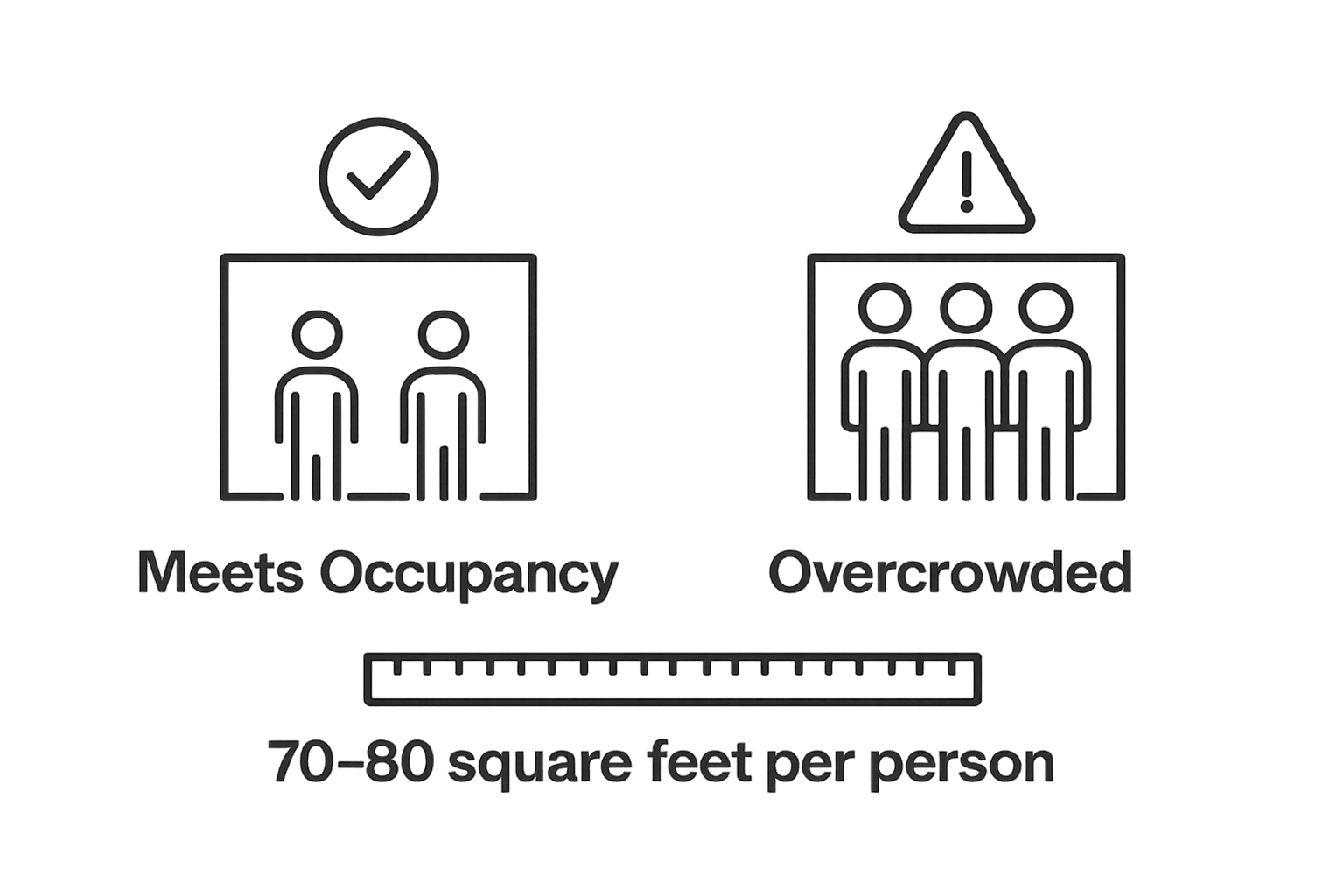
According to FEMA’s Resource Typing guidance, evacuation shelters require approximately 20-80 square feet per resident, depending on the shelter’s intended duration and purpose. These precise measurements ensure not just physical space, but also essential support infrastructure li
ke medical areas, food distribution, and psychological support zones.
Long-Term Recovery Implications
Occupancy standards extend far beyond immediate emergency response. They play a crucial role in sustainable recovery planning, helping communities rebuild with resilience and dignity. Proper housing density management prevents secondary trauma, supports family unit integrity, and creates environments conducive to psychological healing.
This summary table outlines the key health and safety risks associated with overcrowded living spaces, as described in the article.
| Health/Safety Risk | Impact of Overcrowding |
|---|---|
| Spread of Infections | Rapid transmission of respiratory/communicable diseases |
| Mental Health Stress | Increased psychological stress, reduced recovery space |
| Compromised Hygiene | Limited personal hygiene opportunities |
| Higher Disease Risk | Elevated likelihood of outbreaks in dense settings |
| Reduced Privacy | Strained personal boundaries and comfort |
For disaster victims, understanding these standards means more than knowing how many people can occupy a space—it represents a pathway to stability, safety, and eventual restoration of normal life.
How Occupancy Standards Work in Different Settings
Occupancy standards are not one-size-fits-all regulations but nuanced guidelines that adapt to specific environments, reflecting the unique requirements of different residential, commercial, and emergency settings. Understanding these variations becomes crucial for ensuring safety, comfort, and legal compliance across diverse spaces.
Residential Housing Standards
In residential settings, occupancy standards primarily consider family composition, living space configuration, and local housing codes. According to the U.S. Department of Housing and Urban Development, a general benchmark is two persons per bedroom, though this rule flexibly adapts to specific circumstances.
Key residential occupancy considerations include:
- Total square footage
- Number of bedrooms
- Ages of occupants
- Sleeping area configuration
- Local zoning regulations
Emergency and Specialized Environments
During disasters and emergency responses, occupancy standards take on critical life-safety dimensions. Learn more about housing accessibility in emergency scenarios to understand these specialized requirements.
Building and fire codes establish precise occupant load factors that determine maximum safe occupancy. For instance, evacuation shelters require approximately 20-80 square feet per resident, with measurements varying based on shelter duration and intended purpose. These standards ensure not just physical space, but critical infrastructure for medical support, food distribution, and psychological recovery zones.
Institutional and Commercial Settings
Institutional environments like childcare centers, dormitories, and healthcare facilities have their own rigorous occupancy standards. These regulations focus on creating safe, healthy environments that support specific functional needs.
For example, childcare licensing often mandates precise space allocations:
- Minimum indoor floor space per child
- Required outdoor play area dimensions
- Specific ratios of children to supervision
- Safety infrastructure requirements
These meticulously designed standards protect vulnerable populations by ensuring adequate space, supervision, and environmental quality. They represent a comprehensive approach to creating safe, supportive spaces that go beyond simple square footage calculations.
Key Concepts Behind Establishing Occupancy Standards
Occupancy standards represent a complex intersection of public health, safety regulations, social considerations, and spatial dynamics. They are not arbitrary rules but carefully crafted guidelines designed to balance human needs with environmental constraints and legal requirements.
Legal and Regulatory Foundations
According to the U.S. Department of Housing and Urban Development, establishing occupancy standards involves multiple critical considerations that go beyond simple square footage calculations. The fundamental principle is creating safe, equitable living environments that protect individual and community well-being.
Key legal considerations include:
- Fair housing protections
- Anti-discrimination regulations
- State and local building codes
- Health and safety minimum requirements
- Family composition recognition
Health and Safety Parameters
Occupancy standards fundamentally aim to prevent overcrowding and its associated health risks. Physical space allocation directly impacts psychological and physiological human functioning. Learn more about housing accessibility in complex environments to understand these intricate relationships.
Critical health and safety parameters include:
- Minimum air circulation requirements
- Personal space psychological needs
- Disease transmission prevention
- Emergency evacuation considerations
- Individual privacy preservation
Contextual Adaptive Frameworks
Modern occupancy standards recognize that one-size-fits-all approaches are inadequate. Different environments—residential, institutional, commercial, emergency—require nuanced, context-specific guidelines. These standards must dynamically adapt to varying factors such as demographic composition, cultural practices, and specific use cases.
Below is a comparison table summarizing how occupancy standards differ across various settings discussed in the article.
| Setting Type | Main Criteria for Occupancy | Common Standards/Examples | Purpose of Standards |
|---|---|---|---|
| Residential Housing | Bedrooms, square footage, family makeup | 2 persons per bedroom (HUD guideline) | Ensure safe, healthy family living |
| Emergency/Shelter | Square feet per resident, infrastructure | 20-80 sq ft per person (FEMA guidance) | Guarantee safe, disease-averse shelter |
| Institutional/Commercial | Floor area per person, special regulations | Minimums for childcare, healthcare (varies) | Protect vulnerable groups, legal compliance |
The most sophisticated occupancy standard frameworks incorporate:
- Flexible interpretation mechanisms
- Periodic regulatory reviews
- Technological infrastructure assessments
- Demographic trend analysis
- Emerging public health research
By integrating these multifaceted considerations, occupancy standards evolve from rigid rules into sophisticated, responsive systems that protect and support human communities across diverse settings.
Real-World Applications of Occupancy Standards
Occupancy standards transform from abstract regulations into critical practical tools that shape how we design, manage, and utilize spaces across numerous professional and public domains. These standards serve as invisible frameworks that ensure safety, efficiency, and human well-being in diverse environments.
Emergency Response and Disaster Management
According to building and fire code regulations, occupancy standards become lifesaving mechanisms during crisis scenarios. Emergency planners use precise space allocation metrics to determine shelter capacities, medical support zones, and evacuation strategies. These calculations directly impact survival and recovery potential.
Key emergency application areas include:
- Designing mass evacuation shelters
- Calculating medical triage space requirements
- Establishing safe population density limits
- Planning food and resource distribution zones
- Ensuring rapid emergency movement capabilities
Institutional and Professional Settings
Occupancy standards provide critical infrastructure for specialized environments like childcare centers, healthcare facilities, and educational institutions. Learn more about housing accessibility in complex scenarios to understand these nuanced applications.
Professional settings leverage occupancy standards to:
- Determine facility licensing capacities
- Ensure student-to-teacher ratios
- Design safe workplace environments
- Manage healthcare patient distributions
- Create compliant training and assembly spaces
Residential and Community Planning
In residential contexts, occupancy standards help communities balance housing needs with infrastructure capabilities. Urban planners, architects, and housing authorities use these guidelines to design neighborhoods, allocate resources, and ensure sustainable living environments.
Residential application strategies involve:
- Zoning regulation development
- Affordable housing design
- Infrastructure capacity planning
- Family housing configuration
- Public service resource allocation
By translating complex regulatory requirements into practical implementation strategies, occupancy standards become powerful tools for creating safe, efficient, and human-centered spaces across multiple societal domains.
Ready for Safe and Compliant Emergency Housing?
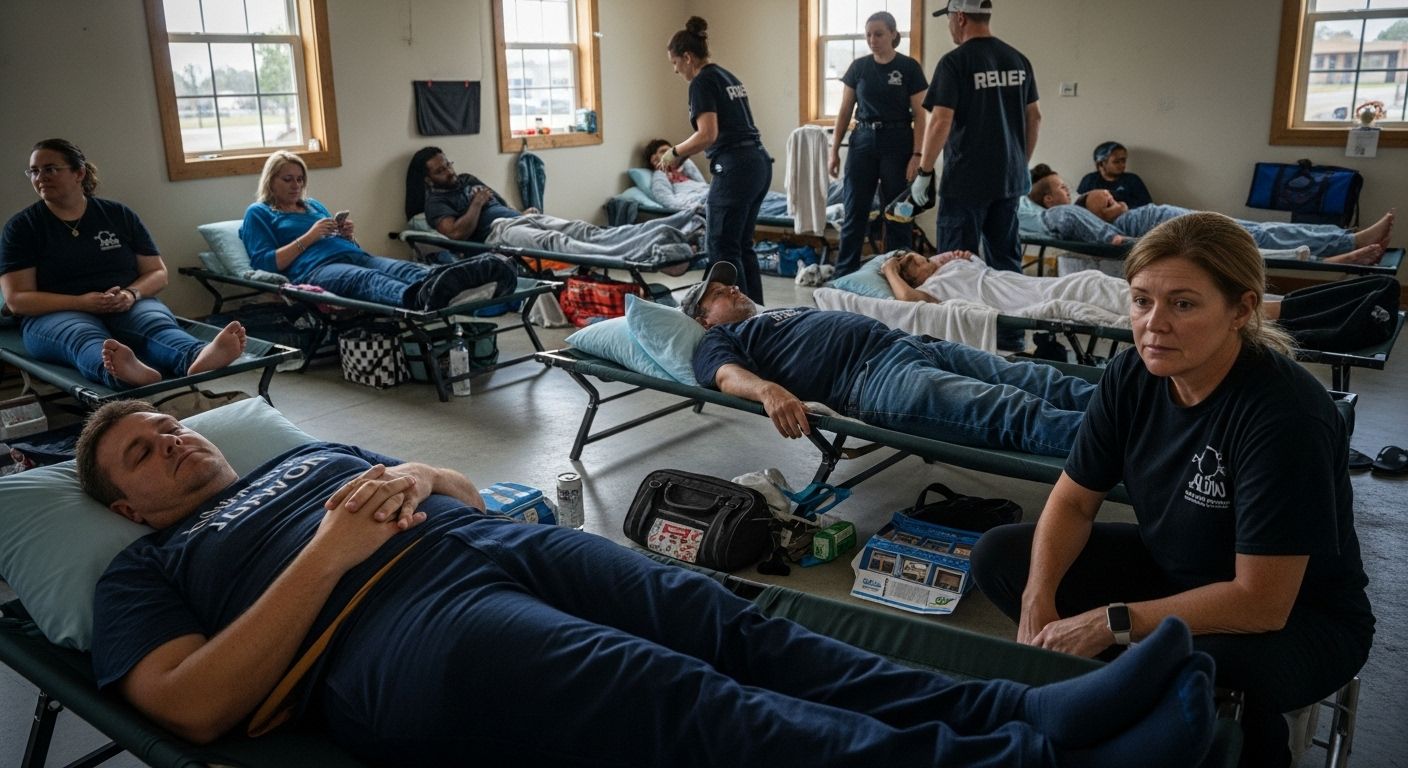
Understanding occupancy standards is essential when disaster strikes. Overcrowding not only threatens physical safety but also increases mental and emotional stress for families who are already vulnerable. If you or your loved ones are navigating the uncertainty of temporary or emergency housing, knowing what counts as adequate and legal living space helps you avoid the risks of unhealthy or insecure accommodations. The pain of displacement can be overwhelming, but you do not have to tackle complex housing standards alone.
DisasterVictimServices.com is your trusted partner for expert-guided recovery. We deliver fast, safe, and compliant emergency housing solutions, all tailored to the specific requirements outlined by occupancy standards from regulatory agencies. Our specialized team manages the details so you can focus on rebuilding. If you need immediate help or want to ensure your next housing step meets crucial standards for safety and health, visit DisasterVictimServices.com right now. Protect your family’s well-being and start your recovery journey with confidence. Contact our compassionate team today and experience real support when you need it most.
Frequently Asked Questions
What are occupancy standards?
Occupancy standards are guidelines that determine the maximum number of people who can legally reside in a specific living space. They are based on factors such as the number of bedrooms, total square footage, local regulations, and safety considerations.
Why are occupancy standards important?
Occupancy standards are crucial for preventing overcrowding, maintaining healthy living conditions, and protecting residents’ health and safety. They help ensure adequate personal space and reduce health risks associated with dense living environments.
How are occupancy standards determined?
Occupancy standards are typically established by local jurisdictions and take into account various factors, including the configuration of the living unit, health and safety codes, total square footage, and family composition.
How do occupancy standards apply in emergency situations?
In emergency situations, occupancy standards play a vital role in ensuring safe shelter for displaced individuals. They help prevent overcrowding in evacuation shelters, which reduces the risk of disease transmission and supports the health and well-being of those affected.
Recommended
- Housing Accessibility Standards 2025: Essential Guide for Disaster Response – Disaster Victim Services | Helping You Recover After Disaster
- Housing Accessibility Trends 2025: Key Insights for Disaster Recovery – Disaster Victim Services | Helping You Recover After Disaster
- How to Assess Housing Capacity for Disaster Response – Disaster Victim Services | Helping You Recover After Disaster
- Safe Housing Placement Steps for Disaster Response 2025 – Disaster Victim Services | Helping You Recover After Disaster