

Earthquakes can strike without warning and disrupt every part of daily life. Every year, the US faces over 20,000 earthquakes, with even minor tremors injuring hundreds and damaging thousands of homes. Now here’s what most people miss. Stockpiling canned food or grabbing a flashlight is only a tiny piece of true earthquake readiness. Step-by-step planning before, during, and after a quake is what actually protects your family and home when disaster hits.
Table of Contents
- Preparing Your Family And Home For Earthquakes
- Earthquake Emergency Actions During A Quake
- Key Steps To Take After The Earthquake
- Supporting Vulnerable Groups And Community Recovery
Quick Summary
| Takeaway | Explanation |
|---|---|
| Develop a family communication plan | Establish a clear plan for family members to reconnect and stay informed during an earthquake, including designated meeting points and backup communication methods. |
| Secure your home against earthquakes | Identify and mitigate hazards by anchoring furniture, securing water heaters, and assessing your home’s structural integrity to prevent injury during a quake. |
| Prepare an emergency supply kit | Assemble a kit containing essential items such as water, non-perishable food, first aid supplies, and important documents to sustain your family for at least 72 hours. |
| Follow “Drop, Cover, and Hold On” | During an earthquake, immediately lower yourself, take shelter under sturdy furniture, and protect your head and neck until the shaking stops. |
| Document damage for recovery | After an earthquake, photograph all property damage, safeguard important documents, and keep records of expenses to assist in insurance claims and recovery efforts. |
Preparing Your Family and Home for Earthquakes
Earthquake preparedness requires strategic planning and proactive measures to protect your family and home from potential devastation. Understanding the critical steps for safeguarding your loved ones can mean the difference between chaos and controlled response during a seismic event.
Creating a Family Emergency Communication Plan
Developing a comprehensive family emergency communication plan is fundamental to earthquake readiness. According to FEMA, families should establish clear protocols for reconnecting and staying informed during a disaster. This involves designating an out-of-area contact who can serve as a central communication hub if local networks become overwhelmed.
Key components of an effective communication plan include:
- Emergency Contacts: Create a list of essential phone numbers and email addresses for family members, local emergency services, and key support networks.
- Meeting Points: Identify multiple safe gathering locations both near your home and outside your neighborhood in case immediate evacuation becomes necessary.
- Communication Devices: Ensure each family member has a backup communication method such as a hand-crank radio or emergency cell phone charger.
Home Structural Preparation and Safety Measures
Preparing your physical living space involves strategic reinforcement and risk mitigation. Research from the United States Geological Survey highlights the importance of identifying and securing potential hazards within your home. This includes anchoring heavy furniture, securing water heaters, and installing flexible gas line connections to prevent potential fires or structural damage during seismic activity.
Homeowners should prioritize:
- Structural Assessment: Conduct a professional evaluation of your home’s earthquake resistance, focusing on foundation integrity and potential structural weaknesses.
- Furniture Anchoring: Use earthquake straps and brackets to secure bookcases, cabinets, and large appliances to wall studs.
- Breakable Item Protection: Store fragile items in low, closed cabinets with latched doors to prevent them from becoming dangerous projectiles during ground movement.
To enhance your earthquake preparedness, learn more about our comprehensive emergency planning resources
Emergency Supply Kit Essentials
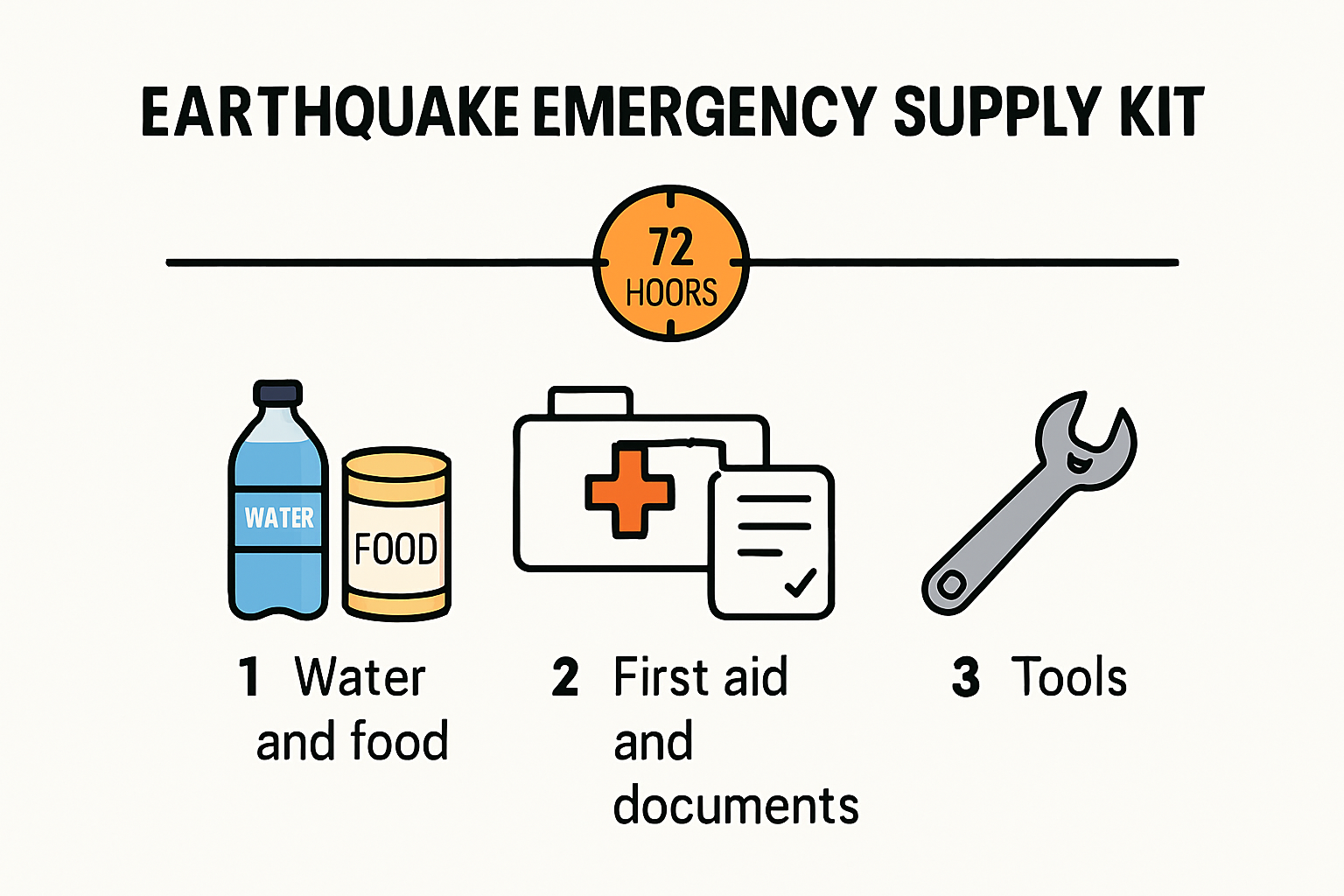
Assembling a comprehensive emergency supply kit is crucial for surviving the immediate aftermath of an earthquake. Your kit should contain sufficient supplies to sustain your family for at least 72 hours, accounting for potential infrastructure disruptions and limited access to standard resources.
Recommended emergency kit contents include:
- Water and Non-Perishable Food: Store one gallon of water per person per day and select high-energy, non-perishable food items.
- First Aid and Medications: Pack a robust first aid kit, prescription medications, and essential medical supplies.
- Essential Documents: Include copies of identification, insurance policies, and critical medical information in a waterproof, portable container.
- Emergency Tools: Include a multipurpose tool, flashlight, extra batteries, and a battery-powered or hand-crank radio for receiving emergency broadcasts.
To help you quickly understand the differences between indoor and outdoor earthquake safety protocols, the table below outlines the recommended actions based on your location during a quake.
| Location | Key Actions During Earthquake |
|---|---|
| Indoors | – Stay inside – Move away from windows, bookcases, and heavy furniture – Remain in “Drop, Cover, and Hold On” position – Be prepared for building structural changes |
| Outdoors | – Move to open area – Stay away from buildings, power lines, trees – Avoid standing near structures that might collapse |
| In a Vehicle | – Pull over to a safe spot away from overpasses, trees, utility wires – Stay inside until shaking stops |
By implementing these comprehensive earthquake emergency tips, families can significantly improve their preparedness and resilience during potential seismic events. Remember that preparation is an ongoing process requiring regular review and updating of your emergency strategies.
Earthquake Emergency Actions During a Quake
When an earthquake strikes, your immediate actions can significantly impact your survival and safety. Understanding precise response protocols can mean the difference between life and death during these unpredictable and potentially devastating seismic events.
Immediate Response Protocols
During an earthquake, your primary goal is to protect yourself from falling debris and potential structural collapse. According to the Centers for Disease Control and Prevention, the critical strategy is to “Drop, Cover, and Hold On.” This universal safety protocol involves three immediate steps:
- Drop: Immediately lower yourself to the ground to prevent being knocked over by sudden ground movement.
- Cover: Seek shelter under a sturdy table or desk, protecting your head and neck from potential falling objects.
- Hold On: Maintain your position and grip on your shelter until the shaking completely stops.
If no sturdy furniture is available, the National Institute of Standards and Technology recommends positioning yourself against an interior wall away from windows, covering your head and neck with your arms to minimize potential injury.
Location-Specific Safety Strategies
Your earthquake response will vary depending on your specific location when the seismic event occurs. Indoor and outdoor environments demand different survival strategies:
Indoor Safety
- Stay inside if you are already indoors
- Move away from windows, bookcases, and heavy furniture that could topple
- Remain in your “Drop, Cover, and Hold On” position until shaking ceases
- Be prepared for potential building structural changes
Outdoor Safety
- Move to an open area away from buildings, power lines, and potential falling debris
- Avoid standing near trees, utility wires, or structures that might collapse
- If driving, slowly pull over to a safe location away from buildings, trees, overpasses, and utility wires
Get expert guidance on emergency response strategies to enhance your readiness during seismic events.
Post-Shaking Immediate Actions
Once the ground stops moving, your next critical phase involves assessing your immediate environment and ensuring personal safety. Key post-earthquake actions include:
- Carefully check yourself and others for potential injuries
- Be alert for potential aftershocks, which can occur minutes or even hours after the initial earthquake
- If inside a building, evacuate cautiously if you detect significant structural damage
- Listen for emergency broadcast instructions on a battery-powered radio
- Avoid using telephones except for genuine emergencies to keep communication lines open for rescue services
Remember that panic is your greatest enemy during an earthquake. Maintaining calm, following established safety protocols, and protecting yourself from immediate physical harm are your primary objectives. Quick, deliberate actions can substantially increase your chances of survival during these critical moments.
Key Steps to Take After the Earthquake
In the immediate aftermath of an earthquake, your actions can significantly impact your safety, recovery, and long-term well-being. Understanding the critical steps to take following a seismic event is crucial for protecting yourself, your loved ones, and your property.
Initial Safety and Damage Assessment
Once the ground stops shaking, your primary focus should be on conducting a thorough and careful assessment of your immediate environment. According to FEMA, the first 24 hours after an earthquake are critical for ensuring personal safety and initiating recovery processes.
Key initial steps include:
- Personal Health Check: Carefully examine yourself and family members for any injuries
- Structural Evaluation: Look for visible signs of structural damage in your home or building
- Utility Safety: Check for potential gas leaks, electrical hazards, or water line breaks
- Emergency Communication: Establish contact with family members and emergency services
Discover comprehensive guidance for managing sudden displacement to help navigate the challenging aftermath of a disaster.
To clarify the most important priorities immediately after an earthquake, here’s a table summarizing key post-quake safety and assessment checks.
| Priority Check | Description |
|---|---|
| Personal Health | Check for injuries to yourself/family; render first aid if needed |
| Building Structure | Inspect for cracks, leaning walls, or visible damage |
| Gas Leaks/Electrical Hazards | Smell for gas leaks, listen for hissing, check breakers |
| Water Lines | Look for leaks, pooling water, loss of water pressure |
| Emergency Contact | Communicate with family and emergency services |
Critical Emergency Response Actions
After ensuring immediate personal safety, your next priority is implementing strategic emergency response measures. The Red Cross recommends a systematic approach to post-earthquake recovery:
Immediate Emergency Actions
- Listen to local emergency broadcasts for official instructions
- Be prepared for potential aftershocks
- Evacuate buildings if they appear structurally compromised
- Avoid using elevators and damaged stairways
- Keep roadways clear for emergency vehicles
Emergency Communication Strategy
- Use text messages instead of phone calls to reduce network congestion
- Contact your designated out-of-area emergency contact
- Report your status to local emergency management
Long-Term Recovery and Documentation
Beyond immediate survival, the post-earthquake phase requires careful documentation and strategic planning. Documentation is crucial for insurance claims, potential disaster relief, and future recovery efforts.
Critical documentation steps include:
- Photograph and video record all property damage
- Collect and safeguard important personal documents
- Contact your insurance provider to initiate claims process
- Keep detailed records of all earthquake-related expenses
- Document any medical treatments or emergency services utilized
The recovery process following an earthquake can be overwhelming. Remember that professional support systems exist to help you navigate this challenging time. Stay calm, prioritize safety, and systematically work through recovery steps. Your preparedness and measured response can significantly reduce the long-term impact of the earthquake on your life and property.
Supporting Vulnerable Groups and Community Recovery
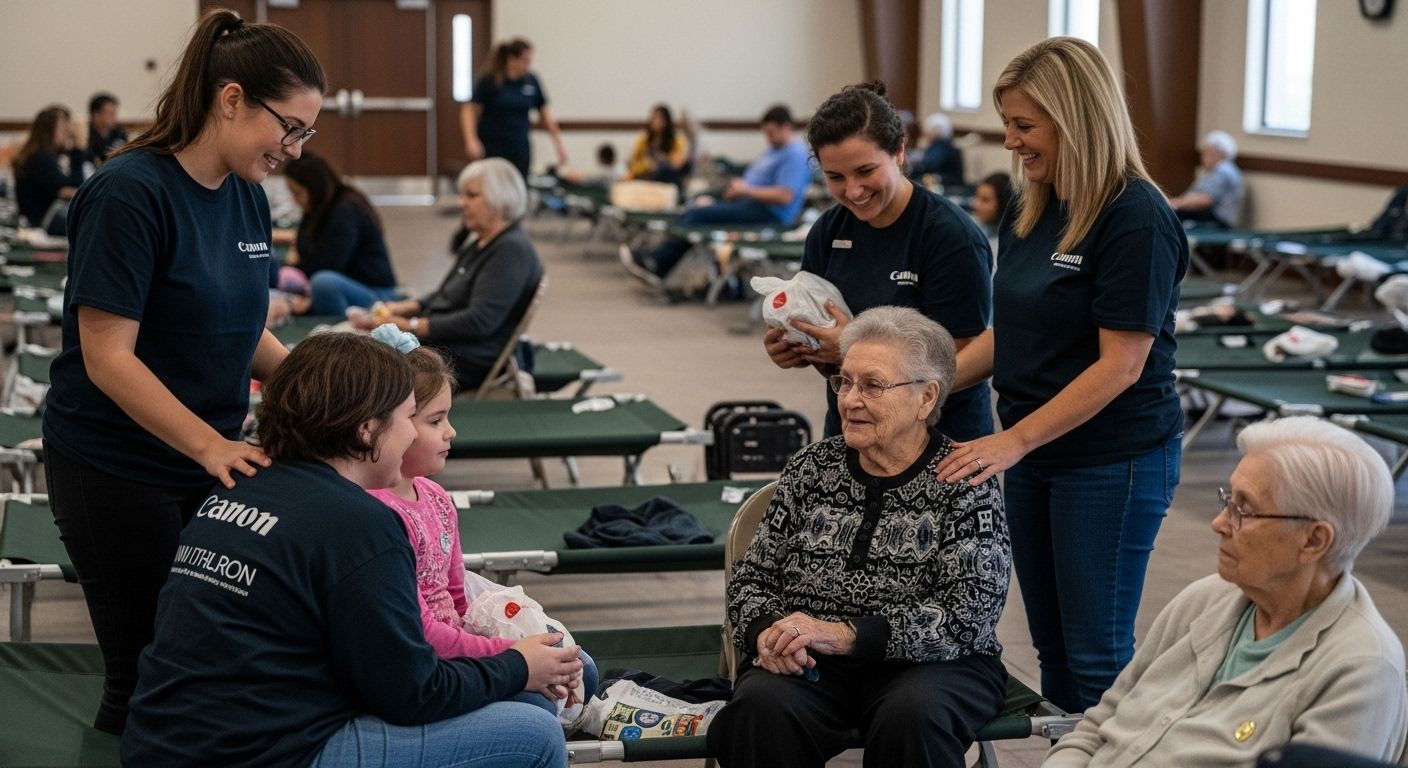
Earthquake disasters disproportionately impact vulnerable populations, requiring specialized and compassionate recovery strategies. Understanding the unique challenges faced by different community members is crucial for comprehensive and equitable disaster response.
Identifying and Prioritizing Vulnerable Populations
Vulnerable groups require targeted support and tailored emergency interventions. According to FEMA’s disaster planning guidelines, these populations include seniors, individuals with disabilities, children, non-English speakers, and low-income families.
Key considerations for supporting vulnerable groups include:
- Medical Needs: Ensure continuous access to medications, medical equipment, and healthcare services
- Communication Barriers: Provide multilingual information and translation services
- Mobility Challenges: Create accessible evacuation and shelter protocols
- Psychological Support: Offer trauma-informed counseling and mental health resources
Community Resilience and Support Networks
Understand how to build and access critical support networks during challenging recovery periods. The RAND Corporation emphasizes that effective community resilience depends on collaborative, inclusive recovery strategies.
Essential community recovery strategies include:
- Establishing local disaster response teams
- Creating neighborhood support groups
- Developing communication networks
- Sharing resources and information
- Supporting mutual aid initiatives
Long-Term Recovery and Rehabilitation
Recovery from an earthquake extends far beyond immediate rescue efforts. Comprehensive rehabilitation requires systematic, compassionate approaches addressing physical, emotional, and economic dimensions of community healing.
Critical long-term recovery components:
- Housing Assistance: Help displaced families find stable housing
- Economic Support: Provide job training and financial recovery resources
- Educational Continuity: Ensure uninterrupted schooling for children
- Mental Health Services: Offer ongoing psychological support
- Community Rebuilding: Develop inclusive reconstruction plans
Successful community recovery requires recognizing that every individual’s experience is unique. By prioritizing empathy, collaboration, and targeted support, communities can transform disaster challenges into opportunities for collective healing and growth. The path to recovery is not linear but a shared journey of resilience and mutual support.
Frequently Asked Questions
How can I prepare my family for an earthquake?
Develop a family emergency communication plan that includes emergency contacts, meeting points, and backup communication methods. Ensure all family members know the plan and practice it regularly.
What should I include in my emergency supply kit for an earthquake?
Your emergency supply kit should contain at least 72 hours’ worth of water, non-perishable food, first aid supplies, important documents, and emergency tools like a flashlight and a hand-crank radio.
What immediate actions should I take during an earthquake?
During an earthquake, follow the “Drop, Cover, and Hold On” protocol: Drop to the ground, take cover under sturdy furniture, and hold on until the shaking stops. If indoors, stay inside; if outdoors, move to an open area away from buildings.
What steps should I take after an earthquake?
After an earthquake, check yourself and others for injuries, assess your home for structural damage, check for gas leaks, listen for emergency broadcasts, and document any property damage for insurance purposes.
Turn Earthquake Preparation Into Confident Recovery With Professional Support
You have learned how essential it is to secure your home, organize an emergency kit, and create strong communication plans before disaster strikes. But even with careful preparation, the reality of displacement and the urgent need for safe shelter create stress and uncertainty that can be overwhelming for any family. When recovery depends on quick responses and seamless coordination with insurance and emergency services, many people feel lost just when they need support the most.
DisasterVictimServices.com exists to bridge these gaps. We swiftly connect individuals and families to immediate emergency housing and recovery assistance, working with insurance carriers and first responders to relieve the burden on victims. When an earthquake disrupts your life, let us guide you from chaos to stability. Learn more about our comprehensive solutions and explore additional insights by visiting our Uncategorized – Disaster Victim Services resources. If you are facing disaster displacement now, do not wait. Reach out through DisasterVictimServices.com to get the expert, compassionate help you deserve. Take the first step toward rebuilding and peace of mind, today.
Recommended
- Disaster Safety Checklist 2025: Essential Steps for Every Family and Organization – Disaster Victim Services | Helping You Recover After Disaster
- Essential Emergency Preparedness Tips for 2025: A Guide for All – Disaster Victim Services | Helping You Recover After Disaster
- Essential Emergency Supply Checklist for 2025: Stay Safe and Prepared – Disaster Victim Services | Helping You Recover After Disaster
- Disaster Preparedness Checklist 2025: Essential Guide for All Responders – Disaster Victim Services | Helping You Recover After Disaster