
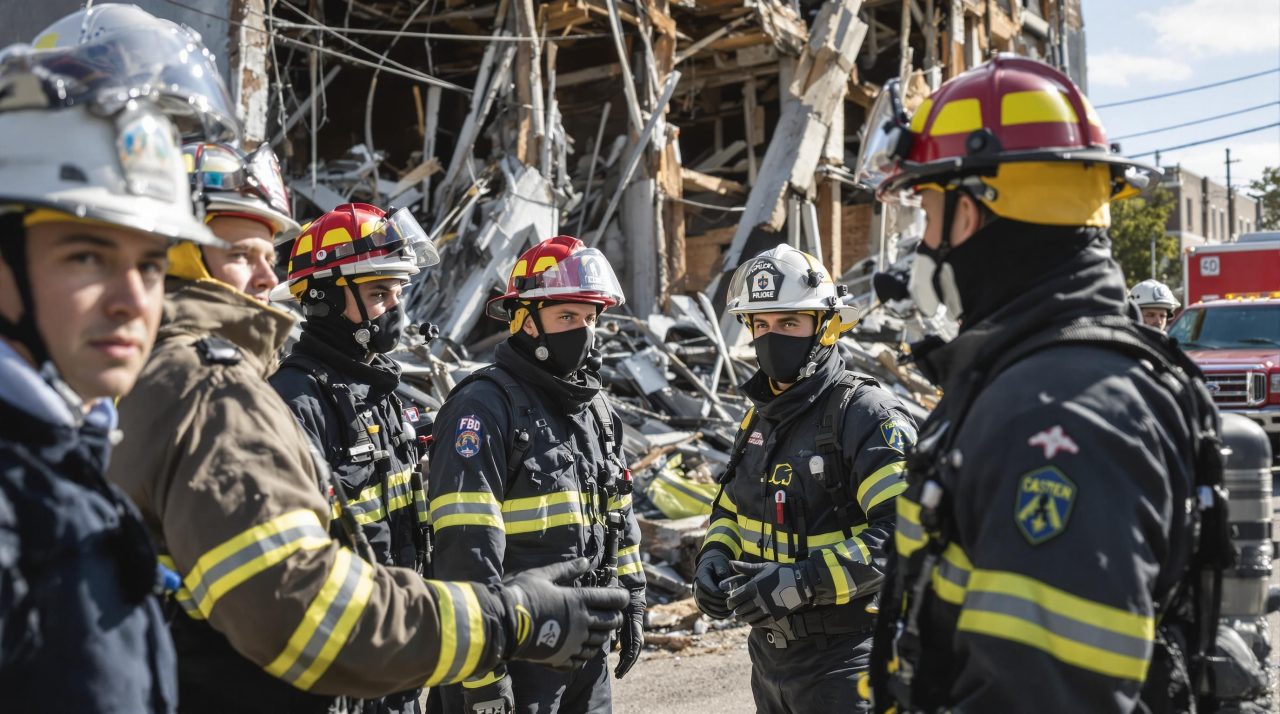
Responder safety protocols are drawing urgent attention as emergencies get tougher and less predictable. Over 60 percent of emergency workers face heightened chemical and infectious risks every year, and now the dangers are only multiplying. The real surprise is that most of the lifesaving solutions for 2025 do not come from new gear or equipment at all. Instead, they hinge on smarter teamwork, continuous training, and mental health protection—unpacking a whole new playbook for modern emergency response.
Table of Contents
- Understanding Responder Safety Protocols In Emergencies
- Steps To Ensure Safety For Victims And Responders
- Critical Role Of Agencies And Contractors In Safety
- Best Practices For Ongoing Responder Safety Training
Quick Summary
| Takeaway | Explanation |
|---|---|
| Prioritize Comprehensive Risk Assessments | Identify environmental hazards quickly to enhance responder safety and minimize risks during emergencies. |
| Implement Integrated Safety Strategies | Use personal protective equipment, communication protocols, and mental health resources to protect all parties involved. |
| Collaborate Between Agencies and Contractors | Establish clear roles and communication channels to coordinate responses effectively during emergencies. |
| Focus on Ongoing Responder Training | Continuous, scenario-based training enhances preparedness and psychological resilience among emergency responders. |
| Utilize Advanced Technology in Training | Incorporate virtual simulations and data analytics for personalized, effective training experiences that adapt to emerging challenges. |
Understanding Responder Safety Protocols in Emergencies
Emergency response demands precision, preparation, and unwavering commitment to personal safety. Responder safety protocols represent a critical framework designed to protect those who rush toward danger when others are running away. These protocols are not just guidelines but lifelines that ensure emergency personnel can effectively manage crises while minimizing personal risk.
The Comprehensive Approach to Responder Protection
Responder safety goes far beyond basic protective equipment. Learn more about emergency response strategies that create a holistic safety ecosystem. According to the National Institute for Occupational Safety and Health (NIOSH), emergency workers face multiple potential hazards including chemical exposures, infectious disease risks, and physical environmental dangers. The NIOSH Emergency Responder Health Monitoring and Surveillance (ERHMS) framework provides a comprehensive approach to managing these complex risks.
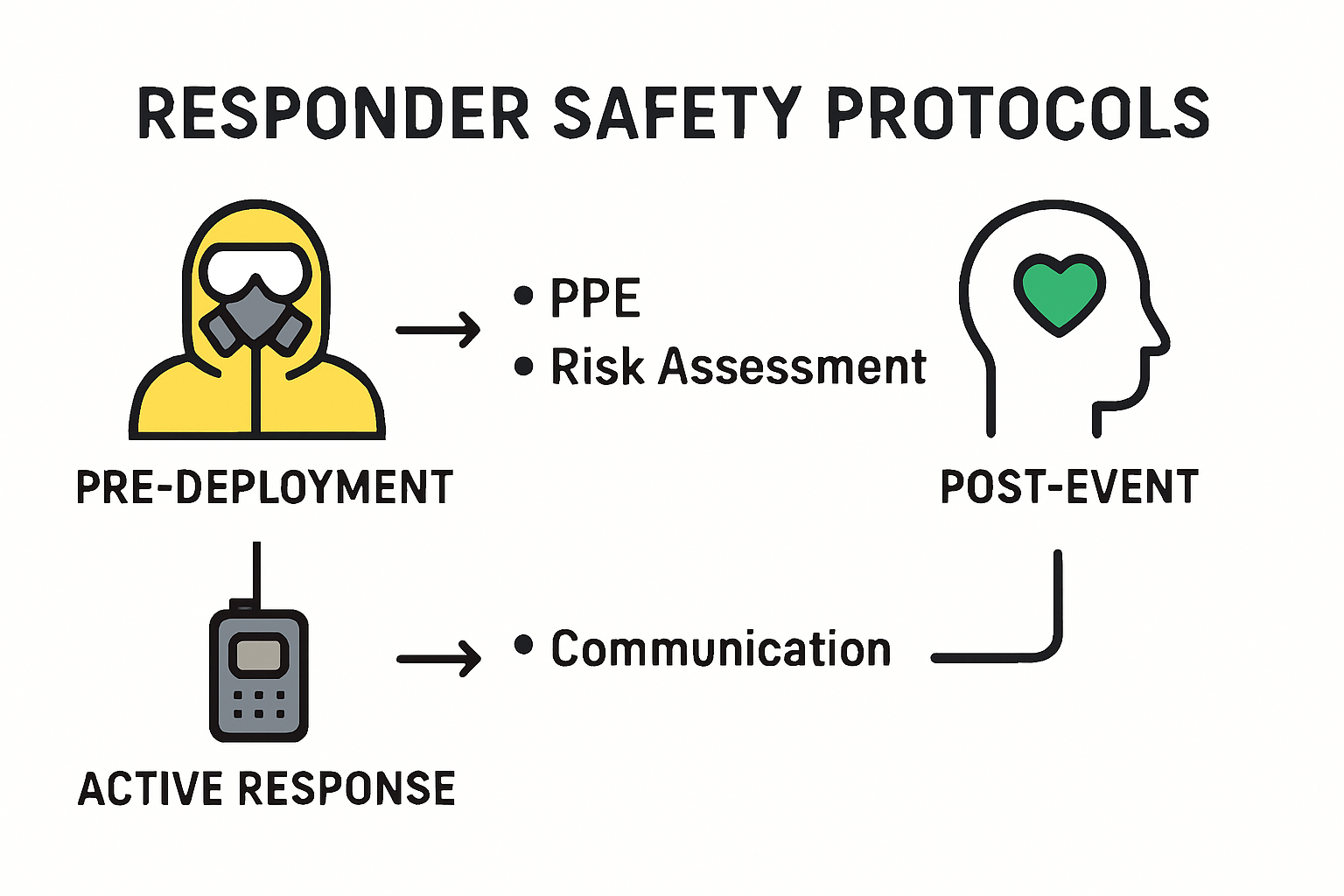
Effective responder safety protocols require a multifaceted strategy that addresses three critical phases: pre-deployment preparation, active response management, and post-event recovery. This approach recognizes that safety is not a static concept but a dynamic process that adapts to changing emergency conditions.
Critical Components of Modern Safety Protocols
The RAND Corporation study emphasizes the necessity of an integrated, multiagency approach to emergency response safety. Modern protocols now incorporate advanced risk assessment techniques, real-time communication systems, and comprehensive training programs that go beyond traditional emergency response methods.
Key elements of contemporary responder safety protocols include:
- Personal Protective Equipment (PPE): Advanced protective gear designed to shield against multiple environmental and biological hazards
- Risk Assessment Technologies: Sophisticated tools that provide real-time environmental and situational analysis
- Comprehensive Training Programs: Intensive preparation that simulates complex emergency scenarios
The evolution of responder safety protocols reflects a profound understanding that protecting emergency personnel is not just about individual protection but about maintaining the entire emergency response infrastructure. When one responder is compromised, entire response capabilities can be significantly impacted.
Implementing these protocols requires continuous education, technological innovation, and a commitment to adaptive safety strategies. Emergency responders must remain vigilant, constantly updating their knowledge and skills to navigate increasingly complex and unpredictable emergency environments.
Ultimately, responder safety protocols represent a critical investment in human lives. They are not merely a set of rules but a comprehensive approach to protecting those who dedicate their lives to protecting others during moments of extreme crisis and vulnerability.
To further clarify the differences and importance of each critical phase in responder safety, the table below summarizes the focus areas for each stage:
| Phase | Key Focus Areas |
|---|---|
| Pre-Deployment Preparation | Comprehensive risk assessment, equipment checks, training |
| Active Response Management | Real-time hazard identification, PPE use, dynamic communication |
| Post-Event Recovery | Psychological support, health monitoring, debriefings |
Steps to Ensure Safety for Victims and Responders
Safety during emergencies requires a synchronized approach that protects both victims and emergency responders. The complexity of disaster scenarios demands comprehensive strategies that address immediate physical risks and long-term health challenges.
Comprehensive Risk Assessment and Protective Measures
Explore our guide to emergency response protocols that prioritize both victim and responder safety. According to the American Public Health Association, effective safety protocols must incorporate equitable protection strategies that go beyond traditional emergency response methods.
Key initial steps include comprehensive environmental scanning and hazard identification. Emergency teams must rapidly assess potential risks such as structural instability, chemical exposures, infectious disease transmission, and psychological trauma zones. These assessments form the foundation for developing targeted safety interventions that minimize risks for both victims and first responders.
Integrated Protection Strategies
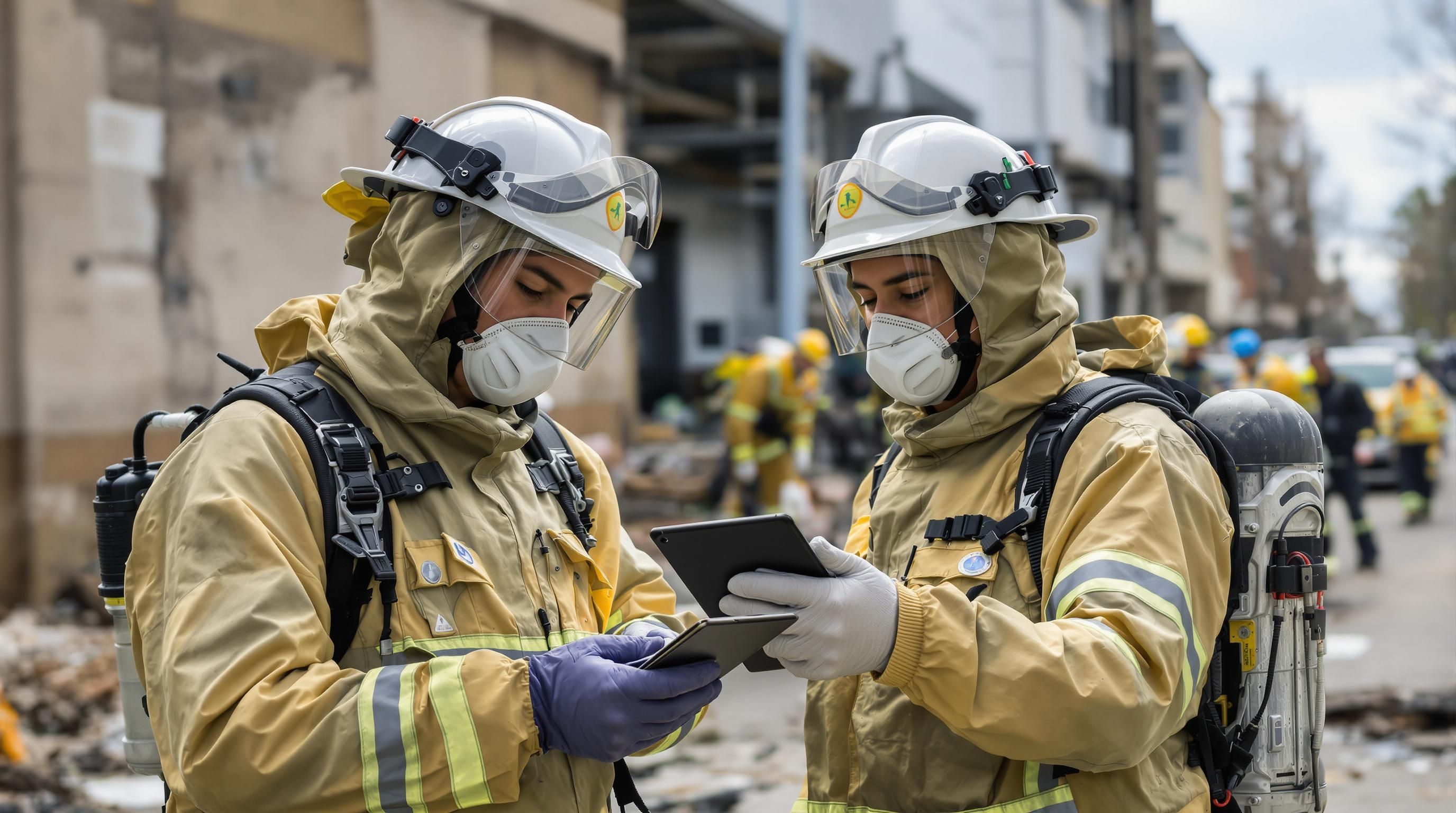
The CDC’s Safety Guidelines highlight multiple critical protection domains. Effective safety protocols must address:
- Personal Protective Equipment (PPE): Advanced gear that provides multilayer protection against environmental and biological hazards
- Communication Protocols: Clear, standardized communication systems that enable rapid risk communication
- Mental Health Support: Comprehensive psychological support mechanisms for both victims and emergency personnel
Successful implementation requires more than just equipment. It demands a holistic approach that integrates technological solutions, human-centered training, and adaptive response strategies. Mental health considerations are particularly crucial, recognizing that trauma exposure affects both victims and responders.
Emergency teams must develop robust psychological support frameworks that provide immediate crisis counseling and long-term mental health resources. This approach acknowledges the emotional complexity of disaster scenarios and the potential for secondary traumatic stress among emergency workers.
Technological innovations play a critical role in enhancing safety. Advanced monitoring systems, real-time environmental analysis tools, and predictive risk assessment technologies enable more precise and safer emergency responses. These technologies help responders make informed decisions quickly, reducing potential exposure to dangerous conditions.
Ultimately, ensuring safety is a collaborative effort that requires continuous training, technological innovation, and a commitment to adaptive strategies. Emergency response teams must remain flexible, constantly updating their knowledge and skills to navigate increasingly complex and unpredictable disaster environments.
The goal is not just survival but comprehensive protection that preserves the physical and psychological well-being of both those experiencing the emergency and those responding to it. By prioritizing integrated safety protocols, we can create more resilient emergency response systems that effectively manage risk while maintaining human dignity.
The following table summarizes the core domains of integrated protection strategies for victims and responders:
| Protection Domain | Description |
|---|---|
| Personal Protective Equipment (PPE) | Multilayer gear against environmental and biological hazards |
| Communication Protocols | Standardized, rapid communication systems for risk management |
| Mental Health Support | Immediate and long-term psychological support resources |
| Technological Solutions | Real-time monitoring, environmental analysis, predictive tools |
Critical Role of Agencies and Contractors in Safety
Emergency response safety is a complex ecosystem that demands seamless collaboration between government agencies, private contractors, and emergency management organizations. The intricate nature of modern disasters requires a sophisticated, integrated approach that goes beyond traditional response methods.
Collaborative Safety Framework
Understand the dynamics of emergency coordination that define modern emergency response strategies. According to OSHA’s emergency preparedness guidelines, effective safety protocols rely on clear delineation of responsibilities and comprehensive inter-agency communication.
Agencies and contractors must develop robust communication channels that enable rapid information sharing, risk assessment, and coordinated response. This approach requires breaking down traditional organizational silos and creating flexible, adaptive response mechanisms that can quickly adjust to emerging challenges.
Specialized Responsibilities and Risk Management
The American Society of Safety Professionals highlights the critical importance of defining specific roles and responsibilities in emergency scenarios. Different agencies and contractors bring unique expertise and resources that must be strategically integrated:
- Government Agencies: Provide regulatory oversight, policy guidance, and large-scale coordination
- Private Contractors: Offer specialized technical skills, equipment, and rapid deployment capabilities
- Emergency Management Organizations: Develop comprehensive response strategies and support logistics
Effective safety protocols require more than just clear role definition. They demand a comprehensive approach that includes continuous training, advanced risk assessment technologies, and flexible response mechanisms that can adapt to rapidly changing emergency conditions.
Contractors play a particularly crucial role in emergency response safety. They often provide specialized equipment, technical expertise, and additional human resources that government agencies might not immediately have available. This includes specialized rescue equipment, advanced medical support, environmental monitoring technologies, and rapid infrastructure assessment capabilities.
The integration of technological solutions has transformed how agencies and contractors approach safety. Advanced data analysis, real-time monitoring systems, and predictive risk assessment tools enable more precise and proactive safety management. These technologies allow for immediate risk identification, rapid communication, and more effective resource allocation during emergency scenarios.
Mental health support represents another critical dimension of inter-agency safety protocols. Recognizing the psychological toll of emergency response, agencies and contractors must develop comprehensive support systems that address the emotional and psychological challenges faced by response personnel.
Ultimately, safety in emergency response is a shared responsibility that requires continuous collaboration, technological innovation, and a commitment to adaptive strategies. By fostering a culture of mutual support, transparent communication, and shared learning, agencies and contractors can create more resilient and effective emergency response ecosystems that prioritize the safety of both responders and affected populations.
Best Practices for Ongoing Responder Safety Training
Ongoing safety training represents the cornerstone of effective emergency response preparedness. As disaster scenarios become increasingly complex and unpredictable, emergency responders must continuously adapt their skills, knowledge, and psychological resilience to meet evolving challenges.
Comprehensive Training Frameworks
Discover advanced training strategies for emergency professionals that address holistic skill development. The International Association of Emergency Managers emphasizes that modern safety training must transcend traditional instructional models, incorporating immersive, scenario-based learning experiences that simulate real-world emergency conditions.
Effective training programs recognize that safety is not just about technical skills but also about psychological preparedness. This approach requires developing comprehensive curricula that address physical techniques, technological proficiencies, and mental resilience strategies.
Multi-Dimensional Learning Approaches
Training methodologies must integrate multiple learning domains to create robust, adaptable emergency responders. Key components include:
- Technological Simulation Training: Advanced virtual reality and augmented reality scenarios that replicate complex emergency environments
- Psychological Resilience Workshops: Structured programs designed to build mental strength and stress management capabilities
- Interdisciplinary Skill Development: Cross-training that enables responders to understand multiple emergency response roles
The National Fire Protection Association recommends a dynamic training model that continuously updates curriculum based on emerging technological innovations, changing disaster landscapes, and lessons learned from recent emergency responses.
Technological advancements have revolutionized safety training methodologies. Artificial intelligence and machine learning now enable personalized training experiences that adapt to individual responder performance, identifying specific areas for skill enhancement and providing targeted learning interventions.
Mental health considerations have become a critical component of modern safety training. Programs now incorporate comprehensive psychological support strategies, teaching responders how to recognize and mitigate stress, trauma, and potential burnout. This holistic approach acknowledges the profound emotional challenges inherent in emergency response work.
Cross-agency collaboration represents another crucial aspect of contemporary safety training. By creating opportunities for interdepartmental learning and skill sharing, training programs can develop more versatile and adaptable emergency response professionals who can seamlessly coordinate across different organizational boundaries.
Data-driven training evaluation methods have emerged as a powerful tool for continuous improvement. Advanced analytics now enable organizations to track training effectiveness, identify potential skill gaps, and develop more targeted, impactful learning experiences that directly address real-world emergency response challenges.
Ultimately, ongoing safety training is not a static process but a dynamic, evolving commitment to professional excellence. By embracing innovative technologies, comprehensive psychological support, and adaptive learning strategies, emergency response organizations can create a new generation of highly skilled, resilient, and technologically proficient professionals prepared to navigate the most challenging emergency scenarios.
Frequently Asked Questions
What are responder safety protocols?
Responder safety protocols are guidelines designed to protect emergency responders during crises, ensuring they can effectively manage emergencies while minimizing personal risk.
Why are comprehensive risk assessments important in emergencies?
Comprehensive risk assessments help identify environmental hazards quickly, enhancing responder safety and minimizing risks for both responders and victims during emergency situations.
How can mental health support be integrated into responder safety protocols?
Mental health support can be integrated through comprehensive psychological support mechanisms, providing immediate crisis counseling and long-term resources for both victims and emergency personnel.
What role do agencies and contractors play in emergency responder safety?
Agencies and contractors collaborate to ensure effective safety protocols by providing specialized skills, resources, and clear communication, enabling coordinated responses to emergencies.
Take Action on Responder Safety and Emergency Recovery—Your Trusted Support is Here
Emergencies in 2025 are more complex than ever. As outlined in this article, responder safety protocols depend on strong teamwork, rapid risk assessment, and mental health support. But for many families and professionals, the hardest part comes after the crisis: finding reliable housing, navigating insurance logistics, and piecing together a path forward. This is where DisasterVictimServices.com steps in with real solutions tailored for the toughest moments.
If you are ready to bridge the gap from emergency response to true recovery, explore our practical support services and learn more under our Developing category. Our experts work directly with agencies, first responders, and displaced families to connect you with emergency housing and critical resources when every minute counts. Visit DisasterVictimServices.com today and take the first step toward a safer, more secure recovery. Your next move starts now—do not wait to get the compassionate, expert support you deserve.
Recommended
- Disaster Safety Checklist 2025: Essential Steps for Every Family and Organization – Disaster Victim Services | Helping You Recover After Disaster
- Emergency Response Basics for 2025: A Practical Guide – Disaster Victim Services | Helping You Recover After Disaster
- Essential Emergency Supply Checklist for 2025: Stay Safe and Prepared – Disaster Victim Services | Helping You Recover After Disaster
- Essential Emergency Preparedness Tips for 2025: A Guide for All – Disaster Victim Services | Helping You Recover After Disaster