
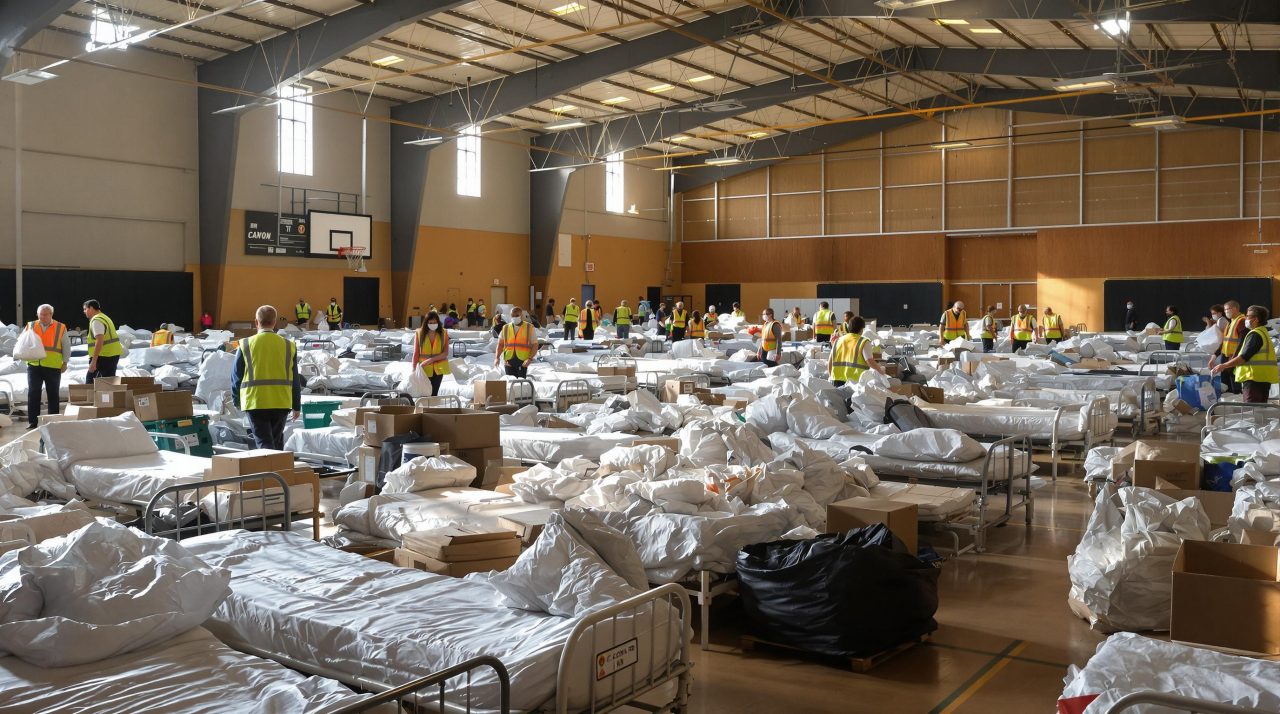
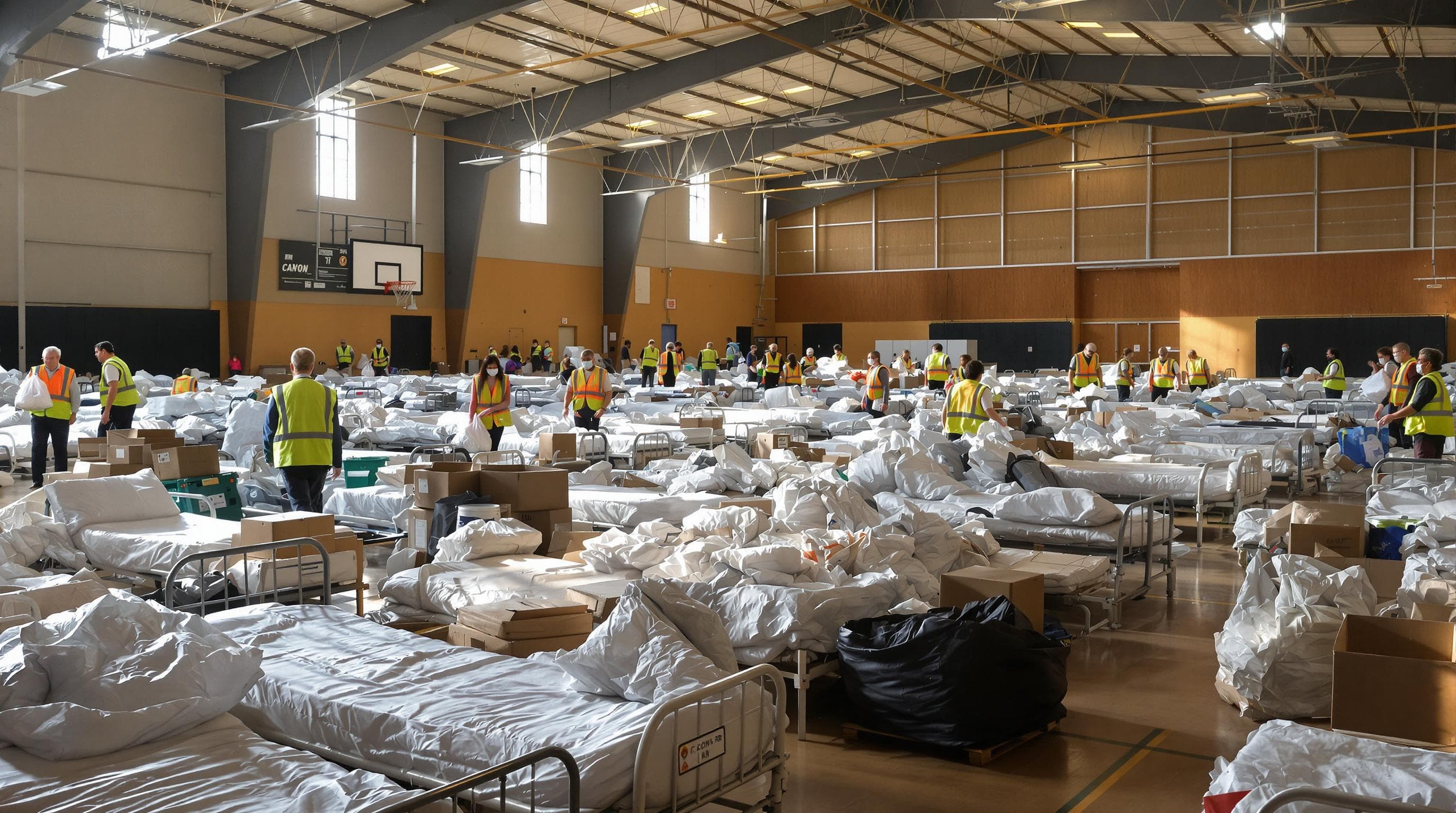
Safe housing during disasters is more than finding empty beds. Nearly 1 million people face disaster displacement every year in the United States. Surprising, right? Most plans stop at emergency shelter, but long-term stability often slips through the cracks. The real difference between chaos and recovery is all about what comes after that first night.
Table of Contents
- Understanding Safe Housing Placement Steps
- Assessing Needs Of Displaced Families
- Coordinating With Agencies And Partners
- Ensuring Long-Term Housing Stability
Quick Summary
| Takeaway | Explanation |
|---|---|
| Initial Assessment is Crucial | Conduct thorough environmental and safety evaluations, assessing structural integrity, environmental hazards, and accessibility of potential housing locations for displaced individuals during disasters. |
| Coordination Among Agencies is Essential | Enhance collaboration between emergency management and housing authorities through rapid communication protocols and resource tracking to ensure efficient disaster response. |
| Focus on Vulnerable Populations | Develop specialized strategies for vulnerable groups, including elderly individuals and those with specific medical needs, to provide safe, dignified temporary living conditions that support recovery. |
| Continuous Support is Key | Implement ongoing assessments and personalized recovery planning to ensure long-term housing stability, recognizing that recovery extends beyond immediate shelter needs. |
| Leverage Technology for Data Sharing | Use collaborative platforms to track housing resources and optimize resource allocation, enabling data-driven decision making in disaster scenarios. |
Understanding Safe Housing Placement Steps
Disaster response requires a strategic and comprehensive approach to safe housing placement, ensuring displaced individuals receive immediate and appropriate shelter during critical times. The process involves multiple complex considerations that go beyond simply finding a temporary roof.
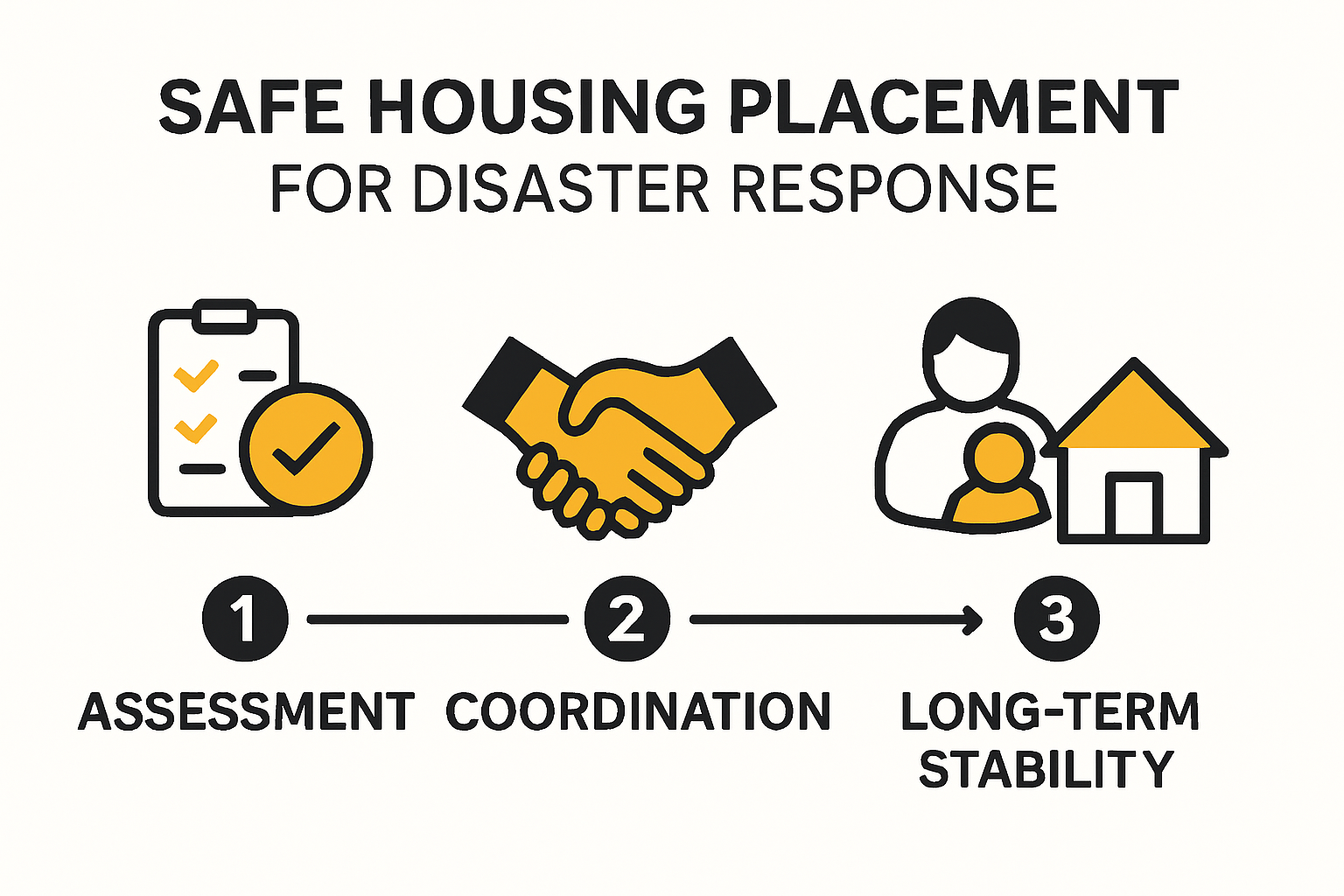
Initial Assessment and Risk Evaluation
Safe housing placement begins with a thorough environmental and safety assessment. The Centers for Disease Control and Prevention highlights the critical need for comprehensive environmental health evaluations in disaster shelters. This initial step involves analyzing potential housing locations for critical factors including:
- Structural Integrity: Ensuring buildings can safely accommodate displaced individuals
- Environmental Hazards: Identifying potential risks like contamination or structural damage
- Accessibility: Confirming locations are reachable and suitable for all population groups
Professionals must rapidly evaluate multiple dimensions of shelter safety, considering not just physical structure but also potential health risks and demographic needs of displaced populations.
Coordination and Resource Allocation
Effective safe housing placement demands seamless coordination between multiple agencies. According to the U.S. Government Accountability Office, enhanced collaboration between emergency management agencies like FEMA and housing authorities is crucial for efficient disaster response. This coordination involves:
- Rapid communication protocols
- Real-time resource tracking
- Streamlined decision making processes
The goal is creating a unified response system that can quickly identify and allocate appropriate housing resources across different disaster scenarios. Learn more about our comprehensive housing placement workflow.
Vulnerable Population Considerations
Safe housing placement requires specialized strategies for vulnerable populations. This includes elderly individuals, people with disabilities, families with children, and those with specific medical needs. Professionals must develop nuanced approaches that go beyond standard shelter protocols, considering:
- Medical equipment accessibility
- Medication storage requirements
- Psychological support needs
- Cultural and linguistic accommodations
By developing comprehensive, adaptable housing placement strategies, emergency response teams can ensure that every displaced individual receives not just shelter, but a safe, dignified temporary living environment that supports their immediate recovery and long term resilience.
The complexity of safe housing placement demands a multidisciplinary approach that combines rapid assessment, strategic coordination, and compassionate implementation. Each step must be executed with precision, empathy, and a deep understanding of human needs during times of crisis.
Assessing Needs of Displaced Families
Disaster displacement creates profound challenges for families, demanding a comprehensive and compassionate approach to understanding their immediate and long-term needs. Research from the Administration for Children and Families indicates that approximately 1 million individuals experience new disaster displacements annually in the United States, highlighting the critical importance of thorough needs assessment.
Comprehensive Needs Evaluation
Assessing displaced families requires a holistic approach that goes beyond immediate shelter requirements. Professionals must conduct in-depth evaluations that examine multiple dimensions of family well-being. Key assessment areas include:
- Economic Stability: Evaluating income disruption, employment challenges, and financial resources
- Healthcare Requirements: Identifying medical needs, including ongoing treatments and medication access
- Educational Continuity: Assessing school-age children’s educational requirements and potential disruptions
- Psychological Support: Recognizing potential trauma and mental health support needs
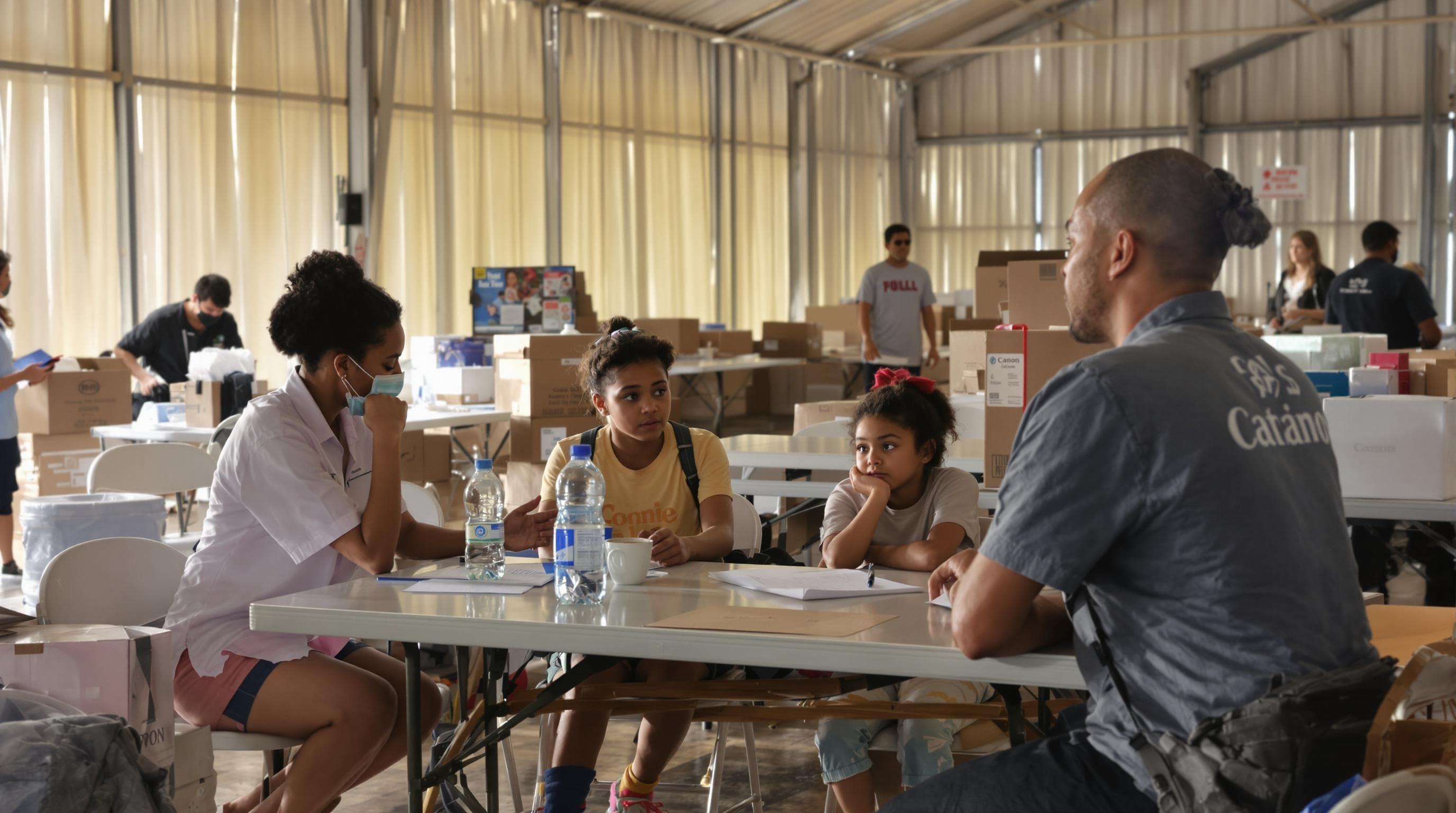
The goal is to create a comprehensive profile that captures the full spectrum of family challenges during displacement. Explore our detailed relocation support guide to understand the intricate process of family needs assessment.
Specialized Support for Vulnerable Populations
Research from the National Center for Biotechnology Information emphasizes the importance of targeted support for particularly vulnerable family groups. This includes:
- Elderly individuals with limited mobility
- Families with special needs children
- Individuals with chronic medical conditions
- Single-parent households
- Families with limited language proficiency
Each of these groups requires nuanced approaches that address their unique challenges. The assessment process must be flexible, culturally sensitive, and designed to provide personalized support that recognizes individual family dynamics.
Interagency Coordination and Resource Allocation
Effective needs assessment demands seamless coordination between multiple agencies. The U.S. Government Accountability Office highlights the critical importance of collaborative efforts between FEMA, HUD, and other federal agencies to streamline assistance for displaced populations.
Key coordination strategies include:
- Developing integrated communication systems
- Creating shared assessment protocols
- Establishing rapid resource deployment mechanisms
- Implementing real-time tracking of family needs
By breaking down bureaucratic barriers and creating a unified approach, agencies can more effectively address the complex challenges faced by displaced families. The ultimate goal is not just temporary relief but supporting families in rebuilding their lives with dignity and resilience.
The process of assessing displaced families requires more than bureaucratic checklists. It demands empathy, precision, and a deep understanding of human vulnerability during times of crisis. Each family represents a unique story of disruption and hope, requiring personalized attention and comprehensive support.
To clarify how the various needs of displaced families are evaluated and supported during disaster response, the following table summarizes the key assessment dimensions and associated considerations outlined above.
| Assessment Area | Key Considerations | Example Challenges |
|---|---|---|
| Economic Stability | Income disruption, employment, financial resources | Job loss, loss of savings |
| Healthcare Requirements | Ongoing medical needs, medication access | Interrupted treatments, medication loss |
| Educational Continuity | School requirements, potential disruptions | Missed classes, transfer issues |
| Psychological Support | Trauma recognition, mental health needs | Anxiety, PTSD, emotional distress |
| Family-Specific Vulnerabilities | Mobility issues, special needs, language barriers | Disability, language, single parenthood |
Coordinating with Agencies and Partners
Effective disaster response requires robust collaboration and strategic coordination among multiple agencies and partners. The complexity of safe housing placement demands a unified approach that transcends traditional organizational boundaries and leverages collective expertise and resources.
Interagency Communication Protocols
Successful coordination begins with establishing clear communication frameworks. The U.S. Government Accountability Office emphasizes the critical need for enhanced communication between agencies like FEMA and HUD to streamline disaster housing assistance. Key communication strategies include:
- Developing real-time information sharing platforms
- Creating standardized reporting mechanisms
- Establishing joint decision making protocols
- Implementing cross-agency training programs
These protocols ensure that information flows seamlessly between different organizational entities, enabling rapid and efficient response to housing placement challenges. Learn more about our comprehensive response coordination strategies.
Strategic Partnership Development
Building strategic partnerships is fundamental to effective disaster response. The National Governors Association highlights the importance of cross-system collaboration, emphasizing how integrated approaches can significantly improve housing stability outcomes.
Effective partnerships typically involve:
- Government agencies
- Nonprofit organizations
- Local community groups
- Healthcare providers
- Emergency management teams
- Social service organizations
By creating a network of interconnected support systems, agencies can develop more comprehensive and adaptable housing placement strategies that address complex community needs.
Data Sharing and Collaborative Technologies
Modern disaster response relies heavily on advanced technologies and data sharing mechanisms. Collaborative platforms enable agencies to:
- Track available housing resources in real time
- Identify vulnerable population clusters
- Optimize resource allocation
- Predict potential housing challenges
These technological solutions transform traditional coordination methods, allowing for more precise, data driven decision making. The goal is to create a dynamic, responsive system that can quickly adapt to changing disaster scenarios.
Coordinating with agencies and partners is not just about administrative processes. It represents a profound commitment to collective problem solving, where diverse expertise converges to support communities during their most challenging moments. Each interaction, each shared resource, and each collaborative effort contributes to a more resilient and compassionate disaster response ecosystem.
The future of safe housing placement lies in our ability to break down organizational silos, embrace technological innovation, and maintain a human centered approach to emergency support.
To help visualize the main strategies and stakeholders involved in disaster housing coordination, the table below organizes the components of effective agency and partner collaboration discussed in this section.
| Coordination Component | Example Activities | Primary Stakeholders |
|---|---|---|
| Communication Protocols | Real-time data sharing, joint training | FEMA, HUD, local agencies |
| Partnership Development | Building alliances, community engagement | Nonprofits, community groups, healthcare |
| Data & Technology Solutions | Resource tracking platforms, cluster identification | Emergency teams, tech providers |
| Resource Deployment | Rapid response, shared assessment protocols | Multiple federal & state agencies |
Ensuring Long-Term Housing Stability
Long-term housing stability represents a critical challenge in disaster response, extending far beyond immediate shelter placement. Research published in Weather, Climate, and Society reveals that disaster survivors often face extended periods of housing uncertainty, with some individuals remaining unstably housed for more than 1.5 years after a disaster event.
Comprehensive Recovery Planning
Effective long-term housing stability requires a multifaceted approach that addresses complex individual and community needs. The Administration for Children and Families emphasizes the importance of developing comprehensive recovery strategies that go beyond temporary solutions.
Key elements of comprehensive recovery planning include:
- Individual Needs Assessment: Conducting detailed evaluations of each family’s unique challenges
- Economic Support: Providing financial assistance and job placement resources
- Psychological Support: Offering mental health services and trauma recovery programs
- Community Reintegration: Creating pathways for sustainable community reconnection
Explore our detailed rehousing process guide to understand the intricate steps of long-term housing recovery.
Resilience and Adaptive Housing Strategies
The National Governors Association recommends proactive approaches to housing stability that focus on resilience and adaptability. This involves:
- Developing retrofit and rebuilding strategies
- Creating disaster-resistant housing designs
- Implementing advanced risk assessment technologies
- Establishing flexible zoning and reconstruction policies
These strategies aim to transform housing recovery from a reactive process to a proactive, forward-thinking approach that anticipates and mitigates future risks.
Continuous Support and Monitoring
Long-term housing stability is not a one-time intervention but an ongoing process. Critical components of continuous support include:
- Regular follow-up assessments
- Sustained economic and social support
- Flexible housing transition programs
- Community-based support networks
- Personalized recovery planning
The ultimate goal is to create a holistic support system that empowers disaster survivors to rebuild their lives with dignity, resilience, and hope. This approach recognizes that true recovery extends beyond physical shelter, addressing the complex emotional, economic, and social dimensions of displacement.
Ensuring long-term housing stability requires a compassionate, comprehensive approach that sees beyond immediate challenges. It demands collaboration, innovation, and an unwavering commitment to supporting individuals and communities through their most challenging moments of transition and recovery.
Frequently Asked Questions
What are the first steps in safe housing placement during a disaster?
Safe housing placement begins with an initial assessment, which includes evaluating the structural integrity, environmental hazards, and accessibility of potential housing locations for displaced individuals.
Why is coordination among agencies important in disaster response?
Coordination among agencies is essential to streamline communication and resource allocation, ensuring that shelter needs are met quickly and efficiently, especially during emergencies.
How do housing placements address the needs of vulnerable populations?
Housing placements for vulnerable populations, like the elderly and those with specific medical needs, focus on providing specialized support, including medical accessibility and psychological assistance to create safe and dignified living conditions.
What strategies ensure long-term housing stability after a disaster?
Long-term housing stability can be achieved through comprehensive recovery planning, resilience strategies, and continuous support, which include regular assessments, economic assistance, and community-based programs.
Ready To Navigate Safe Housing Placement With Confidence?
When disaster strikes, finding truly safe and stable housing is often the biggest challenge for families. This article exposes how overwhelming it can be to assess risks, coordinate with countless agencies, and secure long-term solutions—especially when vulnerable loved ones are at stake. You need more than facts. You deserve a reliable partner who understands the specialized steps in housing placement, from rapid assessment to ongoing support.
If you have been displaced or worry about your recovery plan, do not wait for confusion or delays to decide your next steps. Visit Disaster Victim Services for expert guidance on emergency housing and hands-on logistical help at every critical stage. Looking for specific help with disaster recovery and rebuilding? Our Developing page is a great place to explore how we bring stability back into your life. Take charge of your recovery process now for a safer, faster return to normalcy.
Recommended
- Housing Placement Workflow Guide 2025: Steps for Disaster Recovery – Disaster Victim Services | Helping You Recover After Disaster
- Rehousing Process Steps: A Complete Guide for 2025 – Disaster Victim Services | Helping You Recover After Disaster
- Emergency Housing Referral Workflow: A 2025 Guide for Disaster Relief – Disaster Victim Services | Helping You Recover After Disaster
- How to Handle Relocations in 2025: A Guide for Disaster Relief Teams – Disaster Victim Services | Helping You Recover After Disaster
- Temporary Storage During Renovation: Smart Solutions for 2025 – STOMO Mobile Storage and MOVEMO Moving Service
- Mold removal – Green Home Services