
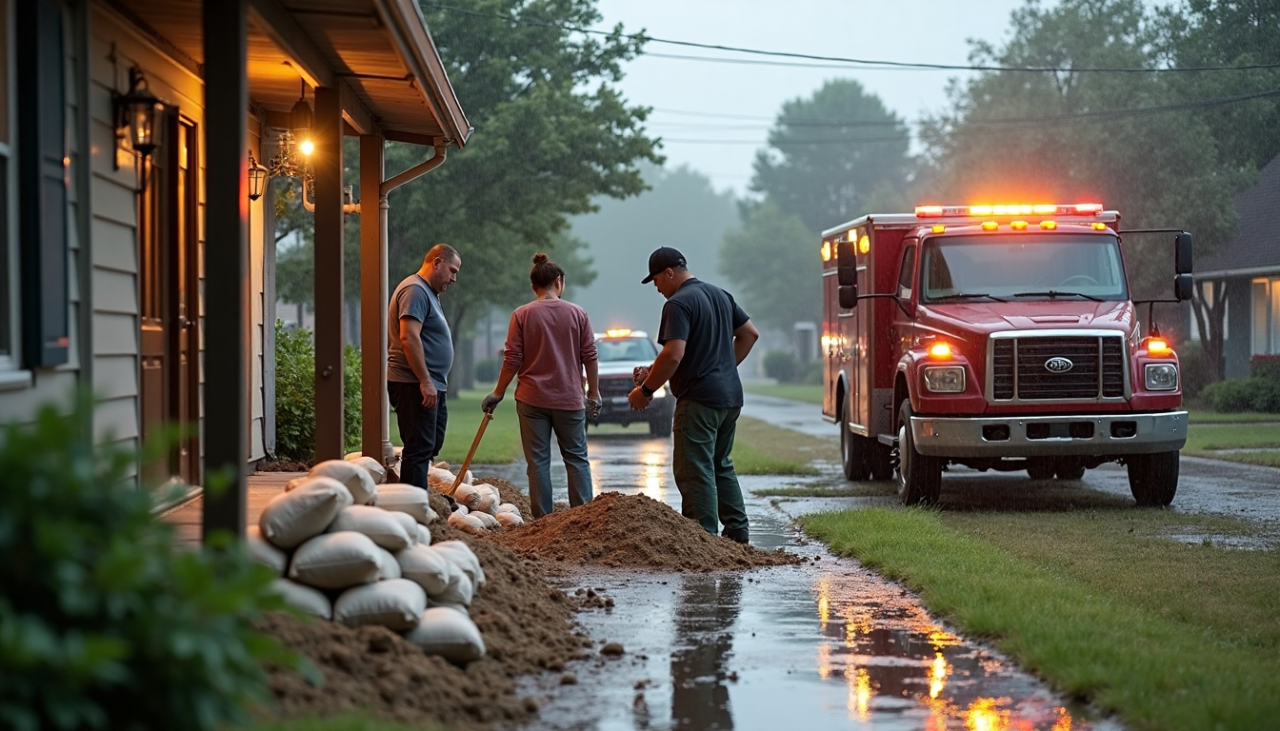
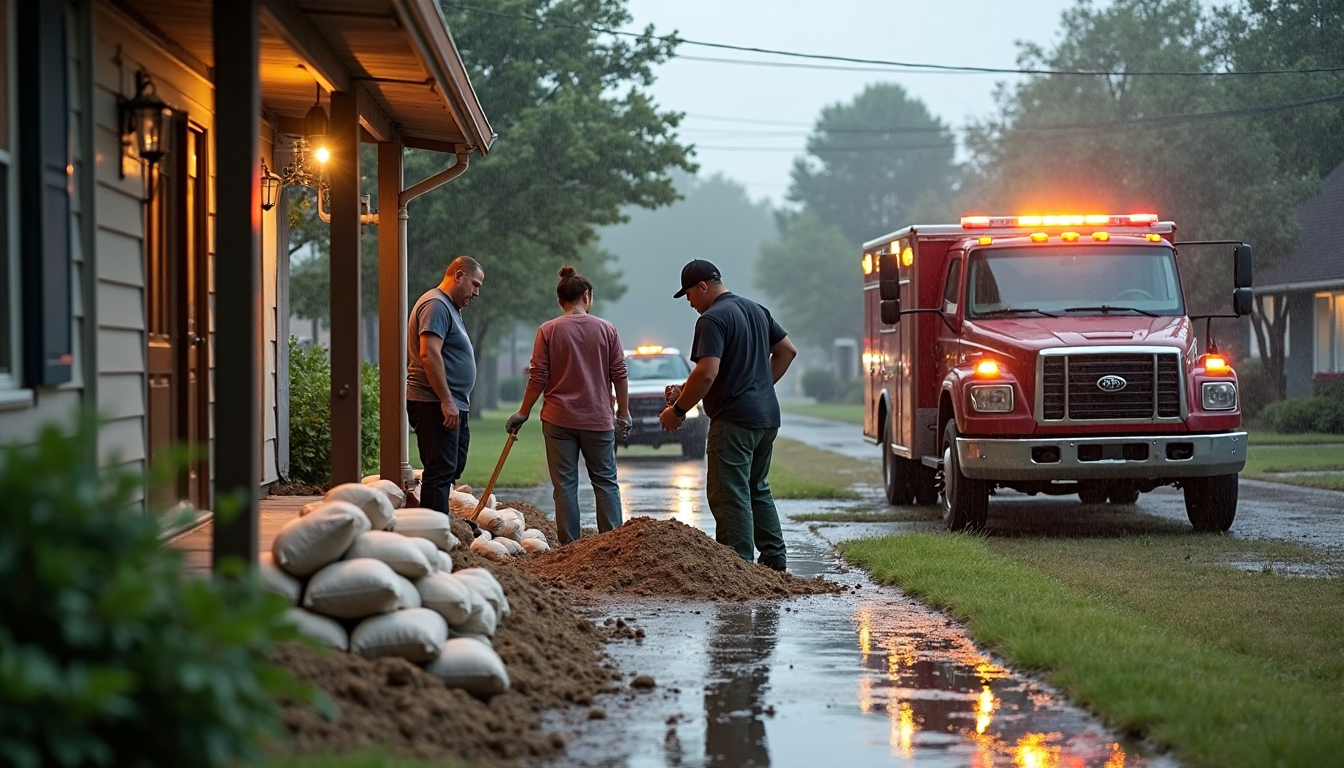
Most people think floods only threaten those living near rivers or coastlines. Turns out that is dangerously misleading. One in five flood insurance claims comes from homes outside designated high-risk zones. That kind of surprise can catch families and emergency teams off guard. True flood safety requires a checklist built on facts like these, not assumptions. Here is what sets real preparedness apart from wishful thinking.
Table of Contents
- Understanding Flood Risks And Hazard Zones
- Comprehensive Flood Safety Checklist For All Stakeholders
- Actionable Tips Before, During, And After A Flood
- Coordinating Relief Efforts And Insurance Claims
Quick Summary
| Takeaway | Explanation |
|---|---|
| Understand Flood Zone Classifications | Familiarize yourself with FEMA’s flood zone classifications to assess your risk accurately, focusing on High, Moderate, and Low Risk Zones to guide preparedness efforts. |
| Assemble an Emergency Preparedness Kit | Prepare an emergency kit including water, non-perishable food, communication devices, and medical supplies to ensure you are ready before a flood event. |
| Implement a Multi-Agency Communication Protocol | Establish clear communication channels and evacuation protocols among emergency services, local governments, and community teams to enhance response efficiency during floods. |
| Follow Actionable Tips for Each Phase | Recognize critical actions to take before, during, and after a flood to maximize safety and recovery, such as documenting property damage and waiting for clearance before returning home. |
| Eligibility and Documentation for Insurance Claims | Maintain thorough documentation of damages and communicate swiftly with your insurance provider to facilitate prompt claims processing after a flood. |
Understanding Flood Risks and Hazard Zones
Flood risks are far more complex than most people realize. Understanding the intricate landscape of flood hazard zones can mean the difference between preparedness and potential disaster. Your flood safety checklist must begin with a comprehensive assessment of your specific geographic and environmental vulnerabilities.
Identifying Flood Zone Classifications
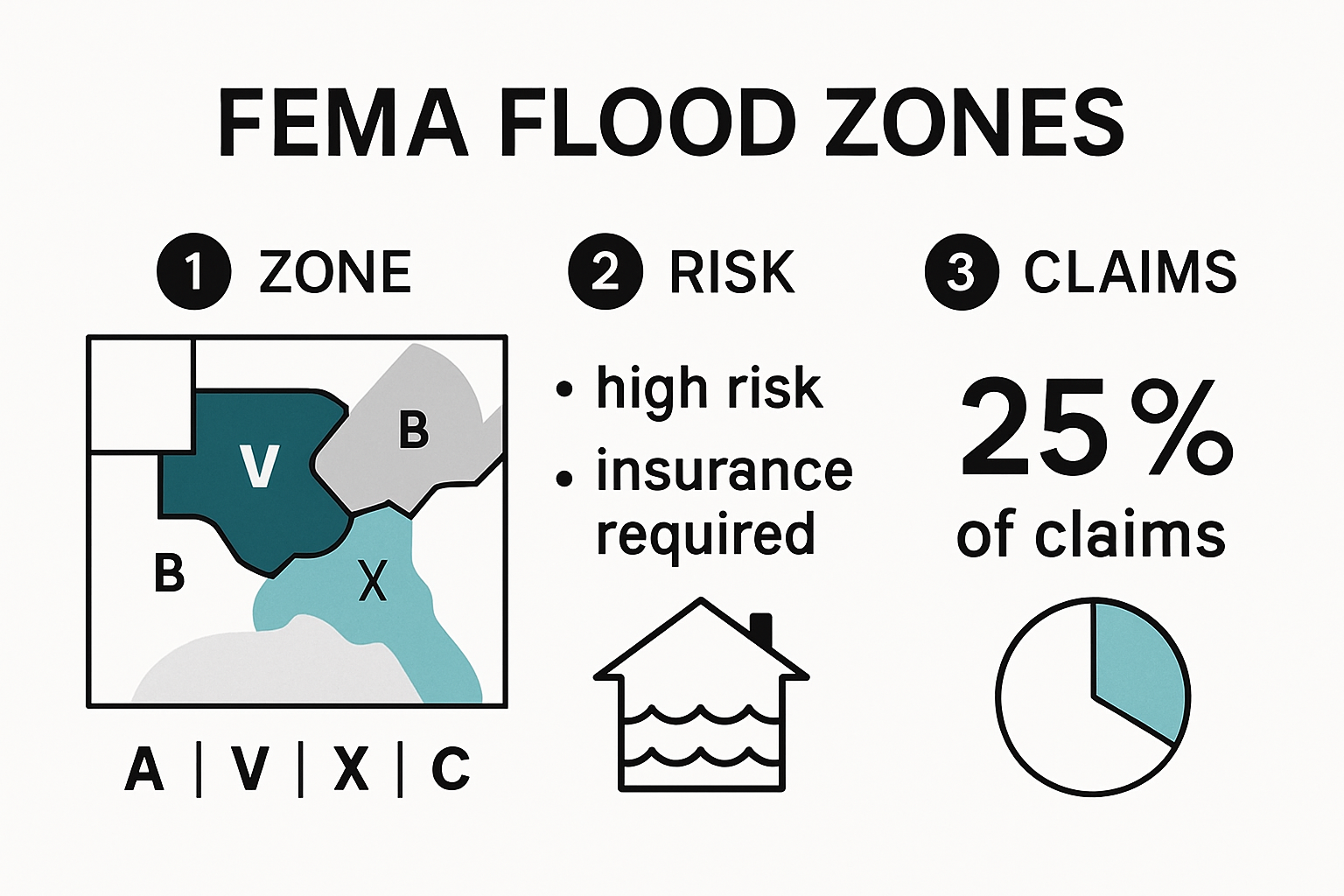
FEMA has developed a sophisticated system for classifying flood risks across different geographic regions. According to FEMA’s National Flood Hazard Layer, flood zones are categorized into several critical risk levels:
-
High Risk Zones (A and V Zones): These areas have at least a 1% annual chance of flooding. V zones are coastal regions with additional hurricane and storm surge risks. Homes in these zones typically require elevated foundations and specialized flood insurance.
-
Moderate Risk Zones (B and X Zones): Surprisingly, these areas are not immune to flooding. Climate Check reports that one in five flood insurance claims actually originate from these seemingly lower-risk zones, highlighting the unpredictable nature of water damage.
-
Low Risk Zones (C and X Zones): While statistically less prone to flooding, these areas are not flood-proof. Climate change and increasing extreme weather patterns have made traditional risk assessments less reliable.
Environmental and Topographical Risk Factors
Flood risks extend beyond simple zoning classifications. Multiple environmental factors contribute to potential flooding:
-
Watershed Characteristics: River basins, mountain snowmelt, and local drainage systems significantly impact flood potential. Urban areas with extensive concrete surfaces reduce natural water absorption, increasing runoff risks.
-
Climate Change Impact: Rising global temperatures are creating more frequent and intense precipitation events. NOAA research indicates an increasing trend of extreme weather patterns that dramatically elevate flood risks nationwide.
Personal Risk Assessment Strategies
Creating an effective flood safety checklist requires personalized risk evaluation:
- Review your local FEMA flood maps to understand your specific zone classification.
- Consult local emergency management offices for detailed regional flood history.
- Consider professional property assessments that analyze drainage, foundation elevation, and potential water intrusion points.
Remember, flood risks are dynamic. What seems like a low-probability event today could become a critical emergency tomorrow. Your flood safety checklist must reflect this understanding, integrating zone-specific preparedness with adaptable emergency response strategies.
By comprehensively understanding flood risks and hazard zones, you transform uncertainty into actionable knowledge—the first critical step in comprehensive disaster preparedness.
Comprehensive Flood Safety Checklist for All Stakeholders
Flood emergencies demand coordinated, strategic preparation from every stakeholder. A comprehensive flood safety checklist transcends individual actions—it requires synchronized efforts from families, emergency responders, government agencies, and relief organizations to mitigate risks and protect lives.
Essential Emergency Preparedness Kit
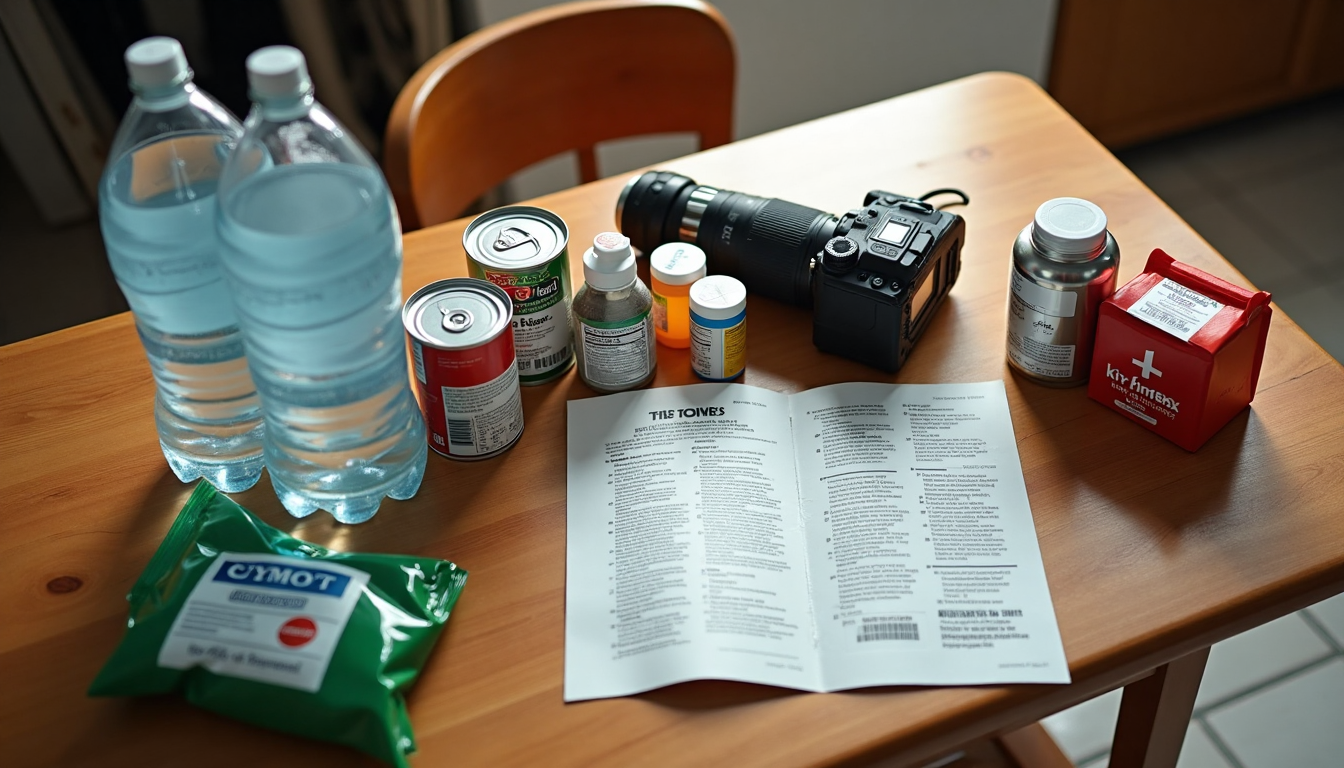
The foundation of flood safety begins with a meticulously assembled emergency kit. The American Red Cross recommends critical supplies that every household and response team must have:
- Water and Nutrition: One gallon of water per person per day for three days, non-perishable food with manual can opener
- Communication Devices: Battery-powered or hand-crank NOAA Weather Radio, extra batteries, mobile phone chargers
- Medical and Personal Supplies: First aid kit, 7-day medication supply, personal hygiene items, waterproof document storage
For more comprehensive guidance on maintaining a secure home environment during disasters, learn about our home safety recommendations.
Multi-Agency Communication and Coordination
Effective flood response requires seamless communication protocols. The CDC emphasizes understanding and mitigating disaster-related hazards through collaborative strategies:
- Establish clear communication channels between emergency services, local government, and community response teams
- Develop standardized evacuation protocols that account for vulnerable populations
- Create comprehensive risk assessment maps highlighting potential flood zones and emergency routes
Individual and Organizational Preparedness Strategies
New Mexico State University highlights critical preparedness steps for all stakeholders:
- Identify and memorize the safest evacuation routes to higher ground
- Conduct regular emergency drills for families and organizational teams
- Maintain updated contact lists for emergency services and family members
- Invest in appropriate protective equipment and personal safety gear
- Develop a comprehensive communication plan with designated emergency contacts
Your flood safety checklist is not just a document—it is a lifeline. By integrating these comprehensive strategies, families, responders, and organizations can transform potential chaos into coordinated, effective emergency response. Preparedness is not about eliminating risk but about building resilience and protecting what matters most.
Actionable Tips Before, During, and After a Flood
Flood emergencies require strategic, phased responses that adapt to changing conditions. Understanding precise actions for each stage of a flood event can dramatically increase survival chances and minimize potential damage to property and personal safety.
Preparation Phase: Before the Flood
The American Red Cross emphasizes comprehensive pre-flood preparation:
- Document Protection: Store critical documents in waterproof containers
- Emergency Kit Assembly: Prepare a 3-day survival kit with water, non-perishable food, medications, first aid supplies
- Communication Plan: Establish family emergency contact protocols
- Insurance Review: Confirm flood insurance coverage and understand policy details
Learn more about home safety strategies during disasters to enhance your preparedness approach.
Immediate Response: During the Flood
Emergency planning experts provide critical guidance for flood scenarios:
- Never attempt to drive through flooded roadways
- Abandon vehicles immediately if trapped in rising water
- Move to higher ground quickly and safely
- Avoid walking through moving water deeper than six inches
- Listen to local emergency broadcast channels for real-time instructions
Recovery Phase: After the Flood
The Red Cross recommends systematic post-flood recovery strategies:
- Wait for official clearance before returning home
- Document all property damage with comprehensive photographs
- Check for structural damages before entering buildings
- Inspect electrical systems and avoid potential electrocution risks
- Test water safety before consumption
Access comprehensive disaster recovery aid information to support your post-flood recovery process.
Successful flood navigation demands calm, informed decision-making. By understanding and implementing these strategic phases, individuals and families can significantly improve their resilience and recovery potential during challenging flood events.
Coordinating Relief Efforts and Insurance Claims
Flood disasters demand a synchronized approach between victims, relief organizations, insurance providers, and government agencies. Effective coordination can transform a chaotic recovery process into a streamlined pathway toward rebuilding lives and communities.
Multi-Agency Communication Protocols
Successful relief efforts require robust communication infrastructure. Emergency management experts emphasize the critical importance of establishing clear, rapid communication channels across different stakeholder groups:
- Centralized Reporting Systems: Create unified platforms where disaster victims can quickly report damages
- Real-Time Information Sharing: Develop secure digital networks connecting local governments, insurance companies, and relief organizations
- Multilingual Support: Ensure communication resources are accessible to diverse community populations
Learn how to access critical disaster recovery aid to understand the comprehensive support ecosystem.
Insurance Claim Documentation and Processing
Navigating insurance claims after a flood requires meticulous documentation and strategic approach:
- Photograph and video record all property damage immediately
- Maintain detailed logs of damaged items with estimated replacement values
- Keep all receipts related to emergency repairs and temporary housing
- Contact your insurance provider within 24 hours of incident
- Request an official claims adjuster inspection
Professional insurance adjusters recommend creating a comprehensive damage portfolio that includes:
- Structural damage evidence
- Personal property loss inventory
- Temporary relocation expenses
- Emergency repair documentation
Emergency Housing and Resource Allocation
Immediate shelter and resource distribution are critical components of effective flood response. Key strategies include:
- Rapid Assessment: Quickly identify and prioritize housing needs for displaced families
- Resource Mapping: Create detailed inventories of available emergency housing and support services
- Vulnerable Population Support: Develop specialized assistance protocols for elderly, disabled, and low-income communities
Explore our emergency housing request guide to understand the comprehensive support available during disaster recovery.
Successful relief coordination is not just about managing immediate needs—it is about rebuilding hope, restoring dignity, and creating resilient pathways for community recovery. By implementing strategic, compassionate response frameworks, we transform potential devastation into an opportunity for collective strength and renewal.
Frequently Asked Questions
What should be included in an emergency preparedness kit for floods?
An emergency kit for floods should include at least one gallon of water per person per day for three days, non-perishable food, a battery-powered or hand-crank NOAA Weather Radio, a first aid kit, necessary medications, and personal hygiene items stored in waterproof containers.
How can I evaluate my personal flood risk?
To evaluate your personal flood risk, review local FEMA flood maps, consult your local emergency management office for regional flood history, and consider having a professional assessment of your property’s drainage and elevation.
What are the key steps to take during a flood emergency?
During a flood emergency, move to higher ground quickly and safely, avoid walking through moving water deeper than six inches, never attempt to drive through flooded roadways, and listen to local emergency broadcast channels for real-time instructions.
How can I streamline the insurance claim process after a flood?
To streamline the insurance claim process after a flood, promptly document all property damage with photos and videos, keep receipts for emergency repairs, contact your insurance provider within 24 hours, and request an official claims adjuster inspection.
Turn Your Flood Safety Checklist Into Confident Action
Reading through the essential steps in this flood safety checklist, you might still feel overwhelmed by the reality of disaster recovery. The article highlights critical pain points: sudden displacement, confusing insurance processes, worries about finding emergency housing, and the stress of coordinating resources when every minute counts. Families and responders need more than just plans and checklists—they need reliable support that turns preparation into real-life solutions.
If you want help bridging the gap between knowing what to do and actually getting it done, explore our Project design solutions for flood response. Our experts at DisasterVictimServices.com work day and night to connect you with emergency housing, direct insurance claim support, and the critical logistical guidance needed for fast recovery. Do not let a flood catch you off guard. Partner with a compassionate team that can help you move from crisis to rebuilding, step by step. Contact us now to safeguard your family and future.
Recommended Articles
- Home Safety Tips 2025: Essential Guide for Disaster Recovery – Disaster Victim Services | Helping You Recover After Disaster
- First Aid Basics 2025: Essential Guide for Disaster Recovery Teams – Disaster Victim Services | Helping You Recover After Disaster
- How to Access Aid in 2025: A Guide for Disaster Victims and Responders – Disaster Victim Services | Helping You Recover After Disaster