
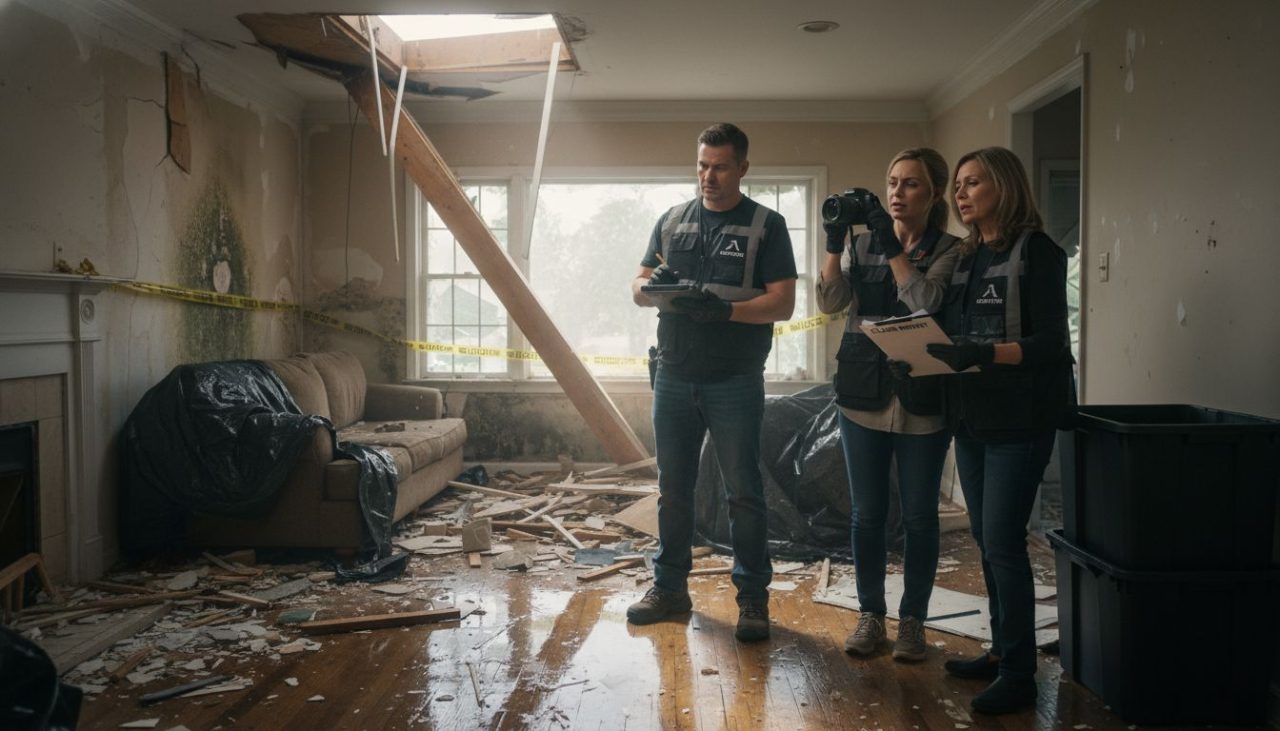
Every minute counts when disaster strikes your home, yet more than half of insurance claims are delayed due to late reporting. A single day can make the difference between swift recovery and months of setbacks. Learning why urgent damage reporting matters helps protect your property, secure vital funds, and avoid common pitfalls. This guide lays out practical steps so you can act quickly and reduce the risk of costly mistakes after any disaster.
Table of Contents
- Defining Disaster Damage Reporting Urgency
- How Fast Reporting Impacts Recovery Timelines
- Insurance Claims: Timelines and Requirements
- Legal and Financial Consequences of Delay
- Common Pitfalls When Reporting Damage Late
Key Takeaways
| Point | Details |
|---|---|
| Timely Reporting is Crucial | Prompt documentation of disaster damage is essential to prevent further property deterioration and facilitate smooth insurance claims. |
| Immediate Assessment and Documentation | Quickly assess safety and take comprehensive photographic evidence before any cleanup to support your claim effectively. |
| Understanding Reporting Deadlines | Submit your Proof of Loss within 60 days of the incident to comply with insurance requirements and avoid claim denial. |
| Consequences of Delays | Delays in reporting can lead to financial losses, increased repair costs, and potential forfeiture of insurance coverage. |
Defining Disaster Damage Reporting Urgency
Understanding disaster damage reporting urgency means recognizing the critical window between experiencing a catastrophic event and documenting its impact. According to Insurance.wa.gov, promptly reporting damage after a natural disaster is crucial to prevent further harm and efficiently initiate insurance claims.
The core of damage reporting urgency revolves around several key principles. First, immediate documentation stops additional deterioration of your property. Water damage, for instance, can rapidly spread mold and structural compromise if not addressed quickly. FEMA emphasizes that timely reporting is not just recommended but often a requirement for policyholders to ensure a smooth claims process.
Reporting urgency breaks down into three primary components:
- Immediate Safety Assessment: Quickly determine potential risks to human life and property
- Photographic Evidence: Document damage comprehensively before cleanup or repairs begin
- Precise Communication: Provide clear, detailed information to insurance providers and emergency services
Navigating disaster damage reporting requires a strategic approach. When possible, connect with local authorities, insurance adjusters, and relief organizations like our Step by Step Adjuster Response for Disaster Recovery guide to streamline your recovery process. Understanding these reporting protocols transforms a potentially overwhelming experience into a manageable pathway toward restoration and healing.
How Fast Reporting Impacts Recovery Timelines
Understanding the intricate connection between rapid damage reporting and recovery timelines is crucial for disaster victims. DFS New York emphasizes that filing claims promptly after a loss accelerates the recovery process by enabling quicker assessment and settlement from insurance companies. Think of reporting speed as the first domino in a complex chain of recovery actions.
The impact of fast reporting cascades through multiple critical recovery stages. Immediate communication with insurance providers and emergency services creates a streamlined pathway for damage assessment, resource allocation, and financial support. According to North Carolina Department of Insurance, contacting your insurance agent immediately after storm damage ensures timely inspection and expedites the entire claims process.
Recovery timeline acceleration depends on several interconnected factors:
- Documentation Speed: The faster you document damage, the quicker insurers can process your claim
- Evidence Preservation: Immediate reporting helps capture critical evidence before cleanup or restoration begins
- Financial Support Trigger: Rapid reporting initiates financial assistance mechanisms
For comprehensive insights into navigating these complex recovery processes, explore our 7 Essential Steps for Your Disaster Recovery Timeline 2025 guide. Understanding these dynamics transforms an overwhelming situation into a structured, manageable recovery journey, empowering victims to take decisive, strategic actions during challenging times.

Insurance Claims: Timelines and Requirements
Navigating the complex landscape of insurance claims after a disaster requires understanding critical timelines and documentation requirements. Massachusetts Government notes that insurance companies are expected to respond to claims and inspect damage promptly, though actual timelines can vary significantly based on the complexity and extent of damage sustained.
The claim submission process involves multiple strategic steps that disaster victims must carefully execute. FEMA highlights a crucial requirement: policyholders are typically mandated to submit a Proof of Loss within 60 days from the date of loss, with potential extensions available under certain circumstances. This deadline underscores the importance of meticulous and timely documentation.
Key components of successful insurance claim navigation include:
- Immediate Notification: Contact your insurance provider within 24-48 hours of discovering damage
- Comprehensive Documentation: Gather detailed photographic and written evidence of all damages
- Precise Record Keeping: Maintain receipts, repair estimates, and communication logs
- Consistent Follow-Up: Regularly communicate with your insurance adjuster
For detailed guidance through this intricate process, explore our comprehensive Claim Documentation Tips for Effective Disaster Recovery resource. Understanding these nuanced requirements transforms a potentially overwhelming experience into a structured path toward financial recovery and rebuilding.
Legal and Financial Consequences of Delay
Delaying insurance claim reporting can trigger a cascade of complex legal and financial repercussions that extend far beyond immediate property damage. Wisconsin Office of the Commissioner of Insurance reveals a critical insight: delays in processing insurance claims can directly impact consumers’ ability to apply for crucial FEMA disaster assistance, as timely claim denials are often prerequisite for such applications.
The financial implications of reporting delays are multifaceted and potentially devastating. Insurance policies typically include strict time-sensitive provisions that can void coverage if notification protocols are not promptly followed. This means potential forfeiture of thousands of dollars in potential recovery funds, leaving disaster victims financially vulnerable and without critical resources for rebuilding.
Potential consequences of claim reporting delays include:
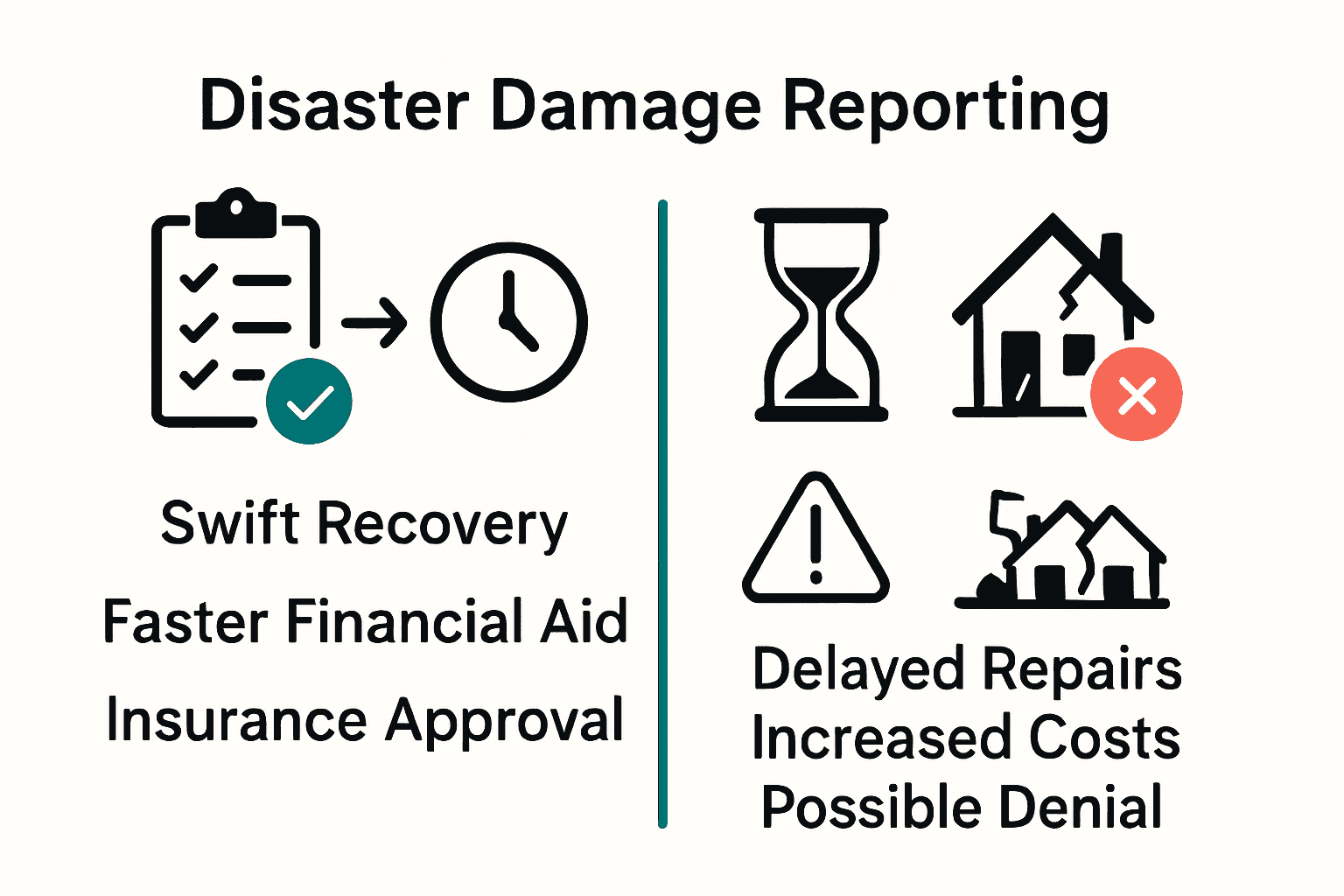
- Coverage Forfeiture: Risk of entire insurance claim being invalidated
- Increased Repair Costs: Additional damage from delayed mitigation
- Limited Financial Assistance: Reduced eligibility for government aid
- Legal Complications: Potential breach of insurance contract terms
For comprehensive strategies to navigate these complex legal landscapes, explore our Insurance Claim Verification Steps: 2025 Guide for Disaster Victims and Support Teams. Understanding these nuanced risks transforms potential financial catastrophe into a manageable recovery pathway, empowering disaster victims to protect their interests and secure necessary resources.
Common Pitfalls When Reporting Damage Late
Delaying disaster damage reporting can create a minefield of complex challenges that dramatically complicate recovery efforts. Historic Preservation Office warns that postponing damage documentation can lead to significant complications in the claims process, including substantial difficulties in proving the extent of damage and potential claim outright denial.
The cascading consequences of late reporting extend far beyond initial documentation challenges. North Carolina Department of Insurance highlights that failing to promptly report storm damage triggers a domino effect of recovery obstacles, including prolonged inspection timelines, delayed settlement processes, and increased risk of additional property deterioration.
Most critical pitfalls of delayed damage reporting include:
- Evidence Degradation: Natural weathering and time diminish visible damage proof
- Increased Repair Complexity: Secondary damage accumulates while claims remain unprocessed
- Financial Vulnerability: Potential gaps in insurance coverage and assistance eligibility
- Documentation Challenges: Reduced ability to substantiate original damage claims
For comprehensive guidance on navigating these potential obstacles, explore our Essential Steps After Home Damage: Guide for 2025. Understanding these potential pitfalls transforms potential recovery roadblocks into strategic opportunities for effective damage management and financial protection.
Act Fast to Protect Your Future After Disaster Damage
Disaster damage reporting is not just a task but a race against time to secure your safety, preserve critical evidence, and ensure financial recovery. This article highlights why quick reporting is essential to avoid legal and financial complications and how delays increase risks of coverage loss and prolonged hardship. If you are facing these urgent challenges, our team at DisasterVictimServices.com stands ready to provide expert guidance, helping you navigate insurance claims and connect you with immediate emergency housing and recovery resources.
Don’t let delay add to your stress. Explore our Uncategorized – Disaster Victim Services | Helping You Recover After Disaster to learn more about effective recovery strategies. Reach out now to take control with compassionate, efficient support from our disaster response experts. Visit our main site to start your recovery journey and see how our coordinated approach can make a critical difference when every moment counts.
Frequently Asked Questions
Why is it important to report disaster damage quickly?
Promptly reporting disaster damage is crucial because it helps prevent further deterioration of your property, allows for quicker insurance claim processing, and initiates necessary financial assistance for recovery.
What should I document when reporting disaster damage?
You should document the damage with comprehensive photographic evidence and detailed written descriptions before any cleanup or repairs begin. This documentation is vital for supporting your insurance claim.
What are the consequences of delaying damage reporting?
Delaying damage reporting can result in coverage forfeiture, increased repair costs, limited financial assistance eligibility, and potential legal complications related to your insurance policy.
How quickly should I notify my insurance provider after a disaster?
It is recommended to contact your insurance provider within 24-48 hours of discovering damage to ensure timely inspection and expedite the claims process.
Recommended
- Essential Steps After Home Damage: Guide for 2025 – Disaster Victim Services | Helping You Recover After Disaster
- Essential Steps After Home Damage: Guide for 2025 – Disaster Victim Services | Helping You Recover After Disaster
- How to Handle Disaster: A Step-by-Step Recovery Guide – Disaster Victim Services | Helping You Recover After Disaster
- Critical Incident Response Steps for Effective Disaster Relief – Disaster Victim Services | Helping You Recover After Disaster